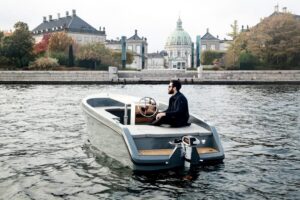
One day in Copenhagen, and you’re inside Denmark’s war story. The Danish War Museum sits in the historic Tøjhus Arsenal and follows conflicts from the 1500s all the way to modern campaigns, with some weirdly compelling objects along the way. I especially like the museum’s 163-meter-long first-floor hall, because it makes the scale feel real and gives you an easy spine to follow through the exhibitions.
What I like most is that it mixes big timelines with hands-on specifics—like the armor and weapons, plus striking display pieces such as a ship model made of bones. The one thing to plan around is mobility: there’s no elevator to reach the first-floor exhibitions, so if stairs are an issue, plan your route carefully (you can bring your own wheelchair or baby carriage).
Key points to know before you go
- Tøjhus Arsenal building: Christian IV’s armory from 1604 adds extra weight to every gallery.
- A 163-meter first-floor hall: the longest room in the Nordics makes it easier to orient and pace.
- Timeline from the 1500s to present day: you’ll see everything from knights to the War in Afghanistan.
- Unusual, memorable artifacts: bone ship model, a military car tied to an Afghanistan roadside bomb, and an American Civil War uniform.
- Hammock storytelling: a slower break while you hear Danish stories from the seven seas.
- Spot exhibition on drones: it turns today’s drone footage into questions about fear, targeting, and defense systems.
In This Review
- Tøjhus Arsenal: the building you step into
- The 163-meter first-floor hall and how to plan your route
- From 1500s knights to modern conflicts: following Denmark’s war timeline
- Don’t-miss objects: bone ship model, Afghanistan car, and the Civil War uniform
- Armor and weapons: what to look for beyond the shine
- Hammock time and Danish stories from the seven seas
- The new drones spot exhibition: fear, sensors, and future tactics
- Price and value for a full-day museum entry at about $20
- Who should book this Danish War Museum ticket?
- Should you book the Danish War Museum entry ticket?
- FAQ
- Where is the Danish War Museum located?
- How long is this museum ticket valid?
- What is included with the Danish War Museum entry ticket?
- What time period does the museum cover?
- What are some specific highlights and special exhibits?
- Is there a hammock area inside the museum?
- Is there an elevator for the first-floor exhibitions?
- Can I cancel and can I pay later?
Tøjhus Arsenal: the building you step into
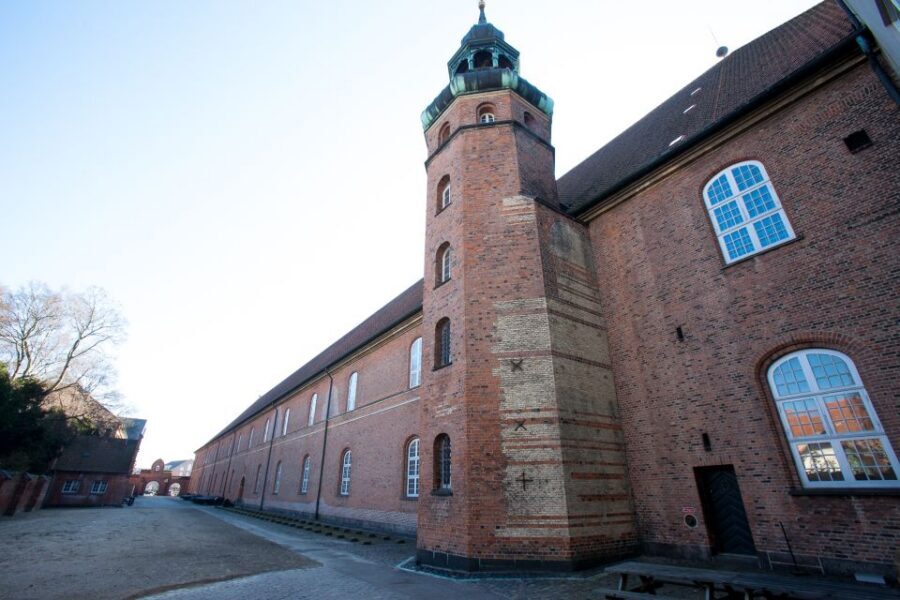
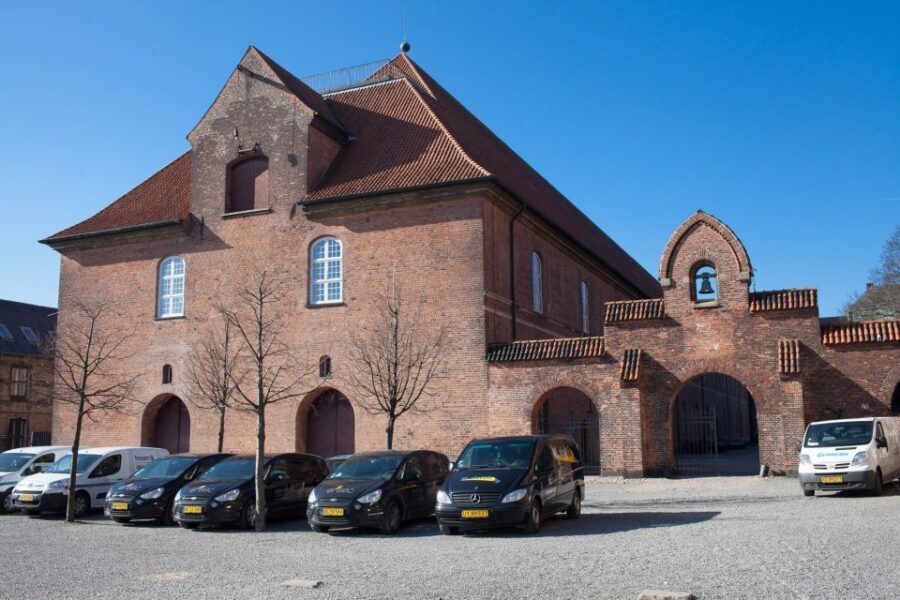
You’re not just buying a museum ticket—you’re walking into an old armory. The Danish War Museum is housed in the Tøjhus Arsenal building, built by King Christian IV in 1604. That matters more than it sounds. When you’re looking at weapons, uniforms, and military maps, it helps to have the walls share the same purpose that the objects once served.
This is also why the museum feels practical for a one-day visit. The space already has a military “logic” to it—long sight lines, solid rooms, and a clear sense of movement. Even if you only spend part of the day, you’ll still get that sense of stepping through time in a place built for military history.
The 163-meter first-floor hall and how to plan your route
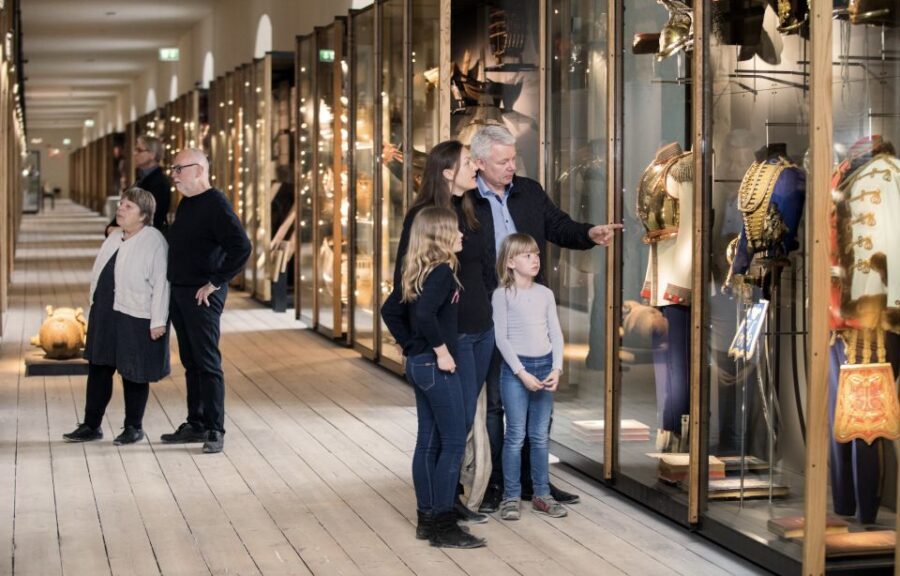
The museum’s first floor has a 163-meter-long hall. It’s described as the longest room in the Nordics, and that’s not just a brag number. Long rooms make it easier to keep your bearings. You can follow a natural flow without constantly backtracking, and you can pace yourself by choosing where to slow down.
Here’s the practical way I’d use it:
- Start with the parts that help you understand the timeline (armor, weapons, and key periods).
- Then go back for the “wow” objects—because those are the ones you’ll want time to read closely.
- Save the quieter breaks (like the hammock) for when your brain starts to feel full of dates and details.
One important consideration: there’s currently no elevator to reach the first-floor exhibitions. If you’re using a wheelchair or pushing a baby carriage, it’s possible to bring it with you, but do plan on stairs to access the first-floor galleries. If mobility is tight, you may want to focus on the sections you can reach comfortably and treat the rest as optional.
A few more Copenhagen tours and experiences worth a look



From 1500s knights to modern conflicts: following Denmark’s war timeline
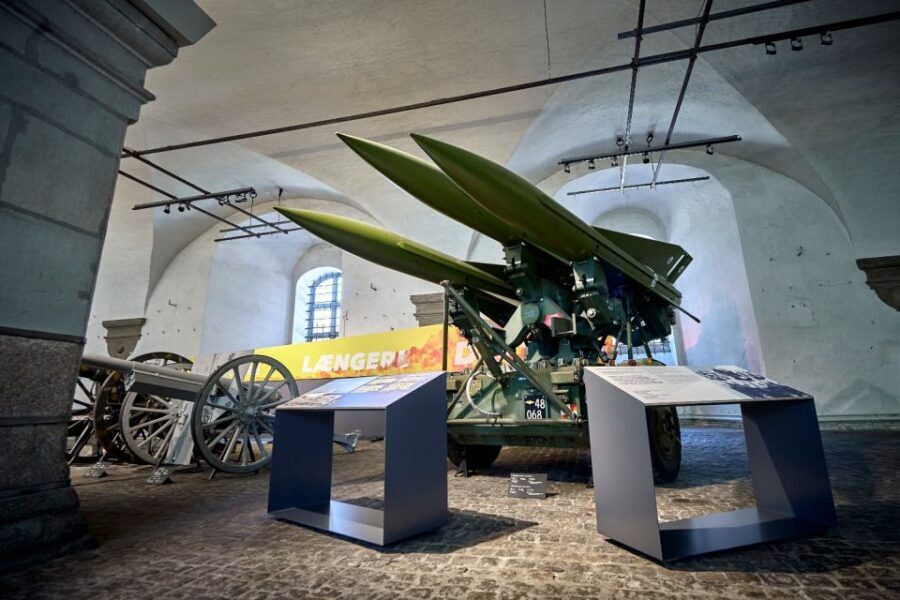
The Danish War Museum covers Denmark’s military history from the 1500s to today. That long range can feel daunting in theory, but the way the exhibits are presented makes it easier to track because they’re built around distinct time periods and major shifts in warfare.
What you’ll likely notice as you move through:
- Early on, you get the armor-and-knights angle, including 15th-century Danish knights.
- Then the galleries pivot to regional conflicts and changing threats, including the war with the Swedes in the 17th century.
- Next comes conflict farther afield—like the 19th-century war involving the English.
- From there, the museum brings in World War II and the Cold War, and then connects to Denmark’s involvement in 21st-century conflicts, including the War in Afghanistan.
This structure is one reason the entry ticket is worth it for a full day. You’re not just staring at objects; you’re building a story in your head. Each period gives you a different “kind” of war—armor and battlefield gear one moment, geopolitical tension the next, and then modern conflicts with new technology.
Don’t-miss objects: bone ship model, Afghanistan car, and the Civil War uniform
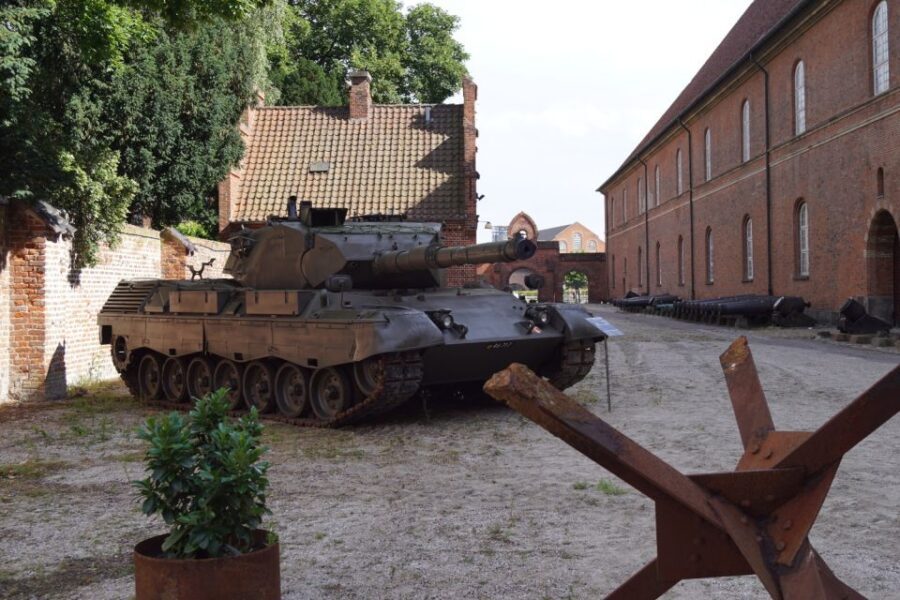
Some museums rely on one or two centerpiece displays. This one layers in multiple standouts, and that’s great for keeping attention during a long visit.
Here are three items that are specifically called out and are worth hunting for:
- A ship model made of bones. It’s unsettling and memorable, and it instantly gives you a deeper feel for how war can turn into trophy, artifact, and story.
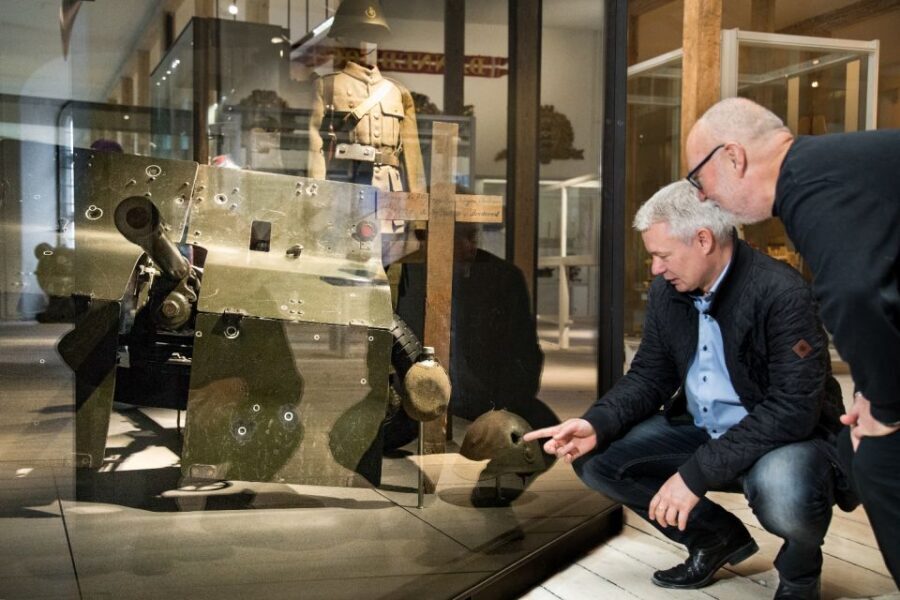
- A 150-year-old biscuitia military car connected to a roadside bomb in Afghanistan. The note that everyone survived is an important counterweight in the narrative—war is still there, but the display includes the human outcome, not just the machinery.
- The world’s only complete example of a uniform from the American Civil War. This is the kind of detail that makes a museum feel genuinely collectible, not generic. It also reminds you that Denmark’s military story isn’t trapped in one timeline—it intersects with broader European and international contexts.
I like how these objects don’t just sit there as props. They’re tied to bigger themes, so when you hit one of these “what am I looking at?” displays, the rest of the exhibition becomes easier to connect to.
Armor and weapons: what to look for beyond the shine
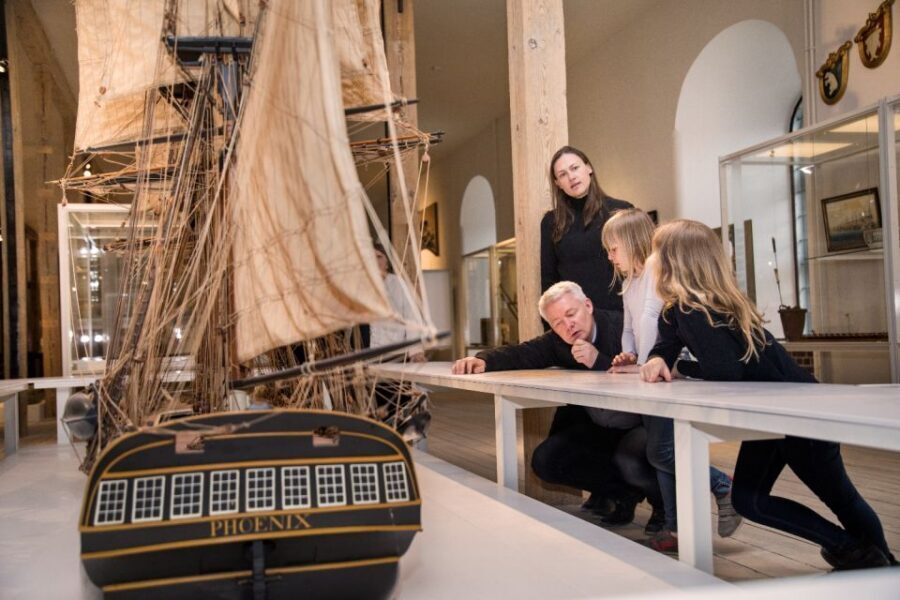
The museum leans into the visual impact of weapons and armor, and yes, there’s a lot of shine. But the real value is that you can look for how materials, design, and purpose change over centuries.
When you’re viewing armor and weapons, I’d focus on three things:
- Construction: how parts were made to protect different areas of the body.
- Purpose: what the equipment suggests about tactics at the time.
- Context: what the exhibit says about who used it and against what kind of threat.
Even if you’re not a military-history specialist, you can still enjoy these galleries. The museum doesn’t require you to know everything already. It gives you enough framework to understand why the items exist, and you can use that to compare periods as you go.
This is also one area where your pacing matters. If you try to read every label in one rush, you’ll miss the patterns. Slow down for the items that you can imagine in action, then skim the rest long enough to keep the timeline moving.
Hammock time and Danish stories from the seven seas
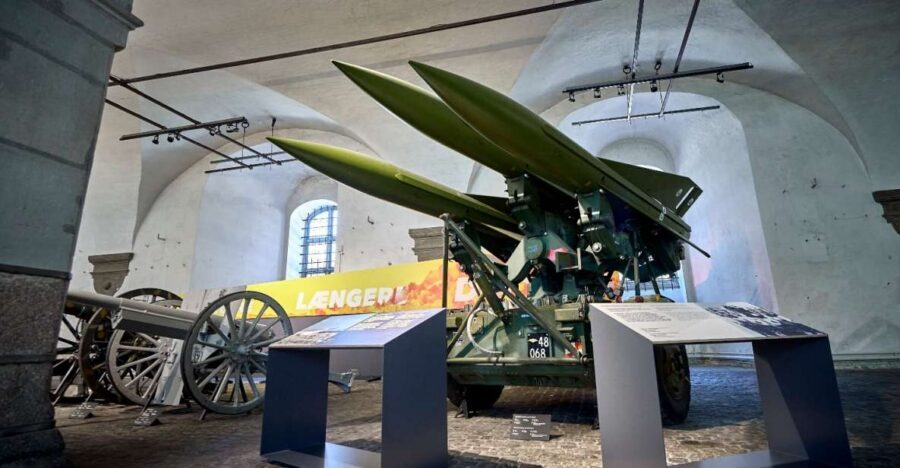
After the heavier galleries, the museum offers a breather: you can relax in a hammock and listen to Danish stories from the seven seas. This is a small feature, but it works because it changes your pace and switches the tone from objects and wars into storytelling.
For a practical visit, this hammock stop is a great reset point. If you’ve been on your feet for a while, it gives you a chance to rest without leaving the museum. And because it’s tied to Danish seafaring stories, it also helps connect conflict to culture, not just strategy.
Think of it as a soft landing. You’re still in the war museum, but the museum is smart enough to remember that your day needs rhythm.
You can also read our reviews of more museum experiences in Copenhagen




The new drones spot exhibition: fear, sensors, and future tactics
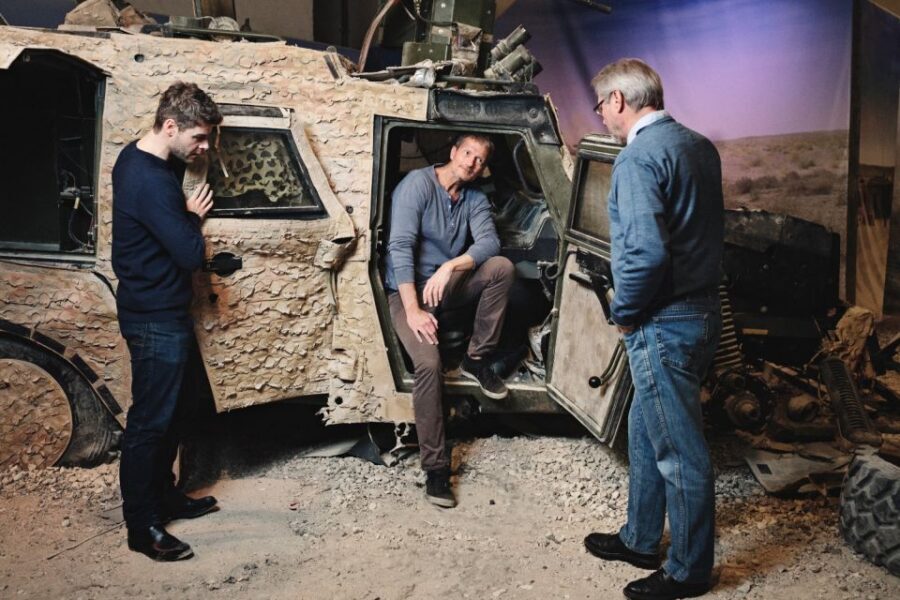
One of the standout “modern” additions is the museum’s spot exhibition about drones. It asks a very current question: Have drones changed the way we wage war?
The exhibit frames drones through real-world examples and the way media and social media spread images of attacks. It also pulls the discussion into the emotional and tactical effects:
- drones spread fear and terror in places where they monitor and drop bombs
- cameras and sensors can make a person feel watched anywhere
- the exhibit raises horror-scenario questions about whether autonomous killing machines could become part of the future
- it looks at the defense side, including questions about whether Denmark’s defenses can stop drone attacks
Even if you’re tired of reading by this point, this section is worth slowing down for. It’s not only a history show. It’s about interpretation—how a new piece of technology changes how war feels to people on the ground.
Price and value for a full-day museum entry at about $20

At $20 per person for a 1-day visit, the value depends on one thing: how much you enjoy building a timeline through centuries.
If you like military history, you’ll probably feel like you’re getting multiple museums’ worth of themes in one stop:
- early armor and weapons
- regional conflicts in earlier centuries
- major 20th-century turning points
- modern conflicts and the War in Afghanistan
- and a technology-focused spot exhibition on drones
Also, the physical space helps the value. The first-floor hall’s sheer length makes it feel like a real journey, not a small gallery hopping session. Add in the hammock break and you get a visit that doesn’t force you into constant standing or constant intensity.
For less history-obsessed visitors, it can still work, as long as you pick your targets. You don’t have to read everything line-by-line. Use the hall as your route, pick a couple of standout periods, then spend extra time on the unique artifacts and the drone exhibition.
Who should book this Danish War Museum ticket?
This is a strong match if you:
- want a single, focused museum in Copenhagen that covers centuries of war in one place
- enjoy seeing how technology and tactics evolve, not just dates and battles
- like museums that include unusual objects, like the bone ship model and the Civil War uniform
- want a mix of heavy topics and a calm break, thanks to the hammock area
It’s also a good fit for older teens and adults who can handle serious themes. The museum covers wars up to modern conflicts, so expect weighty subject matter.
If you have mobility constraints, plan around the first-floor access issue due to no elevator. And if you visit with a baby carriage, you can bring one, but still think ahead about the layout and where you’ll want to spend time.
Should you book the Danish War Museum entry ticket?
Yes, you should book it if you want more than a quick museum stop. The Danish War Museum is built around a long timeline, anchored by that dramatic Tøjhus Arsenal setting and the 163-meter hall that makes the visit feel like a real walk through military time.
Book it with intention: go for the core timeline periods, hunt down the named standout artifacts, and don’t skip the hammock break and the drones spot exhibition. If you do that, $20 feels like a fair deal for a full-day experience that’s equal parts history, artifacts, and modern questions.
If you only want a short, light museum visit, then maybe this one isn’t for you. But if you’re okay with serious topics and you like museums that connect objects to bigger stories, this ticket is a solid choice.
FAQ
Where is the Danish War Museum located?
The Danish War Museum is in the historic Tøjhus Arsenal building in Copenhagen. The building was built by King Christian IV in 1604 and functioned as an armory.
How long is this museum ticket valid?
The ticket is valid for 1 day. Starting times depend on availability.
What is included with the Danish War Museum entry ticket?
The ticket includes admission to the Danish War Museum.
What time period does the museum cover?
The exhibitions cover Danish war history from the 1500s up to the present day, including the War in Afghanistan.
What are some specific highlights and special exhibits?
You can see armor and weapons from different centuries, including 15th-century Danish knight armor. The museum also features a ship model made of bones, a 150-year-old biscuitia military car tied to an Afghanistan roadside bomb story, and the world’s only complete example of a uniform from the American Civil War. There is also a spot exhibition about drones.
Is there a hammock area inside the museum?
Yes. You can relax in a hammock and listen to Danish stories from the seven seas.
Is there an elevator for the first-floor exhibitions?
No. There is currently no elevator to help people reach the exhibitions on the first floor. You can bring your own wheelchair or baby carriage.
Can I cancel and can I pay later?
Yes. You can cancel up to 24 hours in advance for a full refund. You can also reserve now and pay later.