Category: Walking Tours

  • Copenhagen: Group Walking Tour – City Highlights – 2 Hours

    Copenhagen: Group Walking Tour – City Highlights – 2 Hours

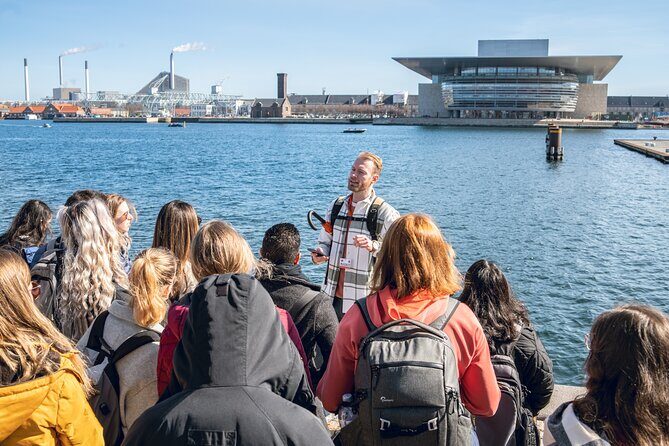
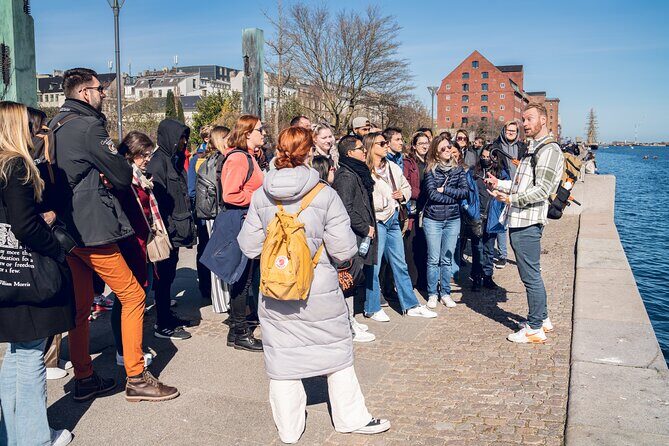
    Copenhagen can feel like a museum in heels. This walk makes it quick, funny, and street-level, with politically incorrect humor wrapped around real royal and fairytale-era Denmark. I like the mix of big, recognizable stops and the way the guide keeps you moving so the city never turns into a lecture.

    What I especially liked is the tour’s practical flow: it covers a strong set of highlights while still adding stories that help the streets make sense. You also get built-in GPS guidance, which is handy when you are trying to save your phone battery. The main drawback is the tone: if you do not want jokes that can get offensive (and sometimes personal about nationalities), this is not the tour for you.

    The fun walk through the main hits, but with jokes

    • Politically incorrect, off-the-wall storytelling that stays centered on Copenhagen’s famous landmarks
    • GPS built-in so you can keep your phone for photos and directions later
    • A tight 2-hour route that threads from the historic core toward the royal palaces area
    • Stops you can actually use later (Strøget, Nyhavn, Amalienborg, and more)
    • Good for first-timers who want orientation plus laughs, not a slow, academic history lesson
    • Bring the right mindset: English matters, and some topics are not for the easily offended

    How the Tour Works: 2 Hours, One Walk, Big Name Sights
    Copenhagen: Group Walking Tour - City Highlights - 2 Hours - How the Tour Works: 2 Hours, One Walk, Big Name Sights
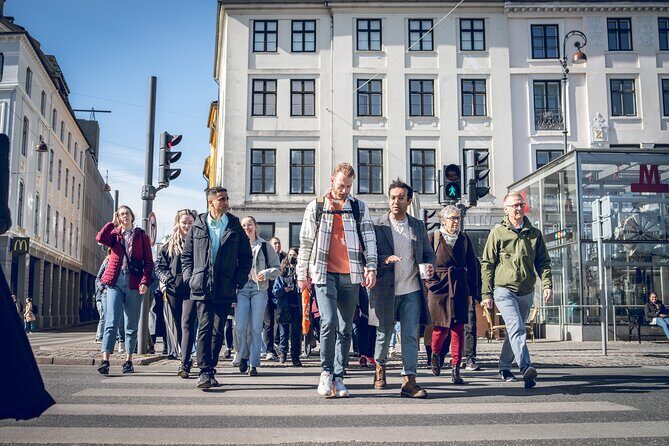
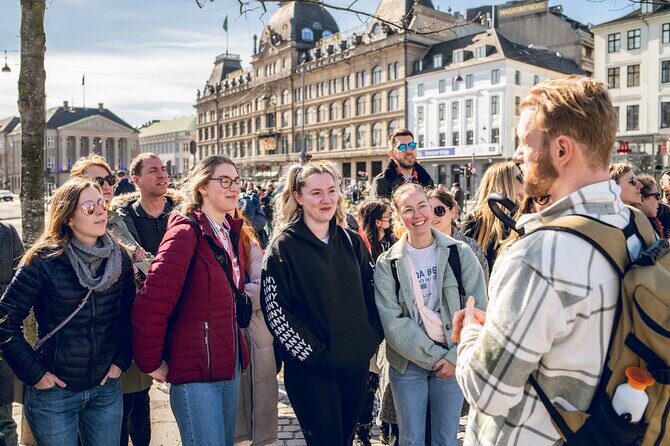
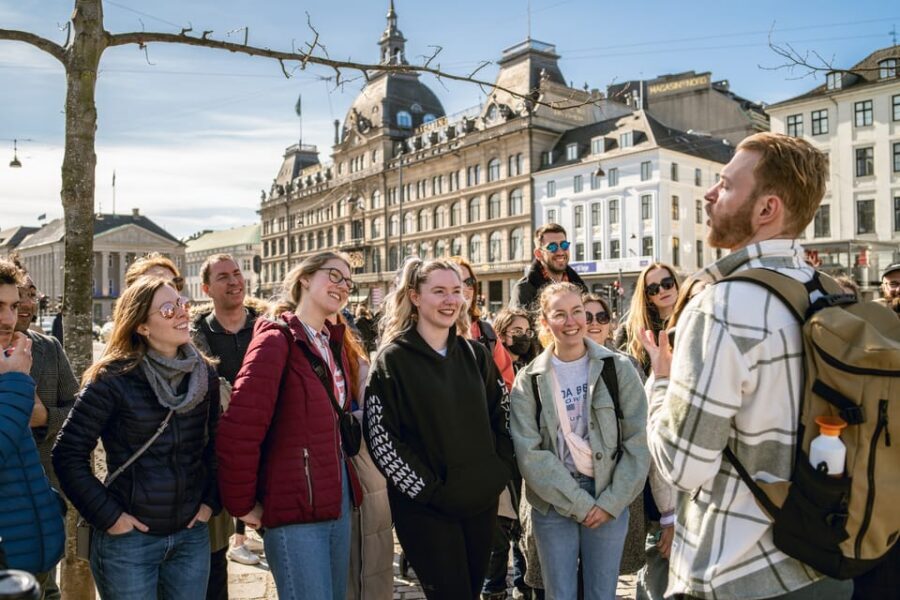
    This is a group walking tour built for momentum. In 2 hours, you cover a classic arc across central Copenhagen: starting near the transit hub at Gammel Strand, then cutting through the city’s key streets, squares, churches, and theater/royal landmarks, and ending by the Amalienborg Royal Palaces area and the Marble Church.

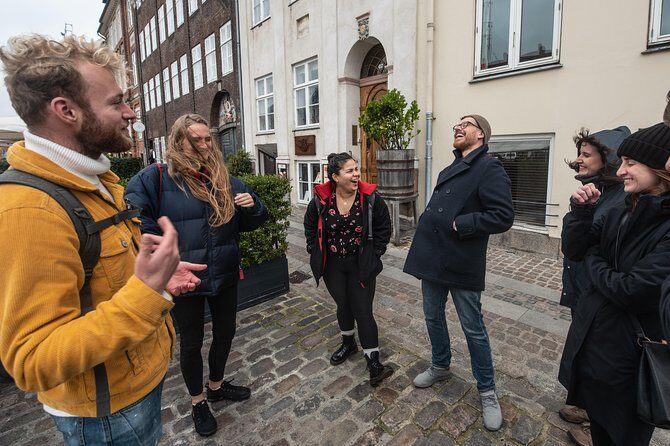
    The pitch is not subtle. The guides mix history with humor, and the humor is the star of the show. It is not trying to be a quiet museum talk. If you go in expecting dates, dynastic charts, and long-form scholarship, you will probably feel impatient. If you go in wanting the street stories behind the photos, you will enjoy how fast the tour connects the dots.

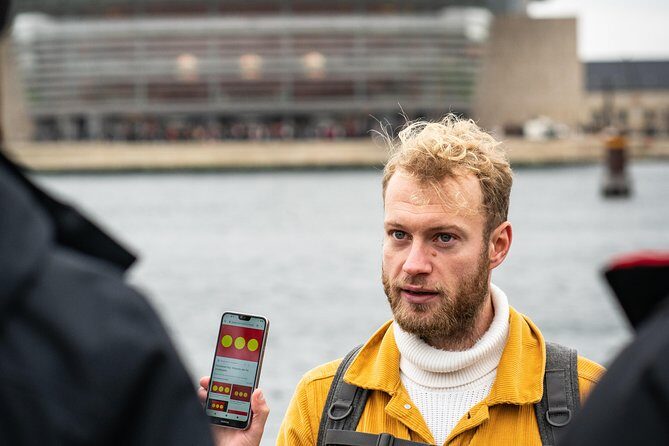
    Also, they run it like a guided route, not a free-for-all. You meet in a very specific spot and you follow along as the guide talks. One very practical perk: the guide system is designed to reduce your phone-dependence, so you can spend your attention on the street rather than the map.

    Meeting Point and the Orange Umbrella Reality Check
    Copenhagen: Group Walking Tour - City Highlights - 2 Hours - Meeting Point and the Orange Umbrella Reality Check
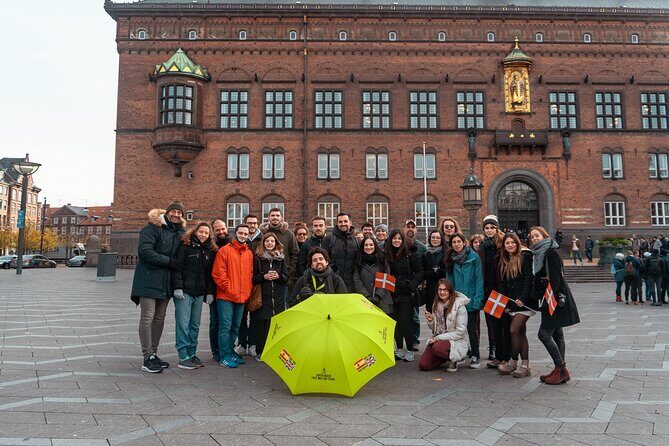
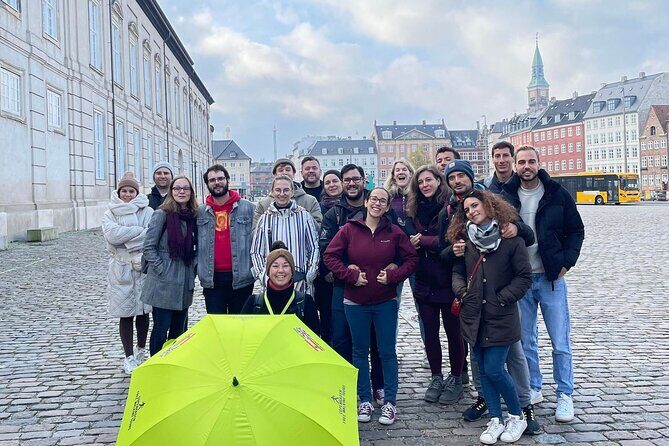
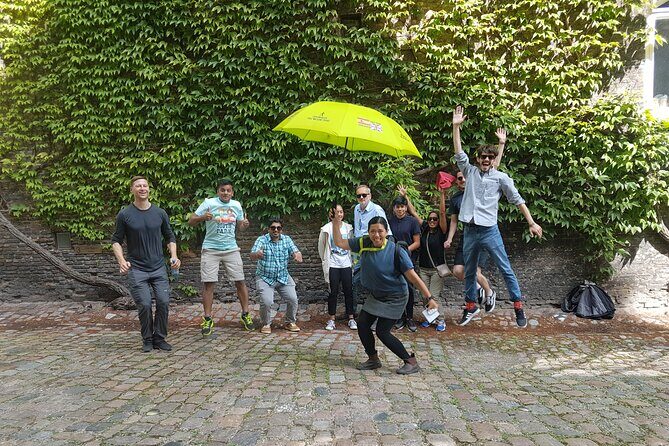
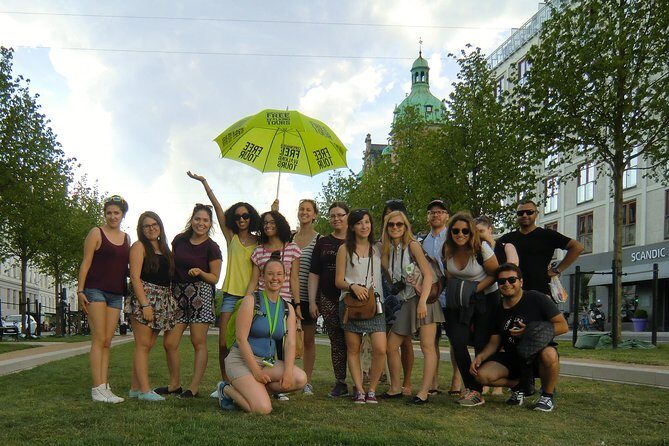
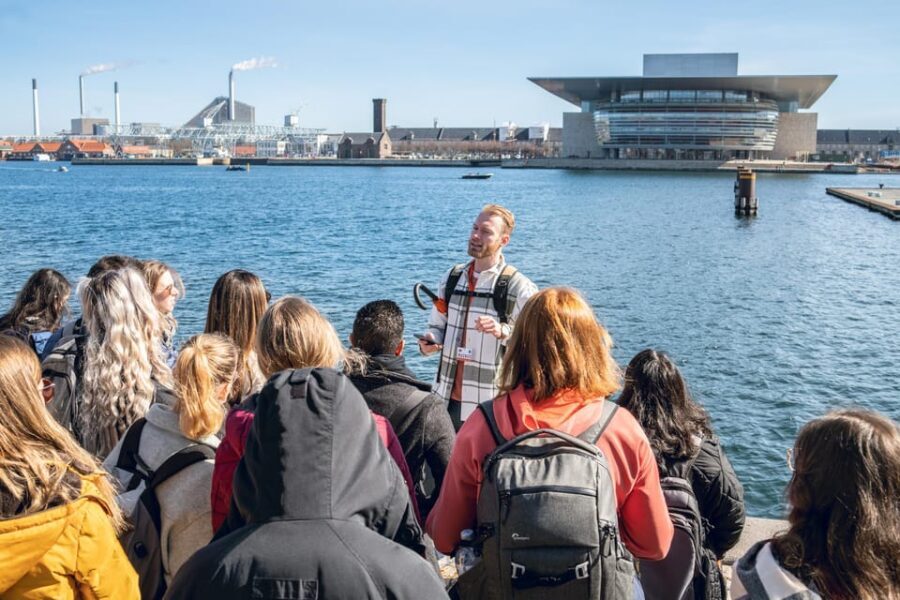
    Meet outside Gammel Strand Metro Station. Your exact meeting location is between the metro station entrance and the statue of Absalon (the bishop figure on a horse). Look for the guide carrying an orange umbrella.

    Arrive 15 minutes early. This is not just good etiquette; it matters because the tour is not guaranteed if the group is late getting started. If you are traveling with a tight schedule, I’d still plan to show up early enough to find the group without rushing.

    One more note that affects your experience: English is mandatory. The guide mixes humor into the history, so if you are not comfortable catching jokes in real time, you might miss part of the payoff.

    Value at $39: What You Actually Get in Two Hours
    Copenhagen: Group Walking Tour - City Highlights - 2 Hours - Value at $39: What You Actually Get in Two Hours
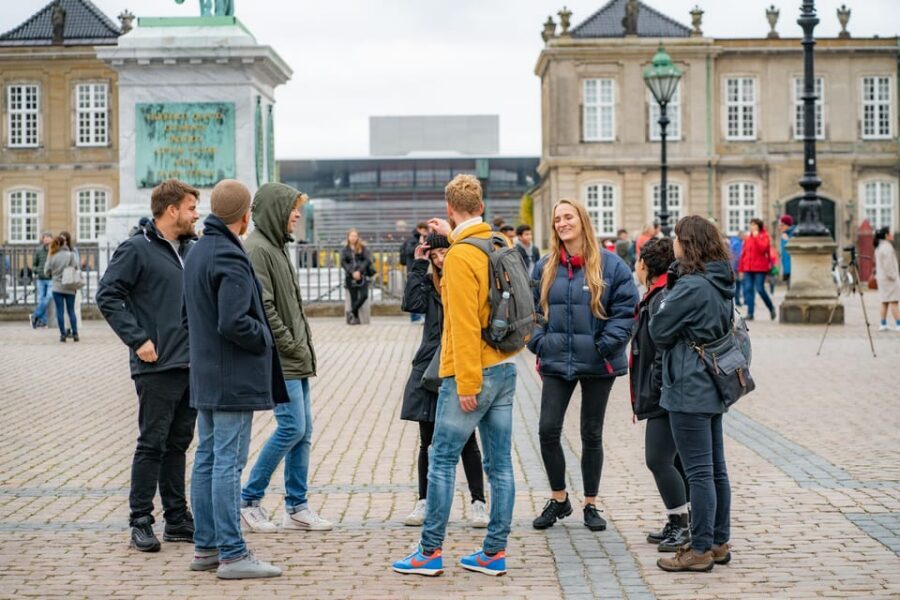
    $39 is a fair price for a guided intro to Copenhagen’s center—especially because you are paying for two things at once: (1) a route that strings together the most photographed areas, and (2) a guide who turns those places into stories you can remember.

    You do not pay extra for the guide itself; the tour is guided, with entrance fees not included. That means you are paying for the walking and the storytelling, not for timed ticket access. In practice, that is a smart fit for travelers who want to spend the day seeing, not waiting in line.

    If you are the type who likes to walk off your jet lag with a plan, this kind of tour is often the best value move you can make early in a trip. You get your bearings, and you end up knowing what to circle back to later—without having to “figure it out” from scratch.

    Stop by Stop: What Each Landmark Adds (and What to Watch)
    Copenhagen: Group Walking Tour - City Highlights - 2 Hours - Stop by Stop: What Each Landmark Adds (and What to Watch)
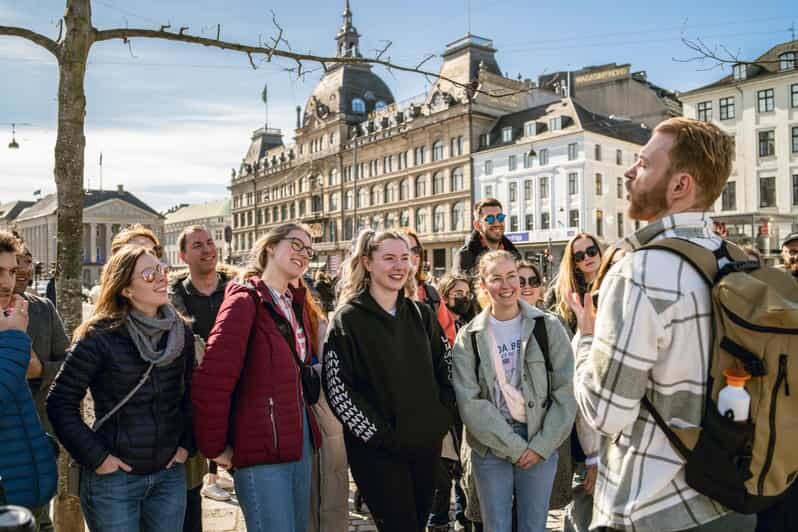
    Below is the tour’s main backbone, from first sightings to the royal-palace finish. I’m describing what each stop brings to your understanding of Copenhagen, plus the little considerations that can affect how much you enjoy it.

    Statue of Absalon: The Horse, the Origin Story, the Tone

    You start at the statue of Absalon, the bishop on horseback. This is a small start that sets a big theme: Copenhagen did not begin as a postcard. It started as a human settlement with power, politics, and myth-making.

    This opening matters because the guide’s humor establishes the rules early. You’ll quickly learn whether the joke style fits you. If the tone lands for you, you’ll relax and enjoy the rest more.

    Christiansborg Palace Area: Royal Denmark Without the Stuffiness

    Next up is the Christiansborg Palace area. This stop is where the tour leans into Danish governance and royalty. Even if you are not a history person, you’ll get a clearer sense of why the political story sits so close to the everyday street life.

    Practical note: palace-area sights can get crowded, and your group will be walking and talking. Keep your photos quick and functional so you do not lose the thread of the guide’s story.

    Skt. Nicolai Church: Big Architecture Meets Quick Storytelling

    Skt. Nicolai Church brings in a different flavor: religion and architecture. It works well in the tour because it gives the guide a chance to talk about older Denmark while still keeping the pace moving.

    The trade-off is that this is a walking tour, so you are not settling in for long. If you want quiet contemplation, you’ll likely use this as a “see it from the outside now, look closer later” moment.

    Strøget (Pedestrian Street): Where Copenhagen Teaches You to Look Up

    Strøget is the central pedestrian spine of the city. This is where you feel Copenhagen’s everyday rhythm: storefronts, foot traffic, and the kind of street energy that makes the rest of the tour easier to place.

    Why it matters: once you’ve walked Strøget with context, you start seeing the street as a living timeline, not just a shopping corridor.

    Consideration: it can be busy, so it is easy to feel a little jostled if your group spacing is tight. I’d keep a steady walking pace and let the guide’s timing pull you along.

    Kongens Nytorv and Magasin du Nord: Squares, Scale, and City Planning

    From Strøget you move into Kongens Nytorv, then toward Magasin du Nord. This part helps you understand how Copenhagen balances grand civic spaces with retail and public life.

    The guide tends to connect these spots to broader themes—how power shows itself in the city layout, how everyday people occupy those spaces, and how Denmark’s famous stories fit into real geography.

    This is also where you’ll benefit from the built-in GPS style approach. The tour rhythm matters here because you are crossing through a busy, multi-lane city feel, even on foot.

    Hotel D’Angleterre and Royal Theatre: The Glamour With Teeth

    The route includes Hotel D’Angleterre and the Royal Theatre area. These stops are about spectacle—places that look like they belong in a movie.

    But the tour keeps the focus on meaning, not just appearance. Expect stories that tie fancy façades to Danish identity, plus the guide’s signature edge.

    Practical tip: if you are visiting in colder months, keep your outer layer comfortable. You may stop in spots with open air while the guide sets up the next story.

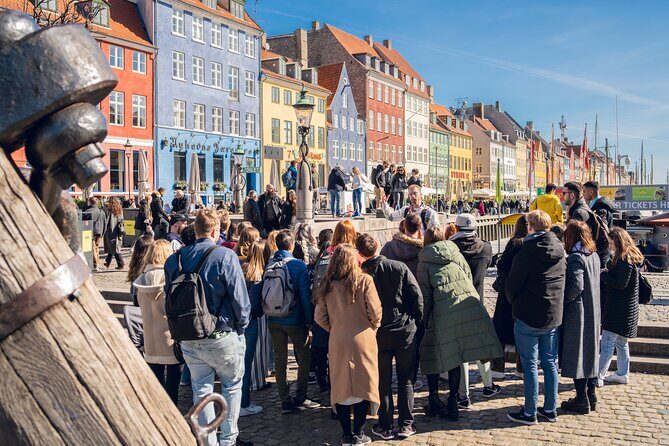
    Nyhavn: Waterfront Drama That Makes the Past Feel Local

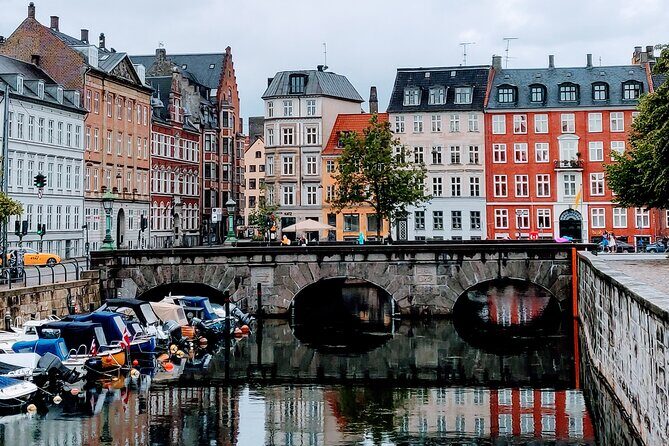
    Then you reach Nyhavn. This is the payoff stop for a lot of people because it is visual. The waterfront setting makes the stories feel grounded in daily life rather than locked behind walls.

    This is also where you’ll likely notice the tour does not just “name-drop.” It tries to connect Denmark’s famous tales to the physical city you can see right now.

    Crowds can build around Nyhavn, especially at peak hours. I recommend you step back slightly for photos if the group is stopping tightly, then rejoin when the guide moves on.

    Amalienborg Palace Area: Royal Denmark in the Place You Can’t Ignore

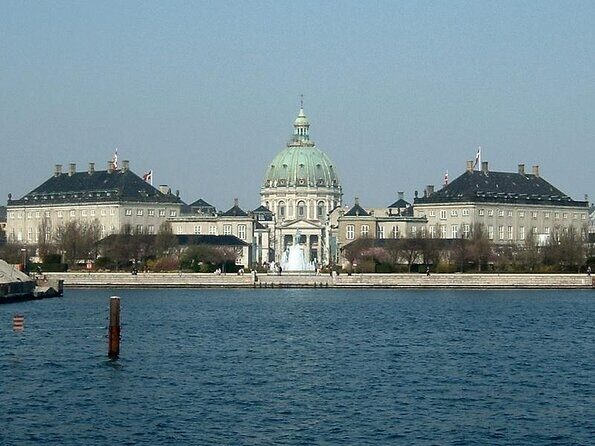
    Finally, you end near Amalienborg Palace, the royal-palace complex, with the Marble Church nearby. This part of the walk is where your earlier context starts clicking into place. The guide ties earlier history themes back to the royal landscape you are seeing.

    One of the biggest values of reaching Amalienborg at the right time is the chance to witness ceremony-related moments if timing lines up. The better you plan your day, the more likely you are to catch something like that without scrambling.

    Marble Church: The Finish That Lets You Keep Exploring

    The tour ends by the Marble Church area. This gives you a strong “destination endpoint” that is easy to transition from: you can head onward to nearby streets, grab food, or keep walking toward other neighborhoods.

    Marble Church is a good finish point because it is photogenic and easy to orient around. If you feel like you did not study a map at all during the tour, that is normal—you are meant to leave with an instinct for where things are.

    The Humor Factor: Who This Tour Is For (and Who Should Skip It)

    This experience is explicitly built for travelers who want to laugh at the edges of history, not just file facts into a notebook. The guide style is politically incorrect, and the route is described as sticking to the fun (and offensive) stuff.

    They also mix in jokes about many nationalities, including their own. That is the point, but it is also the reason you should choose carefully.

    I’d be cautious about booking if:

    • You dislike off-color comedy or you are easily bothered by controversial topics
    • You want a clean, classical sightseeing experience
    • You prefer a straight lecture over a joke-driven approach

    On the flip side, if you have a dark or dry sense of humor and you like learning by listening to stories, this kind of guide can make a short tour feel a lot longer.

    Group Pace, Cold Weather, and Comfort Tips That Matter
    Copenhagen: Group Walking Tour - City Highlights - 2 Hours - Group Pace, Cold Weather, and Comfort Tips That Matter
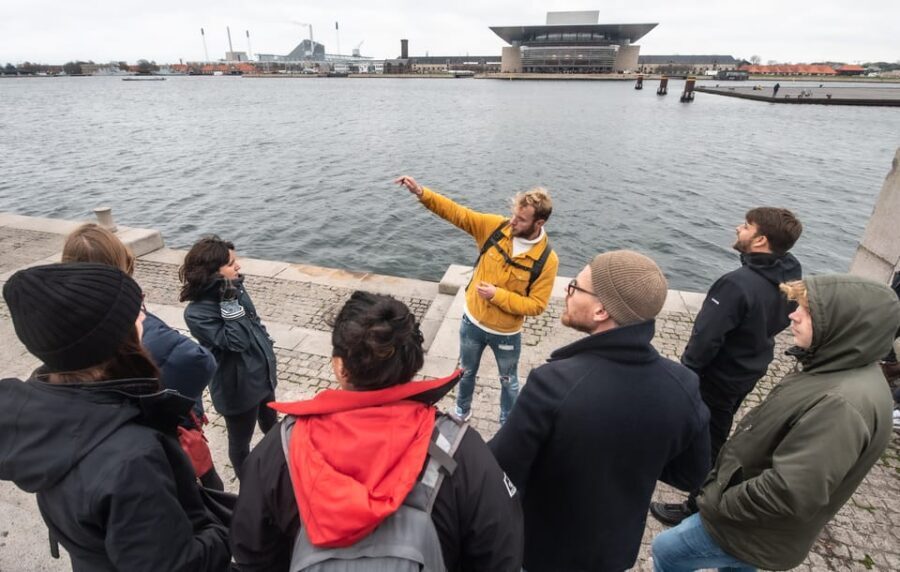
    Because this is a group walking tour, pace matters. Some people in the group may keep up easily; others might struggle if the guide moves quickly between explanations.

    I recommend you:

    • Wear shoes you can walk on comfortably. Copenhagen’s center has cobblestones and old-street texture.
    • Bring a layer for the weather. Guides keep moving, and waiting around can be minimal but real.
    • If you move slowly, position yourself where you can hear without sprinting. Being at the wrong spot can make you miss parts.

    Also, the tour is wheelchair accessible in the broad sense. Still, you should consider that any walking tour’s comfort depends on crowd density and group tempo.

    Guides Make the Difference: What to Expect From the Style

    The biggest common thread across recent guide performance is energy plus clarity. Guides like Thor, Steen, Sebastian, Roger, Magnus, Martin, Paul, Silas, and Conrad have all been singled out for making the time fly while still covering the major sights.

    You’ll often feel two things at once:

    1) the guide is performing (the comedy is front-and-center)

    2) the guide is managing the route and timing (so you see the stops without losing the story)

    That timing detail can matter around ceremonial moments. If the schedule lines up, the tour’s planning can help you see things without missing the main sights.

    You can also benefit from asking questions. Many guides naturally share practical recommendations—things like where to eat or where to go next. Some have even shared discount codes for fun local attractions, but that kind of bonus is not something you should base your whole plan on.

    Should You Book This Copenhagen Highlights Walk?

    Book it if you want an efficient, story-driven introduction to central Copenhagen and you are comfortable with edgy, offensive-leaning humor mixed into history. It is also a strong pick if you want orientation fast—so you can wander later with more confidence and fewer detours.

    Skip it if you want a traditional, respectful, fact-only history tour. The humor style is not an add-on; it is the method. If sensitive topics would ruin your day, you will not have a good time.

    My practical rule of thumb: this tour is best as your first or early sightseeing outing, when you are still building your mental map. If you have two free hours and a decent sense of humor, it can turn Copenhagen’s famous streets into something you remember—not just something you passed by.

    FAQ
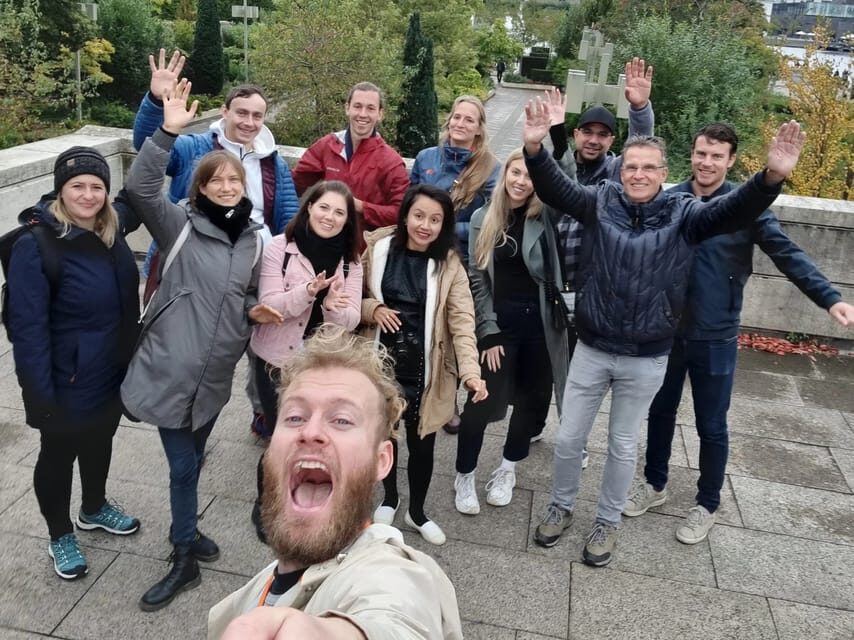
    Copenhagen: Group Walking Tour - City Highlights - 2 Hours - FAQ

    How long is the Copenhagen group walking tour?

    It lasts 2 hours.

    Where do I meet the guide?

    Meet between the metro station entrance at Gammel Strand and the Absalon statue (the horse-mounted figure). Look for the guide with the orange umbrella.

    Where does the tour end?

    It ends next to the Amalienborg Royal Palaces and the Marble Church.

    What language is the tour in?

    The tour is in English, and English is mandatory.

    How much does the tour cost?

    The price is $39 per person.

    Is there a guide included?

    Yes. A live English-speaking guide is included.

    Is entrance to sights included?

    Entrance fees are not included (it is an outdoor tour).

    Are children allowed?

    Children are welcome, and most guides can keep content at a PG-13 level.

    Is the tour wheelchair accessible?

    The tour is listed as wheelchair accessible.

    What should I expect from the humor and topics?

    Expect politically incorrect humor and jokes that may be offensive. If you are sensitive about certain topics, the company recommends you do not book.
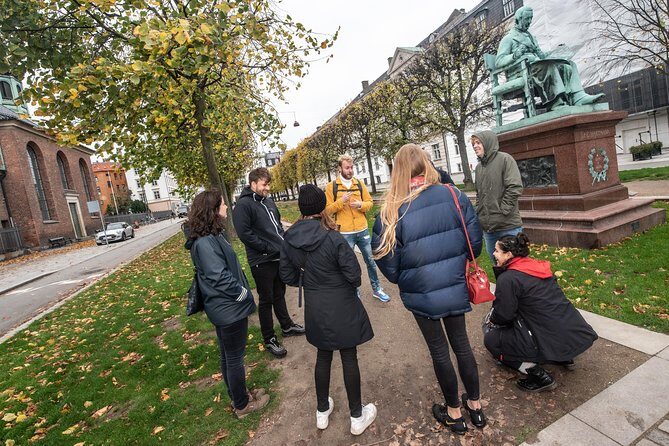
  • Politically Incorrect Private Highlights Walking Tour

    Politically Incorrect Private Highlights Walking Tour

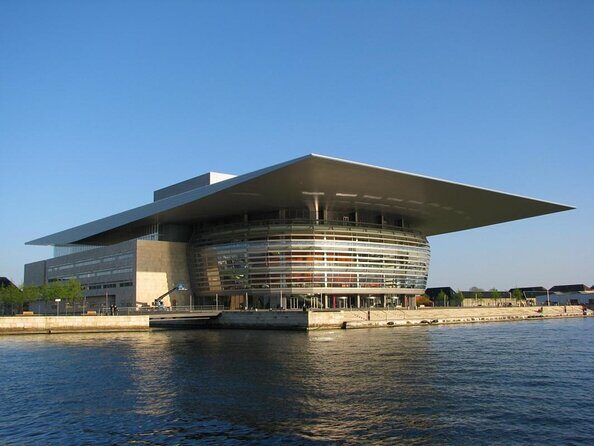
    Copenhagen’s royals, told with dark comedy. This private, 90-minute walking tour turns big-name spots like Copenhagen Opera House and Strøget into one connected story about Danish power, court life, and the stuff that shaped modern Denmark. I also love that it ends with an easy follow-on—your route finishes near Frederiks Kirke, and you can continue with a 15-minute walk toward the Little Mermaid area.

    One thing to plan for: it’s a walking tour with timing built in, especially around the changing of the guard. If you’re picky about ceremonies or you hate crowds and street noise, you’ll want to pick your start time carefully and wear solid shoes.

    Key things you’ll notice on this Copenhagen tour

    Politically Incorrect Private Highlights Walking Tour - Key things you’ll notice on this Copenhagen tour

    • Royalty stories with comedy energy that keep the facts memorable
    • Copenhagen’s landmarks in a tight loop: Strøget, Nyhavn, Amalienborg, Marmorkirken
    • WWII and Denmark: embassy history at Amaliegade with a guided explanation
    • Guard change timing matters: you may catch the big noon moment depending on start time
    • Quick-hit stops that mix views with short, focused history segments
    • Guides with strong English and big personality (you may be with Troels, Truel, or Jack)

    A 90-minute Copenhagen highlights route that actually feels like a story

    This is a private walking tour built for one group at a time, with a guide using humor to connect the city’s royal and political themes. You’ll cover major city landmarks without the usual problem of bouncing between unrelated stops. Instead, the guide keeps pulling you back to the same question: who held power in Denmark, how did they show it, and why does Copenhagen look the way it does now?

    The format is also practical. You get about 1 hour 30 minutes, it’s in English, and you’ll receive a mobile ticket. Pickup is offered, but it’s on foot—so think “meet-up and walk with the guide,” not bus transfers.

    Højbro Plads start: Copenhagen’s origins in your first 5 minutes

    Politically Incorrect Private Highlights Walking Tour - Højbro Plads start: Copenhagen’s origins in your first 5 minutes
    You begin at Højbro Pl. 10 (Højbro Plads). This is the kind of starting point that helps you get your bearings fast: you’re placed near the older core of the city, where you can link what you see in front of you to where Copenhagen came from.

    The guide uses this early moment to set the frame: the origins of Copenhagen and the key historical figures tied to the area. It’s short—around 5 minutes—but it matters because it gives you context before you hit the bigger, more dramatic sights.

    Tip for you: arrive a few minutes early and look for your guide at the exact start point on Højbro Plads. This tour moves at a comfortable walking pace, but you don’t want to start late.

    Nikolaj Kunsthal: a church stop that comes with the Copenhagen fire story

    Politically Incorrect Private Highlights Walking Tour - Nikolaj Kunsthal: a church stop that comes with the Copenhagen fire story
    Next is Nikolaj Kunsthal, described as a church—so you’ll be paying attention to how the building works and what kind of place it is. This stop is timed to last about 15 minutes, and it’s one of the spots where the guide’s storytelling gets very specific.

    The focus here is the great Copenhagen fires, and how that disaster shaped the city. You’ll likely spend more time looking at the details than you would on your own. You’re not just learning dates—you’re learning how a city rebuilds itself after something goes wrong.

    One practical note: admission here is not included, so don’t assume you can step in freely without a ticket. The tour does say admission is not included for this stop, so if you want to go inside, plan for that.

    Strøget and King’s New Square: the view-and-statue segment

    After the fires, the tour swings into the central-city “walk and look” mode.

    You’ll pass Strøget, described as the longest pedestrian-only shopping street in the world (the tour notes it isn’t personally verified, but it’s a common claim). This is a useful stop even if you’re not shopping. You’ll see how Copenhagen’s center works day-to-day—human traffic, the rhythm of storefronts, and the street’s role as a connector.

    Then you move to Copenhagen King’s New Square, with about 15 minutes here. The guide turns it into a viewpoint lesson: the best buildings to watch, the statue at the centre, and how the architecture communicates status.

    From the square, you’ll also get a guided look at:

    • a French-inspired building tied to a major department store
    • the answer to the question of where the rich and famous stay when they’re in the city
    • an impressive building in the square, including the statues up front

    Possible drawback for you: this is the part of the route where you’ll want to balance photos with listening. If you stop too long for pictures, you can miss the story beat that makes the statues and facades meaningful.

    Nyhavn: postcard views plus a sense of how the harbor shaped stories

    Politically Incorrect Private Highlights Walking Tour - Nyhavn: postcard views plus a sense of how the harbor shaped stories
    Then comes Nyhavn, with around 15 minutes. The guide frames it as more than a postcard: the harbor is tied to the birthplace of many histories and stories.

    Nyhavn is one of Copenhagen’s most photographed stretches for a reason. But the tour adds value by guiding what to pay attention to. You’ll be nudged to look at the buildings and the harbor atmosphere without turning it into a museum-style checklist.

    A practical warning you can plan around: the tour specifically says the buildings are worth looking at but not necessarily worth heading into. In other words, don’t expect every stop here to be a door-you-enter moment. This is a “watch and understand” segment, and it works best when you let the guide set the pace.

    Amaliegade and WWII Denmark: embassies, politics, and the past you can’t ignore

    Politically Incorrect Private Highlights Walking Tour - Amaliegade and WWII Denmark: embassies, politics, and the past you can’t ignore
    Next is Amaliegade, about 10 minutes. This stretch is described as home to embassies, including one tied to a historically dreadful foe. The tour tells you not to expect the guide to spoil it in advance, so you’re meant to arrive ready to hear the explanation.

    What you take away from this stop is the connection between modern diplomacy and WWII-era Denmark. The guide’s angle here is about how Denmark lived through the pressure of the era—political choices, external forces, and how the city’s institutions reflect that layered past.

    Admission here is listed as free, but the bigger “cost” is attention. This stop works best when you listen closely and accept that it won’t be light, fluffy sightseeing.

    Tip for you: if you’re sensitive to heavier topics, pace yourself mentally. The tour mixes humor with real history, and Amaliegade is one of the more serious beats.

    Amalienborg’s guard change: the timing game you can actually win

    The tour then targets the Changing of her Majesty’s guard at Amalienborg Castle. This stop takes about 20 minutes and is specifically timed around the schedule: the tour notes guard changes happen every 2 hours, and if your tour starts at 11, you arrive just in time for the big daily one at noon.

    That timing detail is gold. Many visitors show up randomly and miss the ceremony they came for. Here, the guide builds your schedule around it—so you’re more likely to see what you’re aiming to see.

    Admission is listed as not included for this stop, which matters if you were thinking it would work like a museum entry. This is mainly a street-and-square ceremony experience, so the key “prep” is physical: you’ll need to stand and watch.

    Possible drawback for you: if you start at a different time than the recommended 11:00 window, you might not catch the noon moment. You can still enjoy the location and context, but your photo moment may be different.

    Frederiks Kirke (Marmorkirken) finale: marble church, easy walking finish

    Politically Incorrect Private Highlights Walking Tour - Frederiks Kirke (Marmorkirken) finale: marble church, easy walking finish
    The tour ends at Frederiks Kirke (Marmorkirken). It’s described as the marble church, and the vibe is “end strong”: a beautiful visual anchor after a route packed with political and royal themes.

    This stop runs about 10 minutes. The tour also says the ending point can vary slightly by guide, but all endings are within a 5-minute walk of Frederiks Kirke.

    And there’s a nice bonus angle for planning your day: the tour is designed to finish with an easy path that keeps you close to the royal residences area, and from there you’ve got a 15-minute walk toward the Little Mermaid statue area. That makes it a smart choice if you want a coherent half-day arc: central sights, royal ceremony, and then a seaside icon.

    Price and value: $374.71 for a private up-to-one group

    This tour is priced at $374.71 per group (up to 1). That’s not “budget Copenhagen,” so you should judge it based on value, not cost.

    Here’s what you’re really paying for:

    • A private guide (not a crowd shuffle), so the route stays flexible to your group
    • A tight 90-minute structure that hits multiple major areas without you needing to plan or connect the dots
    • Storytelling that links royal places to modern Denmark, including the WWII angle at Amaliegade
    • Comedy delivery that helps the history stick, not just sit in your notes app

    If you’re solo, private tours cost more because you can’t split guide time. But for a first visit, I think this kind of tour can be a good shortcut: you get a strong overview while the city is still unfamiliar, and you learn what’s worth revisiting later on your own.

    Also, the tour is commonly booked ahead (on average 48 days in advance). If your dates are fixed, don’t wait for a last-minute deal.

    Who should book this Copenhagen highlights walk

    This tour is a great match if:

    • you want a first-time Copenhagen orientation that doesn’t feel like a generic checklist
    • you enjoy humor-based storytelling paired with clear historical context
    • you care about Danish royalty and how power is shown in public spaces
    • you want to see Strøget, Nyhavn, Amalienborg, and Marmorkirken in one connected route

    It might be less ideal if:

    • you dislike walking and standing through ceremony-style viewing
    • you want mostly museum time or lots of inside-the-building exploration
    • you’re sensitive to a “politically incorrect” style of comedy (the tour leans into edgier humor as part of the concept)

    Should you book it?

    I’d book it if you want a Copenhagen day that feels like a narrative, not a list. The route is well-chosen for first-timers, and the tour’s biggest strength is the way it uses humor to connect royalty, public squares, and WWII-era Denmark to real places you can point to later.

    One more practical reason: guides on this tour are often singled out for strong English and for keeping the pacing lively. Names like Troels, Truel, and Jack pop up when people talk about the experience, usually for making the time fly while still explaining what matters.

    If that sounds like your kind of sightseeing, this is a smart way to spend 90 minutes in Copenhagen.

    FAQ

    How long is the Politically Incorrect Private Highlights Walking Tour in Copenhagen?

    It runs about 1 hour 30 minutes.

    What does the tour cost?

    The price is listed as $374.71 per group (up to 1).

    Is this tour private?

    Yes. It’s a private tour/activity, so only your group participates.

    What language is the tour offered in?

    The tour is offered in English.

    Is pickup available, and where do I meet the guide?

    Pickup is offered, and it’s done on foot. The tour starts at Højbro Pl. 10, 1200 København, Denmark.

    Where does the tour end?

    The approximate ending area is near the royal palaces (Amalienborg). The end point is close to Frederiks Church / Frederiksgade 4, 1265 København, Denmark.

    Do I need admission tickets during the tour?

    Some stops are free, and some are not included. Nikolaj Kunsthal is noted as admission not included, and the changing of the guard stop also lists admission not included. Other listed stops are free.

    Can I see the changing of the guards at Amalienborg?

    Changing of the guard happens every 2 hours. If your tour starts at 11, the tour notes you arrive just in time for the big one at noon.

    What if I need to cancel?

    You can cancel for a full refund if you cancel at least 24 hours before the experience starts. If you cancel less than 24 hours before, the amount paid is not refunded.

  • Copenhagen Highlights Walking Tour

    Copenhagen Highlights Walking Tour

    One walk. Lots of laughs. Real context. This Copenhagen Highlights Walking Tour strings together the city’s best-known corners in just about two hours, with guides who mix history and humor into a fast orientation. I like that the group stays tiny (up to 6 people), and I also like the mix of major sights plus the little “wait, that matters” details, like Denmark’s WWII angle on Amaliegade. The main consideration is style: the tour is run by Politically Incorrect Tours, so the jokes and political jabs may not land for everyone.

    You’ll get an easy route through the center, mostly outdoors, and it stays accessible in the everyday way because it’s wheelchair-friendly and accepts service animals. You’ll also see the big photo spots people come for, like Nyhavn and the marble church, without turning the day into a checklist. The watch-out: some stops have admission that is not included, and one participant’s note suggests paths can get tricky for wheelchairs depending on the exact route.

    If you want a guided highlights loop with jokes, stories, and strong pacing, this is a solid use of time in Copenhagen. If you want a quiet, strictly academic history lecture, you might feel like you’re getting the “fun overview” more than a deep research paper.

    Key things I’d bookmark before you go

    Copenhagen Highlights Walking Tour - Key things I’d bookmark before you go

    • Tiny group format (up to 6): you’ll spend more time talking and less time waiting.
    • Funny, story-forward guides: the route comes with twisted tales and political humor.
    • Covers the core sights efficiently: from Christiansborg area views to Nyhavn and Frederiks Kirke.
    • Mostly outdoors, with careful pacing: it’s built for a brisk 2-hour walk.
    • Some entrances cost extra: a few stops are not included, so plan for that.
    • Mind the bikes: city-wide cycling means you’ll want to stay alert at crossings.

    A Two-Hour Highlights Loop in Central Copenhagen

    This is a short tour by design, roughly 2 hours, and that matters in Copenhagen. The city center is walkable, but you can burn time if you try to do it alone. This route gives you a tight path through the “big names” and the “why does that matter” stories behind them.

    You’ll feel the pace is set for seeing, hearing, and moving. It’s not built as a slow march where you linger in museums. Instead, think of it as the kind of walk that helps you later understand what you’re looking at when you go back on your own.

    The price is $40.73 per person, which is reasonable for a guided highlights walk. You’re paying for a live guide, a small-group experience, and an efficient route through places you’ll want context for.

    Getting Oriented Fast: Højbro Plads and the Orange Umbrella

    Copenhagen Highlights Walking Tour - Getting Oriented Fast: Højbro Plads and the Orange Umbrella
    The meeting point is right in the center near the metro, and it’s easy to miss if you guess. The tour notes are specific: you should arrive a few minutes early to check in, because late arrivals can miss the group. And yes, there’s a visual cue—look for the orange umbrella.

    One tricky part: the written “start” location can confuse people who head straight to the exact street pin. The safe move is to focus on the instruction to meet outside by the metro area between the stairs and the statue at Højbro Plads, not a random nearby landmark.

    Also, expect a busy city around you. Copenhagen has a lot of bike traffic, and one repeated practical tip is to watch where you step and when you cross. If you’re traveling with kids or anyone who gets distracted, you’ll want to keep an extra hand on the group.

    Christiansborg Slot: Government Power Without the Museum Detour

    Copenhagen Highlights Walking Tour - Christiansborg Slot: Government Power Without the Museum Detour
    Your first major stop centers on origins and key figures, then you head toward Christiansborg Slot, the city’s most important governmental building. From a visitor’s angle, this works because you get a quick “this is why it’s here” explanation instead of staring at walls with no context.

    Time here is about 15 minutes, and admission is not included. That means you should treat the stop as a look-and-learn moment from outside or from areas the tour doesn’t charge for. If you’re hoping for a guided interior visit, you’ll need to plan that separately.

    The big plus is that it anchors the tour. Copenhagen can feel calm and polished, but this stop reminds you the machinery of the country is right in the center of everything.

    King’s New Square Views and the French-Inspired Department Store

    Next you’ll move to Copenhagen King’s New Square, where the guide points out the central statue and gives you context for the surrounding buildings. This is another good example of the tour’s style: short explanations at the right angles, so you actually understand what you’re looking at.

    There’s another 15-minute stop, and admission is free. You’ll also be shown a French-inspired building that’s one of Denmark’s biggest department stores. Even if you don’t shop, it’s worth seeing because department store architecture often tells a story about how a city wanted to present itself.

    One practical thought: if you’re planning to shop after the tour, this is a great time to notice the street grid and which entrances look most convenient. Copenhagen shopping can be spread out more than you expect once you’re walking with tired feet.

    Nikolaj Kunsthal: When a Church Isn’t What You Expect

    This stop is a curveball: Nikolaj Kunsthal is described as a church, but with a twist—what kind of church, and why does it connect to Copenhagen’s big fires. You’ll also get a sense of how buildings can change roles over time.

    Time is about 15 minutes, and admission is not included. Again, plan for observation rather than ticketed entry unless your guide specifically directs you to a paid area. The value here is the story link: fires, rebuilding, and how the city’s shape and priorities evolve.

    If you like architecture explanations and you’re the type who wants to know what happened when things went wrong, this is one of the more interesting segments of the walk.

    Nyhavn Harbour: More Than a Postcard, But Don’t Expect Museum Time

    Then you’ll arrive at Nyhavn, the famous harbor lined with buildings that draw people for photos. The tour frames it well: it’s more than a postcard, but the buildings are often worth looking at more than rushing into.

    This is another 15-minute stop with free admission. You’ll get “why this area matters” context while still staying realistic about the time you have. Nyhavn is the kind of place where you’ll feel the tourism energy shift around you—so if you want quiet, you’ll want to come back later.

    The walk here is also a good moment to take in water views and get your bearings for your next self-guided wandering. If you later explore beyond the harbor, you’ll already know which streets radiate from this area.

    Amaliegade and WWII Denmark, Plus Embassies in Plain View

    Copenhagen Highlights Walking Tour - Amaliegade and WWII Denmark, Plus Embassies in Plain View
    Your next stop is Amaliegade, home to embassies and tied to Denmark’s WWII story. The guide’s approach is playful but not vague—you’ll get the “even of our former foes” framing, then the tour moves on before it turns into a full history class.

    Time is about 10 minutes, and admission is free. This short length is actually a strength. You get the hook and the key idea without turning the walk into an essay.

    One thing I like about including a WWII angle in a highlights tour is balance. Copenhagen isn’t only design and clean sidewalks; it’s also the lived reality of wartime Denmark. This stop gives you just enough background to make later reading feel more personal.

    Amalienborg Changing of the Guard: Timing Matters for the Big Show

    Copenhagen Highlights Walking Tour - Amalienborg Changing of the Guard: Timing Matters for the Big Show
    This is the part of the itinerary that can depend on your exact start time. You’ll visit Amalienborg Castle area for the changing of her Majesty’s guard, which happens every 2 hours. The tour notes that if your tour starts at 11, you arrive in time for the big one at noon.

    Admission is listed as not included for this segment. Practically, that usually means you’re seeing the event from public areas while the guide narrates what you’re watching.

    This stop is one of the most “wow” moments of the walk, even if you’re not a royal-history fan. It also offers a chance to slow down for a minute, watch the motion, and then move on before your feet fully complain.

    Frederiks Kirke Ending: Marble Church to Close the Loop

    You’ll finish at Frederiks Kirke (Marmorkirken), the marble church. This is where the tour ends, though the exact ending point can vary slightly by guide. The good news is that all end points are described as about a 5-minute walk from the church.

    Time is about 10 minutes, and admission is free. Even if you don’t go inside, seeing it at the end gives the day a clean visual climax. It’s also a smart place to stop because it puts you near the royal palaces area and sets you up for whatever you want next—cafés, shopping, or a longer wander.

    If you’re trying to pack your Copenhagen day, you’ll like this ending because it feels like a natural handoff to self-exploration.

    Price and Logistics: What $40.73 Buys You Here

    At $40.73, you’re not paying for museum entry. You’re paying for a live guide, a curated route, and the ability to cover a lot of central Copenhagen without planning every turn.

    Here’s how to think about the value:

    • You get a small group (max 6), which usually means more interaction and less “tour factory” energy.
    • Most stops are free, but some are not included, like Christiansborg Slot, Nikolaj Kunsthal, and the Amalienborg guard segment.
    • The duration is short enough to fit into your schedule without wrecking the rest of your day.

    The best “bang for your buck” choice is for travelers who want: I see the highlights, I understand why they matter, and I get humor along the way. If you want ticketed interiors and detailed museum time, you’ll probably add other activities after the tour.

    Also remember: this tour is outdoors-only. All dogs are welcome, and service animals are allowed. That’s great for many people. Just keep in mind that outdoors routes depend on pavement and crowds, and one wheelchair-related note suggests the path choices can vary in practice.

    Comedy With a Political Edge: The Guide Style You’re Signing Up For

    The tour is operated by Politically Incorrect Tours, and the guides lean into humor. The stories are often described as funny and sometimes politically jabby. You may hear controversial takes, but the overall tone in the information you have points to humor rather than cruelty.

    If you prefer a calm, neutral lecture style, this might feel like too much. If you like your history with jokes—especially the kind that makes you laugh and then remember the fact later—you’ll probably have a great time.

    Names showing up in guides for past departures include Thor, Steen, Sebastian, Martin, Roger, Mike, and Conrad. You can treat that as a hint that different guides bring different comedic flavors, but the common thread is pacing and lots of talking while you walk.

    One more practical tip tied to the experience: Copenhagen cyclists are not decorative. Keep your eyes open and follow the guide’s movement at crossings.

    Who This Tour Suits Best (And Who Should Consider a Different Plan)

    This tour fits you if you want:

    • A quick way to see central Copenhagen’s core sights
    • A guide who makes stories stick through humor
    • A short outing that doesn’t require museum tickets
    • A group size that stays personal

    It may be less ideal if:

    • You want a deep, academic history treatment with long stops
    • You dislike political humor or surprise “twisted tales”
    • You need a route optimized for complex wheelchair turns at every segment

    If you’re traveling with kids, the notes include at least one positive reference to a child who enjoyed the tour. Still, the tour includes political jokes, so you’ll want to judge based on your family’s comfort level.

    For anyone doing Copenhagen for the first time, this is an excellent “set the compass” activity—then you can build the rest of your trip with confidence.

    Should You Book This Copenhagen Highlights Walking Tour?

    Book it if you want to get oriented quickly, laugh along the way, and walk through the city’s most recognizable spots with real explanations. The small group size and short duration make it a smart value, especially at $40.73 when most stops are free.

    Skip it or switch plans if you’re looking for museum-style depth, quiet narration, or a strictly neutral tone. The experience is outdoors-only and includes some segments where admission is not included, so it works best as a highlights-and-stories tour, not as a ticketed sightseeing marathon.

    If your ideal day in Copenhagen is: walk, learn, laugh, then keep exploring on your own—this one is a strong match.

    FAQ

    How long is the Copenhagen Highlights Walking Tour?

    It runs for about 2 hours.

    What is the price per person?

    The price is $40.73 per person.

    Is the tour in English?

    Yes, it’s offered in English.

    What’s included in the ticket price?

    The guide is included. Entrance fees are not included, since the tour is outdoors-only.

    Where does the tour start and end?

    It starts at Bishop Absalon Højbro Pl. area and ends near Frederik’s Church (Frederiksgade 4, 1265 København), with some variation by guide. You’ll end close to the royal palaces (Amalienborg).

    Is it suitable for wheelchairs and service animals?

    The tour is described as wheelchair-friendly, and service animals are allowed.

    What if the weather is poor?

    This experience requires good weather. If it’s canceled due to poor weather, you’ll be offered a different date or a full refund.

    Do I need to tip the guide?

    Gratuities are not included. The guidance you have encourages tipping because the guides work on a tips-based service.

  • Private Walking Grand Tour of Copenhagen

    Private Walking Grand Tour of Copenhagen

    Copenhagen feels different when it’s just your group. This private walking grand tour shows you the key sights fast, with individual pacing and a guide who can answer questions on the spot. You get a 3-hour loop through central Copenhagen, and you can usually pick from multiple departure times that fit your schedule.

    Two things I really like: first, the private setup means you are not stuck to some rushed herd pace. Second, the guide style comes through in the details: people have described guides like Paula and Jack as funny, clear, and genuinely engaged, including good local context about daily life and even practical food tips.

    One consideration before you book: you mainly see buildings and monuments from the outside, and several stops explicitly do not include entering (plus food and drinks are not part of the tour). If you are hoping for lots of indoor time, plan to pair this walk with a separate visit ticket later.

    Quick hits before you go

    Private Walking Grand Tour of Copenhagen - Quick hits before you go

    • Private for up to 15: only your group walks with the guide
    • English mobile tour ticket for easy start-of-day logistics
    • 9 quick stops with short sightseeing blocks so you can keep moving
    • Exterior viewing at multiple landmarks, since some stops are see-only
    • Flat, doable walking that works well even when you have kids in tow
    • Practical guide talk that can include culture, current issues, and local recommendations

    Why a private 3-hour walk makes Copenhagen feel manageable

    Private Walking Grand Tour of Copenhagen - Why a private 3-hour walk makes Copenhagen feel manageable
    Copenhagen is very walkable, and this tour leans into that. With a 3-hour format, you get the big-picture layout of the city without turning your day into an all-day endurance test.

    The private part matters more than you think. When the guide can adjust on the fly—slower for kids, a quick restroom break, or time for a photo—you end up seeing more of what you care about, not just what fits on a fixed group schedule.

    And because the itinerary is made of short stops, you are not trapped in one place too long. It’s a nice way to get your bearings fast, then decide what you want to return to later.

    Price and value: what $342.13 per group buys you

    The price is listed as $342.13 per group (up to 15), not per person. That’s a big deal if you’re traveling as a family or a small group and want a private experience without private-pricing that feels out of reach.

    Here’s the value logic I’d use: you are paying for a professional guide plus a focused route through the city highlights. Since the tour is designed around quick sightseeing blocks and a simple start-to-finish flow, you’re buying time and direction—especially helpful on a first visit when everything is new.

    Also, multiple departure times are available, which can help you line up the tour when your energy is highest. That kind of scheduling flexibility can be worth a lot in a city where the best photo light and quieter streets don’t always happen at the same hour.

    Where you start and where you end (and why it helps)

    Private Walking Grand Tour of Copenhagen - Where you start and where you end (and why it helps)
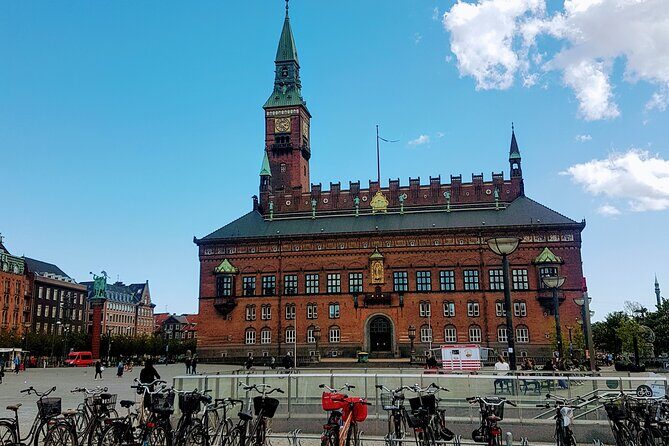
    You begin at Rådhuspladsen in central Copenhagen. The walk ends at Amalienborg Palace at Amalienborg Slotsplads.

    This matters because Copenhagen’s core sights are close enough that you can do a “day structure” around the tour. If you start near Rådhuspladsen, you’re positioned well for the middle of the city. If you finish at Amalienborg, you’re ending near a natural next step for exploring, relaxing, or grabbing a bite nearby.

    What you learn on the walk: history, culture, and current issues

    Private Walking Grand Tour of Copenhagen - What you learn on the walk: history, culture, and current issues
    This is not just pointing at famous stuff. The best tours use each stop as a launchpad for how the city works and how people live there.

    In past guide styles, I’ve seen the emphasis fall on clear explanations of history and architecture, plus stories tied to Danish culture and royal themes. People also mention guides weaving in current topics, including sustainability and net zero initiatives, which is a smart add-on because Copenhagen cares about more than postcards.

    Guides like Laura have been praised for speaking fluent English and giving detailed explanations. Others, like Fran, have been noted for sharing both historical context and how today’s Copenhagen thinks about big ideas. If you like discussion instead of monologue, you’ll likely enjoy the way the guide turns landmarks into real conversation.

    The 9-stop route: from Stroget to Amalienborg

    Private Walking Grand Tour of Copenhagen - The 9-stop route: from Stroget to Amalienborg
    You’re walking a loop with about 5 minutes at each stop. The goal is quick orientation plus key photo moments, not a slow museum-style visit.

    Here’s what you can expect, and the practical “why it’s worth your time” angle for each stop.

    Stroget: Copenhagen’s shopping street stop

    You’ll start by being pointed toward Stroget, the famous shopping street. It’s a useful early stop because it shows you where a lot of pedestrian life centers.

    Even if you don’t shop, this is a great moment to notice how streets flow, where people cross, and how the city’s center feels on foot.

    Frederiks Kirke (Marmorkirken): see it, don’t go inside

    You’ll spot Frederiks Kirke (Marmorkirken) from the outside. This is one of the “look-only” moments, and that actually helps this tour stay on time.

    If you want interior time later, you’ll need a separate plan. But as a viewpoint stop, it’s perfect: one quick look gives you a landmark you’ll remember the whole trip.

    Nyhavn: the classic canal-area landmark

    Next comes Nyhavn. This stop is also a see-only moment, but it’s timed well because it adds character after the broader city center streets.

    Use this stop for photos and for getting a feel for where waterfront views show up in the walking flow. If you’re the type who likes to hunt down later view spots, this is a good place to bookmark mentally.

    Amalienborg Palace Museum: a building stop on the way to the finish

    You’ll see Amalienborg Palace Museum from outside and then continue onward. Since you don’t enter here, the value is in recognizing the area and building anticipation for the final stop at Amalienborg.

    It’s also a helpful transition: the walk is slowly turning from “sightseeing through the middle” into “royal Copenhagen near the end.”

    Lur Blowers: a quick monument moment

    You’ll get a look at the Lur Blowers monument. Since it’s brief, it works best if you pay attention to what the guide says rather than trying to study every detail yourself.

    Monument stops can be hit-or-miss on tours, but in a private setting, you can ask the one question you actually care about—symbolism, meaning, or local context—and the guide can tailor the answer.

    Copenhagen Free Walking Tours area: what it means for your tour

    You’ll pass by Copenhagen Free Walking Tours as part of the route. This is less about the landmark itself and more about the tour ecosystem: you’ll see the kind of meeting hub where walking tours often operate.

    The benefit for you is psychological: you’ll feel less lost and more oriented, especially if you plan to book other guided walks on future days.

    Royal Danish Theatre Play House: a see-from-the-street stop

    You’ll see the Royal Danish Theatre Play House building but won’t enter. That’s a trade-off, but it keeps the tour’s momentum.

    Even an exterior-only stop can be worthwhile if you’re an architecture person or if theater buildings signal the city’s cultural priorities. Ask the guide what to look for on the facade, and you’ll get more out of a short photo stop.

    Magasin du Nord: another exterior landmark moment

    You’ll also see Magasin du Nord without entering. This type of stop is useful for understanding Copenhagen as a mix of old and new, with shopping and public life right in the center.

    If you plan to return later for shopping or a quick break, seeing the building now helps you navigate without extra wandering.

    Christiansborg Slot: a final big landmark before Amalienborg

    You’ll view Christiansborg Slot from the outside as you move toward the finish. Again, it’s timed as orientation, not a long visit.

    By the time you reach this part of the route, you’re close enough to the end that it starts to feel like the city is guiding you forward rather than letting you wander randomly.

    Arriving at Amalienborg: finishing strong

    Private Walking Grand Tour of Copenhagen - Arriving at Amalienborg: finishing strong
    The tour ends at Amalienborg Palace. You’re finishing with a major focal point, which is a smart move because it gives you a clear “end point” you can build the rest of your day around.

    If you’re traveling with kids, finishing at a palace area can also be easier: you get a strong visual payoff near the end, when energy usually dips.

    Pacing and comfort: what to expect on the ground

    Private Walking Grand Tour of Copenhagen - Pacing and comfort: what to expect on the ground
    This is a walking tour, but the walk is designed to be doable. People have described it as easy enough for kids, in part because the route is flat and the sightseeing blocks are not far apart from the start to the finish.

    Still, bring basics. Wear comfortable shoes, and if you’re sensitive to waiting in wind or rain, plan ahead. The tour operates in all weather, so the company expects you to dress appropriately rather than counting on the tour being canceled.

    Also, since food and drinks are not included, treat this like a “get the highlights” morning or afternoon slot. If you need water, it’s smart to plan for a quick purchase stop whenever the guide gives you a moment.

    Who this tour suits best

    Private Walking Grand Tour of Copenhagen - Who this tour suits best
    I’d book this tour if you want a high-value first pass through Copenhagen. It’s especially good for:

    • Families who want a pace that can bend for kids, not against them
    • Couples and friends who prefer a guide-led route over self-guided trial and error
    • Small groups (up to 15) who can share the private cost
    • Anyone who likes history plus culture plus practical tips

    It’s also a strong choice if you’re excited by conversation. Several guides have been described as engaging, with room for questions and discussion, from royal-family stories to city planning themes like net zero.

    Should you book this private Copenhagen walking tour?

    I think this is worth it when your goal is orientation and quality time. If you want someone to point out the main landmarks, explain what matters, and keep the walk moving for about three hours, this private format delivers.

    I’d think twice if you want lots of indoor time or you’re planning to tick off entrances and ticketed museum hours in one go. This tour is built around exterior viewing and short stops, so you’ll likely need additional activities to go deeper.

    If you want a smarter plan for your Copenhagen trip, do this early—then spend the rest of your visit returning to the spots that clicked for you.

    FAQ

    How long is the private walking grand tour of Copenhagen?

    It runs for about 3 hours.

    Is this tour private?

    Yes. It’s a private tour, and only your group participates.

    How many people can be in a group?

    The price is for the group up to 15 people.

    Is the tour in English?

    Yes, it is offered in English.

    What landmarks does the tour include?

    You’ll see places such as Stroget, Frederiks Kirke (Marmorkirken), Nyhavn, Amalienborg Palace Museum, Lur Blowers, the Royal Danish Theatre Play House, Magasin du Nord, Christiansborg Slot, and you finish at Amalienborg Palace.

    What’s included in the price?

    A professional guide is included.

    Do I need to buy tickets for the stops?

    The tour listing shows admission ticket Free for the stops, but the itinerary notes that you won’t enter certain buildings.

    FAQ

    Where does the tour start and end?

    It starts at Rådhuspladsen 1599, Copenhagen, and ends at Amalienborg Palace, Amalienborg Slotsplads, 1257 København K.

    Does the tour run in bad weather?

    Yes, it operates in all weather conditions, so dress appropriately.

    How soon will I get confirmation after booking?

    Confirmation is received within 48 hours of booking, subject to availability.

    Are food and drinks included?

    No. Food and drinks are not included.

    Can I use a mobile ticket?

    Yes, it’s listed as a mobile ticket.

    Is cancellation free?

    Yes, there is free cancellation. You can cancel up to 24 hours in advance for a full refund.

    Is the tour suitable for most travelers?

    Most travelers can participate, and service animals are allowed.