Category: Tour Reviews

  • The Copenhagen Culinary Experience Food Tour

    The Copenhagen Culinary Experience Food Tour

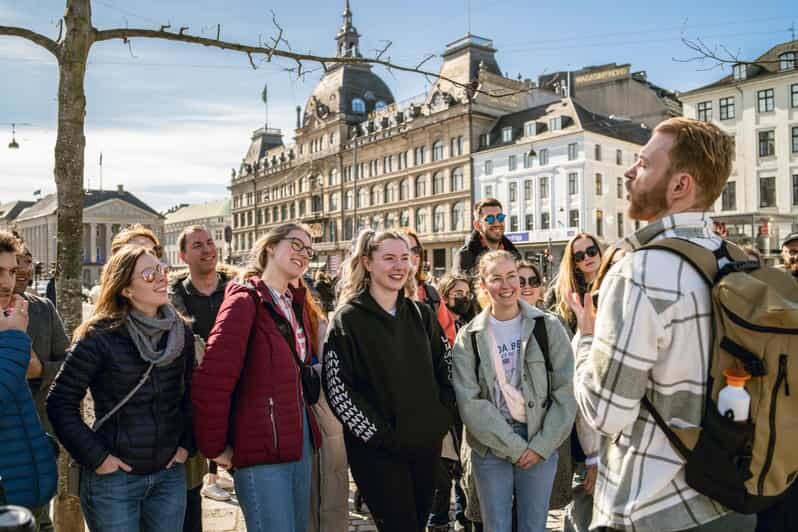
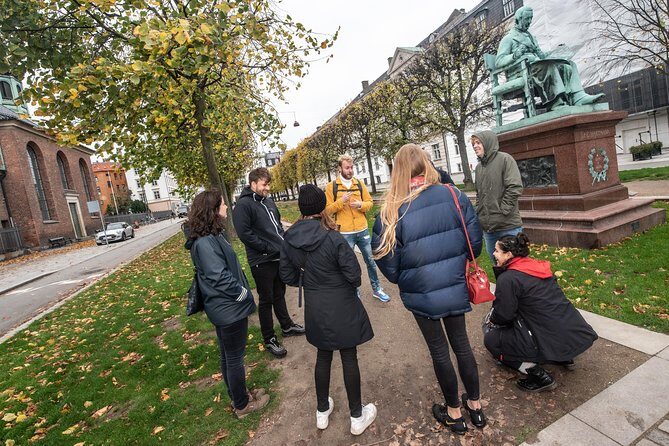
    Food here tells a story in every bite. This Copenhagen Culinary Experience Food Tour turns a city walk into a guided tastings path through Danish food’s past and new Nordic direction, from Arla Unika cheese to a sweet finish at Summerbird. You also get real neighborhood stops, not just a checklist of landmarks.

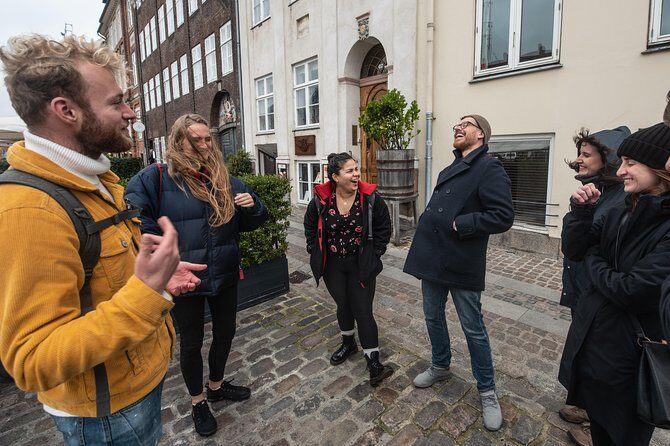
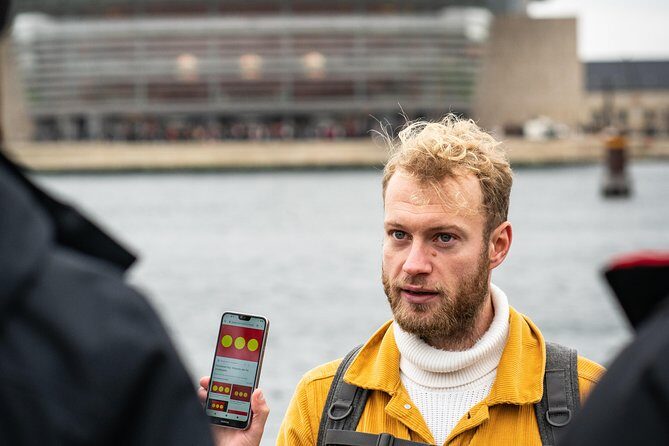
    I especially love the variety that still feels focused: cheese, candy, pastries, open-faced sandwiches, beer, a hot dog, and chocolate, and it’s all planned so you can eat like a local meal. I also like the human factor—guides such as Toby and Marie pace the walk well and explain what you’re tasting and why it matters in Copenhagen.

    The one thing to consider is that some stops involve busy lunch/candy-shop atmospheres, and your time at each tasting can be short. If you need long sit-down meals or slow browsing, plan to treat this as a guided sprint through Copenhagen flavors, not a relaxed café crawl.

    Key highlights you’ll actually care about
    The Copenhagen Culinary Experience Food Tour - Key highlights you’ll actually care about

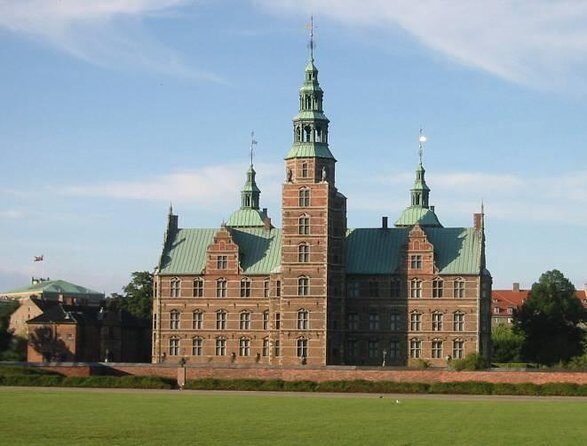
    • Exclusive Arla Unika cheese tasting with a tour-specific offer linked to Michelin-level chefs
    • Smørrebrød with a special venue option (Café & Ølhalle 1892 is exclusive to this tour)
    • Garden break with Danish apple wine—a calm pause between tastings
    • Real Copenhagen drink stops: home-brewed beer sampling plus craft beer or cider
    • Big sweet finish at Summerbird with flødeboller plus premium chocolate treats
    • Small group size (max 12), which helps the pace and keeps questions flowing

    Walking Copenhagen’s food revolution, one bite at a time

    The Copenhagen Culinary Experience Food Tour - Walking Copenhagen’s food revolution, one bite at a time
    This tour works because it’s not just tasting food. It’s tasting the idea behind Danish eating right now: more seasonal ingredients, cleaner flavors, and less of the heavy, old-school plates people associate with Denmark in earlier decades. Copenhagen has become a serious food city, and the route is designed to show that shift in a practical way.

    You’ll start in central Copenhagen near Frederiksborggade 19 (1360 København), then walk at a city-center pace. You’ll learn as you go, with a guide who threads food and context together while keeping you fed and moving.

    Because the food scene changes fast, you may see slight swaps in exact restaurants on the day. That’s normal for this kind of tour, and it’s one reason the experience can still feel current instead of stuck in an outdated script.

    Starting at Frederiksborggade and setting your taste expectations
    The Copenhagen Culinary Experience Food Tour - Starting at Frederiksborggade and setting your taste expectations
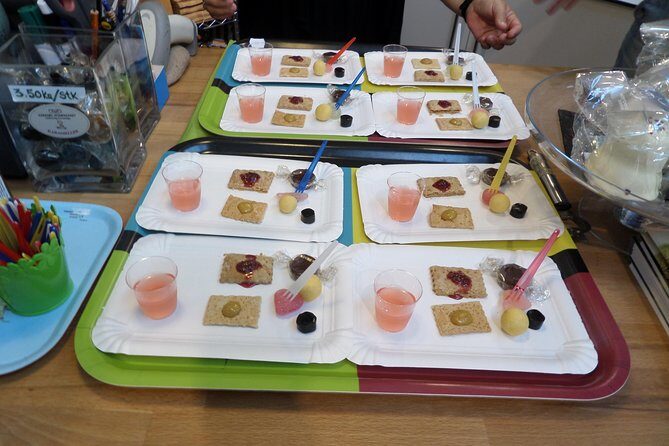
    Meeting near Frederiksborggade puts you in a convenient, walkable part of the city. It’s also close to public transportation, which matters on a day when you’ll be moving between several neighborhoods on foot.

    Before you ever sit down, the guide frames the day around how Denmark’s cuisine has evolved. You’ll hear why certain items are still treated like serious classics, and why others are being updated with modern Nordic methods—often using more local produce and less “everything heavy” cooking.

    You’ll also get a group setup that works well for a food-and-walk format. With a cap of 12 people, it’s easier to hear the guide, keep track of everyone, and actually enjoy the tastings rather than feeling herded.

    Torvehallerne and Arla Unika: the cheese stop that anchors the whole tour

    The first real wow moment is Torvehallerne, the covered market halls. This is where Copenhagen shows off its everyday food culture, not just its tourist face.

    Inside, you’ll visit Arla Unika, Copenhagen’s flagship cheese shop. The tour includes an award-winning cheese tasting there, and it’s described as exclusive to this tour, tied to cheeses developed in collaboration with Michelin-starred chefs. That matters because it signals you’re not just sampling random grocery cheese. You’re tasting something built for flavor and craft.

    Expect a focused tasting experience: the guide helps connect the cheese flavors to Danish food habits—how dairy and seasonality fit into a modern Nordic menu. You’ll also likely get a drink pairing at this stop, since the included list calls for a glass of Danish craft beer or cider and apple wine at Arla Unika.

    Practical tip: cheese is calorie-dense, so use this early stop as your baseline. You’re still going to eat plenty later, but this is a smart “start big” moment.

    Bornholm Shop sweets and the licorice you either love or learn to love

    The Copenhagen Culinary Experience Food Tour - Bornholm Shop sweets and the licorice you either love or learn to love
    After the market halls, you’ll head toward Bornholm Shop for a tasting of sweets like liquorice, caramels, and preserves. This is the part of the tour where Copenhagen’s personality gets louder—less formal, more playful, and very candy-forward.

    One of the included tasting items is Lakrids A by Johan Bülow, which is sweet licorice with a chocolate coating. If you think licorice is only for hard-core candy fans, this is a good chance to test the Danish version the right way: with chocolate working as a counterbalance, not a random add-on.

    This section also helps you understand a simple Danish reality: dessert is not always a separate “afterthought.” Often it’s a shaped experience—something you buy, nibble, and talk about like a proper food category.

    Copenhagen Botanical Gardens: apple wine and a break from walking

    The Copenhagen Culinary Experience Food Tour - Copenhagen Botanical Gardens: apple wine and a break from walking
    Next comes a breather in Copenhagen Botanical Gardens. Instead of another fast stop in a shop, you get a change of pace. You’ll sample Danish apple wine while you relax in the green surroundings.

    This matters more than it sounds. Food tours can blur together, especially in a city center where stops are close but the schedule is packed. A garden pause resets your appetite and gives you a moment to absorb what you just ate without rushing.

    If you’re sensitive to cold or wind, dress like you’re going outside for a while. This isn’t a long hike, but it’s still outdoors.

    Smørrebrød time: the open-faced lunch that explains Denmark
    The Copenhagen Culinary Experience Food Tour - Smørrebrød time: the open-faced lunch that explains Denmark
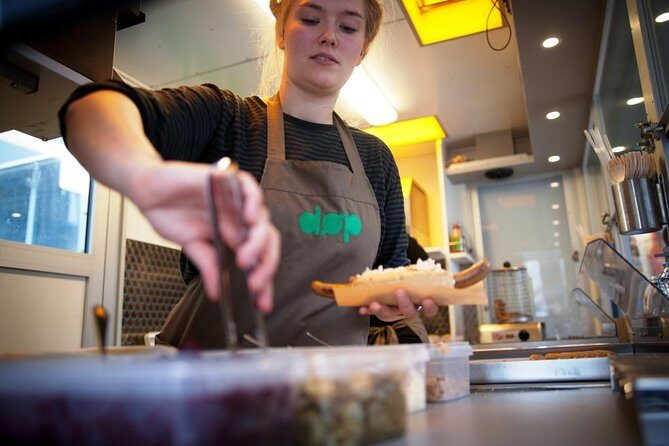
    At some point you’ll reach a smørrebrød stop, and this is one of the most praised parts of the tour. Smørrebrød means open-faced rye sandwiches, usually built on sourdough rye bread and topped with combinations that can range from classic to more modern.

    The included list gives you a clear target: gourmet smørrebrød at either RØRT or Café & Ølhalle 1892. The latter is called out as exclusive to this tour, and the description also emphasizes it’s a historic, long-running lunch venue with a traditional Danish feel.

    In the real world, that’s why this stop is so valuable. If you only visit Copenhagen once, you might see smørrebrød on a menu but miss the “why.” Here, the guide helps you connect the toppings and bread choice to Danish eating habits—what feels traditional, what feels updated, and why locals still treat lunch like a proper sit-down moment.

    One drawback to keep in mind: lunch venues can get crowded. Even when food is good, the seating can be tight, and your tasting window may be short. If you like slow, leisurely meals, keep your expectations aligned with a walking tour format.

    Beer stop and the hot dog: savory comfort in two styles
    The Copenhagen Culinary Experience Food Tour - Beer stop and the hot dog: savory comfort in two styles
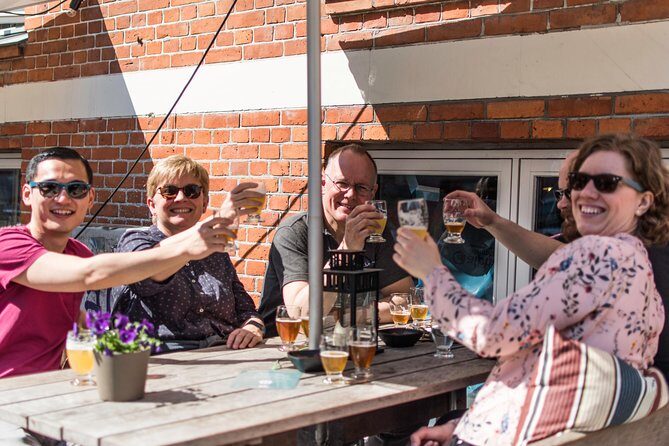
    After smørrebrød, the tour continues with another drink-focused moment at Nørrebro Bryghus, where you sample three different types of home-brewed beer. This is a smart choice for a food tour because it shows Denmark’s beverage side as seriously as its cooking side.

    The included list also notes that you’ll have a glass of craft beer or cider earlier, plus apple wine at Arla Unika. So you’re not randomly handed drinks. You’ll taste multiple styles across the route, which makes the day feel like a real food culture sampler.

    Then comes the most fun, no-nonsense item: an organic hot dog from Den Økologiske Pølsemand near the Round Tower area. Copenhagen’s hot dog scene is famous for being simple, fast, and high quality—and organic here makes it feel more deliberate than a street-snack afterthought.

    If you’re not a big beer person, don’t panic. You can still enjoy this part because it’s not only about alcohol. The hot dog is one of those “comfort reset” bites that balances all the cheese and sweets you’ve had so far.

    Riviera Bakery pastry and Sømods Bolcher sweets: the classic sugar arc
    The Copenhagen Culinary Experience Food Tour - Riviera Bakery pastry and Sømods Bolcher sweets: the classic sugar arc
    Between savory stops, the tour uses pastry and candy to keep your taste journey varied. The included list calls out flaky, fresh Danish pastry from Riviera Bakery, described as a local favorite far from typical chain bakeries.

    That kind of detail matters. Danish pastry gets hyped worldwide, but quality varies a lot. Here, the point is freshness and the craft feel you’d rather chase than a mass-produced version.

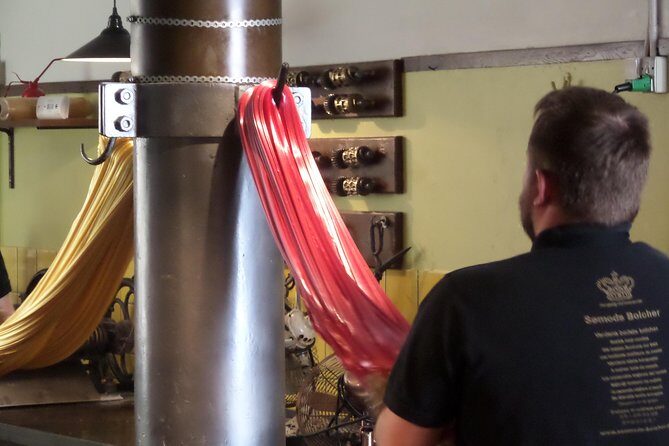
    You’ll also visit Sømods Bolcher, with sweets that are made by appointment to the Royal Danish Court. Even if you don’t care about royal connections, this is an example of Denmark taking candy seriously. And the guide usually frames what you’re tasting so it doesn’t feel like a random sugar stop.

    Summerbird Chocolate: the luxe finish with flødeboller

    You end at Summerbird Chocolate, described as Copenhagen’s premier chocolatier. This is where the sweetness gets to its most polished level, and it’s a good finish because you’re done with savory food.

    The included highlights call out signature chocolate treats and flødeboller, which are chocolate-coated marshmallows that tend to be highly addictive. If you’ve never had one, this is a classic Danish way to do dessert texture: creamy, airy, and then finished with chocolate.

    The tour also includes a specific licorice item earlier (Lakrids A by Johan Bülow), so finishing with chocolate feels like a natural “contrast landing.” You go from licorice’s bold flavor to chocolate’s softer pull.

    What’s the real value of $149.95 for four hours?

    At $149.95 per person for roughly 4 hours, it’s not a bargain snack walk. But value isn’t just price-per-minute. It’s whether you leave properly fed and informed, without having to pay separately for each stop.

    Here’s what you get in the included list, and why it adds up:

    • Multiple food categories that function like a full meal: cheese tasting, smørrebrød, hot dog, pastry, sweets, and chocolate
    • Alcohol included in a structured way: craft beer or cider, plus apple wine, and a beer sampling at Nørrebro Bryghus
    • Access-style extras: exclusive cheese tasting at Arla Unika and exclusive access to Café & Ølhalle 1892
    • Planning help that saves effort: the guide handles sequencing and flavor balance, so you don’t have to decide where to spend your money

    If you’re the type who likes to try things in Copenhagen without spending hours researching menus, this price can feel fair. You’re paying for the route, the tastings, and the context so you know what you’re eating.

    If you’re only looking for one or two items, or you hate walking between stops, then it may feel steep. This is a full experience with a clear pace.

    Small-group pacing and guide quality: why it feels intimate

    The tour caps at 12 travelers, and that size shows. In practice, small groups mean:

    • you don’t lose your place every time the group turns a corner
    • it’s easier to hear the guide’s explanation at each stop
    • questions don’t get pushed to the end like an afterthought

    In the feedback, guides such as Toby, Marie, Camilla, and Fredrick are repeatedly praised for mixing food and Copenhagen storytelling while keeping the day flowing. That’s what you want on a food tour: information that helps you taste better, not facts that slow the schedule.

    Practical tips before you go

    Bring your appetite, but also keep these points in mind:

    • Expect a moderate walking day. You’ll move between several parts of central Copenhagen.
    • Dress for walking weather. Copenhagen can change quickly.
    • Plan to eat efficiently at lunch. Some venues can get crowded, and your tasting time may be shorter than you’d want for a long sit-down meal.

    Also, if you have dietary requirements, you should flag them at booking in the Special Requirements field. The tour data says they take dietary restrictions seriously, so communication matters.

    Who should book this Copenhagen culinary walking tour?

    This tour is a great match if:

    • you want a guided sampler of Danish food, not a single restaurant meal
    • you like both classic staples and modern Nordic trends
    • you want variety without hunting menus all day
    • you enjoy walking a central city with scheduled stops

    It may be less ideal if:

    • you prefer very slow meals and long café seating
    • you don’t like alcohol pairings, since beer and cider are included
    • you’re extremely sensitive to crowds, since some stops can be busy

    Should you book the Copenhagen Culinary Experience Food Tour?

    Yes, I’d book it if you’re doing Copenhagen for the first time and want the fast track to what Denmark tastes like right now. The combination of exclusive Arla Unika cheese, a historic smørrebrød venue option, and a final run to Summerbird makes it feel like a complete food arc instead of random snacks.

    It’s also a smart value for people who want a full meal’s worth of tastings with drinks included and a guide who explains what’s on your plate and why it matters. Just go in knowing it’s a guided walking route, so you’ll eat and move, not linger.

    If you tell me your travel dates and any dietary restrictions, I can help you decide whether your priorities lean more toward cheese, sweets, beer, or smørrebrød—and whether this is the right fit for your style of trip.

    FAQ

    How long is the Copenhagen Culinary Experience Food Tour?

    It runs for about 4 hours.

    Where does the tour start and end?

    The tour starts at Frederiksborggade 19, 1360 København, Denmark and ends back at the same meeting point.

    How much does it cost?

    The price is $149.95 per person.

    Is the tour offered in English?

    Yes, it is offered in English.

    What food and drink are included?

    The tour includes tastings such as award-winning cheese from Arla Unika, gourmet smørrebrød, an organic hot dog, Danish pastry, sweets from Sømods Bolcher, a signature chocolate treat from Summerbird, Lakrids A licorice with chocolate coating, plus beer or cider and apple wine.

    Do you get enough food to eat a meal?

    Yes. The tour says tastings are enough for a full meal.

    What is the group size?

    The tour has a maximum of 12 travelers.

    Is hotel pickup included?

    No. Hotel pickup and drop-off are not included.

    Is there a place for dietary restrictions?

    Yes. You should advise any specific dietary requirements at the time of booking in the Special Requirements field.

    What is the cancellation policy?

    Free cancellation is available up to 24 hours in advance for a full refund. If you cancel less than 24 hours before the start time, the amount paid is not refunded.
  • Copenhagen: National Museum of Denmark Entry Ticket

    Copenhagen: National Museum of Denmark Entry Ticket

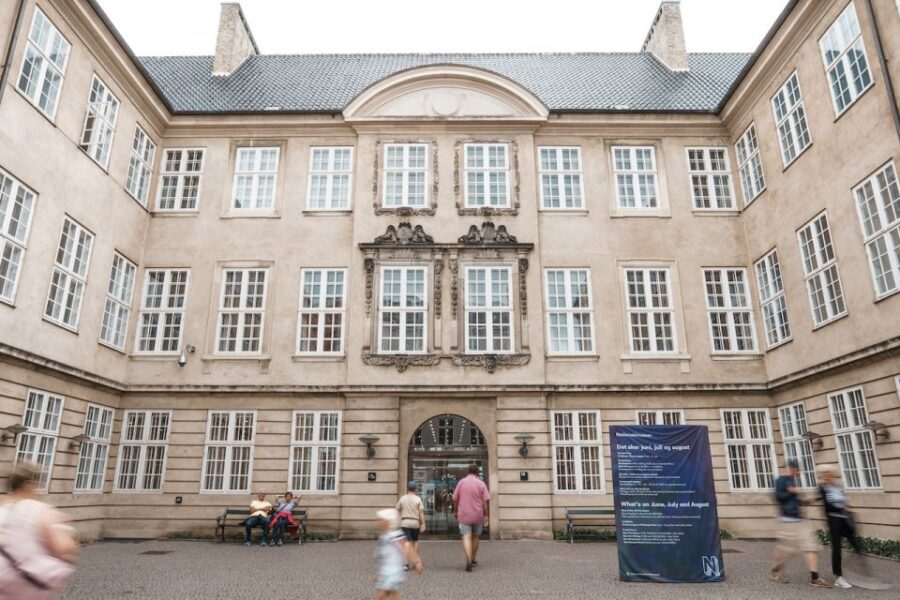
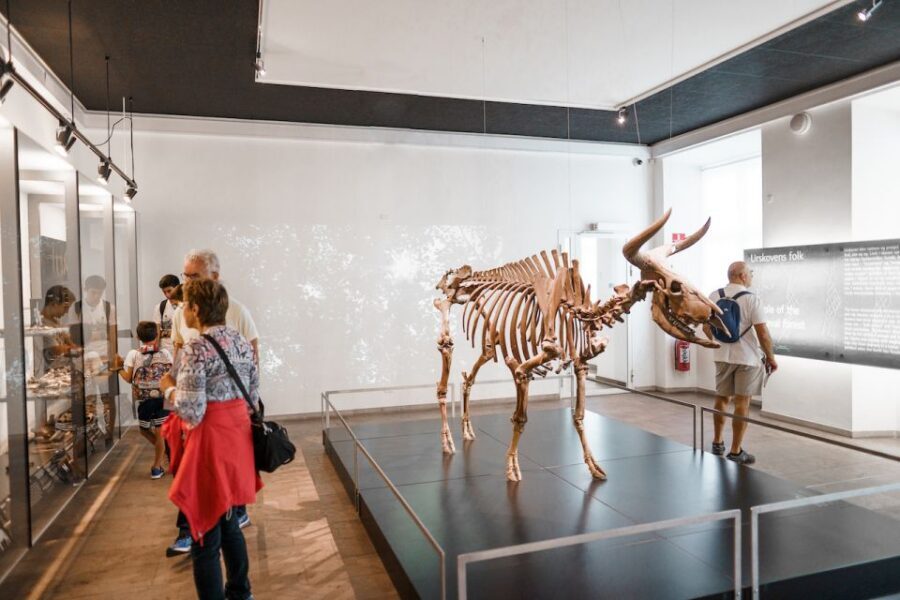
    The National Museum of Denmark has a way of shrinking thousands of years into one walkable visit. I love that you can bounce from Stone Age objects to Viking-world stories without needing a guide to translate the vibe, and the Völva (Viking sorceress) exhibition gives that era real personality.

    Two things I especially like: the museum’s Viking exhibits are genuinely engaging, and the collection feels broad and physical, not just text-heavy. As a possible downside, the museum is big and packed with rooms, so if you hate getting turned around or you dislike lots of information, you’ll want a plan.

    Key things to know before you go

    Copenhagen: National Museum of Denmark Entry Ticket - Key things to know before you go

    • The Viking sorceress / Völva show is the crowd favorite, with standout items tied to Eddas and sagas.
    • 14,000 years in one place means you can cover Stone Age, Bronze Age, and beyond in a single half-day or full-day.
    • It’s self-guided with space to linger, but you can still add context through free docent tours.
    • Expect you’ll loop through lots of adjoining rooms, so give yourself time to reset and not rush.
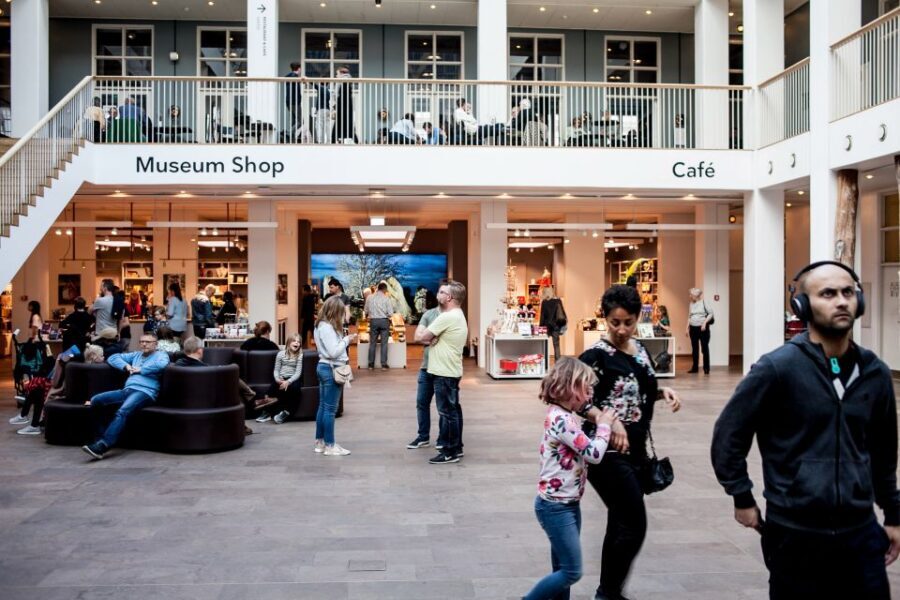
    • The café and gift shop get high marks, so plan a break instead of sprinting straight through.
    • It can be overwhelming for kids if they need lots of hands-on moments or short attention spans.

    Why the National Museum of Denmark feels like time travel

    Copenhagen: National Museum of Denmark Entry Ticket - Why the National Museum of Denmark feels like time travel
    If you like museums where you can actually feel eras changing, this one works. You start with Denmark’s earliest human traces and move forward through wars, beliefs, and everyday life—so you don’t just learn facts, you see how the story builds.

    I also like how the museum doesn’t hide Denmark inside a small corner. It treats Danish history as part of bigger Nordic and international currents, especially when the exhibitions connect local Viking life to the wider world.

    What 14,000 years of Danish history looks like on the ground

    Copenhagen: National Museum of Denmark Entry Ticket - What 14,000 years of Danish history looks like on the ground
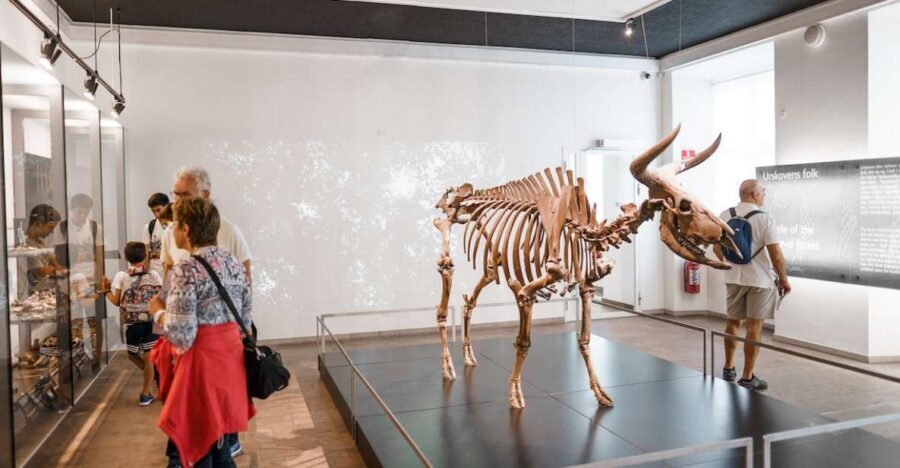
    The museum’s core promise is simple: 14,000 years of Danish history, presented through major finds and carefully arranged exhibits. You can spend a long afternoon watching the Bronze Age and Stone Age come alive through what’s been uncovered, not just what someone summarized in a textbook.

    What you’ll notice quickly is that the museum gives you both big-picture storylines and object-focused moments. That balance matters because it keeps the visit from feeling like pure scrolling through panels—some parts will feel like you’re standing next to the evidence itself.

    If you want a “just the highlights” route, the museum still supports that. But if you’re the type who reads labels end-to-end, you could easily end up staying longer than you expected because the information keeps stacking up room by room.

    The Viking exhibitions to prioritize: Völva, sorceress, and Norse mythology energy

    Copenhagen: National Museum of Denmark Entry Ticket - The Viking exhibitions to prioritize: Völva, sorceress, and Norse mythology energy
    I’m going to be blunt: if Vikings are why you’re in Copenhagen, the National Museum is hard to skip. The standout here is the Viking Sorceress / Völva exhibition, which is consistently praised for making Norse belief feel tangible rather than abstract.

    The best part for me isn’t just the theme—it’s what you can connect it to. One of the most talked-about sections highlights items tied to Viking-era figures like völva (sorceresses), and the exhibit links objects and scenes to the stories associated with the Eddas and sagas.

    There are also memorable details people point out from visits, like the giant curved horns called lurs, Viking-age material connected to religious practice, and famous “you can’t believe this is real” objects from the Bronze Age era. Even if you don’t know the background, the show is built so you can follow the logic of belief, power, and performance.

    More than Vikings: Stone Age finds, Bronze Age stars, and everyday life

    Copenhagen: National Museum of Denmark Entry Ticket - More than Vikings: Stone Age finds, Bronze Age stars, and everyday life
    Yes, the Viking exhibits get the attention. But the reason this museum works even on non-Viking days is that it keeps moving backward and outward through time.

    On the early side, you’ll see remains uncovered from the Stone Age and Bronze Age, which is a rare chance to watch Danish history stretch far beyond the Viking headline. It’s a different pace—slower, more grounded in artifacts and how people lived—so it gives your Viking sections more meaning once you return to later centuries.

    On the Bronze Age side, people often mention the scale and presence of iconic objects they associate with Denmark’s early material culture. One reviewer even called out favorites like the sun chariot and helmets, which is exactly the kind of “wow artifact” moment that can make a museum feel like a destination instead of a detour.

    If you want the museum to feel less confusing, I’d do this: pick one “anchor era” (for many people it’s Vikings), then let the other rooms support it rather than trying to master everything at once.

    How to structure your visit so you don’t lose the thread

    The museum is big and full of connected rooms. That’s great for depth, but it can also make navigation feel like a puzzle, especially when you hit areas with multiple adjoining spaces.

    Here’s how I’d plan it for you:

    • Start with the exhibition that matters most to you (often the Viking Sorceress / Völva section).
    • Then do one sweep through early history (Stone Age and Bronze Age).
    • Finish with a slower pass where you can stop for things that catch your eye.

    A key practical detail: some visitors report getting lost mid-visit. So don’t be shy about retracing steps. It’s not a failure. It’s the museum doing what museums do—collecting attention in every corner.

    Also, plan for your body. A few reviews mention feet hurting after an hour or so and a lot of walking once you fully commit. Give yourself permission to pace the visit and take breaks without guilt.

    Tickets, money value, and how long you should budget

    The entry ticket is priced at $21 per person. For Copenhagen, that’s a fair value when you consider the museum’s size and the span of time it covers. You’re not paying just for a single exhibit—you’re paying for a full-day museum layout where you can choose your own priorities.

    How long? Based on real pacing from visitors, think half-day to full-day. Some people manage around 2–3 hours if they move quickly, but more comfortable visits land around 3–4 hours, with others aiming at 5 hours to see a lot without rushing.

    My practical advice: don’t schedule it as a “quick stop” unless you’re going in with a tight hit list. This museum rewards slower attention, especially if the Viking exhibits are on your must-see list.

    Spot the best experiences: docent tours, audio highlights, and interactive moments

    Even though the entry ticket lets you go at your own pace, you can add context in a couple of ways.

    Some visitors mention free docent tours, and one named guide—Antonio—gets a shout-out for explaining history around the square, handling architecture commentary, and even translating songs. You don’t have to catch a specific guide to benefit, but it’s a reminder that when you stop and listen, the museum becomes easier to understand.

    There’s also mention of using a highlight audio tour route. That’s a smart strategy if you feel overwhelmed by the number of rooms. You get a structure, but you still keep your own pace.

    One more thing: if you’re a fan of interactive or themed exhibitions, keep an eye out for special shows that visitors describe, like a vampire exhibition. Just treat special exhibitions as “possible bonus,” since what’s on display can vary by season.

    The café and museum shop: the real recovery plan

    Don’t underestimate the downtime. Multiple reviews praise the café, and at least a few call it superb or delicious, with a cozy atmosphere and plenty of options for a midday break.

    That matters because you’ll likely need it. This museum isn’t a “two galleries and out” kind of stop. You’ll rack up steps, and a real sit-down meal makes the second half of your visit better.

    Then there’s the gift shop. People mention irresistable items and warn you might spend more than planned. If that makes you laugh, you’re already thinking like a museum visitor.

    Is this a good fit for your Copenhagen trip?

    Copenhagen: National Museum of Denmark Entry Ticket - Is this a good fit for your Copenhagen trip?
    This museum is a strong pick if you want one stop that covers Denmark across time, especially if you’re planning to see other sights in the center of Copenhagen. Reviews describe it as very central and easy from the station, and not far from areas like Christiansborg.

    It’s also a great rainy-day solution. When the weather is gray, having a large, indoor, information-and-artifact museum can turn a time-waster into a memorable anchor day.

    Who it suits best:

    • Adults who like objects, context, and reading labels at a reasonable pace
    • Viking-and-Norse mythology fans who want more than generic history summaries
    • Anyone who wants a museum day with breaks and a bit of variety in tone

    Who might find it less ideal:

    • Kids who get bored quickly without hands-on experiences (some visitors say the museum can be overwhelming)
    • People who want only one or two small exhibits and nothing else, because the museum is large and information-heavy

    Should you book the National Museum of Denmark entry ticket?

    If you’re deciding between skipping it or squeezing it in, here’s my call: book it if Denmark history and Viking storytelling are on your radar. The Viking Sorceress / Völva exhibition is the kind of draw that can genuinely structure your whole day, and the rest of the museum helps you connect that story to much earlier life in Denmark.

    I’d also book if you like choice. This is a ticket that lets you go at your own pace, and you can add context with free docent tours or a highlight audio approach. With a ticket valid for 365 days, you’ve got flexibility if your schedule shifts.

    Skip it only if you truly don’t want a large museum with many rooms and lots of information. If that describes you, you might be happier with a smaller, more focused experience.

    FAQ

    Where do I show my voucher?

    Show your voucher at the ticketing desk of the National Museum of Denmark.

    How much is the entry ticket?

    The price listed is $21 per person.

    How long is the ticket valid?

    The ticket is valid for 365 days.

    Can I cancel and get a full refund?

    Yes. Free cancellation is offered up to 24 hours in advance for a full refund.

    Is there a reserve and pay later option?

    Yes. You can reserve now and pay later, and book your spot without paying today.

    Is the museum wheelchair accessible?

    Yes, the museum is wheelchair accessible.

    Is the experience guided?

    The ticket is for entry, and visitors describe the visit as self-guided with their own pace. Free docent tours and audio highlight options are mentioned as add-ons.

    How long should I plan to spend inside?

    Many people suggest planning around 3–4 hours, with some spending about 5 hours for a more thorough visit. Others do 2–3 hours if they move quickly.

    What should I prioritize if I only have a short amount of time?

    Prioritize the Viking Sorceress / Völva exhibition. It’s the most frequently praised part, and it’s a good way to anchor the rest of your visit to Danish history from Stone Age and Bronze Age themes onward.

  • Copenhagen: Group Walking Tour – City Highlights – 2 Hours

    Copenhagen: Group Walking Tour – City Highlights – 2 Hours

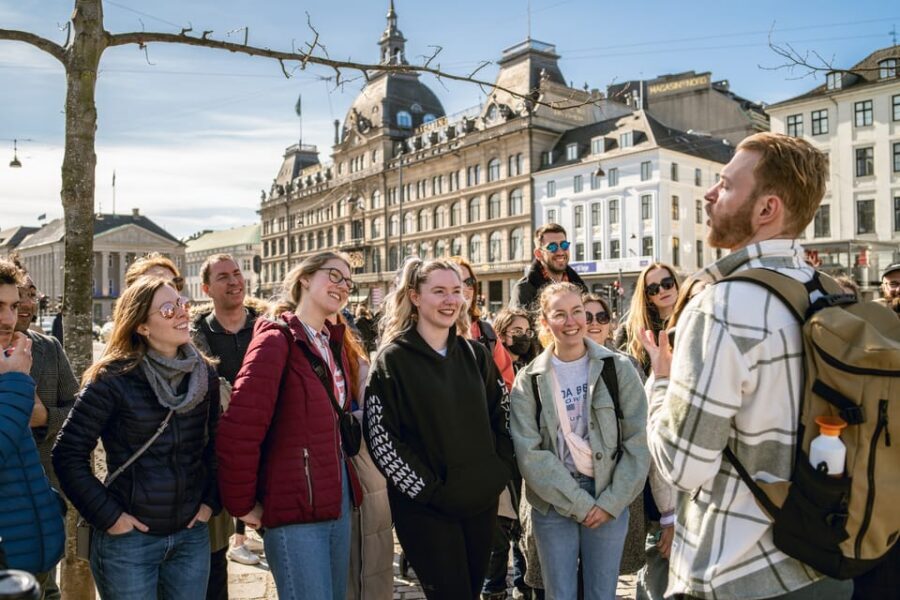
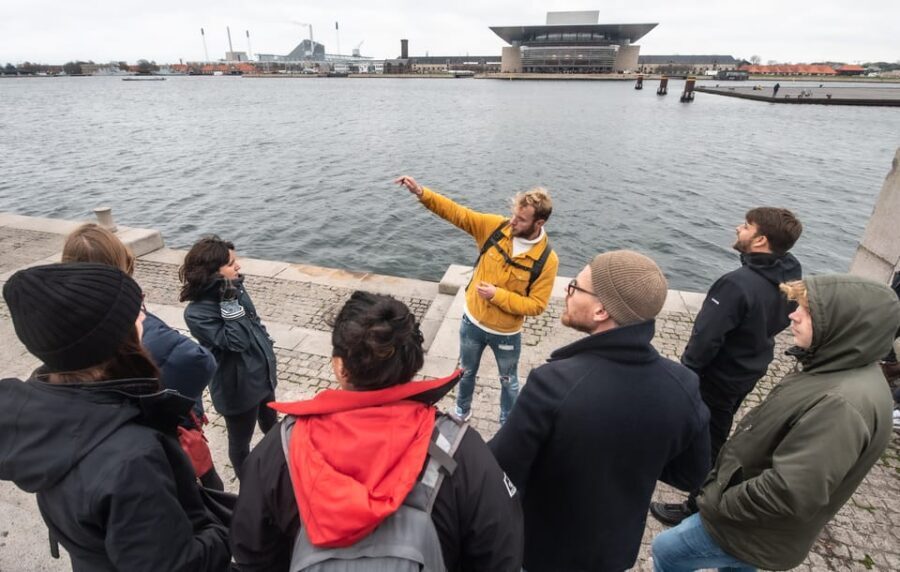
    Copenhagen can feel like a museum in heels. This walk makes it quick, funny, and street-level, with politically incorrect humor wrapped around real royal and fairytale-era Denmark. I like the mix of big, recognizable stops and the way the guide keeps you moving so the city never turns into a lecture.

    What I especially liked is the tour’s practical flow: it covers a strong set of highlights while still adding stories that help the streets make sense. You also get built-in GPS guidance, which is handy when you are trying to save your phone battery. The main drawback is the tone: if you do not want jokes that can get offensive (and sometimes personal about nationalities), this is not the tour for you.

    The fun walk through the main hits, but with jokes

    • Politically incorrect, off-the-wall storytelling that stays centered on Copenhagen’s famous landmarks
    • GPS built-in so you can keep your phone for photos and directions later
    • A tight 2-hour route that threads from the historic core toward the royal palaces area
    • Stops you can actually use later (Strøget, Nyhavn, Amalienborg, and more)
    • Good for first-timers who want orientation plus laughs, not a slow, academic history lesson
    • Bring the right mindset: English matters, and some topics are not for the easily offended

    How the Tour Works: 2 Hours, One Walk, Big Name Sights

    Copenhagen: Group Walking Tour - City Highlights - 2 Hours - How the Tour Works: 2 Hours, One Walk, Big Name Sights
    This is a group walking tour built for momentum. In 2 hours, you cover a classic arc across central Copenhagen: starting near the transit hub at Gammel Strand, then cutting through the city’s key streets, squares, churches, and theater/royal landmarks, and ending by the Amalienborg Royal Palaces area and the Marble Church.

    The pitch is not subtle. The guides mix history with humor, and the humor is the star of the show. It is not trying to be a quiet museum talk. If you go in expecting dates, dynastic charts, and long-form scholarship, you will probably feel impatient. If you go in wanting the street stories behind the photos, you will enjoy how fast the tour connects the dots.

    Also, they run it like a guided route, not a free-for-all. You meet in a very specific spot and you follow along as the guide talks. One very practical perk: the guide system is designed to reduce your phone-dependence, so you can spend your attention on the street rather than the map.

    Meeting Point and the Orange Umbrella Reality Check

    Copenhagen: Group Walking Tour - City Highlights - 2 Hours - Meeting Point and the Orange Umbrella Reality Check
    Meet outside Gammel Strand Metro Station. Your exact meeting location is between the metro station entrance and the statue of Absalon (the bishop figure on a horse). Look for the guide carrying an orange umbrella.

    Arrive 15 minutes early. This is not just good etiquette; it matters because the tour is not guaranteed if the group is late getting started. If you are traveling with a tight schedule, I’d still plan to show up early enough to find the group without rushing.

    One more note that affects your experience: English is mandatory. The guide mixes humor into the history, so if you are not comfortable catching jokes in real time, you might miss part of the payoff.

    Value at $39: What You Actually Get in Two Hours

    Copenhagen: Group Walking Tour - City Highlights - 2 Hours - Value at $39: What You Actually Get in Two Hours
    $39 is a fair price for a guided intro to Copenhagen’s center—especially because you are paying for two things at once: (1) a route that strings together the most photographed areas, and (2) a guide who turns those places into stories you can remember.

    You do not pay extra for the guide itself; the tour is guided, with entrance fees not included. That means you are paying for the walking and the storytelling, not for timed ticket access. In practice, that is a smart fit for travelers who want to spend the day seeing, not waiting in line.

    If you are the type who likes to walk off your jet lag with a plan, this kind of tour is often the best value move you can make early in a trip. You get your bearings, and you end up knowing what to circle back to later—without having to “figure it out” from scratch.

    Stop by Stop: What Each Landmark Adds (and What to Watch)

    Copenhagen: Group Walking Tour - City Highlights - 2 Hours - Stop by Stop: What Each Landmark Adds (and What to Watch)
    Below is the tour’s main backbone, from first sightings to the royal-palace finish. I’m describing what each stop brings to your understanding of Copenhagen, plus the little considerations that can affect how much you enjoy it.

    Statue of Absalon: The Horse, the Origin Story, the Tone

    You start at the statue of Absalon, the bishop on horseback. This is a small start that sets a big theme: Copenhagen did not begin as a postcard. It started as a human settlement with power, politics, and myth-making.

    This opening matters because the guide’s humor establishes the rules early. You’ll quickly learn whether the joke style fits you. If the tone lands for you, you’ll relax and enjoy the rest more.

    Christiansborg Palace Area: Royal Denmark Without the Stuffiness

    Next up is the Christiansborg Palace area. This stop is where the tour leans into Danish governance and royalty. Even if you are not a history person, you’ll get a clearer sense of why the political story sits so close to the everyday street life.

    Practical note: palace-area sights can get crowded, and your group will be walking and talking. Keep your photos quick and functional so you do not lose the thread of the guide’s story.

    Skt. Nicolai Church: Big Architecture Meets Quick Storytelling

    Skt. Nicolai Church brings in a different flavor: religion and architecture. It works well in the tour because it gives the guide a chance to talk about older Denmark while still keeping the pace moving.

    The trade-off is that this is a walking tour, so you are not settling in for long. If you want quiet contemplation, you’ll likely use this as a “see it from the outside now, look closer later” moment.

    Strøget (Pedestrian Street): Where Copenhagen Teaches You to Look Up

    Strøget is the central pedestrian spine of the city. This is where you feel Copenhagen’s everyday rhythm: storefronts, foot traffic, and the kind of street energy that makes the rest of the tour easier to place.

    Why it matters: once you’ve walked Strøget with context, you start seeing the street as a living timeline, not just a shopping corridor.

    Consideration: it can be busy, so it is easy to feel a little jostled if your group spacing is tight. I’d keep a steady walking pace and let the guide’s timing pull you along.

    Kongens Nytorv and Magasin du Nord: Squares, Scale, and City Planning

    From Strøget you move into Kongens Nytorv, then toward Magasin du Nord. This part helps you understand how Copenhagen balances grand civic spaces with retail and public life.

    The guide tends to connect these spots to broader themes—how power shows itself in the city layout, how everyday people occupy those spaces, and how Denmark’s famous stories fit into real geography.

    This is also where you’ll benefit from the built-in GPS style approach. The tour rhythm matters here because you are crossing through a busy, multi-lane city feel, even on foot.

    Hotel D’Angleterre and Royal Theatre: The Glamour With Teeth

    The route includes Hotel D’Angleterre and the Royal Theatre area. These stops are about spectacle—places that look like they belong in a movie.

    But the tour keeps the focus on meaning, not just appearance. Expect stories that tie fancy façades to Danish identity, plus the guide’s signature edge.

    Practical tip: if you are visiting in colder months, keep your outer layer comfortable. You may stop in spots with open air while the guide sets up the next story.

    Nyhavn: Waterfront Drama That Makes the Past Feel Local

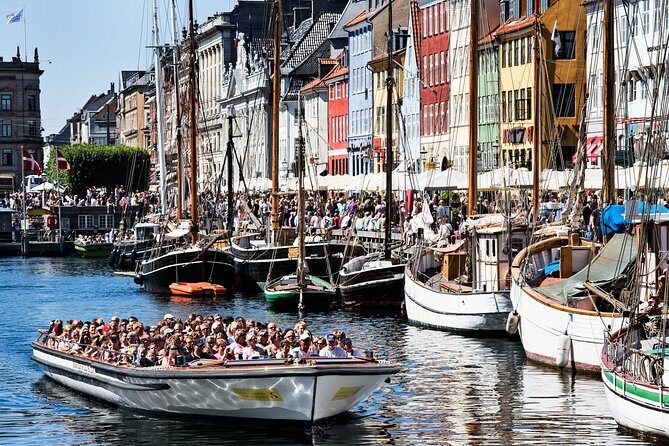
    Then you reach Nyhavn. This is the payoff stop for a lot of people because it is visual. The waterfront setting makes the stories feel grounded in daily life rather than locked behind walls.

    This is also where you’ll likely notice the tour does not just “name-drop.” It tries to connect Denmark’s famous tales to the physical city you can see right now.

    Crowds can build around Nyhavn, especially at peak hours. I recommend you step back slightly for photos if the group is stopping tightly, then rejoin when the guide moves on.

    Amalienborg Palace Area: Royal Denmark in the Place You Can’t Ignore

    Finally, you end near Amalienborg Palace, the royal-palace complex, with the Marble Church nearby. This part of the walk is where your earlier context starts clicking into place. The guide ties earlier history themes back to the royal landscape you are seeing.

    One of the biggest values of reaching Amalienborg at the right time is the chance to witness ceremony-related moments if timing lines up. The better you plan your day, the more likely you are to catch something like that without scrambling.

    Marble Church: The Finish That Lets You Keep Exploring

    The tour ends by the Marble Church area. This gives you a strong “destination endpoint” that is easy to transition from: you can head onward to nearby streets, grab food, or keep walking toward other neighborhoods.

    Marble Church is a good finish point because it is photogenic and easy to orient around. If you feel like you did not study a map at all during the tour, that is normal—you are meant to leave with an instinct for where things are.

    The Humor Factor: Who This Tour Is For (and Who Should Skip It)

    This experience is explicitly built for travelers who want to laugh at the edges of history, not just file facts into a notebook. The guide style is politically incorrect, and the route is described as sticking to the fun (and offensive) stuff.

    They also mix in jokes about many nationalities, including their own. That is the point, but it is also the reason you should choose carefully.

    I’d be cautious about booking if:

    • You dislike off-color comedy or you are easily bothered by controversial topics
    • You want a clean, classical sightseeing experience
    • You prefer a straight lecture over a joke-driven approach

    On the flip side, if you have a dark or dry sense of humor and you like learning by listening to stories, this kind of guide can make a short tour feel a lot longer.

    Group Pace, Cold Weather, and Comfort Tips That Matter

    Copenhagen: Group Walking Tour - City Highlights - 2 Hours - Group Pace, Cold Weather, and Comfort Tips That Matter
    Because this is a group walking tour, pace matters. Some people in the group may keep up easily; others might struggle if the guide moves quickly between explanations.

    I recommend you:

    • Wear shoes you can walk on comfortably. Copenhagen’s center has cobblestones and old-street texture.
    • Bring a layer for the weather. Guides keep moving, and waiting around can be minimal but real.
    • If you move slowly, position yourself where you can hear without sprinting. Being at the wrong spot can make you miss parts.

    Also, the tour is wheelchair accessible in the broad sense. Still, you should consider that any walking tour’s comfort depends on crowd density and group tempo.

    Guides Make the Difference: What to Expect From the Style

    The biggest common thread across recent guide performance is energy plus clarity. Guides like Thor, Steen, Sebastian, Roger, Magnus, Martin, Paul, Silas, and Conrad have all been singled out for making the time fly while still covering the major sights.

    You’ll often feel two things at once:

    1) the guide is performing (the comedy is front-and-center)

    2) the guide is managing the route and timing (so you see the stops without losing the story)

    That timing detail can matter around ceremonial moments. If the schedule lines up, the tour’s planning can help you see things without missing the main sights.

    You can also benefit from asking questions. Many guides naturally share practical recommendations—things like where to eat or where to go next. Some have even shared discount codes for fun local attractions, but that kind of bonus is not something you should base your whole plan on.

    Should You Book This Copenhagen Highlights Walk?

    Book it if you want an efficient, story-driven introduction to central Copenhagen and you are comfortable with edgy, offensive-leaning humor mixed into history. It is also a strong pick if you want orientation fast—so you can wander later with more confidence and fewer detours.

    Skip it if you want a traditional, respectful, fact-only history tour. The humor style is not an add-on; it is the method. If sensitive topics would ruin your day, you will not have a good time.

    My practical rule of thumb: this tour is best as your first or early sightseeing outing, when you are still building your mental map. If you have two free hours and a decent sense of humor, it can turn Copenhagen’s famous streets into something you remember—not just something you passed by.

    FAQ

    Copenhagen: Group Walking Tour - City Highlights - 2 Hours - FAQ

    How long is the Copenhagen group walking tour?

    It lasts 2 hours.

    Where do I meet the guide?

    Meet between the metro station entrance at Gammel Strand and the Absalon statue (the horse-mounted figure). Look for the guide with the orange umbrella.

    Where does the tour end?

    It ends next to the Amalienborg Royal Palaces and the Marble Church.

    What language is the tour in?

    The tour is in English, and English is mandatory.

    How much does the tour cost?

    The price is $39 per person.

    Is there a guide included?

    Yes. A live English-speaking guide is included.

    Is entrance to sights included?

    Entrance fees are not included (it is an outdoor tour).

    Are children allowed?

    Children are welcome, and most guides can keep content at a PG-13 level.

    Is the tour wheelchair accessible?

    The tour is listed as wheelchair accessible.

    What should I expect from the humor and topics?

    Expect politically incorrect humor and jokes that may be offensive. If you are sensitive about certain topics, the company recommends you do not book.

  • Copenhagen: Home of Carlsberg Experience Entry Ticket

    Copenhagen: Home of Carlsberg Experience Entry Ticket

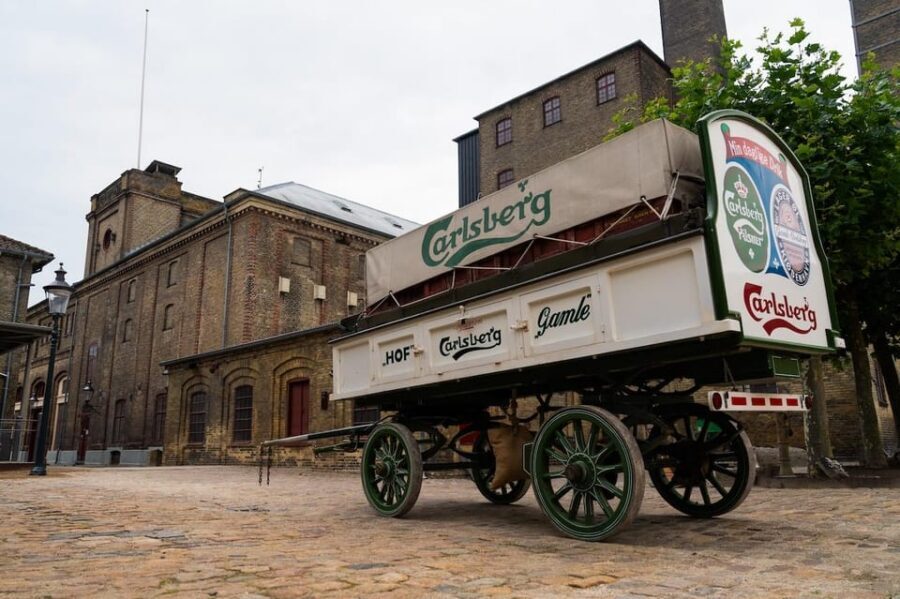
    Beer museum meets real Danish history. At Home of Carlsberg, the interactive exhibits and the father-and-son story of J.C. Jacobsen and Carl Jacobsen make learning feel like play. I also love the scale of the 22,000+ unopened beer bottles. The only catch is timing: you must enter the exhibition at least 2 hours before closing, and busy days can mean extra waiting.

    I like that this is set up as a wander-at-your-own-pace experience, then ends with something you can actually enjoy: one included beer or soft drink. You can also add on tastings in the old storage cellars, or keep it simple with a draft beer in the Carlsberg Bar plus a look at the horses in the stables.

    Key things worth planning for

    Copenhagen: Home of Carlsberg Experience Entry Ticket - Key things worth planning for

    • Timed exhibition entry: you’ll be given a slot on arrival, and you have to enter early enough (2 hours before closing).
    • Hands-on brewing science: games and videos explain how beer-making ideas evolved.
    • A surprisingly human story: disputes between father and son shaped Carlsberg’s approach to brewing.
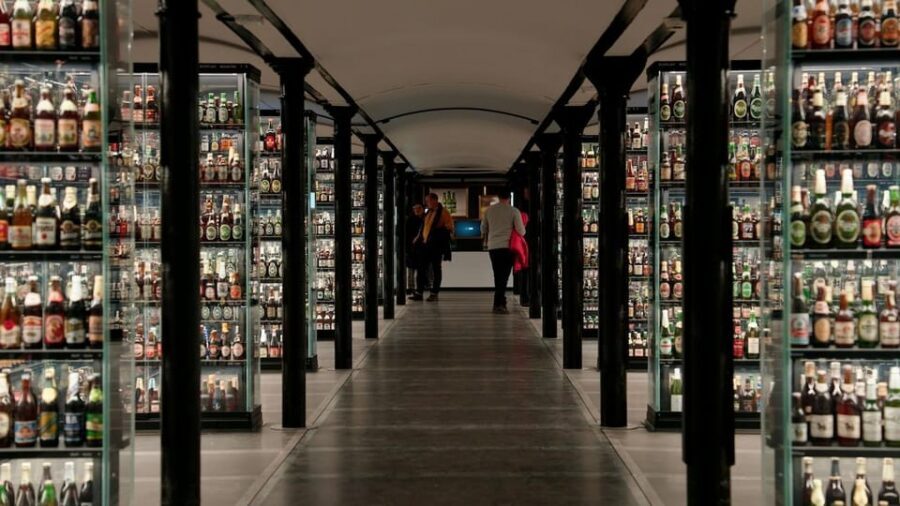
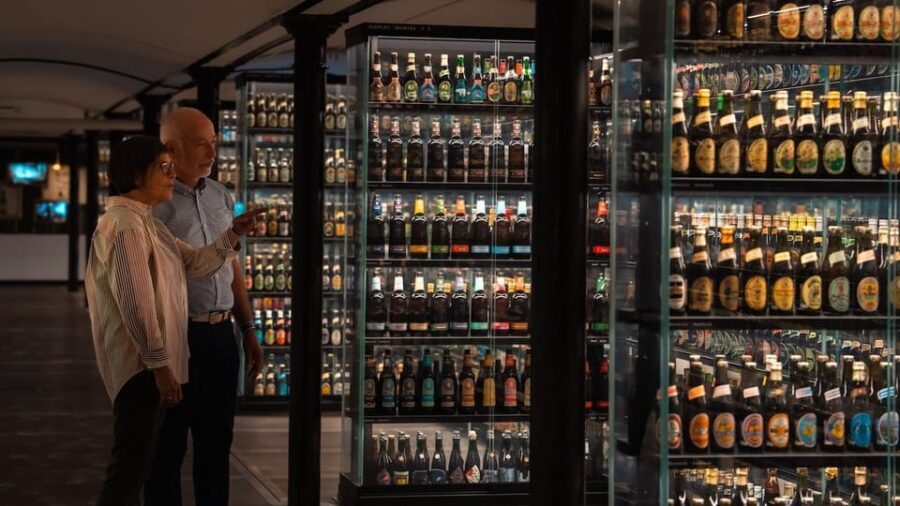
    • The bottle collection scale: more than 22,000 unopened bottles make this feel big on purpose, not gimmicky.
    • Choose your finish: standard end (bar + stables + gardens) or upgrades like cellars tastings and guided brewery-area tours.
    • Self-paced means you control the pace: it can take a few hours if you stop to try everything.

    Home of Carlsberg: where the ticket turns into a timed entry

    Copenhagen: Home of Carlsberg Experience Entry Ticket - Home of Carlsberg: where the ticket turns into a timed entry
    Plan to arrive directly at the Home of Carlsberg. Once you check in, you’ll be given an entry time for the exhibition—this is not one of those things where you can stroll in whenever you want. The rule is straightforward: you must enter the exhibition two hours before closing time, so if you’re aiming for late-day sightseeing, build in a buffer.

    On peak days, waiting can happen. In practice, that means I’d treat your visit like a “show up, get your wristband, then go” mission rather than a casual wander from the start. One small but important note: this isn’t listed as wheelchair-friendly, so if mobility is an issue, you’ll want to rethink this stop.

    The good news is that once you’re inside, the museum is designed so you can move through it at a comfortable rhythm. You’ll see it’s built around checkpoints—interactive stations, video-style storytelling, and spaces that encourage you to pause instead of rush.

    The exhibition experience: 19th-century architecture plus interactive beer science

    Copenhagen: Home of Carlsberg Experience Entry Ticket - The exhibition experience: 19th-century architecture plus interactive beer science
    The Home of Carlsberg experience lives in the heart of the brewery’s original setting. Expect 19th-century architecture as more than decoration; it frames how the story is told, from early lager ambitions to modern brewing know-how.

    Inside, the exhibition leans hard into interaction. You’ll come across games and videos that explain the science behind Carlsberg’s approach to brewing, and why it mattered from the company’s early days. This format works well if you’re traveling with mixed interests—people who just want fun get the hands-on parts, and people who like facts get plenty of explanations tied to brewing.

    I like that the learning doesn’t feel like a lecture. It’s structured as a series of mini experiences, so you can spend more time on the questions that grab you. And if you’re taking your time, it’s realistic to set aside a few hours—especially if you want to explore every interactive stop instead of skimming.

    J.C. Jacobsen and Carl Jacobsen: the father-son disputes that shaped brewing

    Copenhagen: Home of Carlsberg Experience Entry Ticket - J.C. Jacobsen and Carl Jacobsen: the father-son disputes that shaped brewing
    Carlsberg’s story here isn’t just dates and brand milestones. It’s about J.C. Jacobsen and his son Carl Jacobsen, and how their different viewpoints on beer brewing created tension and change.

    The museum presents this in a way that feels personal, not academic. You’ll hear about how disputes between father and son and their differing perceptions of brewing pushed Carlsberg toward what it became. For me, that’s one of the most compelling parts of the experience: it explains why the company evolved the way it did, rather than treating it like an inevitable success story.

    If you like narrative museums, you’ll probably enjoy how the story connects people to process. You’re not only learning what lager is—you’re learning how ideas about it were argued over, refined, and then put into practice.

    More than artifacts: 22,000+ unopened bottles and the feeling of scale

    Copenhagen: Home of Carlsberg Experience Entry Ticket - More than artifacts: 22,000+ unopened bottles and the feeling of scale
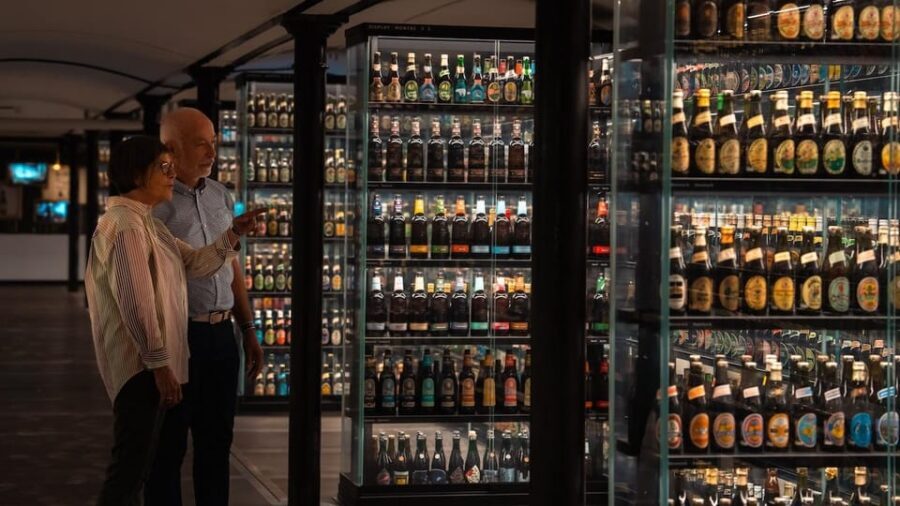
    One of the most memorable moments is the bottle collection: more than 22,000 unopened beer bottles. It’s not just an impressive number on a sign. The sheer quantity changes how you experience the space—you start to feel the brewery as a system, not a one-time production line.

    This collection is also a smart storytelling move. When you see bottles lined up at that scale, you understand why breweries invest in processes and consistency. It makes the later science talk feel less abstract, because you can visually connect production discipline to long-running tradition.

    If you’re the type who likes photos, this is also one of the best spots. The collection gives you lots of angles and details without needing perfect weather outside.

    Optional add-ons: old storage cellars tastings and historic brewery tours

    Copenhagen: Home of Carlsberg Experience Entry Ticket - Optional add-ons: old storage cellars tastings and historic brewery tours
    Your ticket covers the core exhibition and one beer or soft drink, but the experience offers upgrades if you want more beer-focused time.

    One add-on option is a beer tasting in the old storage cellars. Another upgrade is a historical guided tour of the old brewery area, including the mythical cellars concept the attraction uses to bring the underground history to life. If you’re a beer lover, these are the kinds of additions that turn a good museum visit into a more complete brewery day.

    If you don’t want add-ons, that’s totally fine. You can still get a proper finish with a perfectly served draft beer from the tap at the Carlsberg Bar, followed by the stable area and outdoor spaces like the Brewery Yard and the Sculpture Garden.

    The Carlsberg Bar finish: draft beer, stables horses, and a breather

    Copenhagen: Home of Carlsberg Experience Entry Ticket - The Carlsberg Bar finish: draft beer, stables horses, and a breather
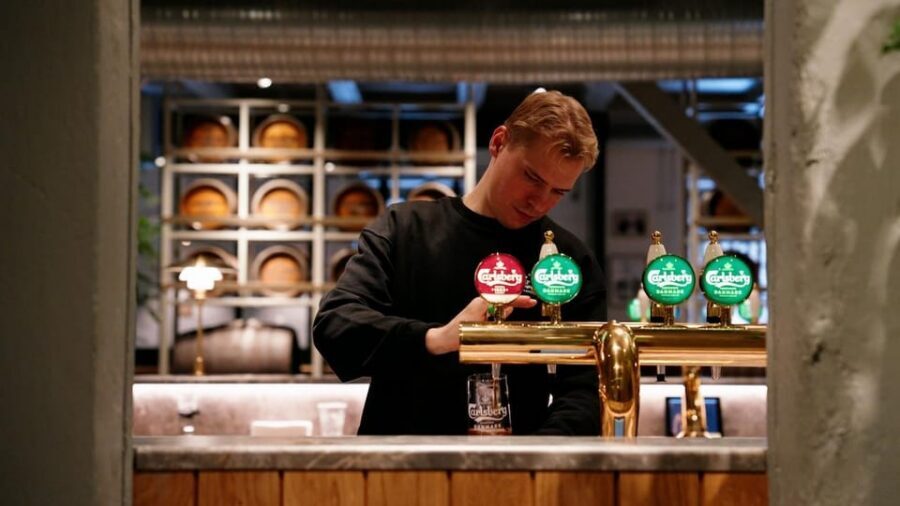
    When you’re done with the exhibition, the experience shifts from learning mode to enjoyment mode. The included finish option is a trip to the Carlsberg Bar, where you can taste a draft beer fresh from the tap.

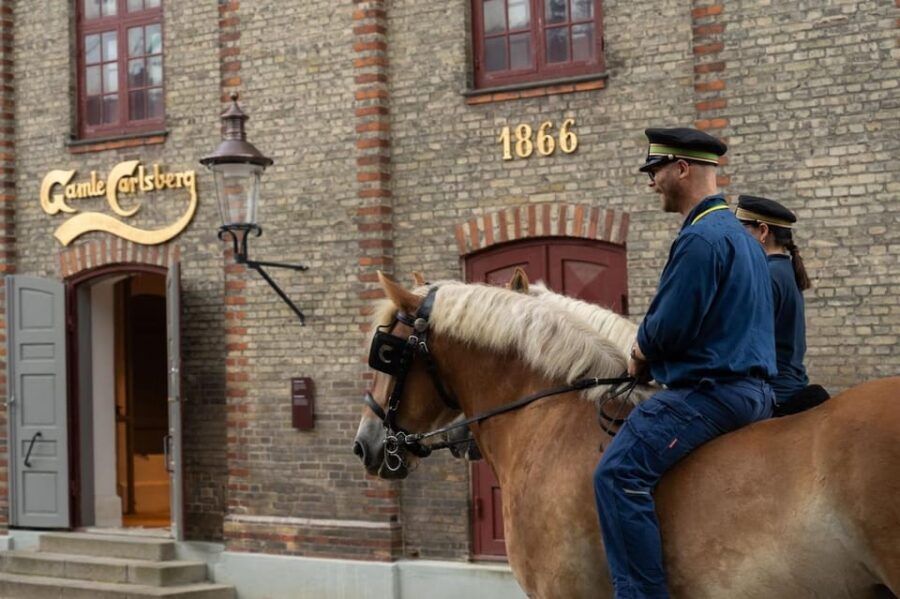
    From there, you’ll visit the stables to see the majestic brewing horses. It’s a neat contrast to the science-heavy sections inside—more old-world brewery life, less lab and diagrams.

    Then you get a choice of atmosphere. The Brewery Yard keeps a lively feel, while the Sculpture Garden gives you a calmer reset if you need a break from crowds or from reading every display. This garden pause is one of those small travel wins: you can slow down, get a breather, and still feel like you used your ticket well.

    Quick reality check for drink expectations

    Children under 18 will not be served beer, even though the ticket includes one drink of some kind. If you’re traveling with teens, plan on the soft drink portion.

    Price and value: what $35 buys you (and how to get more for it)

    Copenhagen: Home of Carlsberg Experience Entry Ticket - Price and value: what $35 buys you (and how to get more for it)
    At about $35 per person, the value comes from two places.

    First, you’re paying for more than a couple of rooms. You’re getting an interactive exhibition experience tied to an iconic Danish brand, plus real space to move through, including the bottle collection and the guided-style flow through the brewery setting. Second, you’re getting an included drink—one beer or soft drink—which makes the ticket feel less like a museum surcharge.

    If you’re deciding between doing this with no add-ons versus adding tastings, here’s how I’d think about it:

    • If you mainly want the story, the bottle collection, and an easy beer at the end, the included drink is a good match.
    • If you want to make beer taste the main event, the add-on tastings (especially in the old cellars) can justify the extra cost because they expand the visit into something more sensory.

    One extra tip: I’d treat this as a “show up prepared to spend time” experience. When people try to fit it into a rushed schedule, they lose the best part: the self-paced pacing that lets the interactive stations actually land.

    Timing tips: avoid the late-day disappointment

    Copenhagen: Home of Carlsberg Experience Entry Ticket - Timing tips: avoid the late-day disappointment
    The exhibition entry rule is the big one. You must enter 2 hours before closing, and once you arrive you get assigned an entry time. Busy days can mean extended waiting, so don’t build your plan around squeezing it in between other major stops.

    Also, don’t assume last-minute entry will work if your ticket time is later. A safe strategy is to aim for earlier arrival than you think you need, then follow the time slot you’re given.

    If you prefer fewer crowds, consider going earlier in your day. You’ll still get the same exhibits, but with less waiting energy before you start.

    Getting there from central Copenhagen: plan for the extra commute

    Copenhagen: Home of Carlsberg Experience Entry Ticket - Getting there from central Copenhagen: plan for the extra commute
    Home of Carlsberg isn’t described as a right-in-the-middle-of-everything stop. People often find it a bit of a trip out from the center, so build time for transport and consider taxi if weather or walking distance is an issue. If you’re on foot and the day is rainy, you’ll thank yourself for planning.

    Once you’re there, the site layout is set up for a smooth flow: check in, follow the exhibition path, then finish in the bar, stable, and garden areas.

    Who should book this Carlsberg Experience ticket?

    This is a strong fit if you want:

    • A Copenhagen attraction that’s more interesting than a standard museum
    • Beer history tied to real people, not just brand branding
    • Interactive exhibits that make science easy to understand
    • A memorable photo stop with the 22,000+ bottles
    • A day activity that works whether you’re traveling solo, as a couple, or with a small group

    It may be less ideal if:

    • You need wheelchair access (it’s listed as not suitable for wheelchair users)
    • You hate timed entry rules and waiting in general
    • You only want the shortest possible stop, since the experience can take a few hours if you actually use the interactive elements

    Should you book the Carlsberg Experience entry ticket?

    I’d book it if you like beer, history, and hands-on learning—and especially if you’re curious about why the Carlsberg family story matters. For the price, the mix of interactive exhibition content, the bottle collection scale, and an included drink makes it feel like more than just a branded stop.

    If you’re a serious beer person, look at the add-ons for cellars tasting or the guided tour of the older brewery areas. If you’re more casual, you can still have a great visit with just the standard ticket and finish at the bar with the horses and gardens.

    FAQ

    Is the Carlsberg Experience ticket for one day?

    Yes. The ticket is valid for 1 day, and you can check availability for starting times.

    Where do I meet for the experience?

    Arrive directly at the Home of Carlsberg.

    How long does the Carlsberg Experience take?

    The experience is listed as lasting 1 day, and it can take a few hours if you explore the interactive exhibits.

    What’s included with the entry ticket?

    Your ticket includes Carlsberg Experience entry plus 1 beer or soft drink.

    Do children get beer?

    No. Children under 18 will not be served beer.

    What is the timed entry rule for the exhibition?

    Entry to the exhibition must take place 2 hours before closing time. On arrival, you’ll be given an entry time for the exhibition.

    Is there an upgrade available for tastings or guided tours?

    Yes. You can upgrade with on-site add-ons like a beer tasting in the old storage cellars or a historical guided tour of the old brewery area and the mythical cellars.

    Can I just do the standard experience without add-ons?

    Yes. You can finish with a draft beer at the Carlsberg Bar, then visit the stables and enjoy spaces like the Brewery Yard or Sculpture Garden.

    Is this experience suitable for wheelchair users?

    No. It’s listed as not suitable for wheelchair users.

    What are the cancellation terms?

    Free cancellation is available up to 24 hours in advance for a full refund.

    Can I change my plans after booking?

    You can reserve now and pay later, so you can keep travel plans flexible.

    If you tell me your travel month and whether you want add-ons (tasting vs no tasting), I can suggest a realistic time plan for your Copenhagen day.

  • Copenhagen: 3-Hour City Highlights Bike Tour with Guide

    Copenhagen: 3-Hour City Highlights Bike Tour with Guide

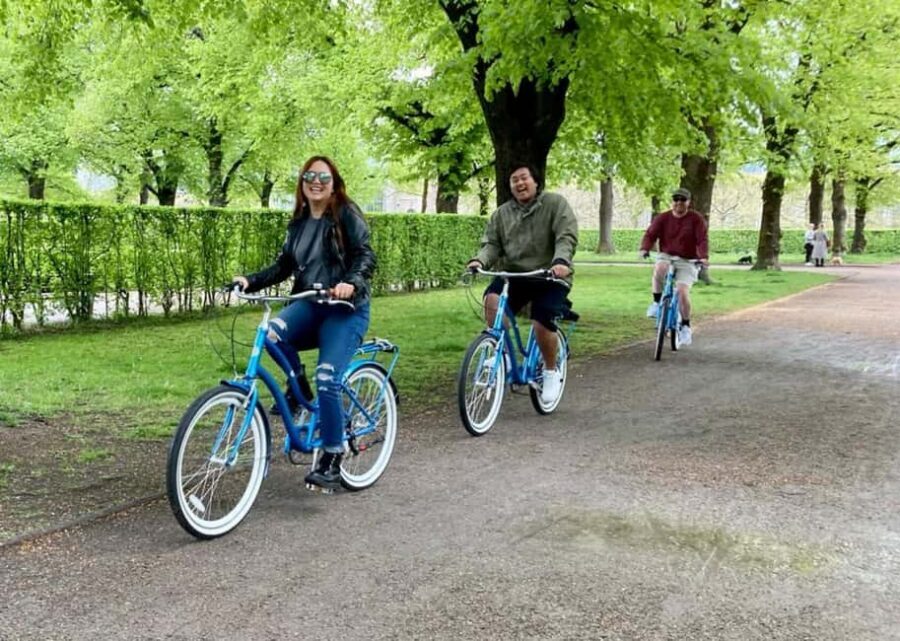
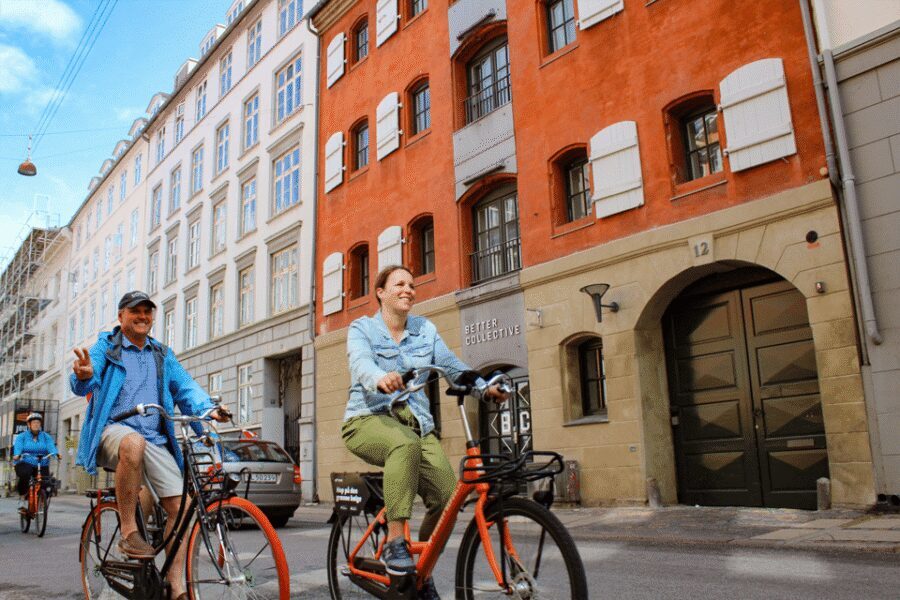
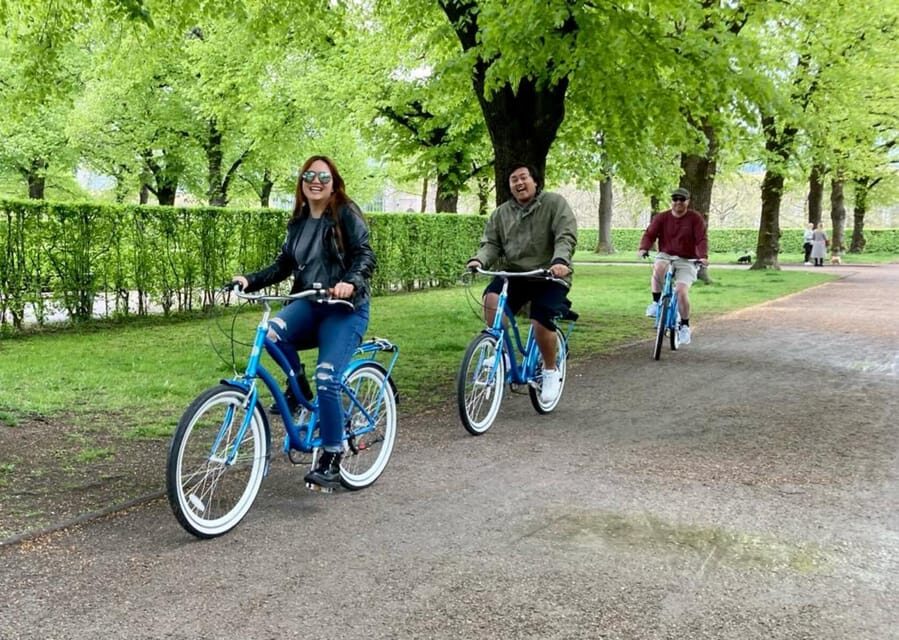
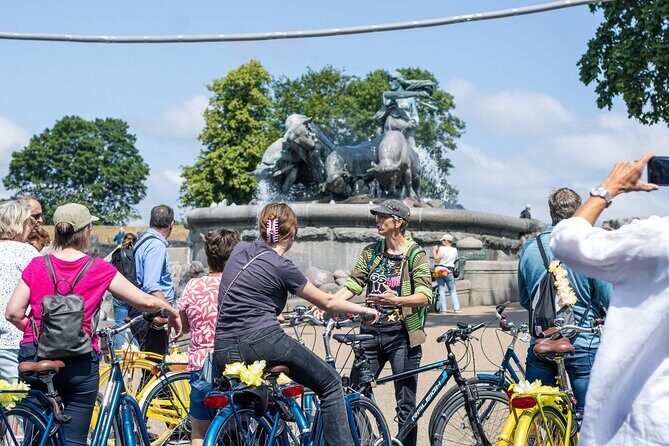
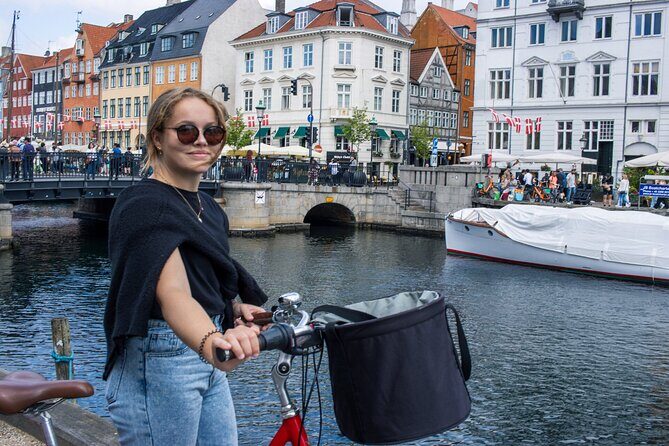
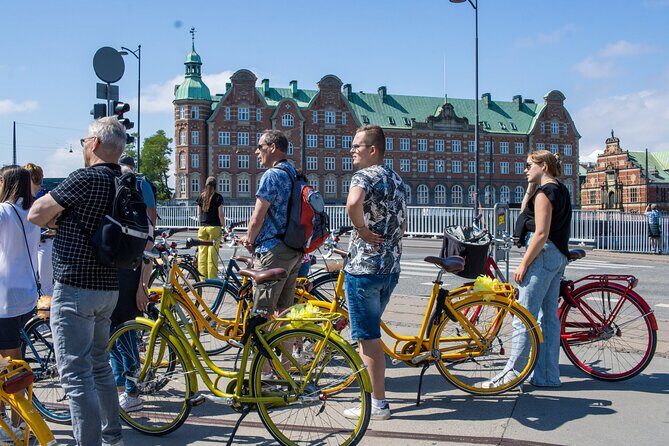
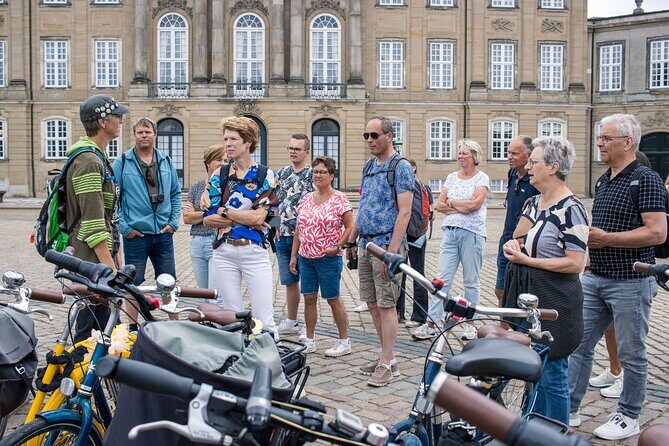
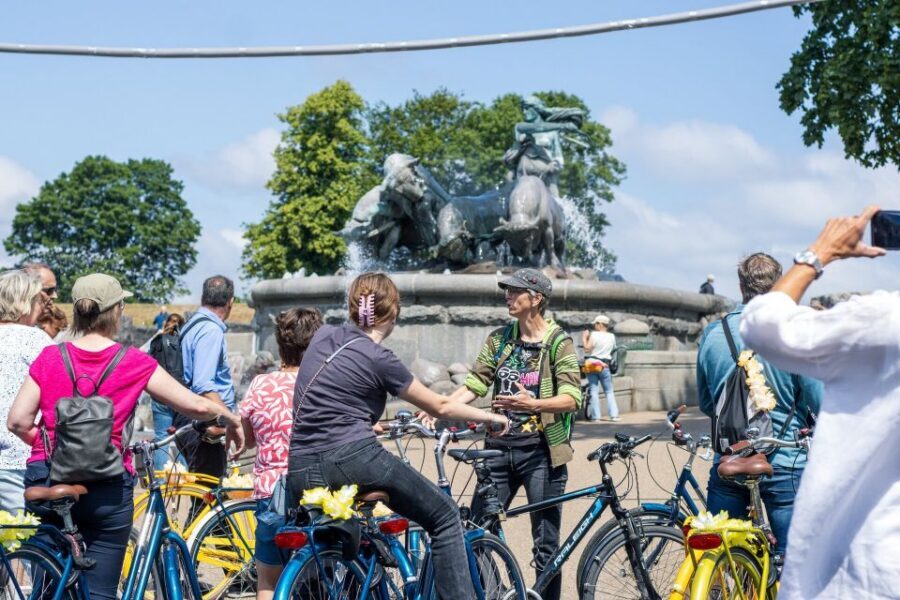
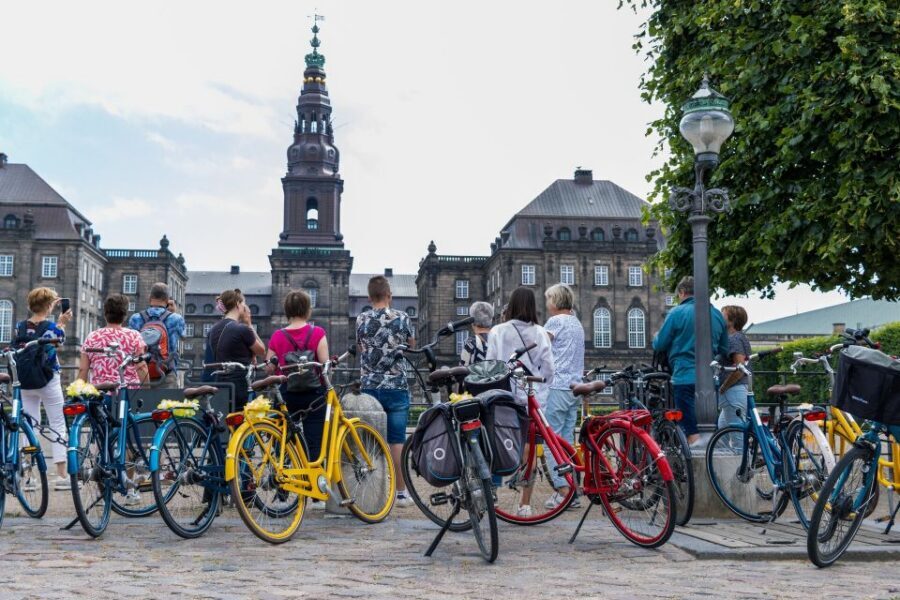
    Three hours on two wheels, and Copenhagen clicks. This 3-hour highlights bike tour links the city’s most famous landmarks with the places locals actually care about. You’ll ride through classic sights, then get the story behind them as you move.

    I love how easy it is to pedal around town, thanks to Copenhagen’s bike-first streets and very gentle terrain. I love the way the stops mix icons with everyday life, so you get more than postcard photos.

    One possible catch: the tour focuses on sightseeing and doesn’t include water or food, so you’ll want to plan for snacks and bring the right layers for the weather.

    Key highlights you’ll feel fast

    Copenhagen: 3-Hour City Highlights Bike Tour with Guide - Key highlights you’ll feel fast

    • Local-style bike routes: Copenhagen is built for cyclists, so the ride stays relaxed.
    • Christiania stop: you get a guided look at the Free Town’s unusual identity.
    • Royal contrasts: palaces and parliament sit side-by-side with modern design like the Black Diamond.
    • Icon time for Little Mermaid: yes, it’s tourist-famous, but the setting is still worth seeing up close.
    • Practical guiding: you may ride with guides like Raphael, Luke, Angus, Thomas, Olivia, or Derek, and several are known for mixing city facts with real-life tips.

    Why Copenhagen makes more sense on a bike

    Copenhagen: 3-Hour City Highlights Bike Tour with Guide - Why Copenhagen makes more sense on a bike
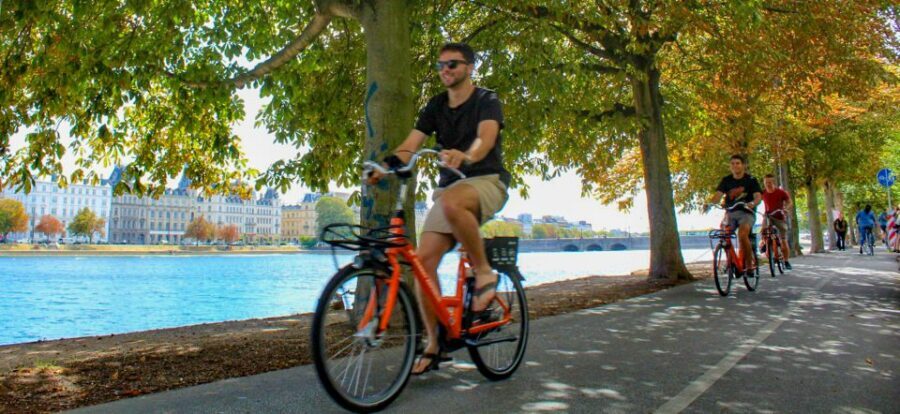
    Copenhagen is one of those cities where walking can feel like a chore and driving can feel like a slowdown. A bike tour flips that. You glide along bike infrastructure, cover real distance, and still stop often enough to absorb what you’re seeing.

    The best part is the balance. You’re not stuck in a checklist-only mode. You also get context for what you’re looking at: why a building matters, what life around it is like, and how the city has changed over time.

    If you like sightseeing that also helps you get your bearings, this is a strong way to start a visit.

    Holbergsgade 12: where you meet and what you can use

    Copenhagen: 3-Hour City Highlights Bike Tour with Guide - Holbergsgade 12: where you meet and what you can use
    You’ll start at the shop at Holbergsgade 12 (1057 Copenhagen City Centre). Meet your guide inside when you arrive, then get set up quickly with a traditional bike.

    They provide bikes, a helmet, plus lockers and a toilet at the meeting point. That’s small, but it matters in Denmark—when you’re out for a few hours, you don’t want to waste time scrambling for basics.

    A note on comfort: even though the ride is described as relaxed and easy, you’ll still benefit from weather-friendly clothing. Bring layers and keep an eye on wind and rain.

    Inderhavnsbroen and Christiania: the route’s personality switch

    Copenhagen: 3-Hour City Highlights Bike Tour with Guide - Inderhavnsbroen and Christiania: the route’s personality switch
    The tour kicks off right near the canal area, starting with a short stop at Inderhavnsbroen. It’s brief, but it helps you understand Copenhagen’s water-and-bridge city layout—how the city uses waterways as connectors and backdrops.

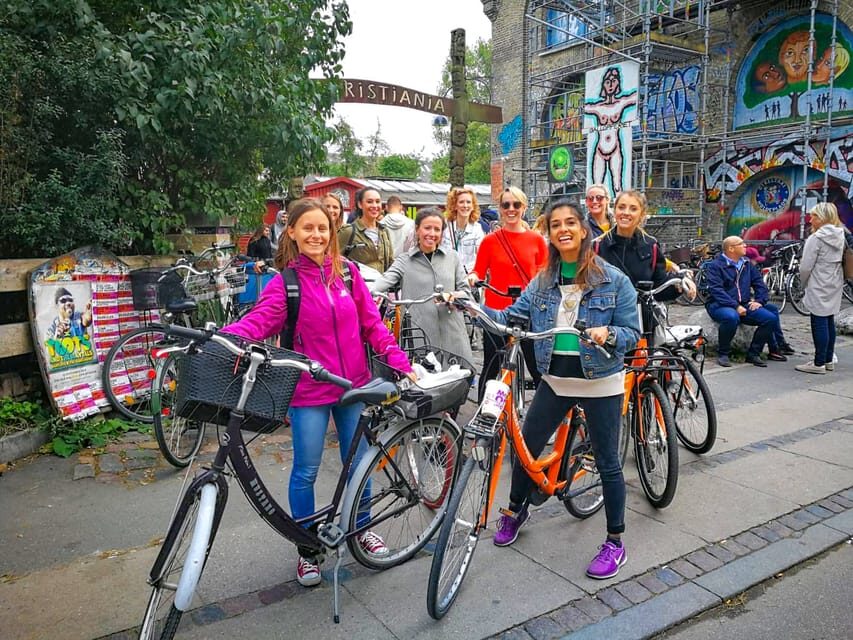
    Then comes Freetown Christiania, the stop with the biggest “wait, what am I looking at?” energy. You get a guided visit there for about 15 minutes. Christiania’s story is a big part of why Copenhagen feels different from other capitals. It’s not just old royal stuff—it’s also a living reminder that cities can reinvent themselves.

    Practical thought: Christiania can feel like a world within the city. Keep your expectations flexible and listen closely to your guide’s framing. If you want a shortcut to understanding Copenhagen’s modern identity, this is it.

    Church of Our Saviour and Christiansborg Palace: old religion to Danish power

    Copenhagen: 3-Hour City Highlights Bike Tour with Guide - Church of Our Saviour and Christiansborg Palace: old religion to Danish power
    After Christiania, the ride moves you toward royal Denmark. You’ll stop at the Church of Our Saviour (about 10 minutes). This is one of those places where the building and its setting help you picture how faith and city life have shaped Copenhagen.

    Then you’ll hit Christiansborg Palace (about 15 minutes). This is Denmark’s political center—so the vibe shifts from architecture and tradition to institutions and governance.

    One thing I like about tours like this: they don’t treat landmarks as isolated objects. A church stop followed by a palace stop helps you feel the geographic and cultural rhythm of the city.

    Black Diamond (Royal Danish Library) and the King’s Garden

    Copenhagen: 3-Hour City Highlights Bike Tour with Guide - Black Diamond (Royal Danish Library) and the King’s Garden
    Next you’ll visit the Black Diamond, the nickname for the Royal Danish Library, with a stop time of about 10 minutes. It’s a design-forward contrast to the older royal scenery. Seeing it in person helps you understand Copenhagen’s habit of mixing modern style with tradition, instead of pushing one aside.

    You’ll then ride into the King’s Garden area for about 10 minutes. Gardens in Copenhagen aren’t only pretty. They’re part of how the city creates calm spaces near important buildings. Even if your time there is short, it gives you a breathing spot between grand structures.

    If you’re the type who likes photos, this is where you get frames that don’t look exactly like every other postcard. If you prefer atmosphere over snapshots, you’ll still appreciate the change of pace.

    Rosenborg Castle and Nyboder: where you slow down for real texture

    Copenhagen: 3-Hour City Highlights Bike Tour with Guide - Rosenborg Castle and Nyboder: where you slow down for real texture
    The tour includes a stop at Rosenborg Castle (about 10 minutes). Even a quick visit helps you register the classic Danish royal scale. What makes it useful on a bike tour is that you’re not guessing where it fits in the city. You’re literally riding your way there while hearing how the place shaped (and was shaped by) Copenhagen.

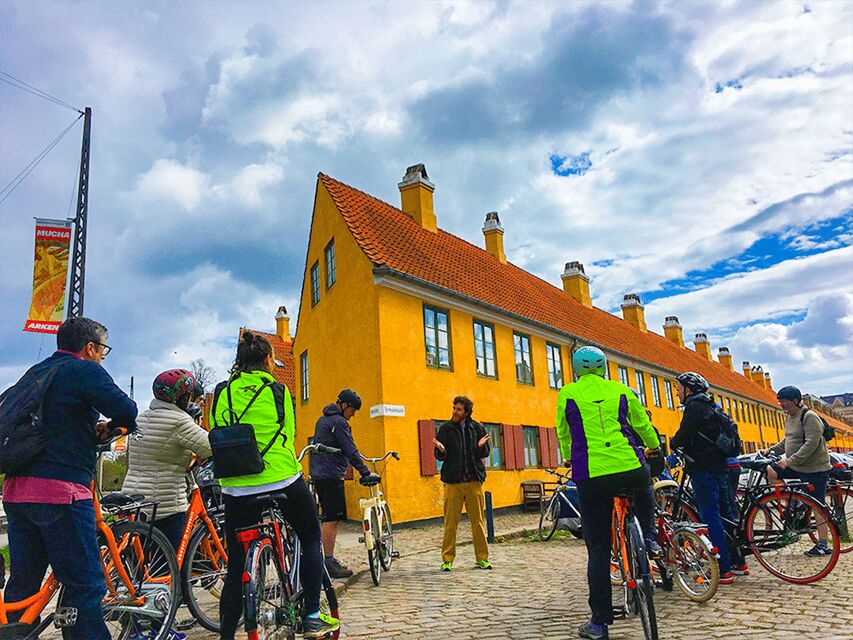
    Then you’ll head to Nyboder (about 10 minutes). Nyboder is especially interesting because it shifts the story from monarchy to the people who worked for the state. It’s the kind of neighborhood stop that helps you understand Copenhagen as a lived-in city, not just a museum.

    If you’re worried a highlights tour will feel generic, this is where it starts to feel more grounded. You catch a glimpse of everyday texture without losing the big landmarks.

    Little Mermaid and Amalienborg: icons plus the real setting

    Copenhagen: 3-Hour City Highlights Bike Tour with Guide - Little Mermaid and Amalienborg: icons plus the real setting
    Now for the moment everyone recognizes: the Little Mermaid statue (about 15 minutes). Yes, it’s famous. But seeing it in its real waterfront setting is different from scrolling past it. You’ll also get the guide’s framing so it’s more than just a tourist stop.

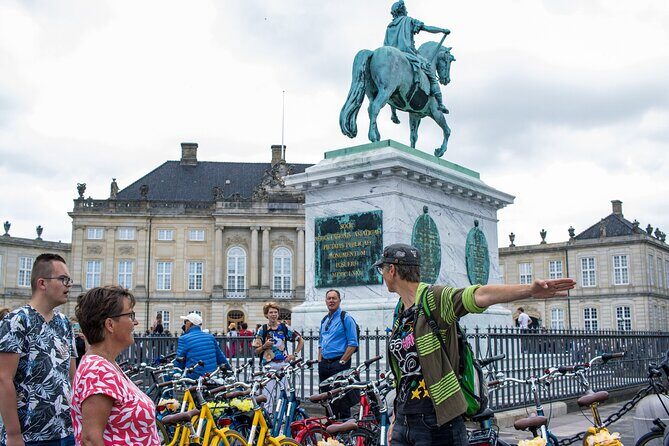
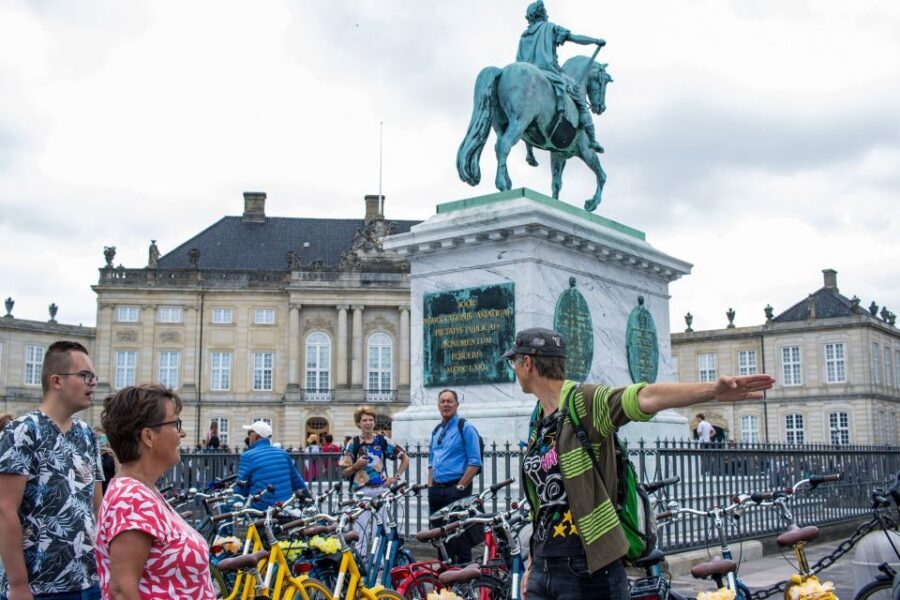
    From there, you’ll reach Amalienborg Palace (about 15 minutes). This is royal Denmark in full view—less about hidden details, more about presence. If you’re the kind of person who likes to watch how cities stage grandeur, you’ll understand why Copenhagen does this so well.

    You’ll also spend time in Amalie Garden (about 10 minutes). Gardens at palaces are a recurring theme in European capitals, but Copenhagen’s bike-first approach changes how you experience them. You don’t just arrive; you feel the area as part of the city’s flow.

    Nyhavn canal time: the payoff for the effort

    Copenhagen: 3-Hour City Highlights Bike Tour with Guide - Nyhavn canal time: the payoff for the effort
    Finally, you’ll end at Nyhavn (about 15 minutes). This is the historic canal area people love because it looks good from every angle—buildings, water, light, and that classic harbor energy.

    Since your time here is shorter than a full walking visit, treat it as your “first look.” After the tour, you’ll probably want to return on foot to take your time, because the bike route helps you understand the layout quickly.

    This stop is also where you can best match your mood to the city. If you want a calm moment, you can linger near the canal. If you want energy, you’ll feel it nearby.

    How good guiding makes the difference (Raphael, Luke, Angus, Olivia, Thomas, Derek)

    Copenhagen: 3-Hour City Highlights Bike Tour with Guide - How good guiding makes the difference (Raphael, Luke, Angus, Olivia, Thomas, Derek)
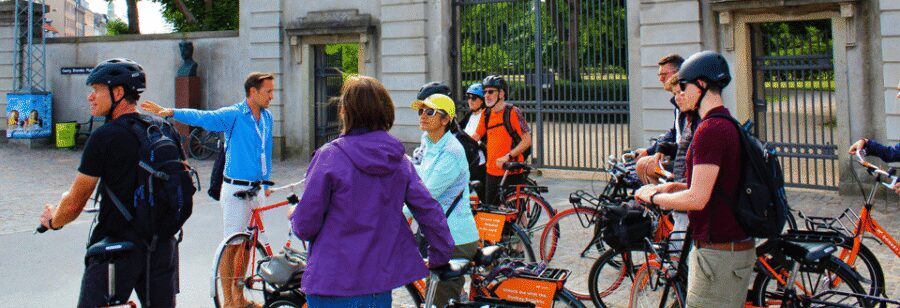
    Bike tours live or die by the guide. And in this case, the guides are known for storytelling plus practical context. Names you may encounter include Raphael, Luke, Angus, Thomas, Olivia, and Derek.

    Across guides, one recurring theme shows up: they don’t just recite facts. They also explain how Copenhagen works today—what daily life feels like, why certain places matter, and what neighborhoods are worth exploring next.

    There’s also weather-minded care. One guide (Raphael) is mentioned as bringing raincoats for the whole group. That kind of preparedness changes the experience if the sky turns gray. Still, don’t rely on it—bring your own layers and weather gear.

    Pace, comfort, and what to bring for a smooth ride

    This is a 3-hour tour with frequent short guided stops. The schedule is designed so you keep moving without feeling rushed. If you’re nervous about riding in a city, you should feel better here because the ride is described as relaxed, easygoing, and with very manageable hills.

    You’ll be provided a helmet, and bikes are traditional and easy to handle. That helps if you don’t bike often or you’re more used to city sidewalks than road cycles.

    What I’d pack based on the practical advice that comes up repeatedly:

    • Gloves, hat, and a scarf if the day runs chilly
    • A light rain layer if the forecast looks uncertain
    • A bottle for after the tour (since water isn’t included)

    Also, use the meeting point lockers. It’s the simplest way to keep your hands free during stops.

    Value check: is $55 worth it for 3 hours?

    At $55 per person for a 3-hour ride, this tour sits in the “pay for convenience and guidance” category. You’re not only getting sightseeing. You’re getting the bike, the helmet, and a live guide to connect the dots between places.

    That’s the real value: without a guide, many of these stops would feel like separate attractions. With a guide, the route helps you build a mental map—where the royal power sits, how modern design appears, why Christiania has meaning, and how Nyhavn became the iconic canal scene.

    It’s also worth noting the ride logistics are handled: central meeting point, lockers, and a route that’s built for cyclists. Copenhagen can be pricey, so the “included bike time” is a smart way to get a lot done without adding extra transport costs.

    Who this bike tour suits best

    This works well if you want:

    • A fast orientation to Copenhagen’s center
    • A low-effort way to see major landmarks in one go
    • A guide that explains both past and present, not just photos

    You’ll likely enjoy it most if you plan to spend more days in Copenhagen and want a first-day route that helps you decide where to go next. It’s also a good option for people who want history and culture but prefer moving through the city rather than sitting in one place.

    If you hate cycling, skip it. If you can handle a comfortable city bike ride, this is a very efficient way to start.

    Should you book this Copenhagen Highlights Bike Tour?

    If you’re trying to make the most of limited time, I’d book it. The combination of major sights—Christiania, Rosenborg Castle, the Little Mermaid, Amalienborg, and Nyhavn—plus a relaxed, bike-friendly route is exactly what a good highlights tour should do: it gives you a foundation you can build on later.

    I’d also book it early in your trip. After the ride, you’ll know where things are, what themes you liked, and which areas deserve a slower second look.

    The only strong reason not to book: if you’re not comfortable being on a bike for the full duration, or you’re expecting the tour to include meals and drinks. Plan your snacks, dress for weather, and you’ll be set.

    FAQ

    Where do I meet for the tour?

    You meet at the shop on Holbergsgade 12 (1057 Copenhagen City Centre). Please meet your guide inside upon arrival.

    How long is the Copenhagen city highlights bike tour?

    The tour lasts about 3 hours.

    What’s included in the price?

    The price includes your bike, a guide, and a helmet.

    Is water or food included?

    No. Water and food are not included, but you can purchase them during the tour.

    What languages are the guided tours offered in?

    The live tour guide is available in English and German.

    Do they provide any gear or facilities at the meeting point?

    Yes. Bikes and helmets are provided, and there are lockers and a toilet available at the meeting point.

  • Copenhagen Card – DISCOVER 80+ attractions and public transport

    Copenhagen Card – DISCOVER 80+ attractions and public transport

    One card, a lot of Copenhagen.

    The Copenhagen Card DISCOVER turns major sights into add-on free time, plus gives you complimentary rides on the city’s buses, trains, and Metro. You pick a pass length (24, 48, 72, 96, or 120 hours), then redeem it in the Copenhagen Card app using your barcode number.

    What I like most is the way it bundles big-ticket stops with local movement. You can hit places like Rosenborg Castle, Tivoli Gardens, and Copenhagen Zoo without recalculating every entrance fee, and then use the transit to hop between neighborhoods. The other big win is simplicity: it’s one digital card in your phone, and you’re not juggling separate tickets all day.

    The main drawback is planning. Your hours start when you first use it, and some highlights need advance booking (like climbing the tower at Our Saviour’s Church and a pre-booked visit at Home of Carlsberg). Also, you’ll want to check opening days, since some attractions close on certain weekdays.

    Key things to know before you start swiping

    Copenhagen Card - DISCOVER 80+ attractions and public transport - Key things to know before you start swiping

    • Hours start the moment you first use the card, so time your first activation.
    • Most big museums and castles are covered, including Rosenborg and Amalienborg in the core city area.
    • You can reach major day trips on the same pass, like Kronborg and Frederiksborg north/east of Copenhagen.
    • A few stops require pre-booking, so don’t wait until the last minute.
    • Family-friendly options are built in, from Experimentarium to Planetarium.
    • Some attractions are picky about timing, including church tower slots during busy periods.

    Price and value: when $95.96 actually makes sense

    Copenhagen Card - DISCOVER 80+ attractions and public transport - Price and value: when $95.96 actually makes sense
    The Copenhagen Card DISCOVER price shown is $95.96 per person, and it’s designed for one job: help you pack paid attractions and transit into a fixed window. That value math is simple. If you’re only going to do a couple paid sights, a card like this can feel expensive. If you plan to do 4–6 paid attractions plus a lot of rides on public transport, it often starts to look like a bargain fast.

    The included mix is strong for first-timers because it targets “I can’t skip this” Copenhagen. You’ve got heavyweights like Rosenborg Castle (Crown Jewels), Tivoli Gardens, and Copenhagen Zoo, plus art museums such as SMK (the National Gallery of Denmark) and Ny Carlsberg Glyptotek. If you’re already the type who doesn’t want to decide each day based on ticket prices, you’ll like the freedom here.

    Where people can get burned is time and booking rules. If you choose a short pass and your top picks are either closed on a day you travel or require a time slot, you may lose value. So I recommend treating the card like a planning tool, not a casual walk-up coupon.

    Activate once, then ride: using the Copenhagen Card app correctly

    This is a fully digital card. You select your 24-, 48-, 72-, 96-, or 120-hour option, then you download the Copenhagen Card app and type in the code you’re given, using the barcode number to redeem it. The pass becomes valid for the number of hours you selected, starting from when you first use it.

    A key detail: the card can be valid for one year until activated, but once you activate, it’s personal and non-refundable. If your phone is lost or broken and your card can’t be accessed, you may be out of luck—no replacements or refunds. Keep your phone charged and be ready to show the card when asked.

    Also, this card includes a Copenhagen city map, which helps if you’re moving between far-flung museums like Louisiana (about 40 km north) or Ordrupgaard (about 10 km north). Your rides are complimentary on Copenhagen’s buses, trains, and Metro, so you can build a plan around locations, not fare zones.

    Timing and booking: avoid the two biggest value traps

    Copenhagen Card - DISCOVER 80+ attractions and public transport - Timing and booking: avoid the two biggest value traps
    First trap: your pass starts when you first use it. If you arrive midday and plan to activate immediately, a 24- or 48-hour card can be a great fit. If you activate too early, you’ll feel it by day two.

    Second trap: “free entry” doesn’t always mean “no planning.” For example:

    • At Our Saviour’s Church, the church entrance is free, but climbing the tower requires advance booking.
    • At Home of Carlsberg, you must pre-book your visit. Your card must be active before you book, since you’ll need the card number.

    Add in the reality that many attractions run on standard daytime hours, and some are closed on Mondays. The safest way to use the card is to check what’s open for the weekday you’ll be there, then choose your must-dos first.

    Copenhagen core: castles, palaces, and iconic towers

    Copenhagen Card - DISCOVER 80+ attractions and public transport - Copenhagen core: castles, palaces, and iconic towers
    This is the heart of what makes the Copenhagen Card feel worth it: classic Copenhagen sights that are expensive to enter and easy to cluster by location.

    • Copenhagen Zoo (1): More than 4,000 animals, with modern facilities. It’s a great anchor stop if you’re traveling with kids or just want a break from museum time.
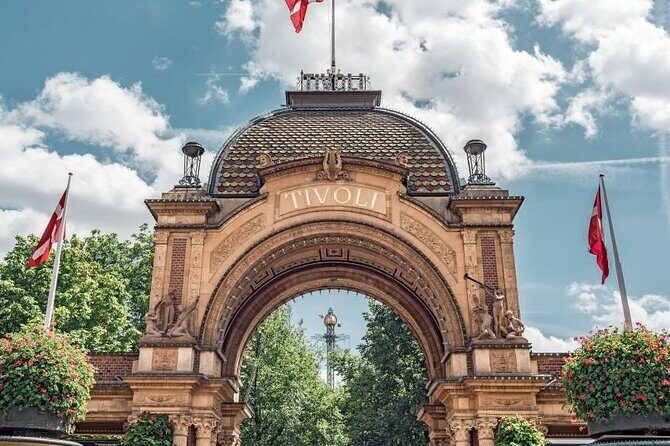
    • Tivoli Gardens (2): One of Europe’s oldest amusement parks. It’s included, so you can treat it like a day-of-fun detour rather than a splurge.
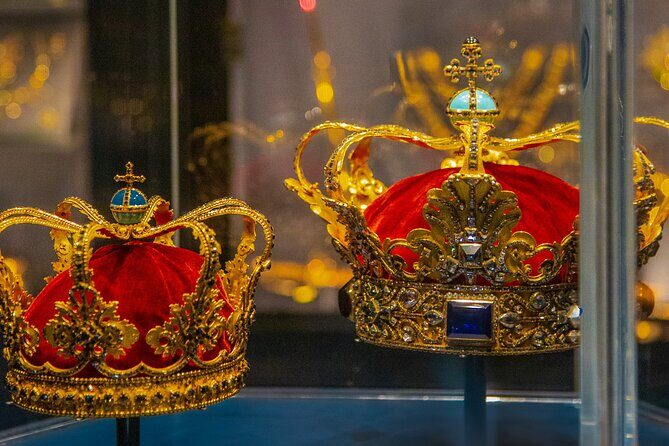
    • Rosenborg Castle (3): Built by King Christian IV in the 1600s and home of the Crown Jewels. This is one of those “you came to Copenhagen, go inside” stops.
    • Christiansborg Slot (5): The official seat of the Queen. Expect strong royal and political energy, and plan your visit around any needed time slots during busy periods.
    • Amalienborg Palace Museum (6): The recreated royal palace interiors you’d otherwise have to schedule and pay for. It’s one of the best ways to understand Denmark’s monarchy up close.
    • Our Saviour’s Church (8): Free entrance to the church itself, plus the famous climb of the 400 steps—if you book the tower climb in advance.
    • Thorvaldsen’s Museum (23): A museum built for the work of Danish sculptor Bertel Thorvaldsen. If you like art that isn’t just a temporary exhibit, this one feels stable and easy to spend time in.
    • Museum of Copenhagen (20): A “who are Copenhageners?” approach, from Viking-age beginnings through plague, fires, bombings, and modern life.
    • Danish Architecture Center (17): Located in BLOX on the waterfront and focused on Danish architecture and design, with guided tours and exhibitions for adults and kids.

    Bonus value trick here: because so many of these are in or near central Copenhagen, you can use the transit coverage to hop quickly between them instead of batching everything on foot.

    Canals and waterfront time: Stromma and the ships at Holmen

    Copenhagen Card - DISCOVER 80+ attractions and public transport - Canals and waterfront time: Stromma and the ships at Holmen
    If you like Copenhagen’s water feel, the card is set up to support it.

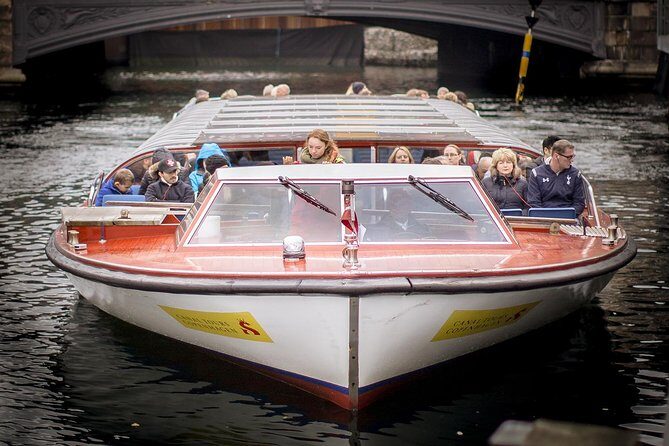
    • Stromma Canal Tours (4): The included boat tour around the canals of Copenhagen. This is a smart use of a free attraction slot because it keeps you moving through the city while still taking breaks from walking.
    • The Ships on Holmen (39): You can see naval vessels tied to Denmark’s Royal Danish Navy, including the frigate Peder Skram and the fast attack craft Sehested. It’s history you can look at from different angles, not just read about.

    These stops also help you pace your day. You’re not “spending all day in a room,” even when you’re museum-hopping.

    Day trips on the same pass: Kronborg, Frederiksborg, and Roskilde

    Copenhagen Card - DISCOVER 80+ attractions and public transport - Day trips on the same pass: Kronborg, Frederiksborg, and Roskilde
    One reason the Copenhagen Card can be a strong deal is that it doesn’t limit you to the center. If you’re willing to plan for transit time, you can reach some of Denmark’s most famous castles and Viking-era history.

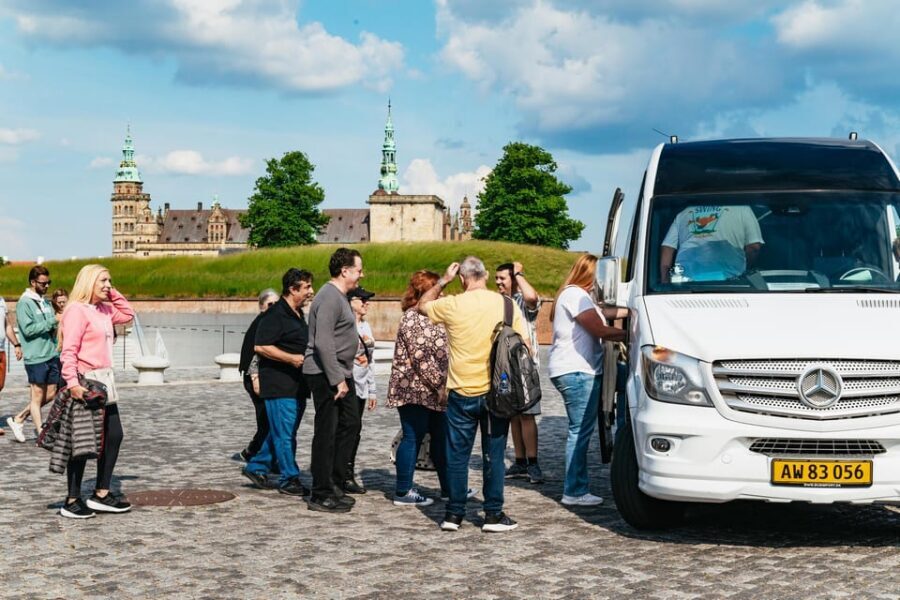
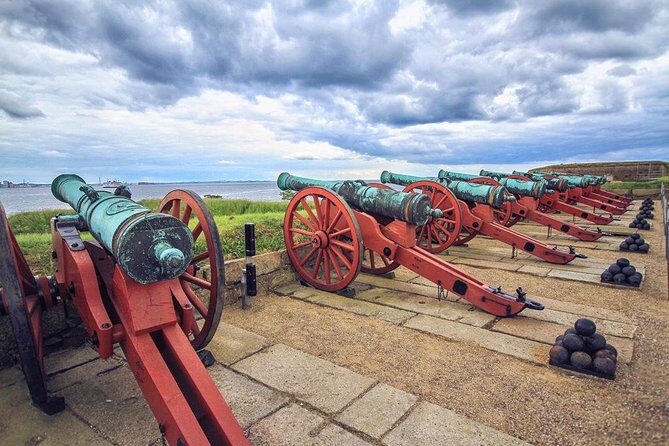
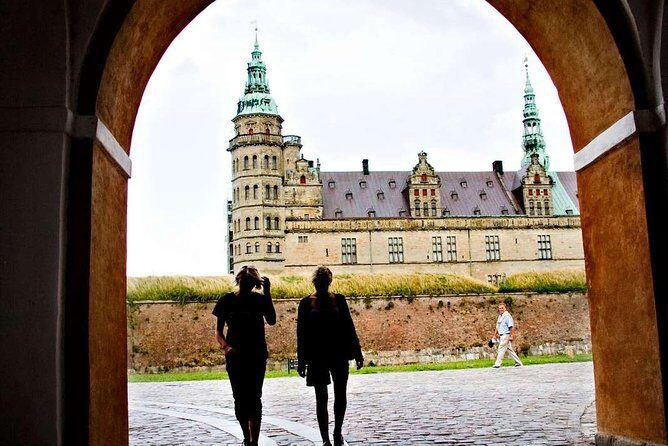
    • Kronborg Slot (9) in Elsinore (north of Copenhagen): A Renaissance castle at the entrance to Øresund, built 1574–1585, and famous worldwide through Shakespeare’s Hamlet.
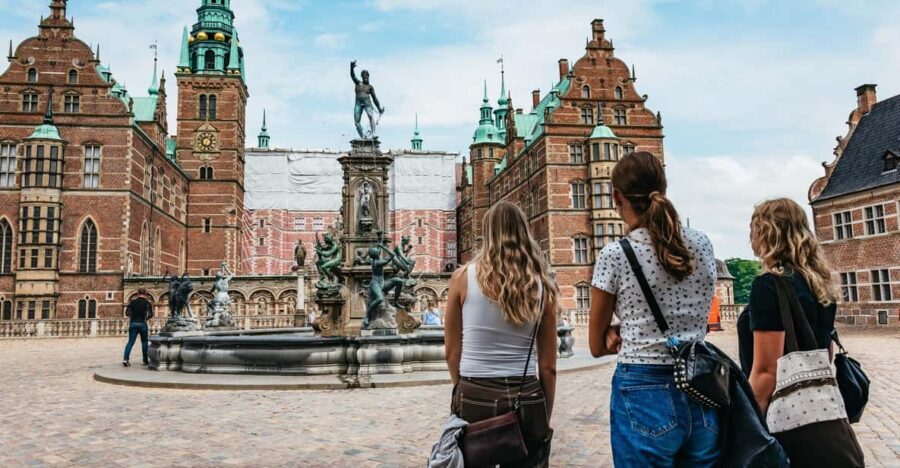
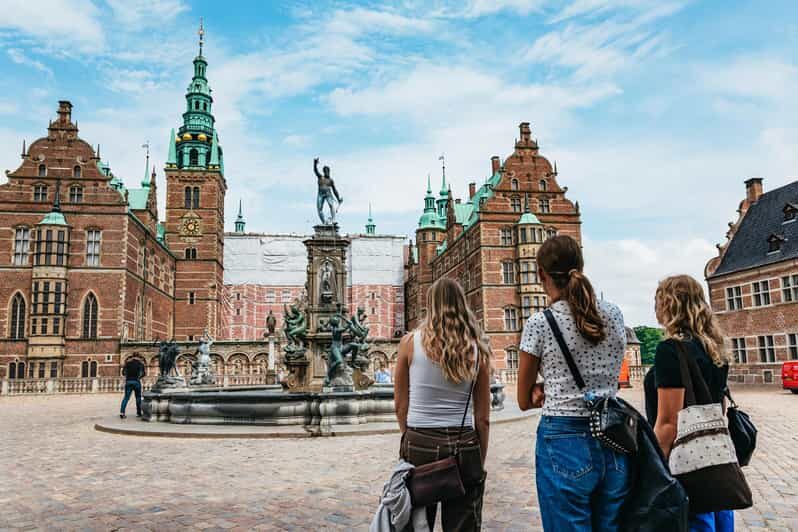
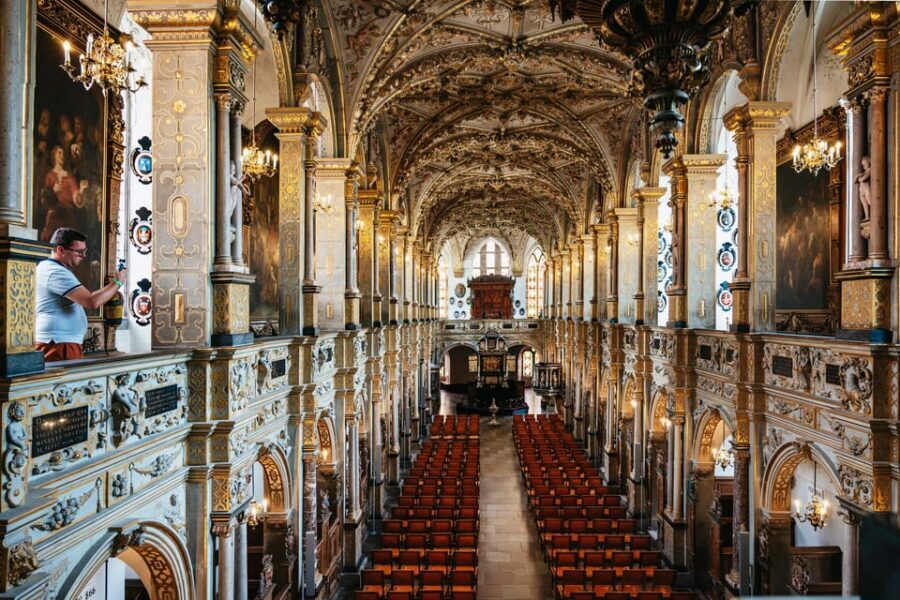
    • Frederiksborg Castle (14) in Hillerød: A big Renaissance complex with the Museum of National History since 1878. Expect decorated interiors and a museum setting that’s built for slow looking.
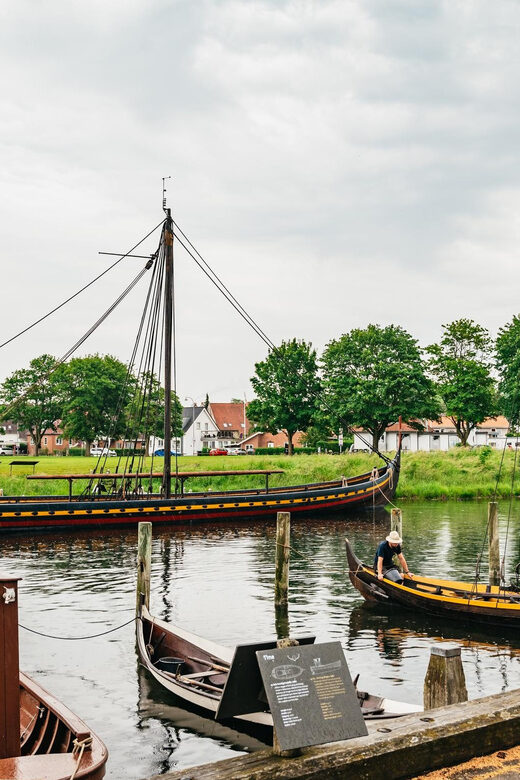
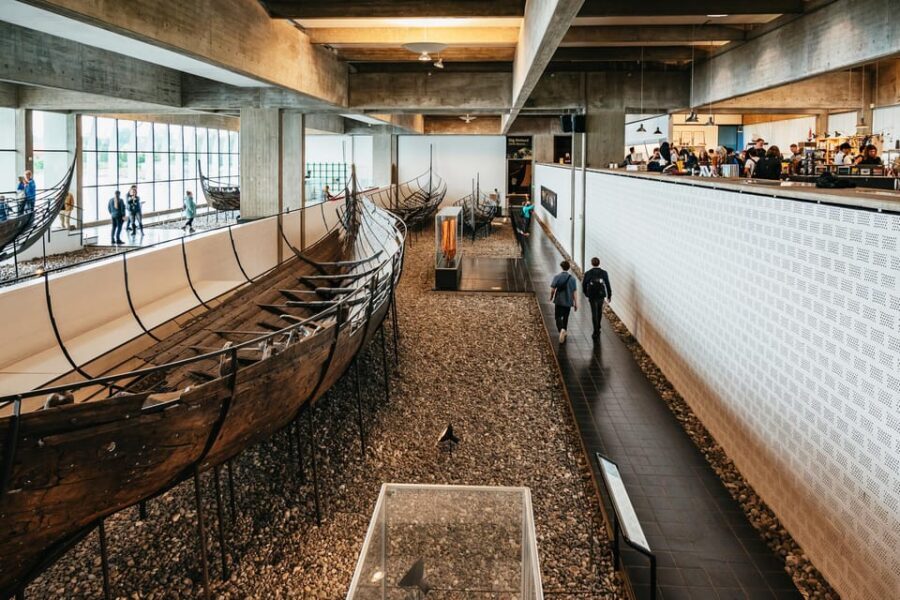
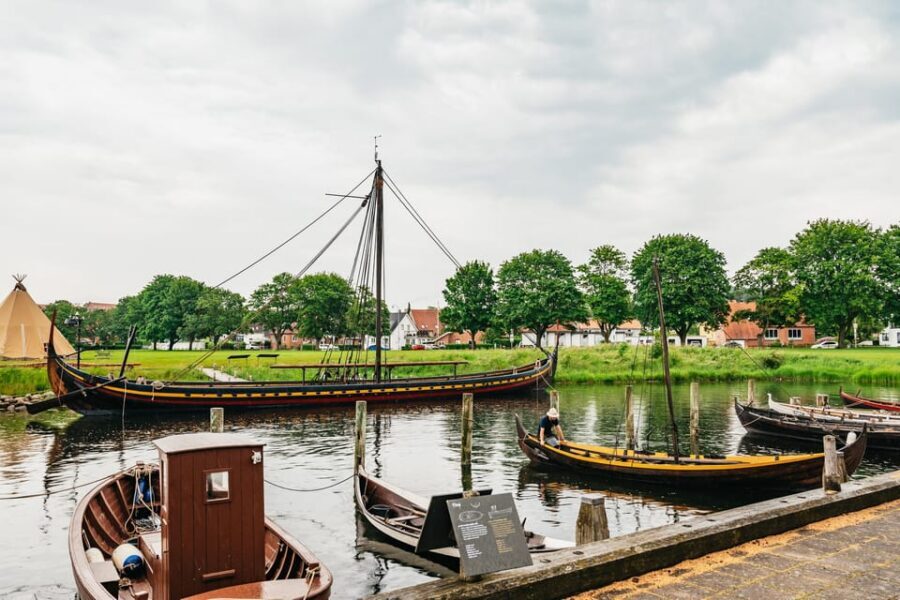
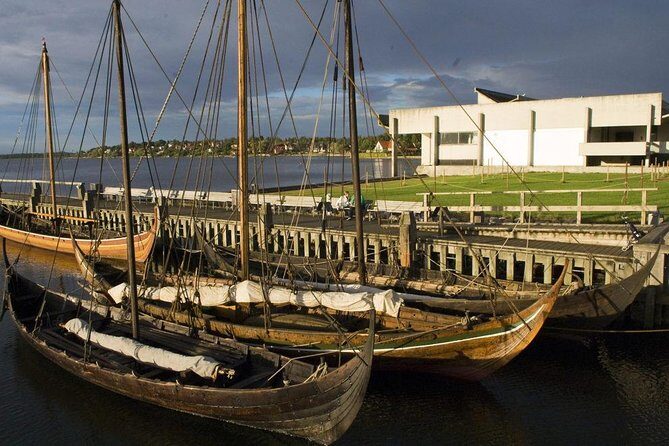
    • Viking Ship Museum (16) in Roskilde: Home to the original Viking ships from the Skuldelev finds, plus reconstructions and sailing craft. You can also meet craftsmen and try hands-on activities like axes and ropes.
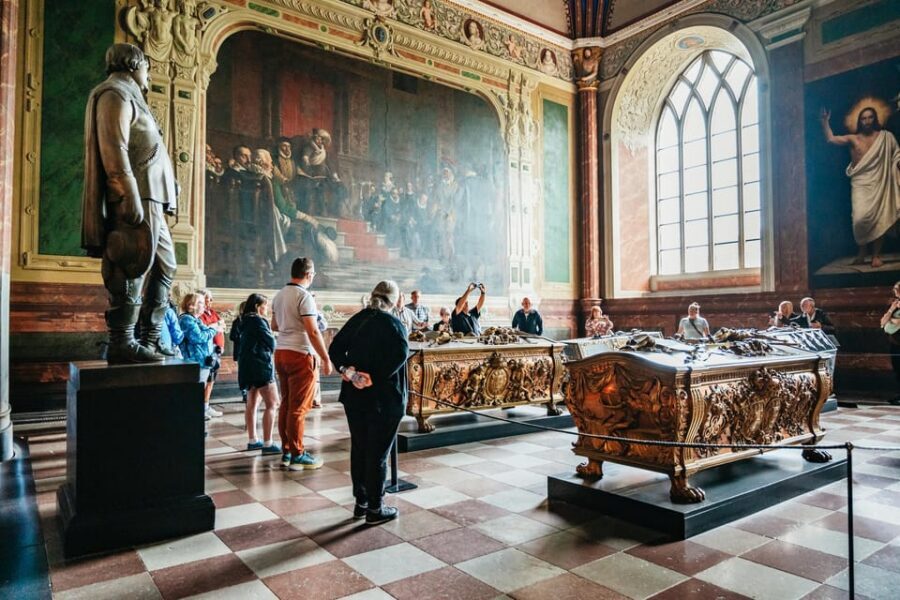
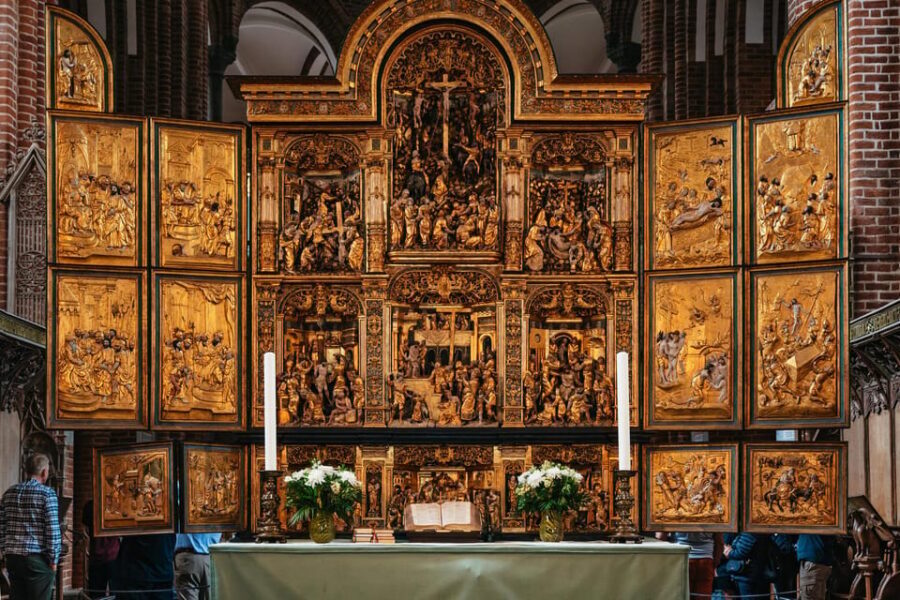
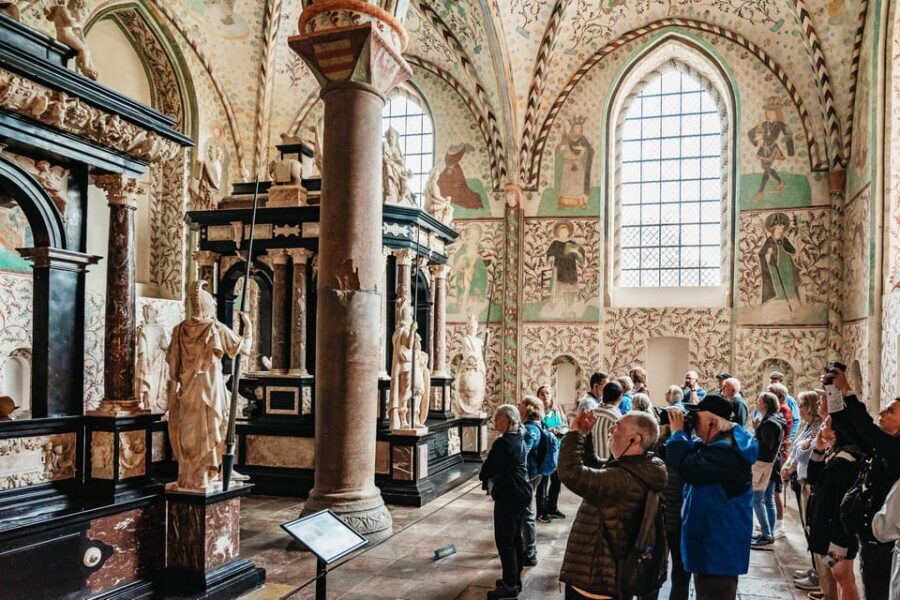
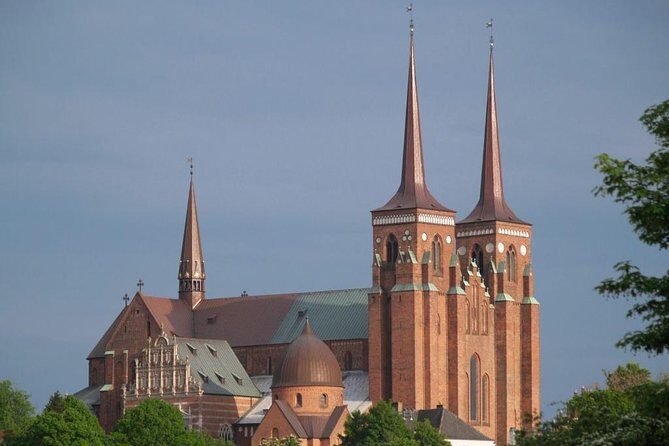
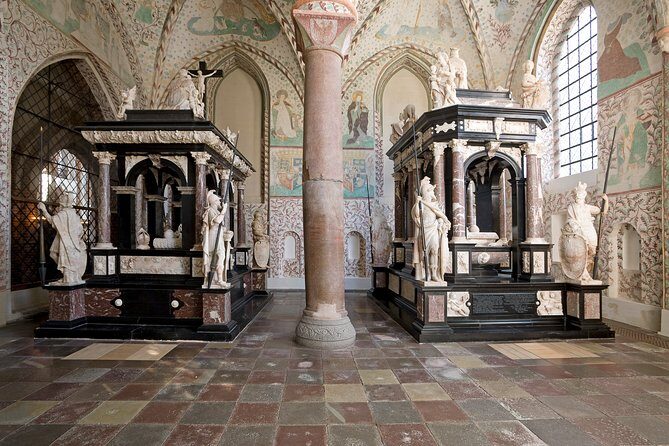
    • Roskilde Domkirke (19): A UNESCO World Heritage cathedral with 1,000 years of Danish history, and the burial site for Danish kings and queens.
    • Lejre Land of Legends (24): An open-air museum with reconstructions and workshops, including a Viking kings hall and active settlement areas across Iron, Stone, and Viking Ages.
    • The Karen Blixen Museum (25): The author’s home at Rungstedlund near Rungsted Kyst Station, close to the Sound. It’s a calm, literary stop that works well if you want Denmark beyond royal castles.

    The catch with day trips is time. Even with free transit, you still need daylight hours and energy. If you’re on a short pass, I’d pick one day-trip theme only: Shakespeare and Kronborg, or Vikings and Roskilde, or the open-air history of Lejre.

    Art and design that go beyond the obvious

    Copenhagen Card - DISCOVER 80+ attractions and public transport - Art and design that go beyond the obvious
    Copenhagen has top museums, and this card gives you several ways to experience them without extra ticket costs.

    • Ny Carlsberg Glyptotek (10): Art and archaeology spanning Ancient Egypt, Greece, and Rome, plus Danish and French art from the 19th century.
    • National Gallery of Denmark, SMK (13): Denmark’s largest art museum, covering art across seven centuries, from Renaissance masters to modern and contemporary work.
    • Louisiana Museum of Modern Art (12): About 40 km north of Copenhagen. It blends modern art with nature and architecture, and you’ll find highlights like Giacometti Hall, the Jorn Room, and access to a Kusama infinity room.
    • Designmuseum Danmark (18): One of Denmark’s best stops for design, with works by names like Arne Jacobsen and Verner Panton, plus glass, ceramics, textiles, fashion, posters, and more.
    • Ordrupgaard Art Museum (32): Peaceful park setting, with French Impressionists like Monet, Degas, and Gauguin, plus Danish art featuring Vilhelm Hammershøi.
    • The Hirschsprung Collection (34): Danish Golden Age to modern painting, including artists such as Eckersberg, Købke, Krøyer, and Hammershøi.
    • Classic Car House (33): A fun switch from galleries—20th-century classic cars as moving design history.
    • Copenhagen Contemporary (28): Installation art in a former B&W welding hall, where you can sometimes sense large-format works in a more physical way.
    • Nikolaj Kunsthal (36): Contemporary art in a former St. Nikolaj Church setting, with changing exhibitions and events.
    • Kunsthal Charlottenborg (37): Large contemporary exhibition space with an ambitious program and lots of activities around exhibitions.
    • Det Kgl. Bibliotek, The Royal Library (38) in the Black Diamond: Exhibitions built around literature and photography, with “Black Diamond” programming for mind-and-eye moments.
    • Ragnarock (35): Pop, rock, and youth culture history through the decades, with a hands-on feel for sound and media.
    • Museum of Danish Resistance (30): Underground WWII resistance storytelling through five historical figures and acts like sabotage and illegal newspapers.

    If you’re an art person, you can build an itinerary with almost no paid entry fees. Just don’t treat every museum like a race—pick two major ones per day and let the rest be smaller stops.

    Science, families, and unusual places underground

    Copenhagen Card - DISCOVER 80+ attractions and public transport - Science, families, and unusual places underground
    This is where Copenhagen surprise-factor shows up, and this card helps you hit those curveballs.

    • Experimentarium (11): A world-class science center in Hellerup, about 6 km north, built around hands-on learning.
    • Planetarium (15): A modern dome with film experiences, plus exhibitions. With your card, you can watch one movie in the dome.
    • Cisternerne (21): An underground water reservoir turned art space under Søndermarken Park. Cold, dark, and atmospheric—great when the weather turns.
    • Museum of Natural History (31): Mineral halls and nature exhibitions, including a chance to touch a huge meteorite.
    • Medicinsk Museion (40): Health and disease history in the Royal Academy for Surgeons building from 1787. It’s not subtle, and it’s a strong “human body over time” stop.
    • Copenhagen Zoo (1) and Tivoli Gardens (2) also fit here if you want day-friendly fun that still feels like an attraction, not just a playground.

    The value in these is that they keep you flexible. If you hit rain, you can swap outdoor time for indoor science and underground art without breaking the budget.

    History, military, and the darker sides of Denmark

    If you want museums that make you think, this card covers several big themes.

    • National Museum of Denmark (7): Danish history highlights, from older eras to the story of the nation.
    • Danish War Museum (29): War history from the 1500s to today, including artifacts like armor and samurai swords, plus modern tech like drones.
    • Museum of Danish Resistance (30): WWII resistance in a dark, immersive presentation format with staged scenes around sabotage and coded messages.
    • Sælen submarine (26): A real diesel-electric submarine used by the Royal Danish Navy, including the fact it was the only submarine to participate in hostilities. It’s short, but memorable.
    • The Ships on Holmen (39): Again, military hardware you can walk around and see up close.

    These aren’t “quick in and out” spots. Plan a little slower time here, and you’ll come away with a stronger sense of how Denmark sees itself.

    The special cases: Home of Carlsberg, casino time, and booking-first stops

    A few included options work like bonus side quests, but they have rules or different vibes.

    • Home of Carlsberg (22): You need to pre-book your visit, and your card must be active before you book because you’ll need the card number. If you like breweries and Danish industrial history, this can be one of the most fun surprises on the list.
    • Casino Copenhagen (27): Included, and it’s Denmark’s largest international casino. If your idea of Copenhagen is museums and walking, this might not be your main play—but it’s there if you want a late-night change of pace.

    Then there are the other “oddball” cultural stops that round out the pass:

    • Ragnarock (35) for music culture.
    • Classic Car House (33) for design through vehicles.
    • Nikolaj Kunsthal (36) and Kunsthal Charlottenborg (37) for contemporary art in real spaces.

    Should you book the Copenhagen Card DISCOVER pass?

    Book it if your plan has two ingredients: you’ll use public transport a lot, and you’ll stack several included attractions (especially the big-name ones like Rosenborg, Tivoli, SMK, and the canal tour). The card is also a great fit if you like building your trip around neighborhoods but still want flexibility to change plans fast.

    Skip it if your schedule is too tight or too uncertain. A short pass plus a wish list that includes things that need advance booking can turn into stress. If you’re only doing a couple paid stops, a day-by-day plan with individual tickets may be cheaper.

    My practical rule: choose the pass length that matches how many paid entrances you realistically can fit, not just how many days you’re in Copenhagen. If you do that, this card becomes less of a purchase and more of a travel rhythm.

    FAQ

    How do I redeem the Copenhagen Card in the app?

    You download the Copenhagen Card app, then type in the barcode number from your card to redeem it digitally.

    When does my card become valid?

    Your card is valid for the number of hours you selected, starting from the time you first use it.

    Is public transport included?

    Yes. The card includes complimentary travel on the city’s buses, trains, and Metro services.

    Which attractions are free with the card?

    The card covers free entrance to more than 80 attractions, including major stops like Rosenborg Castle, Tivoli Gardens, Copenhagen Zoo, and Kronborg Slot.

    Do I get free entry to Our Saviour’s Church?

    Entrance to the church is free. If you want to climb the tower, you must book your visit in advance.

    Do I need to pre-book Home of Carlsberg?

    Yes. You need to pre-book your visit, and your card must be active before booking because you’ll need the card number.

    Is the pass physical or digital only?

    It’s digital. There is no physical card included.

    Can children travel free?

    Each adult can bring 2 children between ages 3–11 for free, as long as you add the free kids cards to your cart when buying your card.

  • Copenhagen Highlights 3 Hour Bike Tour with local Guide

    Copenhagen Highlights 3 Hour Bike Tour with local Guide

    Pedal past Copenhagen’s key sights fast. This 3-hour ride is a practical way to see more than the usual photo spots, while you learn why locals bike everywhere.

    I like that the tour is built around a tight route with real cultural context, not just a checklist of monuments. Guides such as René, Fien, Sarra, and Dominique (names I’ve seen praised) bring the city’s stories to the road, and you get a smooth pace that makes it feel doable even if you’re new to cycling in Denmark.

    Two more things I really like are the small group size (max 15) and the thoughtful start/finish setup at Tropical Bikes, including lounge time and luggage storage. A possible drawback: you’re on a regular bike (not electric), and Copenhagen’s intersections plus sudden weather changes mean you should come ready for cool wind and quick stops.

    Quick take: what makes this bike tour work

    Copenhagen Highlights 3 Hour Bike Tour with local Guide - Quick take: what makes this bike tour work

    • Small group energy with a max of 15 riders, so the guide can actually manage the flow.
    • Cycling access to places that cars can’t reach easily, plus viewpoints that work best from the saddle.
    • Top sights plus in-between stops, from Rådhuspladsen to Nyhavn and the Little Mermaid area.
    • Real-world comfort supports: helmets and rain ponchos are available on request while supplies last.
    • Route built for orientation, which helps you decide what to revisit afterward.

    Why cycling Copenhagen beats walking

    Copenhagen Highlights 3 Hour Bike Tour with local Guide - Why cycling Copenhagen beats walking
    Copenhagen’s whole personality is built for two wheels. When you ride, you don’t just move faster—you see how the city is designed to let people live close to water, parks, and historic streets.

    A bike tour also helps you understand the city’s rhythm. You’ll notice the spacing of squares, how harbors shape street life, and why royal and cultural landmarks cluster where they do. On foot, you can cover ground, sure. But by bike you connect those dots fast, and you still get time at the stops to actually look.

    The Tropical Bikes meetup: getting sorted before you roll

    You start and end at Tropical Bikes at Vester Voldgade 2. That matters more than it sounds. You’re not hunting for a random corner; you’re in a proper bike hub where you can get briefed, adjust your setup, and settle your group before you hit traffic.

    The tour includes time to rest before and after in their lounge, with toilets and a place to stash luggage. If you’ve got a day bag or you’re moving from another part of town, this is a small comfort that makes the whole experience feel less rushed.

    You’ll also have free helmets and rain ponchos on request. The ponchos are only available while supplies last, so if the sky looks sketchy, ask early.

    The route through Copenhagen’s power, culture, and waterfront

    Copenhagen Highlights 3 Hour Bike Tour with local Guide - The route through Copenhagen’s power, culture, and waterfront
    This is a highlights-heavy route, but it’s not only about big names. It’s also about how those landmarks connect to daily Copenhagen life: governance and architecture, harbor beauty, and royal-era symbols.

    Here’s the stop-by-stop feel, and what’s worth your attention at each one.

    Rådhuspladsen and Tivoli views: the city center kickoff

    You begin at Rådhuspladsen, the Town Hall Square. It’s a strong start because it plants you in Copenhagen’s center of gravity—easy to orient to, and visually packed.

    From there, you get a view of Tivoli. Even if you’re not spending money inside the amusement gardens, you’ll get a sense of how the city blends major attractions with everyday urban flow.

    Practical tip: if you’ve got questions about where to go next, ask early in the ride. Guides tend to be more relaxed with Q&A right after the first scenic pause.

    Christiansborg Slot: palace energy and stables

    Next up is Christiansborg Palace and the Royal Stables area. Christiansborg is one of those places where architecture signals power without needing extra explanation. You also get a feel for the city’s layers—Denmark’s political and royal presence isn’t a museum piece; it’s part of the active civic landscape.

    The stop is long enough for photos and listening, but not so long you feel like you’re waiting around.

    Det Kgl. Bibliotek: the old-and-new Royal Library stop

    Then you roll to Det Kgl. Bibliotek, the Royal Library complex with both older and newer additions. This stop is listed as free to access. That’s a nice bonus because it gives you a low-cost moment that still feels meaningful.

    The value here is perspective: the guide can connect Denmark’s education and cultural priorities to what you’re seeing in front of you. Libraries can sound boring on paper, but in Copenhagen, this is the sort of civic building that helps explain how the city thinks.

    Børsen Stock Exchange: the city’s business landmark

    You continue to the Copenhagen Stock Exchange, Børsen. Even if your interests are more street-level than finance, this is an important architectural marker. The guide’s job is to connect what you’re seeing to the city’s broader story—how Copenhagen grew and what kinds of institutions shaped it.

    This stop is marked as not included for admission, so if you’re expecting to go inside, you may want to treat it as an outside viewing moment unless you decide to pay separately.

    King’s Square, Royal Danish Theatre, and an Opera House view

    At Kongens Nytorv (King’s Square) you’ll see the Royal Danish Theatre nearby. It’s one of those spots where Copenhagen’s cultural prestige is easy to spot just by looking around.

    You’ll also get a view of the Opera House from across the water, which is a great reminder that Copenhagen’s big venues often sit where the city can frame them—water becomes part of the design.

    Nyhavn: romantic harbor vibes, pause-for-pictures time

    Then comes Nyhavn, with a 30-minute stop. This is Copenhagen’s postcard harbor, and the pause time is exactly what makes it worthwhile. You can sit, look at the boats and facades, and let the atmosphere land.

    Nyhavn is listed as free, which makes this stop a stress-free moment: no ticket logic, just scenery and stories.

    Cold-weather note: harbor areas can feel extra windy. If you skipped the poncho, this is when you’ll wish you hadn’t.

    Amalienborg and Frederik Church: royal residence and the view line

    Next is Amalienborg Palace Museum, the royal residence zone. The stop is 20 minutes and marked as not included for admission. So plan on soaking in the exterior and taking in the guide’s explanation rather than banking on interior time.

    From here you’ll also get Frederik Church in sight. That’s one of Copenhagen’s most dramatic silhouettes, and watching it from this angle helps you place where it sits in relation to the royal complex.

    Gefionspringvandet: the statue break that actually teaches something

    You then pass Gefionspringvandet, the statue of the goddess Gefion, marked as free. This kind of stop is the difference between a tour that just points and a tour that connects.

    It’s short (about 10 minutes), but it’s the sort of stop where the guide can explain how mythology and civic identity get mixed into public space.

    Langelinie Park near Kastellet: fortress-adjacent seafront views

    From the statue area you ride toward Langelinie Park, including the pier area near Kastellet (and close to the Little Mermaid area). This section is listed as free and includes a view that works well on a bike—your perspective changes quickly without you having to walk every single meter.

    The “fortress in central Copenhagen” reference is key here: Kastellet is part of Copenhagen’s defensive history, and it’s unusual to see that kind of structure so close to everyday promenades.

    The Little Mermaid: iconic stop, but plan your timing

    You hit The Little Mermaid with a 20-minute stop. This stop is listed as free, and it’s the obvious Copenhagen must-see.

    The trick is using the time well. Instead of rushing, slow down for the guide’s context and then look for the surrounding details that most people miss when they only chase the headline statue photo.

    Rosenborg Castle and the Round Tower: the Christian IV finale

    The tour wraps with Rosenborg Castle, described as a first royal palace and a Christian IV favorite, marked as free for admission on this stop. It’s a good way to end the royal thread with something you can visually understand right away.

    After that, you get The Round Tower, another Christian IV landmark. This one is marked as not included for admission, so treat it as a viewing/learning stop unless you plan to add entry separately.

    What the guide actually adds to your day

    Copenhagen Highlights 3 Hour Bike Tour with local Guide - What the guide actually adds to your day
    A bike tour is still just a route unless the guide makes it meaningful. This one gets strong praise for pace and group management—people often mention guides like René, Fien, Sarra, Dominique, and Morena for clear explanations and keeping the ride organized.

    What you can expect in practice:

    • You’ll get before-ride guidance and cycling rules for Denmark so you feel less like you’re guessing.
    • You’ll have stop-and-listen time built into the schedule, not only motion between photos.
    • You’ll likely leave with a short list of what to revisit later—because the tour is designed as orientation, not a one-and-done.

    Bikes, safety, and the weather reality

    Copenhagen Highlights 3 Hour Bike Tour with local Guide - Bikes, safety, and the weather reality
    Copenhagen can be calm and sunny or windy and cold in the same day. The tour runs in all weather conditions, so pack for that flexibility.

    You should also know what kind of cycling you’re signing up for:

    • You need moderate physical fitness
    • You’re on a bike supplied by the tour provider
    • Upgrades to special bikes (like e-bikes, cargo, tandem) are possible, but you have to request them

    One detail worth flagging: the standard bike setup can be tricky for riders who need a specific braking feel or a certain starting comfort. I’ve seen a review call out issues with pedal-start repositioning and the preference for hand brakes. If you’re picky about bike mechanics, ask ahead. It’s a fair request.

    How long it lasts, and how to fit it into your Copenhagen days

    Copenhagen Highlights 3 Hour Bike Tour with local Guide - How long it lasts, and how to fit it into your Copenhagen days
    This tour is about 3 hours. That’s long enough to see a real chunk of Copenhagen, but short enough to keep your evening free.

    It’s also best done early in your trip. Once you’ve ridden these main areas, everything else gets easier: museum planning, harbor walks, and choosing neighborhoods to explore on foot.

    If you’re on a tight schedule—say you want a first-day overview—this is the kind of activity that gives you direction without exhausting you.

    Price and value: is $61 worth it?

    Copenhagen Highlights 3 Hour Bike Tour with local Guide - Price and value: is $61 worth it?
    At $61.09 per person for roughly three hours, you’re paying for four things:

    1. A local professional guide
    2. The bike
    3. Helmet and rain poncho options (on request)
    4. A route that strings together major landmarks and meaningful pauses

    Admissions are not included at several stops, so your final spend may depend on whether you go inside places marked not included. Still, for many people, the guide-led route alone is the value: it saves time, reduces guesswork, and helps you enjoy Copenhagen’s design instead of just surviving it.

    If you’ve been thinking about renting a bike on your own, this is often the smarter move on day one—because you’re paying to get the city logic in one go.

    Should you book this Copenhagen Highlights bike tour?

    Copenhagen Highlights 3 Hour Bike Tour with local Guide - Should you book this Copenhagen Highlights bike tour?
    I’d book it if you want:

    • A small-group introduction to Copenhagen’s top areas
    • Easy-to-follow guided cycling that covers central highlights
    • A day that mixes iconic places (Nyhavn, Little Mermaid) with stops that explain how the city works (Royal Library, Christiansborg, Børsen area)

    I’d think twice if:

    • You strongly need a specific bike braking setup or you’re very uncomfortable with re-starting after stops
    • Weather volatility makes you miserable (you can dress for it, but it still won’t feel like a warm stroll)

    If you’re flexible, and you’re excited to move like a local for a few hours, this is a solid way to get your bearings fast and enjoy Copenhagen’s signature vibe.

    FAQ

    How long is the Copenhagen Highlights bike tour?

    It runs for about 3 hours.

    What language is the tour offered in?

    The tour is offered in English.

    What is included in the price?

    You get a local professional guide and the use of a bicycle. Helmets and rain ponchos are available on request (only as long as available). You also get lounge time with toilets, plus luggage storage at the shop.

    Are entrance tickets included for the main stops?

    Not always. Some stops list admission tickets as not included, while others are marked as free.

    What should I do if the weather is bad?

    The tour operates in all weather conditions, so you should dress appropriately. It can be windy and cold, even when it looks nice.

    How many people are in a group?

    There is a maximum of 15 travelers.

    Do you offer e-bikes or special bikes?

    Upgrades to special bikes (like e-bikes, cargo, or tandem) are not included, but you can text for availability.

    What is the cancellation policy if plans change?

    You can cancel for a full refund up to 24 hours in advance. If the experience is canceled due to poor weather, you’ll be offered a different date or a full refund.

  • Politically Incorrect Private Highlights Walking Tour

    Politically Incorrect Private Highlights Walking Tour

    Copenhagen’s royals, told with dark comedy. This private, 90-minute walking tour turns big-name spots like Copenhagen Opera House and Strøget into one connected story about Danish power, court life, and the stuff that shaped modern Denmark. I also love that it ends with an easy follow-on—your route finishes near Frederiks Kirke, and you can continue with a 15-minute walk toward the Little Mermaid area.

    One thing to plan for: it’s a walking tour with timing built in, especially around the changing of the guard. If you’re picky about ceremonies or you hate crowds and street noise, you’ll want to pick your start time carefully and wear solid shoes.

    Key things you’ll notice on this Copenhagen tour

    Politically Incorrect Private Highlights Walking Tour - Key things you’ll notice on this Copenhagen tour

    • Royalty stories with comedy energy that keep the facts memorable
    • Copenhagen’s landmarks in a tight loop: Strøget, Nyhavn, Amalienborg, Marmorkirken
    • WWII and Denmark: embassy history at Amaliegade with a guided explanation
    • Guard change timing matters: you may catch the big noon moment depending on start time
    • Quick-hit stops that mix views with short, focused history segments
    • Guides with strong English and big personality (you may be with Troels, Truel, or Jack)

    A 90-minute Copenhagen highlights route that actually feels like a story

    This is a private walking tour built for one group at a time, with a guide using humor to connect the city’s royal and political themes. You’ll cover major city landmarks without the usual problem of bouncing between unrelated stops. Instead, the guide keeps pulling you back to the same question: who held power in Denmark, how did they show it, and why does Copenhagen look the way it does now?

    The format is also practical. You get about 1 hour 30 minutes, it’s in English, and you’ll receive a mobile ticket. Pickup is offered, but it’s on foot—so think “meet-up and walk with the guide,” not bus transfers.

    Højbro Plads start: Copenhagen’s origins in your first 5 minutes

    Politically Incorrect Private Highlights Walking Tour - Højbro Plads start: Copenhagen’s origins in your first 5 minutes
    You begin at Højbro Pl. 10 (Højbro Plads). This is the kind of starting point that helps you get your bearings fast: you’re placed near the older core of the city, where you can link what you see in front of you to where Copenhagen came from.

    The guide uses this early moment to set the frame: the origins of Copenhagen and the key historical figures tied to the area. It’s short—around 5 minutes—but it matters because it gives you context before you hit the bigger, more dramatic sights.

    Tip for you: arrive a few minutes early and look for your guide at the exact start point on Højbro Plads. This tour moves at a comfortable walking pace, but you don’t want to start late.

    Nikolaj Kunsthal: a church stop that comes with the Copenhagen fire story

    Politically Incorrect Private Highlights Walking Tour - Nikolaj Kunsthal: a church stop that comes with the Copenhagen fire story
    Next is Nikolaj Kunsthal, described as a church—so you’ll be paying attention to how the building works and what kind of place it is. This stop is timed to last about 15 minutes, and it’s one of the spots where the guide’s storytelling gets very specific.

    The focus here is the great Copenhagen fires, and how that disaster shaped the city. You’ll likely spend more time looking at the details than you would on your own. You’re not just learning dates—you’re learning how a city rebuilds itself after something goes wrong.

    One practical note: admission here is not included, so don’t assume you can step in freely without a ticket. The tour does say admission is not included for this stop, so if you want to go inside, plan for that.

    Strøget and King’s New Square: the view-and-statue segment

    After the fires, the tour swings into the central-city “walk and look” mode.

    You’ll pass Strøget, described as the longest pedestrian-only shopping street in the world (the tour notes it isn’t personally verified, but it’s a common claim). This is a useful stop even if you’re not shopping. You’ll see how Copenhagen’s center works day-to-day—human traffic, the rhythm of storefronts, and the street’s role as a connector.

    Then you move to Copenhagen King’s New Square, with about 15 minutes here. The guide turns it into a viewpoint lesson: the best buildings to watch, the statue at the centre, and how the architecture communicates status.

    From the square, you’ll also get a guided look at:

    • a French-inspired building tied to a major department store
    • the answer to the question of where the rich and famous stay when they’re in the city
    • an impressive building in the square, including the statues up front

    Possible drawback for you: this is the part of the route where you’ll want to balance photos with listening. If you stop too long for pictures, you can miss the story beat that makes the statues and facades meaningful.

    Nyhavn: postcard views plus a sense of how the harbor shaped stories

    Politically Incorrect Private Highlights Walking Tour - Nyhavn: postcard views plus a sense of how the harbor shaped stories
    Then comes Nyhavn, with around 15 minutes. The guide frames it as more than a postcard: the harbor is tied to the birthplace of many histories and stories.

    Nyhavn is one of Copenhagen’s most photographed stretches for a reason. But the tour adds value by guiding what to pay attention to. You’ll be nudged to look at the buildings and the harbor atmosphere without turning it into a museum-style checklist.

    A practical warning you can plan around: the tour specifically says the buildings are worth looking at but not necessarily worth heading into. In other words, don’t expect every stop here to be a door-you-enter moment. This is a “watch and understand” segment, and it works best when you let the guide set the pace.

    Amaliegade and WWII Denmark: embassies, politics, and the past you can’t ignore

    Politically Incorrect Private Highlights Walking Tour - Amaliegade and WWII Denmark: embassies, politics, and the past you can’t ignore
    Next is Amaliegade, about 10 minutes. This stretch is described as home to embassies, including one tied to a historically dreadful foe. The tour tells you not to expect the guide to spoil it in advance, so you’re meant to arrive ready to hear the explanation.

    What you take away from this stop is the connection between modern diplomacy and WWII-era Denmark. The guide’s angle here is about how Denmark lived through the pressure of the era—political choices, external forces, and how the city’s institutions reflect that layered past.

    Admission here is listed as free, but the bigger “cost” is attention. This stop works best when you listen closely and accept that it won’t be light, fluffy sightseeing.

    Tip for you: if you’re sensitive to heavier topics, pace yourself mentally. The tour mixes humor with real history, and Amaliegade is one of the more serious beats.

    Amalienborg’s guard change: the timing game you can actually win

    The tour then targets the Changing of her Majesty’s guard at Amalienborg Castle. This stop takes about 20 minutes and is specifically timed around the schedule: the tour notes guard changes happen every 2 hours, and if your tour starts at 11, you arrive just in time for the big daily one at noon.

    That timing detail is gold. Many visitors show up randomly and miss the ceremony they came for. Here, the guide builds your schedule around it—so you’re more likely to see what you’re aiming to see.

    Admission is listed as not included for this stop, which matters if you were thinking it would work like a museum entry. This is mainly a street-and-square ceremony experience, so the key “prep” is physical: you’ll need to stand and watch.

    Possible drawback for you: if you start at a different time than the recommended 11:00 window, you might not catch the noon moment. You can still enjoy the location and context, but your photo moment may be different.

    Frederiks Kirke (Marmorkirken) finale: marble church, easy walking finish

    Politically Incorrect Private Highlights Walking Tour - Frederiks Kirke (Marmorkirken) finale: marble church, easy walking finish
    The tour ends at Frederiks Kirke (Marmorkirken). It’s described as the marble church, and the vibe is “end strong”: a beautiful visual anchor after a route packed with political and royal themes.

    This stop runs about 10 minutes. The tour also says the ending point can vary slightly by guide, but all endings are within a 5-minute walk of Frederiks Kirke.

    And there’s a nice bonus angle for planning your day: the tour is designed to finish with an easy path that keeps you close to the royal residences area, and from there you’ve got a 15-minute walk toward the Little Mermaid statue area. That makes it a smart choice if you want a coherent half-day arc: central sights, royal ceremony, and then a seaside icon.

    Price and value: $374.71 for a private up-to-one group

    This tour is priced at $374.71 per group (up to 1). That’s not “budget Copenhagen,” so you should judge it based on value, not cost.

    Here’s what you’re really paying for:

    • A private guide (not a crowd shuffle), so the route stays flexible to your group
    • A tight 90-minute structure that hits multiple major areas without you needing to plan or connect the dots
    • Storytelling that links royal places to modern Denmark, including the WWII angle at Amaliegade
    • Comedy delivery that helps the history stick, not just sit in your notes app

    If you’re solo, private tours cost more because you can’t split guide time. But for a first visit, I think this kind of tour can be a good shortcut: you get a strong overview while the city is still unfamiliar, and you learn what’s worth revisiting later on your own.

    Also, the tour is commonly booked ahead (on average 48 days in advance). If your dates are fixed, don’t wait for a last-minute deal.

    Who should book this Copenhagen highlights walk

    This tour is a great match if:

    • you want a first-time Copenhagen orientation that doesn’t feel like a generic checklist
    • you enjoy humor-based storytelling paired with clear historical context
    • you care about Danish royalty and how power is shown in public spaces
    • you want to see Strøget, Nyhavn, Amalienborg, and Marmorkirken in one connected route

    It might be less ideal if:

    • you dislike walking and standing through ceremony-style viewing
    • you want mostly museum time or lots of inside-the-building exploration
    • you’re sensitive to a “politically incorrect” style of comedy (the tour leans into edgier humor as part of the concept)

    Should you book it?

    I’d book it if you want a Copenhagen day that feels like a narrative, not a list. The route is well-chosen for first-timers, and the tour’s biggest strength is the way it uses humor to connect royalty, public squares, and WWII-era Denmark to real places you can point to later.

    One more practical reason: guides on this tour are often singled out for strong English and for keeping the pacing lively. Names like Troels, Truel, and Jack pop up when people talk about the experience, usually for making the time fly while still explaining what matters.

    If that sounds like your kind of sightseeing, this is a smart way to spend 90 minutes in Copenhagen.

    FAQ

    How long is the Politically Incorrect Private Highlights Walking Tour in Copenhagen?

    It runs about 1 hour 30 minutes.

    What does the tour cost?

    The price is listed as $374.71 per group (up to 1).

    Is this tour private?

    Yes. It’s a private tour/activity, so only your group participates.

    What language is the tour offered in?

    The tour is offered in English.

    Is pickup available, and where do I meet the guide?

    Pickup is offered, and it’s done on foot. The tour starts at Højbro Pl. 10, 1200 København, Denmark.

    Where does the tour end?

    The approximate ending area is near the royal palaces (Amalienborg). The end point is close to Frederiks Church / Frederiksgade 4, 1265 København, Denmark.

    Do I need admission tickets during the tour?

    Some stops are free, and some are not included. Nikolaj Kunsthal is noted as admission not included, and the changing of the guard stop also lists admission not included. Other listed stops are free.

    Can I see the changing of the guards at Amalienborg?

    Changing of the guard happens every 2 hours. If your tour starts at 11, the tour notes you arrive just in time for the big one at noon.

    What if I need to cancel?

    You can cancel for a full refund if you cancel at least 24 hours before the experience starts. If you cancel less than 24 hours before, the amount paid is not refunded.
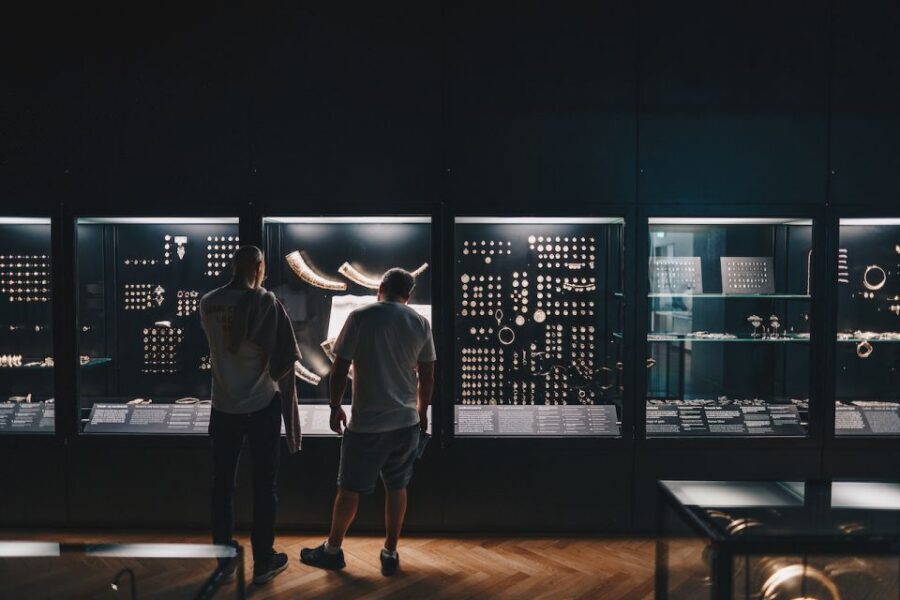
  • Copenhagen: Guided Canal Tour by Electric Boat

    Copenhagen: Guided Canal Tour by Electric Boat

    Copenhagen by canal feels like cheating—in a good way. This electric boat tour gives you a quieter, greener cruise with a live bilingual guide (English and Danish), and the small-boat size makes it easy to ask questions while you glide past old and new harborfront buildings. One possible drawback: the boat has a few steps to enter, and it isn’t suitable for wheelchair users or people with mobility impairments.

    I like that the experience is built for real city viewing, not just staring at water. You stay in the action near the center of town, starting at Ved Stranden across from Christiansborg Palace, then heading out from pier 3. Do it on a day when you’re ready for wind and spray, since the tour runs rain or shine.

    Key Highlights You’ll Actually Feel On the Water

    Copenhagen: Guided Canal Tour by Electric Boat - Key Highlights You’ll Actually Feel On the Water

    • Electric and environmentally friendly cruising for a calmer ride
    • Bilingual live guiding (English and Danish) so you won’t miss the stories
    • Smaller boat experience that makes questions feel normal, not awkward
    • Old + new harborfront views from the canal angle
    • Heated seats in winter, plus extra warmth when temperatures drop
    • Good time value for a short outing that still feels personal

    Why This Electric Canal Tour Feels More Local Than Big-Boat Sightseeing

    Copenhagen: Guided Canal Tour by Electric Boat - Why This Electric Canal Tour Feels More Local Than Big-Boat Sightseeing
    Copenhagen’s canals can be busy, but this tour keeps things human. You’re on an electric boat, so the atmosphere is softer than on many engine-driven cruises. That matters because the guide’s commentary is live and meant to be heard, not drowned out.

    Second, I appreciate how much you’re meant to interact. The tour is guided in English and Danish, and you’re specifically welcome to ask questions along the way. On a smaller boat, that turns the ride into a conversation with the person who’s been watching the city up close for years.

    The short duration range (you’ll see the exact length when you check times) can also be a “pro” or a “con.” If you want a half-day floating lesson, this won’t be it. But if you want a smart, efficient orientation to Copenhagen’s waterfront, it’s the right size.

    Where You Meet: Ved Stranden and Pier 3 Without the Stress

    Copenhagen: Guided Canal Tour by Electric Boat - Where You Meet: Ved Stranden and Pier 3 Without the Stress
    You’ll start at Ved Stranden, across from the Danish parliament, Christiansborg Palace. Look for the ticket office at the location with the Stromma flag, then head to the boat that departs from pier 3.

    This setup is convenient because it puts you near a major landmark—so you’re not hunting for a mysterious dock tucked behind five corners. Still, give yourself extra minutes if you’re arriving right as boarding begins, since the boat involves a few steps to get on.

    Also note the practical rule: no smoking and no intoxication. It sounds obvious, but it’s worth mentioning because it usually means the ride stays pleasant for everyone.

    The Boat Ride Itself: Quiet Electric Power and Comfortable Winter Options

    Copenhagen: Guided Canal Tour by Electric Boat - The Boat Ride Itself: Quiet Electric Power and Comfortable Winter Options
    The headline feature here is the electric propulsion, and the payoff is real: calmer motion and less noise. In the winter, that calm is paired with comfort. The tour offers heated seats during winter, and in colder months, some guides add warmth with blankets, which makes a short canal tour feel a lot less punishing.

    You don’t need to be dressed like you’re visiting an Arctic research station, but you do need to respect the water wind. The canals can feel colder than the streets, especially near open harbor stretches. If you’re going in fall or winter, bring a hat that covers your ears and something wind-resistant for your outer layer.

    One more thing I like: small-boat design tends to get you closer to what matters visually. You’ll see the old and new waterfront buildings as you glide along, and you’ll often be able to get angles that larger vessels miss.

    The Live Bilingual Commentary: Ask Questions, Get Stories, Laugh When You Should

    The tour runs with a live guide who provides commentary in English and Danish, and you’re invited to ask questions during the cruise. That’s the big difference between a narrated video and a real tour. The guide can react to your curiosity and adjust the storytelling on the fly.

    From what I’ve seen in guide styles from this operation, it can be entertaining in a very natural way. You might get a guide like Tony/Toni, who mixes historical context with humor, or Nina, who shares local-style insights and personal stories. Another name you may see is Kim, with a friendly, open approach and a knack for making Copenhagen history feel human.

    You’ll also notice a pattern: the most praised tours tend to be the ones where the guide talks about how neighborhoods feel and how the city developed, not just what you’re staring at. That’s exactly what you want when you’re on a boat with limited time.

    What You See From the Water: Old Harborfront Meets Modern Copenhagen

    Even without a long list of stops, you still get a clear visual theme: Copenhagen’s harborfront is a mix of eras. Expect to see older structures alongside newer waterfront architecture as the boat moves through the canal system.

    That mix is one of the reasons this tour works as an orientation. From street level, it’s easy to miss how much the city’s waterfront has evolved. From the water, the timeline is obvious: you see what’s preserved, what’s rebuilt, and how the city uses the edge of the harbor.

    The guide also focuses on the “in-between” parts: lesser-known stories tied to areas you pass. In other words, the narration isn’t limited to the postcard views. It’s aimed at helping you understand Copenhagen’s geography and character as the boat turns you from one section of the city to another.

    Route Flow: How a Short Cruise Still Gives You Real Perspective

    Copenhagen: Guided Canal Tour by Electric Boat - Route Flow: How a Short Cruise Still Gives You Real Perspective
    This isn’t a full-day canal immersion. It’s a 1–65 minute cruise depending on the scheduled departure time you choose. That sounds short, and it is. But in practice, short tours work well when you’re trying to do two things fast: (1) see the city from a new angle and (2) understand what you’re looking at.

    Here’s how the flow typically feels:

    • You board at pier 3 near Christiansborg and the guide starts giving context right away.
    • As the boat moves, you’ll get stories tied to the areas you pass, with time to ask questions when something peaks your interest.
    • The cruise brings you back to the same meeting point, so you’re not left planning a second leg of transportation.

    If you only have a day or two in Copenhagen, this kind of loop is valuable. It helps you “map” the city quickly, so later you can explore on foot with a better sense of where things are and why they’re placed the way they are.

    When Winter Seat Warmers Make a Real Difference

    Copenhagen weather is famously unpredictable, and this tour is rain or shine. The key saving grace is that winter riders don’t have to white-knuckle cold the entire time. The boat provides heated seats during winter, and comfort tends to hold up because the tour itself is relatively short.

    Still, don’t treat heated seats as an excuse to pack light. Wind on water has a way of finding gaps in gloves, collars, and hats. If you’re sensitive to cold, bring layers and a water-resistant outer layer.

    Also, keep in mind the boat entry: there are a few steps. In winter, with thick clothing and slippery footwear, that detail matters more than you’d think.

    Best Value for the Money: Guided Time, Not Just Floating

    At about $41 per person, you’re paying for something specific: a guided canal tour with a live bilingual explanation. You’re not buying time at a discount cruise where you can read a brochure on your own.

    The value comes from three places:

    • Live guide time: You get real context, not generic narration.
    • Small-boat feel: It’s easier to hear and ask questions, which makes the information stick.
    • Electric comfort: The calmer vibe is part of the experience, not just the sustainability angle.

    Food and drinks aren’t included, and there’s no hotel pickup. That’s normal for this style of city tour, and it helps keep the price focused on the ride itself. If you’re planning your day, just pair it with a nearby meal before or after.

    Who Should Book This and Who Might Want a Different Option

    This tour is a strong fit if you:

    • Want an efficient way to get oriented to Copenhagen’s waterfront
    • Like the idea of asking questions during the ride
    • Prefer a more personal experience than big-deck sightseeing boats
    • Are traveling with friends or family who enjoy light, story-driven travel

    It’s less of a fit if you:

    • Need wheelchair access or you’re sensitive to steps, because it’s not suitable for wheelchair users and involves steps to enter
    • Travel with dogs, since dogs are not allowed
    • Want a long, stop-and-stroll type itinerary, because this is mainly a guided cruise with limited time

    Tips to Get More Out of Your 60-Minute (or Less) Cruise

    You’ll get the best experience if you show up ready to listen and ask questions. A few practical moves help:

    • Dress for wind, not just temperature. Canal air can feel sharper than the streets.
    • Bring a warm hat if you’re going in colder months; it can make the ride noticeably easier.
    • Arrive a little early so boarding and stepping on and off feels calm.
    • If you have a question, ask it during the ride rather than waiting. This tour is set up for interaction.

    If you end up with a guide like Nina or Kim, you’re likely to get a friendly, story-rich explanation of how Copenhagen neighborhoods work. If you’re lucky with Tony/Toni, expect humor mixed into the history, which makes the time fly by.

    Should You Book the Copenhagen Electric Canal Tour?

    Book it if you want a short, smart way to see Copenhagen from the water with live bilingual guiding and an intimate boat feel. The heated seats in winter and the quiet electric ride make it an especially good choice when weather isn’t cooperating.

    Skip it (or look at another option) if mobility access is an issue for you, since the boat has steps and it’s not suitable for wheelchair users. Also, if you’re expecting a full itinerary with lots of land stops, this one is about the cruise—so manage expectations and let the guide do the storytelling.

    If your goal is to leave Copenhagen with a clearer picture of the city’s waterfront and a few great stories to connect it all later, this is a very solid use of an hour.

    FAQ

    How long is the Copenhagen guided canal tour by electric boat?

    The duration is listed as 1 to 65 minutes, depending on the time slot you book. Check availability to see the exact starting times and length.

    Where does the tour start?

    The tour starts at Ved Stranden, across from Christiansborg Palace. The ticket office is at the location with the Stromma flag, and the tour starts from pier 3.

    What languages is the live guide speaking?

    The live guide provides commentary in English and Danish.

    Is food and drinks included in the ticket price?

    No. Food and drinks are not included.

    Is hotel pickup or drop-off included?

    No. Hotel pickup and drop-off are not included.

    Is the tour running in bad weather?

    Yes. This tour takes place in rain or shine.

    Are dogs allowed on this tour?

    No. Dogs are not allowed.

    Is this tour suitable for wheelchair users?

    No. It is not suitable for wheelchair users and not suitable for people with mobility impairments.

  • Copenhagen: Kronborg, Frederiksborg Castle and Roskilde Tour

    Copenhagen: Kronborg, Frederiksborg Castle and Roskilde Tour

    A long day, but Denmark in one sweep of stops. I love how Kronborg turns into real-world Hamlet history, and how Roskilde Cathedral lets you see the burial places of Danish royalty. The only drawback: it’s a packed schedule with real walking time, so you’ll want comfortable shoes and patience.

    This trip runs about 8.5 hours from central Copenhagen with hotel pickup and drop-off, plus water and WiFi on the bus. The best part is the way the guide tells the story—names like Sillas and Thomas show up often in the mix, and you can feel the difference when the day is led with humor and detail, not just dates.

    Key highlights I’d plan around

    Copenhagen: Kronborg, Frederiksborg Castle and Roskilde Tour - Key highlights I’d plan around

    • Kronborg’s Elsinore connection: the castle that inspired Hamlet, with time for the famous sights and the castle’s deeper corners
    • Roskilde’s royal burials: the cathedral is the final resting place for 39 Danish kings and queens
    • Viking Ship Museum viewing: reconstructed ship models and excavated finds from the Viking Age
    • Frederiksborg at your own pace: self-guided time in a palace setting beside water and gardens
    • Strong on-time transport: a highly rated bus/driver setup (93% perfect scores for transport)

    The North Zealand route: how the day stays moving

    Copenhagen: Kronborg, Frederiksborg Castle and Roskilde Tour - The North Zealand route: how the day stays moving
    This is a classic day trip formula: one early start, one scenic drive loop, then a sequence of “big-ticket” cultural stops. You’ll transfer around 40 minutes to reach the first area, then continue by van between sites (there’s also a noted 45-minute segment between major points). With a total duration of 510 minutes (~8.5 hours), the day is built to fit a lot in without feeling like pure sprinting.

    The order matters. Roskilde gives you the political center of Denmark—where power became memory in stone. Then Frederiksborg shifts the tone to palace romance and landscape views around the water. Finally, Kronborg delivers the storytelling payoff: Shakespeare, plus the strategic importance of the Øresund Strait, where ships and armies were always part of the picture.

    If you like days that click—history in layers, not random attractions—this route makes sense. You also get clear “guided vs self-guided” timing, so you’re not constantly trying to read everything while also herding your own day.

    Roskilde Cathedral: seeing 39 royal tombs in one visit

    Copenhagen: Kronborg, Frederiksborg Castle and Roskilde Tour - Roskilde Cathedral: seeing 39 royal tombs in one visit
    Roskilde Cathedral is the moment when Denmark’s past feels most tangible. You’re there with a guided tour, and that helps because this isn’t just a pretty church. It’s a World Heritage site tied directly to royal power and succession.

    The headline fact you can’t miss: the cathedral is the burial place of 39 Danish kings and queens. One name that gets singled out is Ingrid of Sweden, wife of Frederick IX, who was the father of Queen Margrethe II. That kind of connection turns the building from “interesting old stone” into a place where Denmark’s modern royal line has a physical, historical anchor.

    Practical note: this stop is ideal if you’re the type who likes to know why a site matters before you walk into it. A good guide can point out which chapels, tombs, and symbols connect to the stories you’ve heard. Several guests also picked up extras—like catching a choir during the visit—so it’s a nice reminder that churches can surprise you with live atmosphere.

    Viking Ship Museum: models, excavated ships, and the long reach of the North Atlantic

    Copenhagen: Kronborg, Frederiksborg Castle and Roskilde Tour - Viking Ship Museum: models, excavated ships, and the long reach of the North Atlantic
    After Roskilde, you’ll hit the Viking Ship Museum with another guided tour. This is where the day expands beyond “kings and castles” into movement and technology. You’ll see reconstructed models and excavated ships tied to the Viking era, when Scandinavians traveled far across the North Atlantic and helped shape trade, war, and settlement patterns across Europe.

    What I like about this museum in a day trip is that it gives you something visual fast. A guided explanation helps you understand what you’re looking at without turning the exhibits into a puzzle you have to solve alone. If you’re a Viking fan, this stop tends to be a strong anchor: it’s specific, physical, and it connects to the region’s geography and seafaring culture.

    Also, museum pacing is a gift on a cold day. Even if you don’t want to spend hours wandering on your own, guided time plus the chance to look closely at the ships keeps you from feeling rushed.

    Frederiksborg Palace: why the self-guided time works

    Copenhagen: Kronborg, Frederiksborg Castle and Roskilde Tour - Frederiksborg Palace: why the self-guided time works
    Frederiksborg Palace is a different mood from the cathedral. Instead of royal burials, you get a palace setting by water, surrounded by gardens. You’ll have self-guided tour time here, which is smart in a day-trip format.

    Why it works: you already had guided storytelling in Roskilde. Now you can slow down without a constant lecture. You can choose what to focus on—rooms, views, decorative details, or just taking in the surroundings. Several guests liked the balance of structured guidance earlier, then flexibility here.

    The key thing for your planning: self-guided means you should wear shoes you can stand in. Even if the “palace vibe” feels lighter than a museum, you’ll likely move through rooms and around the grounds. On a winter day, you’ll also appreciate taking breaks and not trying to see everything at once.

    Kronborg Castle and Hamlet’s Elsinore: the storytelling payoff

    Copenhagen: Kronborg, Frederiksborg Castle and Roskilde Tour - Kronborg Castle and Hamlet’s Elsinore: the storytelling payoff
    Then comes Kronborg, the stop built for big moments. Kronborg sits on the banks of the Sund between Denmark and Sweden. That geography matters. Long before Shakespeare, this location was a strategic choke point—and Kronborg’s role in Denmark’s defense and identity is part of why it’s so dramatic.

    You’ll get a guided tour at Kronborg. The headline tie-in is the inspiration for Hamlet’s Elsinore. But the better part is how the guide typically connects literature to place: who controlled this stretch, what the castle meant, and how the stories grew from political reality.

    One detail guests mention specifically: seeing the sleeping Viking and the basement areas during the visit. Holger Danske—the long-sleeping protector legend—turns Kronborg into more than a backdrop. It becomes a character in the story, and that’s the kind of connection you can’t get from a brochure photo.

    If you’re visiting in colder months, it’s also nice that the tour is designed to keep you moving even when there’s extra happening around the site. One guest noted it ran well despite holiday crowds and a mass at Roskilde. That’s a good sign: you’re not left to guess how to navigate your day when the schedule gets “real-world messy.”

    Bus comfort and small realities that affect your day

    Copenhagen: Kronborg, Frederiksborg Castle and Roskilde Tour - Bus comfort and small realities that affect your day
    A day like this lives and dies on logistics, and this one is built with practical touches. You get hotel pickup and drop-off, plus transportation, a driver/guide, water, and WiFi on the bus. There’s also solid transport performance—again, 93% perfect transport scores.

    Two “know before you go” realities matter:

    • Luggage and large items can’t be stored on the bus. If you’re traveling with bulky bags, plan to carry what you need in a way you can manage during boarding and transfers.
    • Pickup is possible from most inner-city hotels, but not all. Some hotels aren’t reachable by bus, and sometimes it’s faster to walk to the starting point. The operator sends pickup instructions by email around 24 hours ahead, so don’t ignore that message.

    Finally, plan for walking on uneven surfaces. One review specifically called out cobblestones, and that’s the kind of detail that can make or break your comfort. Bring layers, not just a jacket—winter days can shift fast with wind off the water.

    Value check: is $205 worth it?

    Copenhagen: Kronborg, Frederiksborg Castle and Roskilde Tour - Value check: is $205 worth it?
    At $205 per person, this isn’t a budget throw-in. But it can be good value if you compare what’s included versus what you’d have to pay for on your own.

    Here’s what you’re getting built into the price:

    • Hotel pickup/drop-off in central Copenhagen
    • Transportation by bus/van for the full loop
    • Entrance fees
    • Guided tours at key sites (Roskilde Cathedral and the Viking Ship Museum, plus Kronborg Castle)
    • Driver/guide time plus water and WiFi

    That’s the real value: paid entry and guided time at multiple major sites. You’re not just buying seats on a bus; you’re buying interpretation—especially at Roskilde and Kronborg, where context changes how you experience the building. Several guests highlighted guides like Sillas and Thomas for turning the day into a story you actually remember.

    Where you’ll likely spend extra:

    • Lunch (the day includes a lunch stop, but lunch isn’t listed as part of the included items)
    • Drinks/snacks beyond what’s provided
    • Souvenirs and entry add-ons if you choose them

    If your goal is to get a fast, coherent Denmark picture—royalty, Vikings, castles, and Shakespeare—this price can feel fair. If you want a slow museum day with long independent wandering, you might feel the schedule pressures. That’s the tradeoff.

    Who this day trip is best for (and who should skip)

    Copenhagen: Kronborg, Frederiksborg Castle and Roskilde Tour - Who this day trip is best for (and who should skip)
    This tour suits you if you want:

    • Shakespeare and Danish setting in one shot (Kronborg is the anchor)
    • Royal history that’s physical—tombs you can stand near at Roskilde Cathedral
    • Viking-era visuals through the Viking Ship Museum’s models and excavated finds
    • A guide-led day with humor and structure, not a self-guided hopscotch

    It’s less ideal if:

    • You have mobility impairments or use a wheelchair. The tour is not suitable for wheelchair users, and the walking demands are part of the day.
    • You dislike long days. This is a full workday in disguise, with multiple major stops.

    For everyone else: bring comfortable shoes, keep your phone charged, and expect to learn a lot without feeling like you’re in class.

    Should you book this Copenhagen day trip?

    Copenhagen: Kronborg, Frederiksborg Castle and Roskilde Tour - Should you book this Copenhagen day trip?
    I’d book it if you’re in Copenhagen for a limited time and you want Denmark beyond the city in one coherent day. The mix is well-balanced: Roskilde for royal gravity, the Viking Ship Museum for seafaring reality, Frederiksborg for palace atmosphere, and Kronborg for the Hamlet pay-off.

    I wouldn’t book it if you want a relaxed pace or you need very limited walking and step-free access. In that case, you’ll be fighting the structure instead of enjoying it.

    If you do book: wear shoes that handle cobblestones, pack warm layers, and arrive ready to walk. The payoff is a day where Denmark’s stories connect—from royalty to Vikings to Shakespeare—without you needing to stitch the history together yourself.

    FAQ

    How long is the tour?

    The total duration is listed as 510 minutes, which is about 8.5 hours.

    What is the price per person?

    The price is listed as $205 per person.

    Does the tour include hotel pickup and drop-off?

    Yes. Hotel pickup and drop-off are included, and pickup instructions are sent by email about 24 hours before the tour.

    Are the stops guided or self-guided?

    Roskilde Cathedral and the Viking Ship Museum are guided tours. Frederiksborg Palace is self-guided.

    Is the tour guide available in English?

    Yes. The live tour guide is listed as English.

    What’s included in the price?

    Included items are hotel pickup and drop-off, entrance fees, transportation, driver/guide, water, and WiFi on the bus.

    Is lunch included?

    Lunch is listed as a stop on the day. Lunch itself is not listed as an included item, so you should plan to buy your meal.

    Can I cancel for free?

    Yes. Free cancellation is available up to 24 hours in advance for a full refund.

    Is reserve & pay later available?

    Yes. You can reserve now and pay later.

    What should I know about luggage?

    Luggage and large items cannot be stored on the bus.

    Is this tour suitable for wheelchair users?

    No. It is listed as not suitable for wheelchair users and people with mobility impairments.

  • Social Sailing – Copenhagen Canal Tour – Captain’s Favorite

    Social Sailing – Copenhagen Canal Tour – Captain’s Favorite

    Copenhagen looks different from the water. This small-group Social Sailing canal trip mixes classic sights with a route and pace shaped around what you care about. Expect calm cruising, easy conversation, and a captain who talks like a local, not a script.

    I especially like the way the boat feels personal (max 12 people) and the tour includes a real chance to get off and walk at Trekroner Fort. One thing to plan for: even with a roof and blankets, you’ll still want warm layers for chilly, damp weather.

    Key things I’d bank on before you book

    • Small group on a real canal boat (max 12) so you can ask questions and actually talk
    • Captain-led, interest-based route tweaks so the tour feels less like a factory line
    • Trekroner Fort stop (about 20 minutes) plus a view toward the city-building island of Lynetteholmen
    • Sail-by highlights around central Copenhagen, including the Parliament area and the navy command zone
    • A warm-on-the-water setup with blankets and a roof, plus drinks you can buy (glogg, cocoa, beer)
    • Restroom break during one of the stops to help keep the ride comfortable

    Why Copenhagen canals work best in a small boat

    Social Sailing - Copenhagen Canal Tour - Captain's Favorite - Why Copenhagen canals work best in a small boat
    Copenhagen’s waterways are one of the easiest ways to understand the city’s shape. The canals show how neighborhoods meet the harbor, and how daily life still connects to water. On a big tour, it’s more about watching crowds. On this one, the vibe is more human.

    You’ll be in a boat capped at 12 people, which matters more than it sounds. When the group is small, the captain can slow down or speed up based on your questions. You also get more back-and-forth while sailing instead of sitting there like you’re on a moving bus.

    Meeting at Kvæsthusbroen: quick start, easy vibe

    Social Sailing - Copenhagen Canal Tour - Captain's Favorite - Meeting at Kvæsthusbroen: quick start, easy vibe
    The tour meets at Kvæsthusbroen 1, 1252 København and returns to the same spot. Start time is 1:00 pm, and the sailing runs about 3 hours. You use a mobile ticket, and the meeting point is close to public transportation, so it’s straightforward to build into a day of sightseeing.

    What I like here is that you’re not stuck in a complicated transfer plan. If you’re already planning to explore central Copenhagen, this kind of start point keeps logistics simple.

    What to wear for a roofed boat (and still stay comfortable)

    This trip runs in all weather conditions, so you should dress for the real experience, not for the forecast headline. Yes, the boats have a roof and blankets, but you can still feel wind and cool damp air while moving through the canals. That’s where warm layers win.

    My practical rule: wear warm socks and a mid-layer you’d actually be happy in if you had to wait outside for 10 minutes. Bring a hat or hood if you have one. Even if the water looks calm (it often is), the air can get chilly fast.

    The 3-hour route: what you’ll see from the water

    This tour is built around a mix of sail-by landmarks and one proper stop where you can get out. From the start, you’ll pass through canal sections that feel old and tight, then shift toward more institutional areas as you head through the waterways.

    Plan for a steady rhythm:

    • cruising along canal stretches that frame Copenhagen’s architecture
    • several landmark sightlines from the water
    • one key stop at Trekroner Fort (about 20 minutes)
    • a return that brings you back through central viewpoints you can recognize later on foot

    Trekroner Fort: your one real land moment

    The standout pause is Trekroner Fort, with about 20 minutes on site. You get free admission, and the moment is more than a quick photo stop. The fort gives you a strong sense of how Copenhagen has protected its waters over the years.

    You’ll also get views toward Island Lynetteholmen, a site being built to extend the city. That detail adds a modern layer to the experience: you’re not only looking backward at defenses and shipping routes, you’re also seeing how Copenhagen is planning its next chapter on the water.

    If you’re the type who likes walking just enough to stretch your legs, this is perfect. It’s short, but it adds context to everything you’ve been seeing afloat.

    Sailing the old canal and the ancient city center

    After Trekroner Fort, the tour leans into classic canal Copenhagen. You’ll sail through the beautiful old canal, then continue toward the ancient city centre. From the water, the city’s edges read differently—bridges, quays, and building fronts line up in a way that’s hard to replicate from streets.

    This is also where small-group format pays off. When you’re not squeezed into a big crowd, you can ask the captain why certain buildings are shaped the way they are, or what you’re looking at when the water narrows and curves. The route gives you those repeated “oh, that’s why it’s here” moments.

    Parliament and the navy command: big-influence areas from water level

    You’ll sail by the Parliament and also pass through the area tied to the navy command. These are “official” Copenhagen landmarks, but the canal approach makes them feel closer and less formal than you might expect.

    From the water, you’ll spot how waterways function like corridors—moving people and goods historically, and still shaping where activity happens. Even if you’ve read about these institutions, seeing them from canal level helps you connect the dots between government, defense, and the city’s practical layout.

    If you like your sightseeing with real-world context (not just monument photos), these sail-bys do the job. You get a sense of the power centers without needing to spend hours indoors.

    The social sailing part: talk, don’t just watch

    This is the heart of the experience: chat with the captain and the other people on board. The captain tailors the tour to interests, so the conversation can shift. If you’re curious about daily life, architecture, or what Copenhagen feels like at street level, you’ll likely get answers and follow-up questions.

    Several captains get mentioned by name in people’s experiences—Matilda/Mathilde, Matthias, Marcus, Joanna, Sam, Caroline, Christina, and Devon. That variety matters. It suggests you’re not stuck with one rigid approach. Different captains bring different pacing and angles, which can make repeat visits interesting.

    Also: this is designed for a relaxed tone. You’ll likely have a restroom break during one stop, and the boat setup (roof and blankets) helps keep the social part comfortable instead of turning into a wind-chill endurance test.

    Drinks on board: plan for a treat, not an included bar

    The tour itself covers the sailing, but beverages aren’t included. You can purchase drinks on board, and the options people highlight include glogg, cocoa, and beer.

    This is a good system for most budgets. You choose what you want, and you’re not paying for a bundle of drinks you won’t touch. For a winter visit, hot cocoa and glogg can feel like a small reward mid-ride—just keep it in mind when you’re budgeting beyond the ticket price.

    Price and value: is $105.90 worth it?

    At $105.90 per person for about 3 hours, it’s not a bargain-basement canal cruise. But the value comes from what you get for that money: a small-group setting and a captain who can steer the tour toward what matters to you.

    Compare it to big-boat tours that often run on fixed routes with minimal interaction. Here, the boat size changes the whole experience. You’re paying for time with the captain, better sightlines, and the ability to ask questions without yelling over a crowd.

    One more value point: there’s a real stop at Trekroner Fort (free admission, around 20 minutes). That’s not always true on shorter canal rides, and it helps the tour feel like more than just a slow loop for photos.

    Weather reality: calm water isn’t the same as warm air

    Even when the water is calm, you can still feel the chill—especially with wind moving along the canals. The good news is that operations run in all weather, and the boat provides a roof and blankets.

    My advice is to dress as if you’ll be outside for a while. If you tend to get cold easily, add a layer you can pull on at the dock. If you get warm fast, keep your outer layer easy to vent or remove. You want to stay comfortable enough to enjoy conversation, not just survive the ride.

    Who should book this canal tour?

    This fits best if you want more than a checklist of landmarks. If you like small-scale travel, conversational guides, and a route that includes at least one real walking moment, you’ll probably enjoy it.

    It also suits:

    • First-time visitors who want a fast way to understand Copenhagen’s neighborhoods from the water
    • Couples or solo travelers who want a social tone without awkward forced mingling
    • People who prefer asking questions to listening silently to headphones

    You can also feel good about the practical side: service animals are allowed, the tour runs in all weather conditions, it’s in English, and most people can participate.

    Should you book Social Sailing’s Copenhagen Canal Tour?

    If you’re torn between a mass canal cruise and something more personal, I’d lean toward this one. The max-12 group, the captain-tailored style, and the chance to stop at Trekroner Fort turn a simple canal ride into a smarter orientation to the city.

    Book it early if you can. This tour averages 47 days in advance, which tells you it’s popular and can fill up.

    If you hate cold and you’re expecting guaranteed comfort, you’ll want to plan your clothing carefully. But if you’re willing to dress warm, this is a very efficient, genuinely enjoyable way to see Copenhagen from the water.

    FAQ

    How long is the Copenhagen canal tour?

    The tour lasts about 3 hours.

    Where does the tour start, and do you return there?

    It starts at Kvæsthusbroen 1, 1252 København, Denmark and ends back at the same meeting point.

    What time does the tour begin?

    The start time is 1:00 pm.

    Is the tour offered in English?

    Yes, the tour is offered in English.

    How large is the group on the boat?

    The boat carries a maximum of 12 people.

    Are drinks included in the price?

    No. Beverages are available for purchase on board.

    Can I cancel for free, and how late?

    Yes, you can cancel for a full refund up to 24 hours before the experience starts. If you cancel less than 24 hours before, the amount paid is not refunded.
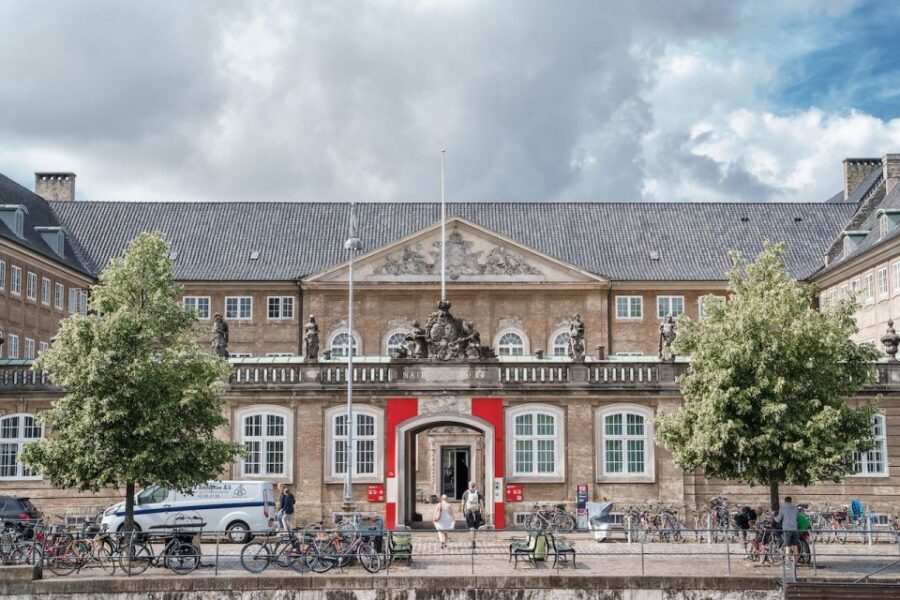
  • Copenhagen: Highlights 3 Hour Bike Tour with a Local Guide

    Copenhagen: Highlights 3 Hour Bike Tour with a Local Guide

    Copenhagen by bike feels like cheating. In three hours, you ride a clean loop through major sights, guided by locals who share what they actually notice on daily routes, not just postcard stops. You also get to experience Copenhagen cycling culture up close, with a local guide steering the group.

    I really like the tour’s pre-ride safety approach. You start with a bike intro and cycling rules for Copenhagen, plus helmets and rain ponchos if the weather turns. I also love the pacing mix: you cover about 8 km, but you still get a real break at Nyhavn and guided time at places like Rosenborg, Torvehallerne, and the Round Tower.

    One thing to plan for: it’s still a bike tour for roughly three hours. If you can’t ride confidently or you want long, slow wandering time at every stop, you may feel a bit pressed for time.

    Key Highlights Worth Marking on Your Day

    Copenhagen: Highlights 3 Hour Bike Tour with a Local Guide - Key Highlights Worth Marking on Your Day

    • 3 hours and about 8 km: long enough for an overview, not so long you dread it.
    • Safety first: you get a thorough bike and road-rules introduction before rolling out.
    • Big sights plus actual stops: Nyhavn includes a 20-minute break, not just a drive-by.
    • Royal Copenhagen moment: Amalienborg is on the route, and a wave from the Royal family can happen if you’re lucky.
    • Built for families: child bikes, tandem options, cargo bikes, and child seats are available if you reserve ahead.

    Why Copenhagen’s Bike System Makes This Tour Work

    Copenhagen: Highlights 3 Hour Bike Tour with a Local Guide - Why Copenhagen’s Bike System Makes This Tour Work
    Copenhagen is one of those cities where biking is not a novelty. It’s the normal way people move around. This tour leans into that reality, using the city’s flat layout and strong bike infrastructure so you can see a lot without doing sightseeing “by pain.”

    What I like about this setup is that your guide is doing more than naming landmarks. They’re helping you read the rhythm of the streets: where bikes belong, how intersections feel, and how to stay calm when there are many cyclists around you. You’re not stuck following people in silence either, because guides are encouraged to include personal favorites and practical tips, then turn the tour into a back-and-forth with your questions.

    Price and What You Actually Get for $62

    Copenhagen: Highlights 3 Hour Bike Tour with a Local Guide - Price and What You Actually Get for $62
    At $62 per person for a 3-hour guided bike tour, the value comes from what’s bundled in. You’re not just paying for a route; you get the bike (in multiple frame sizes), a helmet, rain poncho, luggage storage, and access to a lounge area with toilets before and after. That matters because you avoid the hassle of arranging bike rental separately on a busy day.

    There’s also a clever bonus: after the tour, you can take advantage of discounted bike rental. So if you decide you want to keep exploring by bike, you’re not starting from zero.

    One more detail that pushes the value higher: the tour includes guided time at several key stops (not only riding past them). That’s where a local guide earns their keep, since it’s easy to waste time on your own guessing what’s worth attention.

    Meeting at Vester Voldgade 2 and Getting Tour-Ready Fast

    Copenhagen: Highlights 3 Hour Bike Tour with a Local Guide - Meeting at Vester Voldgade 2 and Getting Tour-Ready Fast
    You’ll meet at the operator’s office at Vester Voldgade 2, 1552 København. Plan to arrive about 15 minutes early. That buffer is there for check-in, using the toilet, and getting comfortable with the bike before you hit the streets.

    This tour is designed for you to feel set up rather than thrown onto traffic. Expect an intro to the bikes and the cycling rules in Copenhagen, and a chance to get used to the controls before the group starts moving. If you’re a first-timer, this is the part you’ll thank yourself for later, because your confidence usually grows once you’ve practiced starting, stopping, and riding in a group.

    Also, Copenhagen weather can shift. The good news is you get a rain poncho if you need it, so you’re not scrambling mid-tour.

    Rolling Out from Rådhuspladsen Toward Central Copenhagen

    Copenhagen: Highlights 3 Hour Bike Tour with a Local Guide - Rolling Out from Rådhuspladsen Toward Central Copenhagen
    Rådhuspladsen is the kind of starting point that instantly orients you. It’s central, recognizable, and a good place to start learning how the city “works” on two wheels.

    As you leave the meeting area, your guide uses this early stretch to get the group organized. The goal is simple: you should know what the cycling plan looks like for the next few hours. That means you spend less energy worrying about the mechanics of biking and more energy looking at the buildings and canal-linked streetscape around you.

    A practical note: the tour is about 8 km, and Copenhagen is flat. So the ride feels like movement between highlights, not an endurance test.

    Tivoli Gardens by Bike: A Quick Look, Not a Detour

    Copenhagen: Highlights 3 Hour Bike Tour with a Local Guide - Tivoli Gardens by Bike: A Quick Look, Not a Detour
    Early on, you pass Tivoli Gardens. This is one of those “you’ll see it, you won’t lose an hour” moments. If you’ve got limited time in Copenhagen, that’s a smart use of the day.

    Passing Tivoli also gives you a contrast. You see how the city’s leisure spaces sit alongside working streets, and you notice how Copenhagen blends daily life and attractions without making visitors feel like they’re being funneled.

    Christiansborg: Where You Feel Copenhagen’s Power District

    Copenhagen: Highlights 3 Hour Bike Tour with a Local Guide - Christiansborg: Where You Feel Copenhagen’s Power District
    Next up is Christiansborg Palace. This stop works well on a bike tour because you can approach from street level and get a sense of how the palace sits in the city fabric, not only as an isolated monument.

    Your guide’s commentary typically helps you connect the dots: what the area is known for, why it matters, and how the surrounding streets were shaped by those functions. Even if you don’t go inside, you still walk away with a clearer mental map of where political Copenhagen lives.

    Royal Library of Denmark and the Black Diamond Stop

    Copenhagen: Highlights 3 Hour Bike Tour with a Local Guide - Royal Library of Denmark and the Black Diamond Stop
    The Royal Library of Denmark is on the route, and the tour highlights the Black Diamond area as part of the experience. Either way, this is one of those architectural moments where stopping for a few minutes changes how you see the city.

    On a bike, the advantage is that you approach it in motion. You don’t treat Copenhagen like a checklist you’re racing through; you start to recognize the “why” behind the sights—how design and public space fit together.

    If your day includes time for indoor exploring later, this stop can also act like a spark. You’ll know what you want to circle back to.

    Børsen to Nyhavn: From City Commerce to Waterfront Life

    Copenhagen: Highlights 3 Hour Bike Tour with a Local Guide - Børsen to Nyhavn: From City Commerce to Waterfront Life
    Børsen appears next, and it’s a good counterpoint to the palace and government areas. You get a feel for the business-side of central Copenhagen, plus the way different districts line up along your route.

    Then you reach Nyhavn, the stop most people picture when they think of Copenhagen postcards. The tour isn’t just a quick roll-by either. You get a 20-minute break in Nyhavn, which is exactly what makes this bike tour worth it. You can stand, take photos, grab a snack if you want, and let the scene sink in before you move on.

    This also helps if the ride has you a little amped up. Nyhavn gives you a reset so the rest of the highlights land better.

    Amalienborg: The Royal Square Moment (And a Possible Wave)

    Copenhagen: Highlights 3 Hour Bike Tour with a Local Guide - Amalienborg: The Royal Square Moment (And a Possible Wave)
    Amalienborg Palace is one of the route anchors. If you want that formal, royal feeling, this is where it shows up.

    The tour also includes a fun possibility: if you’re lucky, you can wave at the Royal family. Even if that doesn’t happen, the stop still works because it’s a clear signal that you’re seeing more than tourist attractions—you’re moving through the areas that matter to Denmark.

    One caution: this is a high-interest zone. If you’re traveling with kids or anyone who gets impatient, stay close to the group during the stop so you don’t spend the best moment chasing people down.

    The Little Mermaid Stop: Famous, Quick, and Still Worth It

    Then you hit The Little Mermaid (statue). It’s famous enough that it can feel overhyped, but that’s exactly why it belongs here. The bike tour gives you a short, efficient introduction to a symbol you’ll keep seeing referenced all over Copenhagen.

    The practical advantage on two wheels: you don’t burn time trying to coordinate transport. You simply ride to the spot as part of a larger arc that includes royal, canal, and castle areas.

    Rosenborg Castle: A Guided Moment That Turns a Stop into Meaning

    After the Little Mermaid, the tour moves to Rosenborg Castle, with guided time. This is where your guide’s voice really matters, because guided attention helps you look past the surface.

    On a bike tour, it’s easy to treat places as stops you pass through. Guided time at Rosenborg is what turns the experience into something you can actually remember later, because you connect architecture, royal era symbolism, and the role of the area in Copenhagen’s story.

    If you like royal sites, this is a highlight. If you’re not a palace person, you can still use it as a contrast stop: after city energy and waterfront scenes, you get a calmer, more formal setting.

    Torvehallerne: Where You Can Recharge and Ask Questions

    You also get a guided tour at Torvehallerne. This is a strong move in a short tour, because it’s less about monuments and more about how everyday Copenhageners browse and eat.

    The value here is not only the place itself, but what you learn from your guide. During food-and-market stops, guides often share practical advice for your remaining time—where to head next, what to try, and how to avoid turning your trip into a stressful search mission.

    If you’re the type who likes to leave tours with a game plan, this is where you’ll start building it.

    Round Tower: Another Guided Stop to Close the Loop

    Finally, you reach the Round Tower, Copenhagen, with guided time. Even if you don’t know what you’re looking at when you arrive, a guided stop helps you understand what matters there and how it fits into the city’s older core.

    The good thing about ending with guided time rather than a long ride is that you leave feeling like you got something beyond photos. You also get your bearings, which helps when you go out on your own later.

    Bikes, Comfort, and Small-Group Feel

    This is a small-group tour, which is a big deal in Copenhagen. It’s easier to stay together, easier for the guide to manage pacing, and easier to ask questions without shouting.

    You’ll ride bikes in different sizes: 48 cm, 51 cm, and 56 cm frames. Children have options too, but they require advance reservation: child bikes in 24-inch and 26-inch frames, plus choices like tandem, cargo bikes, and child seats (also reserved in advance).

    If you’re traveling with mixed abilities, this kind of setup can help. People in the group can ride bikes that match their size and comfort level, which reduces the chance of someone feeling stuck waiting or struggling.

    Safety Reality: What the Tour Does for You

    The tour starts with a thorough introduction to the bikes and cycling rules in Copenhagen, and you’re expected to arrive early to make that possible. Helmets are included, luggage storage is provided, and the group format supports safer riding.

    One of the best parts for first-time riders is that you’re not just given a bike and pointed in the direction of the first stop. You get a real orientation to how biking works in this city and how to stay with the group.

    Still, be honest with yourself: if you’re not comfortable riding a bike at all, the tour is not for you.

    Also, Copenhagen can include rougher pavement in spots. If you’re sensitive to road feel, take it slowly over any uneven surfaces you hit along the route.

    Optional Upgrades and On-Site Extras

    If a standard bike doesn’t feel right, upgrades are available. You can reserve special options in advance such as e-bikes, e-cargo, cargo bikes, tandem setups, and child seats. These let you tailor the ride to your comfort and group needs.

    On-site, you can also purchase baskets and phone holders for 49 DKK each. That’s useful if you plan to use your phone for maps, photos, or translations while riding.

    If you’re the type who likes everything practical handled before you reach the street, consider planning bike and upgrade needs early.

    Who This Tour Fits Best

    This tour fits best if you want a fast, organized overview of Copenhagen’s top sights without spending your day hopping between neighborhoods.

    It’s also a good match for families, since child-specific equipment options exist (with advance reservation) and the ride is designed around laid-back cycling in a flat city. Kids can often handle the length when the pacing includes breaks and guided stops.

    If you hate group tours, this one might still work because the focus stays on movement plus short guided moments, not long lectures. But if your ideal sightseeing day is silent wandering, you’ll probably wish you had more time per stop.

    Should You Book This Copenhagen Bike Highlights Tour?

    Book it if you want your first taste of Copenhagen to feel practical, not chaotic. This tour gives you a clear route through the essentials: Rådhuspladsen, Christiansborg, the Royal Library/Black Diamond area, Børsen, Nyhavn, Amalienborg, the Little Mermaid, and guided time at Rosenborg, Torvehallerne, and the Round Tower.

    I’d also book it if you like having your questions answered while you’re on the move. The guide-led format is built for tips and tricks for your remaining time in Copenhagen, and the lounge setup before and after keeps it from feeling rushed.

    Skip it if you can’t ride a bike comfortably for a few hours, or if you want long, unstructured stop time at every attraction. In that case, you might prefer a slower day with fewer sights and more wandering.

    FAQ

    How long is the Copenhagen highlights bike tour?

    It lasts about 3 hours.

    About how far do we bike during the tour?

    The tour covers roughly 8 km.

    Where do we meet for the tour?

    You meet at the local operator’s office at Vester Voldgade 2, 1552 København.

    What’s included with the price?

    You get a local guide, a bike (in multiple sizes), helmet, rain poncho, luggage storage, and lounge access with toilets before and after the tour.

    Are children allowed on this tour?

    Yes. It’s suitable for children of all ages except newborns, with child-bike options available if reserved in advance.

    Can I book an e-bike or cargo bike?

    Yes, special upgrades like e-bikes, cargo bikes, and tandem/cargo options can be reserved in advance.

    What about bike accessories like phone holders?

    Baskets and phone holders are not included, but you can purchase them on-site for 49 DKK each.

    What languages are available for the guide?

    Guides are available in Dutch, German, English, French, Italian, and Spanish.

    Does the tour include time at Nyhavn?

    Yes. There’s a break time in Nyhavn of about 20 minutes.

    Can I cancel and get a refund?

    Yes. You can cancel up to 24 hours in advance for a full refund.

  • Copenhagen Sightseeing Classic Canal Tour With Live Guide

    Copenhagen Sightseeing Classic Canal Tour With Live Guide

    Copenhagen clicks faster by canal. This one-hour sightseeing cruise is a smart first stop because it packs major waterfront sights into a short ride, with a live onboard guide sharing stories as you pass. You’ll see royal scenery at Amalienborg, then glide toward the iconic Little Mermaid, all without spending your whole day walking.

    The main thing to keep in mind is that conditions can affect the experience. On some departures, the commentary can be hard to hear if the sound system is noisy, and in winter you’ll likely still want serious layers even when the boat is covered.

    Key reasons I’d do this tour early

    Copenhagen Sightseeing Classic Canal Tour With Live Guide - Key reasons I’d do this tour early

    • Live guide narration that keeps the route moving and the details understandable
    • Efficient length: about an hour, so it works even on a tight schedule
    • Big-name Copenhagen stops without the hassle of jumping between neighborhoods
    • Great photo angles along canals, bridges, and harbor-side buildings
    • Small-ish group feel with a maximum of 100 people
    • Seasonal boat comfort: in winter the boats are covered, and heated seating is part of the promise

    How this 1-hour cruise helps you understand Copenhagen fast

    Copenhagen Sightseeing Classic Canal Tour With Live Guide - How this 1-hour cruise helps you understand Copenhagen fast
    If you’re new to Copenhagen, the city can feel like two places at once: the bike-friendly streets and the water that shapes everything. This tour leans hard into the second part. In roughly an hour, you get a guided way to connect names you’ve heard before (royals, Little Mermaid, opera) with the real geography—canals, harbor edges, and the shapes of the neighborhoods.

    What I like about a short canal tour is how it changes your next moves. After you see Amalienborg from the water and understand how Christianshavn sits on its canals, you can walk later with more purpose. You’re not just sightseeing; you’re matching scenes to stories.

    Also, this isn’t one of those all-day “event” cruises. It’s built to finish while you still have energy. If your legs are tired from walking, this gives you a reset without skipping the highlights.

    Where you start: Ved Stranden and choosing your departure time

    Copenhagen Sightseeing Classic Canal Tour With Live Guide - Where you start: Ved Stranden and choosing your departure time
    The tour meets at Ved Stranden 26 in central Copenhagen, and you’ll get back there at the end. Tickets are for a specific departure time, and you use a mobile ticket to go straight to the boat and show it.

    That time slot matters more than you’d think. If you go when it’s bright, the buildings and canal colors look crisp. If you go later when it’s darker, the harbor-side atmosphere can feel more magical—and you still get the landmarks. One practical tip: arrive early enough to find the best viewing spot, especially if you want outdoor deck access or a clear line toward the sights.

    This is also near public transportation, so you’re not forced into a taxi shuffle. For me, that lowers the stress. You can plan your day around it instead of planning your day to accommodate it.

    Amalienborg and the royal waterfront: the view you can’t get the same way

    The cruise begins by drifting past Amalienborg Palace, the winter residence of Denmark’s royal family since the 1700s. Seeing it from the water gives it a cleaner stage. From the street, you get angles blocked by roads and buildings. From the canal, you get a calmer, wider look at how the palace fronts the waterfront.

    This is a good example of why a live guide helps. As the boat moves, the guide connects what you’re seeing to what it means—who lived there, why the palace matters, and how that royal zone fits into Copenhagen’s layout. It turns a “pretty landmark” into something you can place on your mental map.

    The Little Mermaid stop: how to time your photos

    Everyone knows the Little Mermaid. What’s less talked about is how much easier it is to see her when you’re moving by boat. This tour is designed for the moment: you experience the Little Mermaid as you cruise along the harbor-side route.

    If you care about photos, timing and position matter. In enclosed areas, windows can affect clarity. In at least some boats, windows can be opened for a better shot, so if that option is available on your departure, you’ll likely get sharper images with less glare.

    And don’t overthink the “walk over there” plan. A one-hour cruise is built to deliver this iconic stop with far less legwork.

    Christianshavn canals and King Christian IV: where the city’s story becomes visible

    After the royal stretch, the route turns toward Christianshavn, a part of Copenhagen known for cobbled streets, pastel-colored houses, and older warehouses. The boat cruises through this canal area so you can see how architecture lines up with the water, not just how it looks in photos.

    The guide also frames Christianshavn in the 1600s, connecting it to King Christian IV’s plans to fortify Copenhagen. That context is useful because it explains why the district feels the way it does. You start to notice the defensive logic behind city planning—the mix of waterways, access points, and built form.

    A small but real benefit: you get the look of Christianshavn without spending time guessing where best to stand. Later, if you want to explore on foot, you’ll already know which canal segments matter most.

    Our Saviour’s Church and the winding-staircase spire

    Copenhagen Sightseeing Classic Canal Tour With Live Guide - Our Saviour’s Church and the winding-staircase spire
    One of the more visually specific stops is a glimpse of Our Saviour’s Church, including its winding-staircase spire. From the water, that spire reads differently than it does from street level. You notice the vertical shape sooner, and you can often get a more dramatic view without battling crowds at a single viewpoint.

    Even if you’re not planning to go inside, this kind of exterior detail helps you recognize the landmark later. It’s the sort of stop that makes your Copenhagen walks feel more connected, like you’re following a theme rather than collecting random sights.

    Copenhagen Opera House: modern design with a famous connection

    Copenhagen Sightseeing Classic Canal Tour With Live Guide - Copenhagen Opera House: modern design with a famous connection
    Next up is Copenhagen Opera House, a contemporary building positioned right by the harbor. The guide notes that the modern building came as a present from Mr. Møller Mærsk, which adds a layer beyond architecture.

    From the boat, the opera often looks larger and more sculptural. That’s because you’re seeing it across open water, with fewer street obstructions. If you like seeing how modern buildings sit inside older city patterns, this is a satisfying contrast.

    Slotsholmen island: the center of it all, seen from the harbor

    Copenhagen Sightseeing Classic Canal Tour With Live Guide - Slotsholmen island: the center of it all, seen from the harbor
    The cruise also sails by Slotsholmen, an island in the city center. Even if you don’t know the name before you go, it helps to see how this area links the water corridors that feed the whole city.

    This part of the route is where the tour stops feeling like a checklist and starts feeling like an orientation. You get a sense of how neighborhoods connect, where the harbor opens up, and how Copenhagen’s “edge” is also its center.

    What “live guide” really feels like on the water

    You’ll have a live guide on board, and the tour is offered in English. The experience also supports Danish and English live guiding, with audio options listed for other languages on certain days.

    The live format matters because the guide can adjust pacing to what the boat is passing at that moment. You’re less likely to feel lost. Instead, you’re learning while you’re actually seeing.

    A couple practical notes based on typical onboard realities:

    • Sit where you can hear clearly. If sound is affected, being closer to where the guide speaks can help.
    • The boat environment moves fast. When the commentary switches quickly between sides of the boat, keep your eyes ready so you don’t miss the point of interest.

    Some guides have a humorous, engaging style (names like Nina, Julie, and Lisa pop up in firsthand accounts), and it can make the ride feel lighter than a straight “facts only” narration. Other departures can feel more rushed if the sound setup isn’t cooperating, so if you’re sensitive to audio quality, aim for a seat with the best sightline and least background noise.

    Winter comfort: covered boats, heated zones, and how to dress anyway

    In winter, the boats are described as covered and heated, which is a big deal on Copenhagen’s wind off the water. Still, winter on a canal cruise is never just about warmth. Wind finds gaps, and outdoor deck time can be brief if you’re underdressed.

    Here’s what helps in real terms:

    • Wear layers you can add or peel as you move between covered and open areas.
    • Bring a warm hat and gloves. You’ll thank yourself before you even notice you’re cold.
    • If windows are available and can open for photos, use that option—but keep an eye on how exposed you’ll feel afterward.

    If your goal is sightseeing photos, you’ll likely bounce between areas. Plan to do that, and dress for it.

    Getting value for $33.20: why this price can make sense

    At $33.20 per person for about an hour, you’re paying for two things you’d otherwise piece together: guided context and prime waterfront access without walking. It’s not an all-day “save money” deal, but it can be strong value if you’re trying to compress your schedule.

    I’d especially consider it if:

    • You want the main landmarks covered early.
    • Your itinerary includes lots of walking and you need a break.
    • You’re traveling with kids or anyone who gets tired quickly. The ride is easy to follow, and there’s always something to look at—bridges, buildings, and canal scenes.

    Also, this tour caps at 100 people, which helps keep the boat from feeling like a packed ferry. You still need to arrive smartly to get your preferred spot.

    Who should book this canal tour

    This is a great fit for first-time visitors who want big highlights with minimal effort. It also works if you want an orientation cruise to guide your later self-guided walks.

    It might be less ideal if:

    • You expect a quiet, museum-level listening experience. If the audio system isn’t behaving on your departure, you could miss some details.
    • You’re only interested in one landmark. This tour covers several stops in one hour, so it rewards people who like variety.

    Should you book the Copenhagen Sightseeing Classic Canal Tour?

    If you want an efficient, guided way to understand Copenhagen’s waterfront, I’d book it—especially early in your trip. For me, the biggest win is the combination of a short duration with live commentary that ties landmarks to place, so you leave with better context for the rest of the day.

    Go prepared for wind, give yourself time to find a good seat, and you’ll get a relaxing hour that makes the city feel more coherent fast.

    FAQ

    How long is the canal tour?

    The tour is about 1 hour.

    Where does the tour start?

    The meeting point is Ved Stranden 26, 1061 København, Denmark.

    Is hotel pickup included?

    No, hotel pickup and drop-off are not included.

    Is there a live guide?

    Yes. The tour includes a live guide.

    What languages are available?

    The tour offers live guiding in English (and also Danish). Audio guided options are also listed for several other languages on certain days.

    Do I need to print anything?

    No. You’ll use a mobile ticket.

    Is the tour offered at different departure times?

    Yes. Tickets are for a specific departure slot.

    Are food and drinks included?

    No. Food and drinks are not included.

    Is the boat covered in winter?

    In winter, the boats are covered and heated, though you should still dress for cold and wind.

    What if the weather is bad?

    The experience requires good weather. If it’s canceled due to poor weather, you’ll be offered a different date or a full refund.

    Is there free cancellation?

    Cancellation is free up to 24 hours in advance for a full refund. If you cancel less than 24 hours before the start, the amount paid is not refunded.
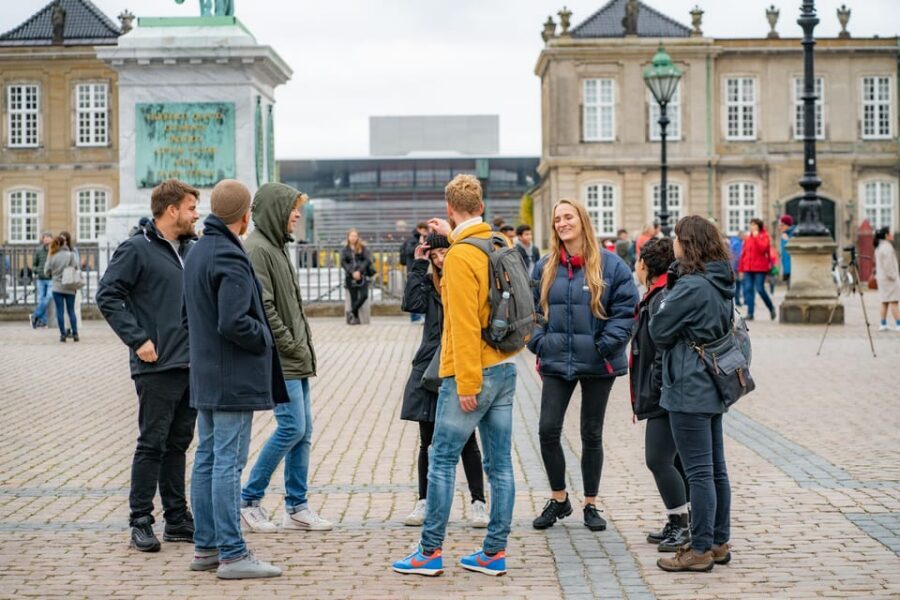
  • Grand Day Trip around Copenhagen

    Grand Day Trip around Copenhagen

    Castles and Viking ships outside Copenhagen are the point. I like how this route turns a long day into clear chapters, with small-group attention and guide Silas keeping the mood light while the story stays solid. You also get Kronborg framed through Hamlet, so it feels like literature and Denmark history in the same breath.

    Two things I really like: entrance fees included for the key sites, and the door-to-door hotel pickup and drop-off from central Copenhagen. It saves you time and mental effort, especially when you’re trying to fit Frederiksborg and Kronborg into one day.

    One consideration: this is a walking-and-stairs day. If you use a stroller, wheelchair, or scooter, or if mobility is limited, the route may feel like too much because there’s a lot of ground to cover and steep stairs at the castles and churches.

    Key points

    • Door-to-door pickup from most central Copenhagen hotels, usually with short transfer times
    • All major entrances included, so you’re not paying on top all day
    • Roskilde, Vikings, and two castles packed into one efficient loop
    • Guided history with humor, with Silas and Thomas named often in people’s accounts
    • Hamlet-focused visit to Kronborg, with the driver-guide explaining the Shakespeare connection

    A full-day loop that explains Denmark with castles and craft

    This trip is built around three big ideas: royal Denmark, Viking origins, and the stories Denmark later turned into world-famous art. You’ll leave Copenhagen and keep moving, but the schedule is arranged so each stop has a real purpose instead of feeling like a drive-by.

    What makes it work for most people is the pacing and the guide’s job. The guide is there not just for facts, but for timing, transitions, and making sure you get to the right spots inside the sites. That matters when you’re in a small group and everyone needs to hear the plan.

    Also, you’re not stuck figuring things out on your own. You get an air-conditioned minivan, WiFi on board, bottled water, and a mobile ticket. It’s a practical setup for a day that runs about 8 hours 45 minutes.

    Roskilde Domkirke: royal tombs and a winter photo-only stop

    Grand Day Trip around Copenhagen - Roskilde Domkirke: royal tombs and a winter photo-only stop
    Roskilde Domkirke is the first emotional punch of the day. It’s Denmark’s largest cathedral, and it has a reputation as the burial place for many royals. Even if you don’t go in, the cathedral’s scale hits you fast, because churches like this were built to last and to impress.

    Timing here is about 50 minutes, and it’s handled differently by season:

    • In November to March, it’s photo stop only outside.
    • At other times of year, you should expect the stop to be more than just a quick look, since the itinerary gives time for the area and the guide’s orientation.

    My advice: wear warm layers in winter and treat that first stop like a quick arrival moment. You’re still early in the day, so you’ll feel better if you don’t rush yourself once you get outside.

    Viking Ship Museum: learning how ships were built, not just what they were

    Next comes the Viking Ship Museum, and this is where the trip shifts from royal monuments to early Danish daily life and technology. You’ll spend about 55 minutes here, and the admission is included.
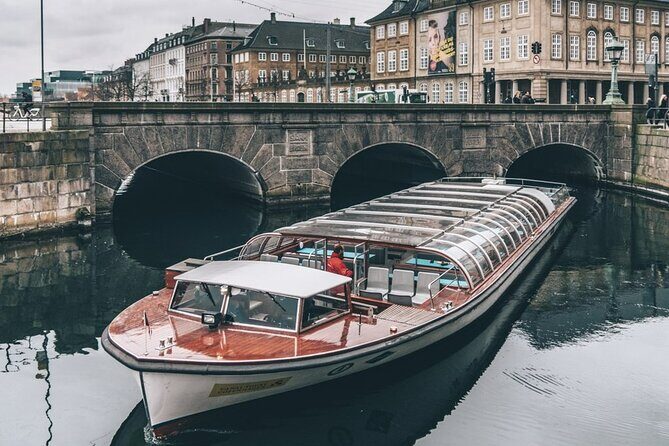
    This is the kind of museum stop that helps you “see” Vikings as builders. You learn how they constructed their ships, which makes the Viking story more physical and less abstract. Instead of only hearing about raids or legends, you get a sense of materials, craft, and why ship design mattered.
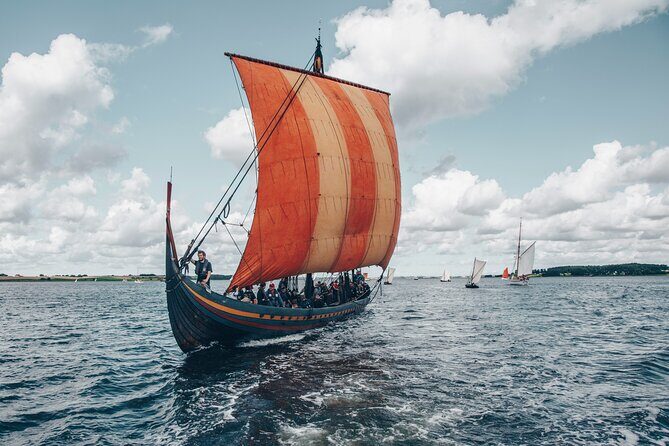
    What I like about this stop is that it breaks up the day. After a big cathedral, you get a museum format where you can slow down without losing the schedule. If you want a souvenir-style takeaway, this is the stop most likely to stick, because the information connects to real-world design.

    Frederiksborg Castle: choose your own pace during included time

    Grand Day Trip around Copenhagen - Frederiksborg Castle: choose your own pace during included time
    Frederiksborg Castle is a Renaissance-era highlight, and you get time to explore on your own with tickets included. Your scheduled block is 2 hours 15 minutes, and that time includes a lunch stop.
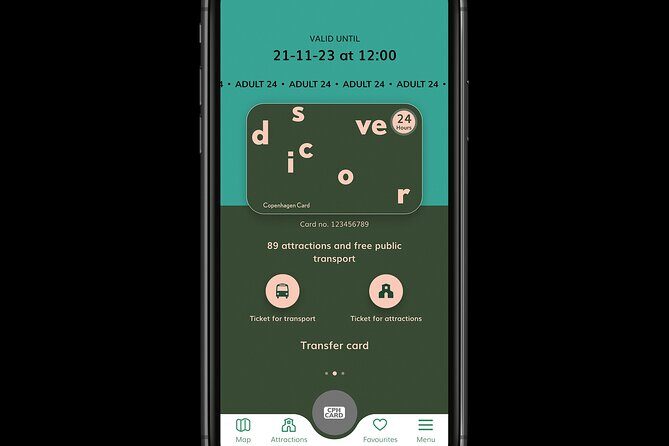
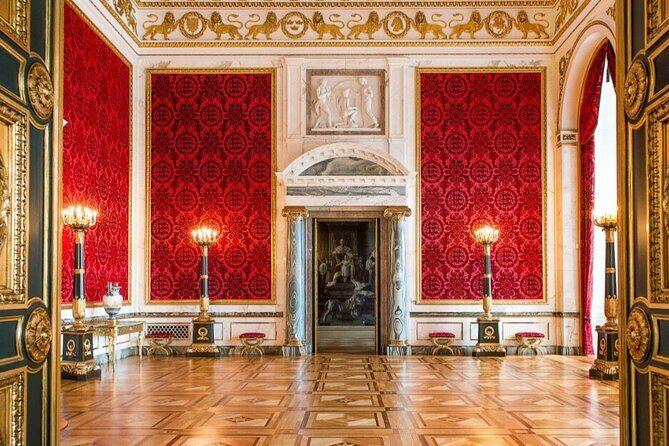
    That word “included” is important. You’re not burning cash on another admission fee, and you’re not trying to plan lunch while also timing castle entry. But since lunch itself isn’t included, you’ll still make choices.

    Here’s the practical rhythm I recommend:

    • Use part of the time to do the castle rooms and the main viewpoints first.
    • Save the rest for whatever grabs you after that. If you’re more into architecture, spend longer on buildings and details. If you like museum-style interpretation, give yourself extra minutes inside.

    A note on the schedule: the 2 hours 15 minutes total means you should expect to move with purpose. You don’t need to speed through, but you also can’t treat it like a half-day museum visit. You’ll get a satisfying overview, not a deep scholarly session.

    Kronborg Slot and Hamlet: history with a built-in story

    Grand Day Trip around Copenhagen - Kronborg Slot and Hamlet: history with a built-in story
    Kronborg Slot is the stop that ties the whole day to pop culture. You’ll have about 1 hour 15 minutes, and the admission fee is included. The guide shows you around and specifically explains Kronborg’s role in Shakespeare’s Hamlet, with Elsinore as the story’s backdrop.
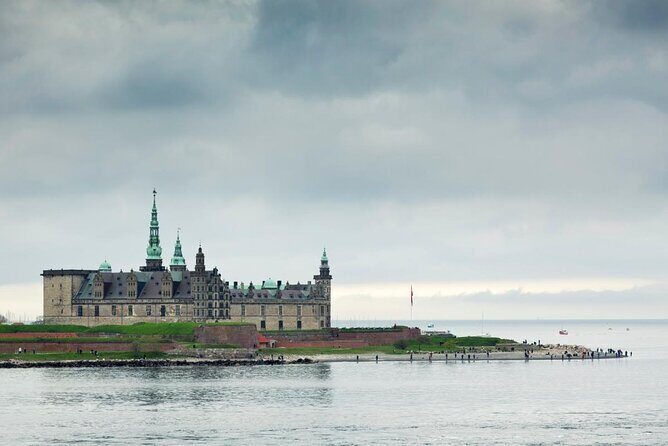
    Kronborg being UNESCO World Heritage-listed matters because it’s not just a pretty castle. It’s a place where power, trade, and politics meet a stage for drama. When the guide connects the real site to the play, the visit becomes easier to follow, even if you only know Hamlet from the highlights.

    In a schedule this long, a focused guided castle visit is a smart move. You won’t be left wandering with no context. You’ll know what you’re looking at and why it’s famous.

    If it’s cold or windy, dress for the exterior too. Even when you’re inside parts of the castle, you’ll still spend time moving between sections.

    How the pacing works: transport time, small-group attention, and comfort

    Grand Day Trip around Copenhagen - How the pacing works: transport time, small-group attention, and comfort
    The whole day depends on the balance between drive time and walking time. Based on how the route is described, the transfer between stops stays reasonable, and it’s organized to keep you from losing hours to transit.

    You’ll travel by air-conditioned minivan, and you’ll have bottled water and WiFi onboard. There’s also the small-group ceiling—no more than 16 people, often fewer. That size helps the guide keep track of everyone, handle questions, and still run on time.

    One more comfort point: this is a door-to-door model. Pickup and drop-off are from hotels in the center of Copenhagen, with pickup usually 30–50 minutes before the tour start time. You’ll get your exact pickup time by email at least 24 hours ahead.

    My practical tip: check your hotel location the night before and plan a simple meeting routine with your group. If your pickup is earlier than you expect, you don’t want to be standing around in cold weather waiting.

    Price: what makes it feel like value (and what adds cost)

    Grand Day Trip around Copenhagen - Price: what makes it feel like value (and what adds cost)
    At $211.79 per person, this isn’t a cheap “hop on a bus and go” excursion. The value comes from what’s already folded in.

    Included items that help the price make sense:

    • Hotel pickup and drop-off in central Copenhagen
    • Transport by minivan
    • Small-group size
    • Bottled water and WiFi on board
    • Entrance fees included for the major stops

    The one clear extra cost is lunch. Lunch isn’t included; you pay for what you order at a local café. In practical terms, that means your total day cost depends on how you eat.

    My suggestion: budget for lunch and decide in advance how much you want to spend. Then don’t let menu choices steal time or focus when you’re hungry and the day is moving.

    What to do with your time at each stop

    Grand Day Trip around Copenhagen - What to do with your time at each stop
    A day with four major stops works best when you treat it like a guided checklist, but with room for your taste.

    Here’s how I’d prioritize:

    • At Roskilde, treat it as an orientation moment to Denmark’s royal story. If you’re in the winter photo-only window, keep it simple and move on.
    • At the Viking Ship Museum, spend your energy on the ship-building part. That’s the most “how it worked” angle of the day.
    • At Frederiksborg, pick your focus early, then let your remaining time follow what you like.
    • At Kronborg, let the guide frame what you’re seeing through Hamlet. That way, the castle stops being just walls and turns into meaning.

    Also, keep an eye on the schedule. Even with a good pace, you’ll be walking between sites, and catching up can eat minutes quickly in cold weather or when stairs are slippery.

    Who this trip suits best

    Grand Day Trip around Copenhagen - Who this trip suits best
    This is an excellent fit if you want a big sweep of Danish landmarks outside Copenhagen without planning every ticket and transport step yourself.

    It especially works well for:

    • People who like castles plus clear explanations
    • History lovers who want both royal Denmark and Viking construction in one day
    • Anyone who prefers a small group rather than a large bus crowd

    It’s not a great fit if:

    • You need step-free access or rely on a wheelchair, scooter, or stroller. The day includes plenty of walking and steep stairs, and the equipment can’t be carried.
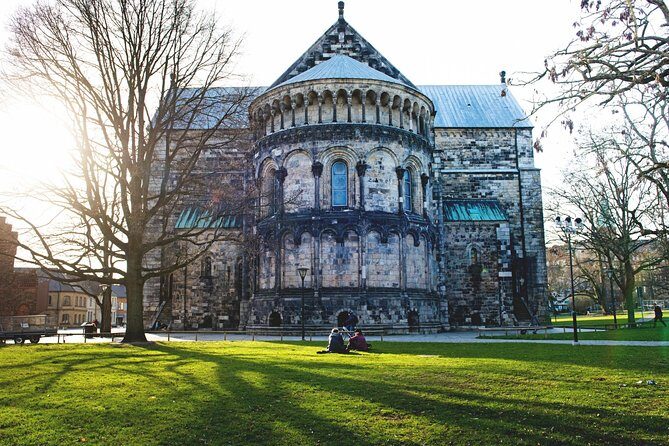
    If you’re on the fence, be honest about your walking tolerance. The schedule is efficient, but efficiency still means moving.

    Should you book the Grand Day Trip around Copenhagen?

    Yes, I’d book it if you’re trying to get more than Copenhagen neighborhoods in one trip. The combination of Roskilde’s cathedral scale, the Viking Ship Museum’s ship-building focus, and two castles (including the Hamlet connection at Kronborg) is a strong value for a single day.

    I’d also book it if you like structure. Hotel pickup, included entrances, and a guide who keeps the day moving make it feel effortless even when it’s full.

    Skip it or choose another plan if stairs and long walking distances are a problem for you, because this tour is set up as an active outing. If that’s you, you’ll have a better day with a route designed for easier movement.

    FAQ

    How long is the Grand Day Trip around Copenhagen?

    It runs about 8 hours 45 minutes.

    What does the $211.79 price include, and is lunch included?

    The price includes hotel pickup and drop-off in central Copenhagen, transport in an air-conditioned minivan, a small-group setup, bottled water, WiFi on board, and admission fees for the stops. Lunch is not included; you pay for what you order at a local café.

    Do you offer hotel pickup and drop-off?

    Yes. Pickup is offered from most hotels in the center of Copenhagen, usually 30–50 minutes before the tour starts, and you’re dropped back at the end of the day.

    Where does the tour start if I’m not using pickup?

    The meeting point is H. C. Andersens Blvd. 26, 1550 København, Denmark. If you’re picked up, pickup details are sent by email with your exact time.

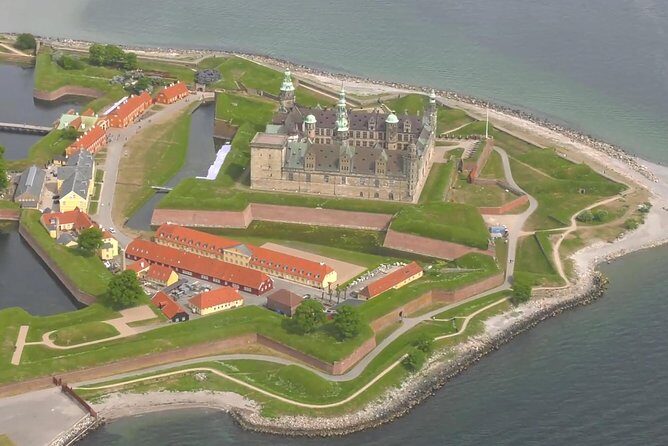
    How many people are in the group?

    The tour is limited to a maximum of 16 travelers, and it’s usually less.

    Which sites are visited and are entrance fees covered?

    You visit Roskilde Domkirke (admission ticket free), Viking Ship Museum (admission included), Frederiksborg Castle (tickets included), and Kronborg Slot (admission included).

    Is the Roskilde cathedral stop inside or outside in winter?

    From November to March, Roskilde Domkirke is a photo stop outside only.

  • Hamlet and Sweden Tour – Two Countries in one day !

    Hamlet and Sweden Tour – Two Countries in one day !

    Two countries, one van, one long day. I love the Hamlet connection at Kronborg and the Swedish city strolling in Lund and Malmö. The trade-off is a timed day, with optional paid entrances and not much room for slow wandering.

    You start with hotel pickup in central Copenhagen and ride north in an air-conditioned minibus/coach with an audio guide and a real host/driver. With a maximum group size of 34, you get freedom to explore while staying on schedule.

    Key Highlights Worth Prioritizing

    • Hamlet at Kronborg with smart options: walk the grounds only or pay for the inside visit
    • Ferry + Øresund Bridge photo time: a rare, easy way to see the border crossing without planning ahead
    • Lund Cathedral and gardens on the clock: enough time for photos and a quick feel for the city
    • Malmö’s key stops in one loop: Malmo Radhus area and Lilla Torg, plus a Turning Torso photo break
    • Live guidance plus audio support: guides like Andy, Mario, Steen, and Crispin show up often in feedback
    • Passport day check: you must bring your passport, and Swedish entry can include extra questions

    Two Countries in One Day: The Big Idea That Works

    Hamlet and Sweden Tour - Two Countries in one day ! - Two Countries in One Day: The Big Idea That Works
    This tour is built for one thing: seeing a lot without turning your day into logistics homework. In a single push from Copenhagen, you get Denmark’s Hamlet-adjacent coast at Helsingør, then you cross into Sweden for Lund and Malmö. The ferry and the Øresund Bridge help make it feel like a real crossing, not just a bus ride with a quick stamp.

    I like that the day has structure but still gives you breathing room. You get free time to walk, look, and choose what to spend your energy on—castle grounds, a church nearby, a museum, or just city streets and cafes.

    Price and Value: What You’re Paying For

    Hamlet and Sweden Tour - Two Countries in one day ! - Price and Value: What You’re Paying For
    The price is $142.55 per person for roughly 8 to 9 hours. That number can look steep until you break down what is included:

    • Transport by air-conditioned coach/minivan
    • Ferry crossing
    • Øresund Bridge crossing
    • Audio guide
    • Host/driver

    What you’re really paying for is convenience plus time. You avoid figuring out connections on the fly, you don’t worry about the ferry timing, and you get a planned route that hits the big Denmark-and-Sweden highlights in one sitting.

    Now the part to understand up front: entrance tickets are not included for the castle or museums, and lunch isn’t included either. If you plan to do the inside of Kronborg and any paid museum option, your total day cost will go up.

    Morning Pickup: Be Ready, Then Relax

    You’ll start mid-morning in Copenhagen. The meeting point is listed as Hotel Astoria (BW Signature Collection), Banegårdspladsen 4. If you want pickup, it’s not automatic—you have to email, and pickup is only offered from a specific set of hotels/areas.

    Be ready between 08:45 and 09:00. Departure times shown include options like:

    • near Nyhavn (Herluf Trolles Gade 28)
    • Tivoli Hotel
    • Marriott Hotel
    • Astoria Hotel

    Here’s the practical tip: plan to have your passport accessible immediately. This tour crosses borders, and you don’t want a scramble at the stop when the group is moving.

    Helsingør and Kronborg: Your Hamlet Decision (Inside or Just the Grounds)

    Hamlet and Sweden Tour - Two Countries in one day ! - Helsingør and Kronborg: Your Hamlet Decision (Inside or Just the Grounds)
    Helsingør is where the day earns its name. Your first serious stop is Kronborg Slot (Kronborg Castle area). During free time, you can choose between:

    • Walking the exterior/grounds (free option)
    • Paying for the inside visit (admission not included)
    • Wandering the old town

    This is one of the easiest places to “spend smart.” If your goal is the famous setting and photos with the castle silhouette, the grounds may feel like enough. If you really want to layer in the full story and rooms, then pay for the interior and take your time.

    A second option comes right into play: M/S Maritime Museum of Denmark. You can choose to visit the museum instead of entering Kronborg Castle. That’s useful if you’d rather be in a ship-and-seafaring context than inside the castle complex.

    Bonus walking ideas you’ll likely see nearby: Saint Olaf’s Church and other spots that are described as close enough to add during your free time. Also on the way, there’s a brief walk-through stop at the Culture Yard (about 5 minutes).

    A quick comfort note

    This part of the day often includes coastal wind. Even in mild months, bring a layer you can handle outside.

    Crossing the Ferry to Sweden: When the Pace Feels Right

    Hamlet and Sweden Tour - Two Countries in one day ! - Crossing the Ferry to Sweden: When the Pace Feels Right
    After Helsingør, you board the ferry with the group. This is a key moment because it breaks up the day, gives you a real change of scenery, and sets you up for the Swedish leg.

    The ferry itself is included, and in the best case it feels like you’re not rushing—just moving to the next chapter. If you care about photos, keep your timing realistic: once you’re in the transit mode, your best view opportunities come in quick windows.

    Lund Cathedral and City Time: A Calm Stop That Still Feels Worth It

    Hamlet and Sweden Tour - Two Countries in one day ! - Lund Cathedral and City Time: A Calm Stop That Still Feels Worth It
    In Sweden, the tour leans into “high impact with enough breathing room.” First up is Lund Cathedral. You’ll stop outside, and you can choose whether to go in. The stop is short—around 20 minutes for the optional inside view—so treat it as a quick hit.

    Then there’s time for Lund gardens. If you only do one thing in Lund beyond the cathedral area, make it a slow walk for atmosphere. Lund has a smaller-city feel, and those 10–30 minute pockets can turn into memorable street wandering.

    A practical truth: this is not a deep, museum-heavy day in Lund. It’s more like getting your bearings, grabbing the main architectural points, and then moving on—without the stress of train connections.

    Malmö Highlights: Malmo Radhus, Lilla Torg, and Turning Torso

    Hamlet and Sweden Tour - Two Countries in one day ! - Malmö Highlights: Malmo Radhus, Lilla Torg, and Turning Torso
    Malmö gets more of the “wander and snack” treatment. You’ll have:

    • A stop at Malmo Radhus for about one hour
    • A shorter stop at Lilla Torg, with time to walk and potentially grab coffee

    Lilla Torg is exactly the kind of place where 10 minutes can still be meaningful. You’re not shopping for hours—you’re getting a feel for how people relax in the city center.

    Then comes HSB Turning Torso, a major photo point. The photo stop is brief (about 5 minutes), so don’t plan a full exploration here. Plan on getting your angles and moving when the group moves.

    The Øresund Bridge Return: The Photo Break That Feels Like Closure

    Hamlet and Sweden Tour - Two Countries in one day ! - The Øresund Bridge Return: The Photo Break That Feels Like Closure
    On the way back to Copenhagen, you cross the Øresund Bridge. There’s also a short photo break built in (about 10 minutes). If the light is good—late day sun can make the bridge look extra dramatic—this is where you’ll want to be ready to step outside fast.

    This stop also acts like psychological closure. You’ve done castle, church, cathedral, city squares—and now you’re back toward home base. It’s a neat way to end a long day.

    How Guided This Really Is (And Why That Matters)

    Hamlet and Sweden Tour - Two Countries in one day ! - How Guided This Really Is (And Why That Matters)
    The tour includes an audio guide, but it’s not strictly “press play and forget.” In feedback tied to this experience, the live guiding quality tends to be a major factor. Names that show up often include Andy, Mario, Steen, and Crispin. A couple of guides are praised for humor and for giving real-world context, not just dates and facts.

    That said, the tour still has a strong independent-time component: you get free time in each place, and you’re meant to explore on your own during those windows.

    If you want constant live commentary at every step, this may feel like more of a guided-and-structured day rather than a full guided walk-through. If you’re happy to mix guidance with your own wandering, it fits well.

    What to Bring: The Small Stuff That Saves Your Day

    Two things can make or break comfort on a border-and-city day like this:

    1) Your passport

    You must bring a valid passport. Booking also requires passport details in advance. Swedish passport control may ask for the credit card you booked with, so keep that in mind.

    2) Layers and snacks

    In winter (or shoulder season), the bus can feel cold. I’d bring a warm layer you can handle even if the van feels drafty. Also, lunch isn’t included, so consider grabbing something earlier or planning quick café stops where you can.

    If you rely on your phone for photos and navigation, bring a power bank. One passenger wished for better charging options, and the workaround was help from the guide—so don’t assume charging ports will be there.

    Timing and Pacing: Where You’ll Feel It

    This tour is long—roughly 8 to 9 hours—but it’s also efficient. The trade-off is that every stop has to work on a schedule. In particular:

    • Kronborg inside the castle takes extra planning (and extra money), while the grounds option keeps things simple.
    • Lund time is enough for the cathedral and a quick feel, not for a full museum day.
    • Malmö is built for highlights—city hall area, Lilla Torg, and then Turning Torso.

    If you’re the type who likes to sit down and linger for hours, you may feel a bit rushed. If you like doing “see the main sights, then enjoy the vibe,” you’ll likely feel satisfied.

    Who This Tour Fits Best

    This is a strong fit if you:

    • Want to see Denmark and Sweden in one day without rail planning
    • Have limited time in Copenhagen
    • Like a mix of major landmarks and city strolling
    • Travel solo, as the day includes enough structure to keep you from getting lost

    It also works for couples and groups who want a shared sightseeing backbone but still want pockets to choose how to spend free time.

    The Best Way to Enjoy It: My Practical Strategy

    Here’s how to get the most out of your day without turning it into stress:

    • At Kronborg, decide early: grounds only if you want photos and atmosphere, or inside if you want the full story.
    • In Lund, use your short window for the cathedral area first, then take a slower walk toward whatever green space is available (gardens time is included as an option).
    • In Malmö, treat Malmo Radhus and Lilla Torg as your snack and coffee anchors. This is where you can recharge without losing momentum.
    • For the bridge, be ready the moment they mention photo time. The best shots happen fast.

    Should You Book This Tour?

    Book it if you want a high-efficiency day with ferry + bridge, Hamlet-linked sightseeing, and two Swedish city highlights—without wrestling with schedules. The tour is also a good value when you factor in transportation, ferry, audio support, and the fact that you’re crossing into Sweden as part of the day plan.

    I’d skip or choose something else if:

    • You want long, unhurried museum time
    • You hate extra ticket costs (castle/museum entrances are not included)
    • You prefer nonstop live guiding at every stop

    If your goal is a memorable “two countries in one day” sampler that doesn’t feel chaotic, this tour is a smart bet.

    FAQ

    How long is the Hamlet and Sweden tour?

    The tour lasts about 8 to 9 hours.

    What’s included in the price?

    It includes transport by air-conditioned coach/minivan, ferry trip, Øresund Bridge crossing, fuel surcharge, audio-guide, and a host/driver.

    Are tickets for Kronborg Castle and museums included?

    No. Entrance tickets for attractions like the castle and museums are not included.

    Is lunch included?

    No. Lunch is not included.

    Do I need a passport?

    Yes. You must bring a valid passport. Passport details are required at booking, and Swedish passport control may ask for the credit card used to book.

    Is the tour offered in English?

    Yes, it is offered in English.

    Is hotel pickup included?

    Pickup is offered, but you must request it and it’s only available from certain listed locations. You need to email with your booking number and travel day.

    Does the tour include the ferry and crossing from Denmark to Sweden?

    Yes. You’ll take a ferry as part of the route, and the journey includes crossing the Øresund Bridge between Denmark and Sweden.

    How many people are in the group?

    The maximum group size is 34.

    Can I cancel for a full refund?

    Yes, free cancellation is available up to 24 hours before the experience starts for a full refund.