REVIEW · COPENHAGEN
Hippies & Christianshavn Walking Tour
Book on Viator →Operated by Politically Incorrect Tours · Bookable on Viator
Christiania without the guesswork is rare. This 90-minute, outdoor-only walk mixes Copenhagen landmarks with a guide who tells the stories behind the quirky bridges, food legends, and Christiania governance. It’s an easy way to get your bearings fast while learning how this part of the city really works.
I especially like the humor-forward, question-friendly style—guides like Roger, Conrad, Thor, and Sebastian are mentioned for mixing wit with real local detail. One thing to think about: you don’t go inside Christiania, so this is best if you’re curious about the place from the edges and then want to explore independently afterward.
Key Highlights at a Glance
- Orange umbrella meet-up near Inderhavnsbroen, so you can find the group fast
- Two landmark bridge stories in quick succession, including why Inderhavnsbroen has multiple names
- Food history stop near North Atlantic House tied to old Noma
- Christiania explained clearly, including how its governance structure works
- Our Saviour’s Church pass-by with a tale about a disappointing architect
- Ends outside Christiania, with a choice to continue on your own (guides can’t go in)
In This Review
- Price and Value: Why $6.02 Makes Sense Here
- Meeting Up at Havnegade: The Part That Actually Matters
- The 90-Minute Walking Rhythm: What the Guide Style Feels Like
- Stop 1: Havnegade Harbour Promenade and Getting Oriented
- Stop 2: Inderhavnsbroen and the Story Behind the Names
- Stop 3: North Atlantic House and the Culinary Clue (Old Noma)
- The Christiania Lesson You Actually Need: Architecture and Governance
- Stop 4: Our Saviour’s Church Pass-By and the Architect Twist
- Stop 5: Christianshavn Canals and Finishing Outside Christiania
- Who Should Book This Walk (and Who Might Skip)
- Tips for Getting the Most Out of It
- Should You Book This Hippies & Christianshavn Tour?
- FAQ
- FAQ
- How long is the Hippies & Christianshavn walking tour?
- Where does the tour start?
- What time does the tour begin?
- Is the tour indoors or outdoors?
- Do I get to enter Christiania during the tour?
- Is the tour offered in English?
- How much does it cost?
- Is there an entrance fee for stops?
- What group size should I expect?
- What happens if the weather is bad?
Price and Value: Why $6.02 Makes Sense Here
At $6.02 per person, this tour is priced like a quick neighborhood orientation rather than a big-ticket attraction. The key value move is that the tour includes a guide and stays outdoors, so you’re not paying for entry fees along the way.
Also, this is a “use your time well” kind of tour. It runs about 1 hour 30 minutes, and you cover several sights in a logical path toward Christianshavn canals. That makes it a strong option if you only have one afternoon to understand the area’s layers—harbor Copenhagen, church architecture, and the special rules around Christiania.
One practical note: the guide’s work is tips-based, and the price doesn’t replace that. If you book, plan to bring cash or card you’re comfortable using for gratuities. It’s one of those tours where you really do get what you pay for in information.
Meeting Up at Havnegade: The Part That Actually Matters
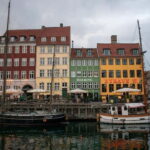
You start at Havnegade 54, 1058 København, with the meet-up right by the colorful bridge, Inderhavnsbroen. Arrive a few minutes early so the guide can check you in—if you show up late, the tour can’t be guaranteed.
Look for the orange umbrella. It sounds small, but it matters on Copenhagen streets where lots of groups converge. You’ll also have a mobile ticket, and the tour is offered in English, so you don’t need to juggle translations or hunt for printed passes.
The start time is 2:30 pm. The end point is Overgaden Oven Vandet 42, 1415 København, and you’ll finish outside Christiania. Since it’s outdoors-only, you’re dealing with real weather. Pack a layer and be ready for the wind that can show up along the water.
Finally, this isn’t a giant group experience. There’s a maximum of 30 people, and for small-group bookings it’s limited to up to 6 adults. That usually helps the guide keep the tone conversational and not lecture-y.
You can also read our reviews of more walking tours in Copenhagen


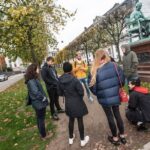
The 90-Minute Walking Rhythm: What the Guide Style Feels Like
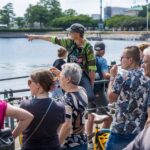
This tour is built around a lively “walk and talk” format. It’s fast enough to keep momentum, but the pace is described as reasonable, with time to ask questions. That’s important in this area, because Christiania comes with myths, stereotypes, and political noise.
The standout trait is the guide’s humor. Reviews mention guides who don’t hold back—an adult-comedy vibe, not something you’d miss with kids around. If you prefer a formal, museum-style guide, you might find the tone a little “stand-up adjacent.” If you like jokes that still connect to real history, it’s a big part of why people rate it so highly.
You’ll learn the kind of details that help you walk past a place and instantly understand what’s going on. Think: why a bridge has odd naming, why an old food site matters, and why governance inside Christiania is structured differently.
Stop 1: Havnegade Harbour Promenade and Getting Oriented
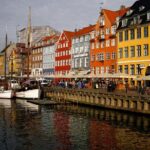
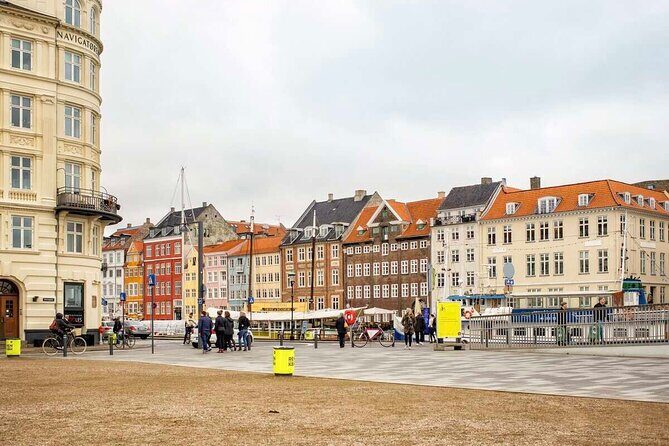
The first stretch is the Havnegade Harbour Promenade, and it’s a smart warm-up. You’re near the water right away, so your brain gets the geography. Then the guide begins stacking stories on top of what you can actually see.
This is also where the tour officially gets going. The guide will check you in at the meeting spot, so don’t treat it like a casual “arrive whenever” stroll. You’ll want those first minutes.
From a practical point of view, this opening stop sets expectations for the rest of the walk: you’re not just moving from photo to photo. You’re being coached to notice details—colors, bridges, street layout, and how the harbor connects to the neighborhood.
Stop 2: Inderhavnsbroen and the Story Behind the Names
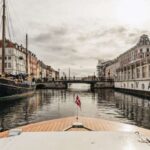
Next you’re at Inderhavnsbroen, the colorful bridge that anchors the whole theme. The guide tells the story of this odd bridge and specifically focuses on why it goes by multiple names. That type of detail is the difference between seeing a landmark and understanding why locals talk about it differently.
Bridges are great teaching tools because they’re compact: you can interpret them socially, historically, and geographically in a short span. You’ll feel that here. Even if you’re not a “bridge person,” this one gives you a quick Copenhagen lesson wrapped in a good story.
If you’re the type who likes to ask questions, this is a good moment to do it. Ask why the naming matters, and how the bridge fits into the local layout. You’ll start hearing answers you can apply for the rest of the tour.
Stop 3: North Atlantic House and the Culinary Clue (Old Noma)
At North Atlantic House, the focus shifts from infrastructure to food. You’ll hear the culinary story of Copenhagen, including talk of old Noma and how the restaurant’s past ties to this area.
This is a helpful stop if you like travel that connects culture to place. It’s also a way to understand that Copenhagen’s identity isn’t just famous monuments. It’s also where ideas, chefs, and dining experiments have happened.
You’ll also notice how the tour keeps moving through eras. Harbor view, bridge story, then food history. That pacing prevents the walk from feeling like one long “same vibe” narration.
If you’re planning meals after the tour, pay attention here. The guide’s discussion is the kind that gives you context for what you’ll see and where people head next.


The Christiania Lesson You Actually Need: Architecture and Governance
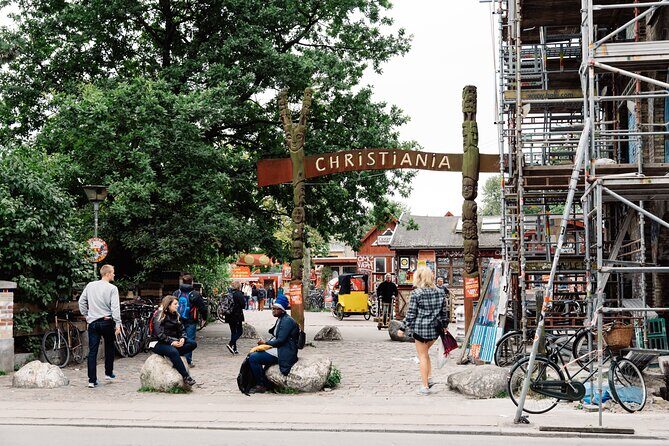
The tour’s heart is the explanation of Christiania’s architecture and history—and, crucially, its governance structure. This is the part that helps you separate what you’ve heard online from what’s actually true about how this place functions.
One detail worth knowing: Christiania is often described as a “free city” concept, but this tour treats it like a real community with rules and a system. The guide also covers changes over time, including that weed is no longer sold on Pusher Street, and explains the context around why that has shifted.
This is also where the tone of the guide matters. When the storyteller is funny but clear, it makes the whole topic easier to grasp without getting preachy or lost in politics.
Also note the constraint that shapes everything: outside tours are not welcome inside Christiania and guides can’t go in. That’s not a small footnote—it’s why the tour ends outside and why your experience is about learning the ideas and the layout from the edges.
Stop 4: Our Saviour’s Church Pass-By and the Architect Twist
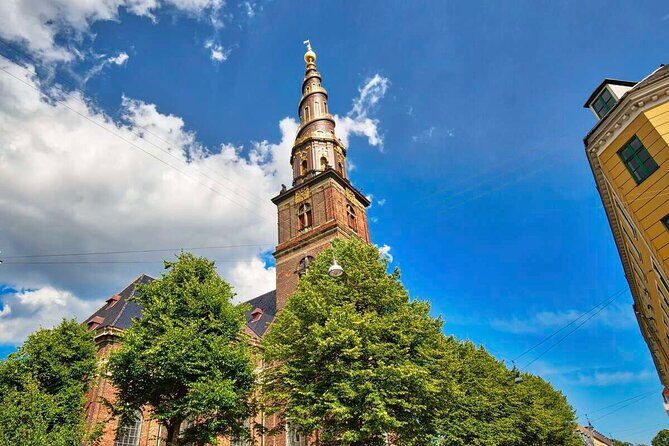
Then you’ll walk past Our Saviour’s Church, described as one of the most beautiful churches in the city. But you won’t just get a pretty-building description. You’ll hear a tale about a disappointing architect.
That’s a clever way to keep church architecture from feeling like a lecture. When a guide adds the human side—expectations, decisions, consequences—you remember more than just the facade.
This stop also acts like a contrast to Christiania. One side of the walk is formal Copenhagen design and traditional religious space. The other side is a countercultural experiment with a different governance model. Seeing both in one afternoon helps the neighborhood history click.
If you like your history with story, this is one of the more memorable moments.
Stop 5: Christianshavn Canals and Finishing Outside Christiania
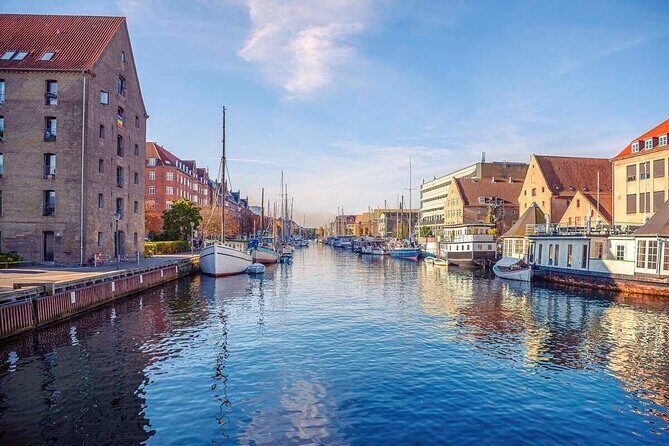
You end near the Christianshavn canals, close to Christiania. This ending is on purpose. You’re positioned so you can decide what you want to do next: keep walking in the area on your own, or simply use the knowledge you’ve gained to understand what you’re seeing.
The tour ends outside Christiania, and the tour itself cannot take you inside. That’s the rule. So don’t book if your dream is a guided wander through the freetown streets.
But don’t write it off either. The value is that you leave with a framework: how Christiania works, why it has its structure, and what to pay attention to when you see the buildings and street scenes from the outside.
Guides also sometimes share practical ideas for food and drink at the end, based on what kind of mood you want. It’s a small extra that can save you time later.
Who Should Book This Walk (and Who Might Skip)
I think this tour fits best for you if:
- you’re new to Copenhagen and want a fast, funny orientation
- you like history that explains how communities actually operate
- you want a guide you can ask questions of without feeling judged
- you’re okay with an adult-humor vibe
I’d think twice if:
- your main goal is to go inside Christiania with a guide (you won’t be able to)
- you prefer strictly formal storytelling without jokes
- you’re sensitive to topics that come with political and cultural change
For timing, it’s also a good “early afternoon” choice. A 2:30 pm start gives you plenty of daylight for the walk and time afterward to explore.
Tips for Getting the Most Out of It
Here’s how to make this tour work for you, not just for the itinerary.
- Arrive a few minutes early and get your bearings at Inderhavnsbroen. The orange umbrella matters.
- Ask questions about the bridge names. It’s exactly the kind of detail that makes later sightseeing easier.
- When you hear about old Noma, follow up with what the guide suggests for food context in the area. Even if you don’t eat right then, the mental map is useful.
- If Christiania is what you care about, don’t be shy. Ask how governance works in plain terms, and what rules affect visitors.
- Keep your expectations aligned with the outdoor-only format. The “ending outside” isn’t a disappointment if you treat this as a guided education session with a self-guided next chapter.
One more small thing: wear shoes you can walk in comfortably. The tour is short, but it’s still a real neighborhood walk.
Should You Book This Hippies & Christianshavn Tour?
If you want a budget-friendly, funny, question-friendly introduction to Christianshavn and Christiania, I’d book it. At $6.02 with a guide, you’re paying for interpretation—how to read the neighborhood, not just how to pass it.
Choose it especially if you’re a first-time visitor who likes street-level context and stories that connect landmarks to real community life. Skip it if your priority is a guided walk inside Christiania, because the tour ends outside and guides can’t go in.
If you like walking tours that feel like a conversation, this one hits the sweet spot.
FAQ
FAQ
How long is the Hippies & Christianshavn walking tour?
It runs for about 1 hour 30 minutes.
Where does the tour start?
The meeting point is Havnegade 54, 1058 København, right next to Inderhavnsbroen. Look for the orange umbrella.
What time does the tour begin?
It starts at 2:30 pm.
Is the tour indoors or outdoors?
It’s an outdoors-only walking tour.
Do I get to enter Christiania during the tour?
No. The tour ends outside Christiania, and the tour cannot be conducted inside.
Is the tour offered in English?
Yes. The tour is offered in English.
How much does it cost?
The price is $6.02 per person.
Is there an entrance fee for stops?
No entrance fees are included because the tour is outdoors-only.
What group size should I expect?
The tour has a maximum of 30 travelers. For small group bookings it’s suitable for up to 6 people, and larger groups may be charged an additional fee or rejected.
What happens if the weather is bad?
The experience requires good weather. If it’s canceled due to poor weather, you’ll be offered a different date or a full refund.