The National Museum of Denmark has a way of shrinking thousands of years into one walkable visit. I love that you can bounce from Stone Age objects to Viking-world stories without needing a guide to translate the vibe, and the Völva (Viking sorceress) exhibition gives that era real personality.
Two things I especially like: the museum’s Viking exhibits are genuinely engaging, and the collection feels broad and physical, not just text-heavy. As a possible downside, the museum is big and packed with rooms, so if you hate getting turned around or you dislike lots of information, you’ll want a plan.
In This Review
- Key things to know before you go
- Why the National Museum of Denmark feels like time travel
- What 14,000 years of Danish history looks like on the ground
- The Viking exhibitions to prioritize: Völva, sorceress, and Norse mythology energy
- More than Vikings: Stone Age finds, Bronze Age stars, and everyday life
- How to structure your visit so you don’t lose the thread
- Tickets, money value, and how long you should budget
- Spot the best experiences: docent tours, audio highlights, and interactive moments
- The café and museum shop: the real recovery plan
- Is this a good fit for your Copenhagen trip?
- Should you book the National Museum of Denmark entry ticket?
- FAQ
- Where do I show my voucher?
- How much is the entry ticket?
- How long is the ticket valid?
- Can I cancel and get a full refund?
- Is there a reserve and pay later option?
- Is the museum wheelchair accessible?
- Is the experience guided?
- How long should I plan to spend inside?
- What should I prioritize if I only have a short amount of time?
Key things to know before you go
- The Viking sorceress / Völva show is the crowd favorite, with standout items tied to Eddas and sagas.
- 14,000 years in one place means you can cover Stone Age, Bronze Age, and beyond in a single half-day or full-day.
- It’s self-guided with space to linger, but you can still add context through free docent tours.
- Expect you’ll loop through lots of adjoining rooms, so give yourself time to reset and not rush.
- The café and gift shop get high marks, so plan a break instead of sprinting straight through.
- It can be overwhelming for kids if they need lots of hands-on moments or short attention spans.
Why the National Museum of Denmark feels like time travel
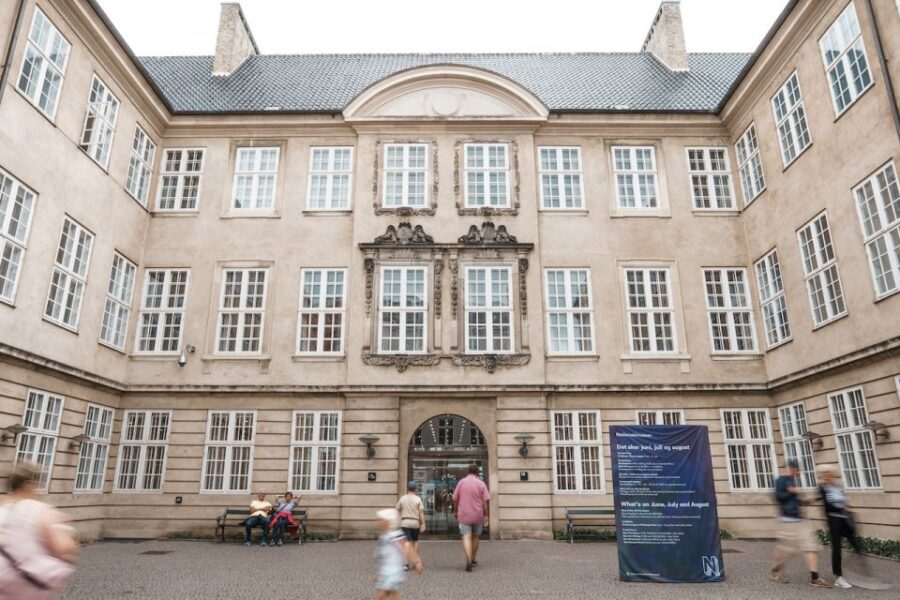
If you like museums where you can actually feel eras changing, this one works. You start with Denmark’s earliest human traces and move forward through wars, beliefs, and everyday life—so you don’t just learn facts, you see how the story builds.
I also like how the museum doesn’t hide Denmark inside a small corner. It treats Danish history as part of bigger Nordic and international currents, especially when the exhibitions connect local Viking life to the wider world.
A few more Copenhagen tours and experiences worth a look
What 14,000 years of Danish history looks like on the ground
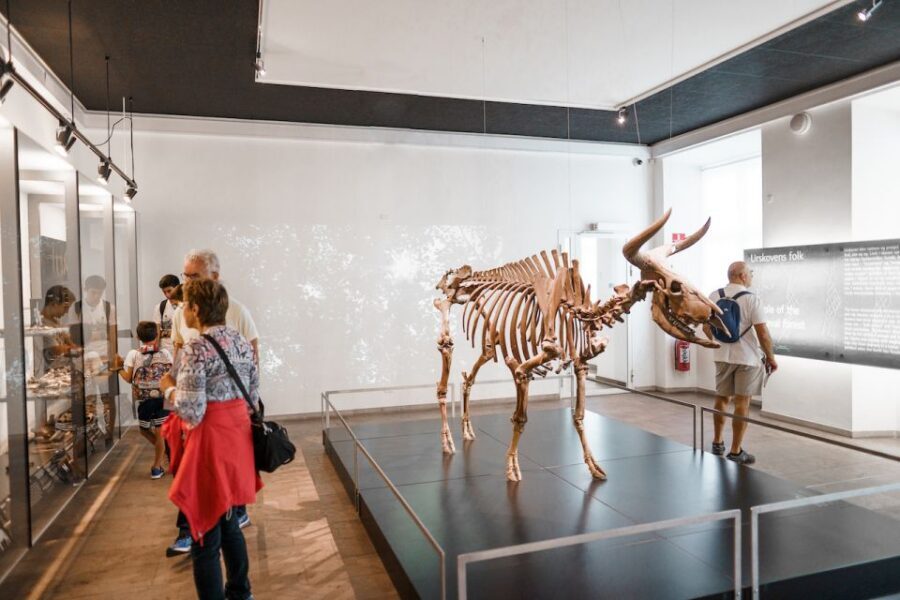
The museum’s core promise is simple: 14,000 years of Danish history, presented through major finds and carefully arranged exhibits. You can spend a long afternoon watching the Bronze Age and Stone Age come alive through what’s been uncovered, not just what someone summarized in a textbook.
What you’ll notice quickly is that the museum gives you both big-picture storylines and object-focused moments. That balance matters because it keeps the visit from feeling like pure scrolling through panels—some parts will feel like you’re standing next to the evidence itself.
If you want a “just the highlights” route, the museum still supports that. But if you’re the type who reads labels end-to-end, you could easily end up staying longer than you expected because the information keeps stacking up room by room.
The Viking exhibitions to prioritize: Völva, sorceress, and Norse mythology energy
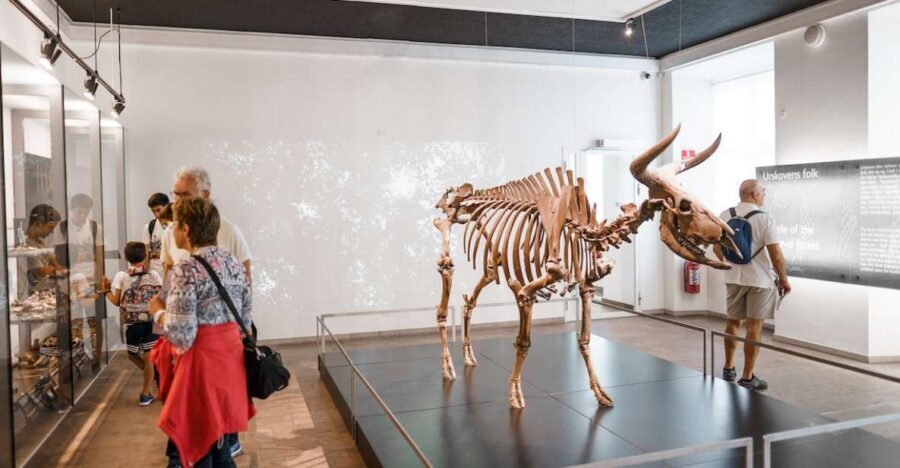
I’m going to be blunt: if Vikings are why you’re in Copenhagen, the National Museum is hard to skip. The standout here is the Viking Sorceress / Völva exhibition, which is consistently praised for making Norse belief feel tangible rather than abstract.
The best part for me isn’t just the theme—it’s what you can connect it to. One of the most talked-about sections highlights items tied to Viking-era figures like völva (sorceresses), and the exhibit links objects and scenes to the stories associated with the Eddas and sagas.
There are also memorable details people point out from visits, like the giant curved horns called lurs, Viking-age material connected to religious practice, and famous “you can’t believe this is real” objects from the Bronze Age era. Even if you don’t know the background, the show is built so you can follow the logic of belief, power, and performance.
More than Vikings: Stone Age finds, Bronze Age stars, and everyday life
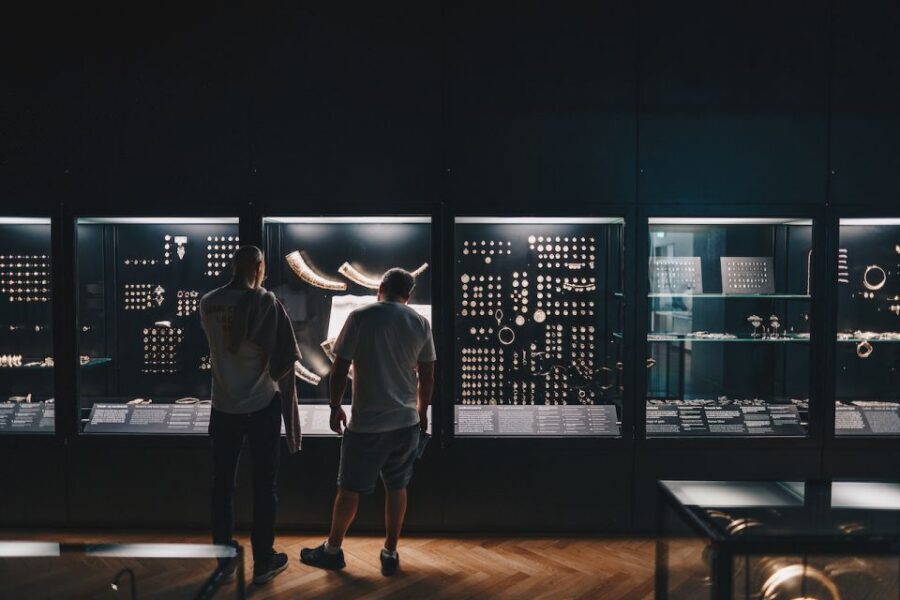
Yes, the Viking exhibits get the attention. But the reason this museum works even on non-Viking days is that it keeps moving backward and outward through time.
On the early side, you’ll see remains uncovered from the Stone Age and Bronze Age, which is a rare chance to watch Danish history stretch far beyond the Viking headline. It’s a different pace—slower, more grounded in artifacts and how people lived—so it gives your Viking sections more meaning once you return to later centuries.
On the Bronze Age side, people often mention the scale and presence of iconic objects they associate with Denmark’s early material culture. One reviewer even called out favorites like the sun chariot and helmets, which is exactly the kind of “wow artifact” moment that can make a museum feel like a destination instead of a detour.
If you want the museum to feel less confusing, I’d do this: pick one “anchor era” (for many people it’s Vikings), then let the other rooms support it rather than trying to master everything at once.
How to structure your visit so you don’t lose the thread
The museum is big and full of connected rooms. That’s great for depth, but it can also make navigation feel like a puzzle, especially when you hit areas with multiple adjoining spaces.
Here’s how I’d plan it for you:
- Start with the exhibition that matters most to you (often the Viking Sorceress / Völva section).
- Then do one sweep through early history (Stone Age and Bronze Age).
- Finish with a slower pass where you can stop for things that catch your eye.
A key practical detail: some visitors report getting lost mid-visit. So don’t be shy about retracing steps. It’s not a failure. It’s the museum doing what museums do—collecting attention in every corner.
Also, plan for your body. A few reviews mention feet hurting after an hour or so and a lot of walking once you fully commit. Give yourself permission to pace the visit and take breaks without guilt.





Tickets, money value, and how long you should budget
The entry ticket is priced at $21 per person. For Copenhagen, that’s a fair value when you consider the museum’s size and the span of time it covers. You’re not paying just for a single exhibit—you’re paying for a full-day museum layout where you can choose your own priorities.
How long? Based on real pacing from visitors, think half-day to full-day. Some people manage around 2–3 hours if they move quickly, but more comfortable visits land around 3–4 hours, with others aiming at 5 hours to see a lot without rushing.
My practical advice: don’t schedule it as a “quick stop” unless you’re going in with a tight hit list. This museum rewards slower attention, especially if the Viking exhibits are on your must-see list.
Spot the best experiences: docent tours, audio highlights, and interactive moments
Even though the entry ticket lets you go at your own pace, you can add context in a couple of ways.
Some visitors mention free docent tours, and one named guide—Antonio—gets a shout-out for explaining history around the square, handling architecture commentary, and even translating songs. You don’t have to catch a specific guide to benefit, but it’s a reminder that when you stop and listen, the museum becomes easier to understand.
There’s also mention of using a highlight audio tour route. That’s a smart strategy if you feel overwhelmed by the number of rooms. You get a structure, but you still keep your own pace.
One more thing: if you’re a fan of interactive or themed exhibitions, keep an eye out for special shows that visitors describe, like a vampire exhibition. Just treat special exhibitions as “possible bonus,” since what’s on display can vary by season.
The café and museum shop: the real recovery plan
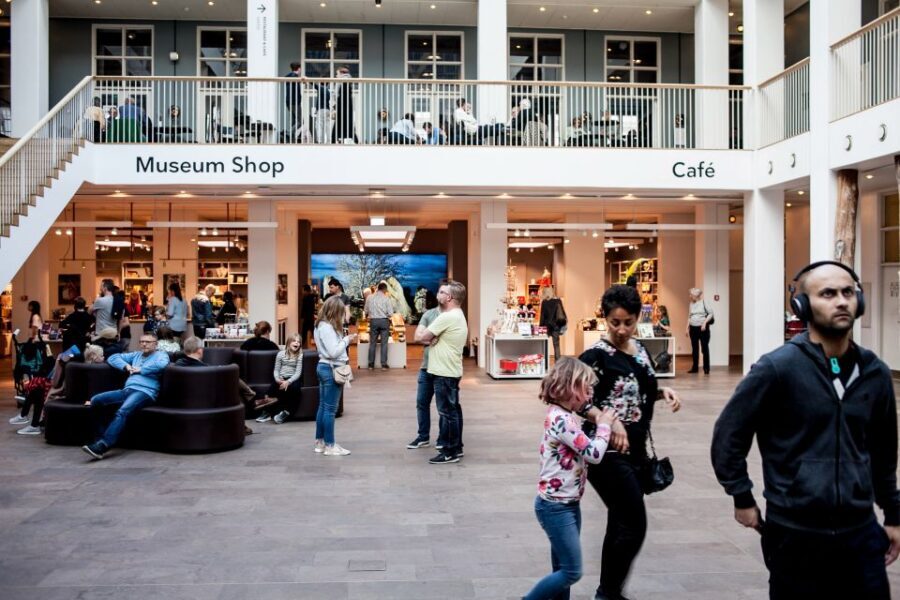
Don’t underestimate the downtime. Multiple reviews praise the café, and at least a few call it superb or delicious, with a cozy atmosphere and plenty of options for a midday break.
That matters because you’ll likely need it. This museum isn’t a “two galleries and out” kind of stop. You’ll rack up steps, and a real sit-down meal makes the second half of your visit better.
Then there’s the gift shop. People mention irresistable items and warn you might spend more than planned. If that makes you laugh, you’re already thinking like a museum visitor.
Is this a good fit for your Copenhagen trip?
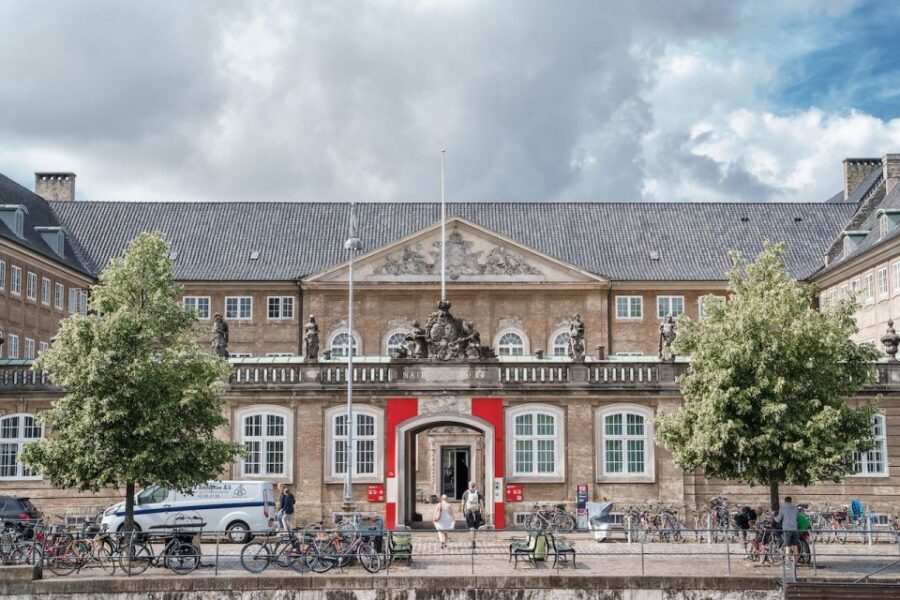
This museum is a strong pick if you want one stop that covers Denmark across time, especially if you’re planning to see other sights in the center of Copenhagen. Reviews describe it as very central and easy from the station, and not far from areas like Christiansborg.
It’s also a great rainy-day solution. When the weather is gray, having a large, indoor, information-and-artifact museum can turn a time-waster into a memorable anchor day.
Who it suits best:
- Adults who like objects, context, and reading labels at a reasonable pace
- Viking-and-Norse mythology fans who want more than generic history summaries
- Anyone who wants a museum day with breaks and a bit of variety in tone
Who might find it less ideal:
- Kids who get bored quickly without hands-on experiences (some visitors say the museum can be overwhelming)
- People who want only one or two small exhibits and nothing else, because the museum is large and information-heavy
Should you book the National Museum of Denmark entry ticket?
If you’re deciding between skipping it or squeezing it in, here’s my call: book it if Denmark history and Viking storytelling are on your radar. The Viking Sorceress / Völva exhibition is the kind of draw that can genuinely structure your whole day, and the rest of the museum helps you connect that story to much earlier life in Denmark.
I’d also book if you like choice. This is a ticket that lets you go at your own pace, and you can add context with free docent tours or a highlight audio approach. With a ticket valid for 365 days, you’ve got flexibility if your schedule shifts.
Skip it only if you truly don’t want a large museum with many rooms and lots of information. If that describes you, you might be happier with a smaller, more focused experience.
FAQ
Where do I show my voucher?
Show your voucher at the ticketing desk of the National Museum of Denmark.
How much is the entry ticket?
The price listed is $21 per person.
How long is the ticket valid?
The ticket is valid for 365 days.
Can I cancel and get a full refund?
Yes. Free cancellation is offered up to 24 hours in advance for a full refund.
Is there a reserve and pay later option?
Yes. You can reserve now and pay later, and book your spot without paying today.
Is the museum wheelchair accessible?
Yes, the museum is wheelchair accessible.
Is the experience guided?
The ticket is for entry, and visitors describe the visit as self-guided with their own pace. Free docent tours and audio highlight options are mentioned as add-ons.
How long should I plan to spend inside?
Many people suggest planning around 3–4 hours, with some spending about 5 hours for a more thorough visit. Others do 2–3 hours if they move quickly.
What should I prioritize if I only have a short amount of time?
Prioritize the Viking Sorceress / Völva exhibition. It’s the most frequently praised part, and it’s a good way to anchor the rest of your visit to Danish history from Stone Age and Bronze Age themes onward.















Leave a Reply