Street art in Copenhagen, but with context.
MACA Museum’s Banksy & Street Art: The Early Years exhibition turns graffiti culture into a guided-feeling museum stop, in an elegant 19th-century building in the city center. I like that you get Banksy history alongside a wider street-art mix, and I also like the English-forward presentation so you can follow what you’re seeing without hunting.
The experience runs about 45 minutes to 1 hour, so it’s not a long-day commitment. One thing to consider: the exhibition is set across multiple levels, and you’ll deal with stairs, plus some visitors notice there’s a lot of reading/text tied to the works.
In This Review
- Key Highlights You’ll Actually Care About
- MACA Museum in Copenhagen: Why This Setting Helps Street Art Make Sense
- The Time Plan: How the Nyhavn-Then-Museum Format Works
- Inside Banksy & Street Art: The Early Years—What You’ll Be Seeing
- The Exhibition Layout: Reading, Stairs, and How to Enjoy It Anyway
- Value for Your Money: Why $25.87 Can Still Make Sense
- After the Exhibit: What’s Close by (And Worth Pairing)
- Language and Pace: What to Expect When You Go in English
- Who This Is Best For (And Who Might Want a Different Plan)
- Practicalities That Make the Visit Smoother
- Should You Book Banksy & Street Art: The Early Years at MACA Museum?
- FAQ
- Where is the experience located?
- How long does the exhibition visit take?
- Is the museum ticket included in the price?
- Is the exhibition available in English?
- Do I need a printed ticket?
- How far in advance should I book?
- Is MACA Museum near public transportation?
- Can most people participate?
- Can I get a refund if I cancel?
- Is there an option to translate the explanations?
Key Highlights You’ll Actually Care About

- A Banksy-focused exhibition that also frames the broader street-art scene
- English descriptions so you can understand the story as you move through
- 3 floors of space, with different exhibits at each level
- Clear enough labeling that helps you connect the dots fast
- On-site basics like toilets and a coat/bag rack
- Easy neighborhood stacking after your ticket, since major sights are nearby
MACA Museum in Copenhagen: Why This Setting Helps Street Art Make Sense
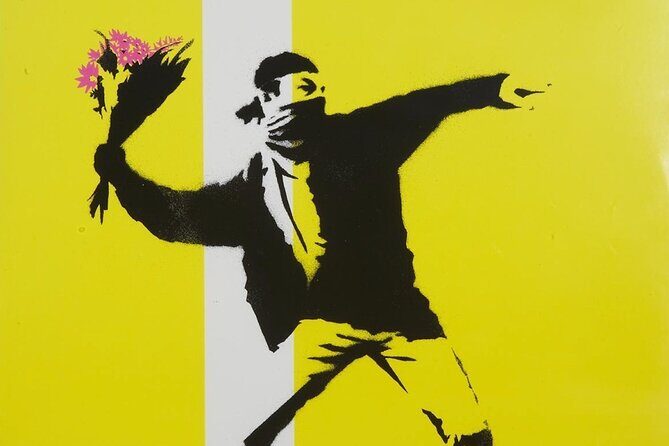
Copenhagen can do sleek and classic. MACA Museum adds the other half: modern street art shown seriously, inside a historic shell. The museum is a contemporary space for major 20th and 21st-century names, including the kind of artists you’ve probably heard about even if you don’t usually do museums—Warhol, Basquiat, Banksy, RETNA, KAWS, Hirst, Murakami, and more. That matters because street art often gets treated like a side show. Here, it’s treated like art with context.
What you’re really buying with this experience is not just looking at images. You’re paying for the how and the why: the early energy, the influences, and the movement that turned walls into statements. In a place like this—an elegant 19th-century building—you’ll likely feel less like you’re at a casual gallery and more like you’re walking through a real exhibit with a point.
You’ll also love the basic convenience. It’s in the heart of Copenhagen, and it’s near public transportation. That’s a big deal when you’re mixing this with sightseeing. You don’t need a whole day to make it work.
You can also read our reviews of more museum experiences in Copenhagen



The Time Plan: How the Nyhavn-Then-Museum Format Works
This experience is scheduled for around 45 minutes to 1 hour. That’s short enough to fit between meals or after you’ve done a morning stroll, but long enough that it doesn’t feel rushed in the way many quick museum stops can.
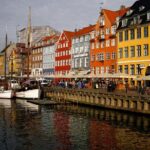
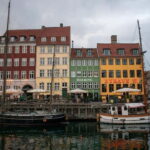
The itinerary includes Nyhavn as part of the experience focus. Nyhavn is one of those Copenhagen areas where you get instant atmosphere—water views, classic facades, and a constant stream of people. I like that this tour doesn’t start you in a museum doorway and end you there. It anchors you in a real neighborhood first, then sends you indoors where the street-art story can slow down.
From a practical standpoint, keep your visit style simple: plan on moving at a steady pace, reading what matters, and skipping what doesn’t. The exhibition has descriptions and text. Some visitors enjoy that. Others find it heavy. So I’d treat your time like this: one quick scan for the big themes, then a second pass for the works that grab you.
Inside Banksy & Street Art: The Early Years—What You’ll Be Seeing
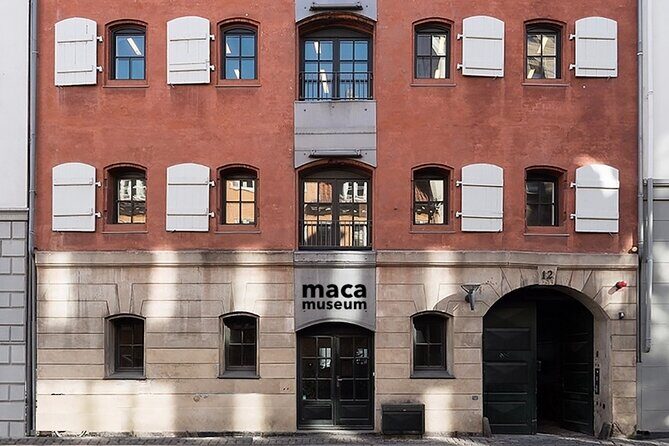
The exhibition is named Banksy & Street Art: The Early Years, and that title is your clue. This isn’t a random mix of street pieces. It’s aimed at showing the early stage—when the street-art approach is still raw, still forming its voice, and before it becomes fully “museum friendly.”
What I like most about this exhibit is that it doesn’t treat Banksy as a solo phenomenon. It connects Banksy with other graffiti and street-art artists, so you can see the bigger picture instead of only focusing on one famous name. That’s the difference between seeing art as a brand versus seeing art as a culture.
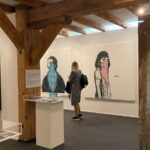
You’ll find the museum’s presentation is built for actual understanding. There are descriptors at the works, and the exhibition layout gives you a clear path across three floors. Reviews also highlight that the show offers an in-depth look, not just a few headline pieces. If you love street art, you’ll likely enjoy the way the exhibit frames it as a visual language with history.
Also, because it’s inside MACA Museum, you’re surrounded by the energy of a place that hosts major modern artists. Even if you’re only visiting this one show, the setting reinforces that this is serious art—not a side attraction.
The Exhibition Layout: Reading, Stairs, and How to Enjoy It Anyway
Here’s the catch: this exhibition isn’t just “walk by and admire.” It includes a lot of reading tied to the works. One visitor called this out as a drawback, saying there’s lots of text and that it can feel like the show is more about study than just looking. That’s a fair consideration.
Still, the text can be a big plus if you like turning on your museum brain. The descriptions help you connect themes and timing, especially for a street-art story where context shapes meaning. I’d recommend a middle approach: skim first, then linger on the works where the text clarifies what you’re seeing.
The other real-world factor is the stairs. Reviews note stairs up and down to see the exhibition. Since the show is spread across multiple levels, you can’t avoid it. If you’d rather avoid stairs, go in expecting a bit of walking and plan comfortable shoes.
Good news: the museum is set up for visitors. Reviews mention toilets and a coat/bag rack, which sounds small until you’re halfway through a crowded day and suddenly need space for your stuff.
Value for Your Money: Why $25.87 Can Still Make Sense

At $25.87 per person, you’re paying for a tight, museum-quality experience with a focused theme. The main value factor here is that the admission ticket is included. You’re not layering extra entrance fees on top.
Then there’s the time efficiency. You get 45 minutes to 1 hour, so it doesn’t eat your day or force you into a rushed schedule. In cities like Copenhagen, time is expensive. This format lets you fit street art into a sightseeing itinerary without turning it into a whole-day commitment.
You’re also getting something more than a photo-op exhibit. The show is designed to give background on street art and present the early Banksy-era idea in a structured way. If you’ve ever wandered a street-art area and wished someone would explain the “why,” this is built to do that—inside a place where you can actually read labels and take your time.
One more value angle: it’s offered in English. For many museum experiences in Copenhagen, language can quietly affect enjoyment. Here, you can follow the exhibition without needing to decode everything on the fly.






After the Exhibit: What’s Close by (And Worth Pairing)

MACA Museum is positioned so you can stitch this stop into a bigger day. A short walk from the museum area puts you near major landmarks:
- Amalienborg Palace, the official residence of the Danish Royal Family
- Frederiksberg Kirke Marmorkirken, also known as The Marble Church
- Strøget, the famous shopping street and a historic center tied to Hans Christian Andersen
I like this pairing because street art and royal architecture might sound like two different universes, but that’s exactly why it works in Copenhagen. You’ll get contrast: street-art storytelling inside, then classic Copenhagen drama outside.
And since the experience itself includes a Nyhavn element, you can build a simple loop: neighborhood atmosphere first, then the museum, then the next big sight on foot. If you’re trying to reduce logistics stress, this location is doing you a favor.
Language and Pace: What to Expect When You Go in English
The exhibition is offered in English, and that affects how you experience the art. When the labels and descriptors are accessible, you can connect the visual details to the story they’re telling. For street art, that connection matters. A piece can look like a joke, a threat, or a symbol depending on timing, context, and the artist’s intent.
Also, one review notes the possibility of translating the explanations. That suggests the museum experience can accommodate different language needs. If you’re the kind of person who reads a lot of museum text, you’ll likely enjoy the deeper context. If you’re not, you can still focus on the works and treat the text as optional support.
Pace is personal. Just remember: the exhibition format includes reading and climbing. Plan a steady rhythm and don’t feel guilty skipping parts you’re not into. Your eyes are allowed to choose.
Who This Is Best For (And Who Might Want a Different Plan)
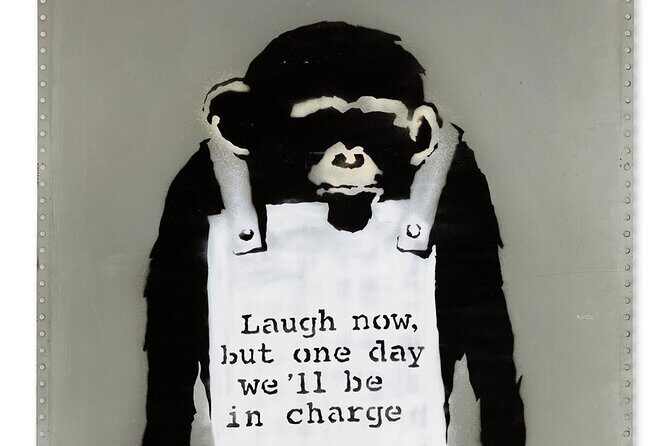
This experience fits best if you want street art with a little structure. I’d point you to this if:
- You’re a Banksy fan who wants early-years context, not just famous images
- You like street art but you also like explanations that connect themes
- You’re okay with stairs and reading museum text
It may be less ideal if you prefer street art as pure “see it, react, move on.” One visitor specifically flagged the amount of reading as a drawback. So if you know you’ll get annoyed by labels and text, you’ll need to go in with a strategy: skim first, linger selectively.
Also, the experience says most travelers can participate, which is helpful. But “can participate” doesn’t mean “effort-free.” Shoes and a realistic pace matter here.
Practicalities That Make the Visit Smoother
A few details can shape your day more than you’d expect:
- Mobile ticket: You’ll have a mobile option, which saves time when you arrive.
- Near public transportation: This reduces friction if you’re hopping between stops.
- 3-floor museum experience: Build in movement time; don’t plan a tight transfer immediately after.
- Coat/bag rack and toilets: Useful if you’re out in Copenhagen for hours.
- Duration is tight: About 45 minutes to 1 hour, so decide in advance how much you want to read.
Booking-wise, this experience is often reserved around 19 days in advance on average. That’s not a “rush now” alarm, but it does suggest it can fill up enough that you shouldn’t leave it to the last minute if this is a top priority.
Should You Book Banksy & Street Art: The Early Years at MACA Museum?
Yes, if you want street art with context, in a museum setting that takes the subject seriously. The strongest reason to book is the way the exhibition focuses on Banksy’s early story while also broadening into other graffiti and street-art voices. That combo tends to satisfy both casual fans and people who want to understand the background.
I’d especially book if English descriptions matter to you, since this one is offered in English and is designed so you can follow what you’re seeing. And if you like museums that have clear labeling and multiple levels, MACA’s three-floor layout makes the visit feel like a real exhibit rather than a quick pop-in.
Skip it—or consider your expectations—if you hate reading museum text or you’d rather avoid stairs. The show includes both, and the experience is built around that structure.
If you’re balancing a Copenhagen itinerary and want one solid street-art stop that doesn’t feel like a detour, this is a smart choice.
FAQ
Where is the experience located?
It takes place in Copenhagen, Denmark, at MACA Museum, which is in the heart of the city.
How long does the exhibition visit take?
The experience lasts about 45 minutes to 1 hour.
Is the museum ticket included in the price?
Yes. The admission ticket is included.
Is the exhibition available in English?
Yes, it is offered in English.
Do I need a printed ticket?
No. The experience uses a mobile ticket.
How far in advance should I book?
On average, it’s booked about 19 days in advance, so planning a couple of weeks ahead is a good idea.
Is MACA Museum near public transportation?
Yes, it is near public transportation.
Can most people participate?
The experience notes that most travelers can participate.
Can I get a refund if I cancel?
Yes. You can cancel for a full refund if you cancel at least 24 hours before the start time.
Is there an option to translate the explanations?
The information provided indicates explanations can be translated, based on visitor feedback.