Category: Museums & Attraction Tickets

  • Copenhagen: Home of Carlsberg Experience Entry Ticket

    Copenhagen: Home of Carlsberg Experience Entry Ticket

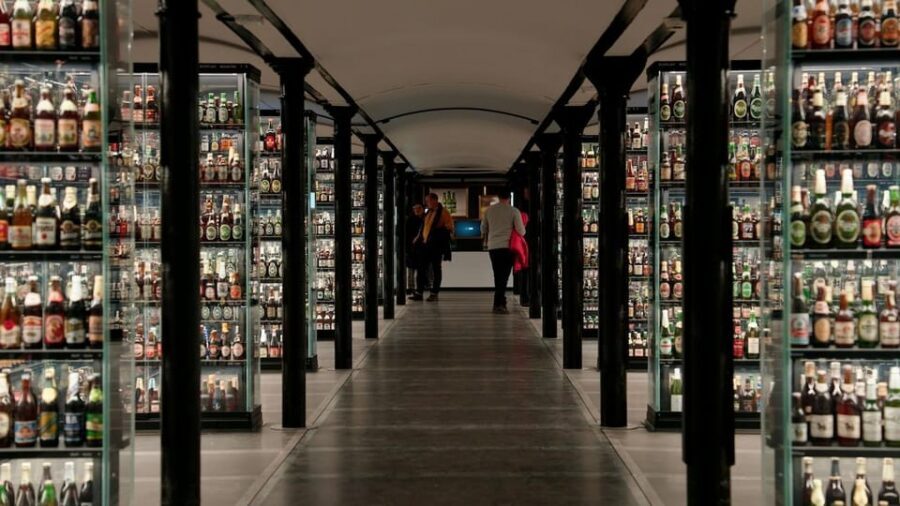
    Beer museum meets real Danish history. At Home of Carlsberg, the interactive exhibits and the father-and-son story of J.C. Jacobsen and Carl Jacobsen make learning feel like play. I also love the scale of the 22,000+ unopened beer bottles. The only catch is timing: you must enter the exhibition at least 2 hours before closing, and busy days can mean extra waiting.

    I like that this is set up as a wander-at-your-own-pace experience, then ends with something you can actually enjoy: one included beer or soft drink. You can also add on tastings in the old storage cellars, or keep it simple with a draft beer in the Carlsberg Bar plus a look at the horses in the stables.

    Key things worth planning for
    Copenhagen: Home of Carlsberg Experience Entry Ticket - Key things worth planning for

    • Timed exhibition entry: you’ll be given a slot on arrival, and you have to enter early enough (2 hours before closing).
    • Hands-on brewing science: games and videos explain how beer-making ideas evolved.
    • A surprisingly human story: disputes between father and son shaped Carlsberg’s approach to brewing.
    • The bottle collection scale: more than 22,000 unopened bottles make this feel big on purpose, not gimmicky.
    • Choose your finish: standard end (bar + stables + gardens) or upgrades like cellars tastings and guided brewery-area tours.
    • Self-paced means you control the pace: it can take a few hours if you stop to try everything.

    Home of Carlsberg: where the ticket turns into a timed entry
    Copenhagen: Home of Carlsberg Experience Entry Ticket - Home of Carlsberg: where the ticket turns into a timed entry
    Plan to arrive directly at the Home of Carlsberg. Once you check in, you’ll be given an entry time for the exhibition—this is not one of those things where you can stroll in whenever you want. The rule is straightforward: you must enter the exhibition two hours before closing time, so if you’re aiming for late-day sightseeing, build in a buffer.

    On peak days, waiting can happen. In practice, that means I’d treat your visit like a “show up, get your wristband, then go” mission rather than a casual wander from the start. One small but important note: this isn’t listed as wheelchair-friendly, so if mobility is an issue, you’ll want to rethink this stop.

    The good news is that once you’re inside, the museum is designed so you can move through it at a comfortable rhythm. You’ll see it’s built around checkpoints—interactive stations, video-style storytelling, and spaces that encourage you to pause instead of rush.

    The exhibition experience: 19th-century architecture plus interactive beer science
    Copenhagen: Home of Carlsberg Experience Entry Ticket - The exhibition experience: 19th-century architecture plus interactive beer science
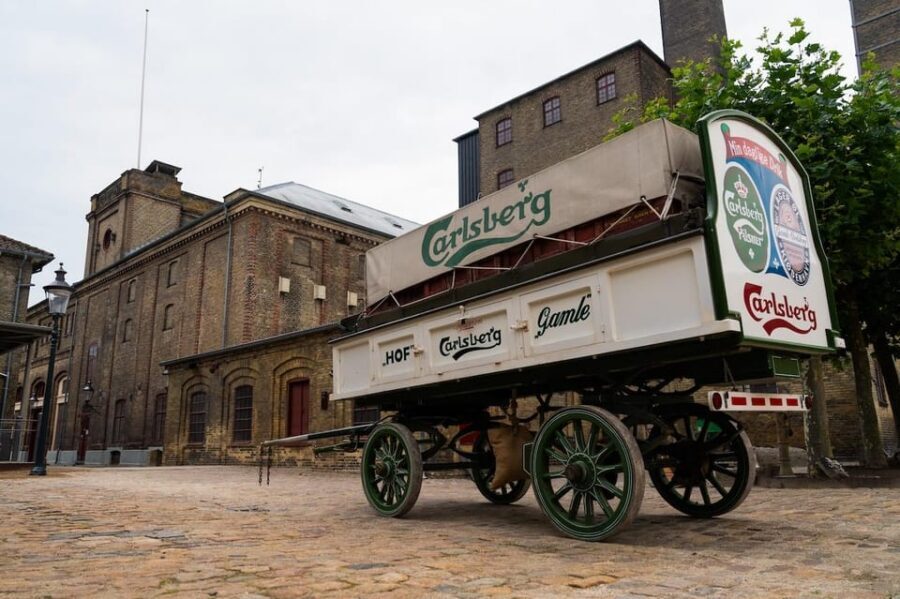
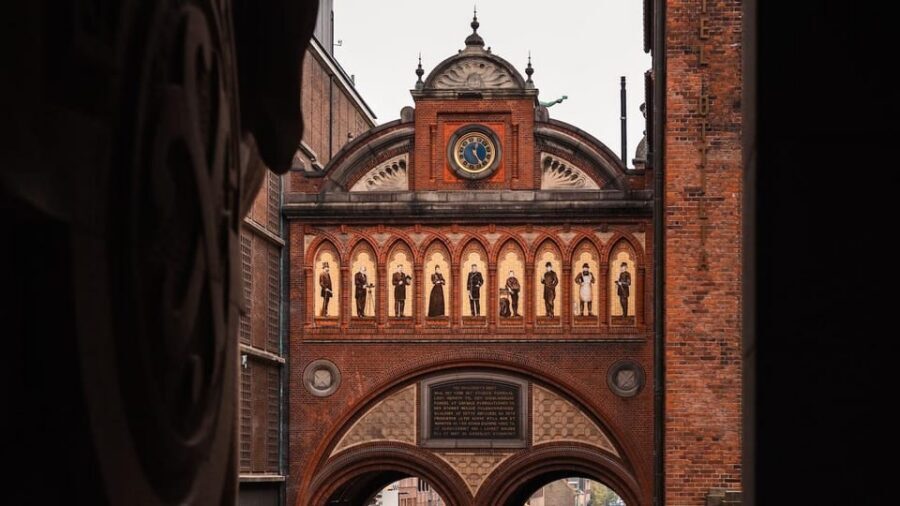
    The Home of Carlsberg experience lives in the heart of the brewery’s original setting. Expect 19th-century architecture as more than decoration; it frames how the story is told, from early lager ambitions to modern brewing know-how.

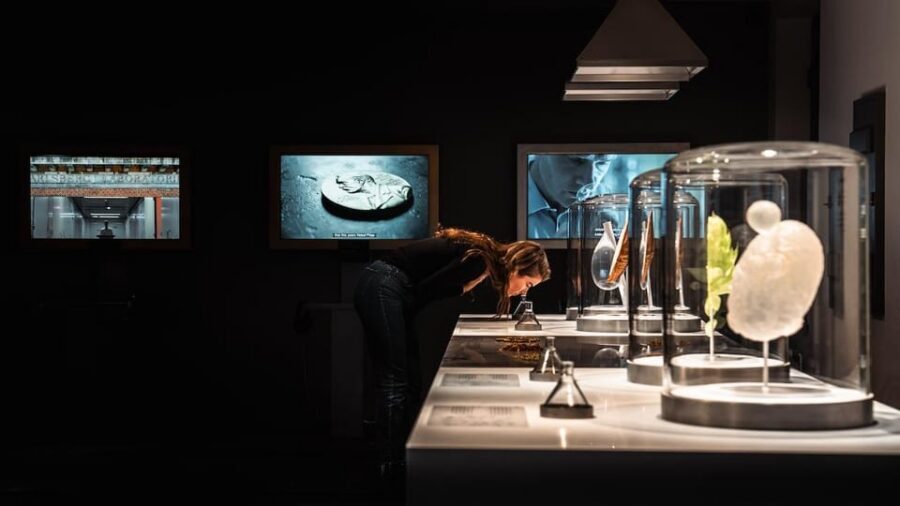
    Inside, the exhibition leans hard into interaction. You’ll come across games and videos that explain the science behind Carlsberg’s approach to brewing, and why it mattered from the company’s early days. This format works well if you’re traveling with mixed interests—people who just want fun get the hands-on parts, and people who like facts get plenty of explanations tied to brewing.

    I like that the learning doesn’t feel like a lecture. It’s structured as a series of mini experiences, so you can spend more time on the questions that grab you. And if you’re taking your time, it’s realistic to set aside a few hours—especially if you want to explore every interactive stop instead of skimming.

    J.C. Jacobsen and Carl Jacobsen: the father-son disputes that shaped brewing

    Copenhagen: Home of Carlsberg Experience Entry Ticket - J.C. Jacobsen and Carl Jacobsen: the father-son disputes that shaped brewing
    Carlsberg’s story here isn’t just dates and brand milestones. It’s about J.C. Jacobsen and his son Carl Jacobsen, and how their different viewpoints on beer brewing created tension and change.

    The museum presents this in a way that feels personal, not academic. You’ll hear about how disputes between father and son and their differing perceptions of brewing pushed Carlsberg toward what it became. For me, that’s one of the most compelling parts of the experience: it explains why the company evolved the way it did, rather than treating it like an inevitable success story.

    If you like narrative museums, you’ll probably enjoy how the story connects people to process. You’re not only learning what lager is—you’re learning how ideas about it were argued over, refined, and then put into practice.

    More than artifacts: 22,000+ unopened bottles and the feeling of scale

    Copenhagen: Home of Carlsberg Experience Entry Ticket - More than artifacts: 22,000+ unopened bottles and the feeling of scale
    One of the most memorable moments is the bottle collection: more than 22,000 unopened beer bottles. It’s not just an impressive number on a sign. The sheer quantity changes how you experience the space—you start to feel the brewery as a system, not a one-time production line.

    This collection is also a smart storytelling move. When you see bottles lined up at that scale, you understand why breweries invest in processes and consistency. It makes the later science talk feel less abstract, because you can visually connect production discipline to long-running tradition.

    If you’re the type who likes photos, this is also one of the best spots. The collection gives you lots of angles and details without needing perfect weather outside.

    Optional add-ons: old storage cellars tastings and historic brewery tours

    Copenhagen: Home of Carlsberg Experience Entry Ticket - Optional add-ons: old storage cellars tastings and historic brewery tours
    Your ticket covers the core exhibition and one beer or soft drink, but the experience offers upgrades if you want more beer-focused time.

    One add-on option is a beer tasting in the old storage cellars. Another upgrade is a historical guided tour of the old brewery area, including the mythical cellars concept the attraction uses to bring the underground history to life. If you’re a beer lover, these are the kinds of additions that turn a good museum visit into a more complete brewery day.

    If you don’t want add-ons, that’s totally fine. You can still get a proper finish with a perfectly served draft beer from the tap at the Carlsberg Bar, followed by the stable area and outdoor spaces like the Brewery Yard and the Sculpture Garden.

    The Carlsberg Bar finish: draft beer, stables horses, and a breather

    Copenhagen: Home of Carlsberg Experience Entry Ticket - The Carlsberg Bar finish: draft beer, stables horses, and a breather
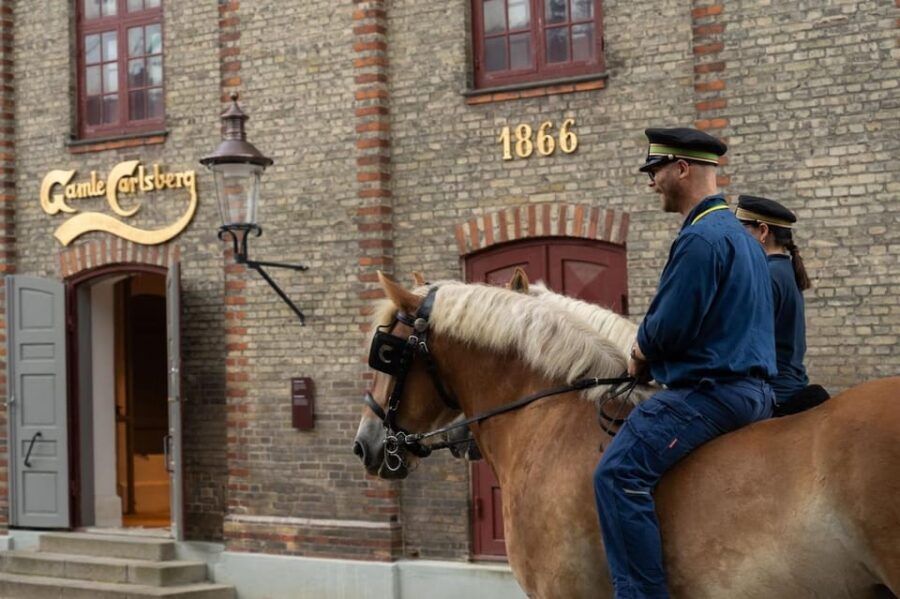
    When you’re done with the exhibition, the experience shifts from learning mode to enjoyment mode. The included finish option is a trip to the Carlsberg Bar, where you can taste a draft beer fresh from the tap.

    From there, you’ll visit the stables to see the majestic brewing horses. It’s a neat contrast to the science-heavy sections inside—more old-world brewery life, less lab and diagrams.

    Then you get a choice of atmosphere. The Brewery Yard keeps a lively feel, while the Sculpture Garden gives you a calmer reset if you need a break from crowds or from reading every display. This garden pause is one of those small travel wins: you can slow down, get a breather, and still feel like you used your ticket well.

    Quick reality check for drink expectations

    Children under 18 will not be served beer, even though the ticket includes one drink of some kind. If you’re traveling with teens, plan on the soft drink portion.

    Price and value: what $35 buys you (and how to get more for it)
    Copenhagen: Home of Carlsberg Experience Entry Ticket - Price and value: what $35 buys you (and how to get more for it)
    At about $35 per person, the value comes from two places.

    First, you’re paying for more than a couple of rooms. You’re getting an interactive exhibition experience tied to an iconic Danish brand, plus real space to move through, including the bottle collection and the guided-style flow through the brewery setting. Second, you’re getting an included drink—one beer or soft drink—which makes the ticket feel less like a museum surcharge.

    If you’re deciding between doing this with no add-ons versus adding tastings, here’s how I’d think about it:

    • If you mainly want the story, the bottle collection, and an easy beer at the end, the included drink is a good match.
    • If you want to make beer taste the main event, the add-on tastings (especially in the old cellars) can justify the extra cost because they expand the visit into something more sensory.

    One extra tip: I’d treat this as a “show up prepared to spend time” experience. When people try to fit it into a rushed schedule, they lose the best part: the self-paced pacing that lets the interactive stations actually land.

    Timing tips: avoid the late-day disappointment
    Copenhagen: Home of Carlsberg Experience Entry Ticket - Timing tips: avoid the late-day disappointment
    The exhibition entry rule is the big one. You must enter 2 hours before closing, and once you arrive you get assigned an entry time. Busy days can mean extended waiting, so don’t build your plan around squeezing it in between other major stops.

    Also, don’t assume last-minute entry will work if your ticket time is later. A safe strategy is to aim for earlier arrival than you think you need, then follow the time slot you’re given.

    If you prefer fewer crowds, consider going earlier in your day. You’ll still get the same exhibits, but with less waiting energy before you start.

    Getting there from central Copenhagen: plan for the extra commute
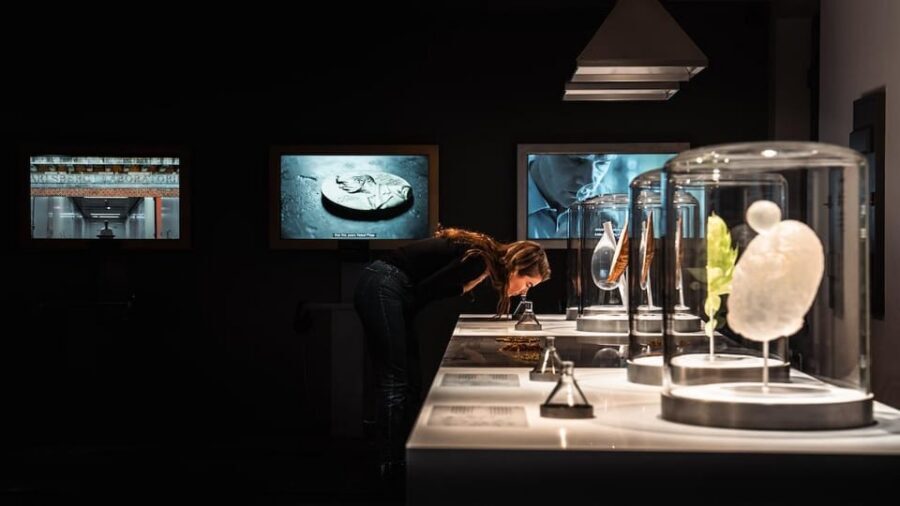
    Copenhagen: Home of Carlsberg Experience Entry Ticket - Getting there from central Copenhagen: plan for the extra commute
    Home of Carlsberg isn’t described as a right-in-the-middle-of-everything stop. People often find it a bit of a trip out from the center, so build time for transport and consider taxi if weather or walking distance is an issue. If you’re on foot and the day is rainy, you’ll thank yourself for planning.

    Once you’re there, the site layout is set up for a smooth flow: check in, follow the exhibition path, then finish in the bar, stable, and garden areas.

    Who should book this Carlsberg Experience ticket?

    This is a strong fit if you want:

    • A Copenhagen attraction that’s more interesting than a standard museum
    • Beer history tied to real people, not just brand branding
    • Interactive exhibits that make science easy to understand
    • A memorable photo stop with the 22,000+ bottles
    • A day activity that works whether you’re traveling solo, as a couple, or with a small group

    It may be less ideal if:

    • You need wheelchair access (it’s listed as not suitable for wheelchair users)
    • You hate timed entry rules and waiting in general
    • You only want the shortest possible stop, since the experience can take a few hours if you actually use the interactive elements

    Should you book the Carlsberg Experience entry ticket?

    I’d book it if you like beer, history, and hands-on learning—and especially if you’re curious about why the Carlsberg family story matters. For the price, the mix of interactive exhibition content, the bottle collection scale, and an included drink makes it feel like more than just a branded stop.

    If you’re a serious beer person, look at the add-ons for cellars tasting or the guided tour of the older brewery areas. If you’re more casual, you can still have a great visit with just the standard ticket and finish at the bar with the horses and gardens.

    FAQ

    Is the Carlsberg Experience ticket for one day?

    Yes. The ticket is valid for 1 day, and you can check availability for starting times.

    Where do I meet for the experience?

    Arrive directly at the Home of Carlsberg.

    How long does the Carlsberg Experience take?

    The experience is listed as lasting 1 day, and it can take a few hours if you explore the interactive exhibits.

    What’s included with the entry ticket?

    Your ticket includes Carlsberg Experience entry plus 1 beer or soft drink.

    Do children get beer?

    No. Children under 18 will not be served beer.

    What is the timed entry rule for the exhibition?

    Entry to the exhibition must take place 2 hours before closing time. On arrival, you’ll be given an entry time for the exhibition.

    Is there an upgrade available for tastings or guided tours?

    Yes. You can upgrade with on-site add-ons like a beer tasting in the old storage cellars or a historical guided tour of the old brewery area and the mythical cellars.

    Can I just do the standard experience without add-ons?

    Yes. You can finish with a draft beer at the Carlsberg Bar, then visit the stables and enjoy spaces like the Brewery Yard or Sculpture Garden.

    Is this experience suitable for wheelchair users?

    No. It’s listed as not suitable for wheelchair users.

    What are the cancellation terms?

    Free cancellation is available up to 24 hours in advance for a full refund.

    Can I change my plans after booking?

    You can reserve now and pay later, so you can keep travel plans flexible.

    If you tell me your travel month and whether you want add-ons (tasting vs no tasting), I can suggest a realistic time plan for your Copenhagen day.
  • Copenhagen: National Museum of Denmark Entry Ticket

    Copenhagen: National Museum of Denmark Entry Ticket

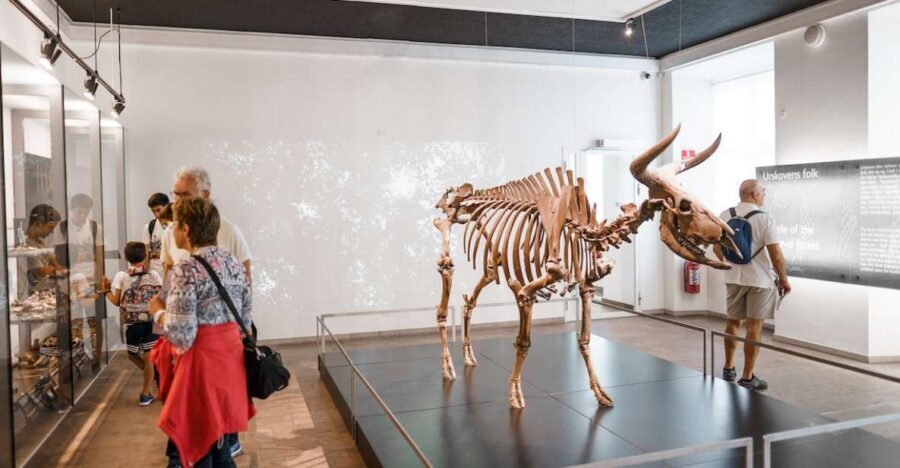
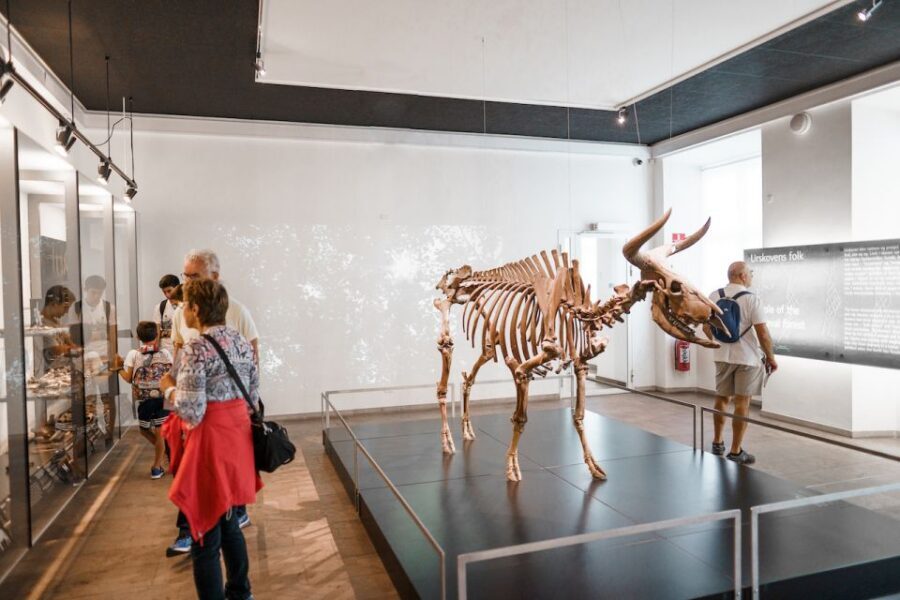
    The National Museum of Denmark has a way of shrinking thousands of years into one walkable visit. I love that you can bounce from Stone Age objects to Viking-world stories without needing a guide to translate the vibe, and the Völva (Viking sorceress) exhibition gives that era real personality.

    Two things I especially like: the museum’s Viking exhibits are genuinely engaging, and the collection feels broad and physical, not just text-heavy. As a possible downside, the museum is big and packed with rooms, so if you hate getting turned around or you dislike lots of information, you’ll want a plan.

    Key things to know before you go

    Copenhagen: National Museum of Denmark Entry Ticket - Key things to know before you go

    • The Viking sorceress / Völva show is the crowd favorite, with standout items tied to Eddas and sagas.
    • 14,000 years in one place means you can cover Stone Age, Bronze Age, and beyond in a single half-day or full-day.
    • It’s self-guided with space to linger, but you can still add context through free docent tours.
    • Expect you’ll loop through lots of adjoining rooms, so give yourself time to reset and not rush.
    • The café and gift shop get high marks, so plan a break instead of sprinting straight through.
    • It can be overwhelming for kids if they need lots of hands-on moments or short attention spans.

    Why the National Museum of Denmark feels like time travel

    Copenhagen: National Museum of Denmark Entry Ticket - Why the National Museum of Denmark feels like time travel
    If you like museums where you can actually feel eras changing, this one works. You start with Denmark’s earliest human traces and move forward through wars, beliefs, and everyday life—so you don’t just learn facts, you see how the story builds.

    I also like how the museum doesn’t hide Denmark inside a small corner. It treats Danish history as part of bigger Nordic and international currents, especially when the exhibitions connect local Viking life to the wider world.

    What 14,000 years of Danish history looks like on the ground

    Copenhagen: National Museum of Denmark Entry Ticket - What 14,000 years of Danish history looks like on the ground
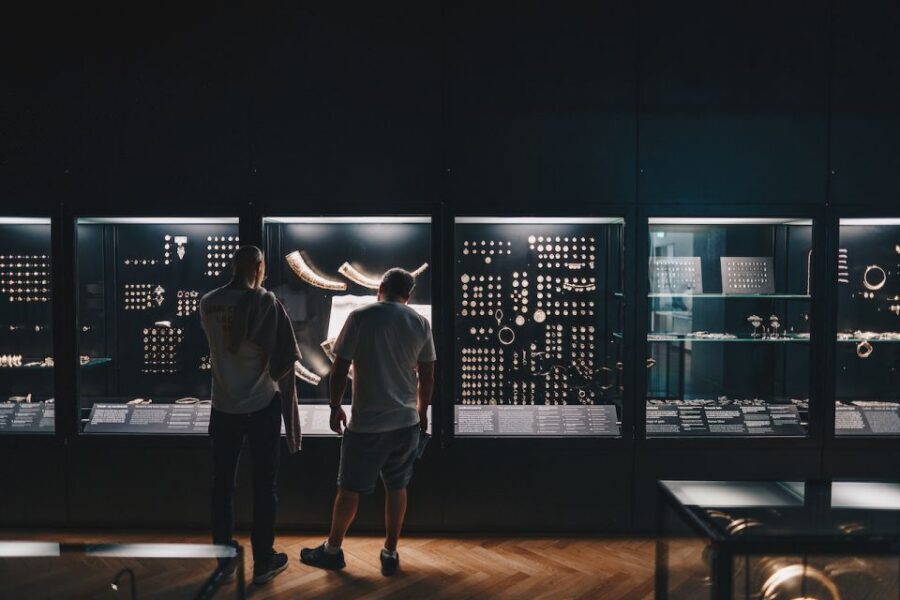
    The museum’s core promise is simple: 14,000 years of Danish history, presented through major finds and carefully arranged exhibits. You can spend a long afternoon watching the Bronze Age and Stone Age come alive through what’s been uncovered, not just what someone summarized in a textbook.

    What you’ll notice quickly is that the museum gives you both big-picture storylines and object-focused moments. That balance matters because it keeps the visit from feeling like pure scrolling through panels—some parts will feel like you’re standing next to the evidence itself.

    If you want a “just the highlights” route, the museum still supports that. But if you’re the type who reads labels end-to-end, you could easily end up staying longer than you expected because the information keeps stacking up room by room.

    The Viking exhibitions to prioritize: Völva, sorceress, and Norse mythology energy

    Copenhagen: National Museum of Denmark Entry Ticket - The Viking exhibitions to prioritize: Völva, sorceress, and Norse mythology energy
    I’m going to be blunt: if Vikings are why you’re in Copenhagen, the National Museum is hard to skip. The standout here is the Viking Sorceress / Völva exhibition, which is consistently praised for making Norse belief feel tangible rather than abstract.

    The best part for me isn’t just the theme—it’s what you can connect it to. One of the most talked-about sections highlights items tied to Viking-era figures like völva (sorceresses), and the exhibit links objects and scenes to the stories associated with the Eddas and sagas.

    There are also memorable details people point out from visits, like the giant curved horns called lurs, Viking-age material connected to religious practice, and famous “you can’t believe this is real” objects from the Bronze Age era. Even if you don’t know the background, the show is built so you can follow the logic of belief, power, and performance.

    More than Vikings: Stone Age finds, Bronze Age stars, and everyday life

    Copenhagen: National Museum of Denmark Entry Ticket - More than Vikings: Stone Age finds, Bronze Age stars, and everyday life
    Yes, the Viking exhibits get the attention. But the reason this museum works even on non-Viking days is that it keeps moving backward and outward through time.

    On the early side, you’ll see remains uncovered from the Stone Age and Bronze Age, which is a rare chance to watch Danish history stretch far beyond the Viking headline. It’s a different pace—slower, more grounded in artifacts and how people lived—so it gives your Viking sections more meaning once you return to later centuries.

    On the Bronze Age side, people often mention the scale and presence of iconic objects they associate with Denmark’s early material culture. One reviewer even called out favorites like the sun chariot and helmets, which is exactly the kind of “wow artifact” moment that can make a museum feel like a destination instead of a detour.

    If you want the museum to feel less confusing, I’d do this: pick one “anchor era” (for many people it’s Vikings), then let the other rooms support it rather than trying to master everything at once.

    How to structure your visit so you don’t lose the thread

    The museum is big and full of connected rooms. That’s great for depth, but it can also make navigation feel like a puzzle, especially when you hit areas with multiple adjoining spaces.

    Here’s how I’d plan it for you:

    • Start with the exhibition that matters most to you (often the Viking Sorceress / Völva section).
    • Then do one sweep through early history (Stone Age and Bronze Age).
    • Finish with a slower pass where you can stop for things that catch your eye.

    A key practical detail: some visitors report getting lost mid-visit. So don’t be shy about retracing steps. It’s not a failure. It’s the museum doing what museums do—collecting attention in every corner.

    Also, plan for your body. A few reviews mention feet hurting after an hour or so and a lot of walking once you fully commit. Give yourself permission to pace the visit and take breaks without guilt.

    Tickets, money value, and how long you should budget

    The entry ticket is priced at $21 per person. For Copenhagen, that’s a fair value when you consider the museum’s size and the span of time it covers. You’re not paying just for a single exhibit—you’re paying for a full-day museum layout where you can choose your own priorities.

    How long? Based on real pacing from visitors, think half-day to full-day. Some people manage around 2–3 hours if they move quickly, but more comfortable visits land around 3–4 hours, with others aiming at 5 hours to see a lot without rushing.

    My practical advice: don’t schedule it as a “quick stop” unless you’re going in with a tight hit list. This museum rewards slower attention, especially if the Viking exhibits are on your must-see list.

    Spot the best experiences: docent tours, audio highlights, and interactive moments

    Even though the entry ticket lets you go at your own pace, you can add context in a couple of ways.

    Some visitors mention free docent tours, and one named guide—Antonio—gets a shout-out for explaining history around the square, handling architecture commentary, and even translating songs. You don’t have to catch a specific guide to benefit, but it’s a reminder that when you stop and listen, the museum becomes easier to understand.

    There’s also mention of using a highlight audio tour route. That’s a smart strategy if you feel overwhelmed by the number of rooms. You get a structure, but you still keep your own pace.

    One more thing: if you’re a fan of interactive or themed exhibitions, keep an eye out for special shows that visitors describe, like a vampire exhibition. Just treat special exhibitions as “possible bonus,” since what’s on display can vary by season.

    The café and museum shop: the real recovery plan

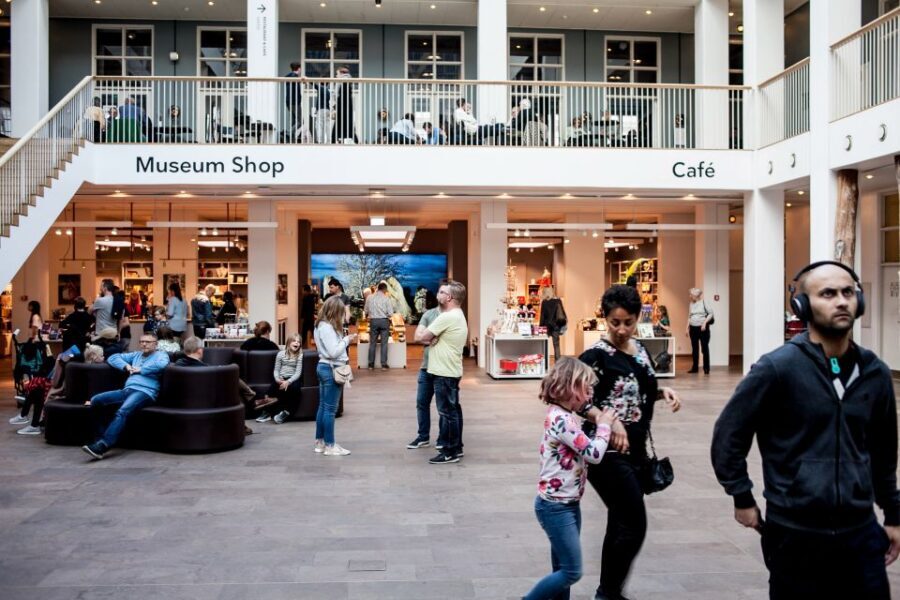
    Don’t underestimate the downtime. Multiple reviews praise the café, and at least a few call it superb or delicious, with a cozy atmosphere and plenty of options for a midday break.

    That matters because you’ll likely need it. This museum isn’t a “two galleries and out” kind of stop. You’ll rack up steps, and a real sit-down meal makes the second half of your visit better.

    Then there’s the gift shop. People mention irresistable items and warn you might spend more than planned. If that makes you laugh, you’re already thinking like a museum visitor.

    Is this a good fit for your Copenhagen trip?

    Copenhagen: National Museum of Denmark Entry Ticket - Is this a good fit for your Copenhagen trip?
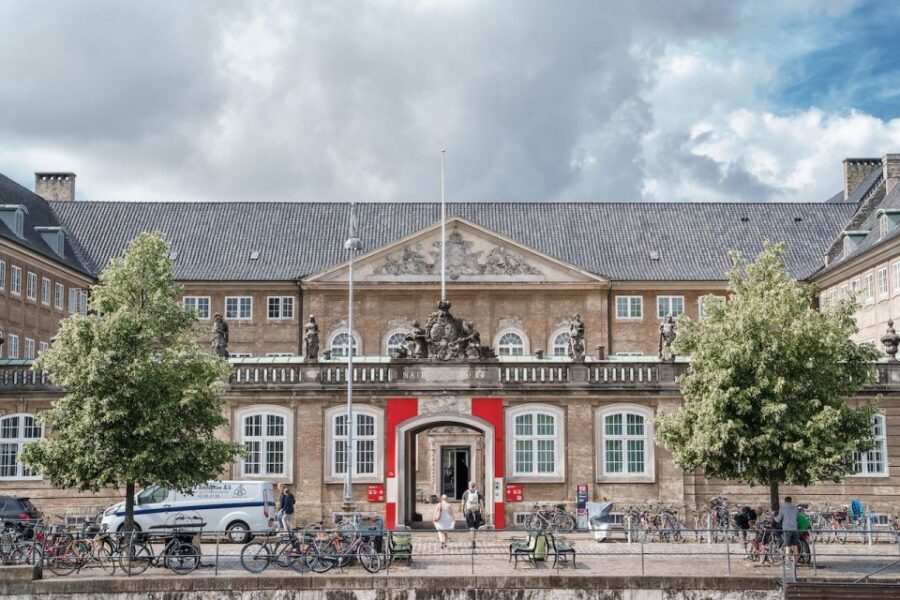
    This museum is a strong pick if you want one stop that covers Denmark across time, especially if you’re planning to see other sights in the center of Copenhagen. Reviews describe it as very central and easy from the station, and not far from areas like Christiansborg.

    It’s also a great rainy-day solution. When the weather is gray, having a large, indoor, information-and-artifact museum can turn a time-waster into a memorable anchor day.

    Who it suits best:

    • Adults who like objects, context, and reading labels at a reasonable pace
    • Viking-and-Norse mythology fans who want more than generic history summaries
    • Anyone who wants a museum day with breaks and a bit of variety in tone

    Who might find it less ideal:

    • Kids who get bored quickly without hands-on experiences (some visitors say the museum can be overwhelming)
    • People who want only one or two small exhibits and nothing else, because the museum is large and information-heavy

    Should you book the National Museum of Denmark entry ticket?

    If you’re deciding between skipping it or squeezing it in, here’s my call: book it if Denmark history and Viking storytelling are on your radar. The Viking Sorceress / Völva exhibition is the kind of draw that can genuinely structure your whole day, and the rest of the museum helps you connect that story to much earlier life in Denmark.

    I’d also book if you like choice. This is a ticket that lets you go at your own pace, and you can add context with free docent tours or a highlight audio approach. With a ticket valid for 365 days, you’ve got flexibility if your schedule shifts.

    Skip it only if you truly don’t want a large museum with many rooms and lots of information. If that describes you, you might be happier with a smaller, more focused experience.

    FAQ

    Where do I show my voucher?

    Show your voucher at the ticketing desk of the National Museum of Denmark.

    How much is the entry ticket?

    The price listed is $21 per person.

    How long is the ticket valid?

    The ticket is valid for 365 days.

    Can I cancel and get a full refund?

    Yes. Free cancellation is offered up to 24 hours in advance for a full refund.

    Is there a reserve and pay later option?

    Yes. You can reserve now and pay later, and book your spot without paying today.

    Is the museum wheelchair accessible?

    Yes, the museum is wheelchair accessible.

    Is the experience guided?

    The ticket is for entry, and visitors describe the visit as self-guided with their own pace. Free docent tours and audio highlight options are mentioned as add-ons.

    How long should I plan to spend inside?

    Many people suggest planning around 3–4 hours, with some spending about 5 hours for a more thorough visit. Others do 2–3 hours if they move quickly.

    What should I prioritize if I only have a short amount of time?

    Prioritize the Viking Sorceress / Völva exhibition. It’s the most frequently praised part, and it’s a good way to anchor the rest of your visit to Danish history from Stone Age and Bronze Age themes onward.