Three hours on two wheels, and Copenhagen clicks. This 3-hour highlights bike tour links the city’s most famous landmarks with the places locals actually care about. You’ll ride through classic sights, then get the story behind them as you move.
I love how easy it is to pedal around town, thanks to Copenhagen’s bike-first streets and very gentle terrain. I love the way the stops mix icons with everyday life, so you get more than postcard photos.
One possible catch: the tour focuses on sightseeing and doesn’t include water or food, so you’ll want to plan for snacks and bring the right layers for the weather.
In This Review
- Key highlights you’ll feel fast
- Why Copenhagen makes more sense on a bike
- Holbergsgade 12: where you meet and what you can use
- Inderhavnsbroen and Christiania: the route’s personality switch
- Church of Our Saviour and Christiansborg Palace: old religion to Danish power
- Black Diamond (Royal Danish Library) and the King’s Garden
- Rosenborg Castle and Nyboder: where you slow down for real texture
- Little Mermaid and Amalienborg: icons plus the real setting
- Nyhavn canal time: the payoff for the effort
- How good guiding makes the difference (Raphael, Luke, Angus, Olivia, Thomas, Derek)
- Pace, comfort, and what to bring for a smooth ride
- Value check: is $55 worth it for 3 hours?
- Who this bike tour suits best
- Should you book this Copenhagen Highlights Bike Tour?
- FAQ
- Where do I meet for the tour?
- How long is the Copenhagen city highlights bike tour?
- What’s included in the price?
- Is water or food included?
- What languages are the guided tours offered in?
- Do they provide any gear or facilities at the meeting point?
Key highlights you’ll feel fast
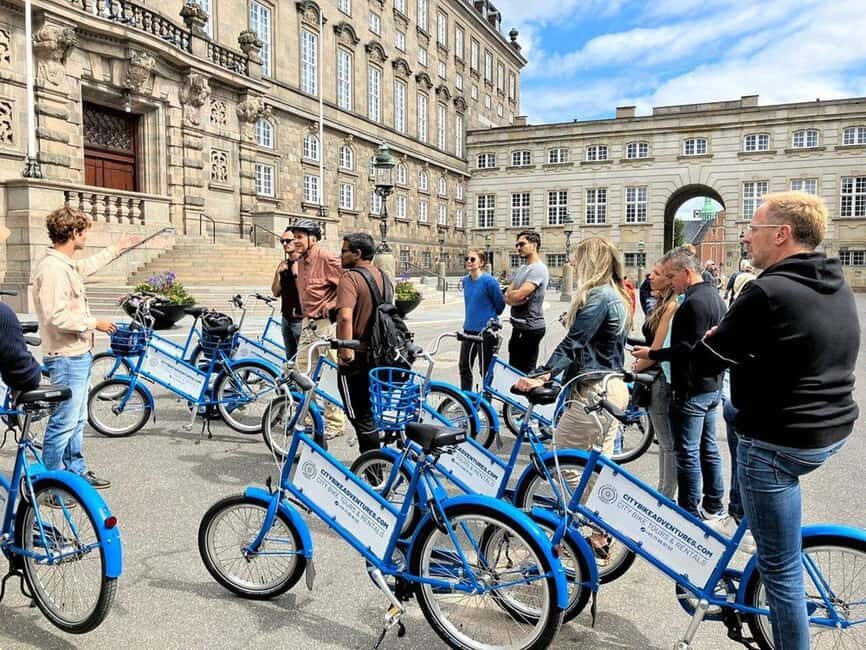
- Local-style bike routes: Copenhagen is built for cyclists, so the ride stays relaxed.
- Christiania stop: you get a guided look at the Free Town’s unusual identity.
- Royal contrasts: palaces and parliament sit side-by-side with modern design like the Black Diamond.
- Icon time for Little Mermaid: yes, it’s tourist-famous, but the setting is still worth seeing up close.
- Practical guiding: you may ride with guides like Raphael, Luke, Angus, Thomas, Olivia, or Derek, and several are known for mixing city facts with real-life tips.
Why Copenhagen makes more sense on a bike
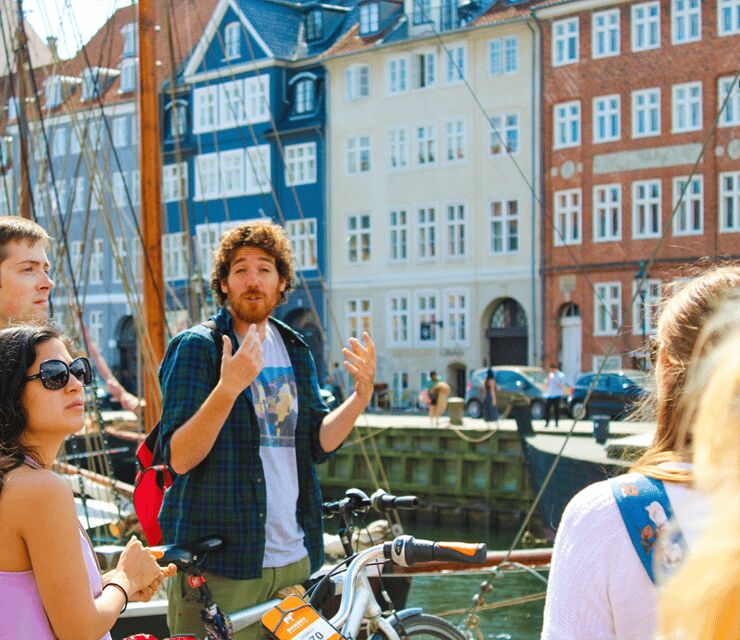
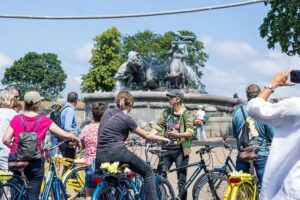
Copenhagen is one of those cities where walking can feel like a chore and driving can feel like a slowdown. A bike tour flips that. You glide along bike infrastructure, cover real distance, and still stop often enough to absorb what you’re seeing.
The best part is the balance. You’re not stuck in a checklist-only mode. You also get context for what you’re looking at: why a building matters, what life around it is like, and how the city has changed over time.
If you like sightseeing that also helps you get your bearings, this is a strong way to start a visit.
You can also read our reviews of more cycling tours in Copenhagen
Holbergsgade 12: where you meet and what you can use
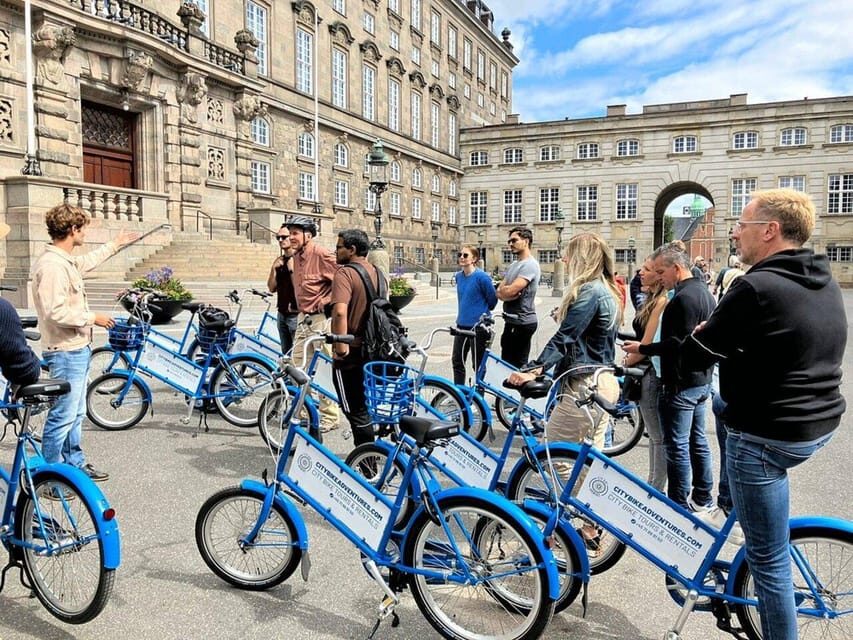
You’ll start at the shop at Holbergsgade 12 (1057 Copenhagen City Centre). Meet your guide inside when you arrive, then get set up quickly with a traditional bike.
They provide bikes, a helmet, plus lockers and a toilet at the meeting point. That’s small, but it matters in Denmark—when you’re out for a few hours, you don’t want to waste time scrambling for basics.
A note on comfort: even though the ride is described as relaxed and easy, you’ll still benefit from weather-friendly clothing. Bring layers and keep an eye on wind and rain.
Inderhavnsbroen and Christiania: the route’s personality switch
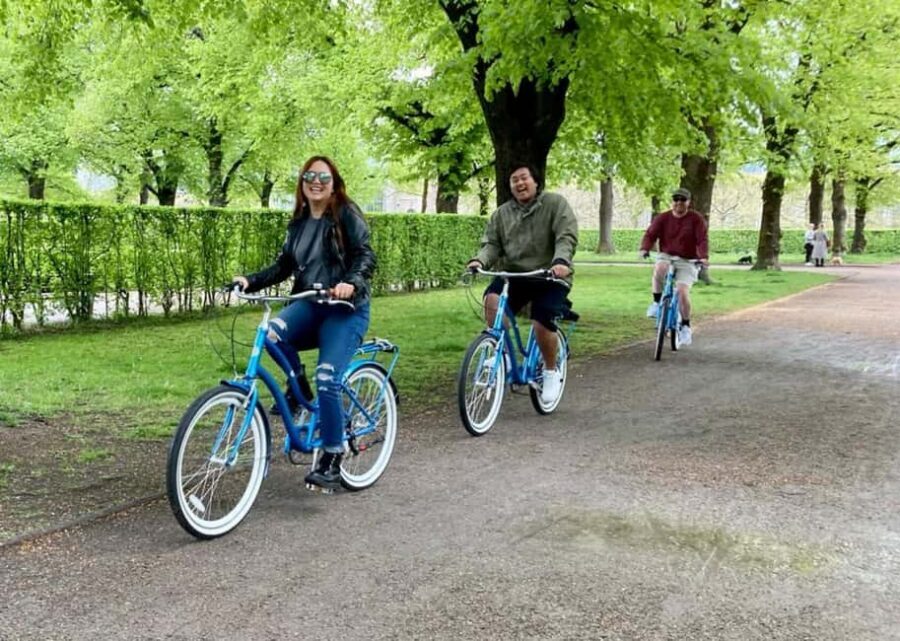
The tour kicks off right near the canal area, starting with a short stop at Inderhavnsbroen. It’s brief, but it helps you understand Copenhagen’s water-and-bridge city layout—how the city uses waterways as connectors and backdrops.
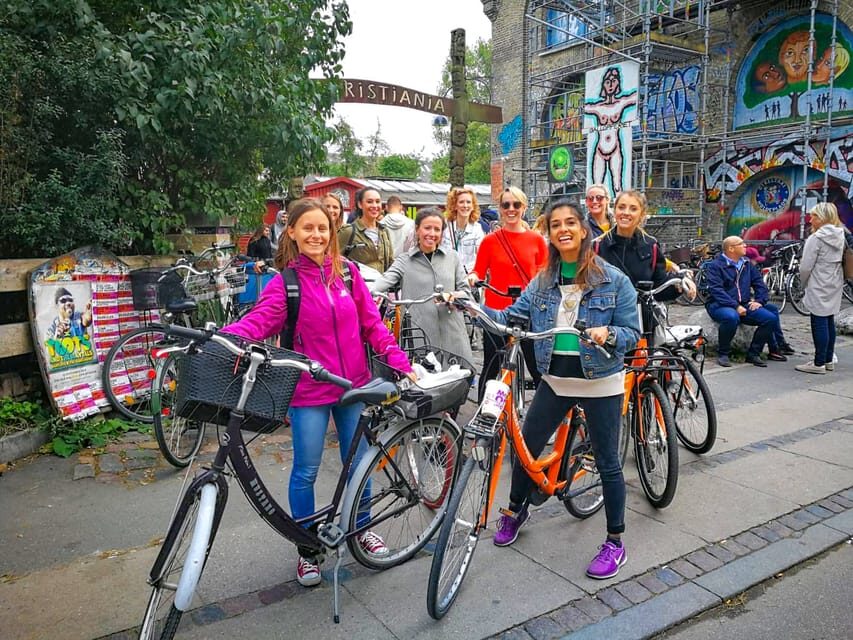
Then comes Freetown Christiania, the stop with the biggest “wait, what am I looking at?” energy. You get a guided visit there for about 15 minutes. Christiania’s story is a big part of why Copenhagen feels different from other capitals. It’s not just old royal stuff—it’s also a living reminder that cities can reinvent themselves.
Practical thought: Christiania can feel like a world within the city. Keep your expectations flexible and listen closely to your guide’s framing. If you want a shortcut to understanding Copenhagen’s modern identity, this is it.
Church of Our Saviour and Christiansborg Palace: old religion to Danish power
After Christiania, the ride moves you toward royal Denmark. You’ll stop at the Church of Our Saviour (about 10 minutes). This is one of those places where the building and its setting help you picture how faith and city life have shaped Copenhagen.
Then you’ll hit Christiansborg Palace (about 15 minutes). This is Denmark’s political center—so the vibe shifts from architecture and tradition to institutions and governance.
One thing I like about tours like this: they don’t treat landmarks as isolated objects. A church stop followed by a palace stop helps you feel the geographic and cultural rhythm of the city.
Black Diamond (Royal Danish Library) and the King’s Garden
Next you’ll visit the Black Diamond, the nickname for the Royal Danish Library, with a stop time of about 10 minutes. It’s a design-forward contrast to the older royal scenery. Seeing it in person helps you understand Copenhagen’s habit of mixing modern style with tradition, instead of pushing one aside.
You’ll then ride into the King’s Garden area for about 10 minutes. Gardens in Copenhagen aren’t only pretty. They’re part of how the city creates calm spaces near important buildings. Even if your time there is short, it gives you a breathing spot between grand structures.
If you’re the type who likes photos, this is where you get frames that don’t look exactly like every other postcard. If you prefer atmosphere over snapshots, you’ll still appreciate the change of pace.
You can also read our reviews of more guided tours in Copenhagen
Rosenborg Castle and Nyboder: where you slow down for real texture
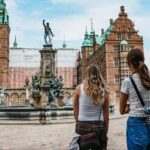
The tour includes a stop at Rosenborg Castle (about 10 minutes). Even a quick visit helps you register the classic Danish royal scale. What makes it useful on a bike tour is that you’re not guessing where it fits in the city. You’re literally riding your way there while hearing how the place shaped (and was shaped by) Copenhagen.
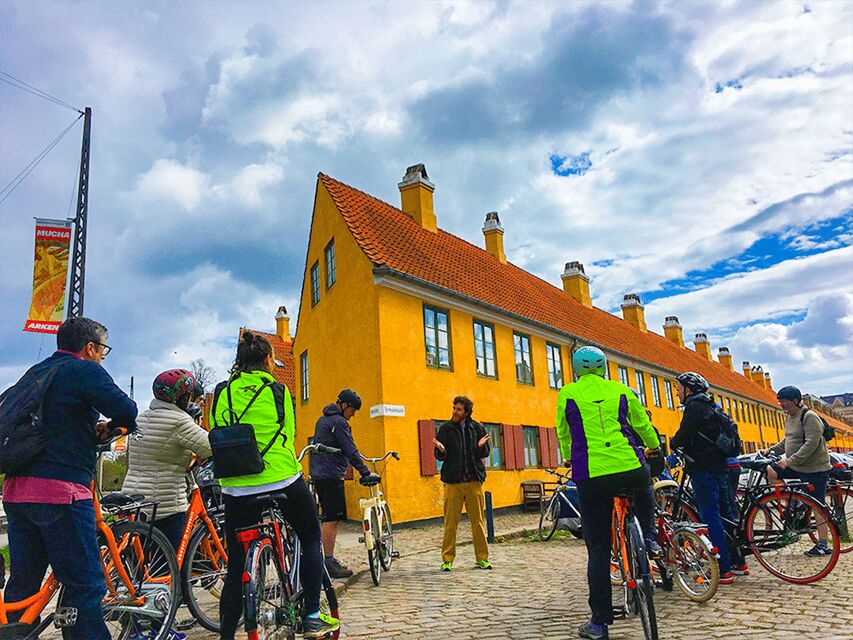
Then you’ll head to Nyboder (about 10 minutes). Nyboder is especially interesting because it shifts the story from monarchy to the people who worked for the state. It’s the kind of neighborhood stop that helps you understand Copenhagen as a lived-in city, not just a museum.
If you’re worried a highlights tour will feel generic, this is where it starts to feel more grounded. You catch a glimpse of everyday texture without losing the big landmarks.
Little Mermaid and Amalienborg: icons plus the real setting
Now for the moment everyone recognizes: the Little Mermaid statue (about 15 minutes). Yes, it’s famous. But seeing it in its real waterfront setting is different from scrolling past it. You’ll also get the guide’s framing so it’s more than just a tourist stop.
From there, you’ll reach Amalienborg Palace (about 15 minutes). This is royal Denmark in full view—less about hidden details, more about presence. If you’re the kind of person who likes to watch how cities stage grandeur, you’ll understand why Copenhagen does this so well.
You’ll also spend time in Amalie Garden (about 10 minutes). Gardens at palaces are a recurring theme in European capitals, but Copenhagen’s bike-first approach changes how you experience them. You don’t just arrive; you feel the area as part of the city’s flow.
Nyhavn canal time: the payoff for the effort
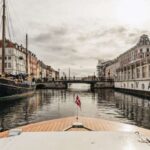
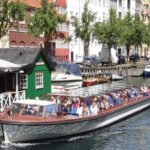
Finally, you’ll end at Nyhavn (about 15 minutes). This is the historic canal area people love because it looks good from every angle—buildings, water, light, and that classic harbor energy.
Since your time here is shorter than a full walking visit, treat it as your “first look.” After the tour, you’ll probably want to return on foot to take your time, because the bike route helps you understand the layout quickly.
This stop is also where you can best match your mood to the city. If you want a calm moment, you can linger near the canal. If you want energy, you’ll feel it nearby.
How good guiding makes the difference (Raphael, Luke, Angus, Olivia, Thomas, Derek)
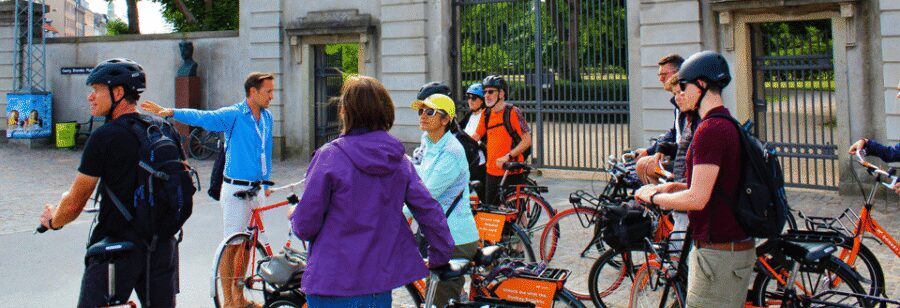
Bike tours live or die by the guide. And in this case, the guides are known for storytelling plus practical context. Names you may encounter include Raphael, Luke, Angus, Thomas, Olivia, and Derek.
Across guides, one recurring theme shows up: they don’t just recite facts. They also explain how Copenhagen works today—what daily life feels like, why certain places matter, and what neighborhoods are worth exploring next.
There’s also weather-minded care. One guide (Raphael) is mentioned as bringing raincoats for the whole group. That kind of preparedness changes the experience if the sky turns gray. Still, don’t rely on it—bring your own layers and weather gear.
Pace, comfort, and what to bring for a smooth ride
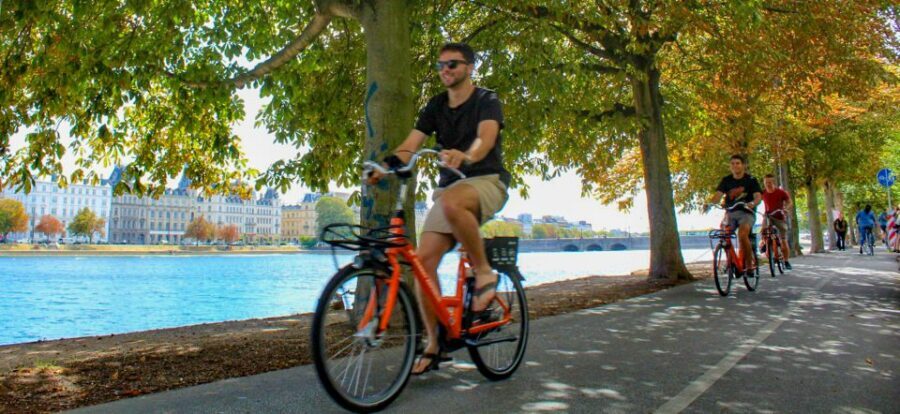
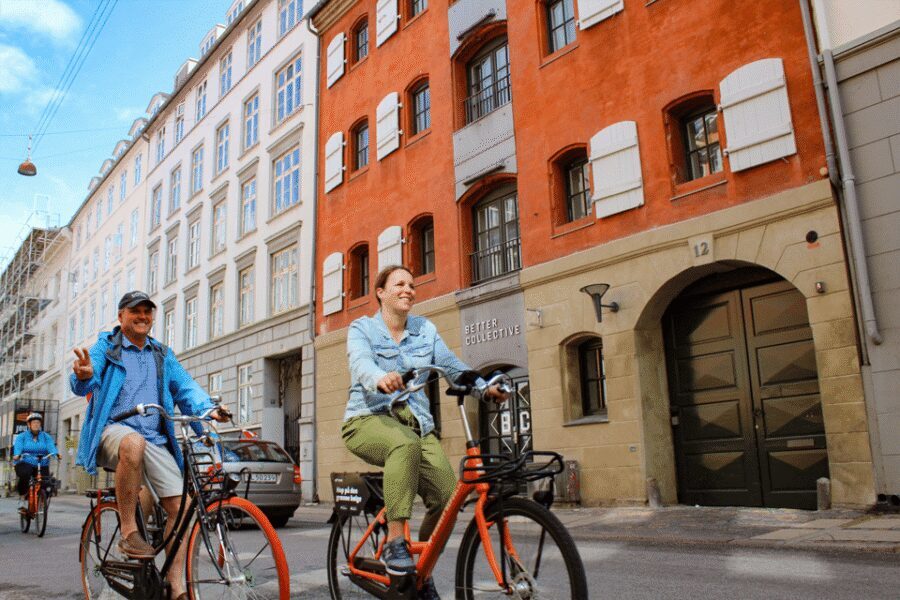
This is a 3-hour tour with frequent short guided stops. The schedule is designed so you keep moving without feeling rushed. If you’re nervous about riding in a city, you should feel better here because the ride is described as relaxed, easygoing, and with very manageable hills.
You’ll be provided a helmet, and bikes are traditional and easy to handle. That helps if you don’t bike often or you’re more used to city sidewalks than road cycles.
What I’d pack based on the practical advice that comes up repeatedly:
- Gloves, hat, and a scarf if the day runs chilly
- A light rain layer if the forecast looks uncertain
- A bottle for after the tour (since water isn’t included)
Also, use the meeting point lockers. It’s the simplest way to keep your hands free during stops.
Value check: is $55 worth it for 3 hours?
At $55 per person for a 3-hour ride, this tour sits in the “pay for convenience and guidance” category. You’re not only getting sightseeing. You’re getting the bike, the helmet, and a live guide to connect the dots between places.
That’s the real value: without a guide, many of these stops would feel like separate attractions. With a guide, the route helps you build a mental map—where the royal power sits, how modern design appears, why Christiania has meaning, and how Nyhavn became the iconic canal scene.
It’s also worth noting the ride logistics are handled: central meeting point, lockers, and a route that’s built for cyclists. Copenhagen can be pricey, so the “included bike time” is a smart way to get a lot done without adding extra transport costs.
Who this bike tour suits best
This works well if you want:
- A fast orientation to Copenhagen’s center
- A low-effort way to see major landmarks in one go
- A guide that explains both past and present, not just photos
You’ll likely enjoy it most if you plan to spend more days in Copenhagen and want a first-day route that helps you decide where to go next. It’s also a good option for people who want history and culture but prefer moving through the city rather than sitting in one place.
If you hate cycling, skip it. If you can handle a comfortable city bike ride, this is a very efficient way to start.
Should you book this Copenhagen Highlights Bike Tour?
If you’re trying to make the most of limited time, I’d book it. The combination of major sights—Christiania, Rosenborg Castle, the Little Mermaid, Amalienborg, and Nyhavn—plus a relaxed, bike-friendly route is exactly what a good highlights tour should do: it gives you a foundation you can build on later.
I’d also book it early in your trip. After the ride, you’ll know where things are, what themes you liked, and which areas deserve a slower second look.
The only strong reason not to book: if you’re not comfortable being on a bike for the full duration, or you’re expecting the tour to include meals and drinks. Plan your snacks, dress for weather, and you’ll be set.
FAQ
Where do I meet for the tour?
You meet at the shop on Holbergsgade 12 (1057 Copenhagen City Centre). Please meet your guide inside upon arrival.
How long is the Copenhagen city highlights bike tour?
The tour lasts about 3 hours.
What’s included in the price?
The price includes your bike, a guide, and a helmet.
Is water or food included?
No. Water and food are not included, but you can purchase them during the tour.
What languages are the guided tours offered in?
The live tour guide is available in English and German.
Do they provide any gear or facilities at the meeting point?
Yes. Bikes and helmets are provided, and there are lockers and a toilet available at the meeting point.





Leave a Reply