One card, a lot of Copenhagen.
The Copenhagen Card DISCOVER turns major sights into add-on free time, plus gives you complimentary rides on the city’s buses, trains, and Metro. You pick a pass length (24, 48, 72, 96, or 120 hours), then redeem it in the Copenhagen Card app using your barcode number.
What I like most is the way it bundles big-ticket stops with local movement. You can hit places like Rosenborg Castle, Tivoli Gardens, and Copenhagen Zoo without recalculating every entrance fee, and then use the transit to hop between neighborhoods. The other big win is simplicity: it’s one digital card in your phone, and you’re not juggling separate tickets all day.
The main drawback is planning. Your hours start when you first use it, and some highlights need advance booking (like climbing the tower at Our Saviour’s Church and a pre-booked visit at Home of Carlsberg). Also, you’ll want to check opening days, since some attractions close on certain weekdays.
In This Review
- Key things to know before you start swiping
- Price and value: when $95.96 actually makes sense
- Activate once, then ride: using the Copenhagen Card app correctly
- Timing and booking: avoid the two biggest value traps
- Copenhagen core: castles, palaces, and iconic towers
- Canals and waterfront time: Stromma and the ships at Holmen
- Day trips on the same pass: Kronborg, Frederiksborg, and Roskilde
- Art and design that go beyond the obvious
- Science, families, and unusual places underground
- History, military, and the darker sides of Denmark
- The special cases: Home of Carlsberg, casino time, and booking-first stops
- Should you book the Copenhagen Card DISCOVER pass?
- FAQ
- How do I redeem the Copenhagen Card in the app?
- When does my card become valid?
- Is public transport included?
- Which attractions are free with the card?
- Do I get free entry to Our Saviour’s Church?
- Do I need to pre-book Home of Carlsberg?
- Is the pass physical or digital only?
- Can children travel free?
Key things to know before you start swiping

- Hours start the moment you first use the card, so time your first activation.
- Most big museums and castles are covered, including Rosenborg and Amalienborg in the core city area.
- You can reach major day trips on the same pass, like Kronborg and Frederiksborg north/east of Copenhagen.
- A few stops require pre-booking, so don’t wait until the last minute.
- Family-friendly options are built in, from Experimentarium to Planetarium.
- Some attractions are picky about timing, including church tower slots during busy periods.
Price and value: when $95.96 actually makes sense
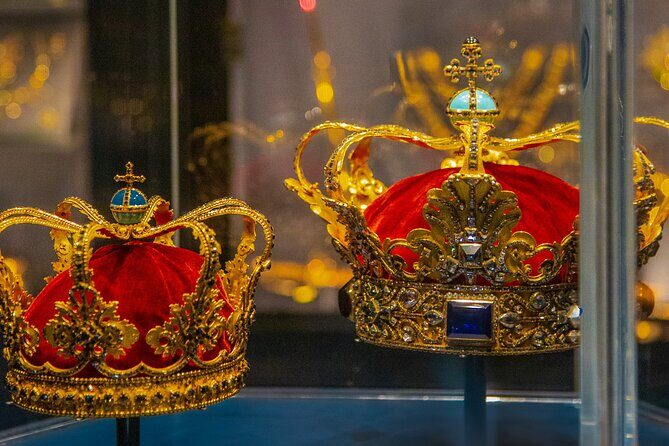
The Copenhagen Card DISCOVER price shown is $95.96 per person, and it’s designed for one job: help you pack paid attractions and transit into a fixed window. That value math is simple. If you’re only going to do a couple paid sights, a card like this can feel expensive. If you plan to do 4–6 paid attractions plus a lot of rides on public transport, it often starts to look like a bargain fast.
The included mix is strong for first-timers because it targets “I can’t skip this” Copenhagen. You’ve got heavyweights like Rosenborg Castle (Crown Jewels), Tivoli Gardens, and Copenhagen Zoo, plus art museums such as SMK (the National Gallery of Denmark) and Ny Carlsberg Glyptotek. If you’re already the type who doesn’t want to decide each day based on ticket prices, you’ll like the freedom here.
Where people can get burned is time and booking rules. If you choose a short pass and your top picks are either closed on a day you travel or require a time slot, you may lose value. So I recommend treating the card like a planning tool, not a casual walk-up coupon.
You can also read our reviews of more tours and experiences in Copenhagen.


Activate once, then ride: using the Copenhagen Card app correctly
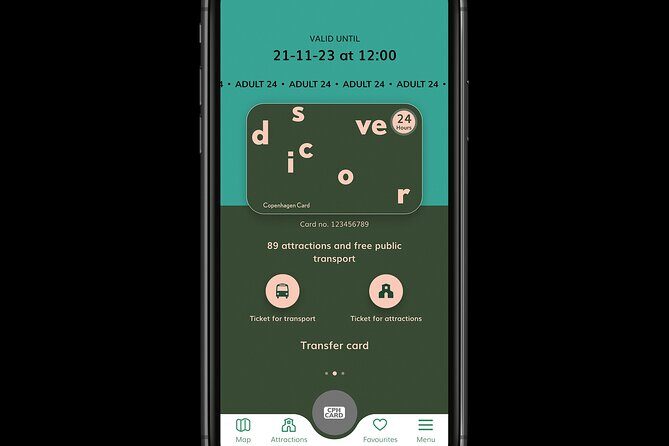
This is a fully digital card. You select your 24-, 48-, 72-, 96-, or 120-hour option, then you download the Copenhagen Card app and type in the code you’re given, using the barcode number to redeem it. The pass becomes valid for the number of hours you selected, starting from when you first use it.
A key detail: the card can be valid for one year until activated, but once you activate, it’s personal and non-refundable. If your phone is lost or broken and your card can’t be accessed, you may be out of luck—no replacements or refunds. Keep your phone charged and be ready to show the card when asked.
Also, this card includes a Copenhagen city map, which helps if you’re moving between far-flung museums like Louisiana (about 40 km north) or Ordrupgaard (about 10 km north). Your rides are complimentary on Copenhagen’s buses, trains, and Metro, so you can build a plan around locations, not fare zones.
Timing and booking: avoid the two biggest value traps

First trap: your pass starts when you first use it. If you arrive midday and plan to activate immediately, a 24- or 48-hour card can be a great fit. If you activate too early, you’ll feel it by day two.
Second trap: “free entry” doesn’t always mean “no planning.” For example:
- At Our Saviour’s Church, the church entrance is free, but climbing the tower requires advance booking.
- At Home of Carlsberg, you must pre-book your visit. Your card must be active before you book, since you’ll need the card number.
Add in the reality that many attractions run on standard daytime hours, and some are closed on Mondays. The safest way to use the card is to check what’s open for the weekday you’ll be there, then choose your must-dos first.
Copenhagen core: castles, palaces, and iconic towers
This is the heart of what makes the Copenhagen Card feel worth it: classic Copenhagen sights that are expensive to enter and easy to cluster by location.
- Copenhagen Zoo (1): More than 4,000 animals, with modern facilities. It’s a great anchor stop if you’re traveling with kids or just want a break from museum time.
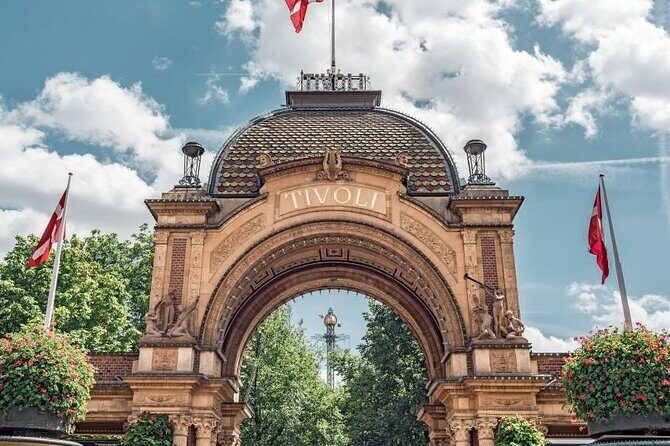
- Tivoli Gardens (2): One of Europe’s oldest amusement parks. It’s included, so you can treat it like a day-of-fun detour rather than a splurge.
- Rosenborg Castle (3): Built by King Christian IV in the 1600s and home of the Crown Jewels. This is one of those “you came to Copenhagen, go inside” stops.
- Christiansborg Slot (5): The official seat of the Queen. Expect strong royal and political energy, and plan your visit around any needed time slots during busy periods.
- Amalienborg Palace Museum (6): The recreated royal palace interiors you’d otherwise have to schedule and pay for. It’s one of the best ways to understand Denmark’s monarchy up close.
- Our Saviour’s Church (8): Free entrance to the church itself, plus the famous climb of the 400 steps—if you book the tower climb in advance.
- Thorvaldsen’s Museum (23): A museum built for the work of Danish sculptor Bertel Thorvaldsen. If you like art that isn’t just a temporary exhibit, this one feels stable and easy to spend time in.
- Museum of Copenhagen (20): A “who are Copenhageners?” approach, from Viking-age beginnings through plague, fires, bombings, and modern life.
- Danish Architecture Center (17): Located in BLOX on the waterfront and focused on Danish architecture and design, with guided tours and exhibitions for adults and kids.
Bonus value trick here: because so many of these are in or near central Copenhagen, you can use the transit coverage to hop quickly between them instead of batching everything on foot.
Canals and waterfront time: Stromma and the ships at Holmen

If you like Copenhagen’s water feel, the card is set up to support it.
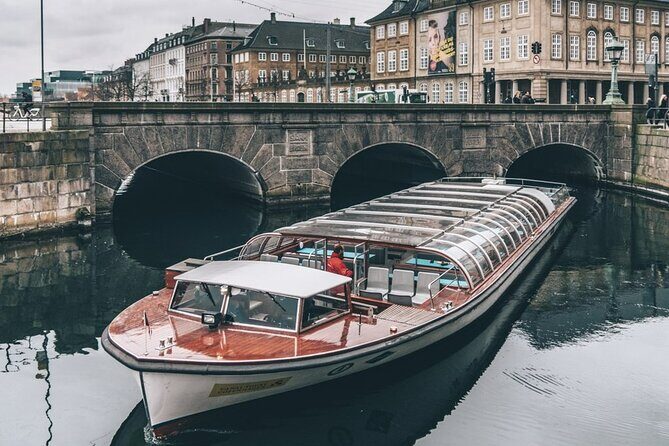
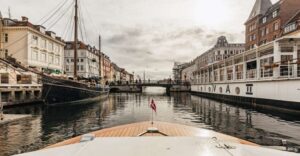
- Stromma Canal Tours (4): The included boat tour around the canals of Copenhagen. This is a smart use of a free attraction slot because it keeps you moving through the city while still taking breaks from walking.
- The Ships on Holmen (39): You can see naval vessels tied to Denmark’s Royal Danish Navy, including the frigate Peder Skram and the fast attack craft Sehested. It’s history you can look at from different angles, not just read about.
These stops also help you pace your day. You’re not “spending all day in a room,” even when you’re museum-hopping.




Day trips on the same pass: Kronborg, Frederiksborg, and Roskilde
One reason the Copenhagen Card can be a strong deal is that it doesn’t limit you to the center. If you’re willing to plan for transit time, you can reach some of Denmark’s most famous castles and Viking-era history.
- Kronborg Slot (9) in Elsinore (north of Copenhagen): A Renaissance castle at the entrance to Øresund, built 1574–1585, and famous worldwide through Shakespeare’s Hamlet.
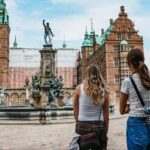
- Frederiksborg Castle (14) in Hillerød: A big Renaissance complex with the Museum of National History since 1878. Expect decorated interiors and a museum setting that’s built for slow looking.
- Viking Ship Museum (16) in Roskilde: Home to the original Viking ships from the Skuldelev finds, plus reconstructions and sailing craft. You can also meet craftsmen and try hands-on activities like axes and ropes.
- Roskilde Domkirke (19): A UNESCO World Heritage cathedral with 1,000 years of Danish history, and the burial site for Danish kings and queens.
- Lejre Land of Legends (24): An open-air museum with reconstructions and workshops, including a Viking kings hall and active settlement areas across Iron, Stone, and Viking Ages.
- The Karen Blixen Museum (25): The author’s home at Rungstedlund near Rungsted Kyst Station, close to the Sound. It’s a calm, literary stop that works well if you want Denmark beyond royal castles.
The catch with day trips is time. Even with free transit, you still need daylight hours and energy. If you’re on a short pass, I’d pick one day-trip theme only: Shakespeare and Kronborg, or Vikings and Roskilde, or the open-air history of Lejre.
Art and design that go beyond the obvious
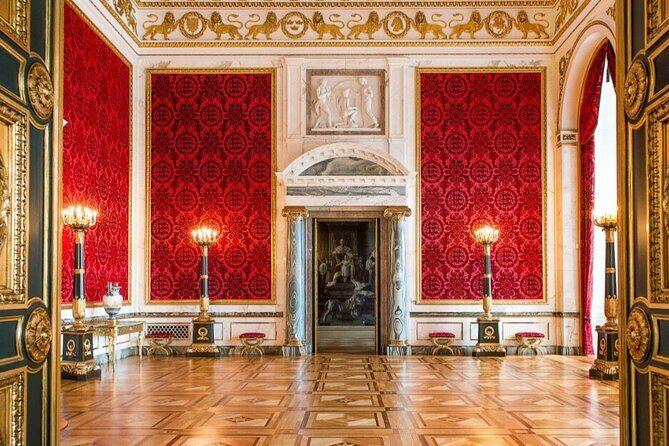
Copenhagen has top museums, and this card gives you several ways to experience them without extra ticket costs.
- Ny Carlsberg Glyptotek (10): Art and archaeology spanning Ancient Egypt, Greece, and Rome, plus Danish and French art from the 19th century.
- National Gallery of Denmark, SMK (13): Denmark’s largest art museum, covering art across seven centuries, from Renaissance masters to modern and contemporary work.
- Louisiana Museum of Modern Art (12): About 40 km north of Copenhagen. It blends modern art with nature and architecture, and you’ll find highlights like Giacometti Hall, the Jorn Room, and access to a Kusama infinity room.
- Designmuseum Danmark (18): One of Denmark’s best stops for design, with works by names like Arne Jacobsen and Verner Panton, plus glass, ceramics, textiles, fashion, posters, and more.
- Ordrupgaard Art Museum (32): Peaceful park setting, with French Impressionists like Monet, Degas, and Gauguin, plus Danish art featuring Vilhelm Hammershøi.
- The Hirschsprung Collection (34): Danish Golden Age to modern painting, including artists such as Eckersberg, Købke, Krøyer, and Hammershøi.
- Classic Car House (33): A fun switch from galleries—20th-century classic cars as moving design history.
- Copenhagen Contemporary (28): Installation art in a former B&W welding hall, where you can sometimes sense large-format works in a more physical way.
- Nikolaj Kunsthal (36): Contemporary art in a former St. Nikolaj Church setting, with changing exhibitions and events.
- Kunsthal Charlottenborg (37): Large contemporary exhibition space with an ambitious program and lots of activities around exhibitions.
- Det Kgl. Bibliotek, The Royal Library (38) in the Black Diamond: Exhibitions built around literature and photography, with “Black Diamond” programming for mind-and-eye moments.
- Ragnarock (35): Pop, rock, and youth culture history through the decades, with a hands-on feel for sound and media.
- Museum of Danish Resistance (30): Underground WWII resistance storytelling through five historical figures and acts like sabotage and illegal newspapers.
If you’re an art person, you can build an itinerary with almost no paid entry fees. Just don’t treat every museum like a race—pick two major ones per day and let the rest be smaller stops.
Science, families, and unusual places underground
This is where Copenhagen surprise-factor shows up, and this card helps you hit those curveballs.
- Experimentarium (11): A world-class science center in Hellerup, about 6 km north, built around hands-on learning.
- Planetarium (15): A modern dome with film experiences, plus exhibitions. With your card, you can watch one movie in the dome.
- Cisternerne (21): An underground water reservoir turned art space under Søndermarken Park. Cold, dark, and atmospheric—great when the weather turns.
- Museum of Natural History (31): Mineral halls and nature exhibitions, including a chance to touch a huge meteorite.
- Medicinsk Museion (40): Health and disease history in the Royal Academy for Surgeons building from 1787. It’s not subtle, and it’s a strong “human body over time” stop.
- Copenhagen Zoo (1) and Tivoli Gardens (2) also fit here if you want day-friendly fun that still feels like an attraction, not just a playground.
The value in these is that they keep you flexible. If you hit rain, you can swap outdoor time for indoor science and underground art without breaking the budget.
History, military, and the darker sides of Denmark
If you want museums that make you think, this card covers several big themes.
- National Museum of Denmark (7): Danish history highlights, from older eras to the story of the nation.
- Danish War Museum (29): War history from the 1500s to today, including artifacts like armor and samurai swords, plus modern tech like drones.
- Museum of Danish Resistance (30): WWII resistance in a dark, immersive presentation format with staged scenes around sabotage and coded messages.
- Sælen submarine (26): A real diesel-electric submarine used by the Royal Danish Navy, including the fact it was the only submarine to participate in hostilities. It’s short, but memorable.
- The Ships on Holmen (39): Again, military hardware you can walk around and see up close.
These aren’t “quick in and out” spots. Plan a little slower time here, and you’ll come away with a stronger sense of how Denmark sees itself.
The special cases: Home of Carlsberg, casino time, and booking-first stops
A few included options work like bonus side quests, but they have rules or different vibes.
- Home of Carlsberg (22): You need to pre-book your visit, and your card must be active before you book because you’ll need the card number. If you like breweries and Danish industrial history, this can be one of the most fun surprises on the list.
- Casino Copenhagen (27): Included, and it’s Denmark’s largest international casino. If your idea of Copenhagen is museums and walking, this might not be your main play—but it’s there if you want a late-night change of pace.
Then there are the other “oddball” cultural stops that round out the pass:
- Ragnarock (35) for music culture.
- Classic Car House (33) for design through vehicles.
- Nikolaj Kunsthal (36) and Kunsthal Charlottenborg (37) for contemporary art in real spaces.
Should you book the Copenhagen Card DISCOVER pass?
Book it if your plan has two ingredients: you’ll use public transport a lot, and you’ll stack several included attractions (especially the big-name ones like Rosenborg, Tivoli, SMK, and the canal tour). The card is also a great fit if you like building your trip around neighborhoods but still want flexibility to change plans fast.
Skip it if your schedule is too tight or too uncertain. A short pass plus a wish list that includes things that need advance booking can turn into stress. If you’re only doing a couple paid stops, a day-by-day plan with individual tickets may be cheaper.
My practical rule: choose the pass length that matches how many paid entrances you realistically can fit, not just how many days you’re in Copenhagen. If you do that, this card becomes less of a purchase and more of a travel rhythm.
FAQ
How do I redeem the Copenhagen Card in the app?
You download the Copenhagen Card app, then type in the barcode number from your card to redeem it digitally.
When does my card become valid?
Your card is valid for the number of hours you selected, starting from the time you first use it.
Is public transport included?
Yes. The card includes complimentary travel on the city’s buses, trains, and Metro services.
Which attractions are free with the card?
The card covers free entrance to more than 80 attractions, including major stops like Rosenborg Castle, Tivoli Gardens, Copenhagen Zoo, and Kronborg Slot.
Do I get free entry to Our Saviour’s Church?
Entrance to the church is free. If you want to climb the tower, you must book your visit in advance.
Do I need to pre-book Home of Carlsberg?
Yes. You need to pre-book your visit, and your card must be active before booking because you’ll need the card number.
Is the pass physical or digital only?
It’s digital. There is no physical card included.
Can children travel free?
Each adult can bring 2 children between ages 3–11 for free, as long as you add the free kids cards to your cart when buying your card.











Leave a Reply