Copenhagen can feel like a museum in heels. This walk makes it quick, funny, and street-level, with politically incorrect humor wrapped around real royal and fairytale-era Denmark. I like the mix of big, recognizable stops and the way the guide keeps you moving so the city never turns into a lecture.
What I especially liked is the tour’s practical flow: it covers a strong set of highlights while still adding stories that help the streets make sense. You also get built-in GPS guidance, which is handy when you are trying to save your phone battery. The main drawback is the tone: if you do not want jokes that can get offensive (and sometimes personal about nationalities), this is not the tour for you.
The fun walk through the main hits, but with jokes
- Politically incorrect, off-the-wall storytelling that stays centered on Copenhagen’s famous landmarks
- GPS built-in so you can keep your phone for photos and directions later
- A tight 2-hour route that threads from the historic core toward the royal palaces area
- Stops you can actually use later (Strøget, Nyhavn, Amalienborg, and more)
- Good for first-timers who want orientation plus laughs, not a slow, academic history lesson
- Bring the right mindset: English matters, and some topics are not for the easily offended
How the Tour Works: 2 Hours, One Walk, Big Name Sights
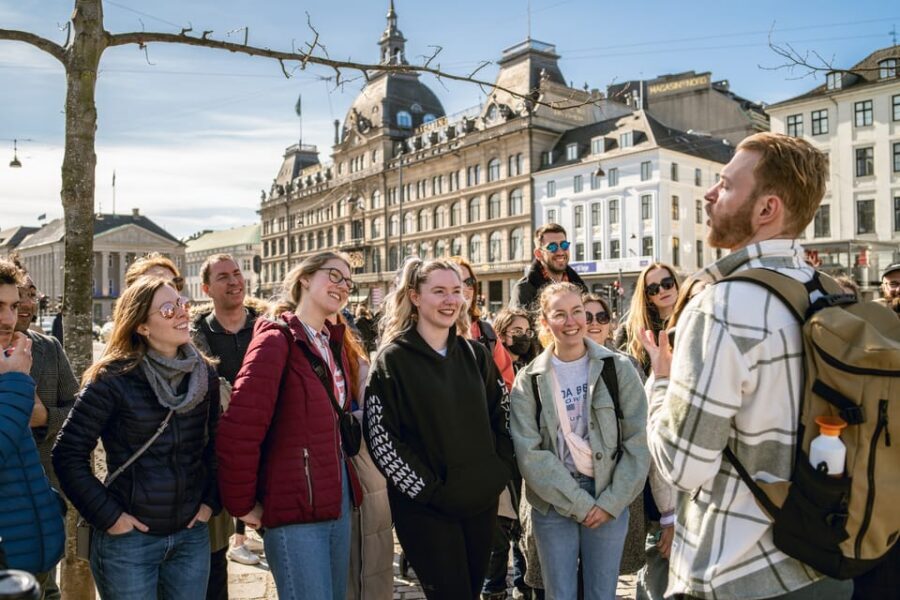
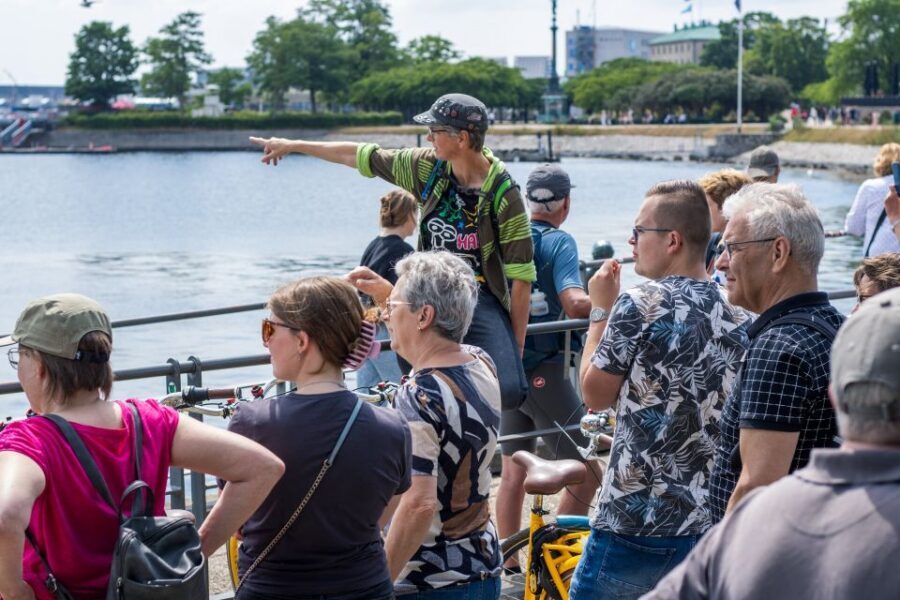
This is a group walking tour built for momentum. In 2 hours, you cover a classic arc across central Copenhagen: starting near the transit hub at Gammel Strand, then cutting through the city’s key streets, squares, churches, and theater/royal landmarks, and ending by the Amalienborg Royal Palaces area and the Marble Church.
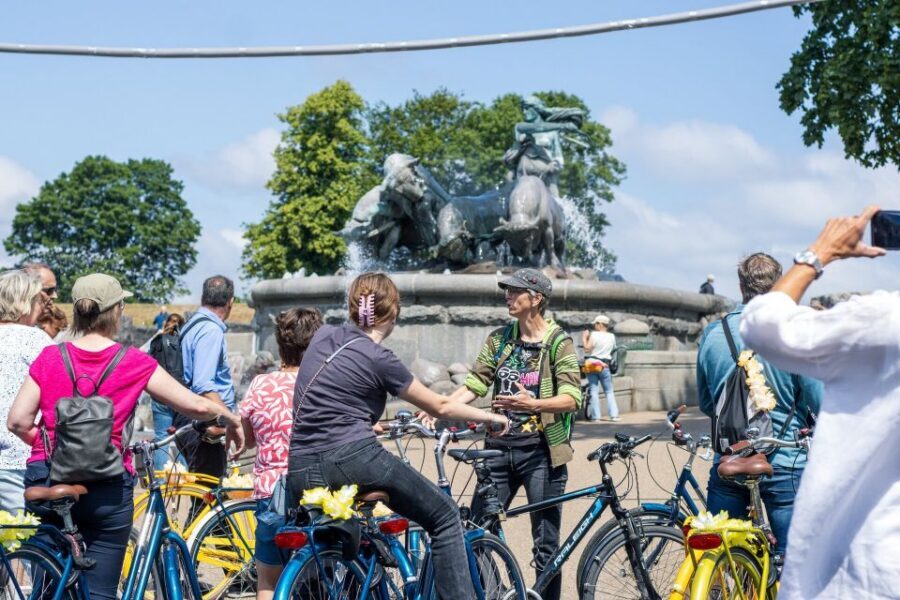
The pitch is not subtle. The guides mix history with humor, and the humor is the star of the show. It is not trying to be a quiet museum talk. If you go in expecting dates, dynastic charts, and long-form scholarship, you will probably feel impatient. If you go in wanting the street stories behind the photos, you will enjoy how fast the tour connects the dots.
Also, they run it like a guided route, not a free-for-all. You meet in a very specific spot and you follow along as the guide talks. One very practical perk: the guide system is designed to reduce your phone-dependence, so you can spend your attention on the street rather than the map.
Meeting Point and the Orange Umbrella Reality Check
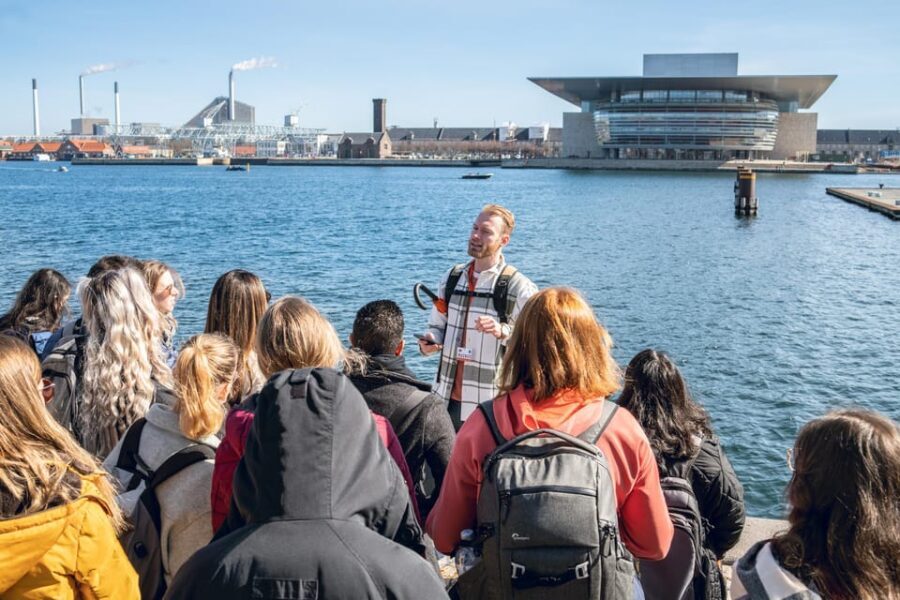
Meet outside Gammel Strand Metro Station. Your exact meeting location is between the metro station entrance and the statue of Absalon (the bishop figure on a horse). Look for the guide carrying an orange umbrella.
Arrive 15 minutes early. This is not just good etiquette; it matters because the tour is not guaranteed if the group is late getting started. If you are traveling with a tight schedule, I’d still plan to show up early enough to find the group without rushing.
One more note that affects your experience: English is mandatory. The guide mixes humor into the history, so if you are not comfortable catching jokes in real time, you might miss part of the payoff.
Value at $39: What You Actually Get in Two Hours
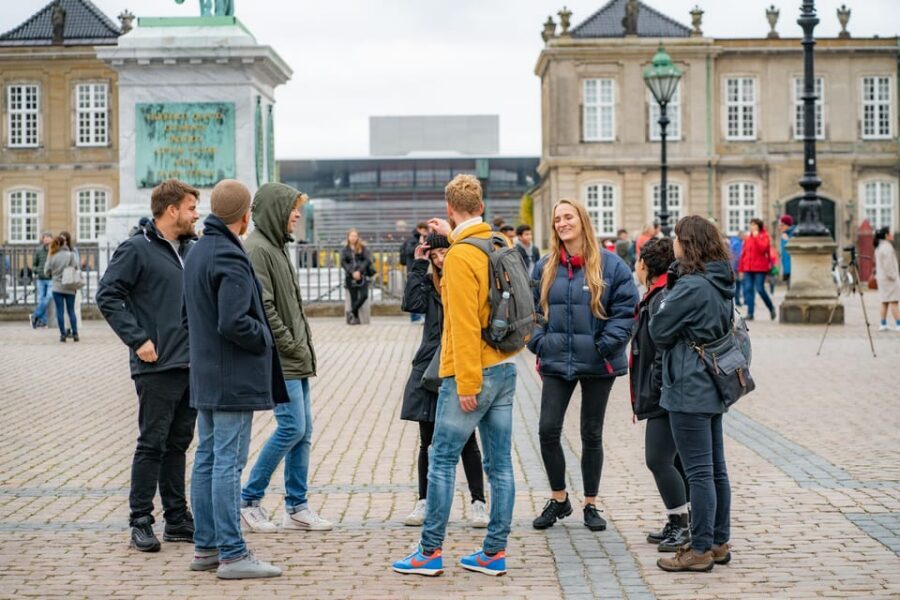
$39 is a fair price for a guided intro to Copenhagen’s center—especially because you are paying for two things at once: (1) a route that strings together the most photographed areas, and (2) a guide who turns those places into stories you can remember.
You do not pay extra for the guide itself; the tour is guided, with entrance fees not included. That means you are paying for the walking and the storytelling, not for timed ticket access. In practice, that is a smart fit for travelers who want to spend the day seeing, not waiting in line.
If you are the type who likes to walk off your jet lag with a plan, this kind of tour is often the best value move you can make early in a trip. You get your bearings, and you end up knowing what to circle back to later—without having to “figure it out” from scratch.
Stop by Stop: What Each Landmark Adds (and What to Watch)
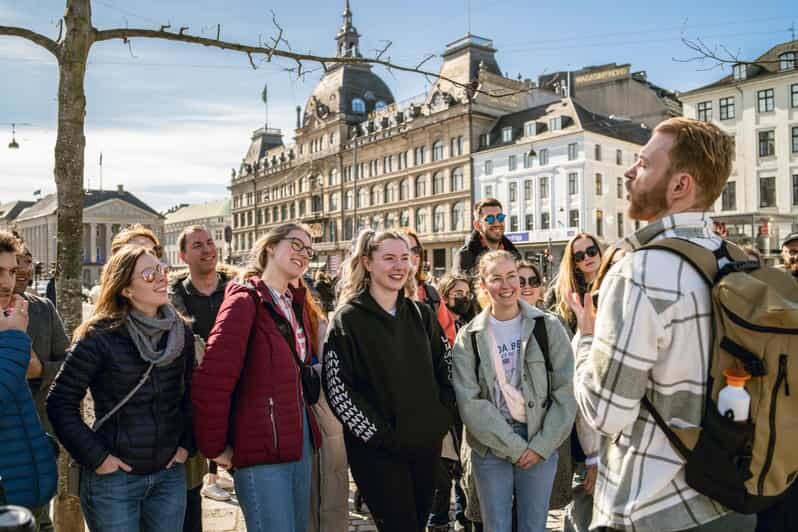
Below is the tour’s main backbone, from first sightings to the royal-palace finish. I’m describing what each stop brings to your understanding of Copenhagen, plus the little considerations that can affect how much you enjoy it.
Statue of Absalon: The Horse, the Origin Story, the Tone
You start at the statue of Absalon, the bishop on horseback. This is a small start that sets a big theme: Copenhagen did not begin as a postcard. It started as a human settlement with power, politics, and myth-making.
This opening matters because the guide’s humor establishes the rules early. You’ll quickly learn whether the joke style fits you. If the tone lands for you, you’ll relax and enjoy the rest more.
Christiansborg Palace Area: Royal Denmark Without the Stuffiness
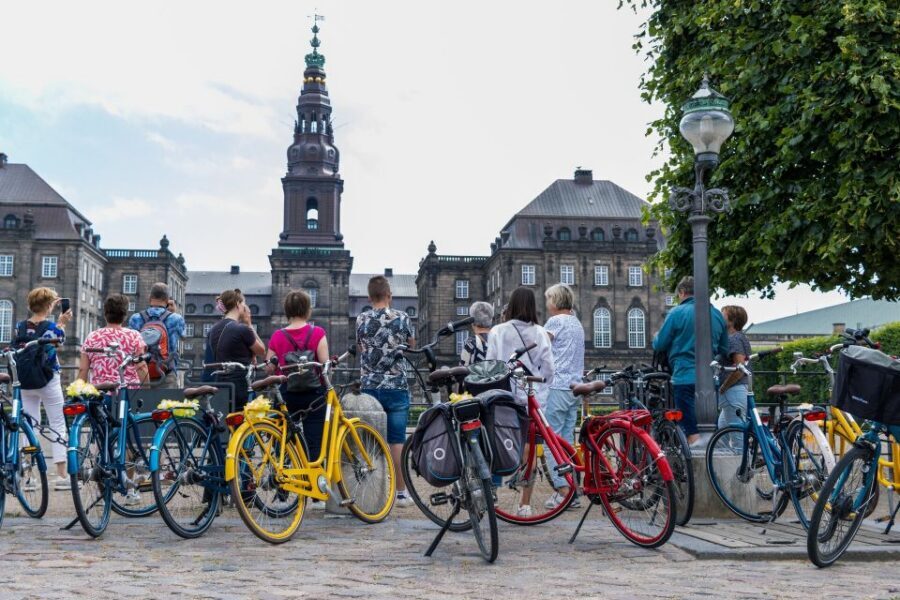
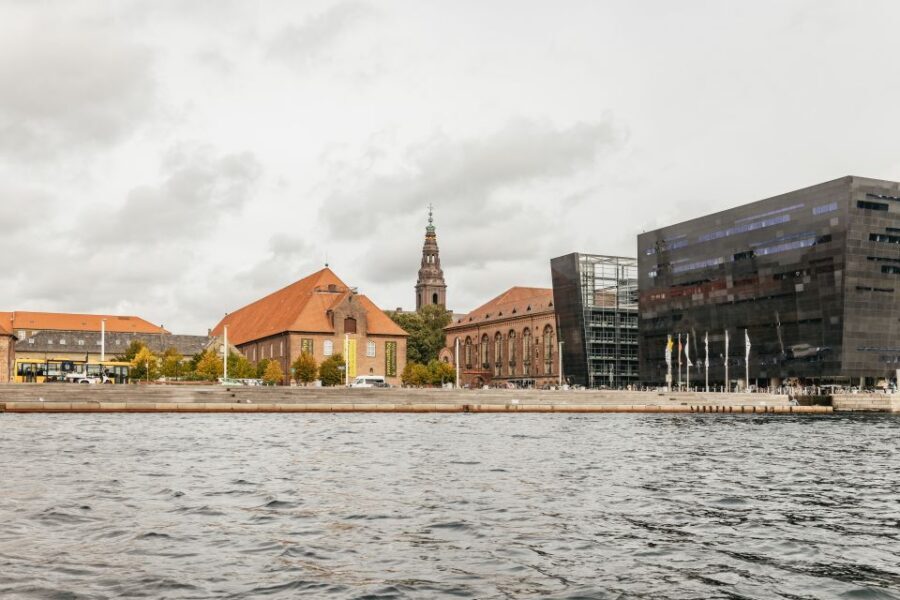
Next up is the Christiansborg Palace area. This stop is where the tour leans into Danish governance and royalty. Even if you are not a history person, you’ll get a clearer sense of why the political story sits so close to the everyday street life.
Practical note: palace-area sights can get crowded, and your group will be walking and talking. Keep your photos quick and functional so you do not lose the thread of the guide’s story.
Skt. Nicolai Church: Big Architecture Meets Quick Storytelling
Skt. Nicolai Church brings in a different flavor: religion and architecture. It works well in the tour because it gives the guide a chance to talk about older Denmark while still keeping the pace moving.
The trade-off is that this is a walking tour, so you are not settling in for long. If you want quiet contemplation, you’ll likely use this as a “see it from the outside now, look closer later” moment.
Strøget (Pedestrian Street): Where Copenhagen Teaches You to Look Up
Strøget is the central pedestrian spine of the city. This is where you feel Copenhagen’s everyday rhythm: storefronts, foot traffic, and the kind of street energy that makes the rest of the tour easier to place.
Why it matters: once you’ve walked Strøget with context, you start seeing the street as a living timeline, not just a shopping corridor.
Consideration: it can be busy, so it is easy to feel a little jostled if your group spacing is tight. I’d keep a steady walking pace and let the guide’s timing pull you along.
Kongens Nytorv and Magasin du Nord: Squares, Scale, and City Planning
From Strøget you move into Kongens Nytorv, then toward Magasin du Nord. This part helps you understand how Copenhagen balances grand civic spaces with retail and public life.
The guide tends to connect these spots to broader themes—how power shows itself in the city layout, how everyday people occupy those spaces, and how Denmark’s famous stories fit into real geography.
This is also where you’ll benefit from the built-in GPS style approach. The tour rhythm matters here because you are crossing through a busy, multi-lane city feel, even on foot.
Hotel D’Angleterre and Royal Theatre: The Glamour With Teeth
The route includes Hotel D’Angleterre and the Royal Theatre area. These stops are about spectacle—places that look like they belong in a movie.
But the tour keeps the focus on meaning, not just appearance. Expect stories that tie fancy façades to Danish identity, plus the guide’s signature edge.
Practical tip: if you are visiting in colder months, keep your outer layer comfortable. You may stop in spots with open air while the guide sets up the next story.
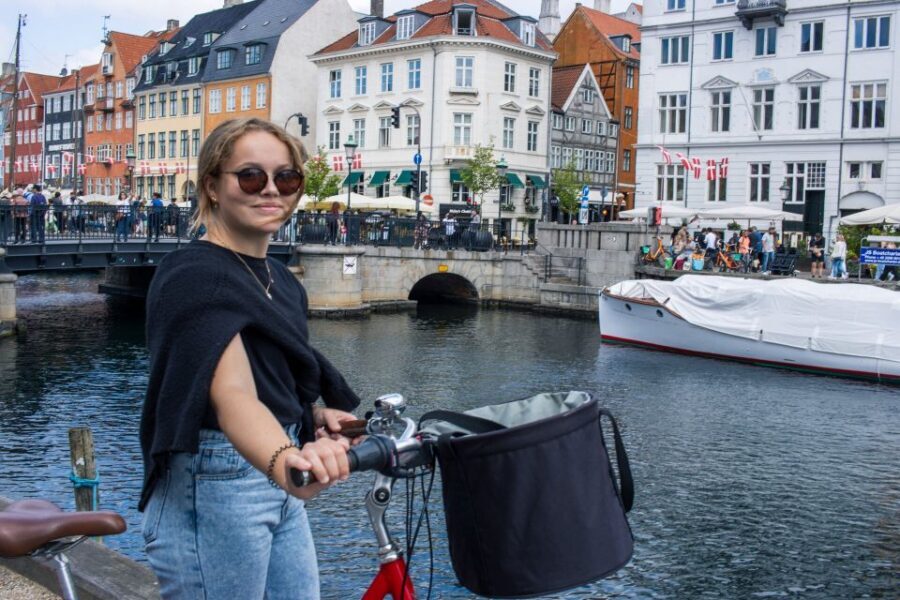
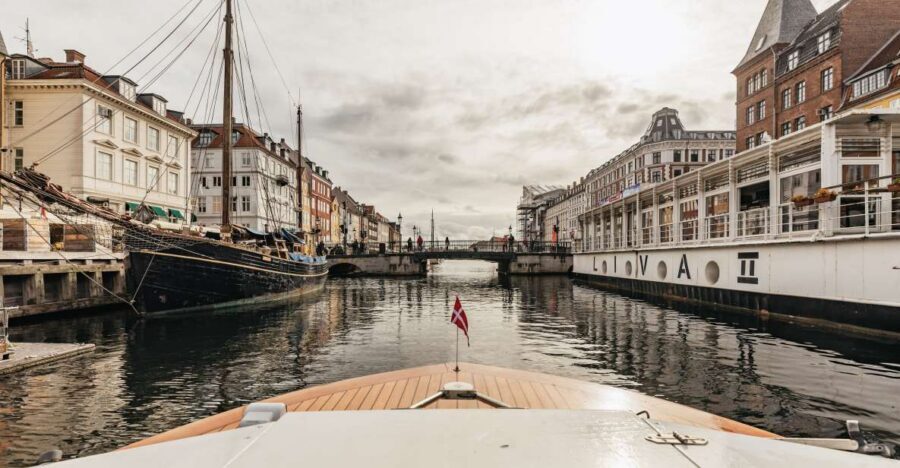
Nyhavn: Waterfront Drama That Makes the Past Feel Local
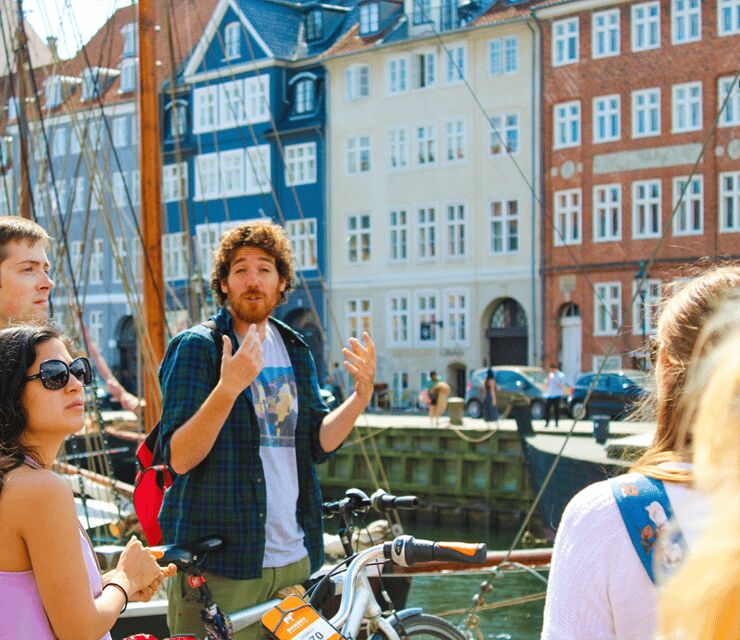
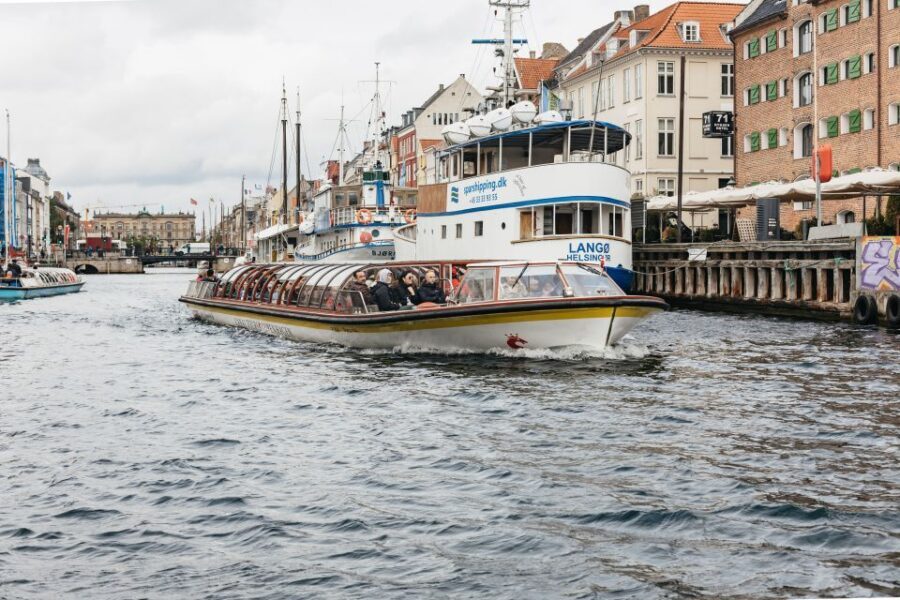
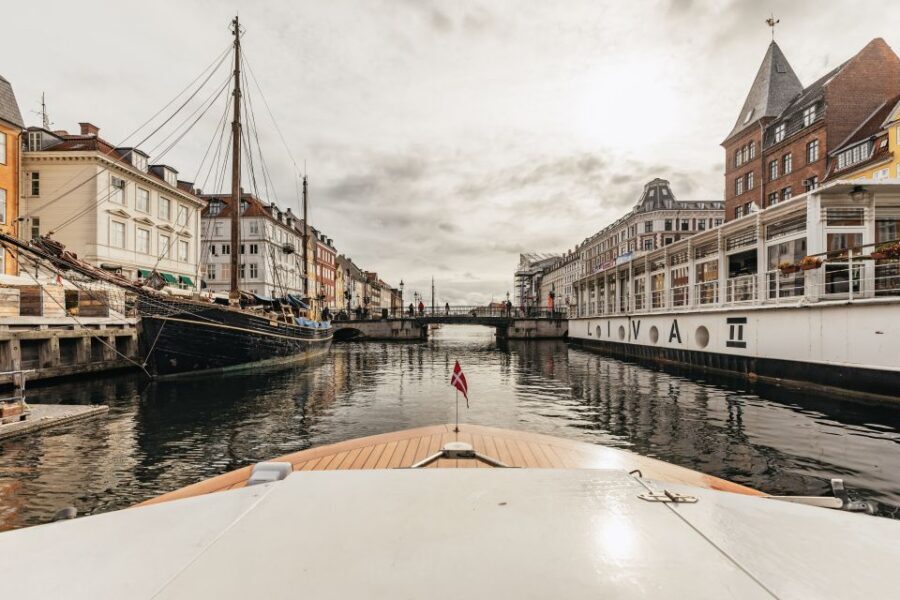
Then you reach Nyhavn. This is the payoff stop for a lot of people because it is visual. The waterfront setting makes the stories feel grounded in daily life rather than locked behind walls.
This is also where you’ll likely notice the tour does not just “name-drop.” It tries to connect Denmark’s famous tales to the physical city you can see right now.
Crowds can build around Nyhavn, especially at peak hours. I recommend you step back slightly for photos if the group is stopping tightly, then rejoin when the guide moves on.
Amalienborg Palace Area: Royal Denmark in the Place You Can’t Ignore
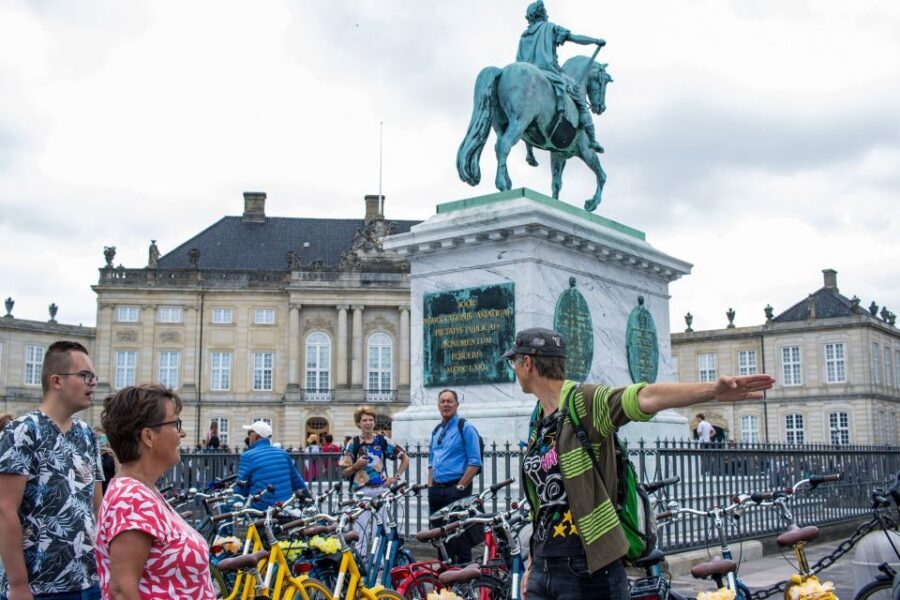
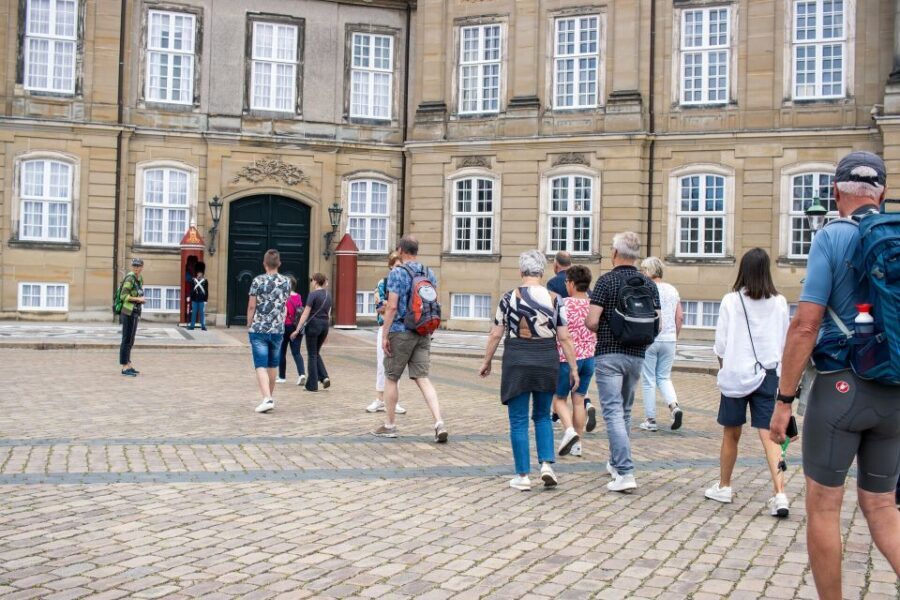
Finally, you end near Amalienborg Palace, the royal-palace complex, with the Marble Church nearby. This part of the walk is where your earlier context starts clicking into place. The guide ties earlier history themes back to the royal landscape you are seeing.
One of the biggest values of reaching Amalienborg at the right time is the chance to witness ceremony-related moments if timing lines up. The better you plan your day, the more likely you are to catch something like that without scrambling.
Marble Church: The Finish That Lets You Keep Exploring
The tour ends by the Marble Church area. This gives you a strong “destination endpoint” that is easy to transition from: you can head onward to nearby streets, grab food, or keep walking toward other neighborhoods.
Marble Church is a good finish point because it is photogenic and easy to orient around. If you feel like you did not study a map at all during the tour, that is normal—you are meant to leave with an instinct for where things are.
The Humor Factor: Who This Tour Is For (and Who Should Skip It)
This experience is explicitly built for travelers who want to laugh at the edges of history, not just file facts into a notebook. The guide style is politically incorrect, and the route is described as sticking to the fun (and offensive) stuff.
They also mix in jokes about many nationalities, including their own. That is the point, but it is also the reason you should choose carefully.
I’d be cautious about booking if:
- You dislike off-color comedy or you are easily bothered by controversial topics
- You want a clean, classical sightseeing experience
- You prefer a straight lecture over a joke-driven approach
On the flip side, if you have a dark or dry sense of humor and you like learning by listening to stories, this kind of guide can make a short tour feel a lot longer.
Group Pace, Cold Weather, and Comfort Tips That Matter
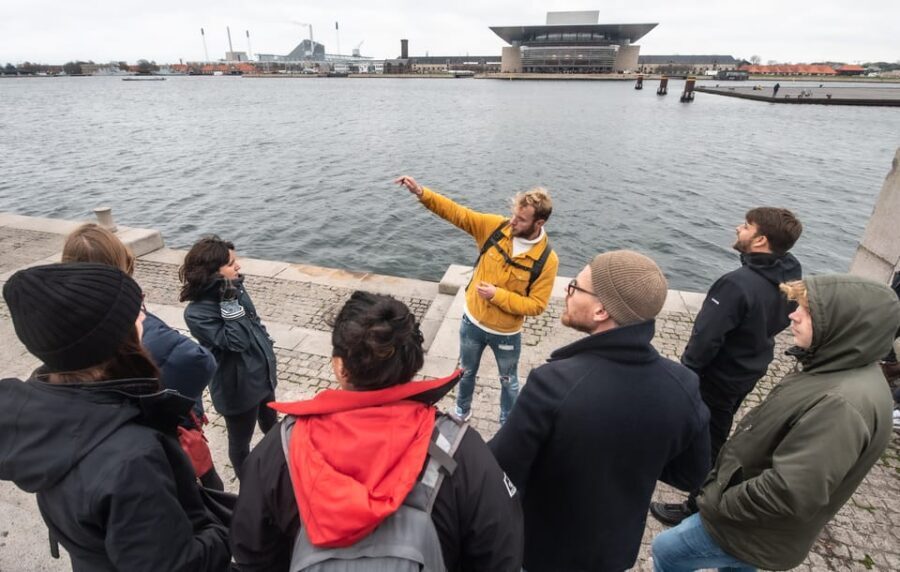
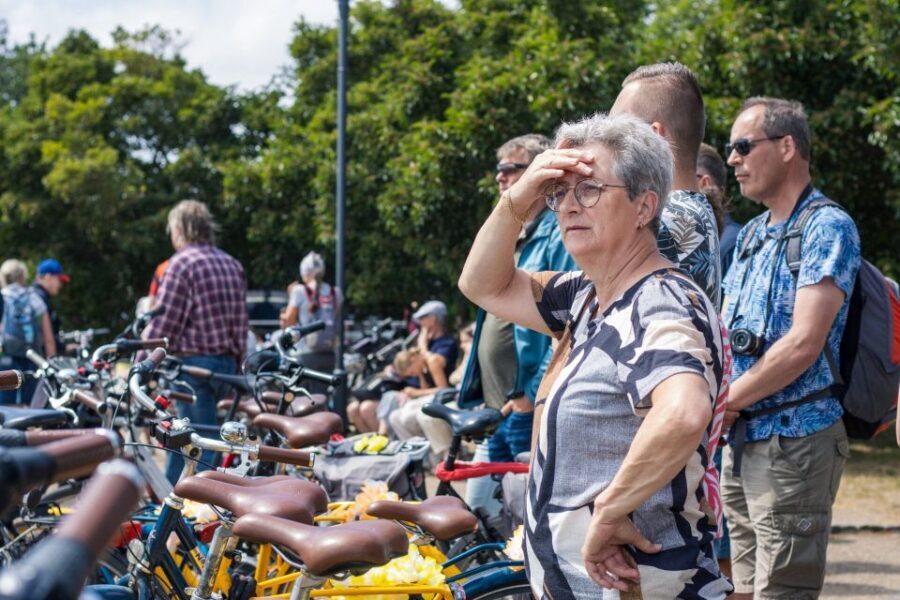
Because this is a group walking tour, pace matters. Some people in the group may keep up easily; others might struggle if the guide moves quickly between explanations.
I recommend you:
- Wear shoes you can walk on comfortably. Copenhagen’s center has cobblestones and old-street texture.
- Bring a layer for the weather. Guides keep moving, and waiting around can be minimal but real.
- If you move slowly, position yourself where you can hear without sprinting. Being at the wrong spot can make you miss parts.
Also, the tour is wheelchair accessible in the broad sense. Still, you should consider that any walking tour’s comfort depends on crowd density and group tempo.
Guides Make the Difference: What to Expect From the Style
The biggest common thread across recent guide performance is energy plus clarity. Guides like Thor, Steen, Sebastian, Roger, Magnus, Martin, Paul, Silas, and Conrad have all been singled out for making the time fly while still covering the major sights.
You’ll often feel two things at once:
1) the guide is performing (the comedy is front-and-center)
2) the guide is managing the route and timing (so you see the stops without losing the story)
That timing detail can matter around ceremonial moments. If the schedule lines up, the tour’s planning can help you see things without missing the main sights.
You can also benefit from asking questions. Many guides naturally share practical recommendations—things like where to eat or where to go next. Some have even shared discount codes for fun local attractions, but that kind of bonus is not something you should base your whole plan on.
Should You Book This Copenhagen Highlights Walk?
Book it if you want an efficient, story-driven introduction to central Copenhagen and you are comfortable with edgy, offensive-leaning humor mixed into history. It is also a strong pick if you want orientation fast—so you can wander later with more confidence and fewer detours.
Skip it if you want a traditional, respectful, fact-only history tour. The humor style is not an add-on; it is the method. If sensitive topics would ruin your day, you will not have a good time.
My practical rule of thumb: this tour is best as your first or early sightseeing outing, when you are still building your mental map. If you have two free hours and a decent sense of humor, it can turn Copenhagen’s famous streets into something you remember—not just something you passed by.
FAQ
How long is the Copenhagen group walking tour?
It lasts 2 hours.
Where do I meet the guide?
Meet between the metro station entrance at Gammel Strand and the Absalon statue (the horse-mounted figure). Look for the guide with the orange umbrella.
Where does the tour end?
It ends next to the Amalienborg Royal Palaces and the Marble Church.
What language is the tour in?
The tour is in English, and English is mandatory.
How much does the tour cost?
The price is $39 per person.
Is there a guide included?
Yes. A live English-speaking guide is included.
Is entrance to sights included?
Entrance fees are not included (it is an outdoor tour).
Are children allowed?
Children are welcome, and most guides can keep content at a PG-13 level.
Is the tour wheelchair accessible?
The tour is listed as wheelchair accessible.
What should I expect from the humor and topics?
Expect politically incorrect humor and jokes that may be offensive. If you are sensitive about certain topics, the company recommends you do not book.