If you want Copenhagen to feel cozy fast, this walk works. It blends classic highlights with the slower, “stop and notice” rhythm Denmark does so well, with a local guide and lunch included.
I especially like how the route is built around hygge moments, not just landmarks. You get time in calmer pockets like Kastellet’s fortress grounds and Churchillparken, plus story-driven stops that connect the city’s design to Danish life.
One thing to consider: it’s a long day on your feet—about 10 km, in mostly outdoor walking—so bring good shoes and plan for weather.
In This Review
- Key highlights you’ll feel during this tour
- Why this Copenhagen hygge tour is more than a sightseeing checklist
- The day’s rhythm: meeting point, timing, and how much walking
- Nyboder’s yellow houses: stepping back into Danish everyday life
- Cobblestones and calm: wandering Krusemyntegade style streets
- Kastellet fortress grounds and Kastelsmøllen windmill views
- The Little Mermaid and Gefion Fountain: myth that ties to geography
- Churchillparken and Marmorkirken: the calm before the palace intensity
- Amalienborg: the changing of the guards moment that actually feels meaningful
- Toldboden to Nyhavn: lunch with a waterfront view and the day’s best pause
- Kongens Nytorv and the quieter side of Strøget
- Nikolaj Kunsthal and Christiansborg: religion outside, politics explained
- Kierkegaard’s presence, Round Tower passing, and the park-castle finish
- Price and what you actually get: is $114.93 good value?
- Practical tips so the tour feels easy, not exhausting
- Should you book this Copenhagen hygge walking tour?
- FAQ
- How long is the Copenhagen walking tour?
- About how much walking is there?
- What time does the tour start, and where do I meet?
- Is lunch included?
- How big is the group?
- What language are the tours offered in?
- Do we go inside the buildings?
- What should I bring for weather?
- Is this tour okay for kids?
Key highlights you’ll feel during this tour
- Small group of up to 10 people, which makes questions actually work
- Hygge-first route: quiet parks and fortress grounds, not only famous photo stops
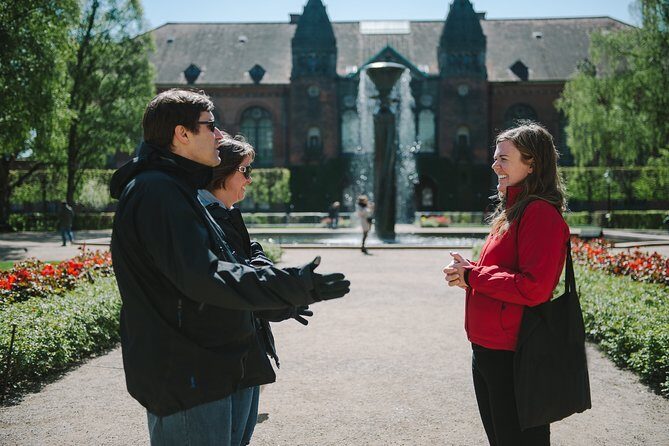
- Native English-speaking guides with local context (you may meet guides like Oskar, Therese, Jacob, Peter, Sandra, Kenneth, or Lukas)
- Lunch plus a sweet treat during prime waterfront scenery
- Most sites are outside viewing only, keeping the day moving and low-stress
- Changing of the guard timing at Amalienborg, a memorable Copenhagen moment
Why this Copenhagen hygge tour is more than a sightseeing checklist
Copenhagen can be very pretty, but it can also move fast. What makes this tour feel different is that it uses the city’s character—streets, stone, green pauses, and royal rituals—to explain why Copenhageners slow down in the first place. Hygge here isn’t treated like a slogan. It’s built into the schedule.
You’ll walk through old neighborhoods, fortress-like spaces, and palace-area drama, then switch gears to calmer gardens and churchyard paths. That mix keeps the day interesting without turning into a frantic “see everything” marathon.
The other smart part: you’re not stuck only at the top-name sights. The route takes you to places where the city feels lived-in, with guide stories that give meaning to cobblestones, fountain views, and even the layout of a garden.
You can also read our reviews of more walking tours in Copenhagen


The day’s rhythm: meeting point, timing, and how much walking
The tour starts at 10:00 am at Krokodillegade 21, 1326 København K. You’ll end in the Inner City area (the exact endpoint can shift), so plan to keep the rest of your afternoon flexible.
Expect about 5 to 6 hours total and around 10 km of walking. That’s not a casual stroll, even if the pace includes frequent short breaks. If your legs get cranky after an hour of city walking, this is the one to plan carefully for.
This is also a practical tour for real weather. The guidance is clear: wear suitable footwear and bring an umbrella or rain jacket. I like that they assume rain is possible and don’t pretend Copenhagen always cooperates.
Nyboder’s yellow houses: stepping back into Danish everyday life
You begin near Nyboder’s Mindestuer, an area known for its classic yellow houses. This opening matters because it sets the tone: you’re not starting at a museum. You’re starting in a historic neighborhood texture that helps you understand Copenhagen’s “ordinary beauty.”
You’ll meet your native Copenhagener guide and get a chance to ask questions early—useful if you want help with priorities for the rest of your trip. The best part of this start is that it turns the tour into a conversation rather than a lecture.
This stop is light on logistics (no entrance ticket needed), but it gives you a mental reference point for the hours ahead: Danish culture, local habits, and historical threads that you’ll keep seeing along the way.
Cobblestones and calm: wandering Krusemyntegade style streets
From there, the tour moves through the oldest parts of the city. You’ll notice cobblestone-filled streets and timber-framed houses, plus small green pockets of calm that break up the urban feel.
Krusemyntegade is called out as a street that practically begs you to slow down. That’s the tour’s theme in micro form: the city’s charm is partly in how it looks, and partly in how long it lets you pause.
Admission is free for these viewpoints, so you’re paying mainly for guide time and storytelling—not for constant ticketing. That keeps the day from feeling like a queue festival.
Kastellet fortress grounds and Kastelsmøllen windmill views

Next comes Kastellet, a fortress area where the sound changes as you walk across the old moat and onto the grounds. This is where the tour starts to feel almost cinematic: your footsteps get the main soundtrack, and the city noise fades.
You also stop by Kastelsmøllen, the old windmill inside Kastellet. Even though it’s no longer in use, the idea is to look at it as part of the rhythm of the place—something that feels “alive” because it’s still there, still framing the views.
Why I like this pair of stops: they’re not just famous—they’re peaceful. Even if you only have one full day in Copenhagen, you’ll remember how this area made the city feel quieter.
A few more Copenhagen tours and experiences worth a look




The Little Mermaid and Gefion Fountain: myth that ties to geography
Then you shift to the famous stuff. The Little Mermaid is brief, but it’s framed with a point that you’ll hear repeated in the tour: Copenhagen has fairy-tale dust on the surface, but there’s usually a deeper story underneath.
After that comes Gefionspringvandet (Gefion Fountain), where the guide shares stories about Copenhagen’s origin and Norse myth from Viking times. The description leans dark in a fun way—this is myth told with Copenhagen-specific flavor, not generic Viking talk.
You’ll also hear a story about St Albans Church, quietly placed in Churchillparken. That little detail matters because it makes the next green pause feel connected, not random.
Churchillparken and Marmorkirken: the calm before the palace intensity

Churchillparken is one of those overlooked green spaces that feels like a forced reset button. You’ll leave the church area and step into paths under tall trees, with a stillness that fits the hygge theme perfectly.
Then you’re set up for one of Copenhagen’s visual “wow” moments: Frederiks Kirke (Marmorkirken). The tour highlights the soaring copper-green dome and how it pulls your eyes toward the sky. This is a stop that works even if you’re not a church person.
Neither of these stops is about rushing inside. You’re mostly observing, letting the guide’s stories give shape to what you’re seeing.
Amalienborg: the changing of the guards moment that actually feels meaningful
You’ll arrive at Amalienborg Palace Museum right around the time for the changing of the guards. The tour frames it as more than pageantry. It’s described as a shared stillness—something you can feel as the guards pass in their dark uniforms and bearskin hats.
There’s a practical perk here: because the tour route gets you there at the right time, you don’t have to play guessing games with schedules. You just show up, look, and listen.
Your guide shares context about the Danish royal family and also offers insider-style stories about the guards—exact details will depend on your guide, but the emphasis stays the same: what the ritual means and how Copenhageners treat it.
Then you get Amaliehaven, tucked just behind Amalienborg. It’s described as a secret garden in the middle of the city, with symmetrical layout, fountains, and water views toward the opera area. This works as a decompression stop right after the guard change.
Toldboden to Nyhavn: lunch with a waterfront view and the day’s best pause
After Amaliehaven, the tour walks past views toward the Copenhagen Opera House and the peaceful green of Operaparken along the way to Toldboden. You’re guided to a nearby lunch spot with local flavors.
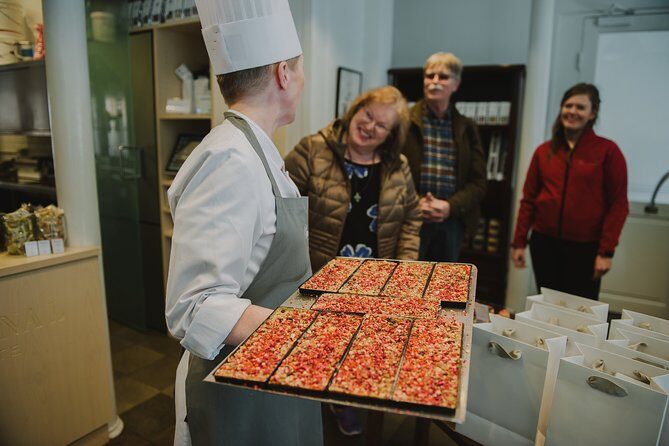
Lunch is a core part of the value here. The price includes lunch plus a small sweet treat. And in the kinds of experiences this tour has earned praise for, people often mention the lunch portion feels like the right size—not so much that you need a nap, but enough to reset you for the afternoon.
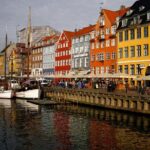
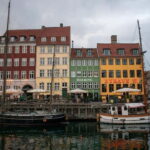
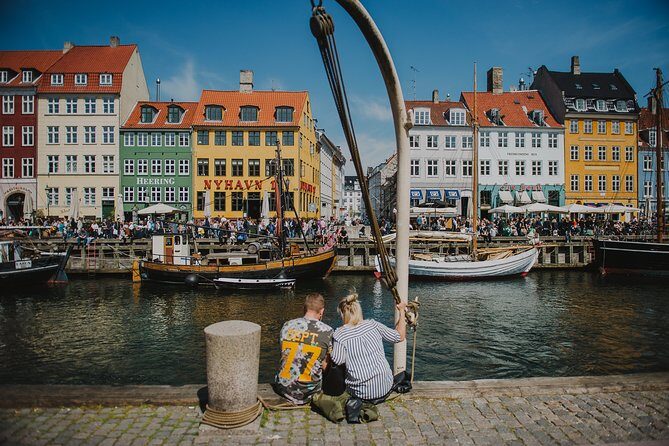
Then you land in the heart of the classic scene: Nyhavn. The guide chooses a spot near the waterfront where the colorful canal buildings and lively atmosphere set up a perfect hygge pause.
If you have dietary needs, it’s worth asking in advance. One detail from the tour history here: a gluten-free option has been mentioned for the stand-up lunch style. That’s not guaranteed for every meal, but it’s a useful clue that the operator can handle some restrictions.
Kongens Nytorv and the quieter side of Strøget
Next is Copenhagen King’s New Square (Kongens Nytorv), a grand central square that gives you a quick break in the action. It’s good for scanning everyday life—historic buildings on the edges, cafés and city energy in the middle.
Then the tour does something smart for first-time visitors: it doesn’t drag you through the busiest pedestrian shopping street (Strøget). Instead, you brush past it and steer into quieter side streets where the city’s “real” hyggelig vibe shows up more naturally.
This is a relief if you’re traveling during peak season or around major holidays, when central walking routes can become a human conveyor belt.
Nikolaj Kunsthal and Christiansborg: religion outside, politics explained
You stop at Nikolaj Kunsthal, where you look up at a spire that can look like a church at first glance—but isn’t. The guide shares how Copenhageners think about religion and how that shapes culture even today.
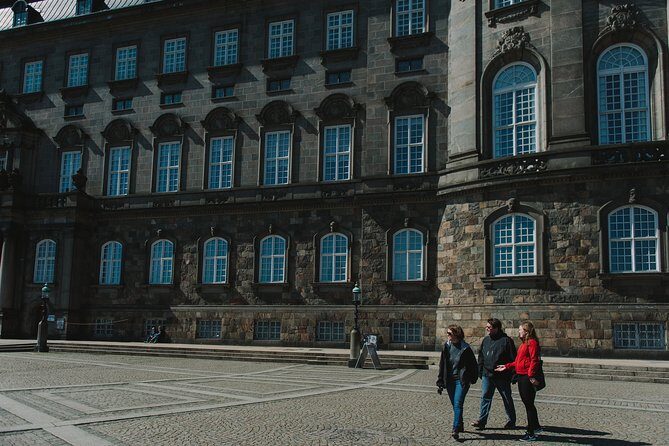
Then it’s on to Christiansborg Slot, now the Danish parliament. The tour uses that location to explain Danish politics, the welfare system, and cultural ideas like Jante—a concept tied to how Danes live with trust and social expectations.
This is where the tour becomes more than walking. You get a practical mental map for why Denmark feels the way it does—calm in public life, relatively low-drama in many interactions, and a strong sense of what people expect from one another.
If you like understanding the culture behind the architecture, this section is a highlight.
Kierkegaard’s presence, Round Tower passing, and the park-castle finish
The afternoon continues with thoughtful pauses. You’ll visit Søren Kierkegaard’s statue at Bibliotekshaven, described as a hidden oasis just steps from busy streets. It’s a small stop, but it adds a reflective note that fits the tour’s hygge tone.
Then you pass The Round Tower (Rundetårn) and hear stories about King Christian IV and his impact on Copenhagen’s architecture and character. You’re not paying for entry here, but you’re getting the context for why the city looks the way it does.
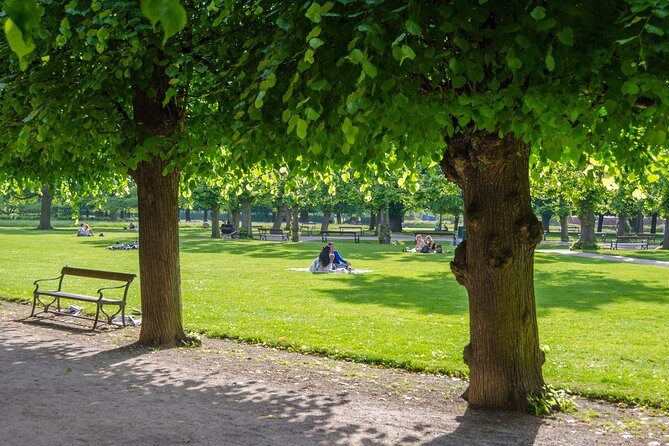
Next comes Kongens Have (King’s Garden), where you walk through calm greenery in the middle of the city. You’ll hear how this once-royal park became one of the first public parks in the world, plus entertaining hints about the people behind it.
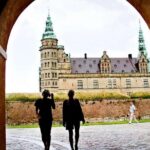
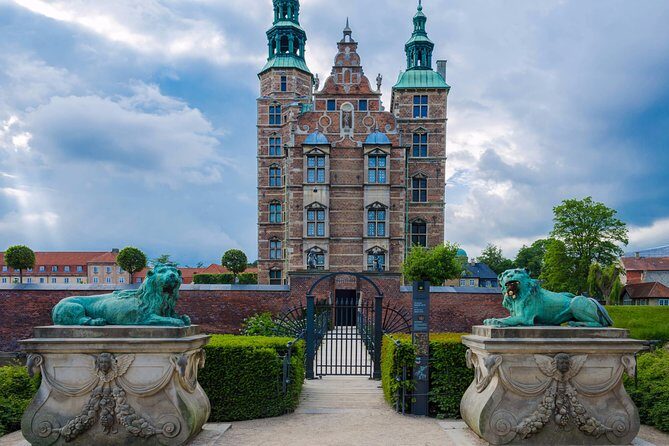
Finally, you end near Rosenborg Castle area for a pause with that fairy-tale feel: red brick façades, elegant towers, and garden views. The tour notes Rosenborg Castle as an outside stop (no inside access).
Price and what you actually get: is $114.93 good value?
At $114.93 per person for roughly 5 to 6 hours, you’re paying for three things: a local guide, a full route of outdoor stops, and lunch plus a sweet treat.
The lunch inclusion changes the math. In a city as expensive as Copenhagen, having one meal handled for you can be the difference between a decent day and a pricey day. Add the snack breaks and you’re less likely to get hungry at the wrong time and start making rushed choices.
The tour also limits what you’re paying for through tickets. Most stops are listed as free or outside viewing only. Two specific places are noted as not included for tickets—Frederiks Kirke and Amalienborg Palace Museum—but since the day focuses on outside viewing and guard change, you aren’t missing the main experience.
One more value point: this is capped at 10 travelers. That small group size matters on a walking tour. You get more attention, and it’s easier to keep up with the guide if you’re not sprinting.
Practical tips so the tour feels easy, not exhausting
- Wear shoes you trust. You’ll walk about 10 km, mostly outdoors.
- Bring rain gear even if the morning looks decent. The tour guidance explicitly calls for an umbrella or rain jacket.
- Pace yourself before lunch. The schedule includes a lunch reset during the waterfront section, so don’t spend the first half trying to “win the day.”
- Use the guide for more than stories. Ask for food ideas after the tour. Many people come away with a better sense of where to eat next.
- If you care about photos, bring a plan. The route hits classic framing points like Nyhavn views, Amalienborg guard change area, and dome-and-sky perspectives at Marmorkirken.
Should you book this Copenhagen hygge walking tour?
Book it if you want a first-day orientation to Copenhagen with a Danish perspective and a clear schedule that mixes famous sites with calmer places. It’s also a strong pick if you like understanding culture, not just collecting photos.
Skip it or reconsider if you dislike long walking days or need lots of indoor access. The tour specifically notes that you won’t access the inside of several major buildings, and the day stays outdoors between stops.
If you’re short on time and want one dependable, well-timed day—especially with lunch included—this is a solid choice. Just make sure your shoes are ready, and you’ll be in a great mood before the guard change even happens.
FAQ
How long is the Copenhagen walking tour?
It runs about 5 to 6 hours.
About how much walking is there?
The tour involves walking roughly 10 km over the day.
What time does the tour start, and where do I meet?
Meeting is at Krokodillegade 21, 1326 København K at 10:00 am. The tour ends in Indre By (Inner City), with the exact ending point varying.
Is lunch included?
Yes. Lunch is included, and there’s also a small sweet treat/snack.
How big is the group?
The tour is limited to a maximum group size of 10 travelers.
What language are the tours offered in?
The tour is offered in English with a native English-speaking guide.
Do we go inside the buildings?
No. The tour notes that you won’t access the inside of multiple buildings and will instead experience them from the outside (including places such as Rosenborg Castle, Christiansborg Palace, Marble Church, and others listed).
What should I bring for weather?
Wear suitable footwear for walking and bring an umbrella or rain jacket, since rain is possible.
Is this tour okay for kids?
It’s child-friendly. Children 6 to 11 can join at the listed child rate, and children under 6 can join for free (with advance notice when booking).