Copenhagen is best learned one corner at a time. This guided walking tour strings together medieval streets and Danish customs in a way that feels practical, not scripted. I like the history the guide brings to life, and I like that the route covers major old-town landmarks like Tivoli (outside), Strøget, and Nyhavn without turning it into a photo sprint.
The main thing to consider is the pace: it’s a 3-hour, on-your-feet walk rain or shine, and you’ll also want to leave big luggage behind. If you have mobility needs that make walking long stretches tough, this one may not fit.
In This Review
- Key highlights to look for
- Meeting at Copenhagen Central Station and Getting Your Bearings
- How a 3-Hour Walk Feels Different From a Photo Checklist
- City Hall, Ny Torv, and Gammel Torv: Where Old Streets Explain Old Rules
- Copenhagen Cathedral and Strøget: Danish Life in Plain Sight
- Christiansborg Castle and the Parliament Area: Power, Ceremony, and Timing
- The Old Stock Exchange, the Round Tower, and Rosenborg Castle: The City’s Layers in Sequence
- Nyhavn and Amalienborg: The Water Cut and the Royal Square Finish
- Price and Value: When $343 Per Group Actually Makes Sense
- What to Bring and How to Stay Comfortable (Rain-Ready)
- Who Should Book This Tour (and Who Might Skip It)
- Book It or Skip It?
- FAQ
- Where do we meet the guide?
- How long is the Copenhagen walking tour?
- What languages are the guides?
- Is food or drinks included?
- Does the tour run in bad weather?
- Are large bags or luggage allowed?
Key highlights to look for

- Meet at Copenhagen Central Station (Tivoli-side exit) so you start with clarity, not confusion
- Medieval Copenhagen on foot, with stops that connect streets, buildings, and daily life
- Danish customs and traditions, explained as you walk through the places where they show up
- Royal and classic Copenhagen views, from castles and squares to the water at Nyhavn
- Guides who adapt, like timing key moments (some guides even worked around changing scenes)
- Private group format up to 5, which often means fewer bottlenecks and more Q&A
Meeting at Copenhagen Central Station and Getting Your Bearings
Start where most people already are: Copenhagen Central Station. Your meeting point is the exit to Tivoli Gardens, so the first move is easy—head in the Tivoli direction and you’re set. This matters more than it sounds. When your first day starts on a strong anchor, you spend the rest of the trip walking with confidence instead of cross-checking maps every ten minutes.
From there, you’re not just moving between attractions. You’re building a mental map of Copenhagen. The best part of a walking tour is that it forces you to notice the city’s logic: what’s near, what’s connected, what “matters” and why. With this one, the guide uses the landmarks as story checkpoints, so you come away knowing how the city developed—not just what it looks like.
One smart bonus from the guides is their real flexibility. In different groups, I’ve seen guides adjust on the fly—like when a royal arrival or parade moment popped up near Parliament and the guide worked it into the route. Even if that specific scenario doesn’t happen on your day, the pattern is the same: you’re not stuck in a rigid script.
You can also read our reviews of more walking tours in Copenhagen


How a 3-Hour Walk Feels Different From a Photo Checklist
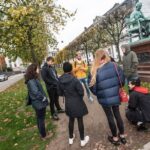
Three hours is just long enough to feel like something happened, and short enough that you won’t spend the rest of your vacation recovering. The route is designed to hit big-name Copenhagen while still leaving room for stops to rest, look, and ask questions. Several reviews mention how guides kept kids and teens engaged—so the tour isn’t only for history nerds.
Also, private group format helps. With a group size that’s capped at up to 5, the guide can slow down when your family needs a breather or when someone wants a better answer than a quick soundbite. It changes the tone. Instead of a herd, it’s closer to a conversation with a city expert standing beside you.
Expect a steady walk. You’ll cover a good chunk of central Copenhagen, which means comfy shoes are non-negotiable. The tour takes place rain or shine, so plan like you’re going out for a brisk day, not like you’re scheduling a guaranteed sunny stroll.
City Hall, Ny Torv, and Gammel Torv: Where Old Streets Explain Old Rules
One of the best ways to understand Copenhagen is to watch how public spaces connect. Early stops like City Hall, Ny Torv, and Gammel Torv aren’t just “pretty squares.” In the guide’s telling, they become places where civic life played out—markets, ceremonies, political moments, and the everyday choreography of the city.
If you’ve ever visited a city where everything feels like a blur of sights, pay attention here. The guide tends to link what you’re seeing to how people used to live and how they still think about order, community, and tradition. That’s why these squares work so well in a walking format: you’re standing in the middle of the story while it’s being told.
What I like about this part: it’s not only monuments. It’s the spaces that make the monuments make sense. You’ll often get a clearer sense of direction, too—because these central points act like navigation hubs.
Copenhagen Cathedral and Strøget: Danish Life in Plain Sight
Then comes two big “feel” stops: Copenhagen’s Cathedral and Strøget. Strøget is the kind of street that’s instantly recognizable once you’re there, but the tour adds value by explaining how the area functions in daily life. It’s easy to treat a main shopping street like just a shopping street. A good guide reframes it as a living artery of the city.
With the Cathedral area, you get something different: a sense of the city’s longer timeline. Even if you don’t go inside (the tour may vary based on the guide’s itinerary), the exterior context helps you understand why this part of Copenhagen has been a focal point for so long.
A practical tip: if you like taking photos, bring patience. These spots can be busy, and the tour flow is built around listening and walking, not standing still for long stretches. If you want a few extra minutes for a photo, this is a good moment to ask the guide when you should step aside. In some groups, guides have been happy to slow down when someone wanted to linger, like at a ceremonial arrival near the palace area.
Christiansborg Castle and the Parliament Area: Power, Ceremony, and Timing

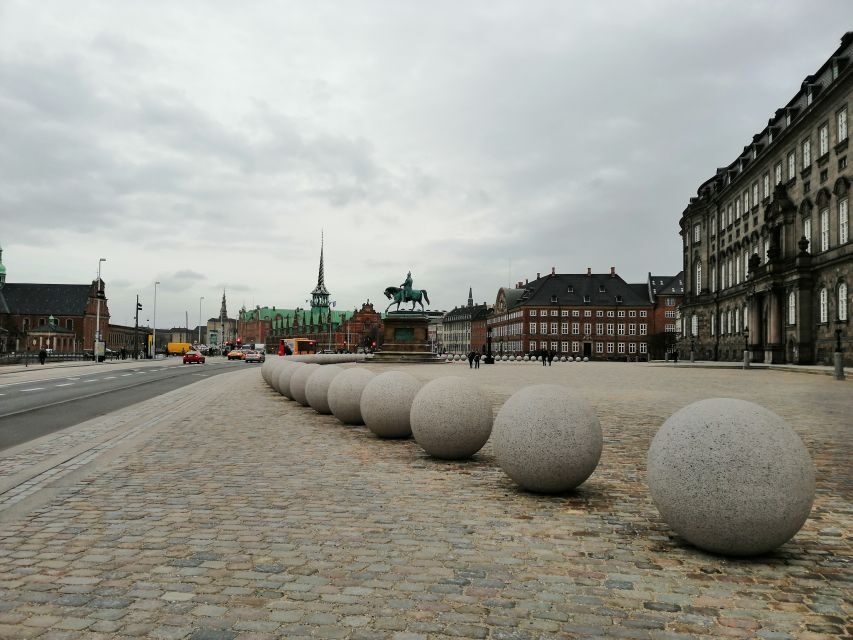
You’ll pass through the royal-and-government zone near Christiansborg Castle. Even without a deep “courtyard-to-courtyard” plan spelled out, this area tends to grab your attention because it’s where Denmark’s public identity shows up in architecture and setting.
Some guides have built moments into the walk around real-world scenes—like coordinating timing when royalty or ceremonial activity is happening nearby. So if you’re visiting during a period when something public is going on, don’t be surprised if your guide tries to help you catch a glimpse.
Possible drawback: you may end up walking slower than you expected, especially if a guide stops to explain something more than the usual “this is where the famous building is.” That’s not a problem—unless you’re on a strict clock.
If you’re the type who likes to know the why behind the walls, this stop is a highlight.
You can also read our reviews of more guided tours in Copenhagen




The Old Stock Exchange, the Round Tower, and Rosenborg Castle: The City’s Layers in Sequence
This is where medieval Copenhagen starts to feel like it’s moving chronologically. You might see the Old Stock Exchange and then head toward the Round Tower area. After that, you’ll likely connect to Rosenborg Castle.
Think of this as the tour’s backbone: the guide uses these landmarks to show how Copenhagen’s story grew from older structures into the recognizable mix of royal power, civic importance, and everyday street life you see now. Guides also tend to give neat cultural context—like customs and traditions—so the city doesn’t feel like a set of disconnected monuments.
Rosenborg Castle, in particular, has a way of turning the walk from “interesting” into “wow, this is Denmark.” Even if you don’t go deep into the site, standing near it helps you picture the kind of power and permanence that shaped the city’s design. Several guides have been noted for timing moments around the palace area, including the changing of the guard, which can be a memorable payoff if your schedule aligns.
Practical note: the walking between these stops can add up. If you need frequent short breaks, this is still doable. Many reviews mention that guides paced the tour well and stopped when people needed to rest.
Nyhavn and Amalienborg: The Water Cut and the Royal Square Finish
Most Copenhagen tours save the fun for the end. This one sets you up for that with Nyhavn and Amalienborg Castle.
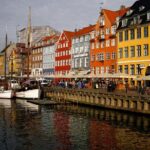
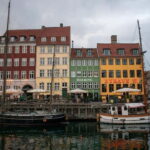
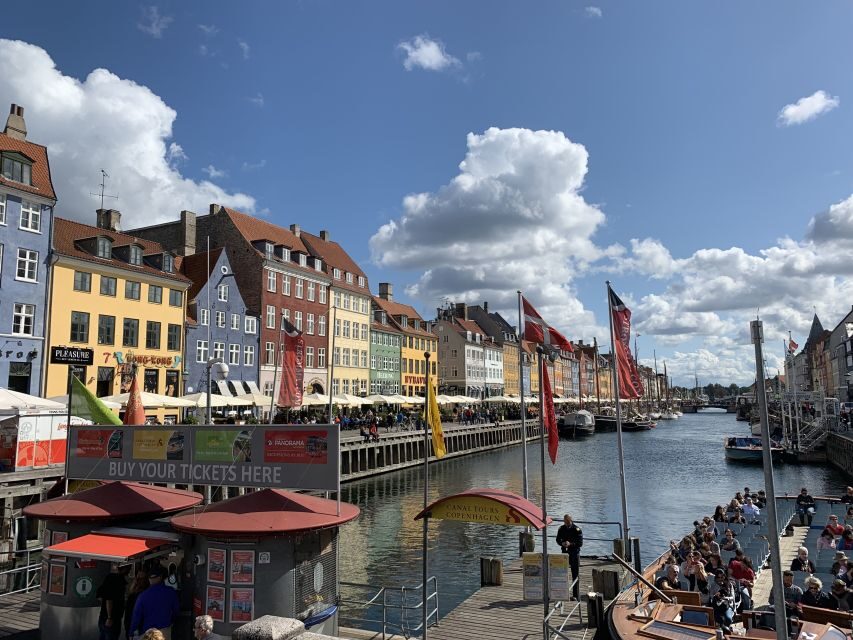
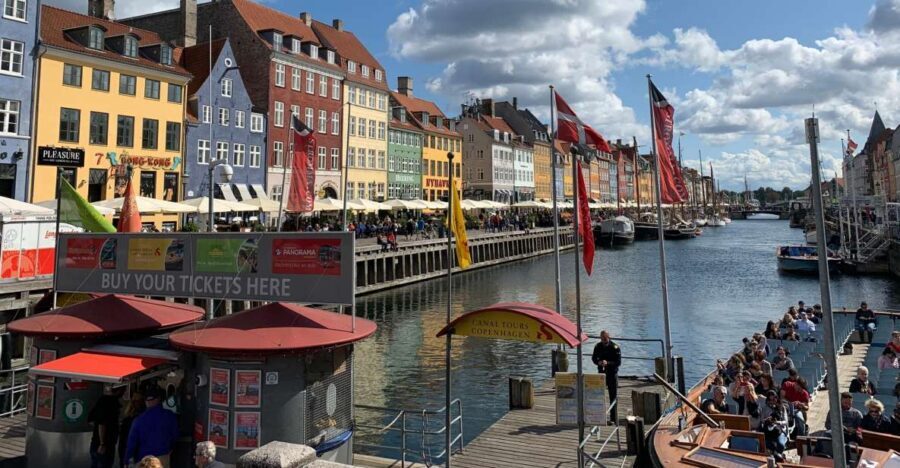
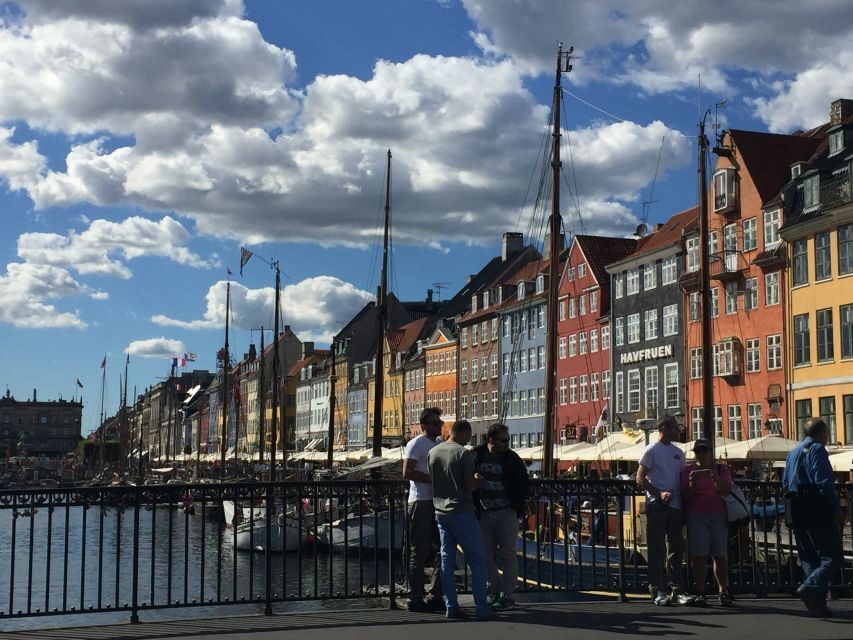
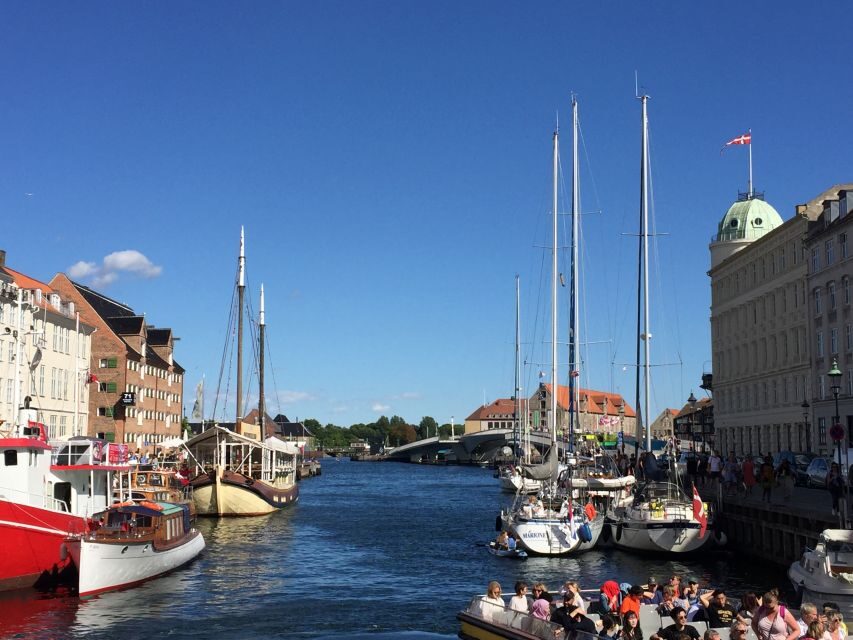
Nyhavn is where Copenhagen shifts gears toward atmosphere. The canals and waterfront edge give you instant “vacation brain” on. It’s also a strong place to absorb what you learned earlier, because you’re seeing the city’s history and its modern life in the same frame. You get the sense that Copenhagen’s past isn’t sealed behind glass—it’s part of the walk, the views, and the mood.
Then comes Amalienborg Castle. Even if you’re not doing a long ceremony visit, being in that zone helps you connect Denmark’s royal imagery to the rest of what you’ve seen today: squares, civic spaces, and streets.
If you’re someone who likes to end with a photo-worthy location where it feels natural to wander on your own afterwards, this finish is a solid choice.
Price and Value: When $343 Per Group Actually Makes Sense
The price is $343 per group for up to 5 people, for a 3-hour guided walking tour. On paper, it can look high if you’re thinking per person. Do the math, though: split among five and you’re around $69 per person for a private-style guided experience. Split among fewer and the cost climbs, but you still aren’t paying per-sight admission or wasting half a day trying to plan your own “greatest hits” route.
Here’s what you’re really buying at this price: time with a guide who can explain context and adjust pacing. Multiple guides were praised for being flexible—helping families, answering questions, and working around what’s happening in the city. That’s difficult to replicate when you’re self-guiding, and it’s especially valuable if you only have one or two days in Copenhagen.
If you’re traveling as a couple, it’s still often good value because the guide can tailor the pace. If you’re a solo traveler, it depends on how much you value guidance versus independence. You’ll likely get more from the tour if you enjoy asking questions and learning how sites connect.
What to Bring and How to Stay Comfortable (Rain-Ready)
This is a walking tour, and it runs rain or shine. Pack like Copenhagen is unpredictable—because it is. Bring comfortable shoes and warm, weather-appropriate clothing, plus an umbrella and a jacket.
Also, plan your bag. Luggage or large bags aren’t allowed, so keep it small. If you’re coming straight from a hotel with a suitcase, you’ll want a strategy (use storage where available, or keep only what you need for a few hours).
A simple comfort checklist:
- Shoes you can walk in for hours
- Layers, not one heavy coat
- Umbrella you’ll actually carry
- A small bag that doesn’t feel like a burden
One more thing: the tour says it’s wheelchair accessible, but it also states it’s not suitable for people with mobility impairments. If you’re in that category, I’d treat it as a “call first” situation. Don’t assume access equals easy walking comfort.
Who Should Book This Tour (and Who Might Skip It)
This works best if you:
- want an orientation to Copenhagen’s core neighborhoods
- like history told through places you can see and walk past
- enjoy cultural context like Danish customs and traditions
- travel in a small group and want a more personal pace
It’s especially smart for families. Several reviews specifically call out that guides kept kids and teens engaged. If you have teenagers, that matters—you’ll want something that feels like a story, not a lecture.
Skip it if you:
- can’t do long stretches on foot
- want a stop-and-start itinerary with lots of independent free time
- are traveling with heavy luggage that you can’t store elsewhere
Book It or Skip It?
If you’re trying to get real value from a limited amount of time in Copenhagen, I’d book this. For $343 per group up to 5, you get a guided walk that ties together the old town and major landmarks—Tivoli (outside), Strøget, cathedral area, Rosenborg, Nyhavn, and the royal zone—plus practical cultural explanations along the way.
If you have mobility concerns or you hate walking in rain, then don’t force it. But if you can handle a brisk few hours and you want the city to make sense, this is a solid first-day pick.
FAQ
Where do we meet the guide?
Meet at the Copenhagen Central Station exit to Tivoli.
How long is the Copenhagen walking tour?
The tour lasts 3 hours.
What languages are the guides?
The live tour guide speaks Spanish and English.
Is food or drinks included?
No. Food and drinks are not included.
Does the tour run in bad weather?
Yes. The walking tour takes place rain or shine.
Are large bags or luggage allowed?
No. Luggage or large bags are not allowed.