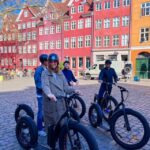
Copenhagen makes sense when you walk it with a guide. This 3-hour small-group highlights tour mixes the big-name sights with turns into calmer areas, so you leave with real context, not just photos.
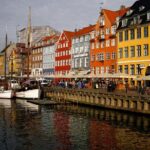
I especially like Nyhavn for its canal-front houses and the way the guide connects that look to Copenhagen’s culture. I also like the stop at Christiansborg Palace, because it’s one thing to see a grand building, and another to understand what it represents in Denmark’s everyday life.
One trade-off: it’s still a walking tour. Expect steady time on your feet, often on older paving, and it may be tough if you have mobility limits or need frequent stops.
In This Review
- Key moments that make this tour worth your time
- Starting at Café Fiol: a tight 3 hours that helps you plan the rest
- Nyhavn canal houses: more than postcard color
- Amagertorv medieval square: history you can stand inside
- Christiansborg Palace: seeing parliament as a real landmark
- Off the tourist trail: quieter districts that help you get your bearings
- Rain or shine pacing: what to expect on your feet
- Price and value: is $75 a smart use of limited time?
- Who this tour is best for (and who should skip it)
- Should you book this Copenhagen city highlights walk?
- FAQ
- How long is the Copenhagen guided city highlights tour?
- Where is the meeting point?
- How big is the group?
- What language is the tour guide speaking?
- Does the tour run in bad weather?
- Is it suitable for people with mobility impairments?
Key moments that make this tour worth your time
- Small group up to 10 people: easier questions and more personal pacing.
- Nyhavn canal-front focus: you get the charm and the story behind it.
- Amagertorv medieval square: history in the middle of modern Copenhagen.
- Christiansborg Palace + Denmark’s parliament: power and politics explained in plain language.
- Guides with real local energy: I’ve seen guides like Tom, Diana, Jose, and Michele praised for clear explanations and humor.
Starting at Café Fiol: a tight 3 hours that helps you plan the rest

This tour is designed for people who want orientation fast. You meet in front of the Café Fiol coffee shop, then head out with a local guide for a 3-hour walking route that balances famous sights with less-visited streets. The small size matters here: with a limit of 10 participants, you’re not lost in a crowd, and the guide can adjust the pace for questions and photo moments.
Because it’s walking-only, you’ll feel the city the way locals do—on sidewalks, through canal views, and along streets that reveal how Copenhagen is laid out. It’s also a good use of a first day in town. Even if you plan to come back later, you’ll know where things are, and you’ll understand what to prioritize.
The biggest practical tip: wear comfortable shoes. Reviews repeatedly flag sore feet as the normal outcome after a few hours, and some sidewalks can be uneven or cobbled.
You can also read our reviews of more guided tours in Copenhagen

Nyhavn canal houses: more than postcard color
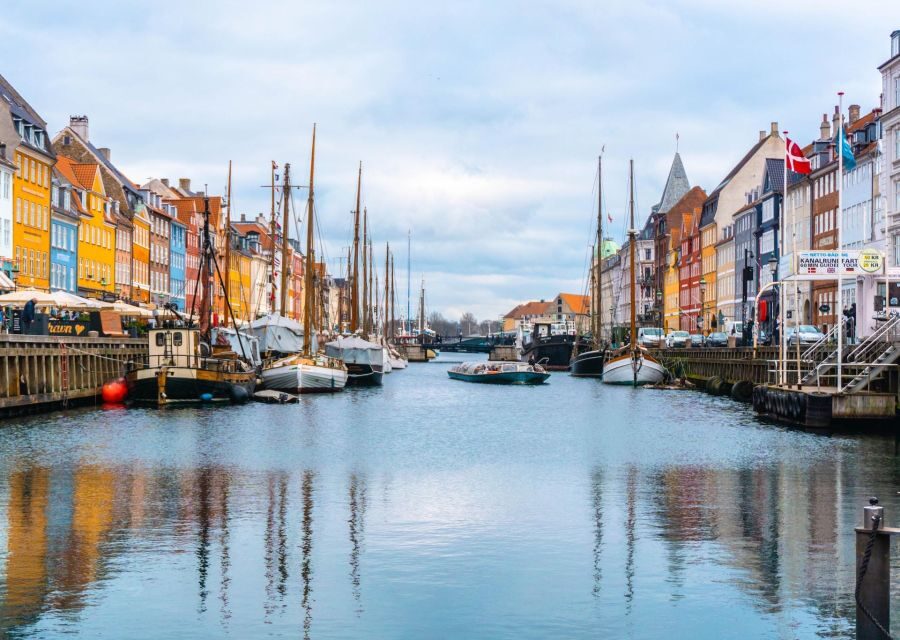
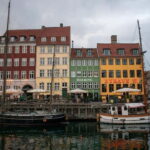
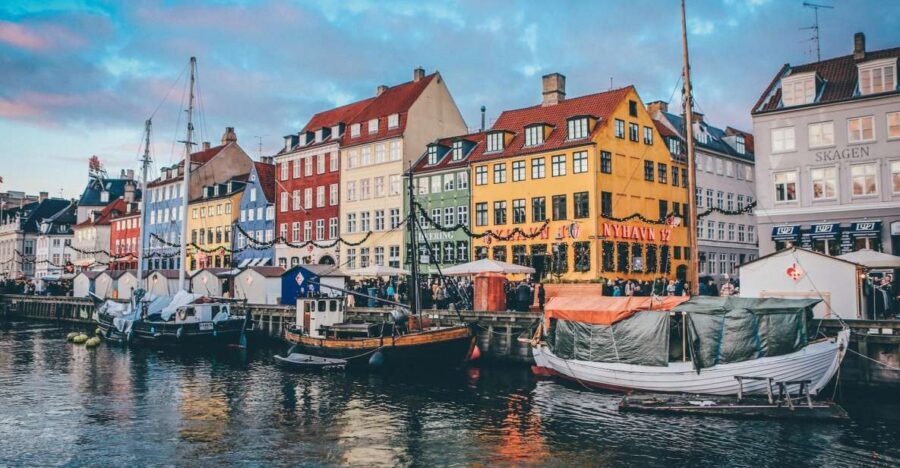
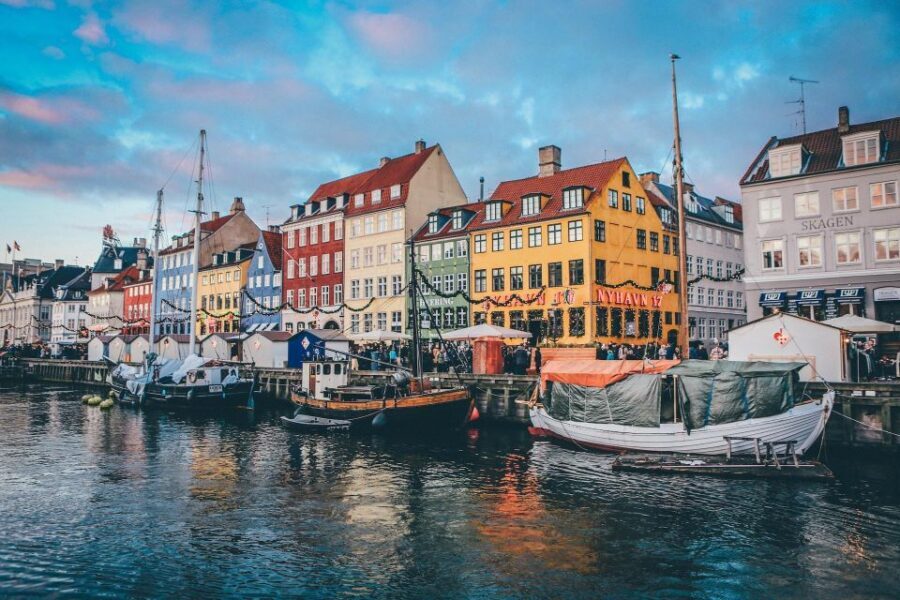
Nyhavn is the kind of place you’ve seen in pictures, but the guide approach changes how you see it. You’ll walk through the colorful canalside district of Nyhavn, and you’ll notice the quaint houses lining the water—bright, compact buildings that make the street feel like a continuous stage set.
What I like about this stop is the commentary. It’s not just what you’re looking at; it’s why that look matters. You learn how the area fits into Copenhagen’s cultural life, so the canals stop being a background and start being part of the city’s identity. It also sets an easy visual rhythm for the rest of the walk: once Nyhavn is in your head, the other landmarks feel less random.
Plan for photos. The canal-front angles can be great, but you’ll still be walking, so keep your phone handy and don’t count on long stops at every viewpoint.
If you hate crowds, Nyhavn can still get busy. The benefit of a guided route is that you’re not wandering around trying to figure out what to see first—you already have the logic.
Amagertorv medieval square: history you can stand inside
Next comes a contrast: Amagertorv, the medieval square the tour highlights for a reason. A square like this is where city life layers on top of itself. Even if you don’t know the dates, you can usually feel the difference between older urban spaces and newer layouts.
On this tour, you’re guided to look at the square as more than a photo stop. The guide explains the history behind the area so you can connect the look of the square with the way Copenhagen developed. That matters, because Copenhagen doesn’t always feel like one single “old city” you can simply walk through. Instead, you’re seeing older patterns still shaping how people move and gather.
One helpful mindset: treat the square like a reference point. After Amagertorv, you’ll better understand how the route flows through the center and why some streets and buildings feel like they belong together.
Wear shoes that handle outdoor stone. Even on a well-paced walk, you’ll be stepping around the edges of the city for miles of small distances, not a single long stretch.
Christiansborg Palace: seeing parliament as a real landmark
Christiansborg Palace is one of those places that sounds important before you even arrive. This tour takes you to the palace area and frames it as home of the Danish parliament—so you understand what you’re looking at in a practical way.
I like this stop because it explains how national life shows up in the built environment. You don’t just admire architecture; you learn what the palace represents in Denmark’s civic culture. That’s especially useful if you’re interested in modern Denmark, not only medieval or harbor-era stories.
Expect the guide to connect the palace to the idea of governance and national identity—simple explanations, not heavy jargon. Guides on this tour have a reputation for keeping answers straightforward and for fielding questions without making you feel rushed.
There’s another value here: Christiansborg sits in the kind of central location where the city’s different “moods” overlap. Around it, you can start to recognize how Copenhagen balances tradition with day-to-day modern life.
If you’re the type who likes history but finds museum walls too limiting, palace stops like this are a great compromise: you learn outside, and you keep moving.
Off the tourist trail: quieter districts that help you get your bearings
After the iconic landmarks, the tour’s real usefulness shows up. You veer off the tourist trail and visit lesser-known districts, using the guide’s local knowledge to show you what to notice that you’d likely miss on your own.
This is where the tour earns its “highlights plus” label. The goal isn’t to cram more famous buildings into your calendar. It’s to help you understand how Copenhagen functions beyond the obvious photo spots—what the streets feel like, how neighborhoods differ, and how the city connects visually and culturally.
In several guide-style stories from past participants, you can see the theme: the best tours don’t just point. They orient you. Some guides even help with next steps, like explaining public transport options and pointing people to the right lines and stops so they can keep exploring after the walk ends. You might not get that exact level of help every time, but it’s a clear sign of the kind of hosting style this tour leans toward.
If you want to save energy for later, treat this as your scouting mission. By the end, you’ll know where to go back for a longer look—and where not to waste time.
You can also read our reviews of more city tours in Copenhagen





Rain or shine pacing: what to expect on your feet
This tour runs rain or shine, so plan like a local. Bring rain gear and warm clothing if the weather looks unstable. Copenhagen weather can change fast, and walking for three hours means you’ll feel the elements more than if you were sitting in a café.
Pacing is generally praised as solid. Guides are often described as entertaining while still keeping structure, and the group stays small enough that you’re not constantly getting separated. That said, you should still expect steady walking. Reviews repeatedly mention sore feet, and one note flags cobblestones as part of the reality.
Also note a small friction point: one common comment is that coffee breaks can eat into time. If you’re trying to maximize sightseeing, don’t plan a big coffee detour in advance. If you do want a warm drink, consider grabbing something after the tour, unless your guide builds in a quick stop that fits the schedule well.
A quick practical tip: avoid bringing luggage. No luggage or large bags are allowed, so pack light.
Price and value: is $75 a smart use of limited time?
At $75 per person for about 3 hours, you’re paying for three things: a live English guide, a guided route through multiple major points, and the added benefit of small-group pacing. You’re not paying for entry tickets, so the value leans on interpretation and street-level context rather than paid attractions.
So when does that price feel worth it? If you’re on a short visit, it often does. You get a structured introduction that helps you decide what to do next, instead of spending half a day wandering without a plan. People who like history mixed with everyday culture tend to get the most from this format, especially because the tour is outside and you’re learning as you move.
If you’re already a Copenhagen expert, you might feel like you could recreate the highlights on your own. But even then, the off-the-trail portion is the differentiator. That part is hard to do well without local guidance.
In plain terms: if you want fewer wrong turns and more meaningful context per hour, this is a strong use of your time.
Who this tour is best for (and who should skip it)
This tour is a great match if you want an easy win: see major sights, learn what they mean, and also get help with where to go next. It’s especially useful if you:
- like guided walking when you’re short on time
- want an English explanation of cultural and historical context
- prefer smaller groups so you can ask questions
It’s less suitable if you have mobility impairments. The tour is walking-based and not designed for limited mobility, and you’ll be on streets and outdoor surfaces for an extended stretch.
If you enjoy spontaneous exploration, this is still a good fit. You’ll finish with a stronger map in your head, so your later self-guided wanderings feel smarter instead of random.
Should you book this Copenhagen city highlights walk?
I’d book it if you want a structured first taste of Copenhagen and you value stories you can carry with you while you keep walking. The combination of Nyhavn, Amagertorv, and Christiansborg Palace gives you the big anchors, and the off-the-trail sections are what help the city click.
Skip it if walking is hard for you, or if you prefer a fully self-guided plan where you control every stop. Also, if you’re expecting lots of indoor entry tickets, you may feel a bit “outside-focused,” since entry tickets are not included.
If you’re on the fence, a good rule: do this early in your trip. Then use what you learn to pick better priorities for the rest of your days in Copenhagen.
FAQ
How long is the Copenhagen guided city highlights tour?
It lasts 3 hours.
Where is the meeting point?
Meet in front of Café Fiol coffee shop.
How big is the group?
The tour is limited to a small group of up to 10 participants.
What language is the tour guide speaking?
The live tour guide speaks English.
Does the tour run in bad weather?
Yes. The tour operates rain or shine.
Is it suitable for people with mobility impairments?
No. It is not suitable for people with mobility impairments.