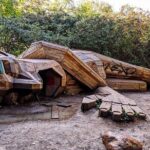
Six wooden giants hide just outside Copenhagen. This outing is all about tracking down Thomas Dambo’s Forgotten Giants in the fresh air, with short walks, photo stops, and the fun of spotting art where you least expect it. It’s part nature walk, part scavenger hunt, and part small-group hangout.
I especially like two things. First, the small group size (just 6 people) keeps the pace friendly and makes it easy to ask questions. Second, each giant has its own setting, so the day feels like a string of mini missions through parks and hillsides.
One drawback to plan for: you’ll do moderate walking, and Denmark weather can change fast, so bring proper shoes and rain gear.
In This Review
- Key things to know before you go
- Why Thomas Dambo’s Forgotten Giants Feel Like a Real Quest
- The drive out of Copenhagen: comfortable, efficient, and low-stress
- Stop-by-stop: how the hunt unfolds over about 4 hours
- 1) Sleeping Louis: the art of spotting a giant at rest
- 2) Hilltop Trine: views plus the feeling of a mission
- 3) Oscar Under the Bridge: the surprise stop
- Coffee break: a small reset that keeps the day from dragging
- The final trio of giants: Thomas, Little Tilde, and Teddy Friendly
- 4) Thomas on the Mountain: the height advantage
- 5) Little Tilde: the cutest giant moment
- 6) Teddy Friendly: the cuddly closer
- What the walking is like and what to bring
- Price and value: why $137 feels fair for this setup
- Who should book this hunt, and who might not love it
- Should you book the Six Forgotten Giants Hunt?
- FAQ
- How long is the tour?
- What’s the group size?
- What’s included in the price?
- What language is the tour guide speaking?
- What should I bring?
- Is the tour okay for kids or people with mobility limits?
Key things to know before you go
- Meet outside YMCA Interpoint Hostel so you start in the right place, not halfway across town.
- A 25-minute drive gets you out of the city fast, then the hunt begins on foot.
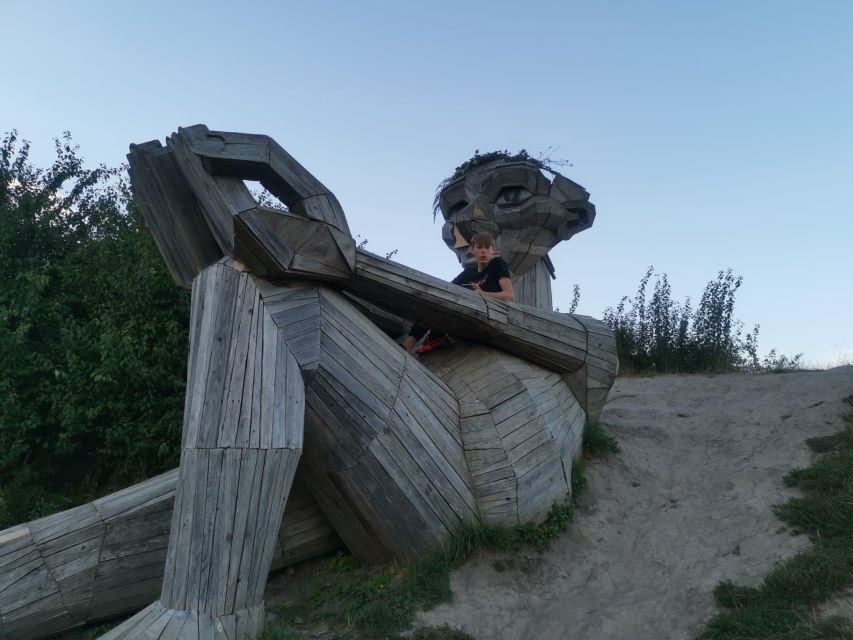
- Six giants, six setups: on a hilltop, under a bridge, and tucked between trees.
- Coffee break included, with tea/coffee and snacks to keep energy steady.
- Small group of 6 means Milad can slow down, explain, and take photos with you.
Why Thomas Dambo’s Forgotten Giants Feel Like a Real Quest
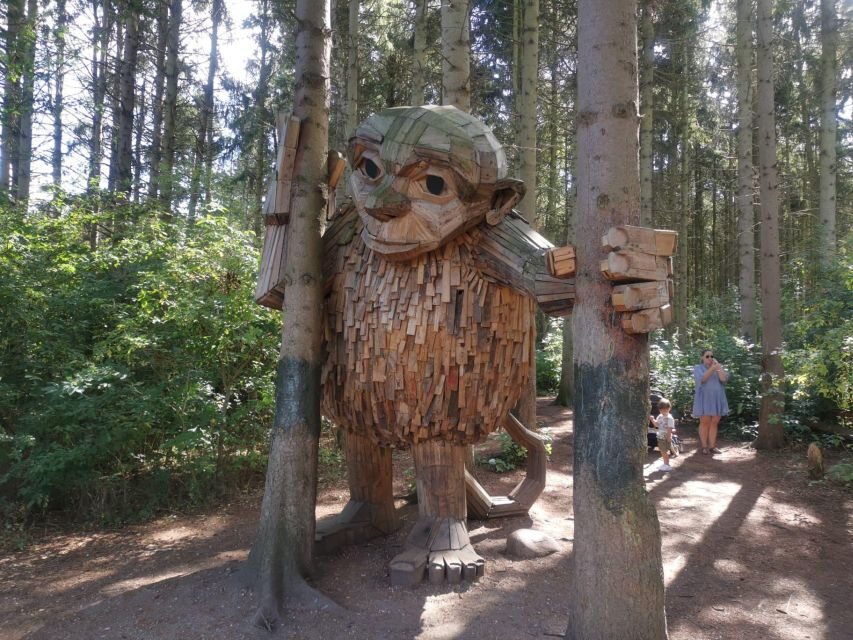
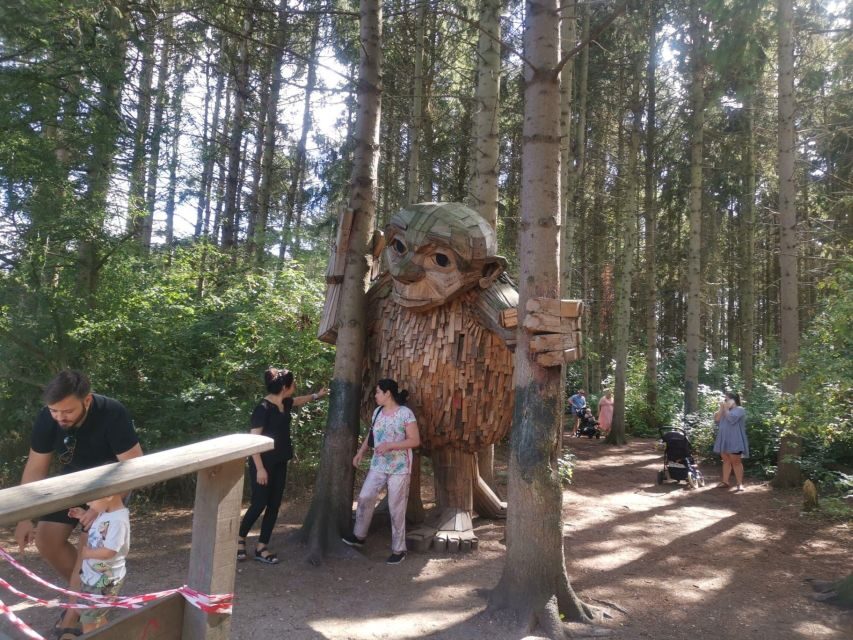
Copenhagen has plenty to do, but this tour gives you something different: a guided hunt for monumental sculptures made from recycled materials. Thomas Dambo’s giants don’t look like museum pieces. They feel like characters. And when they’re placed outdoors, you get that childlike moment of asking, Wait… where did that come from?
What makes the experience work is that it’s not only about seeing the trolls. You’re also walking between them, learning how to spot them, and enjoying the scenery around each stop. The route is spread out enough that the countryside feels like a change of pace, not just a quick side trip.
The other big plus is the tone. The guide, Milad Shekhzada, runs this like a friendly outing. People consistently highlight that he’s warm, attentive, and patient, and that he shares context about the artist and Danish life in ways that help the art land better.
You can also read our reviews of more walking tours in Copenhagen



The drive out of Copenhagen: comfortable, efficient, and low-stress
The day starts in Copenhagen, meeting outside YMCA Interpoint Hostel. After a quick intro (with plenty of laughs, judging by what people report), you head out with private transportation in a comfortable van. That drive is about 25 minutes, and it matters more than you might think. It means you’re not burning your time figuring out transit or paying for multiple rides just to get into the countryside.
The transport quality gets a near-perfect mark in feedback (97% of reviewers gave it a perfect score), so you can plan on a smooth, straightforward start. Once you’re out, Milad keeps things moving in a way that feels organized without rushing.
And yes, this is a walking tour. But the between-stop driving helps keep the whole day enjoyable. You’re not hiking all the time. You’re walking because the giants are outdoors and you want to actually find them, not just view them from a road.
Stop-by-stop: how the hunt unfolds over about 4 hours
This is a 4-hour experience built around visiting the six Forgotten Giants. Between them, you’ll do short stretches on foot. Based on the pace described in feedback, the walks aren’t portrayed as strenuous, but you still need sturdy shoes and a willingness to walk on uneven ground (grass, paths, and park terrain).
1) Sleeping Louis: the art of spotting a giant at rest
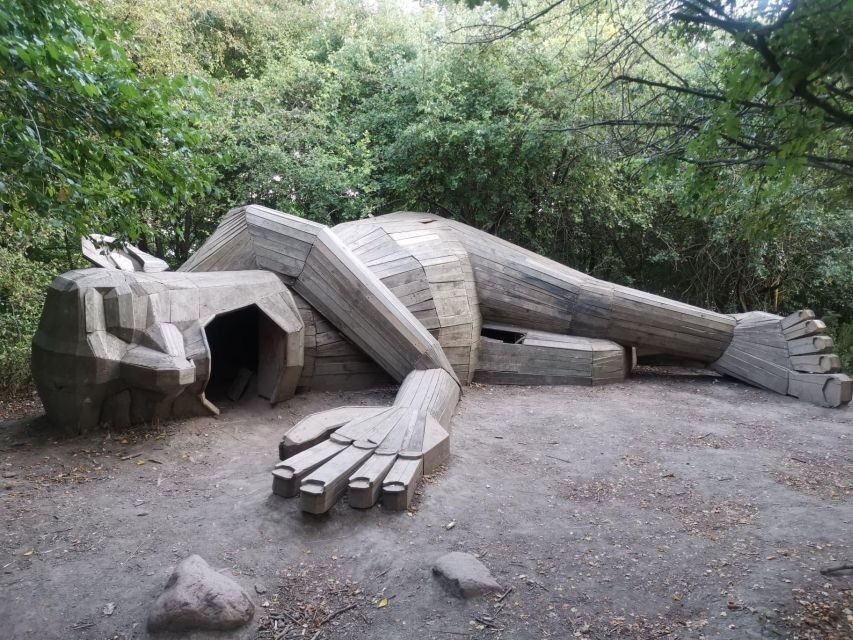
Your first target is Sleeping Louis, and the fun here is perspective. A sleeping giant can be easy to miss at a quick glance, especially if you’re expecting something to scream I’m a troll sculpture. Instead, Louis feels like he’s just paused mid-daydream.
What you should plan for:
- A short walk that brings you closer to the sculpture and its surroundings
- Time for photos, because the positioning is part of the trick
Why it’s worth it: Sleeping Louis is a good warm-up. It trains your eyes for the rest of the day, so the later surprises land even better.
2) Hilltop Trine: views plus the feeling of a mission
Next comes Hilltop Trine. Even if you’re not a big “hike for a view” person, a hilltop stop changes the day. You move from hidden-in-the-ground vibes to open angles, and you get a better sense of why these sculptures work outdoors.
You’re looking for:
- A spot on higher ground
- Photo opportunities that include more of the setting, not only the giant
Potential drawback: if the weather turns cold or wet, hilltop terrain can feel more exposed. Bring rain gear, and if it’s windy, dress like you’ll be outside for a while.


3) Oscar Under the Bridge: the surprise stop
Then you hunt for Oscar Under The Bridge. This is the kind of placement that makes the tour fun even if you’re not deeply into art yet. It flips the usual “giant stands proudly” expectation. Oscar’s appeal is the moment of realizing the giant is literally in a spot most people walk past without looking down.
What to expect:
- Another short walk to reach the right angle
- Photos from multiple viewpoints, since the bridge placement changes what you can capture
Photo tip: take one wide shot to show the bridge context, then one closer shot for the sculpture details. Oscar’s setup is made for both.
Coffee break: a small reset that keeps the day from dragging
Midway, you get a coffee break. People describe tea, coffee, and snacks, and it’s the kind of pause that actually helps. You’re outdoors most of the time, and the pace stays comfortable because you’ve got a chance to refuel before the last half of the hunt.
This break also gives you time to talk. In feedback, small-group dynamics come up often: you can swap questions, compare what you’ve noticed, and keep the energy upbeat.
The final trio of giants: Thomas, Little Tilde, and Teddy Friendly
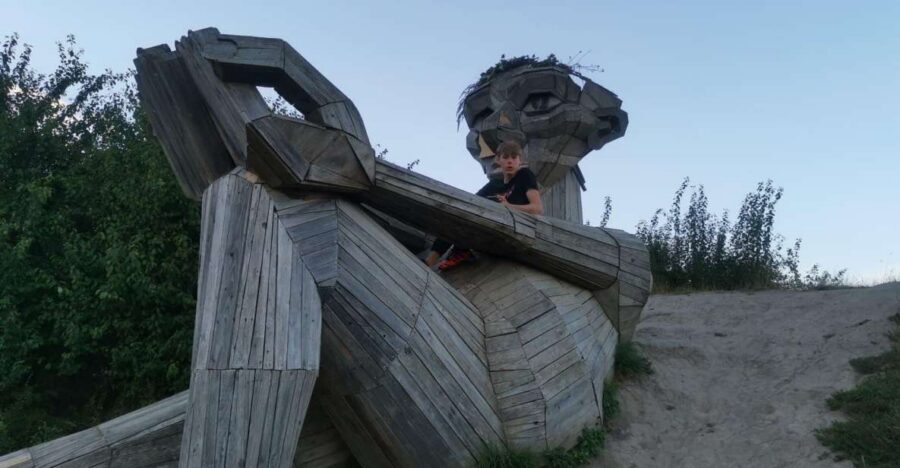
After the break, the tour finishes with three more giants, each in a different kind of spot. If you’re wondering whether the novelty wears off, it doesn’t. The later stops shift from “find the giant” to “wow, that’s clever” to “okay, that’s adorable.”
4) Thomas on the Mountain: the height advantage
Thomas on the Mountain is next. The name is literal enough to clue you in: this stop is about scale and height. When a sculpture is positioned higher, you naturally look up, and that changes the whole experience.
Why it’s memorable:
- You get a sense of the giant’s presence from a distance
- The setting helps you understand how the artist thinks about outdoor placement
Practical note: if you’re traveling in cooler months, you’ll likely feel the elevation. Good layers matter.
5) Little Tilde: the cutest giant moment
Little Tilde is billed as the cutest giant you’ll meet, and that’s exactly the mood you’re looking for. This is a stop where the sculpture’s personality comes through more than the sheer size.
What makes it fun on a walking tour:
- It’s often easier to frame close-up photos at stops like this
- The contrast with the hilltop and under-bridge earlier makes the day feel varied
If you like portrait-style shots, this is a good one to slow down and take your time.
6) Teddy Friendly: the cuddly closer
Your last giant is Teddy Friendly. Think warm, playful, and photo-friendly. By the end of the tour, you’re not only hunting objects anymore—you’re tracking characters across a countryside route. Ending with something that feels more cuddly helps the day land on a cheerful note.
This is also a good time to ask Milad questions if you haven’t yet. People repeatedly mention that he’s happy to answer and that he checks in so everyone stays comfortable. If you want a few extra photos with your group, this is usually the easiest moment to ask.
What the walking is like and what to bring
This isn’t a treadmill-style walk. It’s a guided stroll across outdoor terrain, with short segments of walking between sculpture locations. The experience is described as moderate walking, and the tour’s own guidance notes it may not suit people with walking difficulties or physical limitations.
From feedback, the hikes are usually described as not too difficult, and Milad plans rest stops during the day. Still, you should plan as if you’ll be walking on paths that may be damp or uneven. Bring:
- Comfortable shoes with grip
- Umbrella (Denmark weather can shift quickly)
- Water and snacks if you want extra between stops
- Rain gear and weather-appropriate clothing
- Any small comfort items that help you stay out longer without getting grumpy
If you’re traveling solo, the small group setup is also a plus. It’s easier to connect than on big bus tours, and you won’t feel like you’re searching alone for the hard-to-find spots.
Price and value: why $137 feels fair for this setup
The price is $137 per person for a 4-hour outing. Meals aren’t included, so you’ll likely want to plan your next meal after the tour.
So what are you paying for, realistically?
- Private transportation that gets you out of the city without navigating public transit
- A live English guide, Milad Shekhzada, who helps you actually find the giants
- Small group size (up to 6), which makes the walking pace and photo help more personal
- Coffee break included, which helps energy and comfort mid-route
If you tried to DIY this, you’d quickly run into the main challenge: finding exact locations on your own. Even with maps, some outdoor placements can be hard to spot without local guidance. Paying for the guide isn’t just about facts. It’s about reducing time spent guessing and increasing time spent enjoying the art and the scenery.
Transport also feels like part of the value. The van ride is described as highly rated, so you’re not stuck with uncomfortable logistics on a day that already asks you to walk.
Who should book this hunt, and who might not love it
This tour is a great fit if you:
- Want a fun break from typical city routines like palaces and museums
- Like outdoors time with purpose (find, photograph, compare)
- Enjoy art made from recycled materials and don’t mind learning as you go
- Want a small group experience where you can actually talk with the guide
It’s not the best pick if you:
- Have trouble with moderate walking or uneven outdoor terrain
- Need a fully seated or fully accessible route
- Are traveling with unaccompanied minors (unaccompanied minors aren’t allowed)
The tour is suitable for participants of all age groups, but that doesn’t remove the walking piece. Think of it like: age is welcome; mobility is the real deciding factor.
Should you book the Six Forgotten Giants Hunt?
I’d book this if you want Copenhagen in a different key. You get countryside air, a guided quest for art, and a day that feels playful without being chaotic. The biggest reason to go is simple: six outdoor giants are spaced out, and having Milad Shekhzada’s help makes the hunt smoother and more enjoyable than trying to locate everything on your own.
Also, the small group size is a quiet superpower. It keeps the pace comfortable, makes it easy to ask questions, and helps the day feel like it belongs to your group instead of a crowd.
If you’re sensitive to wet weather or you don’t handle moderate walking well, take a hard look at your comfort level before booking. Denmark can be rainy, and you’ll be outdoors for real.
If you’re on the fence, aim for a day when you can dress for damp weather and keep your expectations simple: you’re here to hunt, walk a bit, take photos, and enjoy the way art can surprise you in nature.
FAQ
How long is the tour?
The tour lasts about 4 hours.
What’s the group size?
It’s a small group limited to 6 participants.
What’s included in the price?
A guide, private transportation, and a coffee break are included. Meals are not included.
What language is the tour guide speaking?
The live tour guide speaks English.
What should I bring?
Bring comfortable shoes, an umbrella, snacks, water, and rain gear or weather-appropriate clothing.
Is the tour okay for kids or people with mobility limits?
Unaccompanied minors are not allowed. The walking is described as moderate, so it may not suit individuals with walking difficulties or other physical limitations.