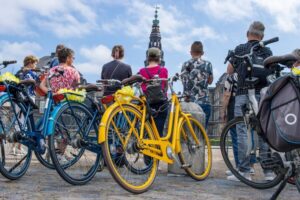
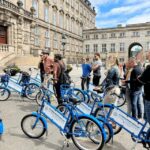
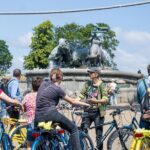
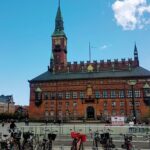
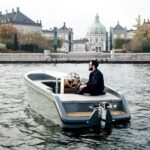
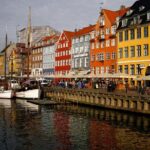
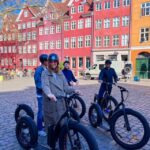
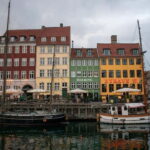
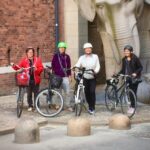
Copenhagen’s green design makes biking feel smart. This 3-hour, English-language bike tour links architecture and sustainability across the harbor, parks, and old industrial areas in a way you can actually see and feel as you ride. You’ll also get a local guide to help you read what you’re passing.
I especially like the confidence factor: cycling with a guide on Copenhagen’s bike-friendly routes means you spend less time worrying and more time noticing. I also like the value math—each highlighted stop is marked as free admission, so your money goes into the guided experience rather than ticket add-ons.
One thing to consider: the inner harbor areas can get crowded, and the ride is still real cycling. If you’re not up for about 11 km of biking and you don’t time it with good weather, this is less relaxing.
In This Review
- Key things to know before you pedal
- Why cycling Copenhagen’s eco-architecture beats walking
- What you’re paying for: $72.57, a bike, and a real guide
- Blox to Lille Langebro: where sustainability starts to look social
- Havnebadet Islands Brygge and Tietgen Residence Hall: sustainability with people in mind
- DR Koncerthuset and Amagerfælled: culture and a formerly troubled island
- Cykelslangen, Enghave Park, and bike-only crossings that teach transit logic
- Folkehuset Absalon and Kødbyen: reuse that actually works day to day
- Israels Plads, Torvehallerne, and Ørstedsparken’s reused moat
- The final ride: using the last stretch to keep spotting patterns
- Should you book this Copenhagen sustainability bike tour?
- FAQ
- How long is the Copenhagen Architecture and Sustainability Tour?
- What is the price per person?
- Is the tour offered in English?
- How big is the group?
- About how much biking will I do?
- What’s included with the tour?
- Are admissions included at the stops?
- Are bike upgrades or accessories included?
- Where do I meet for the tour?
- What if weather is bad?
Key things to know before you pedal
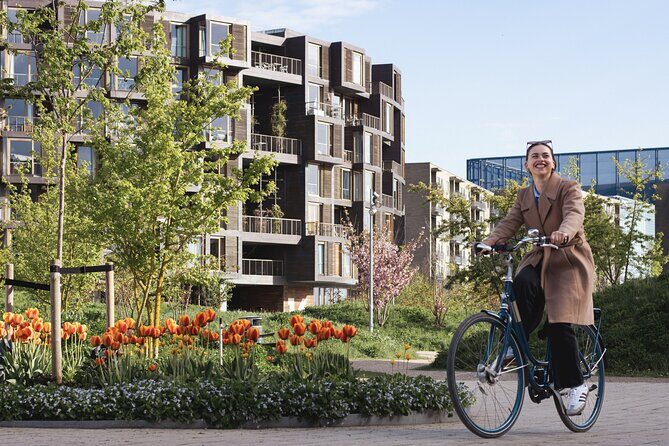
- Small-group pace (max 15): less crowd pressure, more room for questions.
- About 11 km on the bike: a strong “covers distance” tour without needing a car.
- Free entry at all listed stops: saves money and keeps the flow moving.
- Sustainability is practical here: shared spaces, water use, rain control, and planning decisions.
- Bike-only harbor crossings show up early: you’ll understand Copenhagen’s transit mindset fast.
Why cycling Copenhagen’s eco-architecture beats walking
Walking tours are great for slow sightseeing, but they often strand you in one district. This bike tour is built for momentum: it’s long enough to cover major themes in one go, but paced for a relaxed ride with frequent stops.
Copenhagen’s sustainability story isn’t just about “green buildings” in the abstract. It’s about how people live, cross water, handle rain, and reuse space. When you’re moving by bike, those systems make more sense—bridges feel connected, waterfront spaces feel public, and parks feel engineered, not accidental.
You also get to see Copenhagen’s balance of old and new. A converted church, 19th–20th century industrial buildings, and modern harbor infrastructure all show up in the same afternoon. That mix is ideal if you want the city beyond the usual photo circuits.
You can also read our reviews of more guided tours in Copenhagen
What you’re paying for: $72.57, a bike, and a real guide
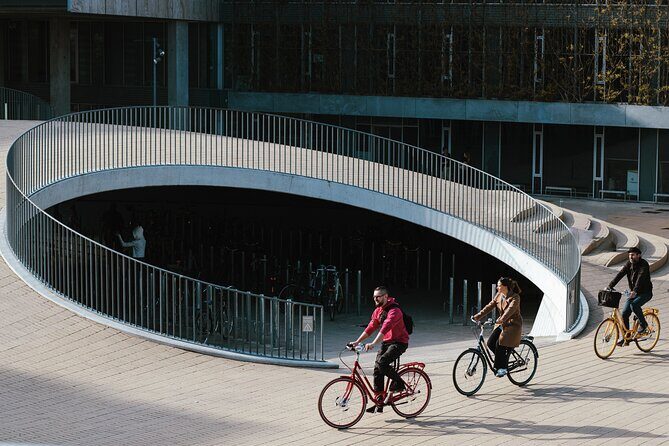
The price (listed at $72.57 per person) feels fair for a 3-hour guided ride, especially because the tour includes the bicycle and a local guide. You’re not just renting wheels—you’re buying interpretation: the why behind each building, bridge, and park feature.
A nice value detail is that free entry is specified for each stop. That matters because architecture tours can quietly add up fast once you factor in admissions. Here, the stops are framed as part of the learning experience, not paid extras.
You’ll also get bike safety support: free helmets on request, plus store toilets along the route. If you’re traveling light, that removes a few small day-planning headaches.
Blox to Lille Langebro: where sustainability starts to look social
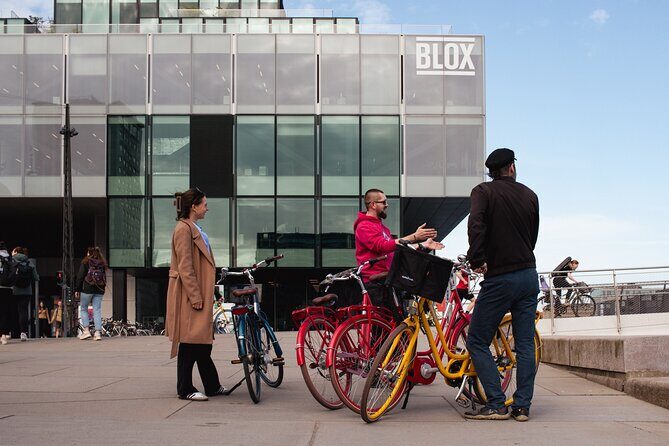
The ride begins at Vester Voldgade 2, and the early stops set the theme quickly. First up is Blox, a mixed-use building developed with sustainability in mind, both technically and socially. The building’s biggest clue isn’t just its design; it’s the social agenda behind how it’s used.
At Blox, the main tenant DAC runs architecture exhibitions about Copenhagen. You’ll get free time there to check what’s currently on display, which is a smart move on an architecture tour—otherwise you end up reading signs with no context. In a city like Copenhagen, that extra explanation helps you spot patterns later.
Then you cycle toward Lille Langebro, a newer bridge connecting the harbor for pedestrians and cyclists. It’s part of Copenhagen’s effort to transform the historical merchant and navy harbor into a place for people to spend free time. The value here is simple: you experience the planning outcome directly as you ride across, not as an infographic.
A small consideration: early waterfront areas can be busy. If you notice lots of people gathering around the first harbor stretch, don’t panic—just let the guide adjust the pace and focus on the buildings and the ride line ahead.
Havnebadet Islands Brygge and Tietgen Residence Hall: sustainability with people in mind
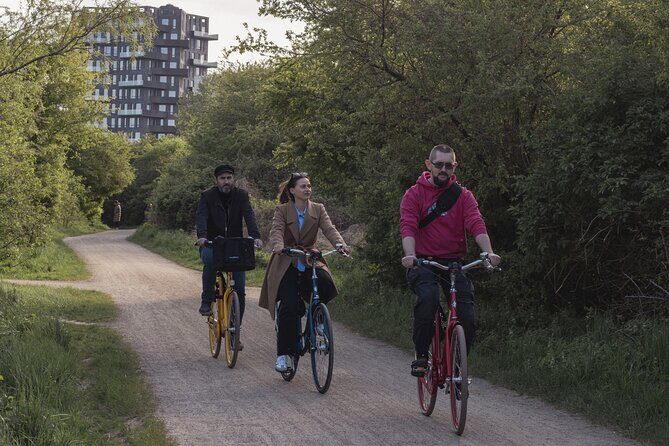
Next comes the harbor reset story at Havnebadet (Islands Brygge). When the Harbour Bath opened in 2003, it marked a major change in how Copenhagen relates to its harbor. This is one of those moments where you learn that “waterfront” isn’t only for views—it can be for everyday recreation and public access.
From there, the tour shifts to The Tietgen Residence Hall, a building designed to support personal development for about 400 inhabitants. The concept is social sustainability through shared common spaces. Individual rooms are small and include a washroom, while living rooms, kitchens, and other amenities are shared by residents.
This is where the word sustainability stops being a buzzword. You get a real example of how architecture can shape community life: more shared space can reduce wasted resources, but it also changes daily routines. As you listen, try to picture how the common rooms are used—because the building is designed for that behavior, not just for floorplans.
One practical plus: these stops are short, so you won’t feel stuck inside. You can get the key ideas, look around, and then get back on the bike before fatigue kicks in.
DR Koncerthuset and Amagerfælled: culture and a formerly troubled island
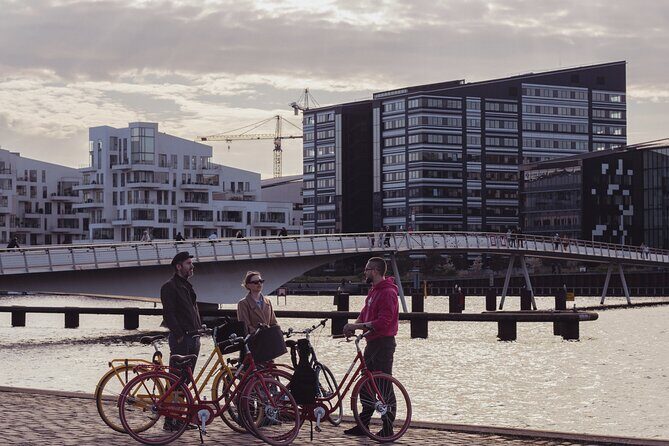
DR Koncerthuset brings you to a different kind of architecture: cultural infrastructure at scale. The complex includes a concert hall seating about 1,800 and is home to the Royal Symphony Orchestra, plus several smaller stages and recording studios. Even if you don’t catch a performance that day, you can still appreciate the building’s purpose—making sound and space a civic service.
Then the tour heads to Amagerfælled, a site with a complicated past that Copenhagen doesn’t hide. The area was used as military training grounds and a shooting range from the 1700s until the 1950s. Later it became a garbage dump, which Copenhageners joke about with lorteøen, meaning shit island.
Today, it’s presented as relatively untouched nature—ironically located largely on artificially reclaimed land. This stop is a good reminder that urban ecology isn’t always “pristine.” It’s often restoration, repurposing, and long-term decisions that gradually change how the land functions.
If you like your city stories grounded in real trade-offs—this is a strong section. If you’re expecting only polished visuals and modern finishes, you’ll still find meaning here, but it’s more honest about how cities evolve.



Cykelslangen, Enghave Park, and bike-only crossings that teach transit logic
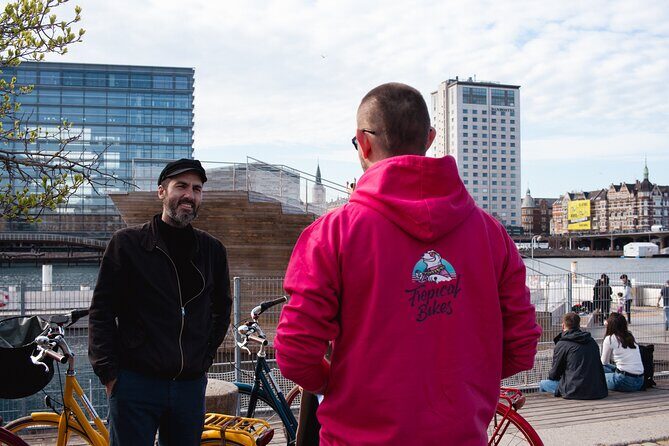
Back on the bike, you’ll cross Cykelslangen and Bryggebroen, described as the first of new harbor crossings built exclusively for cyclists. This is one of the most “Copenhagen” moments on the tour. It’s not just a bridge—it’s a statement that cycling isn’t an afterthought; it’s treated as core transportation.
From there, you reach Enghave Park, originally built in the late 1920s on allotment garden land. The park has a neoclassical layout with a bandstand, playground, and sports fields. Between 2017 and 2019, it was redesigned to play a major role in handling torrential rains in Copenhagen.
That rain-control detail matters. It’s easy to think of parks as just green space, but in Copenhagen they often act like infrastructure—absorbing water, reducing pressure on systems, and preventing problems during heavy downpours. Standing there and imagining the next storm makes the sustainability theme click.
Also, this section is timed well for sightseeing. You get enough time at each stop to read the design logic, but not so much that you’re dragging yourself across the city after.
Folkehuset Absalon and Kødbyen: reuse that actually works day to day
Folkehuset Absalon is a former church turned into a privately run community center. This stop is short, but it lands the theme of reuse: instead of demolishing a building, Copenhagen repurposes it for community use. If you like architecture that supports real human routines, this one is a solid contrast to the large-scale harbor and institutional stops.
Then comes Meatpacking District (Kødbyen), also known as Kødbyen. The city planned it to create healthier and more sanitary conditions for the meat business as Copenhagen grew quickly. Over time it expanded through additions, and the area now showcases industrial architecture from the 19th and 20th centuries.
This is a valuable stop if you’re interested in how cities regulate themselves through building design. It’s not just old warehouses; it’s planned industrial space responding to public health needs. As you ride through and look at the scale, you can connect earlier growth pressures to later architectural solutions.
If you’re the type who likes reading cities in layers, this part delivers. It ties together planning, industry, and how form follows civic needs.
Israels Plads, Torvehallerne, and Ørstedsparken’s reused moat
At Israels Plads (with Torvehallerne nearby), you’re in a meeting point for Copenhagen’s food scene. The area’s story includes a long stretch with a farmers market, linked to changes after a strict no-building policy ended in the walled city era (1890s). Later, the area became a parking lot until more recent times.
Even without going inside, this stop helps you understand how public spaces shift roles as the city’s priorities change. A square can be food distribution one era and car space another—then later return to everyday social use.
Finally, you end at Ørstedsparken, an early reuse example. The area was once part of the city’s defenses outside the walls. After the city wall was demolished, the site became a park, keeping parts of the former moat as a lake inside the park, plus hills and crooked paths.
This stop is the perfect wrap for a sustainability-focused tour because it’s “reuse” in physical form. You’re not only reusing buildings—you’re reusing landscape structures left behind by older urban defense systems.
The final ride: using the last stretch to keep spotting patterns
After the last major stop, you’ll spend the remaining time cycling between locations—about 1 hour and 5 minutes total cycling time is built into the overall schedule. That means you’re still moving when your brain is warmed up, so you can start noticing themes in real time: how bridges connect districts, how parks handle water, and how community spaces shape daily life.
My practical advice: don’t try to memorize every detail. Instead, pick one thread for the day—like shared space, harbor access, or reused infrastructure—and use it to frame what you see next.
Also, since you’re riding roughly 11 km, bring your focus to comfort. If your phone tends to drain fast on navigation, think about battery life before you start. The tour can provide a helmet and bike, but you’ll supply the small creature comforts.
Should you book this Copenhagen sustainability bike tour?
Book it if you want Copenhagen’s architecture in a way that’s active, structured, and built around real planning choices. It’s a strong fit if you like bike travel, want to cover more than a walking loop, and enjoy short stops that teach you what to look for.
Skip it (or reconsider) if you hate cycling distances, dislike crowds around central harbor areas, or you’re traveling on a day where weather is uncertain. Since it depends on good weather, plan for a rain-safe mindset.
If you want a practical, eco-focused overview that doesn’t feel like a lecture—this one is easy to recommend.
FAQ
How long is the Copenhagen Architecture and Sustainability Tour?
It runs for about 3 hours.
What is the price per person?
The price is $72.57 per person.
Is the tour offered in English?
Yes, it’s offered in English.
How big is the group?
The tour has a maximum of 15 travelers.
About how much biking will I do?
There will be roughly 11 km of biking between stops.
What’s included with the tour?
You get use of a bicycle, a local guide, free bike helmets upon request, and access to toilets at their store. Children bikes in different sizes are also available if you contact them about availability.
Are admissions included at the stops?
Yes. The stops listed are marked as free admission.
Are bike upgrades or accessories included?
Not by default. Bike extras like phone holders and baskets can be booked for an extra fee, and special upgrades like e-bikes, cargo options, or child seats are listed as extra charges.
Where do I meet for the tour?
The meeting point is Vester Voldgade 2, 1552 København, Denmark, and the tour ends back at the meeting point.
What if weather is bad?
The tour requires good weather. If it’s canceled due to poor weather, you’ll be offered a different date or a full refund.