Copenhagen smells like pastry magic on this walk. I love the guided stops at top bakeries and how you get history between bites, with guides like Theo and Simon bringing the flavors to life. One real consideration: you cover about 5 kilometers on foot in just two hours, so dress for winter pace and cold air.
I also like the way the tour keeps it fun instead of heavy-handed. You’ll sample a Danish pastry at each of five bakeries, and the guides I spoke with (and the guides featured in guest notes) keep things moving with an easy, local rhythm. If you’re the type who wants endless coffee refills or a fully seated meal, this isn’t that kind of outing—but for pastry lovers, it’s a sharp, efficient way to understand Copenhagen.
In This Review
- Key moments you’ll notice right away
- A 2-hour pastry circuit that also tells you Copenhagen
- Starting outside Lagkagehuset Bakery (and why the meeting point helps)
- The Danish pastries you’ll compare: Wienerbrød, Tebirkes, Hindbærsnitter, and more
- Wienerbrød: flaky layers you can actually see
- Tebirkes: savory-sweet personality in seed form
- Hindbærsnitter: raspberry bars with a clean, bright hit
- Kringle: puff pastry style, classic and sturdy
- Five bakery stops: what each one adds to your Danish “pastry map”
- How the guide style changes the whole experience
- Walking 5 km in Copenhagen: your comfort checklist
- Price check: is $74 good value for Copenhagen pastry?
- Who should book this tour (and who might want a different plan)
- Should you book this Copenhagen pastry tour?
- FAQ
- FAQ
- What is included in the Copenhagen Best of Danish Pastry Tasting Tour?
- How long is the tour?
- How many bakeries will we visit?
- Where do we meet the guide?
- How much walking is involved?
- Is the tour guide available in English, and how large is the group?
- Is there free cancellation and a pay-later option?
Key moments you’ll notice right away
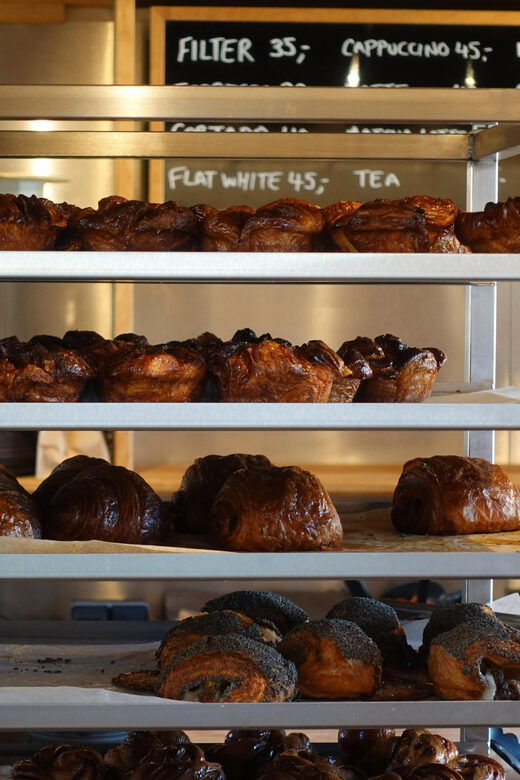
- Five bakery tastings in about two hours, so you can compare pastries instead of just buying one
- English live guides who connect each sweet to Danish baking and local culture
- A small group capped at 10 people, which keeps questions from turning into a line
- About 5 km walking, with a pace that feels manageable even when it’s cold
- Portions that make sense (you can share), so you don’t get stuck on pastry number three
- Easy starting point at Lagkagehuset Bakery, which removes guessing games
A 2-hour pastry circuit that also tells you Copenhagen
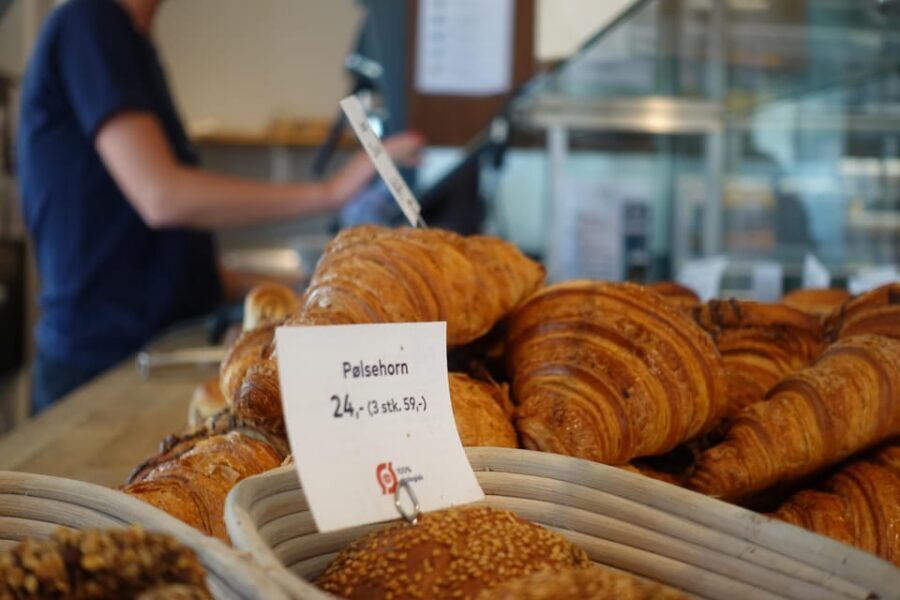
This tour works because it’s built like a stroll with purpose. You’re not just eating; you’re learning how Copenhagen’s pastry scene fits into daily Danish life—where bakeries sit, why certain pastries became icons, and what makes laminated dough or flavored fillings matter.
You’ll also walk through real neighborhoods at a human pace. Several guest notes emphasize that it feels like part food tasting, part mini city history tour. That matters: it turns your “I ate some sweets” day into a “now I get the city” day.
You can also read our reviews of more food & drink experiences in Copenhagen


Starting outside Lagkagehuset Bakery (and why the meeting point helps)
Meet your guide outside Lagkagehuset Bakery. That’s a smart choice. You don’t have to hunt for a back door or match a van in a side street. You can arrive, regroup, and settle in before the first smell of fresh pastry hits you.
Once you’re assembled, the group heads out together and the guide sets the tone. In guest feedback, guides are repeatedly described as friendly and willing to answer questions—so if you’re curious about what you’re passing on the route (buildings, traditions, daily Denmark), you’ll have chances to ask.
The Danish pastries you’ll compare: Wienerbrød, Tebirkes, Hindbærsnitter, and more
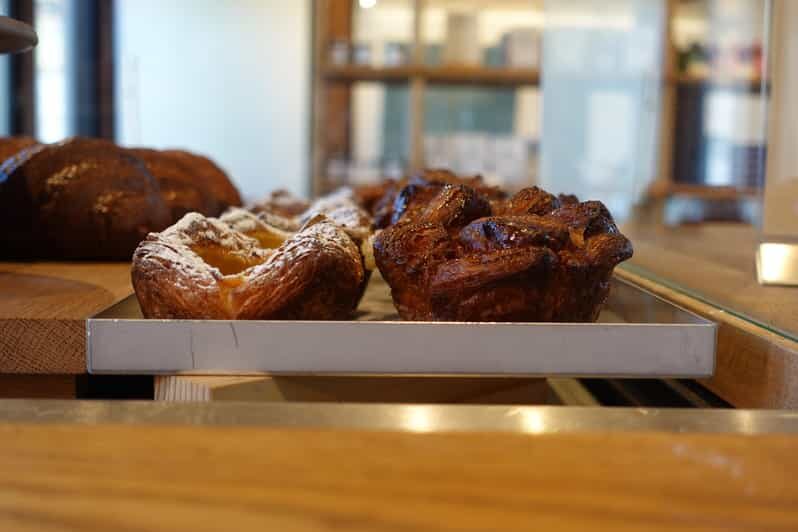
The best thing about this tour is the comparison. In one morning/afternoon (two hours), you get to taste multiple classic Danish styles instead of getting one “random bakery order” and calling it a day.
Here are the pastry types the tour highlights, plus what to pay attention to when you eat:
Wienerbrød: flaky layers you can actually see
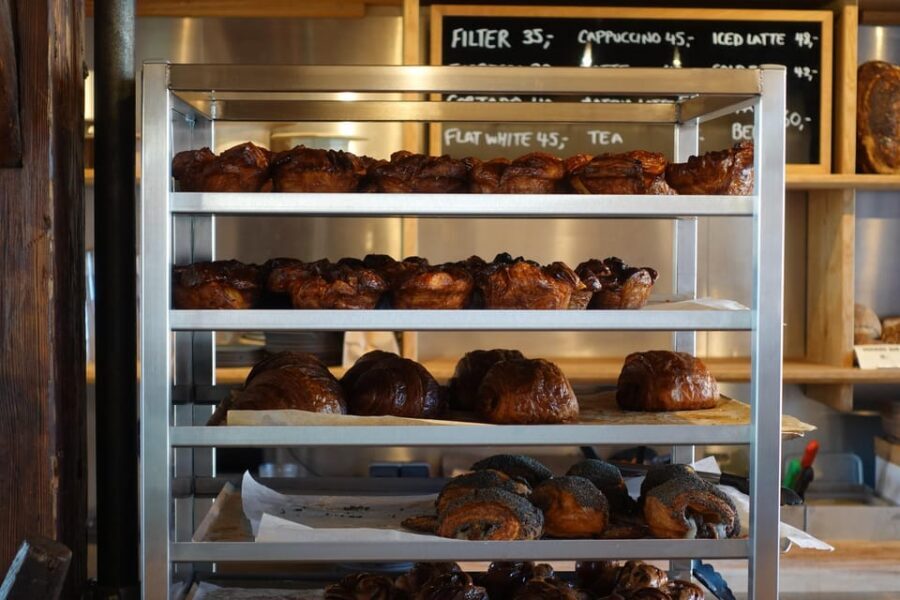
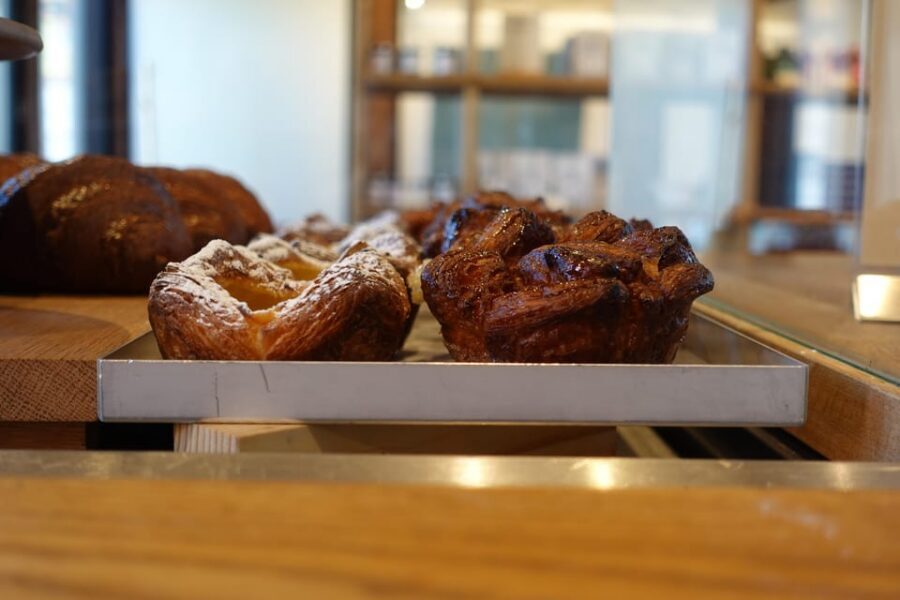
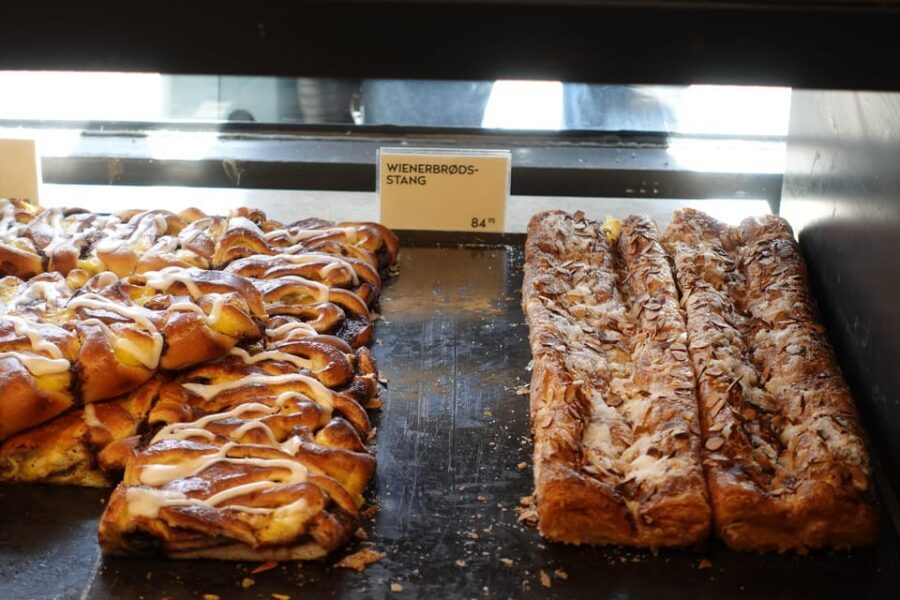
Wienerbrød is the laminated, multi-layered sweet pastry that Denmark is famous for. When it’s done right, it isn’t just “buttery.” It’s crisp at the edges, tender inside, and broken up into delicate sheets. On this tour, you’ll get one tasting portion early enough that you can notice the texture differences as the tour goes on.
Tebirkes: savory-sweet personality in seed form
Tebirkes are Danish seed-topped buns (the name will sound familiar once you’re in the shop). The key thing to notice is the balance: the dough sweetness meets a more grounded, bread-like chew from the bun itself. Guest notes repeatedly stress that you should try tebirkes in Denmark—so expect this one to be a standout if you like pastries that taste like they belong to everyday life, not just dessert.




Hindbærsnitter: raspberry bars with a clean, bright hit
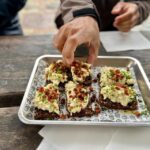
Hindbærsnitter are raspberry bars. When you take a bite, you’ll likely notice a more straightforward sweetness compared with the layered magic of Wienerbrød. It’s the kind of pastry that makes you think about fruit-forward Danish baking—less frosting drama, more flavor and texture.
Kringle: puff pastry style, classic and sturdy
The tour also calls out Kringle (puff pastry). This is where you’ll feel how different puff-style dough behaves—more airy, with a different crackle and lift than laminated pastries. If you ever wondered why Danish bakeries have a “different feel” from other European pastry shops, Kringle is one of the clearest ways to understand it.
Five bakery stops: what each one adds to your Danish “pastry map”
You’ll visit five bakeries, and at each one, you get a pastry sampling. That structure matters. It keeps your taste testing grounded: you’re learning pastry styles while also learning how different bakeries approach the same Danish tradition.
A few things you can look for as you go:
- Look for the dough first. Before you taste, notice the layers, toppings, and finish. Your brain remembers texture better when you “see” it.
- Taste in order, not random. Try to keep your bites similar sizes across stops. Guides usually help with pacing, and it makes comparisons easier.
- Ask about the difference. Many guests highlight that guides share history and craftsmanship along the way. If you ask what separates one bakery’s version from another, you’ll get the most out of each tasting.
One guest note also mentions a possible pit stop at Torvehallerne market. I can’t promise every group includes it, but it’s a good example of how the walk can turn into a real neighborhood sampling route, not just “five shops and out.”
How the guide style changes the whole experience
This tour seems to live or die on the guide—and the feedback is consistently strong. Multiple named guides show up in guest comments: Theo, Simon, Emily, Noah, and Linnea (also spelled Linea in one note). The pattern: guides explain pastries, then connect them to Copenhagen.
You’ll feel that in small ways:
- You’re told what you’re eating and why it matters, not just what it’s called.
- The route comes with context about Denmark and local traditions, so you know what you’re looking at.
- The group is small enough that questions don’t get ignored.
If you like tours where you learn “just enough” history to make the city make sense, this guide-led format works well.
Walking 5 km in Copenhagen: your comfort checklist
This tour is 2 hours and includes about 5 km (3 miles) of walking. That’s not crazy, but it’s enough that shoes and clothing matter—especially in winter or windy shoulder seasons.
Based on guest notes, cold weather is manageable, but you’ll be glad you plan ahead:
- Wear warm layers and bring something for your hands.
- Use sturdy shoes with grip. Danish bakeries are great, but sidewalks in cold weather can be slick.
- If you prefer a slower pace, the tour often accommodates it. Several guest notes mention the guides were happy to adjust.
Also keep expectations realistic: you’re tasting five pastries, not drinking coffee for two hours. If you want a slower, more relaxed coffee stop, you may need to buy coffee as you go—some notes mention that option—rather than expecting it to be part of the core tour package.
Price check: is $74 good value for Copenhagen pastry?
At $74 per person for a 2-hour, five-bakery tasting tour, the question isn’t “Is pastry expensive?” It’s “How much pastry value and guidance are you buying?”
Here’s how I’d judge it:
- You’re paying for structure. Without a guide, you’d have to pick multiple bakeries, figure out what to order, and hope you choose a mix that teaches you something.
- You’re paying for efficiency. Five tastings in five bakeries means you can compare styles quickly instead of spending most of the day tracking down “the best.”
- You’re paying for guided context. The price feels more justified when the guide explains the history and craftsmanship behind each pastry, because it turns bites into understanding.
And the small-group size helps. Limited to 10 participants, it’s not a warehouse food parade where you just hold a napkin and hope someone speaks loudly enough.
Who should book this tour (and who might want a different plan)
This tour is a great match if you:
- Want to try several classic Danish pastries instead of one “specialty” purchase
- Like food tours that also teach you how a city works
- Appreciate small-group guiding with lots of chances to ask questions
- Are visiting for a short time and want a high-signal activity that makes Copenhagen feel more real
It may be less ideal if you:
- Prefer long sit-down meals over walking and shop-to-shop movement
- Want a tour focused only on one bakery brand or one pastry type
- Get overwhelmed by tasting multiple sweets in one window (you can usually share, but it’s still five tastings)
Should you book this Copenhagen pastry tour?
If you’re the kind of visitor who wants one standout “food + city” experience, I’d book it. The biggest win is the pairing of five tastings with a guide who connects each pastry to Danish culture. It’s efficient, it’s fun, and the group size makes it feel personal.
My call gets even easier if you’re curious about the pastry basics—Wienerbrød layers, seed-topped Tebirkes, raspberry bars, and Kringle puff styles. This tour gives you a clean way to taste those differences in a single go.
One last practical note: because you’ll walk about 5 km, choose this for a day when you don’t need to cram in another long activity right afterward. Then you can let the pastries and the stories land without rushing your next plan.
FAQ
FAQ
What is included in the Copenhagen Best of Danish Pastry Tasting Tour?
You get a guided tour, visits to five bakeries, and a Danish pastry sampling at each bakery.
How long is the tour?
The tour lasts 2 hours.
How many bakeries will we visit?
You’ll visit 5 bakeries during the tour.
Where do we meet the guide?
Meet your guide outside Lagkagehuset Bakery.
How much walking is involved?
The total walking distance is approximately 5 kilometers (3 miles).
Is the tour guide available in English, and how large is the group?
Yes, the live tour guide speaks English, and the group is limited to 10 participants.
Is there free cancellation and a pay-later option?
Yes. You can cancel up to 24 hours in advance for a full refund, and you can reserve now & pay later.