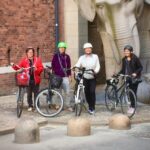
Copenhagen can feel like a movie set. This 3.5-hour walk turns that vibe into Danish hygge you can actually feel, with a local guide such as Therese or Oskar guiding you through neighborhoods, parks, and palace exteriors. I especially liked the coffee-and-pastry rhythm that keeps the morning relaxed, and the way you get practical, personal suggestions at the end. One consideration: most major stops are outside only, so you’re sightseeing by street view, not going inside.
The payoff is how the tour mixes everyday culture with key city settings, without trying to cram everything in. You’re also in a small group of up to 10, so it’s easy to ask questions, and you finish right in the city centre café zone on Læderstræde.
In This Review
- Key points to know before you go
- Why this Copenhagen hygge walk feels different
- Starting in Nyboder: time travel in yellow-house streets
- Cobblestones and calm: the quiet lesson of wandering
- Pastry-and-coffee stops that teach more than taste
- King’s Garden and Rosenborg: big views, outside-only
- Quiet alleys like Pistolstræde: hygge thrives in small spaces
- Nikolaj Kunsthal and religion from the outside
- Christiansborg Slot: politics, welfare, and the Jante idea
- Magstræde and the walk back: connecting street life to mood
- Your café ending on Læderstræde: how to use the tour day
- Price and value: what you’re really paying for
- Who this tour suits best (and who might not)
- Should you book this Copenhagen hygge & happiness tour?
- FAQ
- What’s the duration of the tour?
- How much does the tour cost?
- How large is the group?
- Is the tour in English?
- What’s included for food and drinks?
- Do we go inside attractions?
- Can I cancel if my plans change?
Key points to know before you go
- Small group size (max 10) keeps the pace comfortable and the Q and A real
- English-speaking, native Danish guides bring local stories, not textbook facts
- Treat stops are part of the learning, with pastry, coffee/tea, and Danish sweets like flødeboller
- Outside-only viewing at several highlights means you’ll focus on atmosphere and context
- A calm route with breaks works well for first-timers who want to feel the city, not just check boxes
- You get recommendations after the tour to help you plan the rest of your stay
Why this Copenhagen hygge walk feels different
This tour is built around an idea that’s very Danish: happiness isn’t only a big moment. It’s the daily stuff, the pace, the small comforts, and the stories you grow up with. You’ll walk through places that shaped Copenhagen life and learn how terms like hygge show up in real habits, not just gift-shop souvenirs.
I like that it’s not a sprint. The route includes pauses for tasting, breathing room, and photo moments, which matters in a city that can feel windy and fast if you let it.
And yes, you do get treats. But the best part is that the guide connects them to culture, including what Danes associate with comfort and togetherness.
You can also read our reviews of more tours and experiences in Copenhagen.



Starting in Nyboder: time travel in yellow-house streets
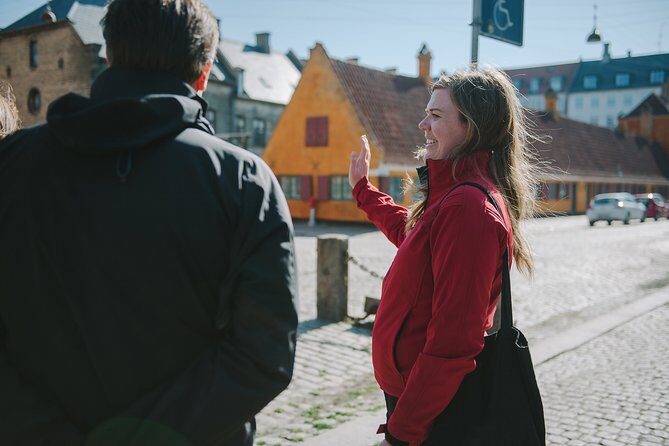
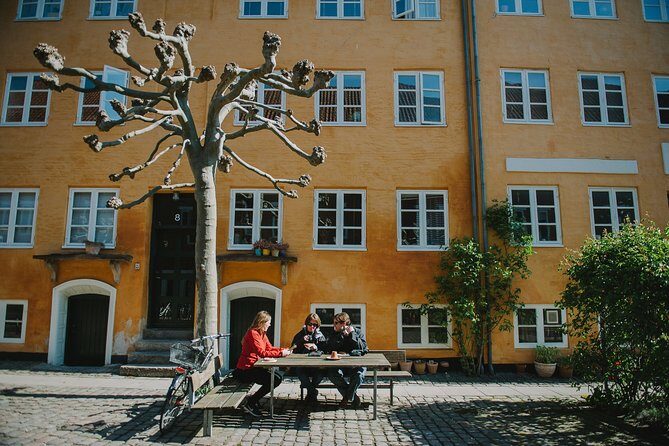
The morning begins near Nyboder’s Mindestuer, a historic Copenhagen district known for its distinctive yellow houses. You start with a meet-and-greet with your native guide, and then you’re off at street level, where Copenhagen’s character is easiest to notice.
This is a smart first stop because it sets the tone. Instead of jumping straight to the postcard sights, you begin in a neighborhood with strong local identity, so hygge feels grounded from the start.
You’ll also get the benefit of a guide who knows the area intimately. Names that come up often include Karoline and Laura, and regardless of who leads, the goal stays the same: explain Danish life in plain language and share local history details you won’t find by scanning plaques.
Cobblestones and calm: the quiet lesson of wandering
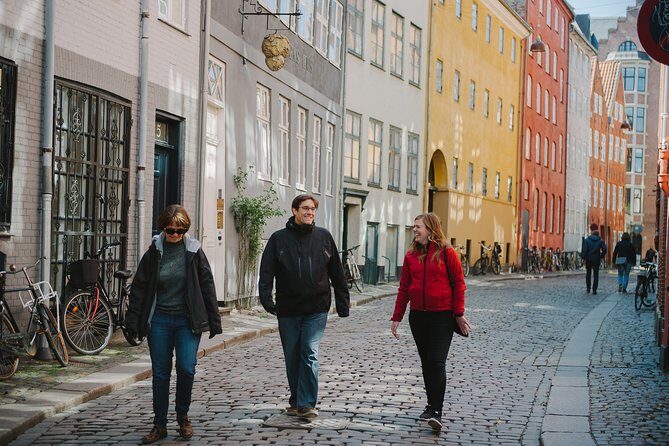
After Nyboder, you head into the oldest parts of the city. Expect cobblestone-filled streets, timber-framed houses, and small pockets of calm you’d miss if you marched from landmark to landmark.
One street that fits this mood is Krusemyntegade. It has that old-world charm that makes you slow down without being told to. That’s the point. Hygge often happens when you notice what’s already there.
Practical note: Copenhagen streets can be uneven. If your feet don’t love cobbles, bring shoes with solid grip.
Pastry-and-coffee stops that teach more than taste
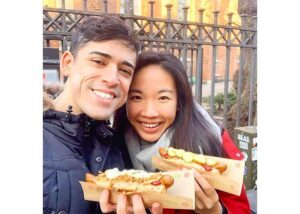
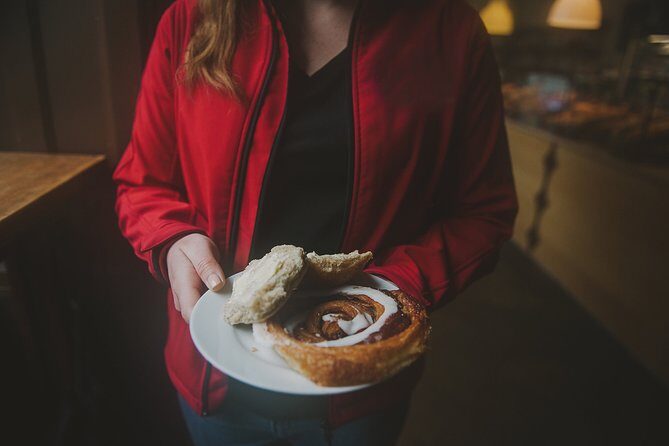
This isn’t a food tour that forgets the city. One of the most praised aspects is how the stops are woven into the story, with pastry and coffee/tea giving you a steady rhythm through the walk.
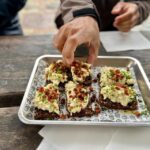
You’ll hit a tasting moment where the guide talks about Danish food culture and how these treats fit both childhood and adult life. Then later you’ll sample flødeboller in a more tucked-away setting, which is a classic example of how Copenhagen comfort shows up in everyday sweets.
In the guide chatter from past groups, flødeboller and chocolate-covered marshmallow-style treats get mentioned alongside pastries and coffee. So expect at least one real sweet highlight, not just a sip of something and a cookie crumb.
If you’re doing this as a first morning in Copenhagen, this food-and-story pairing helps you learn how people actually live day to day. It also gives you a reset when the city noise gets to be a lot.
King’s Garden and Rosenborg: big views, outside-only
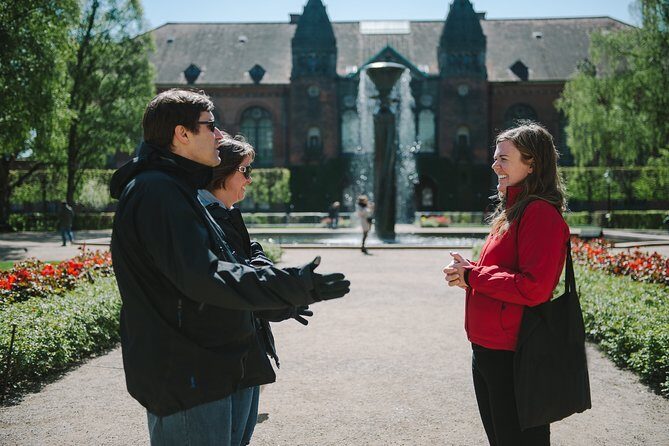
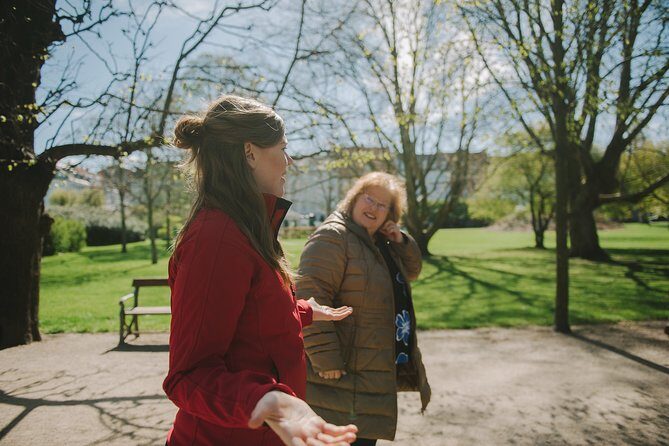
Next comes a change of pace. You’ll step away from the urban intensity and head to Kongens Have, the King’s Garden. This park stop is ideal for two reasons.
First, it cools your brain. A green pause in the middle of sightseeing makes everything feel more manageable, especially if you’re visiting in cooler months. Second, it gives the guide room to tell dramatic, human stories about how royal space turned into public space.
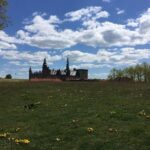
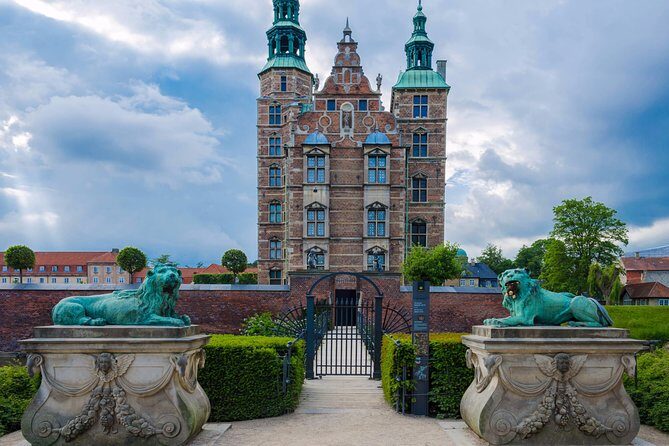
Then you move toward Rosenborg Castle for exterior views. You’ll hear about King Christian IV and the 17th-century story behind the castle’s creation, plus the ideas that made this “miniature castle” feel so memorable.
One important boundary: you won’t go inside Rosenborg Castle. The tour experience is focused on views, setting, and guide storytelling, not interior rooms.
If you love architecture but hate long museum lines, this fits. If you want to tour interiors, you’ll need to pair it with separate visits later.

Quiet alleys like Pistolstræde: hygge thrives in small spaces
One of the most enjoyable parts of this kind of walk is the shift from big streets to side streets. Pistolstræde is one of those stop-and-breathe places: a tucked-away alley where the atmosphere changes fast.
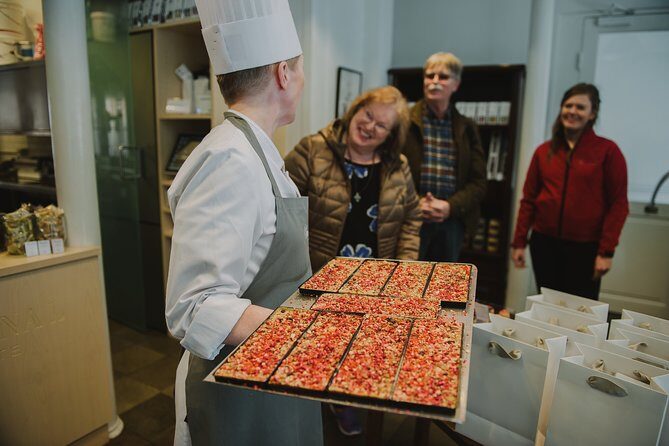
This is where the group dynamic matters. You’ll sit and take a break while your guide brings out Danish sweets, including flødeboller, and talks about how that treat connects to hygge culture from an early age.
In my opinion, this alley style stop is what makes the tour feel less generic. You’re not just moving through Copenhagen; you’re experiencing how it can get quiet even when you’re close to major foot traffic.
Nikolaj Kunsthal and religion from the outside
You’ll also get a stop near Nikolaj Kunsthal, but with a twist: it’s about what you can see from outside. The guide will point out a spire-like structure that looks like a church from a distance, and then explain how religion and public belief have been viewed in Copenhagen, including how that shows up even today.
You’ll have time for pictures while the guide covers the cultural angle. Then the tour keeps moving, so you’re not stuck waiting around for an interior visit that won’t happen.
Again, this is a good fit for people who prefer atmosphere and context over museum time. It’s also a reminder that this tour is designed as a conversation-led city walk.
Christiansborg Slot: politics, welfare, and the Jante idea
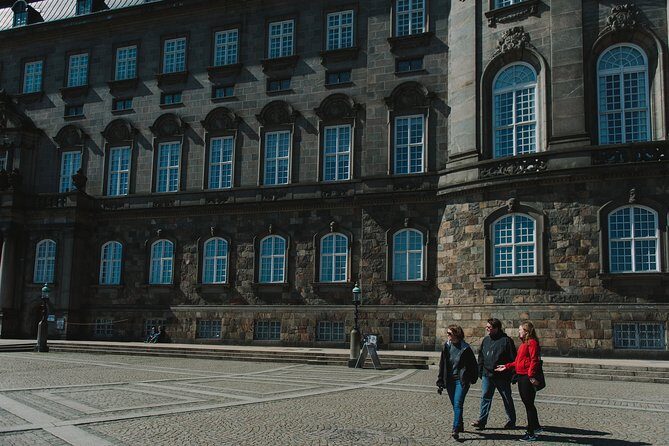
Christiansborg Slot is where the tour adds sharper edges. You’re at the Danish parliament building today, and the guide uses the setting to explain Danish politics, the welfare system, and the cultural law of Jante.
If you’ve heard the word Jante before, this is the moment where it becomes understandable. The guide connects trust, social structure, and the way happiness is discussed in Denmark.
I like this part because it turns Copenhagen’s reputation into something you can reason about. You’re not just hearing that Denmark ranks high; you’re getting cultural context for why that might be.
One more outside-only point: you won’t go inside Christiansborg Palace. So your learning happens through storytelling and the political symbolism of the building in the city.
Magstræde and the walk back: connecting street life to mood
On the return side of the tour, you’ll pass through Magstræde, another street that reinforces the theme: Denmark’s comfort is visible in how people shape their streets and spaces.
This final stretch is also a mental decompression. After parks, palaces, and political stops, you’re moving through more human-scale streets where the city feels lived-in.
And that matters because hygge isn’t only about pretty photos. It’s about what those streets make you feel while you’re walking them.
Your café ending on Læderstræde: how to use the tour day
The tour finishes in Copenhagen City Centre on a quiet street filled with artisan shops, ending around Læderstræde. The closing moment is a café stop where you get coffee or tea and a final taste of the Danish slow-morning mood.
This is where one-on-one recommendations become more than a nice extra. Your guide can point you toward where to go next based on your interests and your walking comfort level, whether you want more architecture, food, museums, or a second stroll in neighborhoods like the ones you just visited.
Past guide names tied to great endings include Peter, Sandra, and Kenneth. Whoever leads your group, use this time actively: ask what to see on a limited schedule, what to skip if you’re tired, and where locals go for the kind of calm you want after a busy day.
Price and value: what you’re really paying for
At $82.23 per person for about 3 hours 30 minutes, you’re paying for two things.
First, you’re paying for a small-group experience with a native English-speaking guide who can explain Danish culture in everyday language. That’s not just “here’s a history fact” commentary. It’s a guided way to understand hygge, happiness, and how those ideas play out in real places.
Second, you’re paying for included comfort breaks: coffee and/or tea, pastry, and Danish treats like flødeboller. That coverage matters because cafés in Copenhagen can add up fast if you’re planning tastings on your own.
If you prefer self-guided walking, you’ll spend less money. But if you want a guided cultural lens plus built-in breaks, this price can feel fair because the tour handles the pacing and the tastings.
Who this tour suits best (and who might not)
This is an excellent pick if you want:
- A first-time Copenhagen intro that feels calm and human
- Culture context you can carry into the rest of your trip
- A relaxing morning with multiple sweet stops
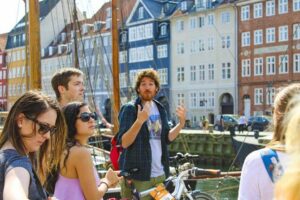
- A small group setting where questions are welcome
It may not be perfect if you strongly prefer:
- Interior museum-style visits, since the tour does not access inside buildings at key places such as Rosenborg Castle, Christiansborg Palace, and Nikolaj Kunsthal
- A fast checklist route focused purely on major sights
Also, plan for walking with moderate physical fitness in mind. Cobblestones and regular street walking are part of the deal, so wear good footwear. If the weather looks iffy, bring an umbrella or rain jacket.
Should you book this Copenhagen hygge & happiness tour?
I’d book it if your ideal Copenhagen day includes story-driven walking, cozy pauses, and learning how Danish happiness shows up beyond slogans. The small-group size, the guided cultural explanations, and the café-treat rhythm are the combo that makes this feel worth it.
I’d skip or pair it differently if you want interior access to palaces and castles. Since you view major highlights from outside, you’ll get atmosphere and context, but not the full “rooms and galleries” experience.
If you can match the pace and you like the idea of hygge as a lens for culture, this tour is a strong first morning plan.
FAQ
What’s the duration of the tour?
It runs for about 3 hours 30 minutes.
How much does the tour cost?
The price is $82.23 per person.
How large is the group?
The tour has a maximum of 10 travelers.
Is the tour in English?
Yes, it’s offered in English, with a native English-speaking guide.
What’s included for food and drinks?
Coffee and/or tea are included, along with a pastry and Danish treats such as flødeboller.
Do we go inside attractions?
No. The tour does not access the inside of The Kings Yellow Houses, Rosenborg Castle, Christiansborg Palace, The Old Stock Exchange, or Nikolaj Kunsthal.
Can I cancel if my plans change?
Free cancellation is available up to 24 hours in advance for a full refund. Changes made less than 24 hours before start time aren’t accepted.