REVIEW · AARHUS
Street Art and Rooftops of Aarhus, Denmark
Book on Viator →Operated by Aarhus City Guide · Bookable on Viator
Street art in Aarhus has real personality.
This 2-hour walking tour turns public walls and rooftops into a guided story of the city, from sea-front streets to the Latin Quarter and back to the harbour. I love the art-first pacing and the way your guide connects what you see to how Aarhus thinks. One thing to consider: it’s not all indoors, so wear shoes you trust for cobbles and pay attention to the day’s weather.
What I really like is the small group setup (max 10), which makes it easy to ask questions and zoom in on details like style, symbolism, and where certain pieces came from. I also love the mix of art types you’ll spot—graffiti, murals, sculptures, and installations—so you don’t just get one “look,” you get the full menu.
Possible drawback: the tour is partly outdoors, and the route includes several walking segments. If your pace is slow or your legs tire easily, plan for breaks on the move and bring a layer for wind off the water.
In This Review
- Key things to know before you go
- From Dokk 1 to Europaplads: the start that sets the tone
- Sea-side streets to the Latin Quarter: art meets old houses
- A rooftop coffee-style stop: why Aarhus does art from above
- The modern art conversion in the industrial site
- City centre orientation: City Hall monuments and the harbour return
- The viewpoint that opened in 2017: the payoff from the end of the route
- Pace, group size, and why the guide matters
- Price and value: what $63.20 buys you in Aarhus time
- What to wear and pack for an art-and-rooftops walk
- Who should book this Aarhus street art and rooftops tour
- Should you book it? My straight answer
- FAQ
- Where does the tour start?
- Where does the tour end?
- What time does it start?
- How long is the tour?
- Is the tour completely indoors?
- What’s included in the price?
- Are food and drinks included?
- How big is the group?
- Is this tour offered in English?
- What do cruise passengers need to provide?
Key things to know before you go
- Max 10 people means the guide can actually talk to you, not just at you.
- English-speaking guide keeps the context clear, especially for art details and local history.
- Rooftop viewpoint time helps you connect murals and streets to how the city sits.
- Old industrial space repurposed into art shows how Aarhus evolves, not just what it once was.
- Dokk 1 start gives you a modern anchor before you head into older neighbourhood streets.
From Dokk 1 to Europaplads: the start that sets the tone
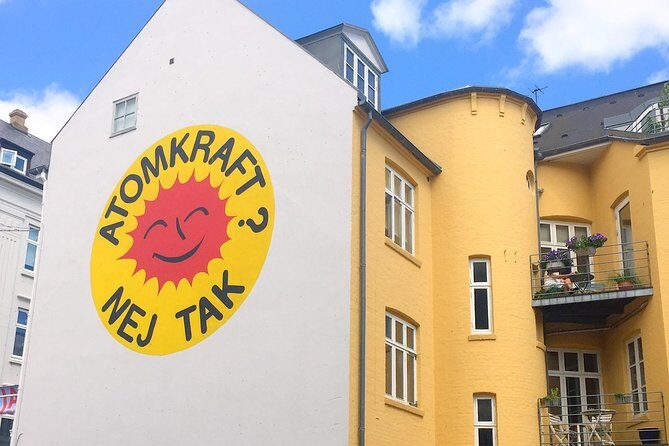
I like tours that begin with an obvious “breathing spot,” and this one starts near Europaplads (Europaplads 3), right in the city’s useful connector zone. You’ll be meeting for a 10:00am departure, and you end back where you started—good news if you’ve got lunch or another plan later in the day.
The route kicks off from the sea side area near Dokk 1, the city’s multimedia hub. That matters more than you’d think. Starting here gets you into Aarhus’s modern flow first—then the walk naturally flips to older streets and the creative districts that sit just beyond the main thoroughfares. It’s a smart way to keep your “where am I?” brain switched on from minute one.
Also, no entry tickets are required for the stops on this tour. That keeps the experience feeling like a walk with stories, not a chain of timed admissions.
You can also read our reviews of more tours and experiences in Aarhus.

Sea-side streets to the Latin Quarter: art meets old houses
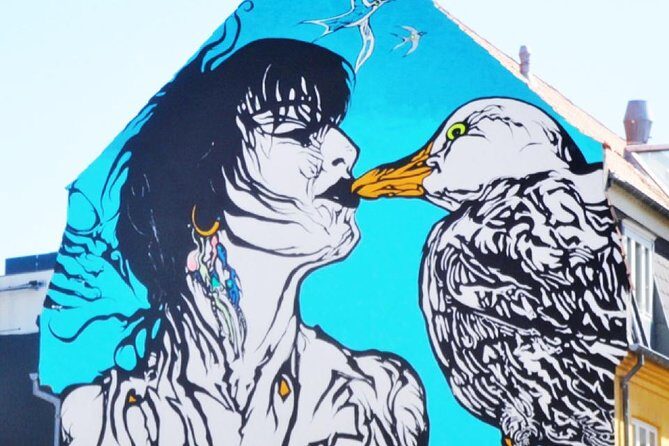
Early on, you move through city streets that begin near the waterfront and head toward the Latin Quarter, known for charming older houses and a more lived-in feeling than the big shopping strips. This is where the tour stops feeling like a checklist and starts feeling like street-level Aarhus.
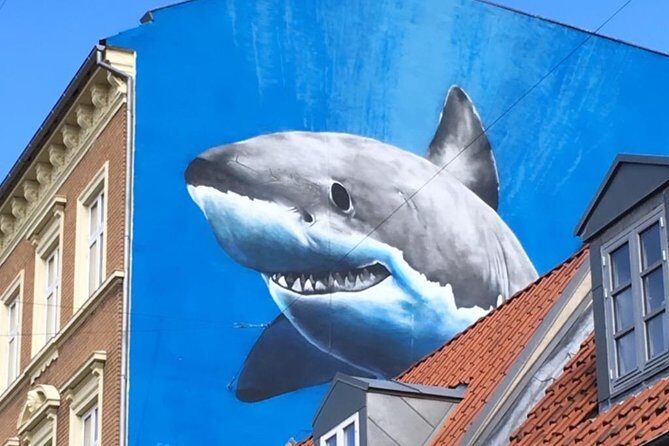
You’ll learn how public art fits into neighbourhood identity. You’re not just watching paint dry. Your guide frames murals, graffiti, and small urban pieces as responses to local life—student culture, city planning, community voice, and the ongoing conversation between old architecture and new ideas.
Practical tip: this section is great if you like slowing down. If you tend to rush through city photos, force yourself to pause. The guide’s whole point is helping you notice what you normally skate past: how a mural interacts with the building shape, how a tag sits like typography in a real wall, or how an installation pulls your eyes toward a specific street line.
A rooftop coffee-style stop: why Aarhus does art from above
One of the most fun parts of this tour is the time at a hipster hangout with a rooftop cap of coffee—an easy break, but also a visual reset. You’re up higher, which changes how you read the city. From above, street art isn’t just decoration. It becomes part of a bigger map.
From this rooftop angle, you can see how Aarhus layers neighbourhood character. You’ll connect what you’ve just walked past with what’s still around the corner: the older building rhythm, the newer creative clusters, and the way the harbour area influences the whole city.
This is also where the tour’s “ask questions” vibe really pays off. People ask about meanings, local art scenes, and why certain styles show up in particular places. Since the group is small, you won’t feel like you’re shouting into the wind.
If you get chilly easily, bring a layer. Rooftops can catch wind, even when the street feels mild.
The modern art conversion in the industrial site
Next you head to an old industrial site that’s been transformed into a modern art space. I love this stop because it’s not just about art on walls. It shows a Danish approach to reuse: turning old functions into new creative rooms.
What makes this part especially valuable is how it broadens your definition of street art and public art. The same creative impulses you spot outside—message, craft, community—show up here in a bigger setting. You get the sense that Aarhus treats art as something people use, not something people visit only in rare museum conditions.
There’s a practical bonus too: this stop helps the walking breaks feel purposeful. After street-level looking, you get a more “structured” art environment. It’s a relief if you like seeing the full idea of a creative space rather than just fragments on buildings.
And yes, the tour is designed so you won’t spend the whole time outside. It’s not a pure winter-brutality march.
City centre orientation: City Hall monuments and the harbour return
Once you’re back toward the official city centre, the guide brings the walk into a broader context. You’ll hear about monuments around the City Hall area, then continue the return toward the harbour.
This is a key moment for first-time Aarhus visitors. Street art tours can sometimes stay locked in one theme and forget practical navigation. Here, you get a sense of the city’s major landmarks and how the art fits into the urban story.
As you walk back, you’ll keep seeing different art forms along the way—sculptures, murals, and installations—each with a bit of a twist. The best part is the explanation of the why behind the piece: what’s happening in the city, what the artists were responding to, or how the community shaped the visibility of the work.
Tip for your photos: don’t just photograph the art. Photograph the surroundings too. The guide’s framing will help you understand how a mural sits in relation to pedestrian routes, window lines, and street corners.




The viewpoint that opened in 2017: the payoff from the end of the route
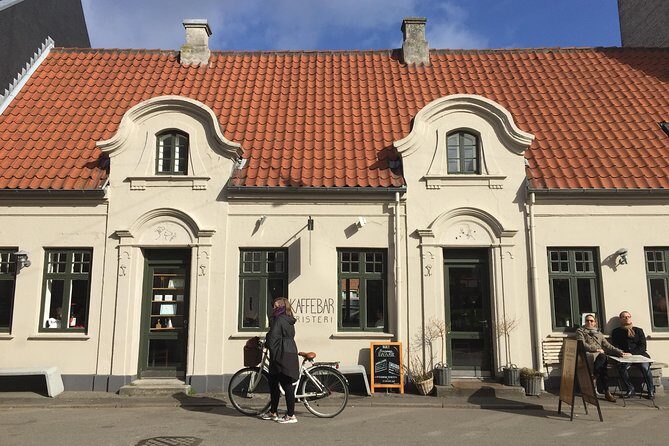
Near the finish, you reach a major viewpoint that opened in 2017. It’s described as already drawing millions of visitors, and once you’re up there, you’ll understand why.
This is the tour’s emotional and visual payoff. All the art you’ve been reading at street level becomes part of a bigger picture when you see the city stretched out around you. You’ll likely notice connections between the districts you walked through and the way the harbour and city centre shape movement patterns.
Also, this viewpoint acts like a final “editor’s cut.” After it, you’ll remember less of the exact route and more of the themes: reuse of space, community creativity, and Aarhus’s ability to blend old and new without forcing them into separate boxes.
Pace, group size, and why the guide matters
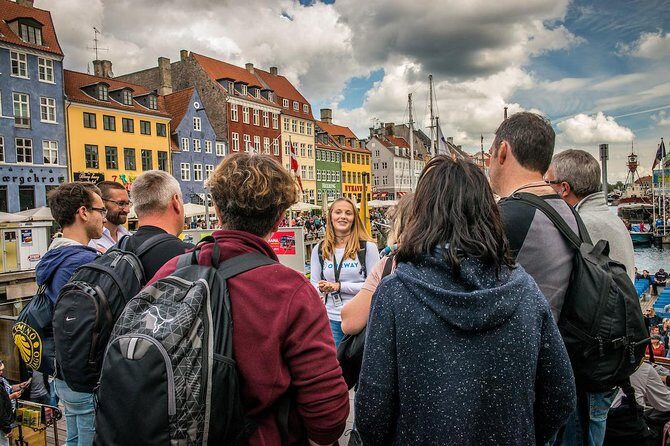
The tour is built for a small group of up to 10 travelers, and that changes everything. In a big group, you end up waiting. Here, you can keep up without feeling rushed, and the guide can tailor explanations to what you’re curious about.
From the tour experience described, the guides leading these walks often bring strong art context and lots of stories about Aarhus buildings and how the city’s public art scene works. Names you might see in real life include Marina and Mariana. The common thread is the same: a guide who knows how to point out small details and explain how artists communicate through style and placement.
Also, the pace leaves room for questions. I’d call that the secret sauce for an art tour. If you only have a quick glance at a mural, you miss the part where the meaning clicks.
Price and value: what $63.20 buys you in Aarhus time
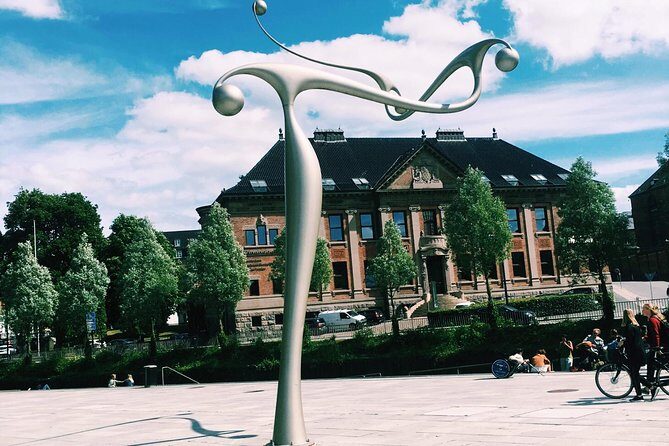
At $63.20 per person for about 2 hours (some people find it runs closer to 3 depending on pace and questions), you’re paying for two things: guided interpretation and a curated route that hits multiple art settings without you hunting for them.
Is it a bargain? For me, it’s a fair price because:
- You’re not just looking at street art. You’re getting context that helps you read it.
- You get a small-group format, which is often where the value really shows up.
- You’re covering several neighbourhood zones efficiently, from the sea-side area to the city centre and harbour.
If you’re the type who likes to research before you go, you could maybe stitch together a DIY route. But if you want a smoother day—plus someone to translate the art into human stories—this price makes sense.
What to wear and pack for an art-and-rooftops walk
This tour calls for moderate physical fitness. You’ll be on your feet for stretches, with city sidewalks and some outdoor segments. Wear shoes that handle cobbles and uneven pavement.
Bring:
- A light jacket or layer for rooftop and harbour wind
- A smartphone with enough battery for photos
- Water if you run thirsty fast (food and drinks are not included)
You do not need to plan for museum-level bag policies or timed entry lines here, since no entry tickets are required for the attractions you visit.
Who should book this Aarhus street art and rooftops tour
I’d especially recommend it if you:
- Love art in public spaces and want help reading it
- Want an Aarhus orientation without doing a standard history lecture
- Prefer a walking tour with time to ask questions
- Enjoy architecture and how cities show personality in everyday streets
It may be less ideal if you want a very fast route, or if you strongly dislike outdoor walking. The tour is partly outdoors, and the rooftop/viewpoint parts benefit from being comfortable on your feet.
Should you book it? My straight answer
Book it if you want Aarhus to feel personal and readable. The combination of street-level art, an industrial-to-art transformation, and a final viewpoint payoff makes this tour feel like more than decoration hunting.
Skip it if you’re expecting an all-day deep museum experience or if you need fully indoor pacing. This is a city-on-foot kind of experience. When you’re ready to slow down and look, it’s a great use of your time.
FAQ
Where does the tour start?
The tour meets at Europaplads 3, 8000 Aarhus, Denmark.
Where does the tour end?
The tour ends back at the meeting point.
What time does it start?
The start time is 10:00am.
How long is the tour?
The tour duration is approximately 2 hours.
Is the tour completely indoors?
No. It will not take place entirely outdoors.
What’s included in the price?
A professional guide is included.
Are food and drinks included?
No, food and drinks are not included.
How big is the group?
The maximum group size is 10 travelers.
Is this tour offered in English?
Yes, it’s offered in English.
What do cruise passengers need to provide?
Cruise ship passengers must provide the ship name, docking time, disembarkation time, and re-boarding time at booking.