REVIEW · COPENHAGEN
e-Scavenger hunt Copenhagen: Explore the city at your own pace
Book on Viator →Operated by Qula · Bookable on Viator
A city game in your pocket. This self-guided e-Scavenger hunt turns Copenhagen’s landmarks into a walkable quest you control.
I love that you’re not stuck in a rigid schedule—you can start, stop, and pause when you want a photo, a snack, or a slower pace. I also like the way the game style keeps you moving through big-name spots without needing to plan every turn.
If you want two hours of “just enough guidance,” you’ll like how it steers you toward places like Tivoli and the Church of Our Saviour. The main drawback to consider is that the phone experience depends on GPS and the questions can sometimes feel harder to answer if you can’t see the needed info on-site (so plan for a backup).
In This Review
- Key things to know before you play
- How the Qula e-Scavenger hunt works in Copenhagen
- Price and value for a group of up to 6
- Walking highlights you’ll hit (and what to watch for)
- Nyhavn: the canalfront that defines the postcard
- Tivoli: an 1843 pleasure garden stop
- The Church of Our Saviour: the spiral staircase moment
- Christiansborg Palace: royal power meets government business
- A covered marketplace: local eats mid-walk
- Glyptoteket: art tied to Carlsberg family collecting
- The National Museum of Denmark: cultural history scale
- Round Tower: King Christian IV’s 1642 landmark
- Amalienborg Palace: the royal residence you can still see
- Copenhagen City Hall: municipal power at street level
- The long pedestrian shopping street: car-free Strøget energy
- The Royal Danish Opera House: modern, expensive, and still striking
- Freetown Christiania: controversy, history, and local reality
- The game side: questions, tasks, and how GPS affects your fun
- Pacing the 2 to 4 hours: how to make it feel easy
- Who this scavenger hunt is best for (and who should skip it)
- Should you book e-Scavenger hunt Copenhagen?
- FAQ
- How long does the e-Scavenger hunt take?
- Is this tour self-guided on a smartphone?
- Do I need a smartphone and mobile data?
- What language is the game offered in?
- Where do we start the hunt?
- Is there free cancellation?
Key things to know before you play

- Start, stop, pause on your schedule so you can move at your own speed, not to someone else’s watch.
- A smartphone game format that guides your walking between major Copenhagen highlights.
- You’ll see a mix of old, royal, and modern spots, from Nyhavn canals to the Royal Danish Opera House.
- Expect a real walking route that’s best for people comfortable exploring on foot for a few hours.
- GPS and location accuracy can be imperfect at times, so keep the map view handy.
How the Qula e-Scavenger hunt works in Copenhagen
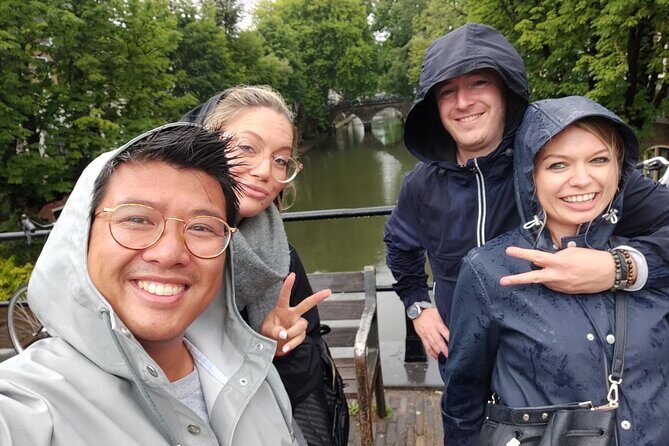
This is a self-guided city game powered by a smartphone app. You’ll get a mobile ticket, then play the hunt as you walk. The idea is simple: follow the route, answer questions, and complete tasks that nudge you to specific sights.
What makes this format work well in Copenhagen is that the app is basically your “soft guide.” Instead of reading a stack of history, you get prompted to look closer: at architecture, street details, and standout landmarks. You’ll also get control. You can pause the experience if you duck into a café or wait out a cold stretch, then resume when you’re ready.
One practical note: the tour requires your smartphone, and data is not included. That means you’ll want enough mobile data (or offline maps) and a charged battery. If your phone dies mid-route, the hunt loses its rhythm fast.
You can also read our reviews of more city tours in Copenhagen


Price and value for a group of up to 6
The cost is $36.67 per group, up to 6 people. For a city with expensive tours, the real value here is the group math: if you split it with friends or family, your per-person cost can drop a lot.
You also get something you don’t always get with group walking tours: privacy. This is a private tour/activity, meaning only your group plays. So if you like a more casual vibe—talking, taking detours, and moving independently—this fits.
Duration is listed as 2 to 4 hours (approx.). That range matters because it matches how these hunts actually play in real life. In cold or rainy weather, or if you stop often, you’ll land closer to the upper end. If you keep a steady pace and treat it like a brisk walk, it can feel closer to two.
Walking highlights you’ll hit (and what to watch for)
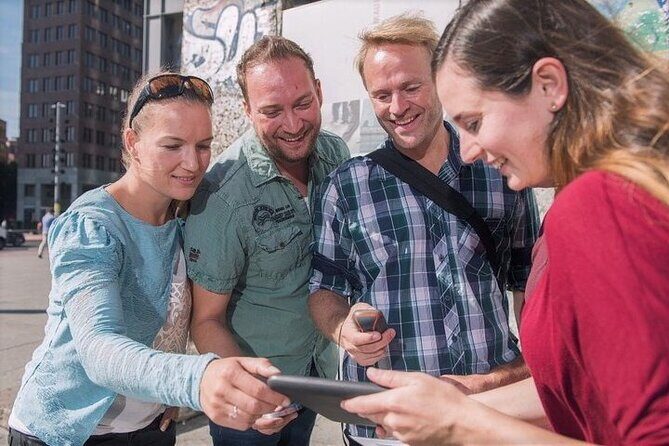
The route mixes classic Copenhagen icons with museums, royal sites, and one of the city’s most discussed districts. Here’s what each stop adds to your walk, plus a heads-up on what could slow you down.
Nyhavn: the canalfront that defines the postcard
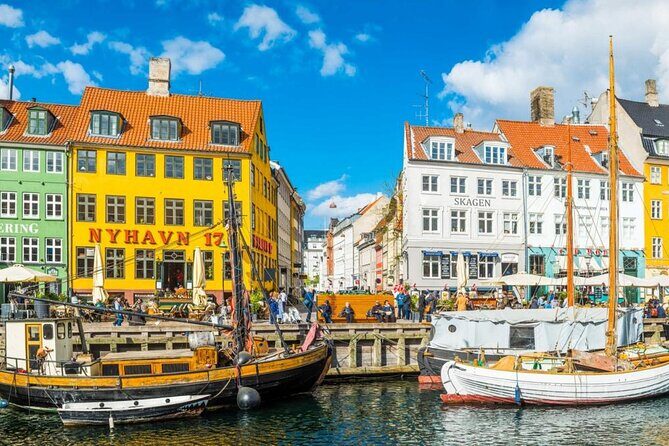
Nyhavn is a 17th-century waterfront and canal entertainment district, stretching from Kongens Nytorv to the harbourfront just south of the Royal Playhouse. This is one of those places where you immediately understand why Copenhagen became famous for its waterfront vibe.
Why it’s worth your time: the streets and buildings create lots of visual angles, so it’s a natural spot to pause for photos and pick up your bearings for the rest of the hunt.
Possible drawback: it can be crowded around prime visiting hours, so if you like quiet photos, plan for quick shots and keep moving.
Tivoli: an 1843 pleasure garden stop
Tivoli (Tivoli Gardens) is an amusement park and pleasure garden that opened 15 August 1843. Even if you don’t ride anything, it’s a high-energy break in the middle of a walk.
What you’ll like: it brings a playful, historic feel into the middle of your sightseeing loop. It also makes a strong mental waypoint—this is where Copenhagen shifts from “viewpoints” to “experiences.”
Possible drawback: if you try to add extra time inside, you could accidentally stretch your 2–4 hour plan.




The Church of Our Saviour: the spiral staircase moment
The Church of Our Saviour is a baroque church in Copenhagen, known for its external spiral winding staircase, which you can climb to reach the top. It’s built for views, and it’s also just plain unusual.
Why it belongs on a scavenger hunt: this is the kind of landmark that rewards you for stopping and looking up—not just walking past.
Possible drawback: climbing stairs is a physical commitment. If you’re traveling with limited mobility, you’ll want to pace this part carefully and consider skipping the climb if it doesn’t fit your group.
Christiansborg Palace: royal power meets government business
Christiansborg Palace is both a palace and a government building on the islet of Slotsholmen in central Copenhagen. So it’s not just royal theater—it’s active civic space.
What you’ll like: it adds context. The hunt isn’t only about pretty scenery; it also points you toward how the city functions at the political level.
Possible drawback: public access and viewing options can vary by day and security rules. Since the hunt is self-guided, don’t assume you can go inside wherever you want.
A covered marketplace: local eats mid-walk
You’ll stop at a covered marketplace with stalls selling local produce, gourmet foods, beverages, and desserts. This is the practical, “fuel up” part of the route.
Why it works: after museums and major sights, you get a chance to slow down and snack without breaking the flow of the game. It’s also an easy way to keep kids or picky eaters happy.
Possible drawback: if you get tempted by desserts, your “quick stop” can turn into a longer break.
Glyptoteket: art tied to Carlsberg family collecting
Glyptoteket is an art museum in Copenhagen. The collection represents the private art collection of the founder’s son of Carlsberg Breweries.
Why this stop feels different: it’s not only a general museum stop. It connects Danish culture to the people and wealth behind Copenhagen’s collection-making tradition.
Possible drawback: museums can take longer than planned if you enjoy reading labels and roaming multiple rooms.
The National Museum of Denmark: cultural history scale
The National Museum of Denmark (Nationalmuseet) is Denmark’s largest museum of cultural history. This is where your hunt can shift from “sightseeing landmarks” to “big-picture context.”
What to expect: more structured displays and plenty to learn, which can be great if you want the hunt to add substance.
Possible drawback: if you’re trying to keep your hunt strictly to two hours, museum time can push you over. Treat this as a stop to fit your energy level.
Round Tower: King Christian IV’s 1642 landmark
The Round Tower was built by King Christian IV and dates from 1642. It’s one of the city’s best-known and most visited edifices.
Why it’s a strong Copenhagen anchor: it’s iconic, and it’s the kind of structure that makes you look twice at the skyline.
Possible drawback: because it’s visited a lot, you may run into lines or delays at peak times.
Amalienborg Palace: the royal residence you can still see
Amalienborg Palace is a must for anyone into royal history. It’s also notable because the royal family still resides inside.
Why it fits this hunt: it’s a clear “royal Copenhagen” stop, and it changes the mood of your walk from museum culture to living tradition.
Possible drawback: like other royal/government sites, you may need to work with what’s accessible on the day.
Copenhagen City Hall: municipal power at street level
Copenhagen City Hall is the headquarters of the municipal council and the Lord mayor of the Copenhagen Municipality.
Why it’s interesting: it’s one of those places visitors skip because it doesn’t look like a castle. But within a scavenger hunt, it becomes a reminder that cities have civic centers you can feel on foot.
Possible drawback: if you’re only looking for dramatic interiors, you might find it more satisfying from the outside.
The long pedestrian shopping street: car-free Strøget energy
You’ll pass through a pedestrian, car-free shopping area, known for being one of the longest pedestrian shopping streets in Europe.
What you’ll like: it’s made for wandering. It’s also a natural place for the hunt to drop you into everyday city life between major sights.
Possible drawback: it can be busy, and busy can mean slower walking if you’re trying to “stay on schedule.”
The Royal Danish Opera House: modern, expensive, and still striking
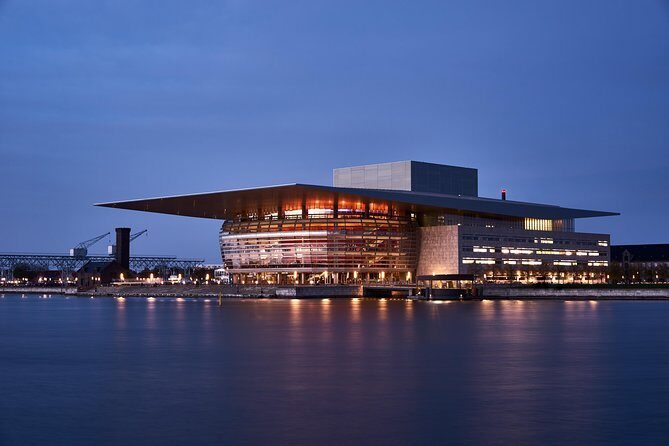
The Royal Danish Opera House is among the most modern opera houses in the world, and it’s also one of the most expensive opera houses ever built.
Why it matters on this route: it brings Copenhagen into the present. The hunt isn’t stuck in centuries-old scenes. It shows how modern design sits alongside older districts.
Possible drawback: if your group expects a lot of access to interiors, the experience may feel more exterior-focused than you want.
Freetown Christiania: controversy, history, and local reality
Freetown Christiania is a squatted military area created in 1971. It’s been a source of controversy but remains one of Denmark’s most popular tourist attractions.
Why it’s an important stop: it adds the human side of Copenhagen’s story—how a city deals with alternative communities and political debate.
Possible drawback: because it’s controversial, it can feel different from the rest of the tour. Keep your tone respectful and your expectations grounded in what you see, not what you heard online.
The game side: questions, tasks, and how GPS affects your fun
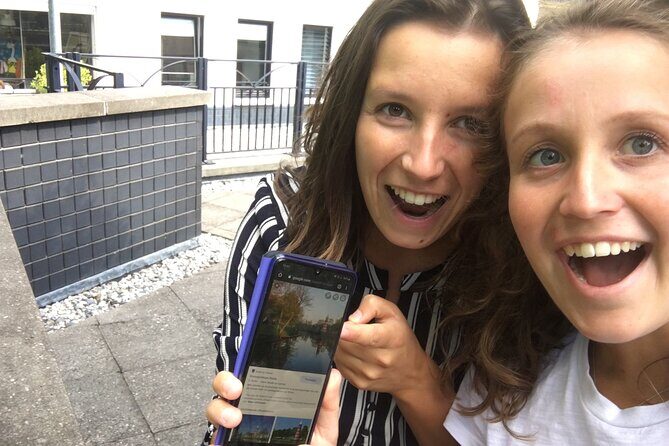
The core of this experience is the interactive game: questions and tasks that steer you from one highlight to the next. In practice, that means you’re walking with a purpose. You’re not just taking in views. You’re trying to solve clues and earn points.
Here’s the part to plan for: location and GPS accuracy can be inconsistent. If your phone points you slightly off, you might need to walk past the marker to reach the bonus point. Your best move is to keep your app map visible and use a backup approach if the route feels wrong—like switching to another navigation view on your phone.
Another consideration is question difficulty. In some spots, you may struggle if the answer isn’t easy to find on-site. If you’re the type who likes learning from things you can read in front of you, bring some patience. If you’re okay using your phone for quick searching, you’ll likely enjoy it more.
One more practical tip: keep your eyes open for playful detours. The hunt can include fun themed questions in the shopping areas, and it’s a reminder that not every clue is about history plaques.
Pacing the 2 to 4 hours: how to make it feel easy
This is a walking experience, but it doesn’t have to feel like a marathon. You’re given the flexibility to stop and pause, which helps you avoid the common vacation mistake: rushing because you’re afraid you’ll run out of time.
I’d plan it like this:
- Treat the first hour as your exploration and orientation phase. Start strong at Nyhavn and let the app guide you into the rhythm.
- Use the marketplace and café-friendly breaks as your reset. Then museums and major sights feel easier, not exhausting.
- If you’re trying to hit the full sweep, keep your museum time simple. If one stop grabs you, pause the hunt and spend extra.
Weather matters in Copenhagen. Even if the city looks bright, outdoor walking can feel cold fast. Layer up and keep a warm outer layer accessible.
Who this scavenger hunt is best for (and who should skip it)

This experience is ideal if you:
- like learning through activity, not lectures
- enjoy self-paced city walking
- want a private group feel without booking a traditional guide
- are traveling with friends or family and can split the group cost
It’s also a good fit if you want structure but not stiffness. The app brings order to your day without dictating every step.
You might want a different plan if:
- you hate any reliance on GPS or mobile data
- you prefer answers that are fully spelled out on-site
- your group wants a classic guided tour where someone explains everything
Should you book e-Scavenger hunt Copenhagen?
I’d book it if you want a fun, practical way to see the city’s major hits in a short window and you’re comfortable using your phone as part of the experience. The group price is a big reason. Even a couple of hours can be worth it when shared among up to six people, and the start/stop/pause control helps you make it feel like your day.
Skip it or swap your plan if you’re worried about GPS accuracy or you’d rather not do clue-solving when information isn’t obvious in front of you. A scavenger hunt is built for interaction, not effortless sightseeing.
If you’re a “walking and spotting” kind of traveler, this is a smart way to explore Copenhagen with energy and just enough structure to keep you from wandering aimlessly.
FAQ
How long does the e-Scavenger hunt take?
It’s listed as 2 to 4 hours (approx.).
Is this tour self-guided on a smartphone?
Yes. It’s a self-guided Copenhagen walk where you play the game using an app on your phone. The activity ends back at the meeting point.
Do I need a smartphone and mobile data?
A smartphone is required, and use of smartphone and data is not included. You’ll want enough battery and a way to stay connected.
What language is the game offered in?
It’s offered in English.
Where do we start the hunt?
You start at Landemærket 29, 1119 København, Denmark and you finish back at the same meeting point.
Is there free cancellation?
Yes. You can cancel for a full refund up to 24 hours in advance. If you cancel less than 24 hours before the experience starts, the amount paid is not refunded.