REVIEW · COPENHAGEN
Copenhagen: Harbor Architecture Private Walking Tour
Book on GetYourGuide →Operated by Walk and Tour Copenhagen · Bookable on GetYourGuide
Copenhagen’s harbor is a design lesson. This 2-hour private walking tour connects the city’s most photogenic waterfront scenes with the ideas behind them, from 17th-century Nyhavn to modern landmarks like Operaen. You’ll walk, pause often, and get real context on why Copenhagen keeps winning attention for architecture.
I especially like the way the stops are chosen for contrast: Nyhavn for historic street-life along the water, then Papiroen for industrial buildings turned into a modern neighborhood. And I like that the guide plays a big role; Dalit’s enthusiasm is the kind of energy that makes the whole route feel like a story, not a slideshow.
One practical consideration: this is a rain-or-shine walk, and it’s not set up for people with mobility impairments or wheelchair users. Wear shoes that handle cobblestones and bring water, even if you think you won’t need it.
4–6 key highlights to know before you go
- A focused 2-hour private route that hits major harbor architecture without turning your day into a long slog
- Nyhavn’s colorful waterfront explained as an origin story for the harbor’s life
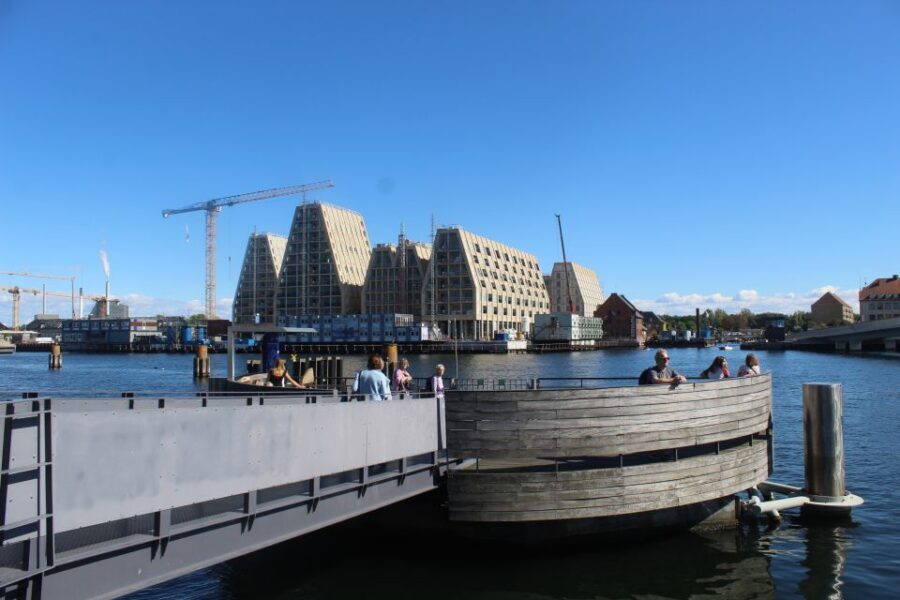
- Papiroen’s paper-mill past and how the area preserves industrial heritage while staying modern
- Operaen (completed in 2005) explained as a waterfront landmark shaped by Danish cultural context
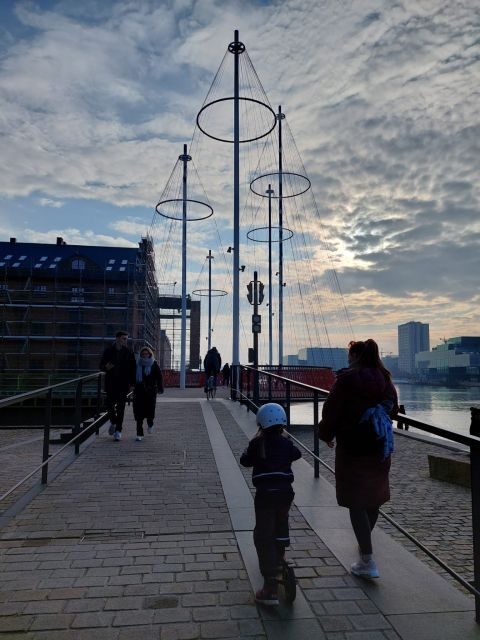
- Cirkelbroen’s design concept tied to circles of life, plus great photo angles
- Danish Architecture Centre stop that helps you understand what you’re seeing, not just take pictures
In This Review
- Why This Copenhagen Harbor Walk Works in Only 2 Hours
- Meeting at Ofelia Plads: Start Where the Harbor Story Begins
- Nyhavn’s Colorful 17th-Century Waterfront (and the Stories Behind It)
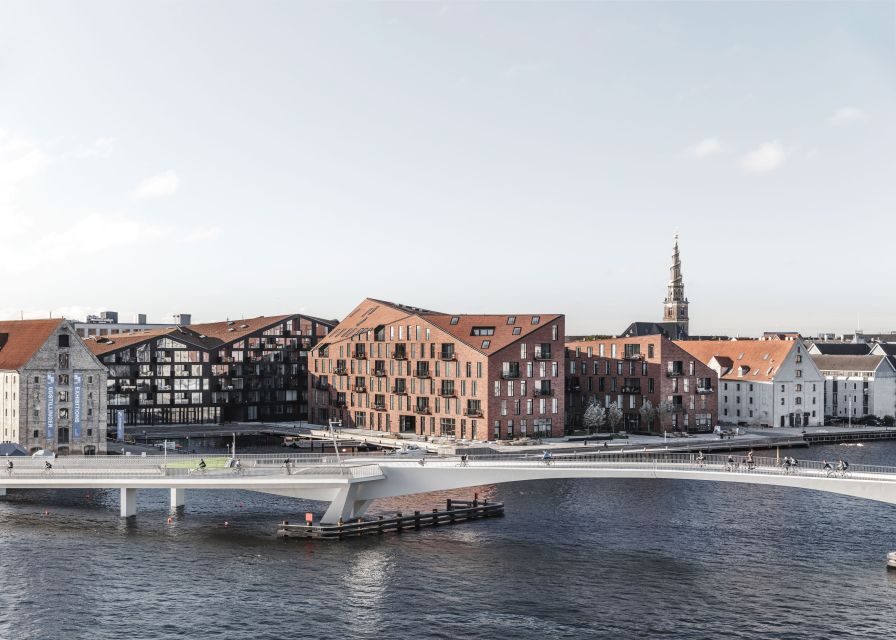
- Krøyers Plads: A Quick Harbor Pause With Architecture Context
- Papiroen: From Paper Mill to Modern Waterfront Quarter
- Operaen (Completed in 2005): A Cultural Landmark With Waterfront Logic
- Cirkelbroen: The Pedestrian Bridge Inspired by Circles of Life
- Royal Library Photo Stop: Where Views Meet Civic Design
- Danish Architecture Centre: Putting What You Saw Into Plain Context
- Price and Value: Is $394 Per Group Up to 2 Worth It?
- Who This Tour Suits Best (and Who Might Want Another Plan)
- Should You Book This Copenhagen Harbor Architecture Tour?
- FAQ
- How long is the Copenhagen Harbor Architecture private walking tour?
- Where do I meet the guide?
- Where does the tour finish?
- What languages are available for the live guide?
- Is this a private group tour?
- What is included, and what isn’t included?
- What should I bring?
- Does the tour run in bad weather?
- Is it suitable for wheelchair users or people with mobility impairments?
- Can I cancel for a full refund, and can I pay later?
Why This Copenhagen Harbor Walk Works in Only 2 Hours
Copenhagen’s waterfront can look like one big postcard. The trick is knowing what to look at while you’re there. This tour is built for that exact problem: in just two hours, you get a tight stretch of stops along the harbor that span old and new, so the city’s architectural evolution clicks in your head.
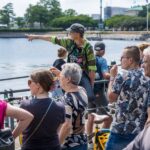
The route is also paced to feel manageable. You’re not sprinting from one photo spot to the next. You get short guided segments, time to take pictures, and enough breathing room to actually notice details like building materials, waterfront shapes, and the way pedestrians move through the space. If you love cities where architecture is part of everyday life, this kind of structure is a gift.
And yes, the harbor matters here. Copenhagen is recognized as World Capital of Architecture 2023, and you can see that reputation in how the city treats its public spaces: the waterfront isn’t only for views, it’s for design—street layout, facades, bridges, and cultural buildings all working together.
Meeting at Ofelia Plads: Start Where the Harbor Story Begins
You’ll meet at the Scandic Hotel, right on Ofelia Plads. That location is smart because it’s close to the iconic waterfront area around Nyhavn, so the tour can begin with views that instantly set the theme: water first, buildings second, and then history behind both.
From the start, expect a guided walk that mixes orientation with explanation. The guide helps you connect what you’re seeing to why it exists—how ports became neighborhoods, how old industrial sites became people-friendly districts, and how modern architecture fits into older harbor geography.
Practical note: this is a walking tour with real outdoor time. Comfortable clothes and shoes help more than you’d think, especially in changeable weather. Even if the morning looks calm, Copenhagen can switch it up, so plan like you’re going to get wet at least once.
You can also read our reviews of more walking tours in Copenhagen


Nyhavn’s Colorful 17th-Century Waterfront (and the Stories Behind It)
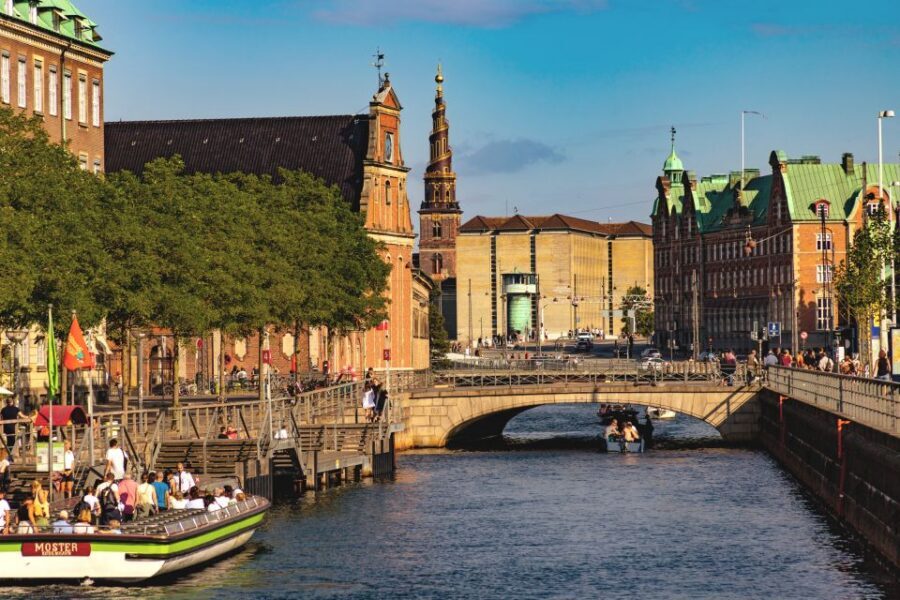
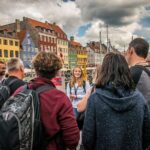
Nyhavn is the stop that most people recognize from photos, but the point here isn’t just the colorful facades. The tour frames Nyhavn as a former bustling port area that later became known for the artists and writers who lived and worked around the waterfront.
When you’re on this stretch, you’ll notice how the canal-side layout supports everyday life—restaurants, street activity, and the way buildings face the water. The guide connects that physical setting to the historical function of the harbor. It helps you stop treating Nyhavn like a decorative backdrop and start seeing it like a working city space that happened to look great.
This is one of the highlights I’d personally prioritize because it gives you contrast quickly. You start with something grounded in the 1600s, then move toward newer developments you can actually compare side by side.
Krøyers Plads: A Quick Harbor Pause With Architecture Context
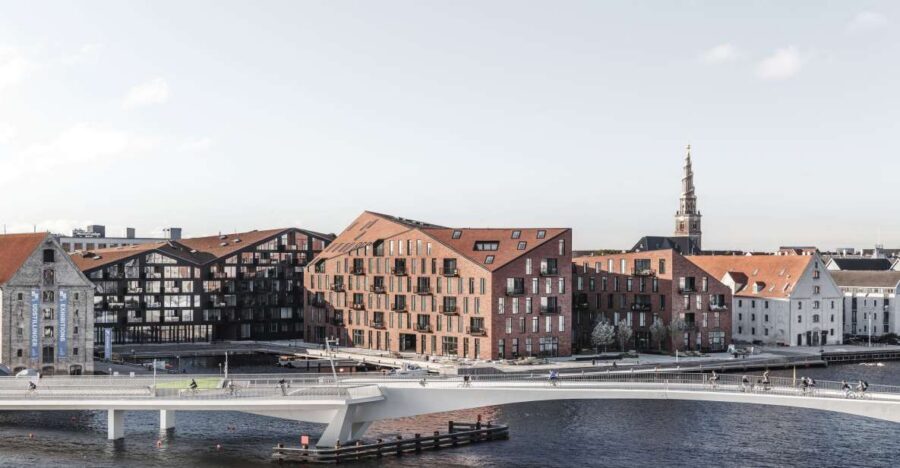
You’ll have a guided stop at Krøyers Plads. It’s not the biggest headline name on many maps, which is exactly why it’s useful. These smaller, less-famous points along the waterfront often show how Copenhagen links the harbor’s edges to pedestrian routes, views, and building placement.
In a short tour like this, those in-between stops matter. They keep the walk from becoming a simple checklist of famous structures. Instead, you start to understand the logic of the harbor: how people cross, how they gather, and how architectural design shapes movement along the water.
If you enjoy architecture more as a system than as isolated landmarks, Krøyers Plads is the kind of stop that will make the rest of the tour feel easier to read.
Papiroen: From Paper Mill to Modern Waterfront Quarter
Next comes Papiroen, described as a former paper mill that has been transformed into a lively, people-centered harbor neighborhood. This is where the tour gets especially satisfying if you like the idea of preservation with purpose.
You’ll see architecture tied to an industrial origin—then you’ll also get the reasoning behind the transformation. The guide points out efforts to preserve the industrial heritage while turning the area into a modern urban space, including market-building architecture and harbor views from within the district.
What makes this stop valuable is that it’s not just “old building, new paint.” It’s about how the city keeps the memory of its industries while changing how people use the space now. You leave with a clearer sense of what successful urban renewal looks like: respect the past, then build for present-day life.
Also, photo lovers will like this one. There are angles where the industrial-to-modern change is visible in a single frame—great for showing friends later.
Operaen (Completed in 2005): A Cultural Landmark With Waterfront Logic
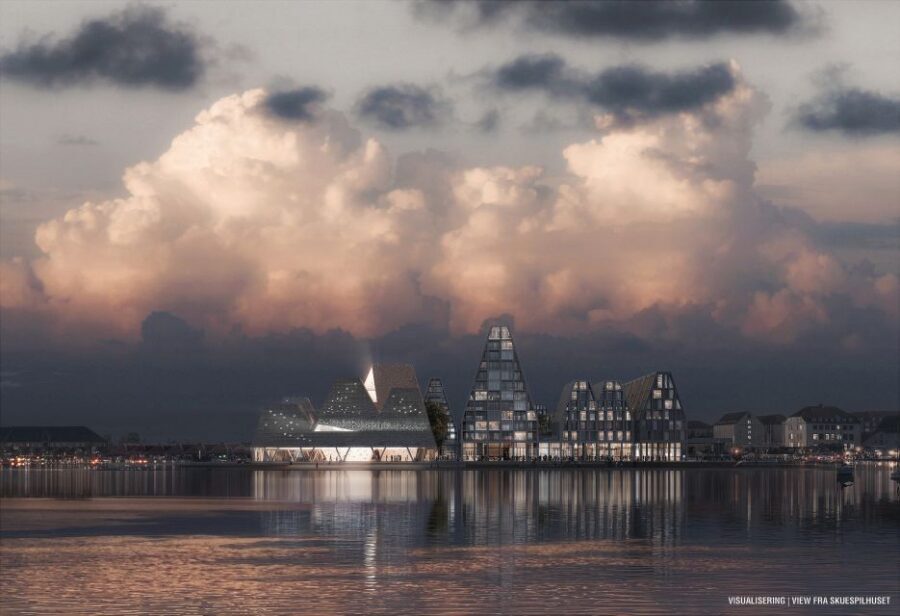
Then you’ll look toward Operaen, the modern waterfront building completed in 2005. It’s become a landmark of Copenhagen’s cultural scene, and the guide explains how the architecture was inspired by the surrounding harbor and Denmark’s cultural heritage.
This is another contrast stop: you’ve moved from historic port life (Nyhavn) and industrial transformation (Papiroen) to a modern cultural icon. It helps you see how Copenhagen handles scale and materials differently at each stage, and how the harbor acts like a design “anchor” that modern buildings respond to.
If you like architecture that feels connected to its environment—rather than placed on top of it—this is worth your full attention. Even if opera isn’t your thing, the building is part of the city’s visual identity, and the tour frames it in a way that doesn’t require you to be a building scholar.
You can also read our reviews of more private tours in Copenhagen



Cirkelbroen: The Pedestrian Bridge Inspired by Circles of Life
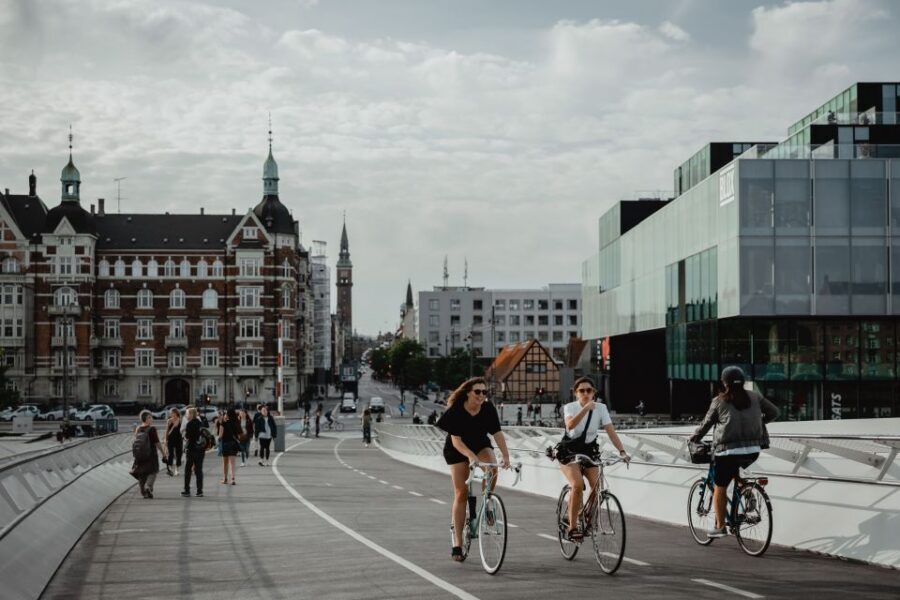
The walk continues to Cirkelbroen, the pedestrian bridge known for an innovative design inspired by circles of life. It’s both functional and photogenic, and it visually connects the harbor’s two sides in a way that makes a “simple crossing” feel like a mini architectural moment.
This stop works because bridges are often ignored on architecture tours. But Cirkelbroen turns the crossing into an experience: you can see design concepts at work while also moving through the space. The guide helps you notice the relationship between form and function—how a structure can be practical and still make you slow down for photos.
If you want one moment that feels modern and playful, this is it. The concept angle (circles of life) gives you a lens for interpreting the design instead of just admiring the shape.
Royal Library Photo Stop: Where Views Meet Civic Design
You’ll get a photo stop at the Royal Library of Denmark. This isn’t a long, scripted moment—it’s the right kind of pause for a busy two-hour tour. You’ll have time to frame the waterfront view and get a sense of how civic institutions fit into the harbor’s architecture setting.
Why I like photo stops on tours: they reduce the pressure of trying to do everything perfectly. When a guide points out what to watch for—angles, sightlines, how buildings sit relative to water—you can take better photos with less fumbling.
So even if you’re not sure what you’re looking at, you’ll still come away with images that make sense: buildings plus harbor context, not just random skyline shots.
Danish Architecture Centre: Putting What You Saw Into Plain Context
The tour ends with a guided visit at the Danish Architecture Centre (DAC) for about a quarter hour. This is a smart final stop because it helps you convert visual impressions into understanding.
You’re already seeing how Copenhagen handles change—historic waterfront areas, industrial redevelopment, and modern cultural landmarks. At DAC, the goal is to give you tools for reading architecture more clearly, so your brain doesn’t just file the tour away as pretty photos.
It also helps you spot patterns: how the city’s harbor-edge design supports people, how buildings relate to water movement and sightlines, and why “architecture as public space” is a Copenhagen strength.
After the guided portion, the tour finishes at Islands Brygge 4. This gives you a natural exit point for continuing on your own—either toward more harbor walks or toward nearby food and cafés later.
Price and Value: Is $394 Per Group Up to 2 Worth It?
At $394 per group up to 2 for a two-hour private walk, you’re paying for three things: a guide, a tight curated route, and the convenience of private pacing.
If you compare that to the cost of two separate tickets on a larger group tour, private often starts looking reasonable—especially when you’ll get a custom-feeling experience and your guide’s attention stays on your group. Two hours also keeps it from turning into a half-day commitment. For many visitors, that’s how you get value: you fit it into a busy itinerary without sacrificing learning time.
The bigger question is your travel style. If you like architecture as something you can read (materials, design ideas, how places evolved), this is a strong use of your budget. If you mostly want to wander and you already know the major buildings well, you might feel the money better spent on a longer self-guided harbor walk.
My take: if you’re two people and you want your time to be efficient, this tour is a good deal. You’ll come away with more than views—you’ll have a story for what you saw.
Who This Tour Suits Best (and Who Might Want Another Plan)
This tour is a great fit if you:
- enjoy architecture and want the meaning behind the landmarks
- like a structured route with photo stops
- want a small-group experience with English or Spanish guidance
- are visiting for a short time and want maximum payoff per hour
It’s less ideal if you:
- have mobility limitations, since it’s not suitable for wheelchair users
- prefer long, slow wandering with no planned stops (this is designed to move through key points)
Also, it runs rain or shine, so if weather scares you, plan to bring a light layer and expect a real outdoor walk either way.
Should You Book This Copenhagen Harbor Architecture Tour?
I’d book it if you want a smart, time-efficient way to understand why Copenhagen keeps getting architecture attention, and you like seeing the city’s evolution from port life to modern civic culture. The mix of Nyhavn, Papiroen, Operaen, and Cirkelbroen gives you multiple “chapters” of harbor design instead of one single theme.
If you’re traveling as a pair, the price makes even more sense because you’re buying privacy and pacing for two. And if you care about guides who bring energy—like Dalit, who’s noted for enthusiasm—this kind of guided story pays off quickly.
If you want, tell me your travel dates and whether you’ll be in the city at an indoor-heavy time. I can suggest a simple day plan that pairs this harbor walk with nearby stops so you don’t lose time moving around.
FAQ
How long is the Copenhagen Harbor Architecture private walking tour?
It lasts 2 hours.
Where do I meet the guide?
You meet in front of the Scandic Hotel, right on Ofelia Plads.
Where does the tour finish?
The tour finishes at Islands Brygge 4, 2300 København, Denmark.
What languages are available for the live guide?
The live guide is available in English and Spanish.
Is this a private group tour?
Yes. It’s a private group experience, priced per group up to 2.
What is included, and what isn’t included?
Included: the guide and the walking tour. Not included: hotel pickup and drop-off, plus food and drinks.
What should I bring?
Bring water and wear comfortable clothes.
Does the tour run in bad weather?
The tour takes place rain or shine.
Is it suitable for wheelchair users or people with mobility impairments?
No. It is not suitable for people with mobility impairments or wheelchair users.
Can I cancel for a full refund, and can I pay later?
Yes. You can cancel up to 24 hours in advance for a full refund, and you can reserve now and pay later.