REVIEW · KOLDING
Kolding: Koldinghus Palace Entry Ticket
Book on GetYourGuide →Operated by Den Kongelige Samling / The Royal Danish Collection · Bookable on GetYourGuide
A castle above Kolding feels instantly big. Koldinghus is one of Denmark’s key royal castles, perched on a mound above town, now living as a museum with serious restoration and rotating international shows. If you like old stone with modern museum design, this is a smart one-day stop.
I especially love the award-winning restoration—it respects the ruins but makes the interior easy to understand. You’ll also enjoy the royal dress-up workshop, which turns a museum visit into something you can actually do with your day.
One thing to plan around: this is an entry ticket with exhibitions, not a guided tour. If you need extra interpretation in a specific language (for example, French), you may want to double-check what’s available on-site, and don’t rely on having a guide.
In This Review
- Key things to know before you go
- Koldinghus Palace: one of Denmark’s royal castles you can actually explore
- The 1808 fire story and why the castle feels different inside
- Award-winning restoration: the chapel that wasn’t rebuilt
- What you’ll do inside: rooms, exhibitions, and practical self-guided flow
- The royal dress-up workshop: more than a gimmick
- Giants’ Tower: the view payoff (city, fjord, and the castle lake)
- A practical tip
- Madkælderen lunch: a comfortable break inside the castle area
- Ticket value: is $21 a good deal?
- Who this works best for (and who might want a different plan)
- Getting your day to feel smooth
- The best way to pace your one-day visit
- Should you book the Koldinghus Palace entry ticket?
- FAQ
- How much does the Koldinghus Palace entry ticket cost?
- How long does the visit last?
- What is included with the ticket?
- Is a guided tour included?
- Can I bring food and drinks?
- Are oversize bags or large luggage allowed?
- Are pets allowed?
- What languages are available?
- What can I do after exploring the castle?
- Who operates the experience?
Key things to know before you go
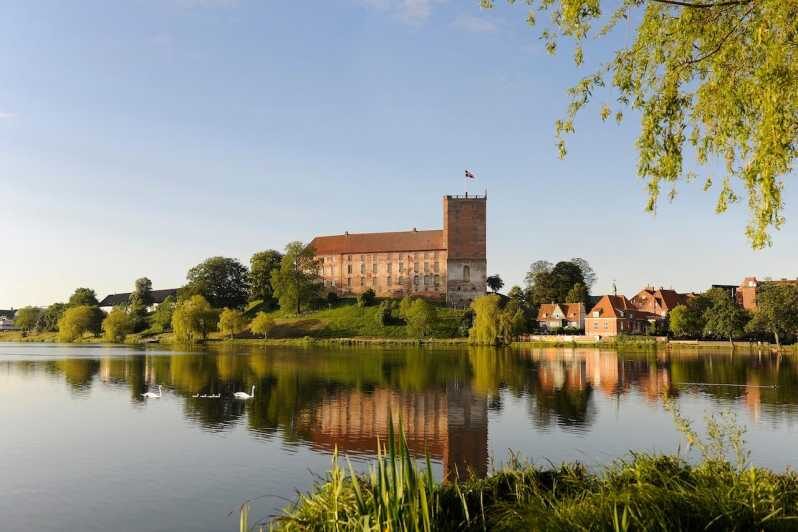
- A 1268 royal fortress: built to watch Denmark’s southern border, not for postcard romance.
- Giants’ Tower option: end your visit with a climb (or at least a stop) for views over the city, fjord, and castle lake.
- Restoration that explains itself: the chapel ruins remain, and lighting helps you read what’s missing.
- Royal dress-up workshop: playful and surprisingly effective at making the castle feel reachable.
- Madkælderen lunch: an on-site place to reset before you head into the final parts of the castle.
Koldinghus Palace: one of Denmark’s royal castles you can actually explore
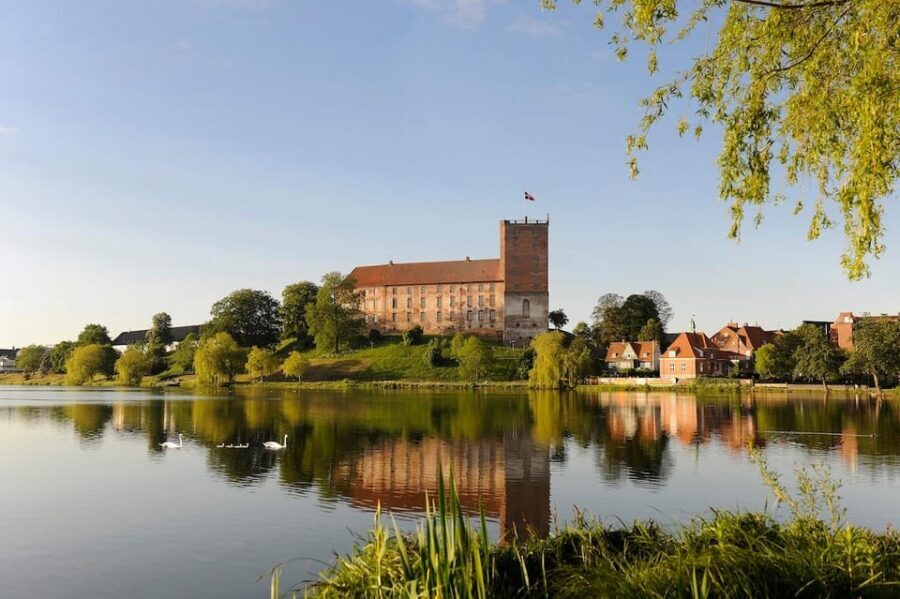
Koldinghus doesn’t sit quietly on a flat city block. It rises above Kolding like it was meant to be seen from far away—and that’s exactly how it was designed when it was built in 1268. Back then, the point wasn’t comfort. It was control: watching the southern border and showing power.
Now you’re climbing into a different kind of story. This is a museum experience inside a castle complex that’s been restored with major care. You don’t just stand in rooms and guess what they used to be. You walk through halls, see exhibitions, and get a sense of how the place functioned over centuries.
The best part for most people: it’s not a huge maze. You can see a lot without feeling like you need a guide to survive the layout. With a one-day entry ticket, you can pace yourself—slow if you’re into details, faster if you’re more of a highlights person.
The 1808 fire story and why the castle feels different inside
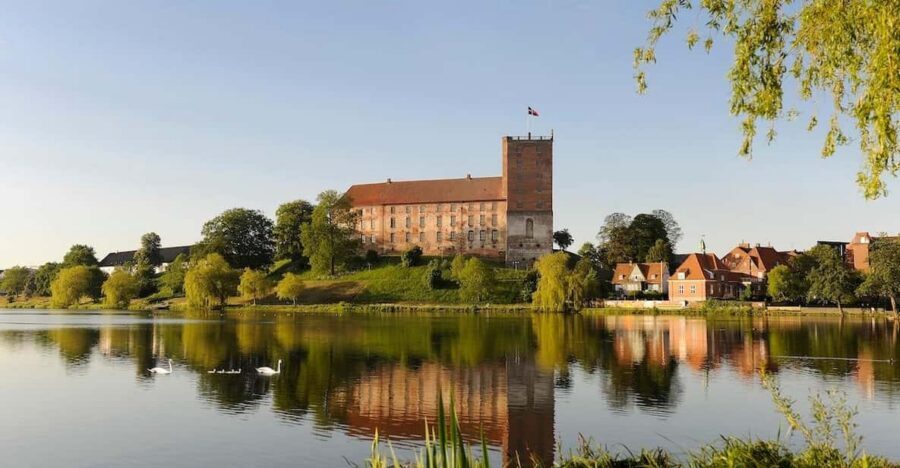
When you arrive, Koldinghus looks like a fortress, even after the restoration work. That feeling comes from how the castle’s timeline shaped the buildings you see today.
The major turning point came in 1808. Spanish soldiers were billeted there, and a fire broke out that wrecked much of the castle. For years afterward, it existed as a romantic ruin—beautiful, but not intact.
That matters because the interior you see isn’t simply “old restored.” It’s a recovered site with gaps and clues. The museum doesn’t try to pretend everything returned exactly as it was. Instead, it lets you notice how the castle was rebuilt, what was left behind, and what was re-created with modern technique.
Award-winning restoration: the chapel that wasn’t rebuilt
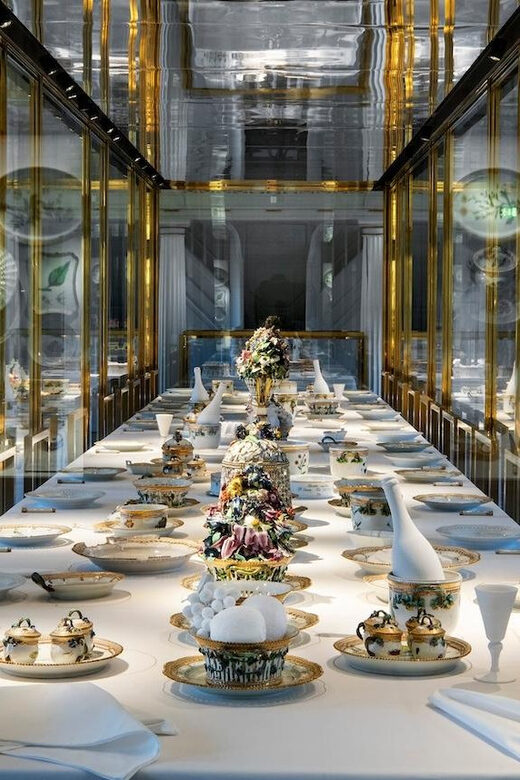
One of the most striking details is what happened to the chapel area. Around 1600, Christian IV created a castle chapel at Koldinghus. During the 1808 fire, the Giants’ Tower collapsed and crushed the chapel.
When restoration work happened in the late 1970s, the chapel wasn’t rebuilt. Only four walls remain, and the mood is noticeably different from the rest of the rooms. It could have been a sad, closed-off corner. Instead, the restoration team used lighting to hint at the original architecture—almost like turning on a memory you can’t fully see.
The architect couple Inger and Johannes Exner led the final restoration, and you can feel their approach in how the space is presented. The goal isn’t to force a full reconstruction. It’s to help you read the ruins with your eyes and imagination—without pretending the past is fully restored.
What you’ll do inside: rooms, exhibitions, and practical self-guided flow
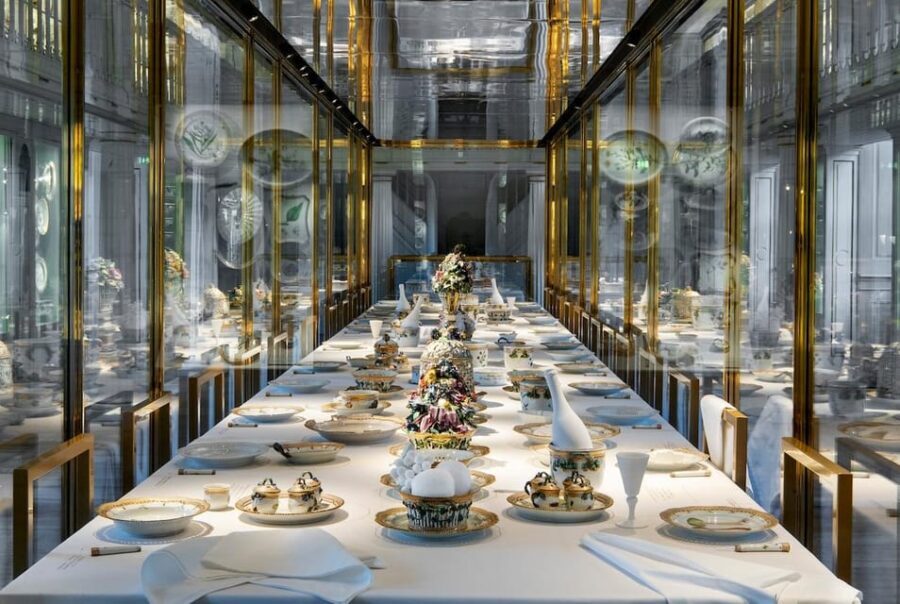
Your entry ticket includes access to the palace and all exhibitions, but it’s not a guided tour. In plain terms: you’ll be doing this at your own pace, walking through rooms and galleries and using the signage to connect the dots.
That works well because Koldinghus mixes two kinds of visitor needs:
- If you’re there for royal history, the castle structure and remaining features give you that sense of time.
- If you’re there for art and modern museum experiences, the site also runs large international exhibitions, so the visit doesn’t feel like a one-note history lecture.
Inside, look for the way the restoration makes the spaces usable for today. You’re not stuck in a ruin-only experience. You’re walking through a museum set in a real castle shell, which is a better way to spend your time than many sites that force you to choose only one angle.
The royal dress-up workshop: more than a gimmick
The royal dress-up workshop is a highlight for a reason. It gives you an entry point that doesn’t require a long explanation. Standing in a castle hall and handling a costume or roleplay moment helps the setting click.
If you’re visiting with kids, it’s also an easy way to keep attention without constant negotiation. Even as an adult, I like these interactive pockets because they make the building feel human, not just historical.
Giants’ Tower: the view payoff (city, fjord, and the castle lake)
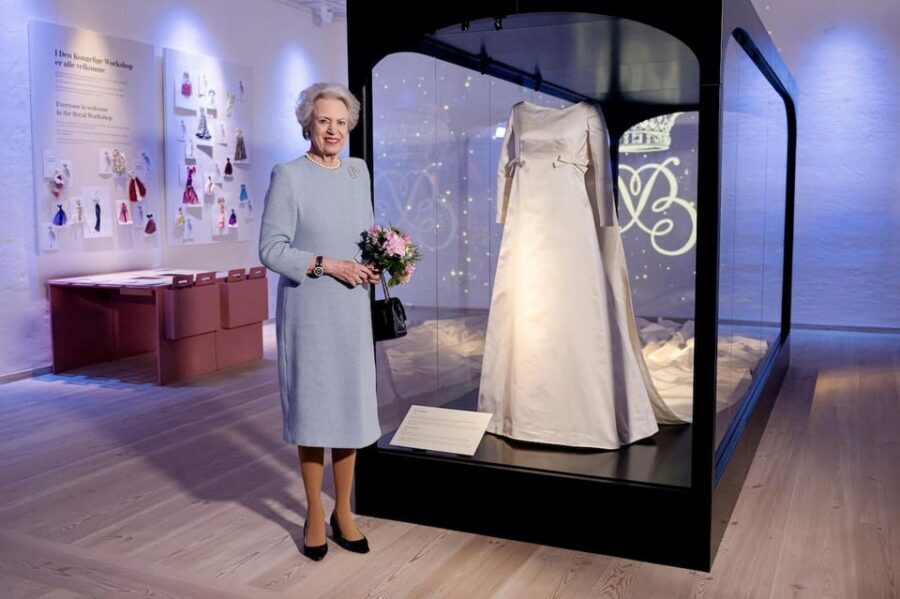
One way to end your visit is with a trip up the Giants’ Tower. The payoff is visual: you get a view over the city, the fjord, and the castle lake.
Why this option matters: it turns the castle’s purpose into a real experience. Built to watch the southern border, the location was strategic. From above, you can understand the thinking—how much was visible from this mound. Even if you don’t care about medieval defense, the view gives you a clean ending point for your day.
A practical tip
Plan the tower near the latter half of your visit so you’re not rushing. Museums are easy to speed up and hard to slow down later. If you save the view, you’ll feel like you finished with a reward instead of an afterthought.
Madkælderen lunch: a comfortable break inside the castle area
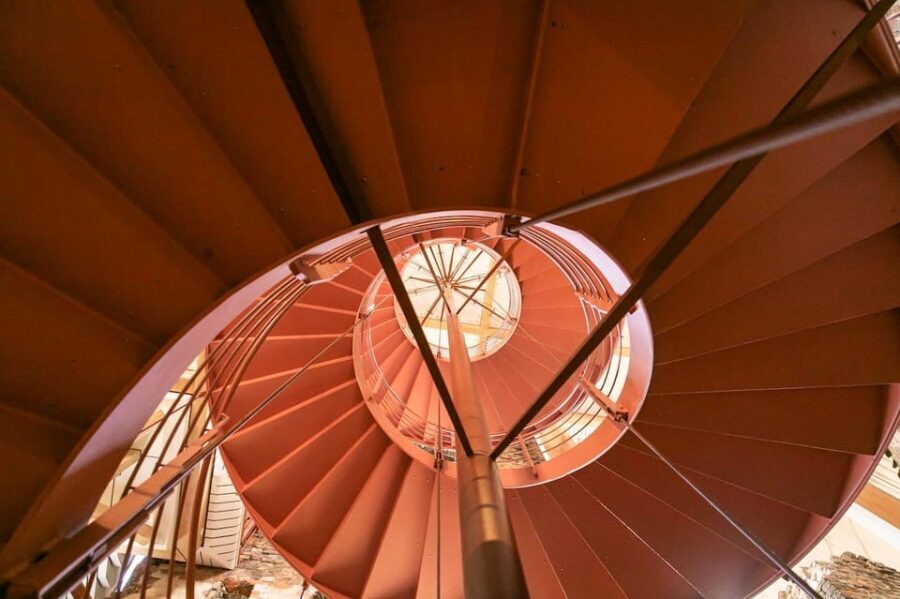
Another way to close out your visit is lunch in Madkælderen. This is a nice option if you don’t want to spend your energy deciding where to eat after walking around all morning.
It also helps your day flow. The castle is built for walking and looking, then thinking. A proper break lets you reset your eyes for any later rooms or exhibitions, instead of pushing through fatigue.
If you’re sensitive to long museum days, lunch is the easiest way to keep the experience enjoyable. You’re less likely to start skipping things, and you’ll remember more because you gave your brain a rest.
Ticket value: is $21 a good deal?
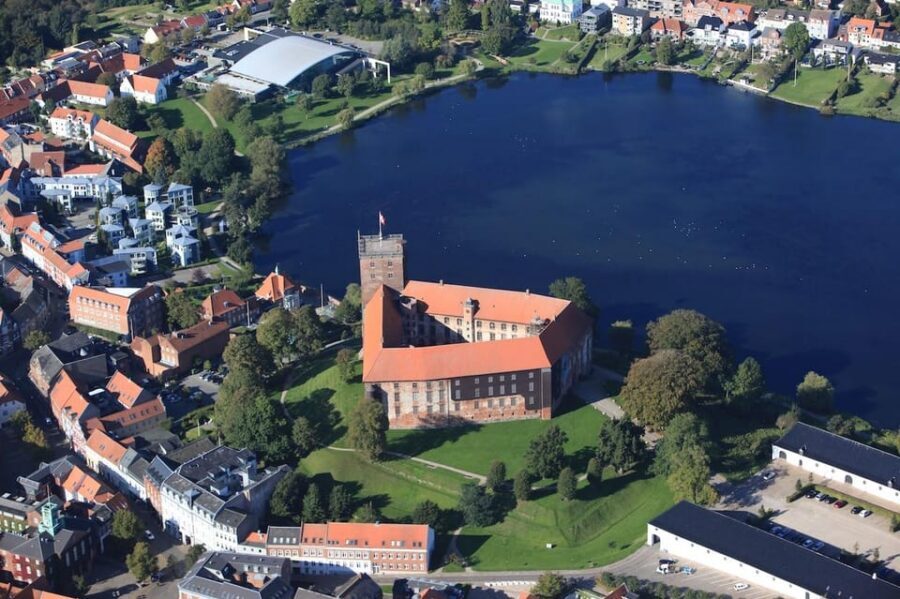
At about $21 per person, the ticket price makes sense because it includes entry to the palace and all exhibitions. You’re not paying for a single room or a short self-guided wander. You’re paying for access to a whole castle museum experience you can pace across a day.
Also, you get optional add-on moments that feel like part of the place—not just a checklist. You can choose the Giants’ Tower for a view, or stop for lunch in Madkælderen. That flexibility helps the ticket feel more like value and less like a fixed script.
Is it expensive? Not really, compared to other major Danish cultural sites, especially when you consider that this is a 750-year-old royal setting with modern exhibition programming.
Who this works best for (and who might want a different plan)
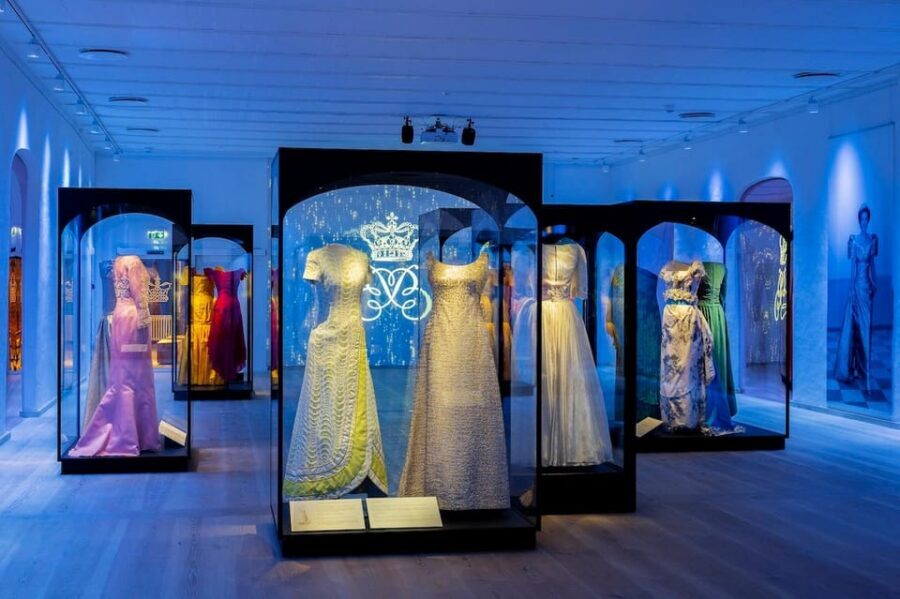
Koldinghus is a great fit if you like historic buildings that still work as museums. It’s also a smart pick when you want more than one type of experience: royal castle atmosphere plus rotating international exhibitions.
I’d particularly recommend it if:
- you want one strong castle stop without needing a full guided tour
- you enjoy seeing how restoration handles ruins rather than covering everything up
- you’re bringing children who will respond well to the dress-up workshop
It may be less ideal if you want a deep, spoken narrative from a guide. Since this is entry and exhibitions, you’ll rely on signage and your own reading of the rooms.
Getting your day to feel smooth
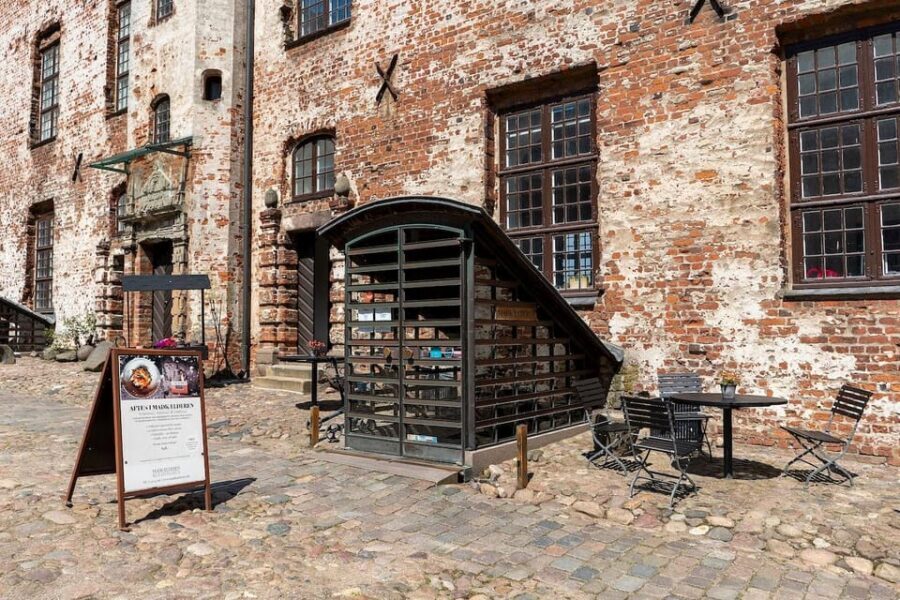
This ticket is entry to the palace and exhibitions, so your main task is making sure you’re set up for a calm visit. A few practical rules matter here:
- Oversize luggage and large bags aren’t allowed.
- Food and drinks aren’t allowed inside, so plan to eat where it’s offered.
- Pets aren’t allowed, but assistance dogs are allowed.
So pack lightly. Bring a small bag if you can, and plan your meal around Madkælderen. Also, if you’re sensitive to signage or language nuance, know that the experience is self-guided and you’ll be using the on-site material to fill in context.
The best way to pace your one-day visit
With a full day at Koldinghus, your biggest win is sequencing. Here’s a simple approach that keeps stress low:
Start with the core castle spaces and the early exhibitions so your head gets oriented. Then build toward the chapel area and restoration story, because it adds meaning once you’ve seen the overall layout. After that, add time for the royal dress-up workshop. It’s easy to underestimate, and it’s also one of the more memorable parts of the day.
Finish with either Madkælderen lunch or the Giants’ Tower. If you do the tower, give yourself enough time to linger at the view instead of sprinting down and rushing the last rooms.
Should you book the Koldinghus Palace entry ticket?
Yes, I think you should book it if you want a Danish royal castle day that mixes old and new in a way that’s easy to manage. For the price, you’re getting palace entry plus all exhibitions, and the options at the end—Madkælderen or the Giants’ Tower—make the experience feel complete.
I’d say skip or think twice only if you specifically want a guided narration in your preferred language. With this format, you’re doing more of the connecting yourself, using the museum presentation on-site.
If you’re on a Denmark route that includes stops in South Jutland, Koldinghus is the kind of place that turns a normal sightseeing day into an actual story you can walk through.
FAQ
How much does the Koldinghus Palace entry ticket cost?
The price is about $21 per person.
How long does the visit last?
The ticket is valid for 1 day.
What is included with the ticket?
Entry to the palace and all exhibitions is included.
Is a guided tour included?
No. A guided tour is not included.
Can I bring food and drinks?
No, food and drinks are not allowed.
Are oversize bags or large luggage allowed?
No. Oversize luggage and luggage or large bags are not allowed.
Are pets allowed?
Pets are not allowed, but assistance dogs are allowed.
What languages are available?
Language details aren’t listed in the provided information. If you need a specific language, it’s worth checking what’s available on-site.
What can I do after exploring the castle?
You can end with lunch in Madkælderen or take a trip in the Giants’ Tower.
Who operates the experience?
It’s provided by Den Kongelige Samling / The Royal Danish Collection.