REVIEW · COPENHAGEN
Vesterbro Tour With Beer & Pub Visits – Max 10 People
Book on Viator →Operated by Copenhagen By Mie · Bookable on Viator
Beer first, history right after. This small-group Vesterbro tour mixes Danish brown-bar culture with craft tastings and street-level storytelling, from former red-light streets to art and city planning wins. I especially love the way you’re handed real context (Istedgade’s complicated past, Vesterbro’s shifting identity) while you’re also getting a classic pilsner and then moving into modern craft. One thing to think about: at least one stop can involve indoor smoking, so if that bothers you, plan for outdoor seating when possible.
I like that the pacing stays human: about 3 hours on foot, capped at 10 people, with an English-speaking native guide. You start near the old gate area by Copenhagen Central Station, then end at a bar close to the Meatpacking District, so you can keep your evening going without a long commute.
In This Review
- Key things that make this tour worth it
- Vesterbro is the right neighborhood for a beer-and-story tour
- Price and what you actually get for the $72.59
- The 3-hour route: what each stop is teaching you
- Stop 1: Copenhagen Central Station gates and neighborhood identity
- Stop 2: Istedgade, former red-light street with a safer present
- Stop 3: Freddy’s Bar, a classic Danish brown-bar vibe
- Meatpacking District walk: old buildings, design awards, new energy
- Viktoriagade: the neighborhood’s rebellious past, turned into a small ritual
- Stop 5: Mikkeller Bar and the craft-story origin point
- Theatre-side walk and symbolic details between neighborhoods
- Westend: municipal-sanctioned graffiti and why it matters
- Skydebanehaven: the royal “why is this here?” wall and a Danish phrase origin
- Sønder Boulevard planning shift: from polluted traffic to green leisure
- Fermentoren Beer Bar: the closer with rotating taps
- Why the beer choices feel intentional, not random
- Guide quality: small-group tours hinge on the person leading you
- Smoking, weather, and comfort tips that actually matter
- Who should book this tour, and who should skip it
- Should you book the Vesterbro Beer & Pub Tour?
- FAQ
- How long is the Vesterbro tour with beer and pub visits?
- How many people are in the group?
- What drinks are included in the tour price?
- What language is the guide?
- Where does the tour start and end?
- Is there a minimum age?
- What’s the cancellation window?
Key things that make this tour worth it
- Max 10 people keeps the conversation going, not just the walking
- Three beer stops give you one traditional Danish beer plus two craft tastings
- Brown bar to craft contrast is the whole point, and it’s fun to experience in sequence
- Vesterbro history in plain language: Istedgade, municipal graffiti, and neighborhood change since the late 1990s
- Creative little moments like the chance to draw at Viktoriagade if your guide brings a pen
- You end in a great food-and-bar zone near the Meatpacking District so you can easily extend the night
Vesterbro is the right neighborhood for a beer-and-story tour
Vesterbro is where Copenhagen feels less polished and more honest. It has a “caught between eras” vibe: old working-class streets beside newer design-heavy spaces, plus lots of public art and city planning that shaped what you see today.
This tour leans into that contrast on purpose. You don’t just learn history from a screen—you walk it. And you do it with beer as the social glue, so the stories land the way they would in a local bar: relaxed, a little opinionated, and very human.
For me, the value is the mix. You get enough route variety to understand the neighborhood’s identity, but the walking stays manageable for most people. It’s also a small group experience, which matters in Denmark where many bars are cozy and not built for big crowds.
You can also read our reviews of more food & drink experiences in Copenhagen


Price and what you actually get for the $72.59
At $72.59 per person for about 3 hours, you’re paying for three things: a guided route, access to the right bars, and beer included with no extra ticketing friction.
Here’s what’s included, clearly:
- A native English-speaking guide
- 1 traditional Danish beer and 2 craft beers
- 1-on-1 recommendations for what to do next in the city
That beer math helps. If you’re already planning to try more than one brewery-style pint, this often works out to a smarter way to sample than buying separately while also paying for someone to point out why each stop matters.
The one “watch out” is your expectations. If you’re coming only for beer and don’t care about neighborhood context, the tour might feel like a lot of walking for three drinks. The cost makes more sense if you want the story behind the street scenes—especially the contrast between the older brown-bar world and the newer craft-culture side.
The 3-hour route: what each stop is teaching you
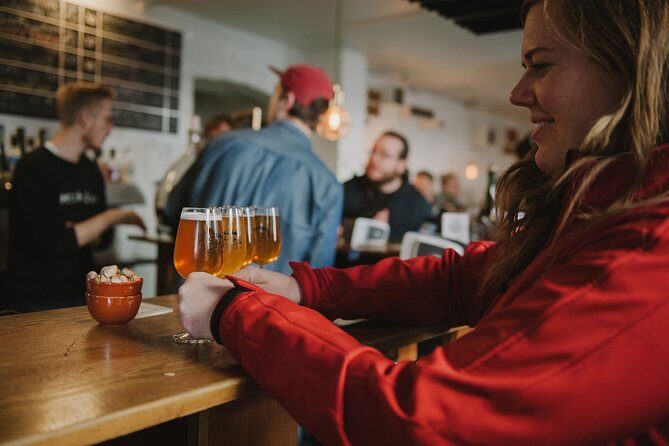
You’ll start in the afternoon (3:00 pm), and the guide meets you near Reventlowsgade. From there, the tour moves through Vesterbro’s major identity zones, with a few “wait, what am I looking at?” moments sprinkled in.
Stop 1: Copenhagen Central Station gates and neighborhood identity
You meet at Copenhagen Central Station right by gates that used to connect you to Copenhagen’s earlier boundary. The point here is orientation: your guide frames how the neighborhood identity formed, so the rest of the walk doesn’t feel random.
This first stop is also a subtle pacing trick. It gets everyone together, sets the tone, and helps you understand why the guide keeps bringing you back to themes like work, nightlife, and city rules.
Stop 2: Istedgade, former red-light street with a safer present
Then you walk along Istedgade, the street tied to Copenhagen’s former red-light district era. The area still carries a seedy reputation, but it’s described as completely safe and frequently visited today.
What I like about this part is the balance. You don’t just get sensational history. You also hear why Copenhagen has tried to maintain some of its “messy” edge through government programs, rather than wiping it out. That’s the kind of context that helps you avoid judging a street purely by headlines.
You can also read our reviews of more drinking tours in Copenhagen





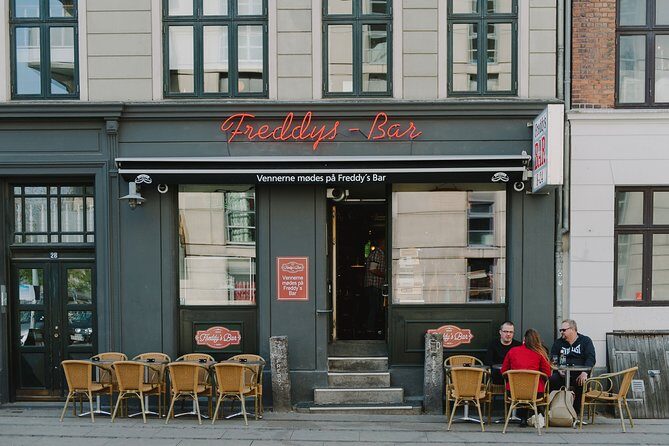
Stop 3: Freddy’s Bar, a classic Danish brown-bar vibe
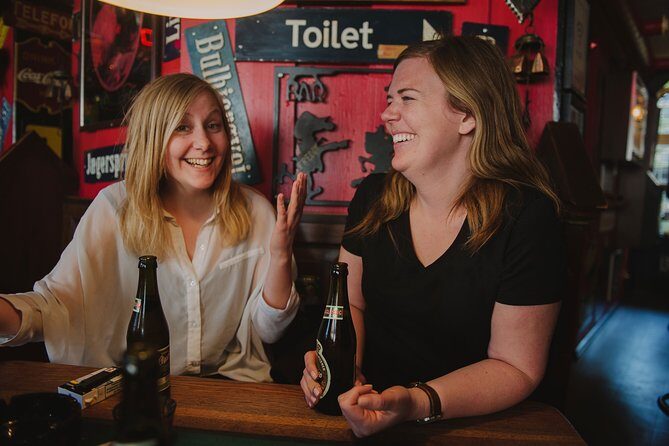
At Freddy’s bar, you settle in for a traditional Danish pilsner and the feel of a shared common-room space. This is your “brown bar” introduction in real life: working-class hangout energy, post-work conversations, and stories tied to Carlsberg workers and the broader community.
The practical upside: this stop is where the tour shifts from “look around” to “talk and listen.” It’s also a good moment if you want to pace your beer drinking without sprinting through venues.
One thing to note from real-world feedback: at least one stop can allow indoor smoking. If that affects you, plan to choose outdoor seating where available and keep your breathing comfort in mind.
Meatpacking District walk: old buildings, design awards, new energy
After Freddy’s, you head into Copenhagen’s Meatpacking District area. You’ll walk through multiple parts and hear how old structures were repurposed into a hip, popular local zone—especially for dining, bars, and shopping.
This section helps you understand why Vesterbro can feel both gritty and fashionable. The buildings are the bridge: you’re seeing how architecture and reuse soften the transition between eras.
Viktoriagade: the neighborhood’s rebellious past, turned into a small ritual
Next is Viktoriagade, described as a Vesterbro heart. The focus is on a token of the neighborhood’s rebellious, chaotic past—and you might get a pen so you can add your own little drawing on it.
It’s a small moment, but it’s memorable. It turns “tour content” into something you actually do, which is why it sticks after the beer is long gone. (And it’s also mentioned as allowed.)
Stop 5: Mikkeller Bar and the craft-story origin point
Then you reach Mikkeller Bar, where you hear a story tied to siblings with a beer obsession that became a global brand. The bar is presented as the place where it all started, and you may even have a chance to taste one of the early beers that took the world by storm.
What makes this stop useful is the contrast. You literally just came from a traditional brown-bar atmosphere, and now you’re in a minimalistic craft setting. That shift is not random—it’s part of how the neighborhood changed.
Theatre-side walk and symbolic details between neighborhoods
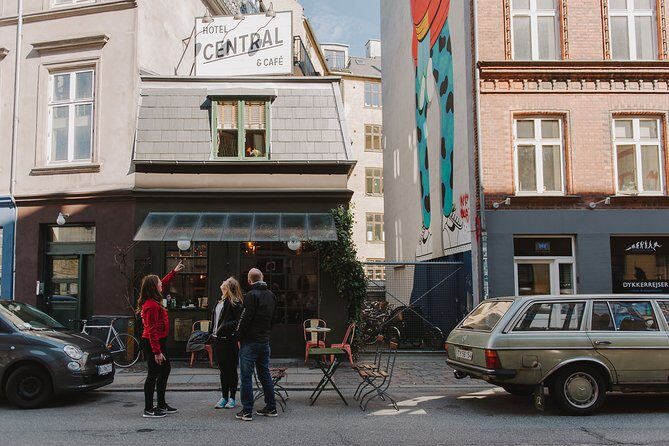
After Mikkeller, the route includes a walk-by of a new theatre and a point your guide highlights from the Vesterbro side into the Frederiksberg side. The detail is described as minor, but unique and symbolic of the neighborhoods’ past.
You’ll also pass a charming small building with a story your guide calls out. These segments are the “camera don’t catch it” moments: the place looks normal unless someone points to the one clue that makes it meaningful.
Westend: municipal-sanctioned graffiti and why it matters
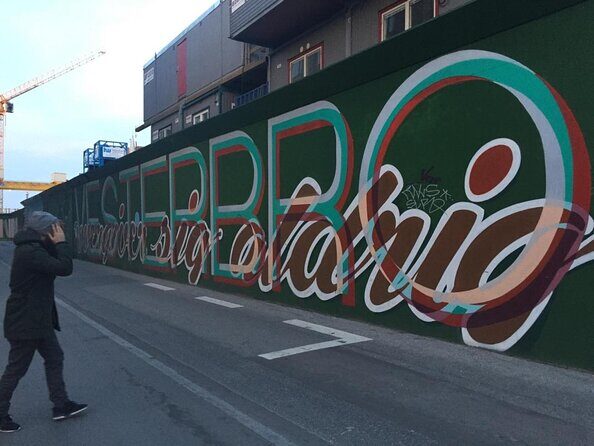
Westend is where art takes the foreground. You’ll walk through an area described as a French quarter, then turn right into a section with graffiti pieces made by street artists with municipal sanction.
You’ll learn why allowing sanctioned graffiti matters in a historic city like Copenhagen. I like this angle because it’s practical: it explains how cities handle cultural expression instead of pretending the old world only wants silence.
Skydebanehaven: the royal “why is this here?” wall and a Danish phrase origin
Skydebanehaven is another “what are we looking at?” stop. You’ll open a gate where you might expect a castle, but it’s not what you think. The guide explains why and connects the place to royal use and the odd wall next to a green haven and playground.
You also hear where the Danish phrase To Shoot The Parrot comes from, tied to this location. If you enjoy language origins and local sayings, this is the kind of stop that feels like a Copenhagen secret even though it’s in plain sight.
Sønder Boulevard planning shift: from polluted traffic to green leisure
As you continue, you’ll cover how Vesterbro shifted with changes in planning processes in the late 1990s. Sønder Boulevard is singled out as an area that used to be polluted and heavily trafficked, but became locals’ go-to for relaxing green leisure spaces.
This is the tour’s “city planning reality check.” It reminds you Copenhagen doesn’t just preserve old buildings—it also reshapes streets for how people actually live now.
Fermentoren Beer Bar: the closer with rotating taps
Finally, you wrap at Fermentoren Beer Bar. It’s described as blending the homely atmosphere of the first bar with the golden craft-brew vibe. There are lots of taps that change every week, and the guide may point out how to order based on your preferences.
The best part for your evening: you’re invited to stay as long as you like. If you want dinner after, the guide shares recommendations for places nearby—so you don’t have to restart your decision-making at the end of the tour.
And since the tour ends near the Meatpacking District at Halmtorvet, you’re positioned in the right neighborhood to keep exploring without planning your next commute.
Why the beer choices feel intentional, not random
This isn’t a “let’s pick three brands” approach. The structure creates a story arc: traditional Danish pilsner first, then craft history at Mikkeller, then a local-leaning craft bar finish at Fermentoren.
That order matters. Starting with a classic beer lets you absorb the brown bar culture—the social rhythm, the comfort level, the working-class storytelling vibe. Then Mikkeller becomes your bridge into modern beer culture, including how a huge brand grew from a small origin. Fermentoren finishes the arc by keeping things local and flexible, with rotating taps so you can keep sampling based on taste.
Also, the guide includes 1-on-1 recommendations. That’s quietly huge. If you’re the type who wants a shortlist for the rest of your night, this turns the tour into a planning shortcut.
Guide quality: small-group tours hinge on the person leading you
The group size (max 10) helps, but the guide is the multiplier. From the names you might see—Liva, Kenneth, Oskar, Lucas, Jaqueline, Kim—the recurring theme is storytelling plus a relaxed style that keeps the walk from feeling like a lecture.
Many of the standout comments point to guides being funny, quick with context, and able to tailor beer choices to what you like. If you’re worried about the tour being bland, that’s the part to pay attention to: you want a guide who can steer the conversation, not just recite facts.
My advice: if you have a preference—more sour vs. lager, lighter vs. heavier, or even simply beer history vs. neighborhood history—say it early. The tour is set up so your guide can adjust, especially during the beer ordering at the bars.
Smoking, weather, and comfort tips that actually matter

This tour is outdoors a lot, so rain happens. The instructions are simple: bring an umbrella or rain jacket. Copenhagen weather can switch quickly, and you’ll be walking enough that “light drizzle” can become “annoying” fast.
Then there’s the indoor smoking note. One of the bars can allow indoor smoking, and a person with asthma specifically mentioned the downside. If smoke bothers you, consider this your game plan:
- Look for outdoor seating when offered
- Keep a light layer and face-cover option handy if you’re sensitive
- Don’t treat the itinerary as smoke-free by default
Finally, wear comfortable shoes. The walking is described as relatively low in some feedback, but it’s still a neighborhood walk with multiple transitions. If your feet get tired, the tour stops feeling fun halfway through.
Who should book this tour, and who should skip it
This is a great fit if you want:
- A neighborhood introduction that goes beyond landmarks
- A mix of history, street culture, and practical city context
- More than one beer stop without planning your own route
It’s also ideal if you’re traveling with someone and want conversation time. The small group setup makes it easier for the guide to interact with you, not just move you along.
Skip it if:
- You only want to drink and don’t care about why places exist
- Smoke exposure is a deal-breaker for you
- You’re sensitive to walking through older nightlife areas, even if they’re described as safe
Should you book the Vesterbro Beer & Pub Tour?
Yes, if you like beer with stories and you want a real neighborhood feel in about three hours. The price is reasonable when you consider you get three beers (one traditional plus two craft) and a guide who helps you understand what you’re seeing, plus recommendations for what to do right after.
I’d book sooner rather than later too. This tour is commonly reserved about 55 days in advance, which is a signal that dates can fill.
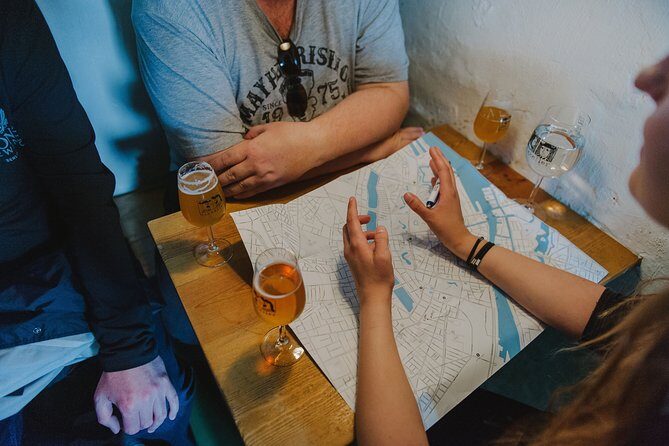
If you’re smoke-sensitive, message your concerns before you go and be ready to take outdoor seating at the first opportunity. Otherwise, this tour is one of the more fun ways to learn Vesterbro: you end the day with a map in your head, not just a few photos.
FAQ
How long is the Vesterbro tour with beer and pub visits?
It runs for about 3 hours.
How many people are in the group?
The group is limited to a maximum of 10 travelers.
What drinks are included in the tour price?
You get 1 traditional Danish beer and 2 craft beers. Additional food and drinks are not included.
What language is the guide?
The guide is a native English-speaking guide.
Where does the tour start and end?
It starts at Reventlowsgade 7, 1651 København, Denmark and ends at Halmtorvet 27E, 1700 København, Denmark.
Is there a minimum age?
Yes. Passengers under 18 are not permitted on this tour.
What’s the cancellation window?
You can cancel for a full refund up to 24 hours before the experience’s start time.
—
If you tell me your travel dates and whether smoke sensitivity is a concern, I can help you decide if this is the right beer route for your exact vibe.