REVIEW · COPENHAGEN
Urban Design and Livability E-bike Tour
Book on GetYourGuide →Operated by City Bike Adventures · Bookable on GetYourGuide
Copenhagen’s bike logic clicks fast. This 3-hour Urban Design and Livability E-bike Tour turns livability into something you can feel as you roll past Copenhagen’s old and new city highlights on easy e-bikes. You’ll learn how the city’s design choices shape daily life, from streets that invite contact to spaces that make walking and cycling feel natural.
I love the mix of comfortable e-bikes and a small-group format (max 10), which keeps the ride calm and manageable. I also like how the guide connects urban planning to real behavior, including the Danish idea of hygge and how streets and buildings influence mood and well-being.
One consideration: you’ll want solid bike control and attention to the route. In at least one outing, the pace felt a bit quick and photo breaks were limited, and a technical hiccup meant part of the group took longer to regroup—everything got handled, but it’s a reminder to stay alert and comfortable on the bike.
In This Review
- Key things to know before you ride
- Urban design you can feel: the Copenhagen livability idea
- From Nyhavn to real neighborhoods on easy e-bikes
- What you should watch for as you ride
- Historic planning and modern development: how the tour tells the story
- Hygge on the street: architecture, design, and human comfort
- The pace, the photos, and bike confidence
- Price and value: is $84 worth it?
- Who should book this Copenhagen e-bike design tour?
- Should you book? A straight answer
- FAQ
- Where is the meeting point for the Urban Design and Livability E-bike Tour?
- How long is the tour?
- Is food included?
- Are e-bikes provided?
- Do I need tickets to places we stop at?
- What languages is the tour guide?
- What is the cancellation policy?
Key things to know before you ride
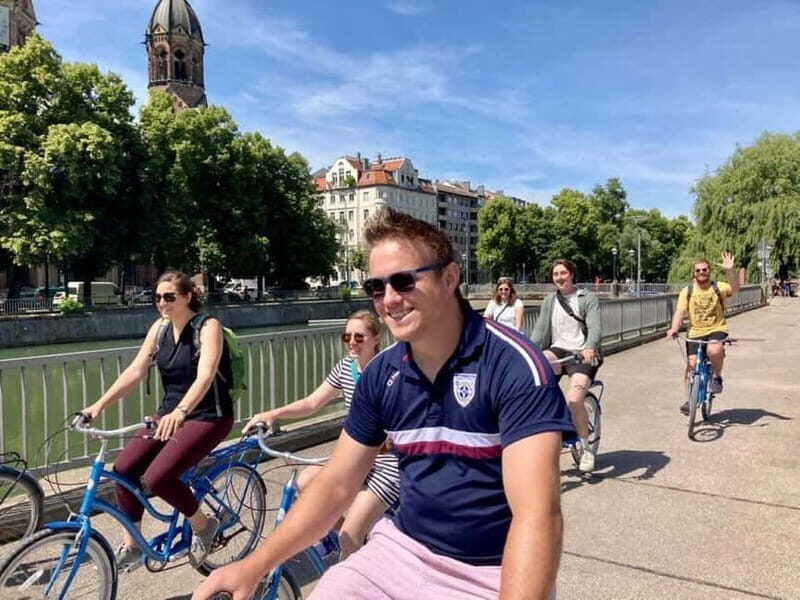
- Easy-to-ride e-bikes for a 3-hour city lesson, with helmets optional and rain ponchos available.
- Small group up to 10 means you can ask questions and actually hear the answers.
- Meet by Nyhavn (Holbergsgade & Peder Skrams Gade) so you start close to the classic Copenhagen vibe.
- Urban design, architecture, and planning themes link what you see to how Danes live day to day.
- Off-the-beaten-path focus: you’ll spend time outside the most obvious center streets, not just the postcard loop.
Urban design you can feel: the Copenhagen livability idea
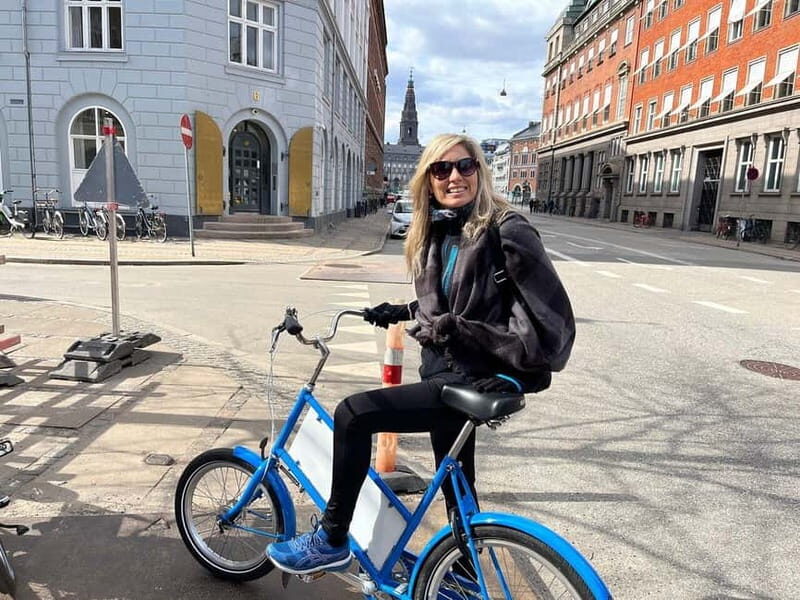
Copenhagen is famous for bikes, but this tour goes a step deeper. You’re not just riding a cycle route—you’re studying how design choices shape everyday life, like where people can safely move, how they meet, and why certain spaces feel comfortable.
The big theme is livability: the way the city supports movement on foot and by bicycle, and how that affects social life. The tour also frames the experience around hygge, which isn’t only about interiors or candles. It’s about how public spaces can be pleasant, readable, and good for your mood—especially when you’re outside for real time, not just passing through.
What I like about this angle is that it makes the city practical. You’ll learn why certain streets and public areas work well, and you’ll start noticing bike-friendly details that you’d otherwise ignore.
You can also read our reviews of more cycling tours in Copenhagen

From Nyhavn to real neighborhoods on easy e-bikes

The tour starts at a shop at the corner of Holbergsgade and Peder Skrams Gade, just up the road from Nyhavn. Check-in is inside the store, and you should arrive no later than 10 minutes before the start so you don’t slow the group down.
Because it’s an e-bike tour, the ride feels approachable even if you’re not a hardcore cyclist. The bikes are described as easy-to-ride, and that matters on a design-focused outing—you want to be thinking about what you’re seeing, not fighting the bike.
You’ll begin in the central area and then head toward parts of the city beyond the core. That shift is the point: it helps you compare what Copenhagen looks like at a glance versus what it’s doing in everyday, lived-in zones. It’s also how you get the “old meets new” feeling without bouncing around endlessly.
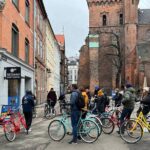
Along the way, expect stops that are more like street-level classrooms than museum pauses. You’ll slow down to observe, hear the guide’s take on architecture and layout, then roll onward.
What you should watch for as you ride
Even without a formal “lab,” Copenhagen is visual. Keep your eyes on things like:
- Where bike routes feel protected versus exposed
- How space is shared between people, bikes, and cars
- How buildings shape the street (corners, setbacks, building lines)
You’ll get the guide context, but you can also learn just by noticing patterns.
Historic planning and modern development: how the tour tells the story
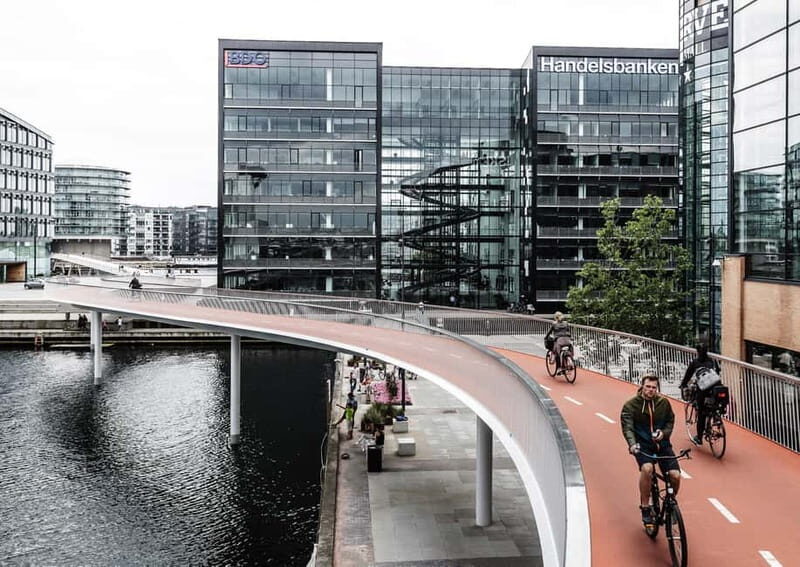
This isn’t a strict itinerary with timed, named attractions. Instead, it’s a structured ride through old and new city highlights, plus areas outside the city center where you can spot both history and ongoing change.
You’ll encounter:
- Historic landmarks and older city fabric, where you can see what was valued in earlier eras
- Modern developments, where the city shows what it’s prioritizing today
- Areas that reveal how architecture and design influence how people move and gather
The value here is perspective. In many cities, “design” is abstract until you spend time walking around. On this tour, the design is right there in your path. The guide ties what you see to the city’s approach, so you stop treating bike infrastructure as random engineering and start seeing it as part of a bigger lifestyle plan.
The tour’s livability message also shows up in social behavior. Copenhagen is presented as a place where people connect easily—because cycling and walking create frequent, normal contact. That’s why the tour emphasizes becoming part of the pulse of town and meeting locals in their natural habitat, not only viewing sites from the curb.
Hygge on the street: architecture, design, and human comfort
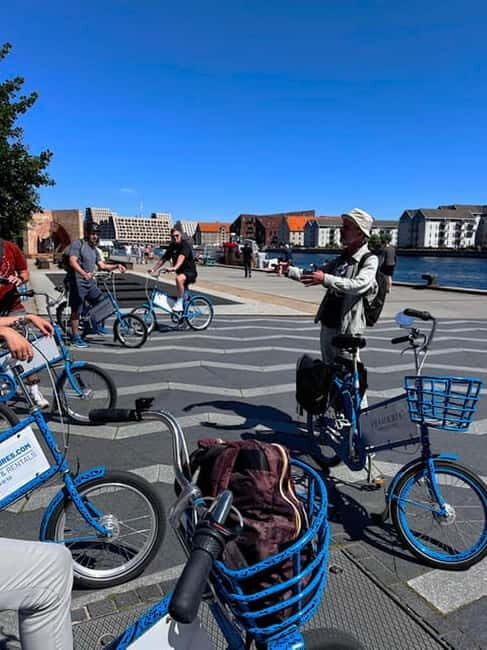
“Hygge” can sound like a cozy word that belongs in winter sweaters. Here, it gets practical. The tour treats the Danish approach to well-being as something the city can support through physical surroundings—street scale, comfort, flow, and how easy it is to move without stress.
That changes how you experience architecture. Instead of reading buildings like postcards, you’ll read them like systems. You’ll pay attention to how design supports activity and interaction, and how the “feel” of a place is tied to its form.
This is where the best guides really shine. If your guide happens to be Aitik, one past guest specifically praised the storytelling and the fact that you get a strong overview and spots you might not find on your own. If your guide is Alex, another guest noted that the pace was a bit fast and that there weren’t enough stops for photos or just taking in the area—so if you want lots of slow-looking time, be ready to be a bit more vocal early on.
Either way, the tour actively encourages you to ask questions. If you’re curious about bike rules, planning choices, or why certain areas feel more comfortable than others, this format is built for that back-and-forth.
A few more Copenhagen tours and experiences worth a look




The pace, the photos, and bike confidence
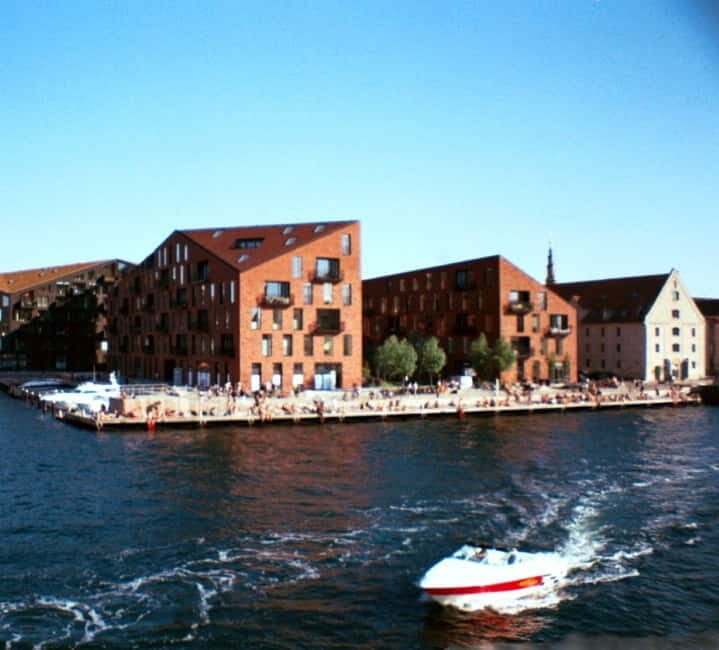
This is a 3-hour tour with easy-to-ride e-bikes, but it’s still riding. You should be comfortable staying balanced while moving through city streets, even if the guide keeps the route manageable.
Here’s the practical advice that matters most:
- Wear weather-appropriate clothes, because you’ll be outside the whole time.
- Expect occasional waiting moments at safe observation points, not constant stop-and-go traffic.
- If you want extra photos, ask for them instead of waiting until you’re already rolling.
Also, small groups can still get stretched out on busy routes, especially on an e-bike where small differences in speed happen. One guide-led outing faced a technical problem that caused more than half the group to get lost temporarily, and the issue wasn’t caught immediately. Everything was handled, but it underlines a key point: don’t drift into your phone-world. Stay oriented, watch for regroup points, and be ready to adjust.
If you’re unsure about bike handling, you’ll be happier with a slower, more confidence-based start. Arrive early, do a quick check of how the bike feels, and don’t hesitate to ask the guide to confirm the basics.
Price and value: is $84 worth it?
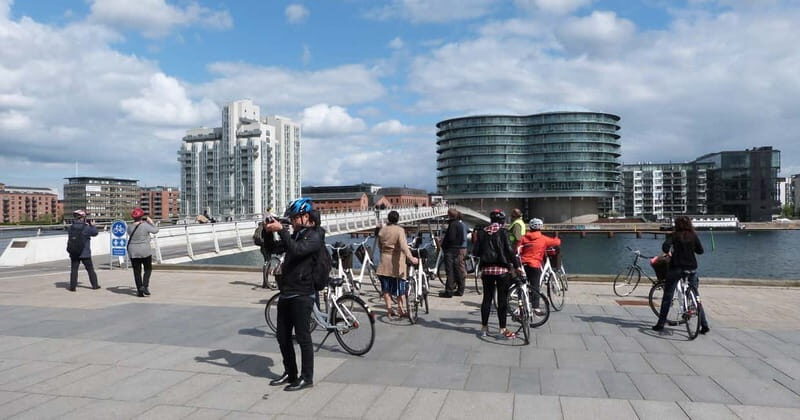
At $84 per person for a 3-hour small-group e-bike tour, you’re paying for three things at once: guided interpretation, practical transportation, and a city route that goes beyond the most obvious places.
You get:
- Easy-to-ride e-bikes included
- Expert English-speaking guide
- Small group (max 10) for better attention
- Optional helmets and rain ponchos if the weather turns
- Focus on livability, architecture, urban planning, and hidden-in-plain-sight city areas
For value, ask yourself what you’d otherwise do. If you tried to DIY this alone, you’d spend time figuring out routes and you’d miss the “why” behind what you see. The guide’s job is to translate city design into something understandable in real time. Add the e-bike convenience, and the whole plan becomes efficient: you cover more ground than a walking tour, but you still stop to learn.
If you’re traveling with a tight schedule or you want a coherent theme (not random sights), this price can make sense quickly. If you only care about Copenhagen’s biggest postcard hits, you might feel it’s more educational than necessary. But if you like cities that have a logic you can study, it’s a good fit.
Who should book this Copenhagen e-bike design tour?
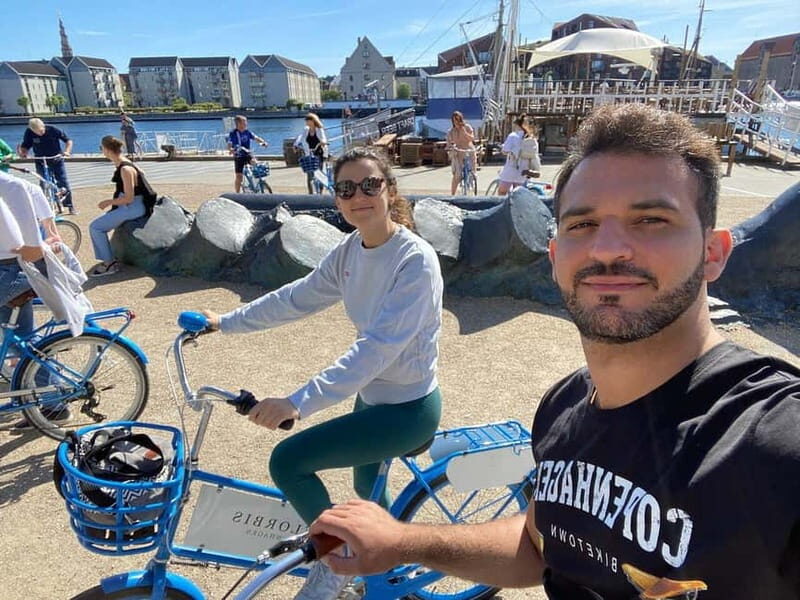
This tour is best for people who like cities as living systems. You’ll enjoy it if you:
- Want to understand urban planning through what’s visible on the street
- Like architecture and design, but also want it explained in human terms
- Appreciate cycling culture and want to experience it with less effort thanks to e-bikes
- Prefer a small group where you can ask questions and steer the conversation
It’s also a strong choice for first-time Copenhagen visitors who want a broader orientation without getting stuck in only the center.
A few limits are worth noting. It’s not suitable for children under 10, babies under 1, and people over 70. If you fall into any of those categories, you’ll need another option.
And if you’re the type who needs long photo stops every 10 minutes, keep expectations realistic. One guest noted fewer breaks for photos, so manage that by asking early for the pacing you want.
Should you book? A straight answer
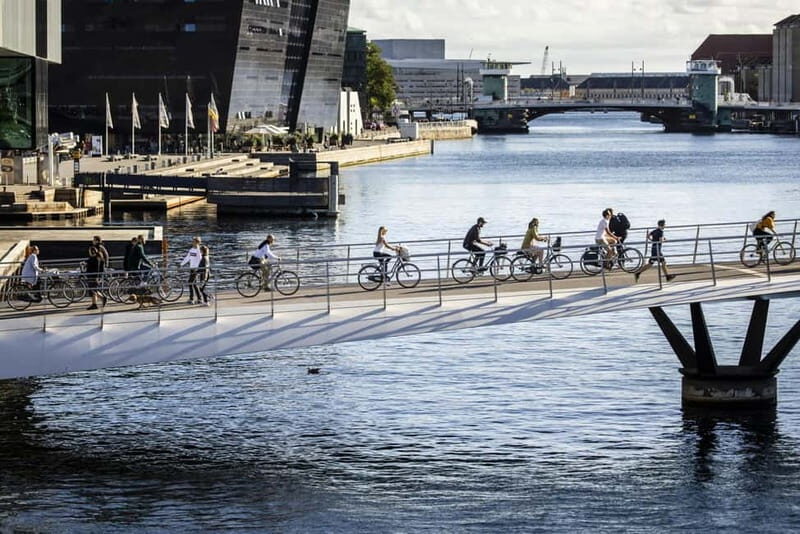
Book this tour if you want Copenhagen in a way that’s more useful than sightseeing. The combination of e-bikes, a small group, and an urban-design lens makes it a smart “orientation with meaning” experience. Starting near Nyhavn also helps, because you’re not committing to an awkward transit plan before you even get moving.
Skip it if your goal is only the most famous icons and you don’t care about the city’s planning philosophy. This tour is about how Copenhagen works—its street logic, comfort, and the city’s approach to healthier, more sustainable movement.
If you do book, come ready to ride, keep an eye on the route, and ask questions. That’s how you get the most out of the Copenhagen-way-of-life story.
FAQ
Where is the meeting point for the Urban Design and Livability E-bike Tour?
The tour meets at the shop inside the corner of Holbergsgade and Peder Skrams Gade. You should go inside the store for check-in.
How long is the tour?
The tour lasts 3 hours. Starting times vary, so you’ll need to check availability.
Is food included?
No. Food and drinks are not included.
Are e-bikes provided?
Yes. Easy-to-ride e-bikes are included in the tour price.
Do I need tickets to places we stop at?
Entry tickets to any venues seen during the tour are not included.
What languages is the tour guide?
The live tour guide provides the tour in English.
What is the cancellation policy?
You can cancel up to 24 hours in advance for a full refund.