REVIEW · ODENSE
Odense: City walk – The new green Odense – City development
Book on GetYourGuide →Operated by KnowledgeWalks · Bookable on GetYourGuide
Odense isn’t just pretty buildings and statues. This walk explains how the city reinvented itself with green planning and everyday practicality, and you’ll get there by foot, not bus window boredom. I especially liked the way the guide ties changes in housing, infrastructure, and daily life to real places you can point at. The only catch is that it’s more about urban thinking than classic sightseeing photo stops.
The best part is the human layer. In my experience, the local guide turns the walk into a conversation, and the top-rated guide performance really shows—German support from guides like Jørn Asmussen is a big deal if you want the details without switching your brain to English. I also like that you see multiple “chapters” of the city in about two hours, from the older center toward the harbor and back.
One consideration: if you’re hoping for a slow, scenic tour with lots of free time at each spot, this one is more focused. You’ll walk around roughly 4 km and get the information via short guided stops, so pace and attention matter.
In This Review
- Key highlights you’ll feel on the ground
- Why Odense’s green city development walk feels different
- Meeting Overgade 3 and getting oriented fast
- Albani Torv to Donkey Republic: learning city life through planning choices
- The Odense harbor stop that turns “green” into something you can point at
- Storms Pakhus and Odense Street Food: reuse, culture, and the people factor
- H.C. Andersen Haven: finishing the circle with a modern living mindset
- Price, pacing, and the 4 km walking reality
- Who should book this walk
- Should you book the Green Odense city development walk?
- FAQ
- How long is the Odense city walk?
- How far do we walk?
- Where is the meeting point?
- What languages are offered?
- Is it a large group tour?
- What does the tour focus on?
- Can I pay later or get a refund if plans change?
Key highlights you’ll feel on the ground
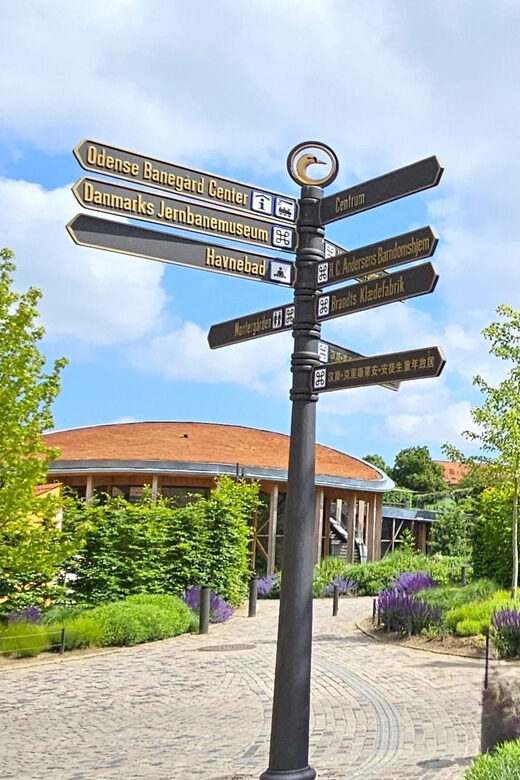
- Small group size that makes questions actually possible
- Green city development explained through real Odense streets and projects
- Harbor-focused transformation from industrial-era shape to a modern direction
- Mobility and sustainability cues like the Donkey Republic stop on your route
- Insider context you won’t get from a typical brochure-style stroll
- Photo-assisted comparisons that show what changed, not just what exists now
Why Odense’s green city development walk feels different
This isn’t the usual “here’s a statue, here’s a view” city tour. Instead, you get a guided look at how Odense is reshaping itself—less theory, more street-level evidence. The big theme is the shift from an older industrial city into one that publicly aims to be greener, more innovative, and more livable for younger people, including the need for affordable housing in the center.
What makes it work is the balance. You’re not trapped in planning jargon. The guide also connects urban changes to things you’ll recognize right away: daily life rhythms, how infrastructure supports people, and how the local economy fits into the story.
And the harbor is a key character here. Even if you’ve never studied city planning, you can still “read” a harbor as a clue about how a city chooses its future. Odense uses it as a symbol for a broader shift, and the walk helps you see that without making it feel like a lecture.
Meeting Overgade 3 and getting oriented fast
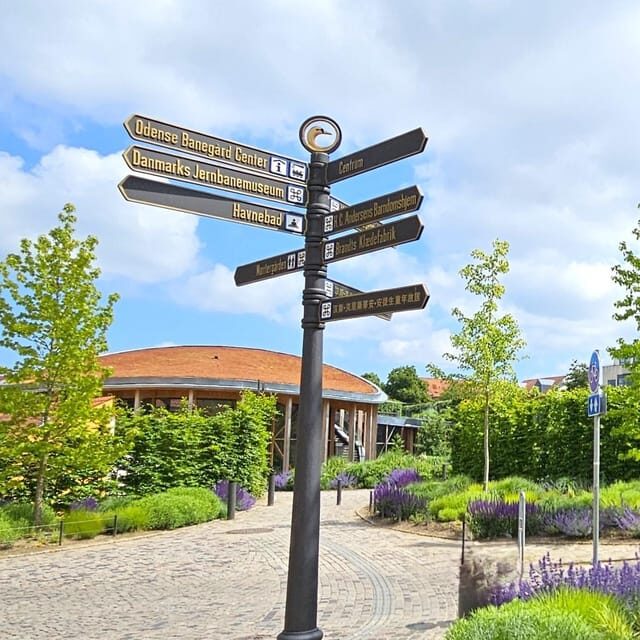
You start at Overgade 3 in Odense’s pedestrian area. There’s a small ruin near the meeting point, and the guide carries a sign that says KnowledgeWalks. The area is compact, so you don’t need an hour of anxiety to find the group—just keep your eyes out for the sign.
This start matters because the tour begins in the older part of the city. You’re not launched straight into modern development. You’re given context early, so later stops feel like progress you can track.
Also, language is practical. The tour runs in German and English, so you can pick what lets you catch the fine points. If your Danish is zero (mine would be), it still stays accessible because the guide communicates clearly and keeps time for questions.
Albani Torv to Donkey Republic: learning city life through planning choices
The first stop is Albani Torv, and it’s a smart opener. A central square helps you understand how the city organizes public space, movement, and everyday social life. You’ll pick up what the city considers important in the “old” structure—then you’ll see how that thinking changes as Odense modernizes.
From there, you head toward Donkey Republic. Even if you only use bikes occasionally, bike-sharing locations tell you something about how a city expects people to move. It’s the kind of detail you usually miss on a sightseeing day. Here it becomes evidence in the larger story: sustainability isn’t only about clean design. It’s about how people actually get around day to day.
The guide’s role becomes clear at this stage. The tour doesn’t just point; it explains. You’ll hear how infrastructure decisions connect to real routines—work, school, errands, and the simple habit of walking or cycling instead of defaulting to cars.
The Odense harbor stop that turns “green” into something you can point at
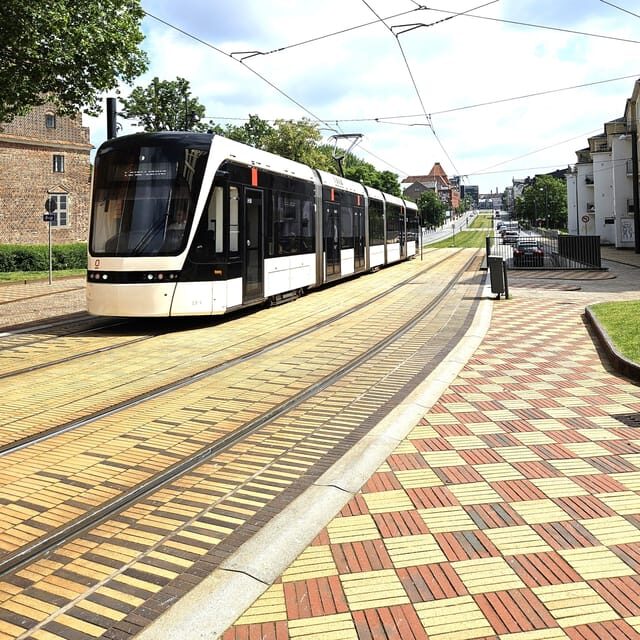
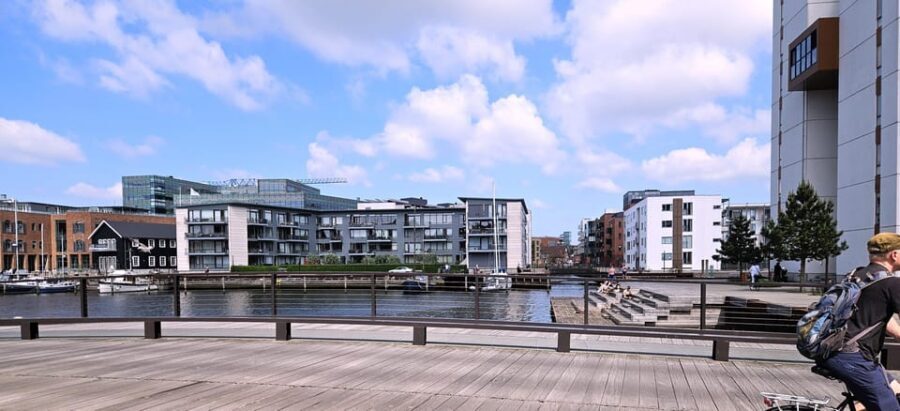
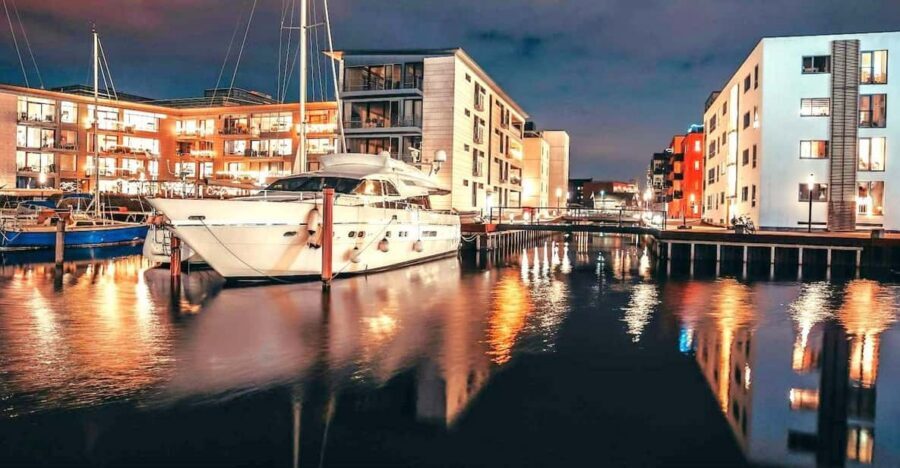
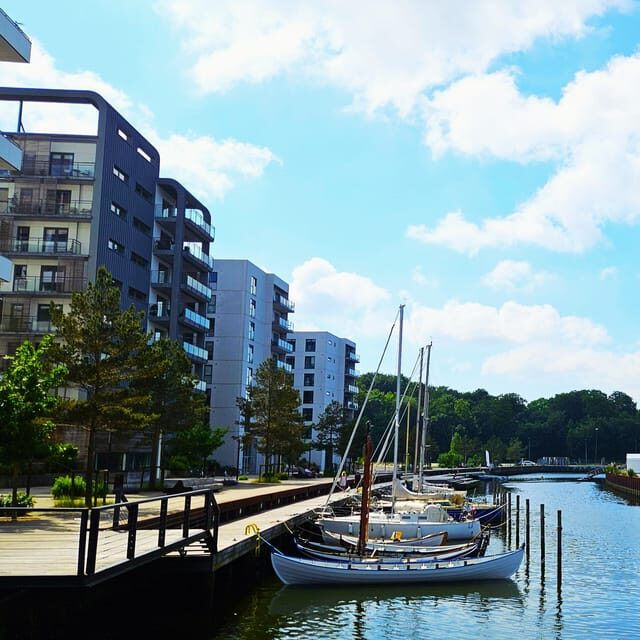
When the route reaches the port of Odense, it shifts from “this part of town is changing” to “this is where the transformation shows.” The harbor acts as a symbol of the city’s modern direction, especially in how Odense links redevelopment with environmental goals and future-focused planning.
This is also where the tour earns its value if you like understanding the why. You’ll hear how the city’s past industrial identity influences what came next. You’ll also learn how the current ambition—green city development with innovative creativity—shows up in actual spaces, not just slogans.
A particularly useful angle here is the connection to affordability and youth needs. The tour frames green innovation as something that should also work for ordinary residents, including younger people who want a realistic shot at living closer to the city center. That’s a hard balance for any city, and Odense’s attempt is easier to grasp when you can relate it to the places you see.
Storms Pakhus and Odense Street Food: reuse, culture, and the people factor
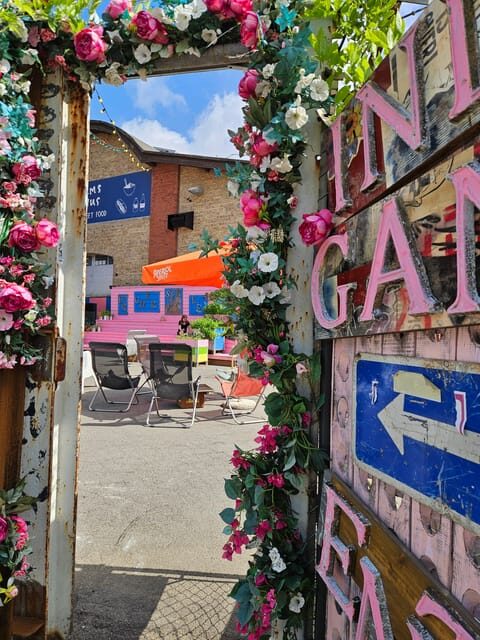
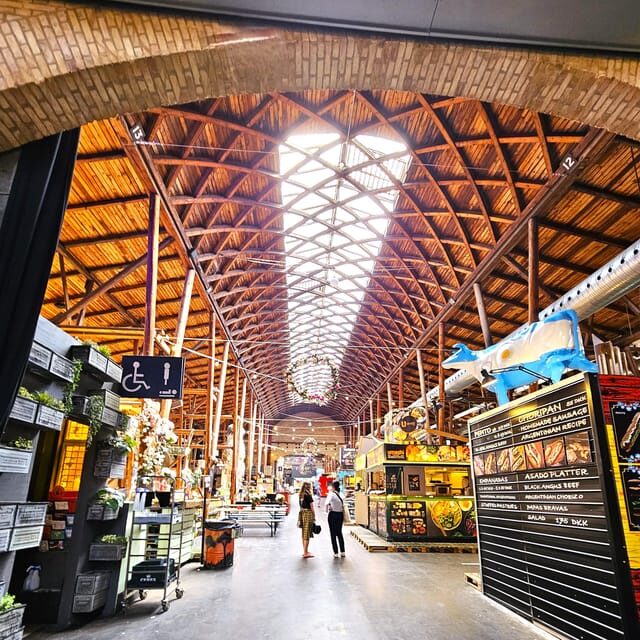
Storms Pakhus is a short stop, but don’t treat it as filler. This is where “urban development” meets day-to-day culture. Odense Street Food is the obvious draw, yet the point of stopping here is bigger than choosing what to eat.
Places like this often represent a shift in how old or previously industrial areas get used. You’re likely to notice the difference between places built for one purpose and spaces adapted for community life. Even without a long explanation, the building use and the street energy help you understand how cities keep development from becoming sterile.
If you enjoy a practical travel day—where you see how locals actually spend time—this moment helps you connect the green and economic goals back to human scale. The tour keeps moving, so there’s no pressure to spend ages here, but you’ll leave with a clearer sense of what redevelopment feels like on the ground.
H.C. Andersen Haven: finishing the circle with a modern living mindset
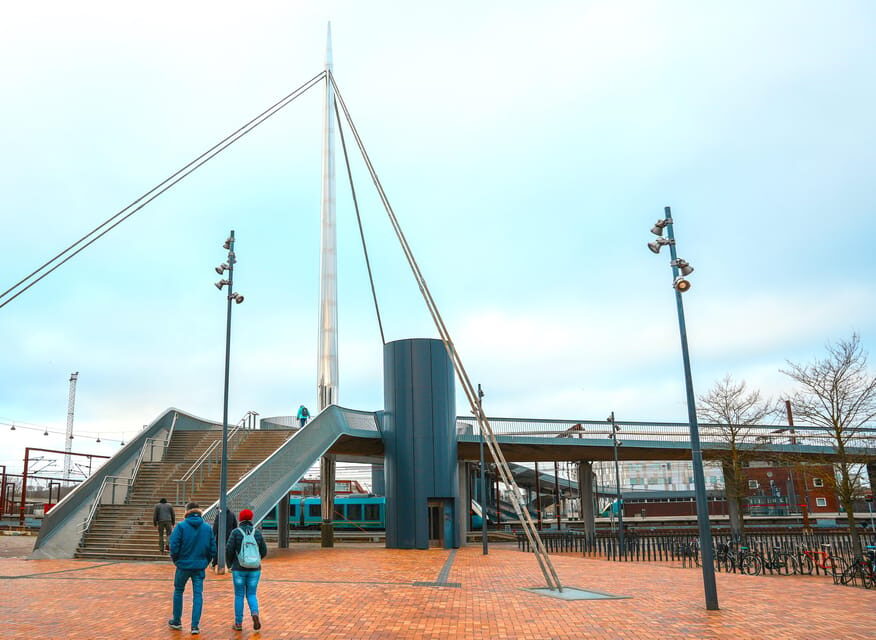
The last guided stop is H.C. Andersen Haven. It wraps the theme with a hint of identity, but also with living-in-real-time context. You can see how Odense blends visitor-friendly elements with ongoing city use, and it helps you interpret the city not as a museum, but as a system under change.
Then the walk completes the loop back to Overgade 3. One detail that sticks in this kind of route is the transformation of major traffic space. You’ll walk through an area that now feels integrated and completed, where just a few years ago a six-lane main thoroughfare cut through the city center.
That specific kind of change is huge. It’s not just a road project; it changes noise levels, walking safety, and how people experience the city core. When you hear it explained and then see the result, you stop thinking about city planning as an abstract policy topic. You start thinking about it as daily comfort.
Price, pacing, and the 4 km walking reality
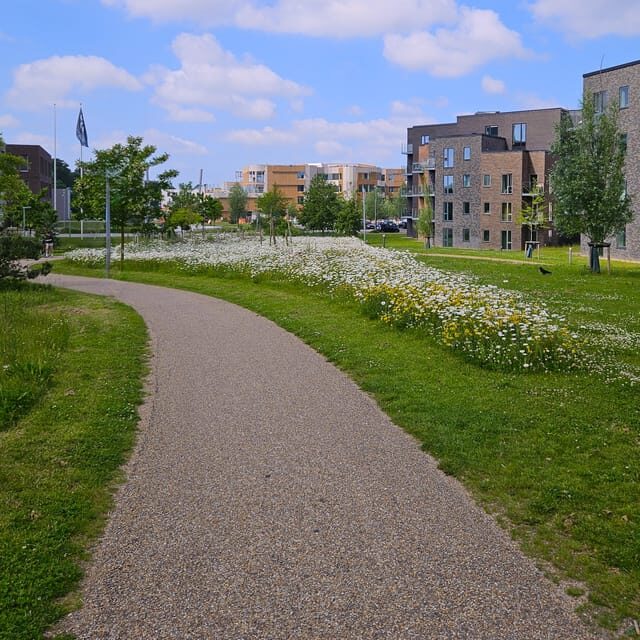
The price is listed at about $31 per person for roughly two hours. For me, the value comes from two things: time efficiency and the guide-led explanation. Instead of spending your whole day piecing together development history from museum plaques, you get a guided narrative that keeps pointing back to physical places.
Pacing is moderate. The route is about 4 km, and you’ll likely hit around 5,500 steps. That’s totally manageable for most people who can handle a city walk, but it’s still a real walk, not a sightseeing drive with occasional stops.
Small group size is a big quality marker. With fewer people, you get more back-and-forth instead of listening to a script. The guide also seems comfortable answering questions in a conversational way, which turns the tour into something you can personalize—especially if you’re curious about Danish education, infrastructure, or the way daily routines connect to planning choices.
Who should book this walk
This is a great fit if you like practical travel learning. It suits you if you want to understand how Odense functions and why it’s changing—not just what it looks like.
You’ll enjoy it most if you:
- like urban planning, sustainability, and the tradeoffs behind them
- want local context you can’t easily pick up alone
- prefer small groups and real Q&A
- want a Denmark angle beyond general “cozy city” impressions
If you want mostly sightseeing with long photo pauses, you might feel slightly rushed. The tour is designed for information density, short stops, and walking flow. Think “guided story of city transformation,” not “slow scenic stroll.”
Should you book the Green Odense city development walk?
Yes—if your vacation style includes learning what makes a place tick. This tour gives you a structured way to see Odense’s shift from industrial roots to a green innovation direction, while still connecting it to regular life: mobility, housing pressures, infrastructure, and education context.
It’s also an efficient add-on if you’re already spending time in the center. In two hours you get a full loop from the older urban area toward the harbor and back, plus a clear explanation of major changes like the six-lane thoroughfare that no longer dominates the center.
If you only want classic tourist highlights, you may find it less satisfying. But if you want to leave Odense understanding how the city is building the next version of itself, this one hits the mark.
FAQ
How long is the Odense city walk?
The tour lasts about 2 hours.
How far do we walk?
You should be fine walking around 4 km, which is roughly 5,500 steps.
Where is the meeting point?
Meet at Overgade 3, 5000 Odense. The guide meets near a small ruin in the pedestrian street/mall area and carries a KnowledgeWalks sign.
What languages are offered?
The live guide speaks German and English.
Is it a large group tour?
No. It’s offered as a small-group experience.
What does the tour focus on?
It focuses on urban development and how Odense is transforming from an industrial city toward a green city with innovation, plus how this connects to daily life, infrastructure, the economy, and the Danish education system.
Can I pay later or get a refund if plans change?
You can reserve now and pay later. There’s also free cancellation up to 24 hours in advance for a full refund.