REVIEW · COPENHAGEN
E-Scooter “Stand Up Kick Bike” 2 Hour Guided Copenhagen Tour
Book on Viator →Operated by Segway & Bike Tours Copenhagen · Bookable on Viator
Copenhagen feels like a lot. A step-up kick-bike tour turns it into a simple route you can handle. You get a guided ride in English with a small group size (max 8), plus frequent photo stops that help you place landmarks in your mind fast.
I love how this tour mixes major sights with good pacing, so you get efficient coverage without feeling rushed. I also like the patient guides and the learning curve of the kick bike—people specifically praised guides such as Peter, Albert, and Jonas for being friendly, calm, and clear.
One drawback to plan for: the whole experience is about 2 hours and change, so each location is brief, and weather (rain or strong wind) can make those quick stops feel a bit more dramatic.
In This Review
- Key things that make this tour worth your time
- Getting rolling at Nikolaj Plads on a step-up kick bike
- Why this route works as a Copenhagen orientation tour
- Christiansborg Slot: Parliament and old royal roots
- Det Kongelige Biblioteks Have: a calmer pause in the historic core
- Copenhagen Stock Exchange and the mix of civic buildings
- Amalienborg: the baroque royal stage
- Kastellet and the swans-and-fortress vibe
- The Little Mermaid, Copenhill, and Reffen Street Food from the waterfront
- Nyhavn: canalside color and Andersen’s footprint
- King’s New Square and the theater-and-diplomacy stretch
- Nordre Toldbod23 and Royal water detail at the harbor edge
- Rytterstatue af Absalon and the old-meets-new city center view
- Gammel Strand: the canal zone where fish markets lived
- Frederiks Kirke (Marmorkirken) and the Marble Church finale
- Price and value: why $68.84 can be a smart spend
- What to expect from the ride, day or night
- Who this Copenhagen kick-bike tour is best for
- Should you book this kick-bike tour?
- FAQ
- How long is the E-Scooter Stand Up Kick Bike guided Copenhagen tour?
- How much does the tour cost?
- What language is the tour offered in?
- Where does the tour start?
- Does the tour end back at the meeting point?
- How big is the group?
- Do I need to pay admission at the stops?
- Is the tour near public transportation?
- What if the weather is bad?
- What is the cancellation policy?
Key things that make this tour worth your time
- Small group size (max 8) helps with smoother riding and more time to ask questions
- Step-up kick bikes are easier to start than some other “stand-on” options
- A tight first-timer route around power sites, palaces, canals, and the harbor
- Mostly admission-free stops, so your ticket pays for time, guidance, and movement
- Multiple landmarks packed in one run, so you can build a short-list of what to revisit later
Getting rolling at Nikolaj Plads on a step-up kick bike
The tour starts at Nikolaj Plads 34 (1067 København), and it ends back at the same meeting point. That loop matters. You’re not stuck figuring out transit after the tour—you finish where you started, ready to keep exploring at your own pace.
This is an English-guided ride with a mobile ticket, and it runs with a maximum of 8 travelers. In a city like Copenhagen, that small number is practical. You can move as a group without the chaos you sometimes get on big sightseeing buses or large bike tours.
The “stand up kick bike” part is the heart of the experience. Step-up designs are often the easiest way to get started, and the reviews you’ll find point out that it feels easier to ride than some alternatives like segways. In real terms, that means less time worrying about balance and more time focusing on the streets, the buildings, and what your guide is pointing out.
You’ll also be happy that the guides are described as patient. When you’re learning any wheeled motion on city streets, calm instruction makes a difference. Guides like Peter, Albert, and Jonas were called out for being both knowledgeable in their own way and easy to work with—patient when people take a second to find their rhythm.
One more practical note: Copenhagen weather can shift quickly. The tour includes harbor and waterfront viewpoints, and that’s exactly where wind can be noticeable. If you’re the type who hates getting cold, bring a plan for layers before you meet your guide.
You can also read our reviews of more cycling tours in Copenhagen
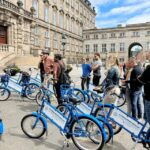


Why this route works as a Copenhagen orientation tour

This tour is built like a city intro. You don’t just see highlights—you learn how the pieces connect: government and castles on Slotsholmen, gardens tucked inside historic grounds, palaces for the royal family, and then water—harbor, canals, and viewpoints that define Copenhagen’s vibe.
The stop sequence also helps you understand the city’s geography. You start in the zone of Christiansborg Slot (and the old royal-government axis), then you move through cultural and civic buildings, and eventually you reach the harbor areas where the city opens up. By the end, you’ve got a mental map you can use later for museums, food, and long walks.
Most stops are short by design (often around 3–12 minutes), which keeps the ride lively. It also means you’ll want to treat each stop like a snapshot, not a deep visit. If you’re the kind of traveler who likes to spend 90 minutes in one place, this tour might feel “too quick.” But if you want to get bearings and decide what deserves your time the next day, the pacing is a strength.
Christiansborg Slot: Parliament and old royal roots
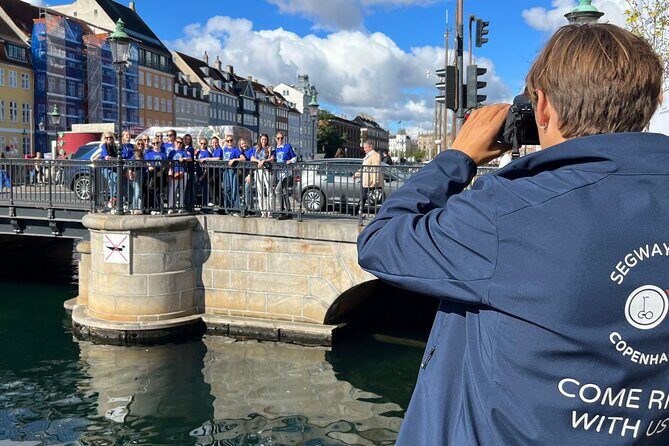
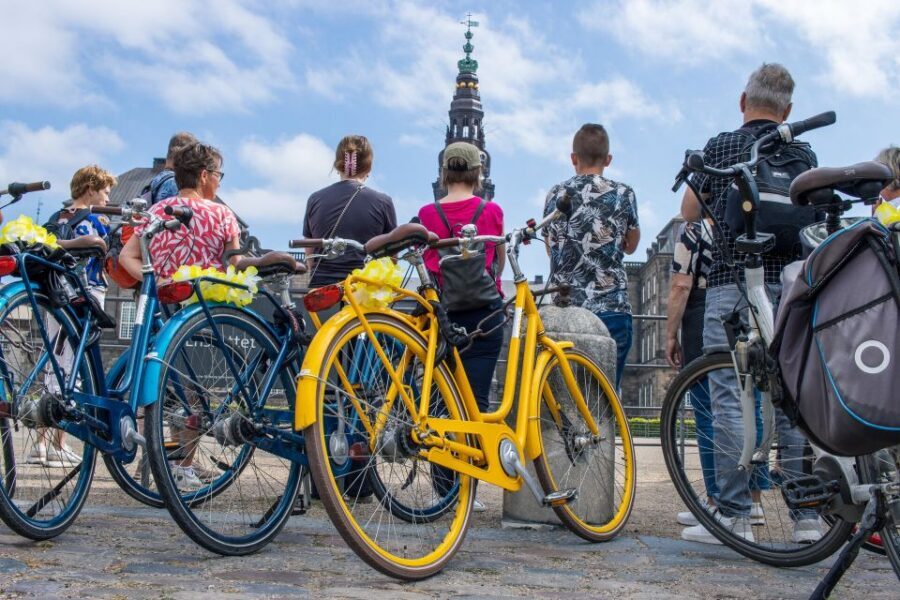
You begin with Christiansborg Slot. This site is tied to Denmark’s power—both today’s Parliament and older royal roots reaching back to the 1100s. Even if you’re not going inside, the architecture and setting help you understand why Copenhagen’s center of gravity has always sat here.
The guided stop is about 10 minutes, and that’s enough time to notice what stands out: the scale of the complex, the way it anchors nearby canal routes, and the sense that this isn’t just a landmark, it’s a civic center.
The admission note here is free, which is good because it lowers friction. You’re paying for the ride and guidance, not being forced to budget for multiple ticketed entrances.
Det Kongelige Biblioteks Have: a calmer pause in the historic core
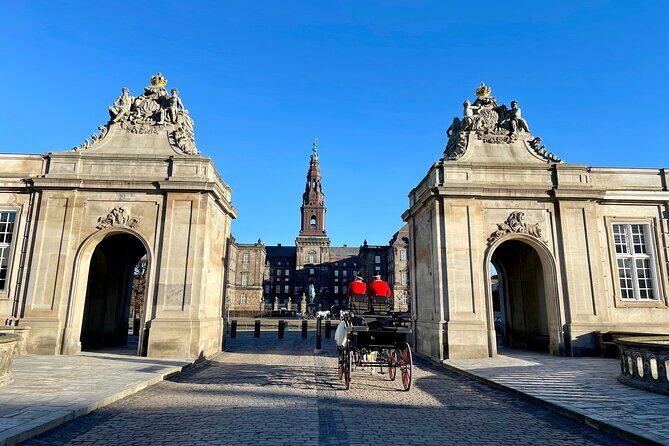
Next comes Det Kongelige Biblioteks Have—a garden space linked to the Royal Library. The schedule calls it a beautiful break in the middle of sightseeing, and it’s described as a place that carries history from earlier centuries when the area had a different use. Today, it’s a small garden with statues and flowers, and the route points out that it’s a favorite spot tied to the Parliament.
This stop is only about 6 minutes, so don’t expect an all-out stroll. Think of it as a palate cleanser. If Copenhagen’s “main street” sights start to blur together, this short garden stop re-centers you.
Again, admission is listed as free, so you get time for a breath without adding another cost.
Copenhagen Stock Exchange and the mix of civic buildings
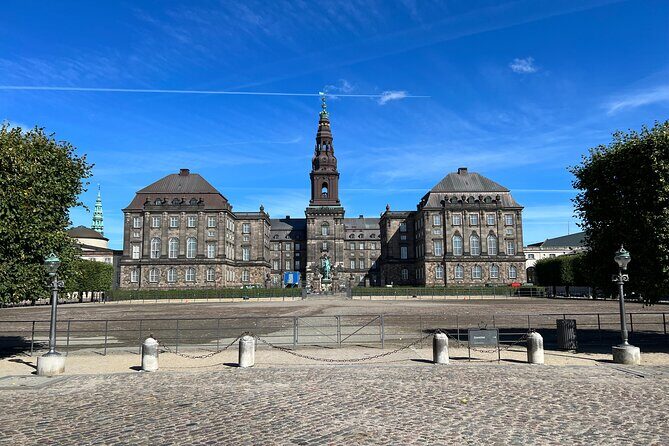
At around 10 minutes, the Copenhagen Stock Exchange stop gives you a classic renaissance-style building from 1619. The important thing here isn’t memorizing dates—it’s seeing how the city’s civic and commercial power structures look next to royal and cultural sites.
Your guide also points out nearby context, including the Royal Library building and another historic government structure from 1736. This kind of “look around the corner” commentary is what makes a guided route worth it. Without that, you might walk past these buildings as background scenery. With guidance, they become markers in a timeline of how the city developed.
Admission is listed as free on the tour plan, so this is another good stop for travelers who want maximum sights with minimal ticket hassle.
You can also read our reviews of more guided tours in Copenhagen


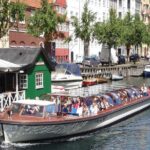

Amalienborg: the baroque royal stage
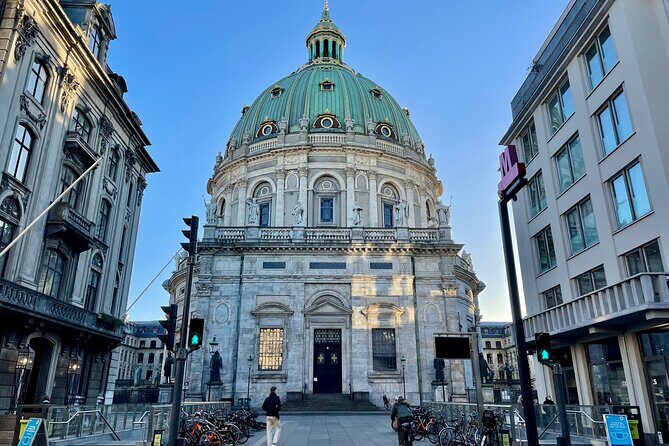
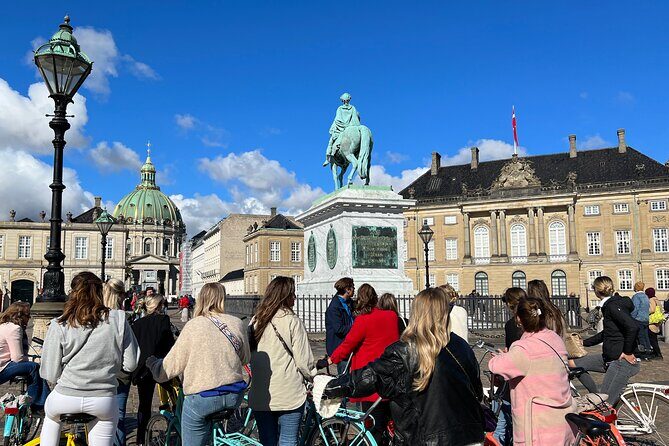
From the civic and historic core, the route shifts to the royal spotlight at Amalienborg Palace. Your stop is about 12 minutes. The tour frames it as the royal home since 1794, including the queen and crown prince couple.
Architecturally, you’re guided toward the baroque feel of the buildings. Even if you don’t catch ceremonies, just seeing the palace setting helps you understand how Copenhagen’s royal identity is still part of the city’s everyday scene.
This is a free admission stop on the plan, so you can focus on observing rather than budgeting for entry.
Kastellet and the swans-and-fortress vibe
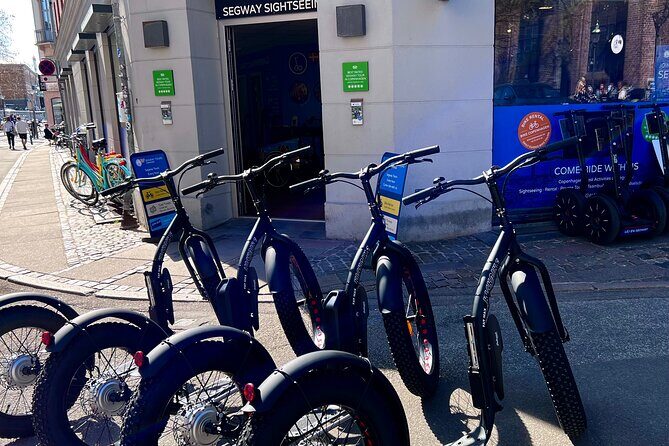
Then you reach Kastellet, a citadel fortress dating to 1663. The itinerary notes the water-and-fortress setting, including masts and swans, plus local landmarks like the Gefion Fountain and the English St. Alban Church.
This is only about 5 minutes, so it’s more about atmosphere than a long wander. But Kastellet is one of those places where you can quickly get the theme of Copenhagen: a city that mixes defense history, green space, and a calm relationship with water and animals.
The practical value here is photo clarity. From the streets, Kastellet tends to look distinct—straight lines, fortress shape, and open space. That makes it a solid quick stop for first-time visitors.
The Little Mermaid, Copenhill, and Reffen Street Food from the waterfront
Now you hit one of the most famous postcard zones: The Little Mermaid area. The stop is about 12 minutes, and the guide uses it as a launching point for several layers of Copenhagen’s modern identity.
You’re guided to:
- See the icon of Denmark
- Enjoy views over Copenhagen Harbour
- Spot Copenhill in the background
- Watch the Reffen Streetfood area
That combination is the point. The Little Mermaid is the old symbol. Copenhill and Reffen represent what Copenhagen does now: reuse space, focus on practical innovation, and build food and culture into the city fabric.
If you’re traveling with kids or you just want a fun moment, this is the stop that tends to feel like a “yes, we’re really here” payoff.
Admission is listed as free for the stop, which makes sense given it’s an outdoor harbor viewpoint.
Nyhavn: canalside color and Andersen’s footprint
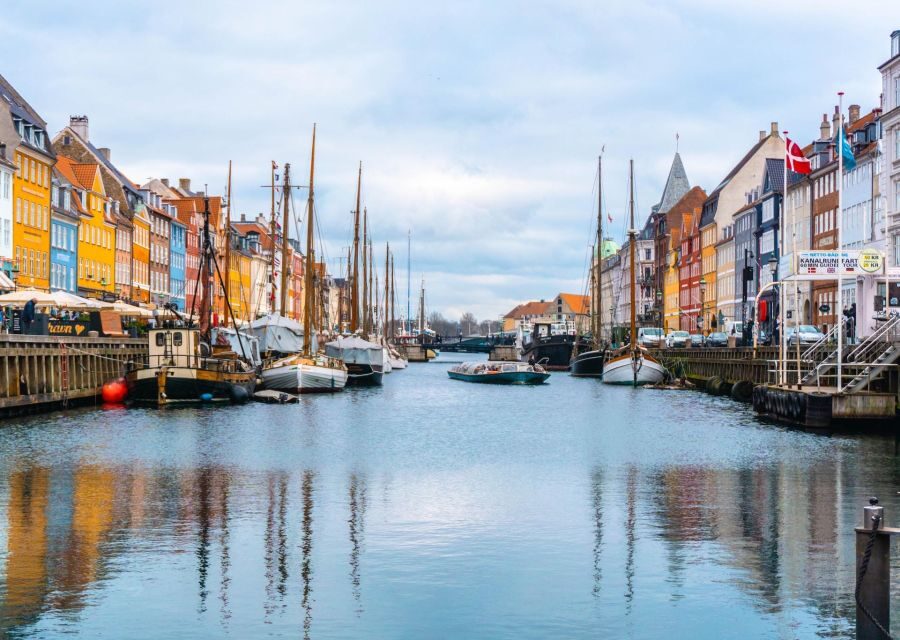
Next is Nyhavn, about 10 minutes. This waterfront harbor from 1671 is the kind of place where the buildings do most of the talking: colorful facades, classic harbor energy, and a feeling that you’re standing in the middle of stories.
The tour also connects Nyhavn to Hans Christian Andersen, which helps you connect the scenery to the cultural identity of Copenhagen rather than treating it like generic sightseeing.
Again, admission is free on the tour plan. You’re not paying to walk along the water and look at old houses, which makes this stop high value for the ticket price.
King’s New Square and the theater-and-diplomacy stretch
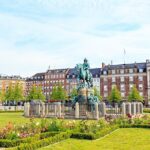
You then roll into Copenhagen King’s New Square. The stop is about 3 minutes, so it’s quick. But the itinerary still packs context: it’s described as a famous connector between harbor and the main city, and it sits near the Royal Danish Ballet, major hotels like D’Angleterre, and embassies and museums.
That’s what makes a guided “blink-and-you-miss-it” stop useful. Without that context, the square can feel like a pause between major sights. With it, you understand why the area matters.
The tour continues into culture stops near the theater district:
- Royal Danish Theater (Kongelige Teater) from 1748 (about 4 minutes)
- Copenhagen Opera House (about 5 minutes)
The schedule places these in the middle of your route so you don’t have to plan separate days just to see theater architecture.
All of these are listed with free admission on the tour plan, which keeps the experience straightforward.
Nordre Toldbod23 and Royal water detail at the harbor edge
After the opera area, the route heads to NordreToldbod23 for about 6 minutes. This stop is described with strong “harbor side” cues:
- Royal pavilions
- The queen’s yacht
- Sixtus bastion
This is one of those segments where a guide’s framing makes you notice details you’d otherwise miss. The setting is waterfront-adjacent, so even short looks can be rewarding when you know what you’re looking for.
Free admission is listed for this stop too, so it fits the tour’s value idea: pay for guidance and transportation, not for ticket gates.
Rytterstatue af Absalon and the old-meets-new city center view
You also stop at Rytterstatue af Absalon, about 5 minutes. The itinerary frames Absalon as a bishop and warrior who helped found Copenhagen in 1167, and the statue faces the old royal castle.
This is a “story” stop. It’s short, but it helps connect Copenhagen’s long timeline to the physical layout you’re riding through.
Even if you don’t stand there for long, it gives your brain a handle for where you are in time.
Gammel Strand: the canal zone where fish markets lived
A short 5-minute stop at Gammel Strand ties you to the canal network around the old castle and Parliament. The itinerary notes that fish were sold here for centuries, framed as a tradition lasting 400 years or more.
This is another great example of why the tour works as orientation. It reminds you that Copenhagen’s waterways weren’t just scenic. They were working infrastructure.
Admission is free, which keeps the stop feeling like a low-cost way to understand how the city functioned.
Frederiks Kirke (Marmorkirken) and the Marble Church finale
The tour ends with a stop at Frederiks Kirke (Marmorkirken). It’s described as an amazing cathedral from 1749, finished in 1894—named for King Frederik V and nicknamed the Marble Church. This is a 10-minute stop, which is long enough to look at the facade and take in the sense of scale.
Then the route loops back toward the major modern cultural icon again:
- The plan includes Copenhagen Opera House once more (about 7 minutes) with specific detail about a modern Danish design
- It notes it was from 2004
- It credits the Maersk Shipping Company as a funder, as a gift to Denmark
That last bit matters. The opera house stop isn’t just about seeing a building. It’s about seeing how Denmark uses modern architecture to express identity and pride, the way older buildings expressed it in earlier centuries.
From there, the tour returns back to the meeting point.
Price and value: why $68.84 can be a smart spend
The price is $68.84 per person, and the tour runs roughly 2 hours and 15 minutes. That’s not cheap in the “walk around for free” sense. But it can be a strong value when you compare what you get:
- A guided route that covers a lot of different types of landmarks (power, palaces, fortress, harbor, theater)
- Step-up kick bikes that keep you moving faster than walking
- A small group size (max 8), which makes the instruction practical
- Multiple stops listed as admission free, so you’re not paying extra at each turn
Most importantly, you’re buying time you can spend deciding what to do next. Copenhagen is easy to love, but it can be confusing on day one. A guided “orientation run” helps you pinpoint where you’ll want to return for longer visits.
And if you’re arriving in Copenhagen and want something that feels fun and functional, a guided kick-bike tour hits that sweet spot better than a slow checklist.
What to expect from the ride, day or night
You should expect a friendly, hands-on guide and a group that likely moves at a shared pace. Reviews highlight that guides are patient, and that matters in the real world. People need time to learn the feel of a step-up bike and to line up with the group.
You’ll also expect frequent stops with short durations. Some locations are more about exterior views; others include a quick look inside a particular area. Since most stops are marked as free, you’re generally not dealing with ticket lines or extra costs mid-tour.
Weather is the one wild card. The route includes harbor-adjacent areas like the Little Mermaid and the canal zones around Nyhavn, and those can feel windy. If rain hits, you’ll still keep moving, but those quick photo moments might be less comfortable than on a sunny day.
Who this Copenhagen kick-bike tour is best for
This tour is a strong fit if:
- You want an easy way to see major landmarks in a single outing
- You’re visiting Copenhagen for the first time and want help placing the city on your internal map
- You like a lively mix of royal, civic, and waterfront sights
- You’re okay with short stops rather than deep museum-style visits
It also seems like a decent family option based on experiences shared by groups that included kids, mainly because the ride itself is a fun change from walking. If your group enjoys being outside and moving through neighborhoods, you’ll likely enjoy this more than a sitting-only tour.
Skip it if:
- You want long stays at each landmark
- You dislike riding in mixed street conditions
- Weather stress would ruin the day for you
Should you book this kick-bike tour?
Yes, if you’re aiming for a first-day orientation that doesn’t waste time. The small group size, the step-up kick-bike format, and the mix of iconic Copenhagen scenes make it a practical way to get your bearings quickly.
If you already know the city well and you’re hunting for only deep, ticketed experiences, you might find it too broad. But for most first-timers and many repeat visitors who want an easy “see it all once” pass, this is a solid, good-value choice.
If you do book, plan to re-visit your top picks after the tour. The whole point is to help you choose what deserves your next hour.
FAQ
How long is the E-Scooter Stand Up Kick Bike guided Copenhagen tour?
It runs about 2 hours 15 minutes (approx.).
How much does the tour cost?
The price is $68.84 per person.
What language is the tour offered in?
The tour is offered in English.
Where does the tour start?
It starts at Nikolaj Plads 34, 1067 København, Denmark.
Does the tour end back at the meeting point?
Yes, it ends back at the meeting point.
How big is the group?
The maximum group size is 8 travelers.
Do I need to pay admission at the stops?
For the stops listed on the tour, admission is marked as free.
Is the tour near public transportation?
Yes, the meeting point is near public transportation.
What if the weather is bad?
The tour can involve outdoor waterfront areas, so you may experience rain or wind depending on conditions. The ride still continues as scheduled.
What is the cancellation policy?
You can cancel for a full refund up to 24 hours in advance of the experience start time, and cancellations within 24 hours are not refunded.