REVIEW · COPENHAGEN
Copenhagen: Six Forgotten Giant Sculptures Tour by Bus
Book on GetYourGuide →Operated by South Zealand Tours · Bookable on GetYourGuide
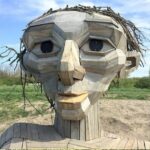
Six giants, one afternoon, and zero museum time. This Copenhagen tour turns Thoms Dambo’s Forgotten Giants into a treasure hunt you do on a bus with guided stops, so you actually get to spend time outside, not just looking at art photos. I especially liked the scrap-wood sculptures made with local help, and the way each giant sits in a real, often-quiet patch of the Danish countryside.
The tour’s best feature is how it keeps you moving with a clear plan: you hop off, look closely for a bit, and then ride to the next site. The schedule also gives you short walking time in the western municipalities around Copenhagen, so you get the feel of the region beyond the city center.
One thing to think about: this is not a sit-and-stare outing. You’ll do short strolls—sometimes across fields to uncover the giants—so comfortable shoes matter more than you’d think for a “sculpture tour.”
In This Review
- Key highlights I’d plan around
- What the Forgotten Giants project is really doing (and why it matters)
- Price and logistics: how $135 fits this 4-hour format
- Your guide and bus ride: smooth, organized, and actually comfortable
- Stop 1: Sleeping Louis in the first open-air phase
- Hilltop Trine: where the walking feels “worth it”
- Oscar Under the Bridge: longer time to look closely
- Spisestedet Mosen break: short, practical, and self-managed
- Little Tilde: the “small” time slot that keeps you alert
- Thomas on the Mountain: your time to linger for scale
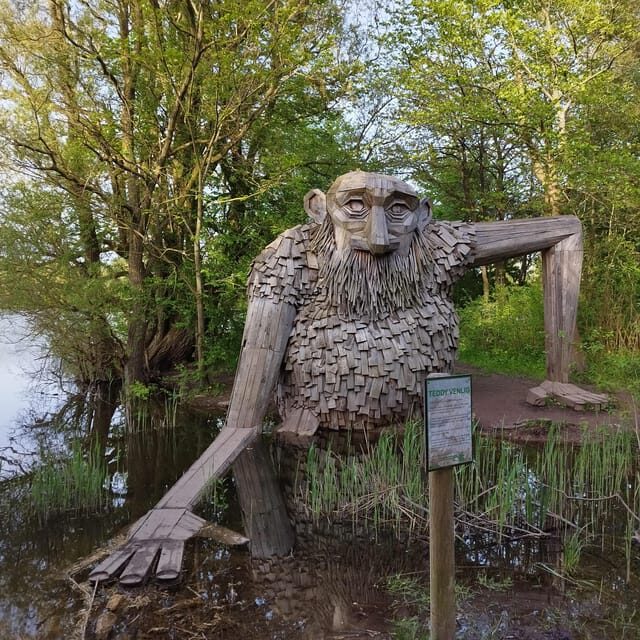
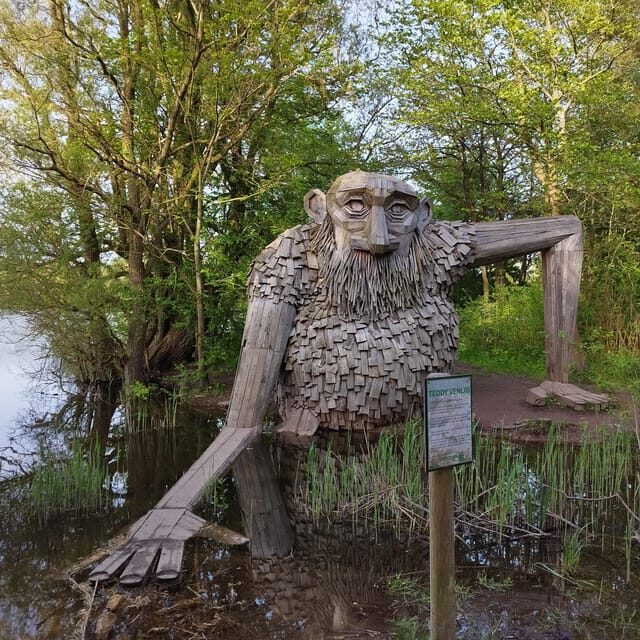
- Friendly Teddy by Thomas Dambo (nr. 14): the upbeat finish
- Why this is a standout use of time near Copenhagen
- Who should book this (and who might not)
- Tips so you’ll enjoy every stop
- Should you book the Copenhagen Six Forgotten Giants tour?
- FAQ
- How long is the Copenhagen Six Forgotten Giants tour?
- Where do I meet the tour?
- What’s included in the price?
- Is hotel pickup included?
- Is there food on the tour?
- What language is the tour guide?
Key highlights I’d plan around

- A guided hunt for all six Forgotten Giants across western Copenhagen municipalities
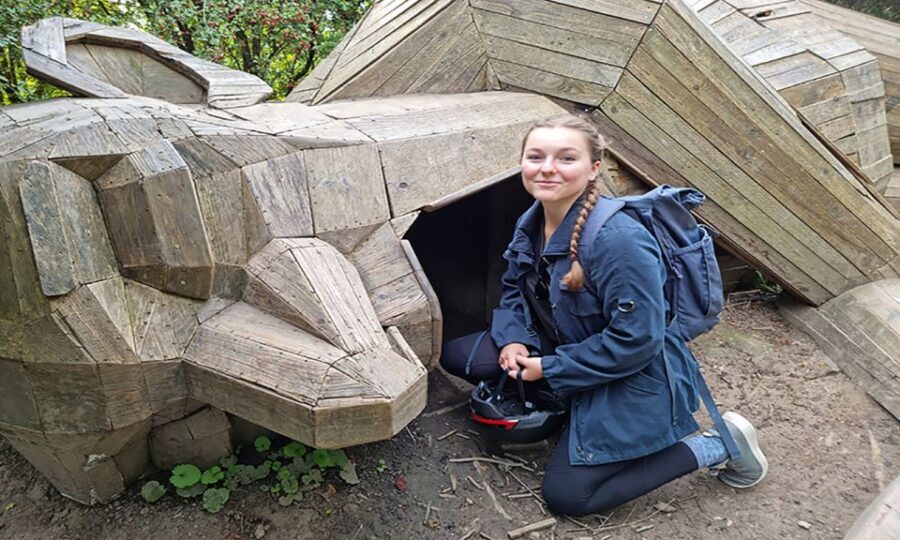
- Thomas Dambo style: big characters made from scrap wood with local volunteers
- Nature time on the clock: quick park-and-field walks between bus rides
- Well-run timing: enough viewing time that you don’t feel rushed
- English live guide with organized history while you search and stop
What the Forgotten Giants project is really doing (and why it matters)
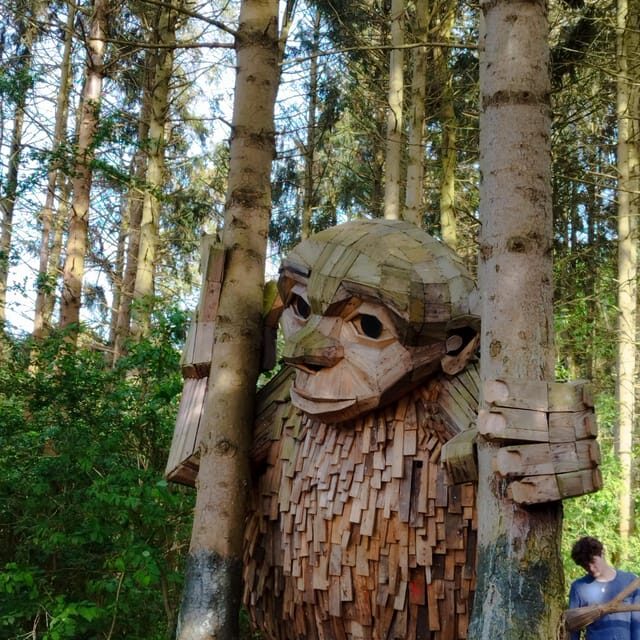
This tour isn’t just about seeing sculptures. It’s about the idea behind them. The Six Forgotten Giants are made from scrap wood with help from local volunteers. The goal is simple but smart: bring art out of the museum, point attention at overlooked nature spots, and make you walk through the area instead of floating past it in a car.
For you, that changes the vibe from typical sightseeing. You’re not “checking off” attractions. You’re looking for a character in a place that looks ordinary at first. Then it suddenly isn’t. Denmark is full of neat lawns, small waterways, and open stretches that feel calm. Put a whimsical giant there, and your brain goes from fast-paced tourism mode to slow curiosity.
It also helps that the giants are spread across the western municipalities around Copenhagen—Rødovre, Hvidovre, Vallensbæk, Ishøj, Albertslund, and Høje Taastrup. That means you’re not seeing the same park from six angles. You’re moving through different kinds of outdoor space, which is exactly what makes this kind of “giant hunt” fun instead of repetitive.
You can also read our reviews of more tours and experiences in Copenhagen.


Price and logistics: how $135 fits this 4-hour format
At about $135 per person for a 4-hour experience, you’re paying for three things: a live guide, bus transportation, and the convenience of getting to remote spots without renting a car. The sites are in areas that are not designed for casual walking tours from the city center, so the bus is doing real work here.
What’s included:
- Guide
- Bus transportation
What’s not included:
- Hotel pickup and drop-off
- Food and drinks
That last part matters. There’s a short break stop named Spisestedet Mosen, but it’s brief (10 minutes). I’d plan to bring a snack or at least have something in your bag for the gap between stops. The bus ride also gives you time to reorganize mentally and decide which giants you want the best photos of.
Good news on the planning side: the meeting point is easy. You meet at CPH-Tours & Tickets, which is about 2 minutes from Copenhagen Central station. If you’re starting your day in the city, this setup keeps friction low.
Your guide and bus ride: smooth, organized, and actually comfortable
This tour runs with a live English guide. In the experience you’re describing, the guide name that came up is Vinod, and the vibe from the tour is that he keeps things organized. You’re picked up at the centrally located office, then driven between each giant with scheduled stops.
One practical advantage: the bus is set up so you don’t feel stuck in a dead hour. The bus has WiFi and charging (so your phone doesn’t die mid-photo). You can also bring snacks to eat on board, which is a lifesaver when you want something quick without building a full meal into your day.
Timing is another big deal for tours like this. When the group leaves promptly, you don’t waste your day waiting around. And when you’re not rushed, you can actually look at the details in the wood, the character’s shape, and how the giant relates to its surroundings.
If there’s one caveat, it’s that the focus can be more “how to find and appreciate each giant in context” than a deep art-lecture for every single piece. You’ll get history and explanation, and the guide is organized—but if you’re the type who wants a long breakdown of every sculpture’s meaning and materials, you may want to ask extra questions during the stops.
Stop 1: Sleeping Louis in the first open-air phase
The tour begins with the first giant stop: Sleeping Louis. It’s a guided visit of about 15 minutes. That short block is the right move for starting a “hunt,” because it gets you into the rhythm immediately. You’re there, you’re looking around, and you’re training your eye to notice how the giant is placed in its environment.
What to do at this stop:
- Take a moment to look for the full silhouette first, not just the face.
- Then walk around enough to see how the sculpture’s angles interact with real-world elements like trees, ground texture, and the space around it.
Because it’s the first stop, your best strategy is to keep your pace calm. If you rush, you’ll feel like the rest of the tour is a photo sprint. If you slow down here, the later stops feel more like an afternoon of exploring than a checklist.
Hilltop Trine: where the walking feels “worth it”
Next up is Hill Top Trine, with a 20-minute guided visit. The name tells you something: this giant is positioned in a higher-feeling spot. In practice, that usually means you might step into an area where the views and angles work differently than a flat lawn.
This is also where you start to feel the “outdoor” part of the tour. The giant locations are in remote areas around Copenhagen, so you should be ready for short walks in fields while you uncover the sculptures. You don’t need hiking gear, but you do want shoes with grip.
I like this stop because it’s often the one that makes the “giant hunt” click. You see that you’re not only searching for a sculpture—you’re also learning the outdoor logic of the place. The giant’s scale makes sense because of where it’s placed.



Oscar Under the Bridge: longer time to look closely
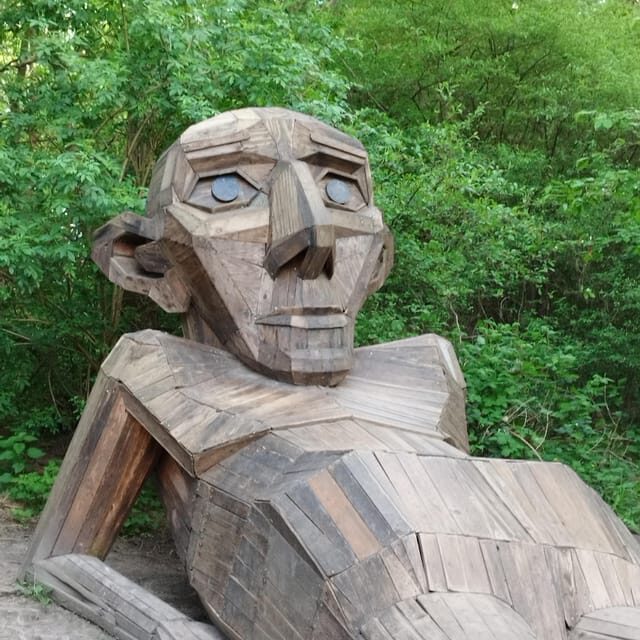
Then the tour shifts to Oscar Under the Bridge, with the longest on-foot viewing block: about 40 minutes. This is a big jump from the earlier stops, and it’s a smart design choice. A site like this invites looking in more than one direction—up, around, and under—so you need extra time to get the effect.
What you’ll likely notice:
- The bridge setting changes how the giant frames the space around it.
- The under-bridge area can create unique shadows and viewpoints, so photos look different depending on where you stand.
If you want one stop to slow down at, this is it. Use some of the time to just stand and take in the “character in its habitat” feeling. Then you can circle back for photos once you’ve found your favorite angle.
Spisestedet Mosen break: short, practical, and self-managed
Between stops, there’s a break at Spisestedet Mosen for 10 minutes. Since food and drinks aren’t included, treat this like a quick chance to regroup. It’s a good moment to:
- Use the restroom if you need it
- Grab water if you’re carrying on without snacks
- Reset your legs before the next outdoor phase
Ten minutes is short, so don’t plan on a full meal here. If you want a proper lunch, you’ll need to plan that on your own schedule after the tour.
Little Tilde: the “small” time slot that keeps you alert
After the break, you go to Little Tilde, with a 20-minute guided visit. Even though it’s only 20 minutes, I like having a mid-late stop of this length. It keeps your energy steady. By this point you’ve seen multiple giants, and a slightly shorter stop helps you avoid mental fatigue.
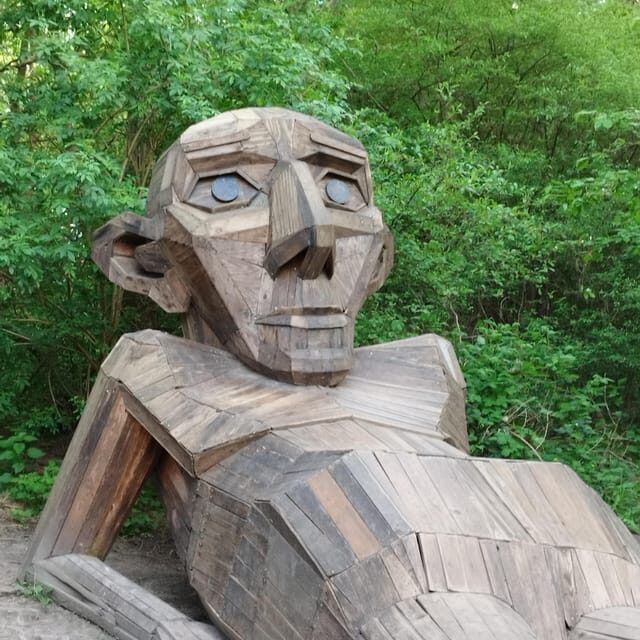
At this stage, your best approach is to look for the little differences that make each giant feel like its own person. Even when they’re all made from scrap wood, their shapes, proportions, and placements won’t be identical. The guide’s context helps you notice that—especially if you pay attention to how each one is connected to the outdoor setting around it.
Thomas on the Mountain: your time to linger for scale
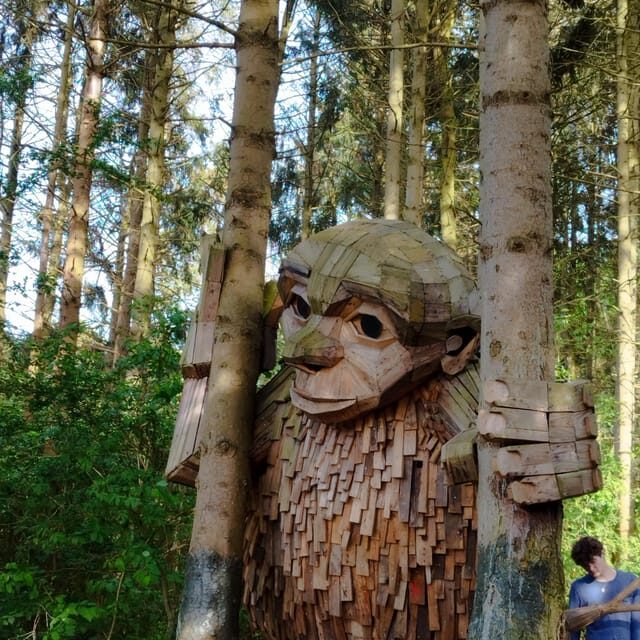
Next is Thomas on the Mountain, with a 40-minute guided visit. Another longer stop. Another reason to slow down. This one is named for its mountain feel, so you should expect a site where the giant’s scale and viewpoint matter.
This is the stop I’d treat like a mini pause in your day. Spend time looking from a distance first, so you understand the full silhouette and how it occupies the space. Then move closer for details and textures.
This stop is also a good chance to ask questions of your guide. You’ll have a bit more time standing around, and asking one thoughtful thing can turn your viewing from photo-taking into actually understanding why it’s placed here and what you should pay attention to.
Friendly Teddy by Thomas Dambo (nr. 14): the upbeat finish
Finally, you head to Friendly Teddy by Thomas Dambo nr. 14, with a 20-minute visit. This is a satisfying closing note because it feels lighter and more playful than some of the bigger, more dramatic giant presences.
At a last stop like this, you’re usually in a better mood for quick observations and photos. Here’s where I’d focus on:
- Getting a clear shot that shows the character in its setting
- Not just the face or body close-up, but the “giant + surroundings” effect that makes this project unique
Then you ride back to the meeting point in Copenhagen.
Why this is a standout use of time near Copenhagen
Copenhagen can swallow your day with museum days and harbor walks. This tour is a different use of time. It’s art, yes, but it’s also a guided walk-through of the Danish outdoors just beyond the city’s usual tourist radius.
You’re also getting a built-in structure for something that would otherwise be annoying. Trying to drive and find six remote sculptures on your own can eat up time fast—especially when you’re trying to see everything in one afternoon. The bus route and planned viewing windows solve that problem. You don’t need to map your way between municipalities while also trying to spot the giants.
And the “hunt” format helps your attention stay sharp. You’re not passively watching. You’re actively looking, and that’s what makes the experience memorable.
Who should book this (and who might not)
This tour is a great fit if you:
- Want time in nature without planning a full day of transport
- Like quirky outdoor art and don’t need a quiet museum lecture
- Don’t want to rent a car for a day trip around Copenhagen
- Enjoy walking a bit while still staying within a guided schedule
It may be less ideal if you:
- Hate walking across fields or rougher outdoor ground
- Want lots of food included (the break is short and drinks/snacks are not provided)
- Prefer long, detailed art explanations over a guided hunt style
Tips so you’ll enjoy every stop
A few small things make a big difference on an outdoor sculpture hunt:
- Wear comfortable shoes. You’ll do short walks in fields to uncover the giants.
- Bring a light layer. Outdoor conditions can shift, even when the day looks calm.
- If you’re the snack type, pack something for between stops. Food isn’t included.
- Have your camera ready, but also take 30 seconds to just look before you shoot. The scrap-wood details and the placement matter.
And if you want more meaning per sculpture, don’t be shy about asking your guide a question during the longer stops. You’ll stand around long enough to get a good answer.
Should you book the Copenhagen Six Forgotten Giants tour?
If you’re traveling from Copenhagen and want something fun, outdoorsy, and logistically easy, I’d book it. At $135 for 4 hours with a guide and bus, you’re paying for convenience and time saved—plus you get a playful hunt through the western Copenhagen area. The tour is run smoothly, the timing feels practical, and you get enough viewing time to actually appreciate each giant.
But if you’re uncomfortable with short field walks, or you’re hoping for a food-heavy outing, plan differently. Bring your own snack, wear real shoes, and treat it like an afternoon adventure, not a sit-down gallery visit.
If that sounds like your kind of Denmark, this is a very good way to spend the day.
FAQ
How long is the Copenhagen Six Forgotten Giants tour?
It lasts about 4 hours.
Where do I meet the tour?
Meet at CPH-Tours & Tickets, which is about 2 minutes from Copenhagen Central station.
What’s included in the price?
The tour includes a guide and bus transportation.
Is hotel pickup included?
No, hotel pickup and drop-off are not included.
Is there food on the tour?
No. Food and drinks aren’t included, though there is a short break stop called Spisestedet Mosen.
What language is the tour guide?
The live tour guide is in English.