REVIEW · COPENHAGEN
Copenhagen Old Town Private Walking Tour
Book on Viator →Operated by OURWAY Tours - Copenhagen · Bookable on Viator
Copenhagen old town clicks into focus fast. This private walking tour gives you a focused route through the city’s oldest squares, biggest churches, and best-known street, with a guide to connect the dots. You start in central Copenhagen and finish near Amagertorv, so you can keep exploring right after.
I especially like two things: you get a personal pace (only your group), and the stops are chosen to help first-time visitors get oriented fast. I also like that most of the key sights on the walk have no admission cost, which makes it easier to plan your day.
One consideration: you’ll be on cobblestones for parts of the route, so comfy shoes matter. Also, the Round Tower admission isn’t included, so you may want a little extra cash or card ready for that stop.
In This Review
- Quick take: what makes this Copenhagen Old Town walk work
- Why a private walking tour makes Copenhagen Old Town easier
- City Hall Square (Rådhuspladsen): your orientation point
- Gammeltorv and Nytorv: Copenhagen’s market roots
- Church of Our Lady (Vor Frue Kirke): the national cathedral and a royal wedding
- University of Copenhagen + Round Tower (Rundetårn): lessons in sky science
- Gråbrødretorv: old corners, restored colors, and easy photo wins
- Strøget: Copenhagen’s long pedestrian street, from Town Hall to Nyhavn
- Price and what you’re actually paying for
- Should you book this Old Town Private Walking Tour?
- FAQ
- How long is the Copenhagen Old Town private walking tour?
- Is the tour private, or do I join other groups?
- What language is the tour offered in?
- Are admissions included for all the stops?
- Where does the tour start and end?
- Does the tour run in bad weather?
- What’s the cancellation policy?
Quick take: what makes this Copenhagen Old Town walk work
- A private format that keeps the experience tailored to your group, not a giant crowd
- Free admissions at most stops, so you spend more time looking and less time ticket-hunting
- A smart starter route from City Hall Square through the oldest squares and on to Strøget
- Photo-friendly stops along the way, including statue moments that can turn into silly fun
- Practical duration of about 2 hours, with short, manageable segments at each stop
- All-weather operation, but you should dress for walking and cobblestones
Why a private walking tour makes Copenhagen Old Town easier
Copenhagen can feel a bit like a puzzle at first. Streets are pretty, canals and squares look related, and you can walk in loops without meaning to. A good Old Town walk fixes that. Here, the route is tight, and the guiding style is built for people who want facts without reading a book on the move.
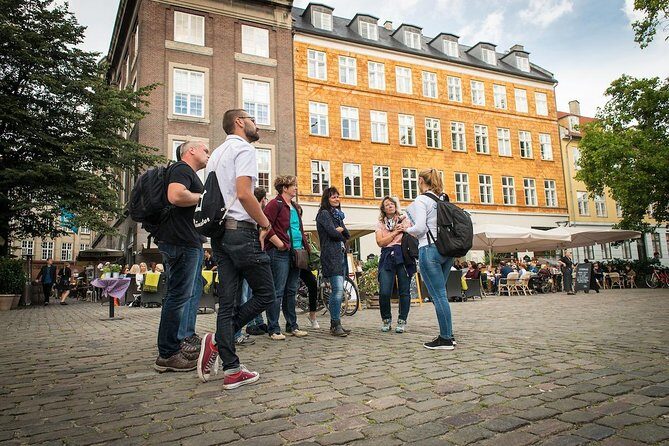
Going private matters more than it sounds. If you have kids with low patience, or you’re traveling with someone who wants time for photos, you don’t have to match a large group’s pace. And because the walk is only about 2 hours, you’re not committing your whole morning or afternoon to “tour time.”
It also helps that the tour is designed to be doable for most travelers. You’re not climbing hills or doing long museum marathons. You’re mostly moving through the city’s public spaces: squares, churches, and streets where you can actually see how the city developed.
The only real drag is the ground under your feet. The tour notes mention cobblestones in parts, so I’d plan on good traction. This is the kind of place where a regular shoe can become slippery if it’s damp.
You can also read our reviews of more walking tours in Copenhagen


City Hall Square (Rådhuspladsen): your orientation point
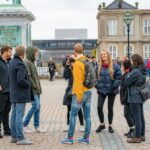
Your tour starts at Vesterbrogade 4B and soon lands at Rådhuspladsen, City Hall Square—one of those central places that shows Copenhagen at full volume. It’s used for events like concerts and outdoor exhibitions, and it’s also tied to celebrations and political activity. In other words, this square isn’t just a postcard. It’s part of the city’s daily life.
There’s a practical reason this stop is first: from here, you can understand the layout of the central pedestrian zone. The square sits near Tivoli and the famous pedestrian street Strøget. That matters because once you know where the pedestrian flow runs, the rest of your walk feels less random.
You’ll spend around 10 minutes here. In that time, the guide’s job is to help you notice what you’d otherwise miss—like how City Hall Square connects the political and civic sides of the city to the tourist-heavy core.
If you’re the kind of traveler who likes to know what you’re looking at before you start snapping photos, this is a good opening. If you’re only after scenery, you’ll still get plenty of it, but the value is in the context.
Gammeltorv and Nytorv: Copenhagen’s market roots
Next up is Gammeltorv, also called the Old Square. Its English name fits, because it really is old: it’s the oldest square in Copenhagen, already functioning as a marketplace back in the 1100s. That’s a big deal. Most visitors see squares as pretty open space. Here, you learn they were once economic engines—where people came to buy, sell, and argue politics on the side.
Right across the way you’ll find Nytorv, the New Square. The name sounds like a simple upgrade, but the tour frames it as a clever system of city commerce. One detail I like: the butchers carried out their work tied to these market areas, with sales taking place at Gammeltorv. It’s the kind of practical historical fact that makes the space feel lived-in.
Both stops are about 10 minutes each, with free admission at the stops. That matters for value. It keeps the tour focused on learning and walking, not waiting in lines.
Photo-wise, these are solid stops because you’re surrounded by old-city scale and street rhythm. The buildings aren’t just backdrops; they help you “read” the square like a map of how the city worked.
Church of Our Lady (Vor Frue Kirke): the national cathedral and a royal wedding
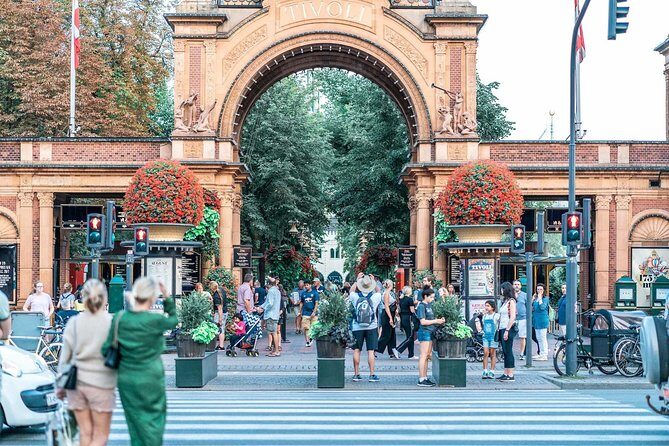
Then you move into the orbit of Vor Frue Kirke, the Church of Our Lady—also known as Copenhagen Cathedral. This is the Denmark “national cathedral” stop, and it’s the kind of building that gives you instant scale. Even if you’re not a church person, you’ll get something out of learning how many times it has been rebuilt.
The key detail here is that the church has been rebuilt four times, with the fourth version being the one you see today. That makes it feel less like a museum object and more like a building with a story—surviving change, damage, and time.
There’s also a modern connection that helps it land for real people, not just history nerds. The church is where King Frederik and Queen Mary were married on May 14, 2004. That gives you a “recent history” anchor when you’re standing in front of centuries-old architecture.
This is another free admission stop and usually lasts about 10 minutes. That timing is smart: it gives you enough to register what you’re seeing without slowing the walk into a long sit-down.
If you’re sensitive to crowds, you’ll still get the cathedral moment without the stress of building your whole day around it.
University of Copenhagen + Round Tower (Rundetårn): lessons in sky science
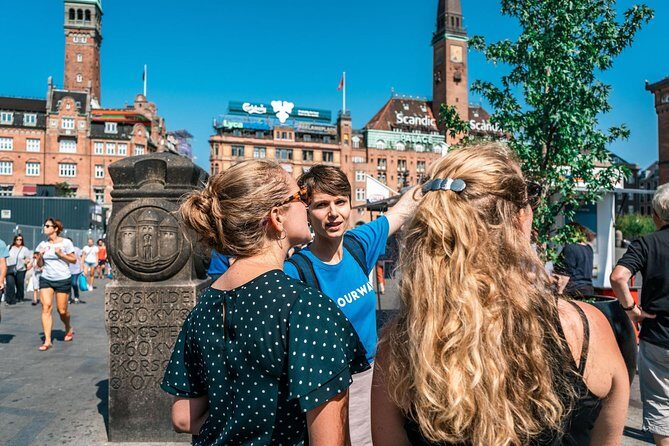
From the cathedral, you head toward University of Copenhagen, one of the oldest universities in northern Europe. The tour gives you a sense of how early the institution was organized: it started with four faculties—theology, law, medicine, and philosophy. If you’ve ever wondered why European universities look like they were built from the inside-out, this helps explain that structure.
You’ll also get a sense of scale around the year 2000: the University of Copenhagen was the largest educational institution in Denmark, with 37,000 students and more than 7,000 employees. It’s a practical detail that tells you this isn’t just an old campus for visiting. It’s an active institution.
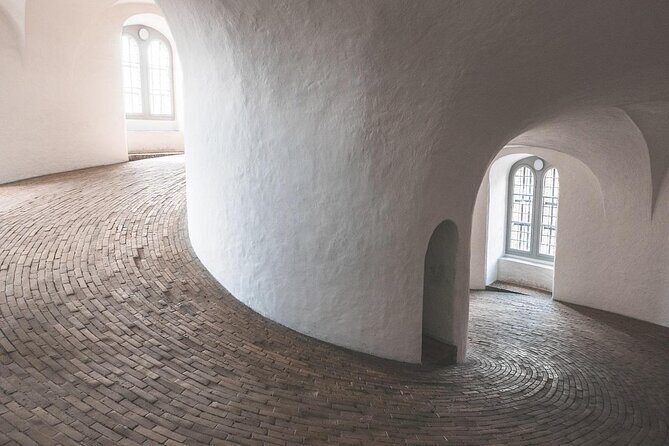
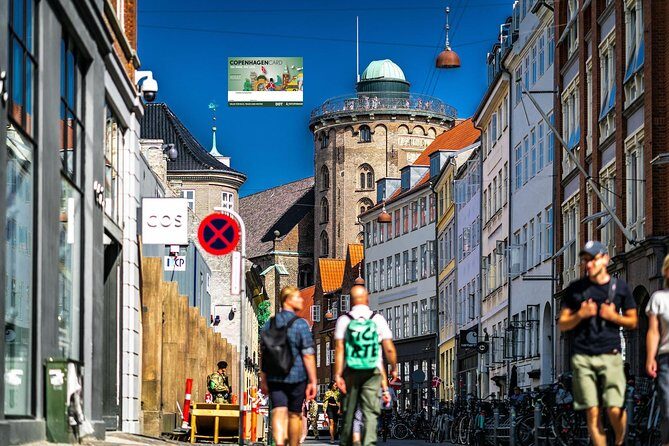
Then the walk turns toward the Round Tower (Rundetårn), one of the highlights for people who like unusual facts. It’s described as the oldest European observatory still functioning. That’s the kind of sentence that changes how you see it: you’re not looking at a decorative tower. You’re looking at an instrument of observation.
The astronomy story centers on Frederik II, Denmark and Norway’s king, who took an early interest in astronomy, helped along by famed Danish astronomer Tycho Brahe. This connection—between royal support and scientific work—makes the tower feel tied to the real drivers of progress, not just abstract dates.
One budgeting note: Round Tower admission is not included. So while most stops are free, you should plan for that cost at the end of this cluster. In a way, that makes the experience feel balanced: you get multiple free stops, then you pay for the one “ticketed” moment that’s especially tied to science.
Time is about 10 minutes for the tower stop, so it’s more about orientation and the story behind it than a full-hour visit. If you want to go deeper, you can always return later.
You can also read our reviews of more private tours in Copenhagen


Gråbrødretorv: old corners, restored colors, and easy photo wins
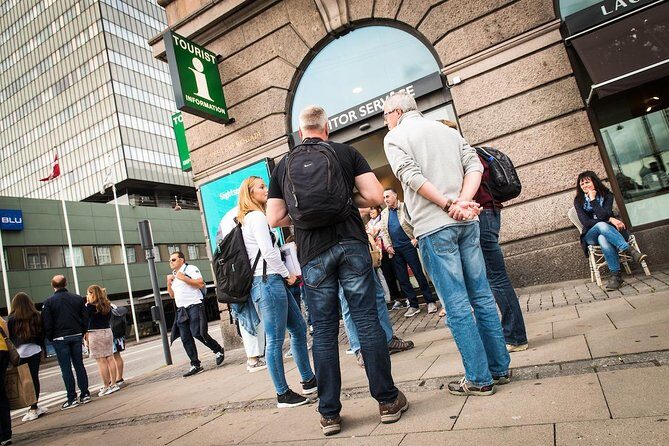
After the science and education stops, the walk shifts to Gråbrødretorv, also called Grey Friars Square. The name comes from the Franciscan monastery that once stood there. That’s a simple detail, but it’s a useful one because it gives you a reason behind the naming—not just a label.
This square also ties into a key historical event: most houses on the square were destroyed in the Great Fire of 1728. What survives gets restored and painted in contemporary colors, and that’s why the area can feel like it has a consistent “human scale” while still looking old.
The tour specifically notes that this is a great stop for photos. I like this kind of stop in a walking tour because it gives you a break from “read the plaque, move on.” You can shoot pictures, take a breath, and still feel like you’re part of the story.
As with many stops here, it’s about 10 minutes and free admission. So it keeps the pace friendly without turning the walk into a rushed hit list.
Strøget: Copenhagen’s long pedestrian street, from Town Hall to Nyhavn
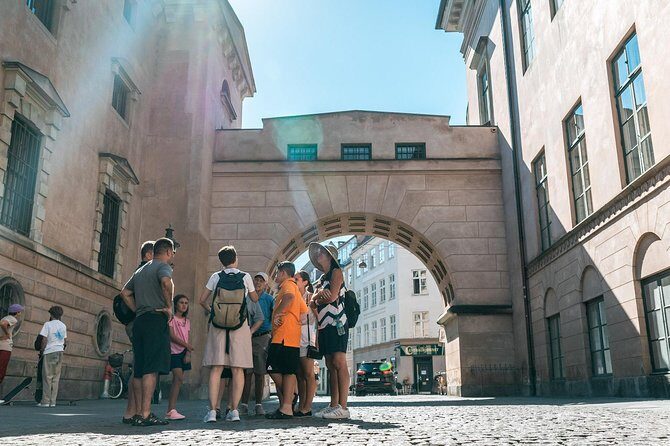
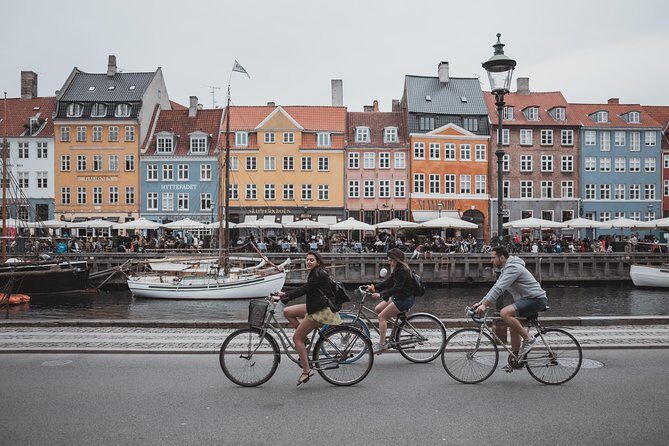
Finally, you reach Strøget, Copenhagen’s main pedestrian street and one of the longest in Europe at 1.11 kilometers. This is the big connection between the Old Town and the modern tourist flow, starting by the Town hall area and running toward Kongens Nytorv near Nyhavn.
Strøget is known for shopping, and that’s true. But on this tour, it’s not only about where to buy things—it’s about how the city creates movement. You see how the pedestrian zone pulls people from the civic core into the broader life of the city.
This stop is about 10 minutes and free. That means the tour doesn’t try to turn Strøget into a full shopping spree. Instead, it gives you enough time to understand the route and decide how you want to explore after the tour ends.
When you finish near Amagertorv, the tour ends close to Christiansborg Palace and Nyhavn. That’s a smart finish line because it puts you near two areas many visitors want to reach next, without forcing you to backtrack.
If you’re planning dinner, this is useful too. You can use your last moments on the walk to spot directions and decide where to head when you’re done.
Price and what you’re actually paying for
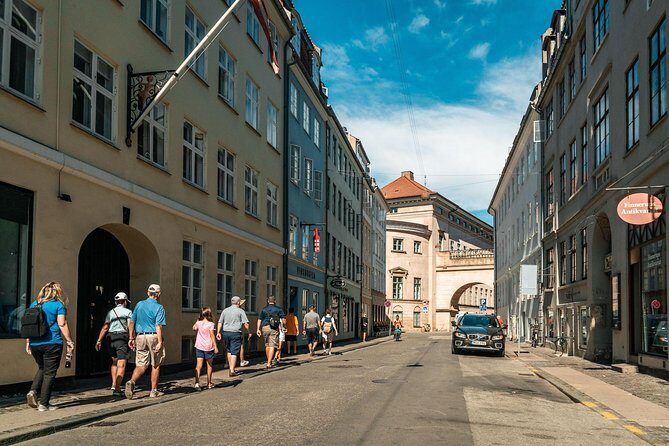
At $352.19 per person for a private tour, the price feels high compared with big group tours. But private walking tours don’t just sell facts. They sell time with a guide, a route tailored to a smaller group, and a pace that can flex.
Here’s the value angle I see:
- You’re paying for a professional guide and a private format, not just a route.
- Most stops are free (City Hall Square, Old Square, New Square, Church of Our Lady, University of Copenhagen, Grey Friars Square, Strøget).
- The only major ticketed moment is Round Tower admission, which isn’t included.
So the money isn’t going to admission across the board. It’s going mostly to the guide’s ability to explain what you’re seeing and keep the walk coherent.
Who does this suit best? It fits active travelers who like walking but don’t want to spend hours piecing together an itinerary. It also fits families, since one of the strongest themes in the feedback is that this kind of structured walking tour works well when you want the adults informed and the kids entertained with fun photo moments.
If you’re traveling solo and you love guide-free wandering, you might feel this is pricey. But if you want Copenhagen’s Old Town to make sense quickly, and you like the idea of having someone competent with you while you walk, it can be a good spend.
Should you book this Old Town Private Walking Tour?
I’d book it if you want a fast, structured start in Copenhagen. This tour is best as an early visit, when you most need orientation: where to walk, what places matter, and how the city’s squares and landmarks connect.
Skip it or think twice if you have limited mobility or trouble walking on cobblestones, because the route includes that kind of footing. Also budget for Round Tower since its admission isn’t included.
If you do book, wear comfortable shoes, bring a light layer for weather shifts, and treat the tour as your Old Town map with personality. You’ll finish near Amagertorv, with enough context to wander Nyhavn or aim toward Christiansborg Palace without feeling lost.
FAQ
How long is the Copenhagen Old Town private walking tour?
It runs for about 2 hours (approx.).
Is the tour private, or do I join other groups?
It’s private. Only your group participates.
What language is the tour offered in?
The tour is offered in English.
Are admissions included for all the stops?
Most stops have free admission, but Round Tower admission is not included.
Where does the tour start and end?
It starts at Vesterbrogade 4B, 1620 København, and ends at Amagertorv, København, near Christiansborg Palace and Nyhavn.
Does the tour run in bad weather?
Yes. It operates in all weather conditions, so dress comfortably and appropriately.
What’s the cancellation policy?
You can cancel for a full refund if you cancel at least 24 hours in advance of the experience’s start time.