REVIEW · COPENHAGEN
Copenhagen: MACA Art Museum Entry Ticket
Book on GetYourGuide →Operated by maca museum · Bookable on GetYourGuide
Street art and royal Denmark, in one stop.
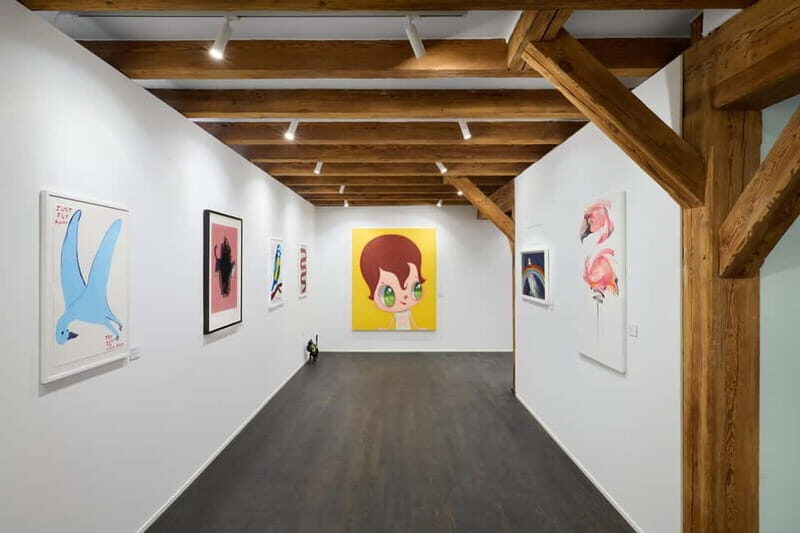
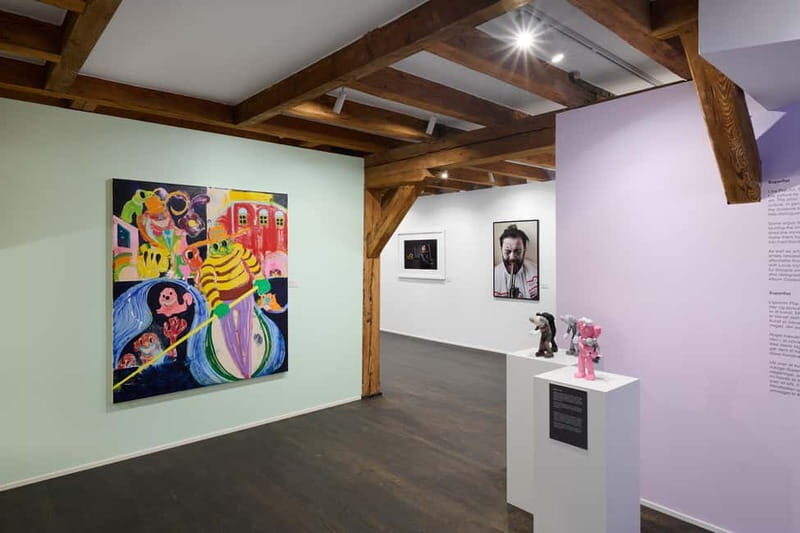
I love how MACA packs big names from the 20th and 21st centuries—Banksy, Basquiat, Warhol, KAWS, Haring, Hirst, and Kusama—into one clear, walk-through museum experience. I also like the Banksy & Street Art: The Early Years exhibition, which focuses on the early tools and methods behind the work, not just the final images. The main drawback is simple: you are paying for admission to the museum, not for the nearby sights like Amalienborg Royal Palace, so you’ll need separate plans if you want those.
The museum sits in the center of Copenhagen in Nyhavn, one of the city’s most convenient areas for food, canals, and an easy day route on foot. With a 4.7/5 overall rating from 77 reviews, this ticket is best when you want art that feels modern, plus a neighborhood you can enjoy right after your visit.
In This Review
- Key things to know before you go
- MACA Museum in Nyhavn: location you can build a whole day around
- Banksy & Street Art: The Early Years and what to pay attention to
- The New York graffiti era: Futura, Lady Pink, Retna, and the rest
- The big 20th and 21st-century names you can connect to the street scene
- Audio guide on your phone: the practical way to enjoy MACA
- A Copenhagen walking loop after your museum visit
- Storage and what to bring so your visit feels easy
- Price and value: is $24 for MACA a good deal?
- Who should book this ticket (and who might not)
- Should you book MACA Art Museum Entry Ticket?
- FAQ
- What does the MACA entry ticket include?
- Is there a skip-the-ticket-line option?
- What audio languages are available for the downloadable audio guides?
- Are headphones included or available to buy at the museum?
- How long is the ticket valid?
- Where is MACA Museum located and where does the visit end?
Key things to know before you go

- Skip-the-line entry: you can get inside faster and spend more time with the art.
- Banksy’s early working methods: the exhibition highlights drawings, stencils, photos, and paintings tied to his early process.
- A serious street art spread: it connects 1980s and 1990s New York graffiti names with major 21st-century street artists.
- Phone audio guides included: downloadable audio in many languages, straight to your smartphone.
- Nyhavn location is practical: you’re right by bars, restaurants, and the canals, so your visit fits neatly into a full day out.
- Coat and bag storage is included: helpful if you arrive in layers or with shopping bags.
MACA Museum in Nyhavn: location you can build a whole day around
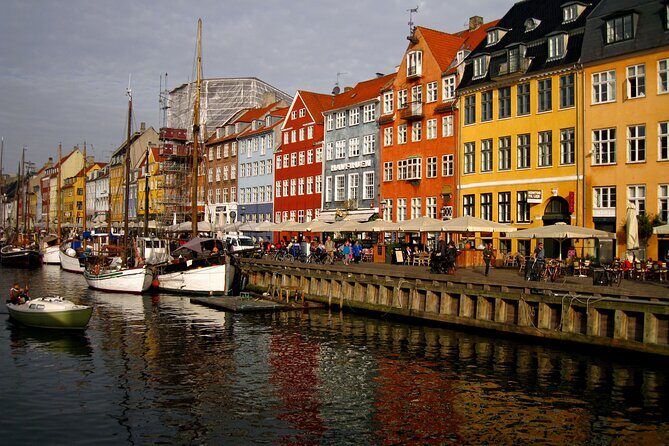
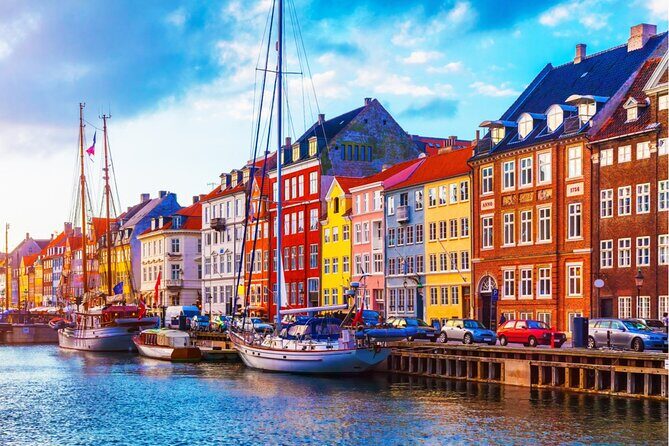
MACA Art Museum is in central Copenhagen, in the historic waterfront trading-port area of Nyhavn. That matters because your art time doesn’t end when you leave the door. You can step right back into the street-level Copenhagen rhythm—canals nearby, restaurants and bars close by, and a neighborhood that keeps you moving.
One of my favorite parts of picking a museum here is how the map lines up. From MACA, you’re only a short walk to the home of fairy tale author Hans Christian Andersen. And just a few steps away is Amalienborg Royal Palace, the official residence of the Danish royal family. Even though your ticket is only for the museum itself, this location makes it easy to stack a cultural day without complicated transport.
If you want a simple day plan, I’d do it like this: museum first (when your brain is fresh), then Nyhavn for a meal and a slow canal walk. That order helps because the art is the reason you came, and the neighborhood part is your reward for finishing strong.
A few more Copenhagen tours and experiences worth a look



Banksy & Street Art: The Early Years and what to pay attention to
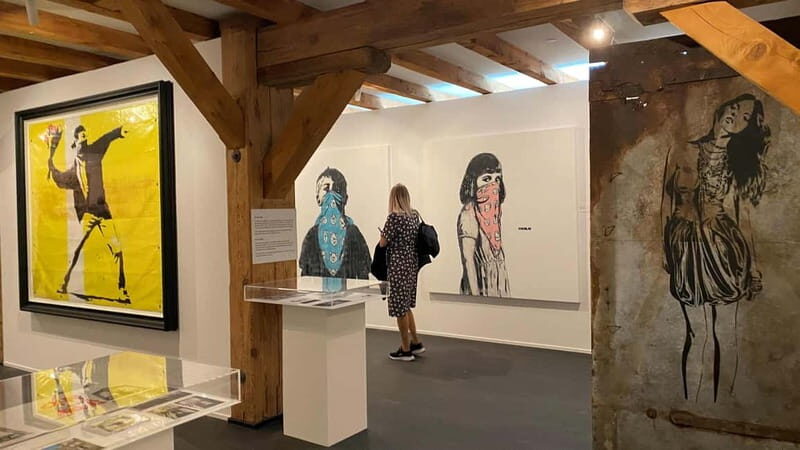
The star exhibition is Banksy & Street Art: The Early Years. This one isn’t about walking past a famous image and moving on. It’s built around early working methods and the creative process, using rare drawings, stencils, photographs, and paintings.
What I like about this format for a first visit is that it gives you a handle on how street art becomes street art. When you see the early sketches and stencil stages, you start noticing the craft choices—how an idea gets translated into a repeatable visual language. It also helps if you think you already know Banksy. The exhibition theme is explicitly about origins and method, so it tends to shift the experience from recognition to understanding.
You’ll get the most out of this part if you slow down for a few minutes in each cluster of materials. Look for how images change across mediums—drawing to stencil to final piece. Even if you are not a hardcore art student, this approach makes the show feel less like a “name on a wall” and more like an actual behind-the-scenes story.
The New York graffiti era: Futura, Lady Pink, Retna, and the rest

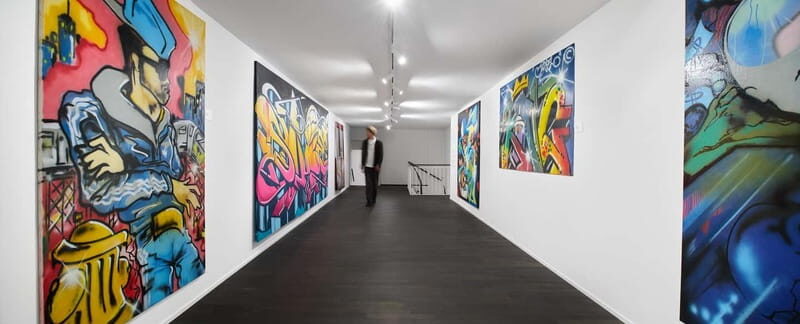
Another big draw here is the section that highlights the important street artists linked to the 1980s and 1990s New York graffiti scene, plus key street artists of the 21st century.
The named roster you can see includes Futura 2000, Dondi, Lady Pink, Shepard Fairey, STIK, VHILS, XOOOOX, Bambi, and Retna. That list is useful because it signals what you’re actually in for: this museum isn’t just showing one style. It’s showing a range of street art languages, from letter-forms and tagging culture to photo-based and sculptural approaches.
How to make this part click: don’t rush for the famous names. Instead, choose one or two artists and try to notice what makes their visual “signature” repeat—shape, line, texture, and the way the message lands. If you do that, the entire graffiti and street scene comes together as a conversation, not a set of separate posters.
The big 20th and 21st-century names you can connect to the street scene

Beyond Banksy and the graffiti-focused shows, MACA positions street and contemporary art in the same conversation as larger modern icons. The ticket description calls out major artists such as Basquiat and Warhol, plus KAWS, Haring, Hirst, and Kusama.
Even when you are not deep in art theory, it helps to see these names together in a museum setting. It’s a reminder that street art did not live in isolation. Ideas travel. Styles travel. And sometimes a museum wall is just another stage for the same human urge: to make something loud enough to be seen.
This is also where I’d suggest you let yourself be a little flexible. You can come for the street art, but don’t lock in too early. If you’re open to what else is on view, you’ll often catch a cross-connection—how street-era visuals echo in pop culture, how pop culture feeds back into street art, and how large-scale art movements borrow from urban energy.
Audio guide on your phone: the practical way to enjoy MACA
Your entry includes downloadable exhibition audio guides. You’ll need to download them to your smartphone, and the languages listed are broad: Chinese, Croatian, Czech, Danish, Dutch, English, Estonian, Finnish, German, Indonesian, Italian, Japanese, Korean, Lithuanian, Malay, Polish, Serbian, Spanish, Thai, Turkish.
A key practical note: headphones are not available for purchase. So either bring your own wired or wireless headphones, or make sure your smartphone setup is ready to go before you arrive. This small detail matters because a museum audio guide is only useful if you can actually listen.
How I’d use it: pick one exhibition to lean on the audio for, and use it as your roadmap. For the rest, treat it as optional. That keeps the visit from turning into a nonstop lecture. With the range of languages included, you also avoid the frustration of settling for one-off explanations.
You can also read our reviews of more museum experiences in Copenhagen




A Copenhagen walking loop after your museum visit
MACA’s address is basically an invitation to keep going. The museum sits in Nyhavn, so once you’re done, you can head into the area’s restaurants and bars. Since Nyhavn is also built around water and canals, it’s an easy place to take a break without losing your momentum.
Two nearby stops worth planning around—again, not included in the museum ticket—are:
- The home of Hans Christian Andersen
- Amalienborg Royal Palace, the royal family’s official residence
Because Amalienborg is only a few steps from MACA, you can fit it into your day with minimal stress. It’s the kind of arrangement that works well if you like your schedule simple: one museum, then a short walk to a landmark, then food.
Also, pay attention to the on-site spaces inside MACA. There’s an outdoor courtyard café during cool spring and summer months, and in winter there’s a cozy candlelight setting inside the museum. That seasonal difference can shape your timing—if it’s cold, you might want to build in extra minutes so you don’t rush your way past the café atmosphere.
Storage and what to bring so your visit feels easy
Your ticket includes coat and bag storage, which is genuinely helpful in Copenhagen. That means you aren’t stuck doing the half-handoff mental math every time you want to look closer at something.
On the flip side, you should know what isn’t included. Headphones are not available for purchase, and the info also notes that secure storage is available for rental. If you have bulky items or extra-tight security needs, plan for that.
What to bring is simple: wear layers if you’re going in colder months (even if you store a coat, you’ll still move outside), and bring headphones if you want to use the audio guides right away.
Price and value: is $24 for MACA a good deal?

At $24 per person, the price only makes sense if you’ll actually use the included extras and the breadth of what’s on view.
Here’s where the value comes from:
- You get entry to MACA with access to all exhibitions.
- Skip-the-ticket-line entry helps you maximize time inside, especially if your day is tight.
- The downloadable audio guides across many languages give you more than just signage on walls.
- Storage is included, which reduces friction and keeps your visit comfortable.
If you’re coming specifically for Banksy or for the graffiti-and-street-art connection, this ticket is a straightforward buy. If you only want to skim one room, it can feel pricey. The best use of your money is treating this as a full museum stop, not a quick photo break.
Also, MACA’s placement in Nyhavn improves the overall “day value.” You’re paying for the art, and your ticket location makes it easier to turn the rest of the day into something worth doing, without extra planning.
Who should book this ticket (and who might not)
This ticket is a great fit if:
- You want street art and contemporary art in one visit.
- You like the idea of learning how artists developed ideas and methods, especially through Banksy’s early materials.
- You want a museum that pairs well with walking around Copenhagen afterward, since Nyhavn and major sights are right there.
You might pause before booking if:
- You prefer traditional museum formats and long, quiet galleries, and you are not excited by street art’s energy.
- You don’t plan to use the audio guide and don’t want to spend time with multiple exhibitions.
In other words, choose this when you want the art to be the plan, and the neighborhood becomes the bonus.
Should you book MACA Art Museum Entry Ticket?
Yes, I’d book it if your Copenhagen day includes at least one serious art stop and you’re curious about how street art connects to the wider art world. The biggest reason is that the ticket gets you into a museum that focuses on process and context—especially with Banksy’s Early Years materials—while also letting you see a wide range of famous names in the same general visual universe.
Book it even if you’re not an art expert. This is one of those museum visits where you can enjoy it on two levels: the story behind the art and the sheer list of artists you recognize. Just don’t plan on it replacing the nearby landmarks. Use MACA as your anchor, then let Nyhavn and the area around Amalienborg do the rest.
FAQ
What does the MACA entry ticket include?
Your ticket includes entry to MACA museum, access to all exhibitions, downloadable exhibition audio guides (you download to your smartphone), and coat and bag storage.
Is there a skip-the-ticket-line option?
Yes. This activity includes skip the ticket line.
What audio languages are available for the downloadable audio guides?
The audio guides are available in Chinese, Croatian, Czech, Danish, Dutch, English, Estonian, Finnish, German, Indonesian, Italian, Japanese, Korean, Lithuanian, Malay, Polish, Serbian, Spanish, Thai, Turkish.
Are headphones included or available to buy at the museum?
Headphones are not included, and they are not available for purchase.
How long is the ticket valid?
The ticket is valid for 1 day. Starting times depend on availability, so you’ll want to check what’s offered for your date.
Where is MACA Museum located and where does the visit end?
MACA Museum is located in central Copenhagen in Nyhavn. The activity starts at the MACA Museum entrance and ends back at the meeting point.