REVIEW · COPENHAGEN
Copenhagen: Hygge & Highlights Walking Tour with Local Guide
Book on GetYourGuide →Operated by Copenhagen Walking Tours (CWT) · Bookable on GetYourGuide
Copenhagen tells its story at walking pace. This 2.5-hour hygge and highlights walk mixes big-name landmarks with quieter side streets, guided in English by a local. I like how it frames neighborhoods like Nyboder and Nyhavn with real context, and I also like that the group stays small so you can ask questions.
The one drawback is simple: it’s still a walking tour, and it isn’t designed for people with mobility impairments. Bring comfortable shoes and dress for Denmark’s changeable weather.
Guides who lead these walks, including Laura and Hamid, tend to focus on what you actually want to know, plus practical next-step recommendations. You’ll also get a chance to slow down in tucked-away streets like Pistolstræde, not just pose for photos at the obvious spots.
Quick reasons this tour is worth it
- Small group (up to 10), so explanations don’t feel rushed
- Nyboder + Marble Church give you two very different sides of Copenhagen fast
- Royal Denmark without the museum feel, including a chance to see the guard change
- Nyhavn to Strøget connects the harbor story to the shopping streets you’ll walk anyway
- Pistolstræde + cobblestone alleys add calm and character away from the main flow
- Round Tower and Rosenborg area add brainy context to the walking
In This Review
- Entering Sankt Pauls Kirke: how the walk starts in real life
- Nyboder’s yellow houses: naval housing that shaped a neighborhood
- Marmorkirken (Frederik’s Church): the Marble Church dome and the long build
- Amalienborg and the Changing of the Guard: royal space without the stress
- Nyhavn’s colorful harbor: where sailors, merchants, and Andersen stories meet
- Kongens Nytorv to Strøget: from grand meeting square to pedestrian life
- Pistolstræde’s cobblestones: the quiet detour that makes the tour feel local
- King’s Garden and Rosenborg Castle area: a walk that adds breathing room
- Round Tower: Europe’s oldest functioning observatory (and why it matters)
- Gråbrødretorv finish: putting a friendly bow on the day
- Price and value: what $61 buys you in Copenhagen time
- What to wear and bring so you enjoy every stop
- Who this tour suits best (and who should skip it)
- Should you book this Copenhagen walking tour?
- FAQ
- How long is the Copenhagen Hygge and Highlights walking tour?
- Where do I meet the guide?
- Is the tour guided in English?
- How big is the group?
- Is the tour inside-only or are there outdoor elements?
- Which main sights does the route cover?
- Is there a break during the tour?
- Does the tour run in bad weather?
- Is the tour suitable for people with mobility impairments?
- Can I cancel for a full refund?
Entering Sankt Pauls Kirke: how the walk starts in real life
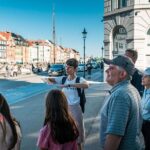
You meet right in the city, in front of Sankt Pauls Kirke at Gernersgade 33. From the start, the tour feels built for orientation: you’re not just ticking sights, you’re learning how Copenhagen is laid out and what each area was for.
The total time is about 150 minutes, so it works well on a day when you want to see a lot but still keep energy for evenings. You’ll cover major stops and several smaller lanes, and the pace is relaxed enough that you’re not stuck sprinting from one photo angle to the next.
Practical note: the tour operates in all weather conditions, so plan to layer up and keep your shoes comfy. Copenhagen weather can shift quickly, and this is a walking plan first, comfort second.
Nyboder’s yellow houses: naval housing that shaped a neighborhood
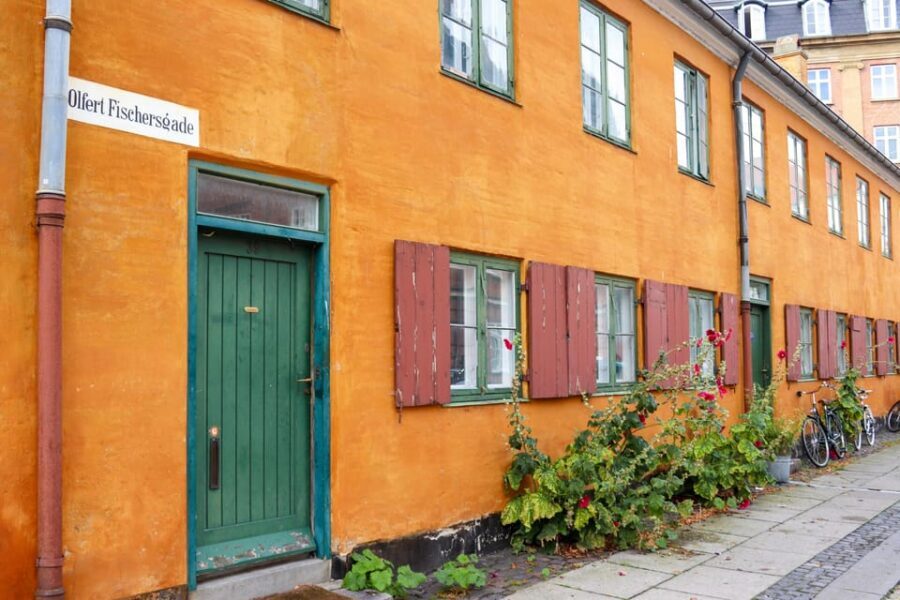
The tour heads to Nyboder, a 17th-century district known for its striking yellow houses. This part of Copenhagen isn’t about royal drama or postcard canals. It’s about everyday life and how the city organized people around the Danish navy.
Your guide explains King Christian IV’s vision for naval housing and the community that formed there. That’s the key value here: you learn to look at buildings as clues. Once you understand why the houses exist and what the neighborhood served, the streets stop feeling like generic scenery.
This is also a good place to start noticing patterns you’ll see later: Copenhagen tends to make space for function, community, and strong design, not just spectacle.
You can also read our reviews of more walking tours in Copenhagen


Marmorkirken (Frederik’s Church): the Marble Church dome and the long build
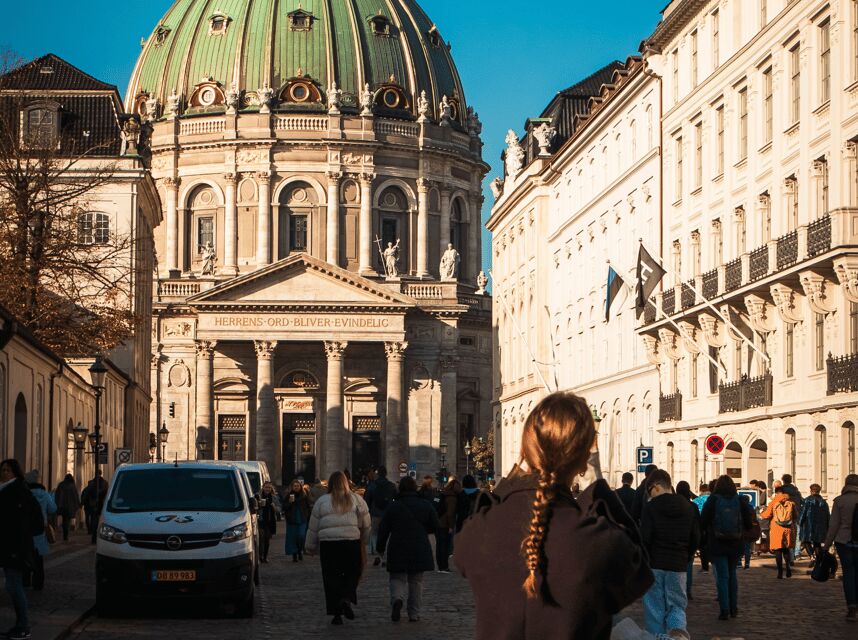
Next comes Frederik’s Church, also called Marmorkirken. The highlight isn’t only the dramatic dome; it’s the story behind it, including the long construction timeline—nearly 150 years.
The tour is outdoor-only overall, but Marmorkirken is treated as an architecture-focused stop where you can appreciate the design and talk through what makes it special. Even if you don’t go deeper than what’s available without entry, the guide’s explanation helps you read the building like a map.
If you’re the type who likes details—why a dome looks the way it does, where inspirations come from—this stop is a payoff. It also sets up the royal and civic themes you’ll see at Amalienborg and beyond.
Amalienborg and the Changing of the Guard: royal space without the stress
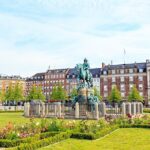
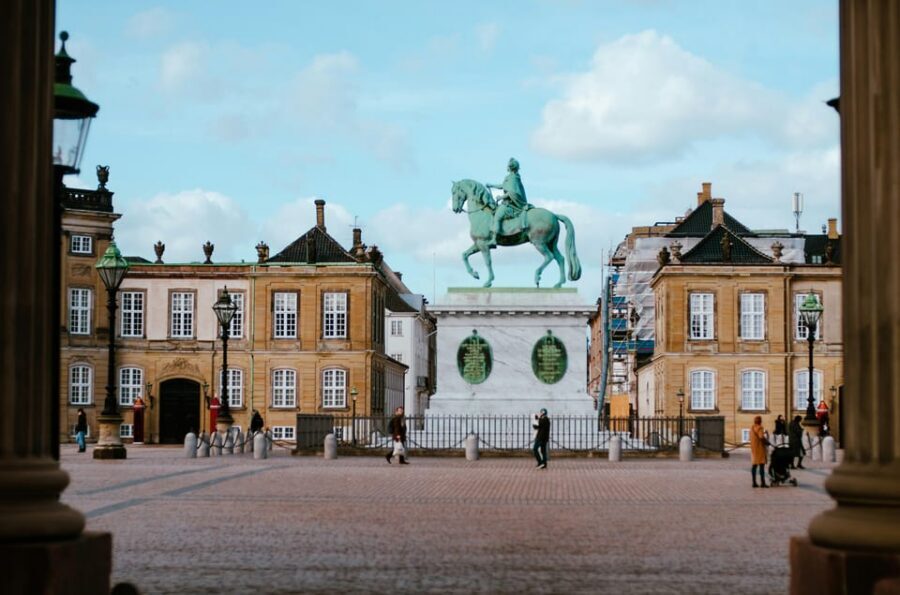
Then you walk to Amalienborg, the residence of Denmark’s royal family. The setting is classic and easy to understand: a central square where you can watch the rhythm of royal Copenhagen.
A real bonus is that you have a chance to see the Changing of the Guard. Timing matters for that, so you shouldn’t count on it like a guarantee, but it’s absolutely the kind of moment that makes the stop feel alive.
Your guide brings the monarchy into focus in a practical way—what the royal family means in Denmark, plus notable figures and why they matter. This is where the tour earns its name highlights: you get the big iconic area, but the story stays grounded instead of turning into vague trivia.
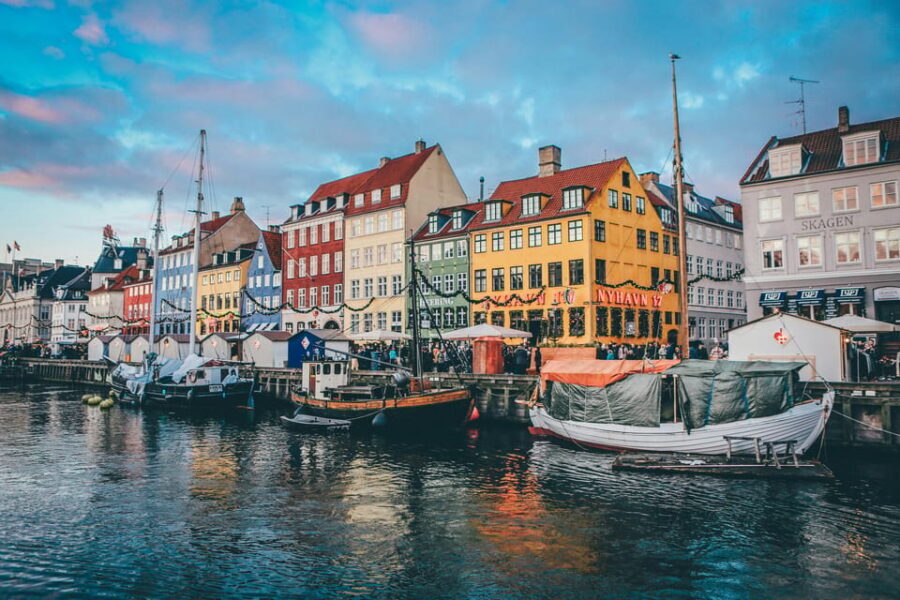
Nyhavn’s colorful harbor: where sailors, merchants, and Andersen stories meet
After royal squares, you hit the water at Nyhavn. This is Copenhagen’s famous harbor area lined with colorful buildings, and it’s the kind of place where your brain relaxes because the setting does the work.
The tour includes a break here, about 10 minutes. It’s enough time to grab a drink, reset your feet, and take in the harbor at your own pace. This matters because Copenhagen walks can start strong and end tired; a timed reset keeps the experience enjoyable.
Your guide connects Nyhavn to the human side of the city—sailors, merchants, and Hans Christian Andersen, who lived here. It’s not just about buildings and boats. You learn how the harbor shaped work, movement, and everyday stories.
Kongens Nytorv to Strøget: from grand meeting square to pedestrian life
From Nyhavn you move toward Kongens Nytorv, Copenhagen’s largest square. Here, you see what a city-center anchor looks like when major institutions surround it—places like the Royal Danish Theatre and Hotel d’Angleterre.
This stop gives you context for how Copenhagen gathers people. It’s a central meeting point that’s been important for centuries, which helps if you’re planning your own self-guided day afterward. You start to see where people naturally flow and why.
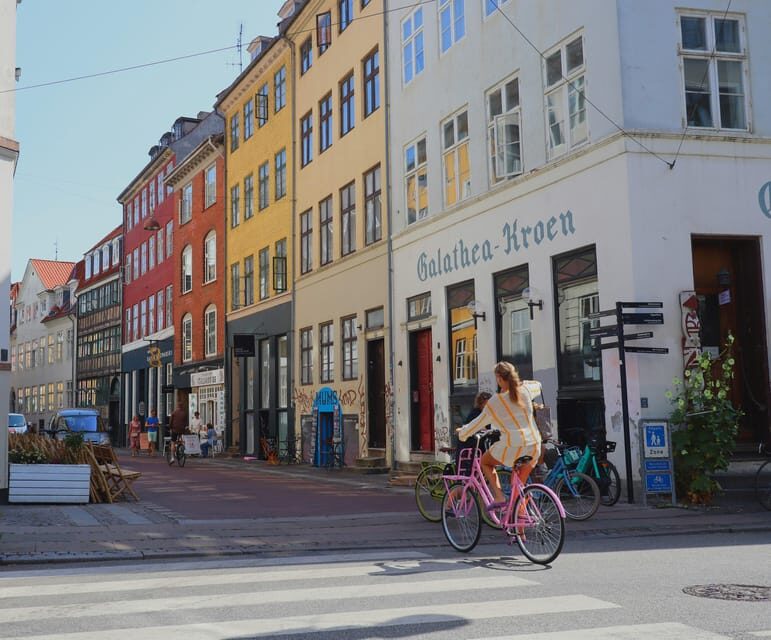
Then comes Strøget, Europe’s longest pedestrian street. This is where you experience Copenhagen’s everyday street life: shops, cafés, and street performers. The guide helps you notice details that you might otherwise ignore, so it feels less like walking for walking’s sake and more like learning how the city performs in public.
A small thing that helps: Strøget can be busy, so having commentary in your ear makes the crowds less annoying and more useful.
You can also read our reviews of more guided tours in Copenhagen





Pistolstræde’s cobblestones: the quiet detour that makes the tour feel local
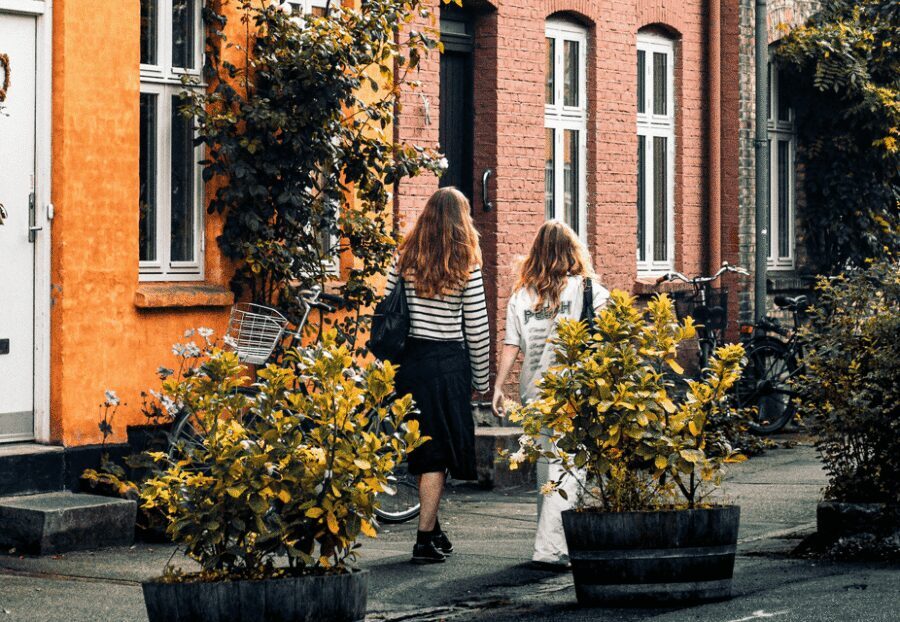
Now you go narrower and calmer with Pistolstræde, a cobblestoned alley with colorful courtyards. This part is easy to skip on your own because it’s not a major “headline” destination.
The value is exactly that: overlooked streets where the city feels lived-in. Copenhagen has plenty of iconic waterfront views, but it’s the small lanes that show you how residents experience the city day to day.
This stop is also a good moment for photos without the same level of crowd pressure as the biggest squares. If you like character and small-scale history, this alley is one of the highlights.
King’s Garden and Rosenborg Castle area: a walk that adds breathing room
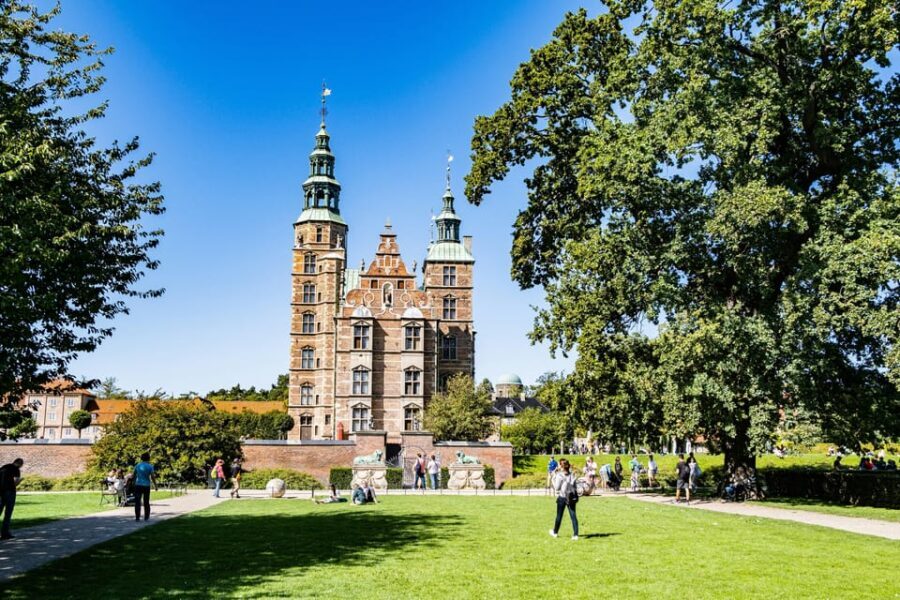
After the alley, the route takes you through King’s Garden (Kongens Have). It’s a green pause in the middle of a city walk, and it does more than provide shade.
It helps you connect the sights. You’re moving toward Rosenborg Castle, and the garden path makes that transition feel natural instead of abrupt. Copenhagen’s planning often links major points with walkable corridors, and this is a clear example.
At Rosenborg Castle, the tour focuses on the Renaissance castle from the 17th century. Even if you don’t pay for entrances, the setting is enough to appreciate the architecture and the castle’s role in Copenhagen’s story. It also gives you another mental anchor for where to go next if you want to spend extra time later.
Round Tower: Europe’s oldest functioning observatory (and why it matters)
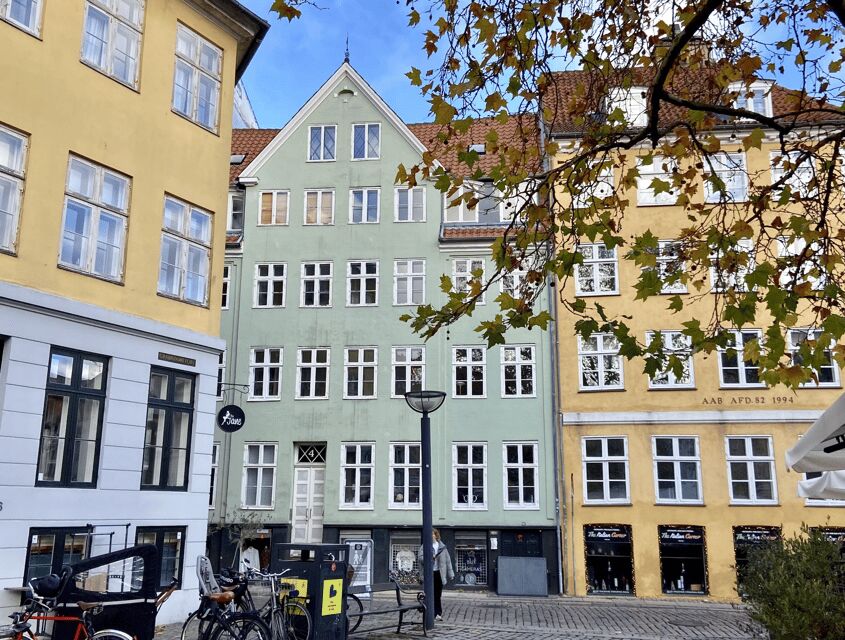
The tour ends with the Round Tower (Rundetårn) area. This stop is special because it’s not just a pretty landmark; it has a clear academic purpose.
You learn that it’s Europe’s oldest functioning observatory. The guide also explains how it served as an observatory and a library for scholars in the 17th century. That shift—from courtly life and harbor life to science and learning—keeps the whole tour from feeling one-note.
If you like cities that show multiple identities in one day, this is a smart final chapter. It also gives you something to talk about later at dinner besides what you ate.
Gråbrødretorv finish: putting a friendly bow on the day
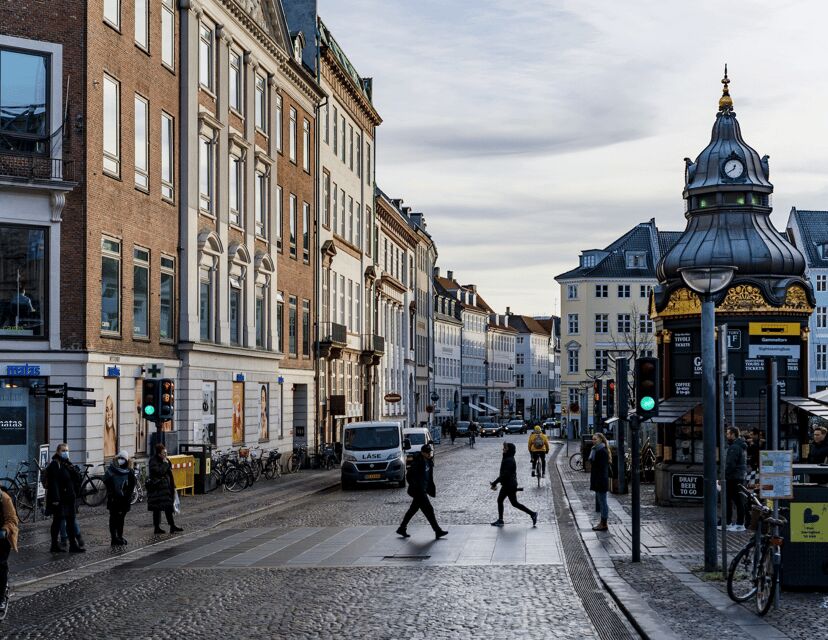
You finish at Gråbrødretorv, a picturesque square in the heart of Copenhagen. The surrounding colorful houses and relaxed local feel make it a satisfying landing point.
This is the kind of finish that helps you keep momentum. You’ve got an easy place to orient, take a last photo, and head toward your next plan without feeling lost or rushed.
Also, finishing in a square is practical. It tends to be a good “decision point” for choosing a restaurant or a late stroll.
Price and value: what $61 buys you in Copenhagen time
At about $61 per person for 150 minutes, you’re paying for two things: time saved and explanation delivered. Copenhagen can be easy to explore on your own, but a guided walk compresses context into a short window.
The biggest value boost is the small group size, limited to 10 participants. When you’re not sharing the guide’s attention with a large crowd, questions land better, and the stories stick.
Also, entrance fees aren’t included. That’s not automatically a bad thing. Many of the most meaningful parts of this walk happen at street level anyway—neighborhood structure, architecture from outside, and the way squares and streets connect. Just be sure you’re okay with a walking-and-looking format rather than a heavy ticket-based schedule.
For the type of traveler who wants to get oriented quickly and avoid wasting time guessing what matters, this price feels fair.
What to wear and bring so you enjoy every stop
This tour is built around walking, so comfort is not optional. Bring comfortable shoes and water. Then dress for weather—because the tour runs in all conditions, you’ll want layers and rain protection if skies turn.
If you hate long outdoor days, this might still be manageable because of the break included around Nyhavn and the overall relaxed pace. But you should still treat it as a real walking plan.
Who this tour suits best (and who should skip it)
This tour fits you if you want:
- A short, focused Copenhagen introduction
- A mix of iconic spots and quieter alleys like Pistolstræde
- A guide who helps you understand what you’re seeing, not just where to stand for photos
- A small-group feel with time to ask questions
It may not be the best match if you:
- Need mobility-friendly routes (it’s not suitable for people with mobility impairments)
- Want a deep museum day with paid entrances and long indoor stays
If your goal is to get bearings fast and then roam freely the rest of your trip, this walk is a strong start.
Should you book this Copenhagen walking tour?
Yes, if you’re the kind of traveler who likes learning while you walk and you want both the famous highlights and the small lanes that add texture. It’s a good use of a first day or a mid-trip reset day because it gives you stories tied to locations you’ll likely revisit.
Book it especially if you value a small group and a guide-led pace. You’ll leave with a clearer understanding of why areas like Nyboder and Nyhavn look the way they do, and you’ll know where to go next without guessing.
Skip it if you’re looking for a fully ticketed, mostly indoor sightseeing day. This one is street-level Copenhagen, designed to be felt on foot.
FAQ
How long is the Copenhagen Hygge and Highlights walking tour?
The tour lasts about 150 minutes (2.5 hours).
Where do I meet the guide?
You meet in front of Sankt Pauls Kirke at Gernersgade 33.
Is the tour guided in English?
Yes, the live guide speaks English.
How big is the group?
It’s a small group limited to 10 participants.
Is the tour inside-only or are there outdoor elements?
The tour is outdoor-only, and entrance fees are not included.
Which main sights does the route cover?
The walk includes Nyboder, Marmorkirken (Frederik’s Church), Amalienborg Palace area, Nyhavn, Kongens Nytorv, Strøget, Pistolstræde, King’s Garden (Kongens Have), Rosenborg Castle area, the Round Tower, and it finishes at Gråbrødretorv.
Is there a break during the tour?
Yes, there is a break time of about 10 minutes at Nyhavn.
Does the tour run in bad weather?
Yes. It operates in all weather conditions, so you should dress appropriately.
Is the tour suitable for people with mobility impairments?
No, it’s not suitable for people with mobility impairments.
Can I cancel for a full refund?
Yes. You can cancel up to 24 hours in advance for a full refund, and you can also reserve and pay later.