REVIEW · COPENHAGEN
Copenhagen Highlights: Small Group Walking Tour – Max 10 people
Book on Viator →Operated by Copenhagen By Mie · Bookable on Viator
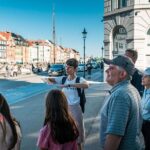
Copenhagen comes into focus in just 2.5 hours. I love the Small-group size (max 10), which keeps questions flowing and makes it easier to dodge crowds at the most popular spots. I also love that the guide blends history with local stories and even helps with Danish culture details, from royalty to everyday life. One catch: the brisk pace with stairs and cobblestones means you’ll want comfy shoes and a rain plan.
You start near Toldboden, then wind your way through older city streets toward the harbor and the royal quarter, ending at Højbro Plads by the main pedestrian area. It’s a smart way to get spatial context fast, so the rest of your Copenhagen days make more sense.
At $50.81 per person for about 2–2.5 hours with a native English-speaking guide, the value is the mix: a concentrated highlight loop plus 1-on-1 recommendations for where to go next. Since the tour route lists free admission tickets at each stop, you’re paying for guidance and viewpoints, not extra entry fees.
In This Review
- Key things to know before you go
- Why this 10-person Copenhagen highlights walk works
- Toldboden start: coffee on your own, then old-city context
- Gefion Fountain and Churchill Park: origin stories and wartime memory
- St. Alban’s Church and the art of noticing small differences
- Kastellet views and the Little Mermaid viewpoint payoff
- Amalienborg Palace Museum: royal guards, insider stories, and a playful game
- Frederiks Kirke (Marmorkirken) and the palace alignment trick
- Opera House, The Playhouse, and harbor glamour with a purpose
- Amaliehaven and Nyhavn: canals, color, and a smart photo standpoint
- Kongens Nytorv to Nikolaj Kunsthal: squares, spires, and the city’s older layers
- Christiansborg Slot finish: parliament, welfare, and the end of the walk
- Price and time: what $50.81 buys you in real-world value
- What you’ll feel during the walk: fast pace, lots of stops, and guide personality
- Tips so you get the most from the route
- Should you book this Copenhagen Highlights walking tour?
Key things to know before you go
- Max 10 people keeps the walk personal and helps at photo-stops like The Little Mermaid and Nyhavn
- Native English guide with dry humor and real local perspective, sometimes including tips on how to say hygge
- Brisk, moving route covers a lot in 2–2.5 hours, with stairs and cobbles along the way
- Royal + political finish at Christiansborg Slot gives you context beyond postcards
- Free-admission stops means your money goes toward time, not queueing or add-on tickets
Why this 10-person Copenhagen highlights walk works
If you only have a day or two in Copenhagen, this is the kind of tour that helps you get your bearings fast. With a max group size of 10, the guide can actually address what you care about, whether that’s royal life, wartime memory, or what Copenhageners mean when they talk about cozy comfort.
This also matters at the big-name stops. Copenhagen’s icons are popular for a reason, but they can feel like a crowd funnel if you’re on your own. Here, you follow a path with a steady rhythm, so you spend more time looking and less time lost.
One more plus: you finish in the center. The walk ends at Højbro Plads, close to the main pedestrian street, so you’re not stuck far from dinner plans or an easy transit ride.
You can also read our reviews of more walking tours in Copenhagen


Toldboden start: coffee on your own, then old-city context
The meeting point is ZinkGlobal by Kim Michael at Nordre Toldbod 12. The tour starts at Toldboden, an area that feels very Copenhagen—new-ish energy right next to the historic core.
You can grab coffee on your own expense before you begin. The practical tip here is simple: arrive about 10 minutes early. The guide will be there ahead of time, and you’ll avoid the stress of finding the group right as everyone starts moving.
Once you’re set, the tour quickly switches from “what’s that building?” to “why is it here?”. That’s the value of a guided highlights loop: you’re not just ticking off landmarks, you’re building a mental map of how Copenhagen grew, where power shifted, and why the harbor matters.
Gefion Fountain and Churchill Park: origin stories and wartime memory
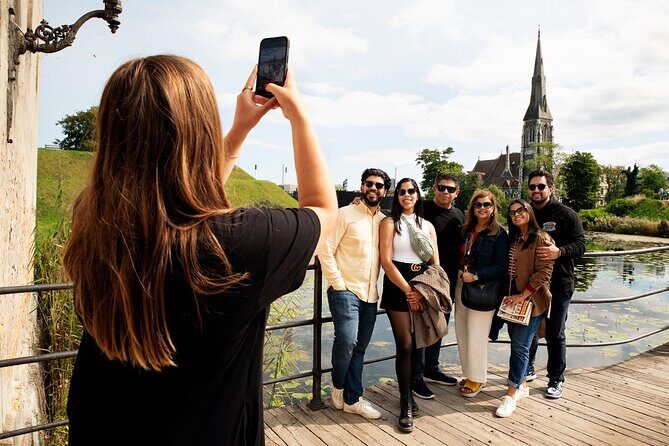
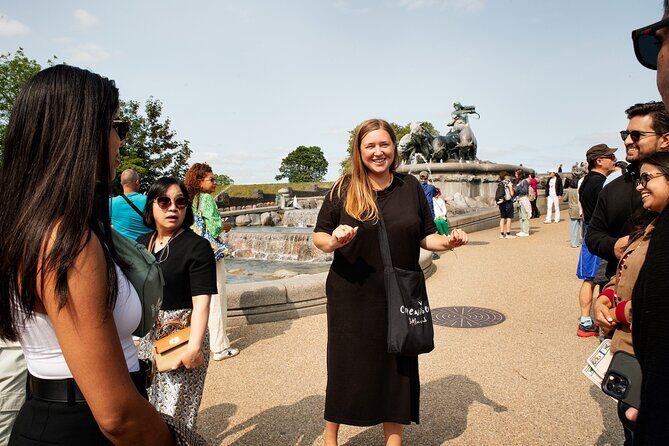
One of the first stops is Gefionspringvandet, the Gefion Fountain. The guide frames it as a “land where Copenhagen is said to have originated” story—plus the twist that Danes consider it tied to something very dark. Even if you don’t catch every mythology detail, you’ll walk away with a better sense of how Copenhageners weave storytelling into real places.
Next comes Churchillparken, which commemorates heroes of the Second World War. This stop gives the walk more backbone than the typical fairy-tale route. It reminds you that Copenhagen’s landmarks aren’t only about beauty—they’re also about identity and memory.
These two stops work together. The fountain gives you myth and meaning. The park gives you history and reflection. Together, they make the city feel less like a photo set and more like a lived-in place.
St. Alban’s Church and the art of noticing small differences
Then you pause at St. Alban’s Church. The key thing here isn’t that it’s famous on a global level; it’s that the guide points out what makes it different from other churches in Copenhagen for a very specific reason.
When you’re walking, small contrasts like this are gold. Copenhagen can look uniform if you’re only looking at the big skyline. But a good guide trains you to notice details—materials, layouts, and what a building signals about the people who used it.
This is also where the tour’s “brisk but not rushed” style shows. The stop is short, but it gives you one fresh lens you’ll keep using at later landmarks.
Kastellet views and the Little Mermaid viewpoint payoff
A highlight exterior moment follows at Kastelle. Kapellet i horsholm—with an outside view of a citadel that has major Game of Thrones vibes. Even if you’re not a fan, the fortress-like shape lands immediately. It’s one of those Copenhagen sights where you instantly understand why the harbor and defenses mattered.
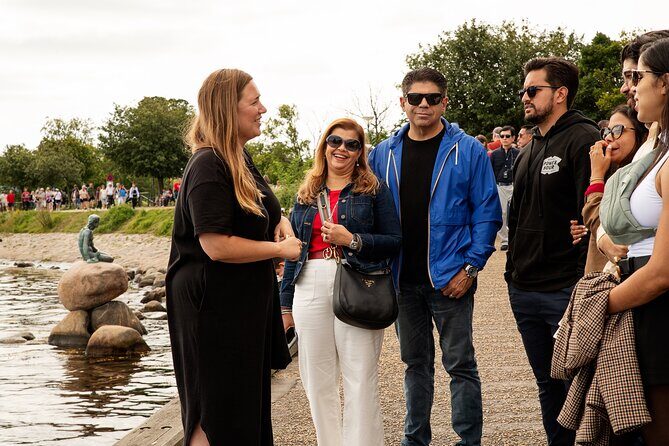
After that comes The Little Mermaid. This stop is timed so you can see her with enough context that she doesn’t feel like a single static statue. The guide brings in the fairy-tale angle, then adds the thought that not everything is what it first seems with her story.
This is one of the most popular places on the whole walk, so plan for lots of people around you. The benefit of doing it with the group is that you’ll know where to stand for the best viewing opportunities and how to connect it to the rest of the city instead of treating it like a one-photo stop.


Amalienborg Palace Museum: royal guards, insider stories, and a playful game
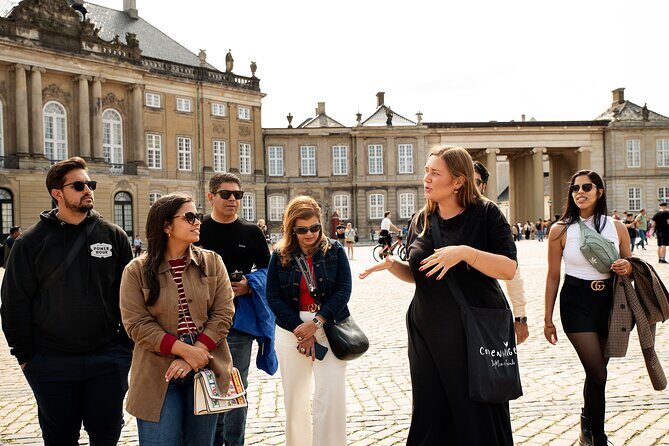
Then you move to Amalienborg Palace Museum, the royal palace complex. This is where the tour leans into storytelling. The guide shares secret-sounding insider tales about the Royal Guards and life around the Danish royals—things that are hard to find if you just read a plaque and move on.
There’s also a playful element tied to the current head of the royal family, Daisy, where you get a little game about where she lives. It’s not about trivia for trivia’s sake. It’s about making the monarchy feel human and specific to Denmark, not just like a staged set piece.
If you like history, this stop gives you the “power in motion” angle. If you like culture, it explains the role of tradition in modern Copenhagen life. Either way, it’s one of the stops that changes how you look at the city’s architecture.
Frederiks Kirke (Marmorkirken) and the palace alignment trick
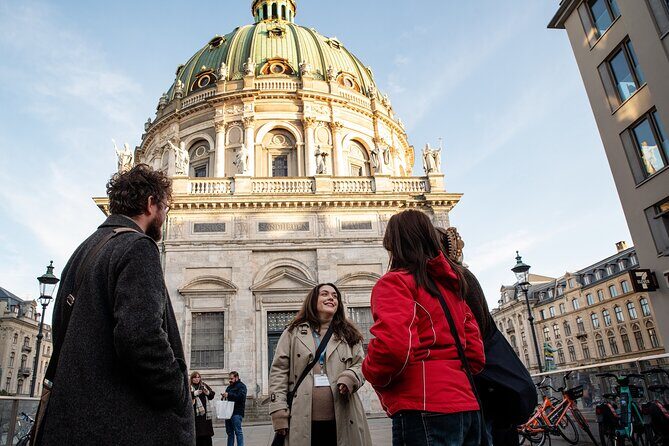
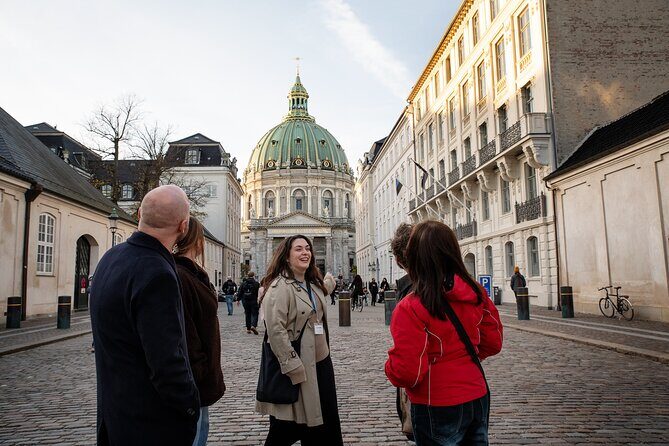
From Amalienborg, you get a view of Frederiks Kirke (Marmorkirken), the Marble Church. The guide highlights the visual alignment: you can see how the church relates to the Royal Palace.
Local opinions matter here. Many Danes consider it the most beautiful church in Copenhagen, and even if you’re not ready to make that call on day one, you’ll understand why the architecture and placement feel so intentional.
This stop also helps pacing. You’ve already hit major landmarks; now you get a shorter reset that still feels meaningful. It’s a quick “look up” moment before you continue toward the harbor.
Opera House, The Playhouse, and harbor glamour with a purpose
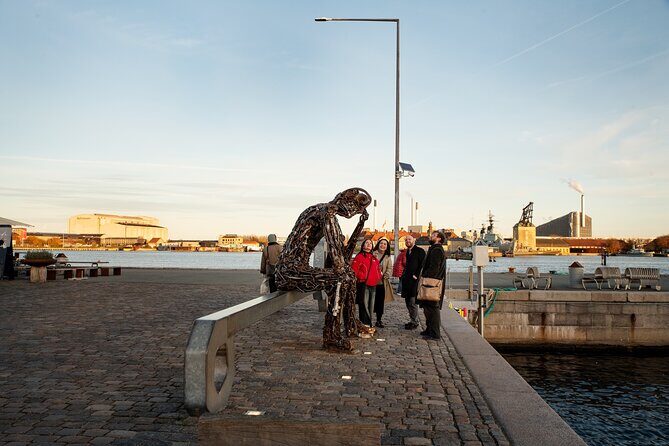
As the walk reaches the harbor side, you’ll see the Copenhagen Opera House across the water. It’s a beautiful exterior moment, but the tour also uses it as a bridge—literally and mentally—from royal Copenhagen to the public waterfront side of the city.
Then comes The Playhouse, also along the harbor area. The stop focuses on the Royal Actor’s house and the views back toward the water. This is a nice reminder that Copenhagen’s “great buildings” aren’t only about government and religion. The arts are part of the city’s identity too.
If you’re a photo person, this is where the skyline lines up well. If you’re not, this is where you start to feel the harbor’s role in daily life and how Copenhagen sells itself as a city built for walking.
Amaliehaven and Nyhavn: canals, color, and a smart photo standpoint
Next is Amaliehaven, a small green garden along the canals. The guide explains why Copenhageners initially weren’t that happy with these kind of green, canal-adjacent spaces. That context helps it feel like a real city debate, not just a pretty pause.
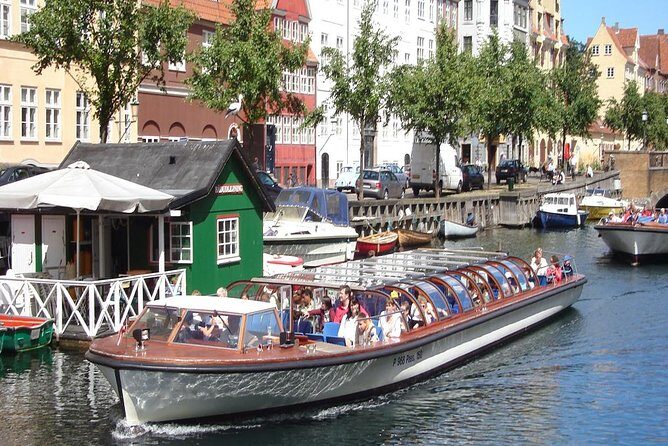
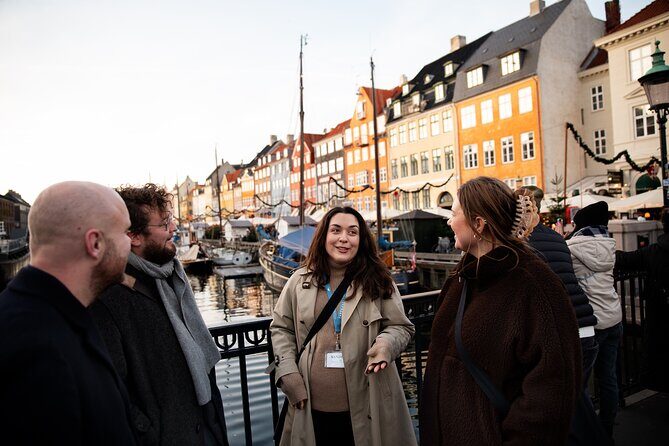
Then you reach Nyhavn. The walk here is about seeing the harbor canal from a special point of view—the kind of angle that makes your friends back home jealous, according to the guide’s playful pitch. You’ll also hear the harbor’s colorful history and why it became the iconic waterfront it is today.
Practical advice: don’t just take the first photo. Use the guide’s positioning to find the angle that shows the buildings and canal depth. Then move on before you get stuck waiting for someone else to catch up.
Kongens Nytorv to Nikolaj Kunsthal: squares, spires, and the city’s older layers
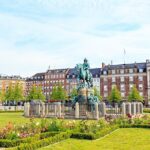
Crossing onward brings you to Copenhagen King’s New Square (Kongens Nytorv). The tour connects what you see with what it used to be, including references to the first shopping mall in Denmark, a historical hotel in Denmark, and the Royal theatre.
This is a “now you see it, now you understand it” stop. A big square can look generic until someone points out what made it important in the past. After that, you’ll start reading the city’s layers instead of just watching it pass by.
Then comes Nikolaj Kunsthal, where you navigate small streets and look up at the spire of one of Copenhagen’s oldest churches. It’s a reminder that even the modern feel of Copenhagen includes deep time—if you’re willing to look upward.
Christiansborg Slot finish: parliament, welfare, and the end of the walk
The final stop is Christiansborg Slot, which today houses the Danish parliament. The guide explains Danish politics and welfare, using the location itself as the reference point. That’s a nice wrap-up because it turns the whole trip from “nice sights” into “how Denmark works.”
Your tour ends at Højbro Plads. This is a good place to continue on your own because it’s central and close to the main pedestrian stretch. If you still have questions after the walk, this ending setup matters—you’re not just dropped at a random landmark.
Price and time: what $50.81 buys you in real-world value
The tour is priced at $50.81 per person and runs about 2 hours 30 minutes (often flexible around 2–2.5 hours). For a short visit, that’s a sweet spot. You cover multiple top attractions without spending your day stuck in transit between far-apart neighborhoods.
One reason the value feels strong: you’re not paying for museum tickets within the route. Each listed stop notes free admission. So you’re basically purchasing local guidance, pacing, and story context for a set route.
It also includes 1-on-1 recommendations for further exploring the city. That’s the part I’d prioritize if you want to turn a first overview into a strong itinerary for the rest of your trip.
It’s also a small-group tour that gets booked ahead (an average of about 49 days in advance). If you’re traveling in peak season or on a popular day, booking early will save you from settling.
What you’ll feel during the walk: fast pace, lots of stops, and guide personality
This tour moves at a brisk pace, with stairs and cobblestones. That doesn’t mean it’s chaotic, but it does mean you should pack smart. Bring shoes you trust for uneven streets and a rain jacket or umbrella. Copenhagen weather can switch fast, and the tour keeps going.
The guide format is built around interaction. You’ll get a native English-speaking guide, and depending on the day, you might hear a very dry, witty style (I’ve seen guides like Kenneth and Oskar highlighted for humor and storytelling). Other guides described for keeping energy up in cold weather include Liva and Peter, and there’s mention of Sandra for an informative, funny approach.
Different personalities, same structure: you’ll cover the highlights, but the guide’s voice is what turns them into a coherent story.
Tips so you get the most from the route
Here are the practical moves I’d make if I wanted maximum payoff from this kind of walking tour.
- Wear closed-toe shoes with solid grip for cobbles and quick turns.
- Bring an umbrella or rain jacket. The tour isn’t built around sitting indoors.
- Show up early at Toldboden, and if you can’t find the group, contact the operator right away (the guide is there 10 minutes before start).
- Ask questions when you want them, especially about how things work in Denmark, not just what you’re seeing.
Finally, treat it as the start of your Copenhagen plan, not the whole plan. After you finish near Højbro Plads, use the guide’s 1-on-1 suggestions to target specific neighborhoods for your remaining time.
Should you book this Copenhagen Highlights walking tour?
I’d book it if you want a structured, small-group way to see Copenhagen’s biggest icons with real context—royalty at Amalienborg, fairy-tale myth at The Little Mermaid, harbor drama at Nyhavn, and a finish at Christiansborg for politics and welfare. The small group size and native English guidance make it feel efficient without feeling like a factory line.
I’d skip it if walking fast over cobblestones with stairs sounds like a chore. Also consider it if you prefer long museum time at indoor sites, since this route is mostly built around exterior stops and short, story-focused pauses.
If your goal is to start strong—get oriented, learn what connects the landmarks, and leave with a smarter plan for the rest of your trip—this is a solid choice.