REVIEW · COPENHAGEN
Copenhagen: Guided Walking Tour in French
Book on GetYourGuide →Operated by Mercure · Bookable on GetYourGuide
Copenhagen makes more sense on foot. This small-group French-speaking guide turns big landmarks into a clear story of how Denmark works, and you’ll walk right into the charm of Nyhavn instead of just staring from afar. I like that the pace feels human—just long enough to connect the dots across civic power, royal life, and modern urban design.
One consideration: the tour is French only, so if your French is rusty, you’ll have to rely more on visuals than explanations.
Key points to know before you go
- French-only, max 14 people: you get a quieter group and more interaction, not a crowded cattle line.
- A tight route of Copenhagen “must-sees”: Tivoli area, City Hall, palace streets, the harbor at Nyhavn, and Kastellet.
- Practical Danish context, not just postcards: the guide’s explanations connect history to how people live day to day.
- Guide skill stands out in French feedback: Hamid is one name repeatedly praised for both historical know-how and friendly delivery.
- Good for families with deals: kids under 13 join free, and teens get a 40% discount.
In This Review
- Start at Axelborg: Easy Meeting Point, Small-Group Feel
- Tivoli to City Hall: Civic Denmark, Not Just Pretty Buildings
- Christiansborg Palace and the Stock Exchange: Where Power Meets Everyday Life
- Church of Holmen and King’s New Square: Urban Details You’d Otherwise Miss
- Nyhavn on Foot: The Harbor Stop That Makes the Whole Tour Click
- The Playhouse, Copenhagen and Amalienborg: Culture Meets Royal Presence
- Gefion Fountain and Kastellet: Small Spots With Big Explanations
- Finishing at Iver Huitfeldt Memorial: Wrap-Up With a Real Sense of Arrival
- Value and Pricing: What $67 Buys You (and Who It Fits Best)
- Booking Tips: Get the Most Out of a French-Only Experience
- Should You Book This French Walking Tour?
- FAQ
- Is the tour conducted in French?
- How long is the Copenhagen guided walking tour in French?
- What is the group size limit?
- Where does the tour start?
- Does the tour include wheelchair access?
- Are there discounts for kids or teens?
Start at Axelborg: Easy Meeting Point, Small-Group Feel
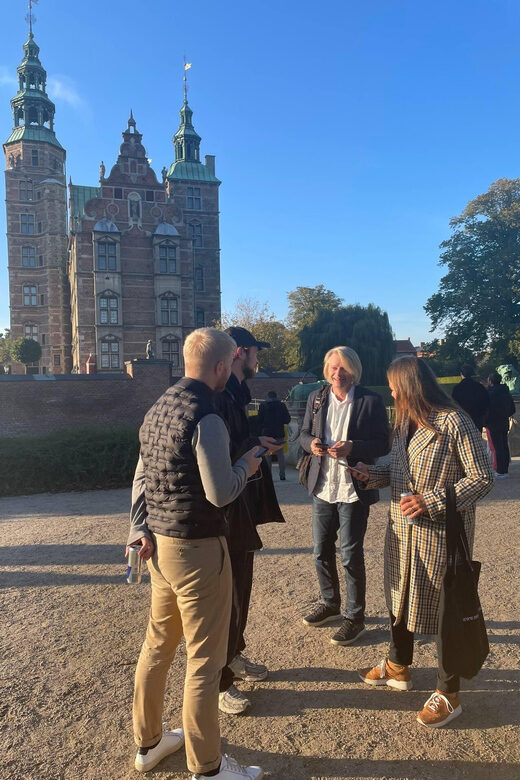
Your tour kicks off near Tivoli Gardens, at the Copenhagen Visitor Service in the Axelborg building. That’s in a super practical spot—across from Tivoli’s main entrance, adjacent to the SAS Radisson Collection Hotel—so you can orient yourself fast even if it’s your first time in the area. The guide will be wearing a distinctive hat or cap, which is helpful when you’re looking around with jet-lag eyes.
One detail to note: the route’s first address can show as Vesterbrogade 4B, but the meeting-point description centers on the Visitor Service. In practice, they’re in the same zone, but I’d treat your confirmation details as the final word on exactly where you stand when the group gathers.
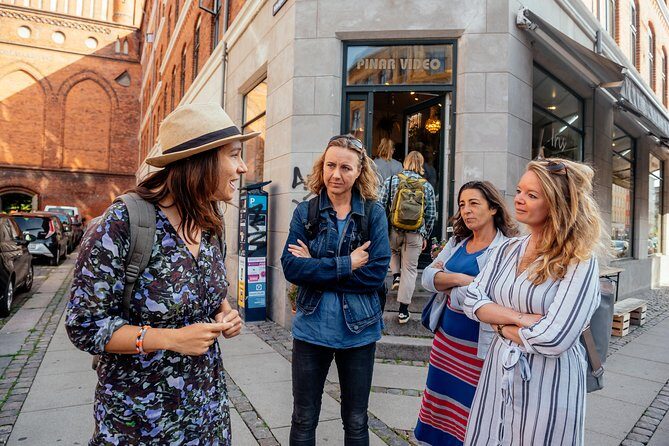
With a maximum of 14 participants, this isn’t a “pass by and keep moving” kind of tour. You’ll hear explanations clearly, and there’s enough space to pause at key corners without turning the sidewalk into a bottleneck.
Tivoli to City Hall: Civic Denmark, Not Just Pretty Buildings
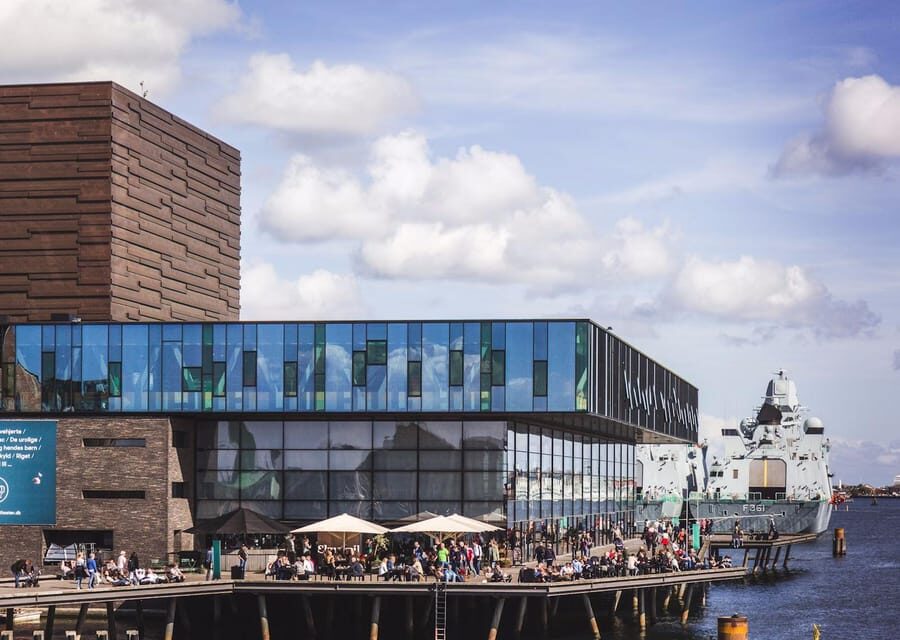
Right away you’ll get a sense of Copenhagen’s rhythm: tourists can cluster around attractions, but the city’s real personality shows up in the civic spaces. You’ll pass Tivoli Gardens and then continue toward Copenhagen City Hall for sightseeing.
What I like about this opener is that it frames the city as a place people organize, not just a place they photograph. City Hall is the kind of building that helps you understand Denmark’s public-minded vibe—how civic life, public services, and city planning fit together. Even if you don’t care about architecture, you’ll still come away with a better mental map of where “government Copenhagen” sits in the city.
Possible drawback: since Tivoli is a major magnet, the area around it can be busy. The tour starts with that in mind, so just keep your group close and your meeting-time on time.
You can also read our reviews of more walking tours in Copenhagen


Christiansborg Palace and the Stock Exchange: Where Power Meets Everyday Life
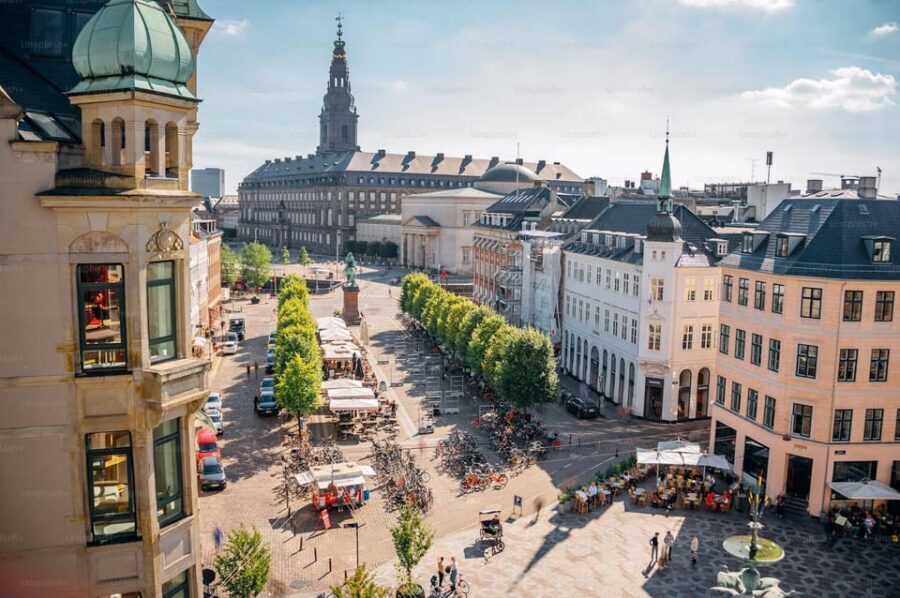
Next up are Christiansborg Palace and the Copenhagen Stock Exchange—two stops that do a lot of work for a 3.5-hour walk. You’ll walk at Christiansborg and then move on to the Stock Exchange for sightseeing.
This is the part of the tour where the guide’s style matters most. The best French-language feedback points to guides—like Hamid—who don’t treat history as a list of dates. Instead, they connect institutions to the way Denmark functions now. That matters because Copenhagen’s landmarks can feel abstract until someone explains the “so what.”
Christiansborg is a strong choice early in the tour because it signals power and continuity in one glance. The Stock Exchange adds the other half of the story: how commerce and finance shape the city’s development. Together, they help you see Copenhagen as both ceremonial and practical.
Church of Holmen and King’s New Square: Urban Details You’d Otherwise Miss
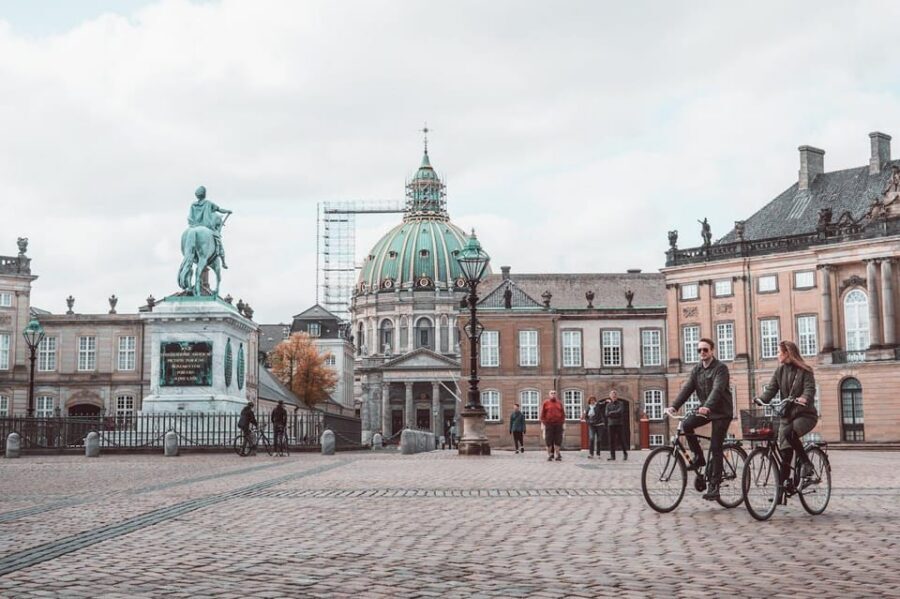
After the palace-and-trade sequence, the walk includes the Church of Holmen for sightseeing and a pass by at King’s New Square.
These stops are shorter, but they’re strategically placed. The Church of Holmen gives you a pause point—somewhere for the guide to talk about how the city’s layers show up in everyday streets. And King’s New Square is more about how the city uses open space and movement. Even without a long stop, it helps you read the city’s layout: where people gather, where the routes naturally flow, and how the streets feel when you’re walking instead of riding.
If you’re the type who likes “big ticket” attractions only, these may feel lighter than the later palace and harbor moments. But for me, that’s exactly what makes them valuable—you learn to notice Copenhagen’s structure.
Nyhavn on Foot: The Harbor Stop That Makes the Whole Tour Click
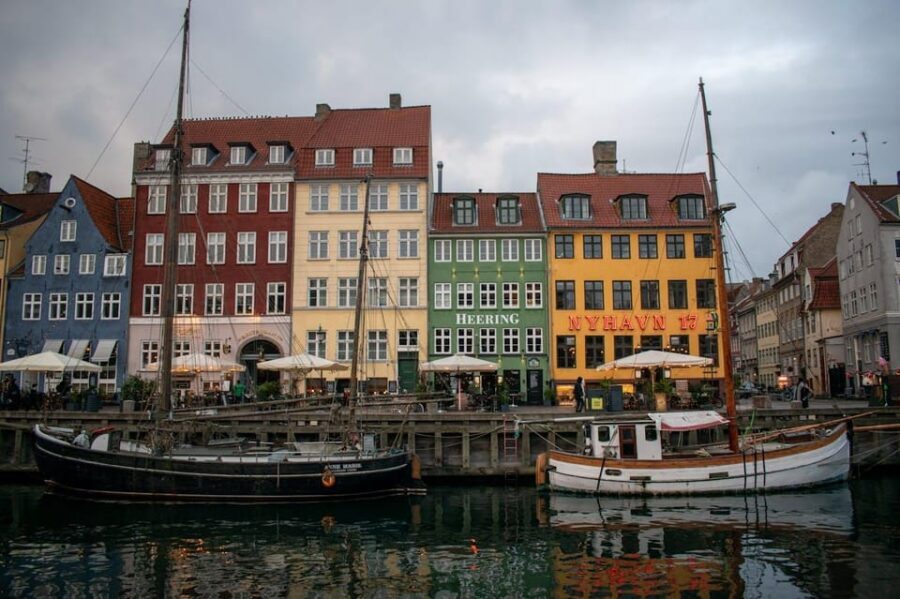
Then you hit the highlight that most people come to Copenhagen for: Nyhavn. Here you walk, not just pass, which is a big difference. It’s long enough for you to slow down, look around, and let the canal-side energy sink in.
This is also where the guide’s explanations start feeling personal. Copenhagen’s famous “way of living” isn’t just a lifestyle slogan—it shows up in how people use public space, how the city supports everyday culture, and how history and modern life share the same streets. Nyhavn is the ideal stage for that kind of storytelling because it’s visually memorable and socially active.
Practical tip: wear shoes with good grip. Harbor-side streets and steps can be a little uneven, and you’ll want your feet to do the talking when you’re hearing French explanations.
The Playhouse, Copenhagen and Amalienborg: Culture Meets Royal Presence
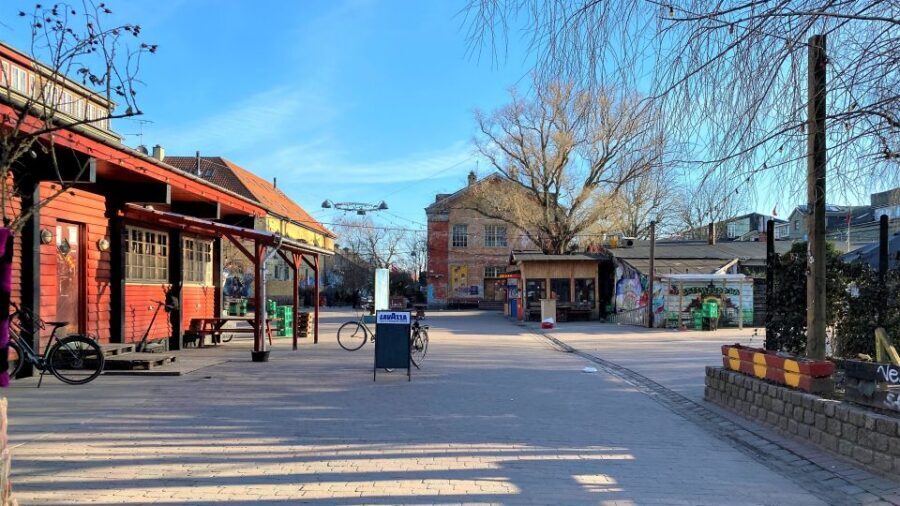
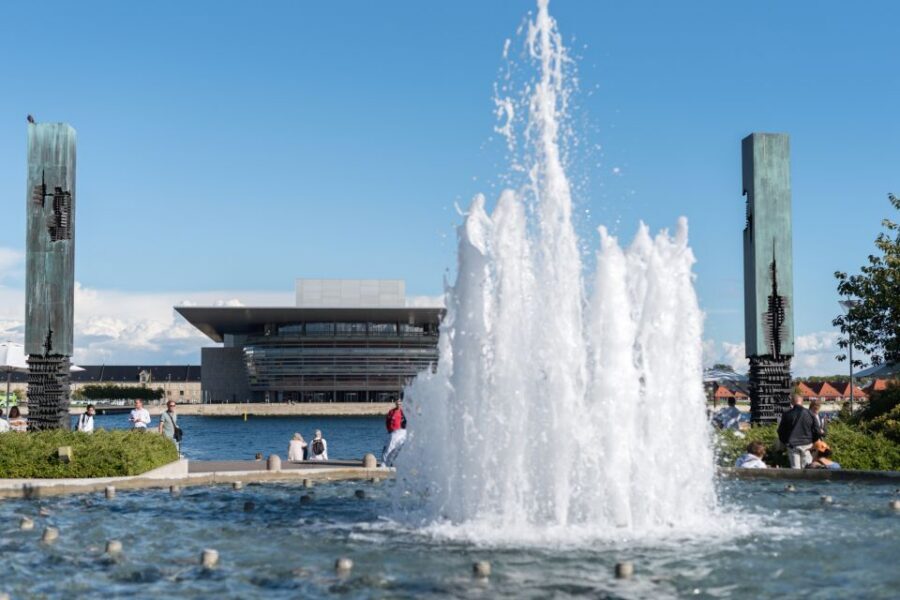
After Nyhavn, the route brings you to The Playhouse, Copenhagen for sightseeing, then Amalienborg Palace for sightseeing.
This section balances two themes. The Playhouse points toward Copenhagen’s cultural life—how the city invests in arts and public experiences. Amalienborg shifts the mood toward royal Copenhagen, giving you that “this matters” feeling that you only get when you’re physically near palaces.
What makes this part work in a walking tour is scale. From the street, you can see the relationship between royal buildings and the surrounding city—how formal spaces sit within a functioning urban layout. And with a small group, it’s easier to stop where the guide wants you to stand for the views and the context.
If you’re traveling with kids or teens, this tends to land well. Palaces and theaters are easy to get excited about even when the explanations are in French, because the visuals carry a lot of the story.
You can also read our reviews of more guided tours in Copenhagen





Gefion Fountain and Kastellet: Small Spots With Big Explanations
Next come Gefion Fountain for sightseeing and Kastellet, Copenhagen for sightseeing.
These are perfect “threading” stops. The tour isn’t just stacking famous buildings; it’s connecting ideas. Gefion Fountain gives the guide a chance to explain how Copenhagen’s culture shows up in public art and civic spaces. Kastellet—seen through a guided lens—helps you understand the city’s relationship to space, planning, and how older structures can shape modern use.
I like the positioning of these stops near the end of the tour. By then, you’ve built a foundation: civic power, commerce, streetscape, harbor life, and culture. Now the guide can tie it together—showing how Copenhagen’s planning choices and social thinking show up in places you’d otherwise treat as quick photo stops.
Finishing at Iver Huitfeldt Memorial: Wrap-Up With a Real Sense of Arrival
Your route finishes at Iver Huitfeldt Memorial. The overall activity notes say it ends back at the meeting point, so double-check your exact confirmation for the final end location. Either way, the tour doesn’t end abruptly in a random empty corner. You’ll finish in a place that feels like a proper landing after a long walk through central Copenhagen.
This final leg is where you should take a minute to reflect on what you learned. A walking tour is great for remembering streets and shapes. But the best ones also leave you with a framework for how the city works—how public space supports daily life, how history shapes modern neighborhoods, and how Copenhagen’s urban planning ideas show up in real places.
Value and Pricing: What $67 Buys You (and Who It Fits Best)
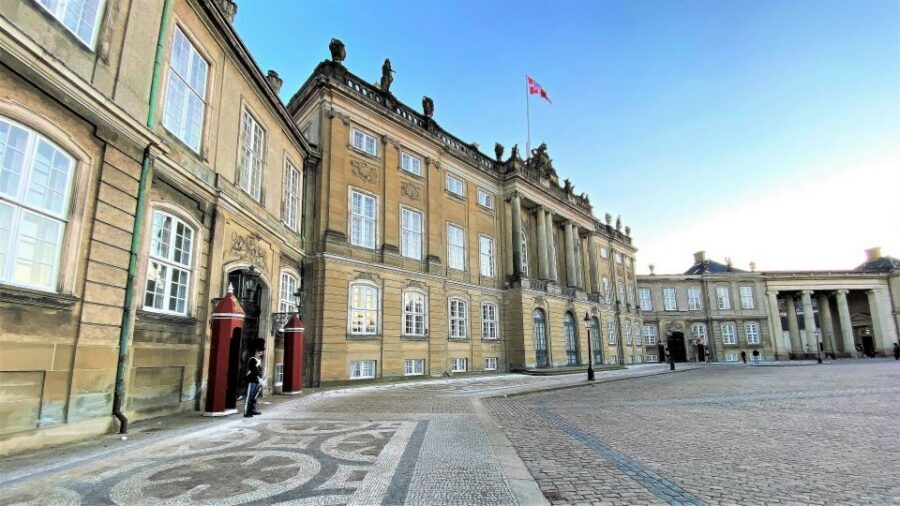
At $67 per person for a 3.5-hour guided walking tour, the value depends on one thing: how much you want context. This price isn’t just paying for someone to walk with you. You’re paying for a fluent French-speaking guide who connects the sights to Denmark’s history, culture, and social approach to city life.
For many visitors, that’s the sweet spot. Copenhagen has plenty of “look-at-this” attractions, but you can easily spend hours seeing things without understanding why they matter. With a small group (up to 14), you also avoid the worst part of big-city tours: hearing the guide through the back of your head while half the group blocks your view.
Discounts make it even more appealing for families:
- Children under 13 join free of charge
- Teenagers get a 40% discount
That’s rare and genuinely useful if you’re trying to manage costs while keeping everyone engaged.
Who this tour is best for:
- You want a guided walk with real explanations in French
- You like a well-paced route that covers multiple neighborhoods
- You’re traveling as a pair or family and you want a calmer group size
- You’re okay walking for a few hours and stopping often for short sightseeing moments
Booking Tips: Get the Most Out of a French-Only Experience
Because the tour is conducted exclusively in French, I’d treat this like a language-support adventure, not a translation service. Bring your curiosity and a basic ability to follow spoken rhythm—even if you don’t catch every word. The guide’s ability to explain clearly matters a lot in that situation, and the French-language feedback strongly emphasizes that kind of delivery.
Also, since the tour includes a series of stops across central Copenhagen, check that the timing matches your day. You’ll typically want to schedule it when you can still enjoy the rest of Copenhagen afterward—because walking tours are excellent at “resetting” your bearings, and then you can explore on your own with better instincts.
If the standard schedule doesn’t fit, the operator says you can contact them to create a new time slot based on guide availability. That can be handy for travelers who want a specific morning or early afternoon window.
Should You Book This French Walking Tour?
Yes, if you want a small-group walk that combines famous Copenhagen stops with explanations about how Denmark works—not just what things look like. The stand-out strength is the guide’s balance of history and daily-life context, with Hamid highlighted in French feedback for being both sharp on content and friendly in delivery.
Skip it or think twice if:
- you don’t speak French and you need an English guide to enjoy the trip
- you prefer very long stays at a few sights rather than short, well-linked city moments
If you’re comfortable handling French as a listening challenge—and you want a route that covers a lot of Copenhagen in a focused 3.5 hours—this is a solid pick.
FAQ
Is the tour conducted in French?
Yes. This walking tour is conducted exclusively in French with a live guide.
How long is the Copenhagen guided walking tour in French?
It lasts about 3.5 hours.
What is the group size limit?
The tour is restricted to a maximum of 14 participants.
Where does the tour start?
The meeting point is at the Copenhagen Visitor Service in the Axelborg building (across from Tivoli Gardens’ main entrance and next to the SAS Radisson Collection Hotel). The starting location can also appear as Vesterbrogade 4B, so check your confirmation for the exact pin.
Does the tour include wheelchair access?
Yes, the activity is listed as wheelchair accessible.
Are there discounts for kids or teens?
Yes. Children under 13 years old can join free of charge, and teenagers receive a 40% discount.