REVIEW · COPENHAGEN
Copenhagen: A guided walk for first-timers in the city
Book on GetYourGuide →Operated by Hamlet Tours · Bookable on GetYourGuide
Copenhagen’s center makes more sense fast. This guided walk is a smart first-timer move, led by an expert who can answer questions on the spot, and it’s built for clarity with headsets so you hear every story. I also like the small group size (capped at 16, usually fewer, with 10 or fewer in practice), which keeps the pace human. One thing to consider: it’s a walking route with quick stops and no inside visits, so if you’re expecting lots of long landmark time, you may have to see more on your own after.
Over about 2 hours (roughly 3 kilometers / 1.8 miles), you’ll trace a clean loop through Copenhagen’s key sights, from the Andersen statue to the finish at Amalienborg. The guide uses those stops to connect past and present—why bicycles dominate here, how Copenhagen mattered across Scandinavia in the Middle Ages, and what makes the modern city work.
If you have low fitness or need wheelchair access, this probably won’t fit your needs, since it’s not set up for wheelchair users and it does involve steady walking. That said, for most first-timers who want bearings, this is excellent value.
In This Review
- Key highlights you’ll feel right away
- Price and time: what $46 buys you (and what it doesn’t)
- The Andersen statue meeting point: easy start, quick momentum
- Small group + headsets: a better way to hear the city
- A guided loop from City Hall to Christiansborg: power, planning, and Denmark’s center
- Biskop Absalon, Børsen, and Holmen Church: where medieval Copenhagen echoes
- Christian IV’s Brewhouse and the Black Diamond: Copenhagen’s old jobs, new styles
- King’s New Square to the Royal Danish Theatre: culture you can feel in one block
- Nyhavn and Amalienborg: the finish that’s worth lingering near
- Who this walk suits best (and who should skip it)
- Potential drawback: don’t expect the longest time at every landmark
- Should you book this Copenhagen guided walk?
Key highlights you’ll feel right away
- Start at the Andersen statue for a simple, easy-to-find kickoff
- Live English guide with time for questions
- Headset audio so you don’t strain or lag behind
- Small group size (normally 10 or fewer; never more than 16)
- 3 kilometers in 2 hours with a relaxed rhythm and short sightseeing stops
- Map included after the walk with suggestions to continue independently
Price and time: what $46 buys you (and what it doesn’t)
At about $46 per person for 2 hours, this walk costs less than a “private guide,” but you still get the big-ticket perks: expert explanations, a tight route that avoids decision fatigue, and the ability to hear clearly using headsets. You’re not just being pointed at buildings—you’re getting the why behind Copenhagen’s look and habits.
What’s not included matters: you don’t enter any sights. So you’re paying for orientation and context, not timed tickets or guided indoor time. If you want museums, churches, or palace interiors, you’ll plan those separately after you’ve figured out what you actually care about.
The route distance—about 3 km (1.8 miles)—is manageable for many people, but it’s still a real walk. Think comfortable shoes, and a pace where you can stop briefly for photos without falling behind.
You can also read our reviews of more walking tours in Copenhagen


The Andersen statue meeting point: easy start, quick momentum
The tour meets at the Statue of Andersen, and that matters more than you’d think. You start with a clear physical anchor in central Copenhagen, so you can focus on the city instead of hunting down the group. Once you’re with the guide, you get immediate momentum—this is not a tour that wastes time with long preambles.
From the first stop, the walk builds a rhythm: short sightseeing moments, then movement to the next place while the guide keeps the story flowing. For first-timers, that rhythm is a win. You don’t just memorize names; you learn how these spots connect into one city story.
Small group + headsets: a better way to hear the city
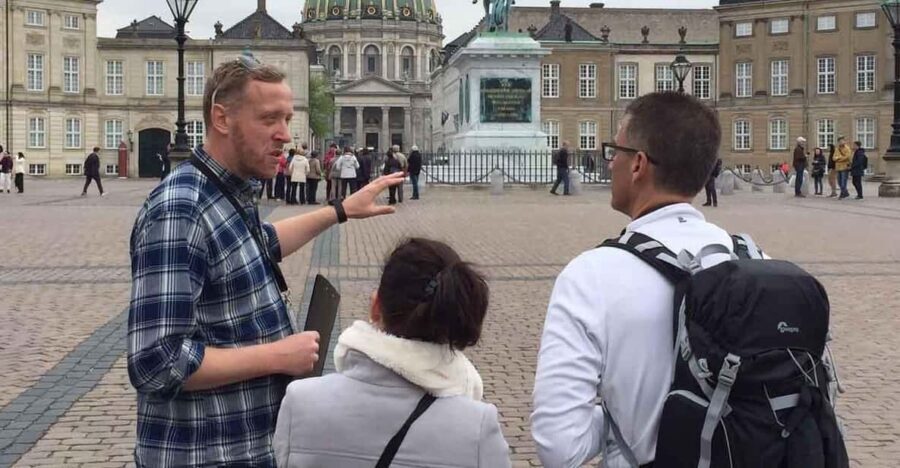
Headsets are the practical hero here. Copenhagen is noisy in the way busy cities are—traffic, people, and the constant motion of daily life. With a headset, you can stay focused on what the guide is saying instead of doing that stressful thing where you sprint after the group every time the guide turns.
The group size also supports the feel of the tour. With no more than 16 people (usually fewer, and limited to 10 in practice), it stays conversational. You’re not fighting for attention, and the guide can actually respond to questions without the “one-size-fits-all script” problem.
In guides you might encounter on this walk, the pattern is consistent: they’re comfortable explaining both history and modern Copenhagen. One guide named Jens is highlighted for being thoughtful and story-driven. Another named Thomas is praised for helping people get bearings while adding real context (and even personal touches). The common thread is that you leave with understanding, not just photos.
A guided loop from City Hall to Christiansborg: power, planning, and Denmark’s center
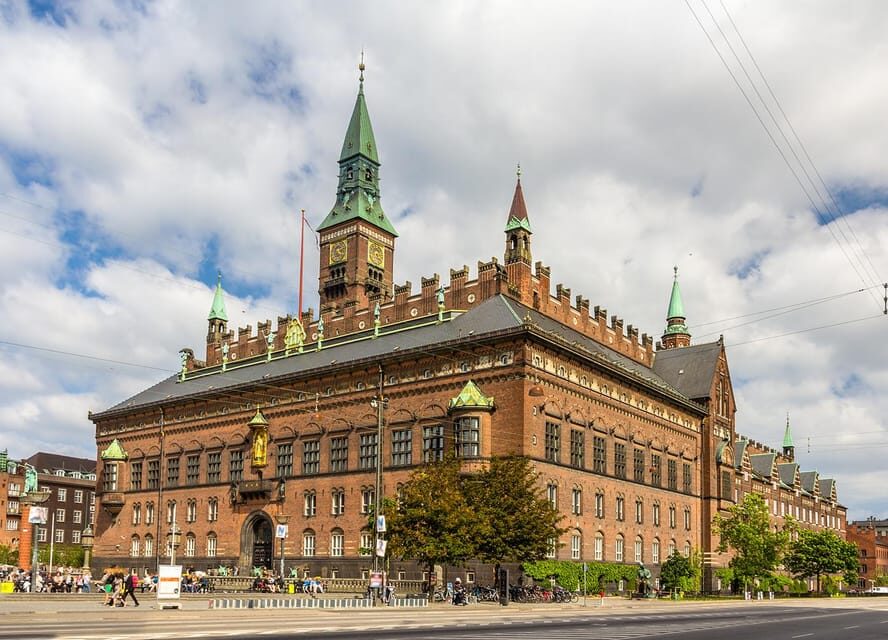
After the Andersen statue, the walk moves to Copenhagen City Hall for a short stop that sets the civic tone. This is where the guide tends to frame what makes Copenhagen tick: how the city organizes itself, how public life feels in the center, and how Copenhagen’s modern identity grew from earlier priorities.
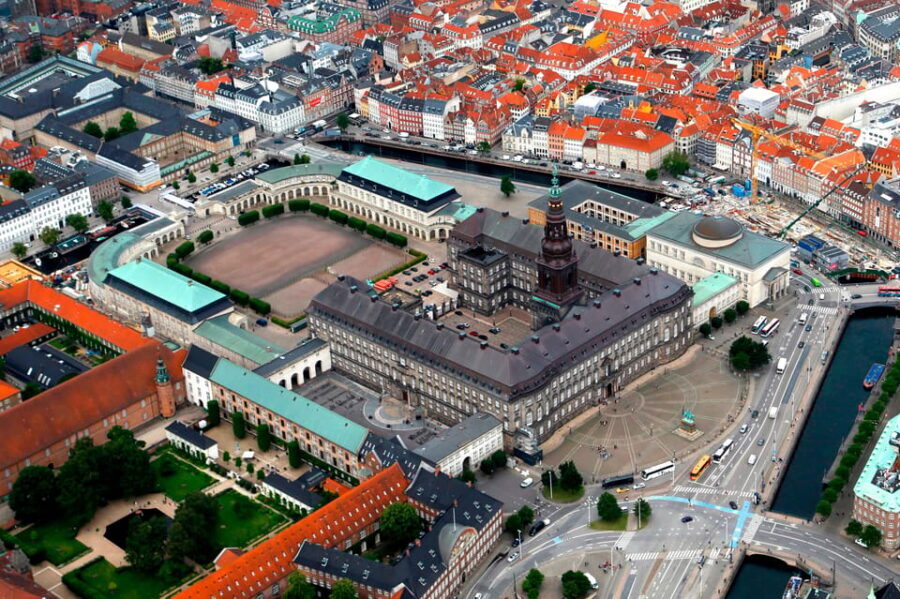
Next comes Christiansborg Palace. You’ll have time to see the outside and hear what the guide wants you to notice—then you’ll get another brief sightseeing segment that reinforces the meaning of the place. Even without going inside, the stop works because the guide ties it back to big themes: Denmark’s long-running connection to governance and how the city’s role has shifted across eras.
If you’re the type who gets lost in dates, don’t worry. This tour is built around interpretation. It’s less about memorizing timelines and more about understanding why certain kinds of buildings and spaces keep showing up where they do.
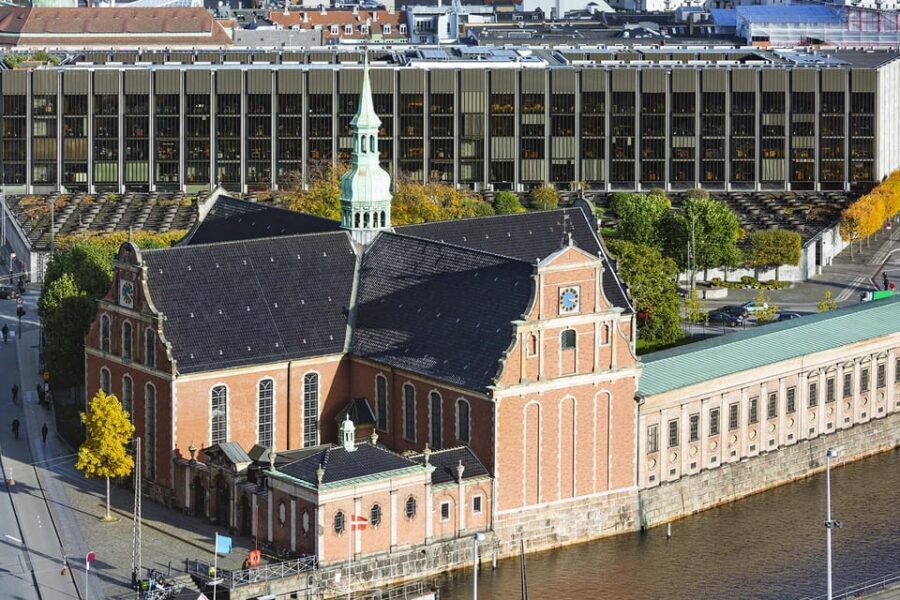
Biskop Absalon, Børsen, and Holmen Church: where medieval Copenhagen echoes
From Christiansborg the walk moves toward Biskop Absalon, then Børsen, then Church of Holmen. These are quick stops, but they’re strategically placed in the route so you’re always moving forward while the guide keeps layering meaning.
This is also where you get some of the most memorable ideas from the guide’s storytelling—like the way Copenhagen was influential across Scandinavia during the Middle Ages. You’ll hear about the city’s position in that older network, and the guide connects it to what you see today.
At Børsen and around the Holmen Church area, the value is in learning how Copenhagen’s center became a working city first—trade, routines, and institutions—then slowly developed into the polished destination you recognize now. No inside visits are needed for this part to land. The guide helps you look at the city as a living system.
One useful tip: when a guide gives you a theme like Middle Ages influence, mentally tag each stop. Even if you only catch a few details, that tag helps you remember the overall story later when you’re walking around on your own.
You can also read our reviews of more guided tours in Copenhagen




Christian IV’s Brewhouse and the Black Diamond: Copenhagen’s old jobs, new styles
Then the route turns to Christian IV’s Brewhouse and the Black Diamond. These stops are short, but they’re perfect for first-timers who want the city’s “then and now” contrast without having to plan a museum day.
Christian IV’s Brewhouse gives you the sense of Copenhagen as a city of production and everyday industries—places where life was built around work. The Black Diamond is where you pivot to the modern face of the city, the kind of signature architecture that makes people take photos and ask, What is that building?
The best part here is how the guide’s broad knowledge makes the contrast feel intentional. You’re not just seeing random landmarks. You’re seeing a transition: from practical old-world functions to the modern Copenhagen that also values culture and design.
Also, since the tour doesn’t go inside any sights, it keeps the pace steady. If you’re prone to getting tired on tours that stall too much, this structure helps.
King’s New Square to the Royal Danish Theatre: culture you can feel in one block
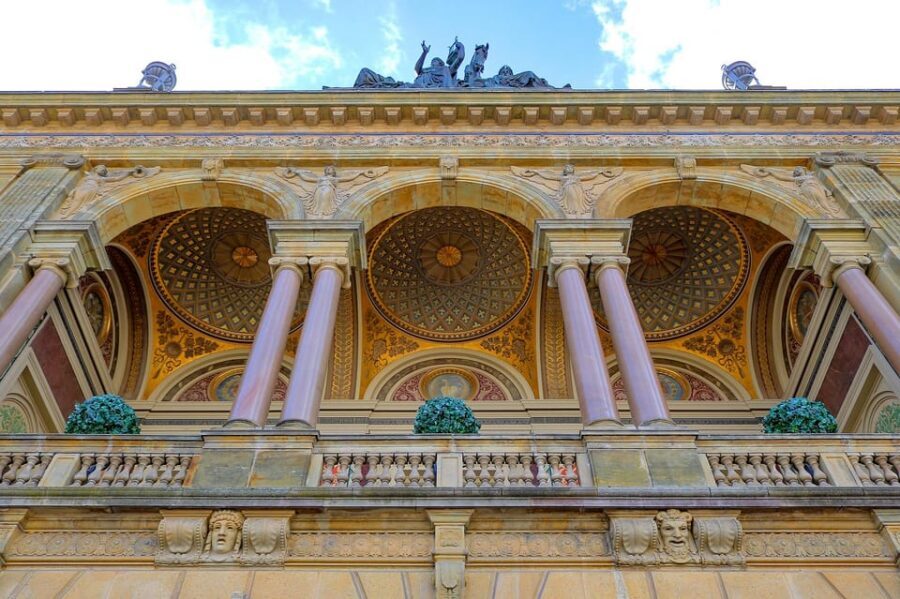
Next up: King’s New Square and the Royal Danish Theatre. This segment is a nice reset. After earlier stops focused on older power and work, this is where you feel the city as performance, public space, and culture.
The guide uses this stretch to help you connect Copenhagen’s layout with how people move through it. It’s a good time to pay attention to sightlines—how a square pulls you along, how a major theater anchor gives the city a sense of purpose even when you’re just walking by.
This part also helps you decide what kind of Copenhagen you’ll chase afterward. If you’re into arts, you’ll naturally start looking for what’s nearby. If you’re more about history, you’ll appreciate seeing how the city keeps layers visible rather than replacing everything.
Nyhavn and Amalienborg: the finish that’s worth lingering near
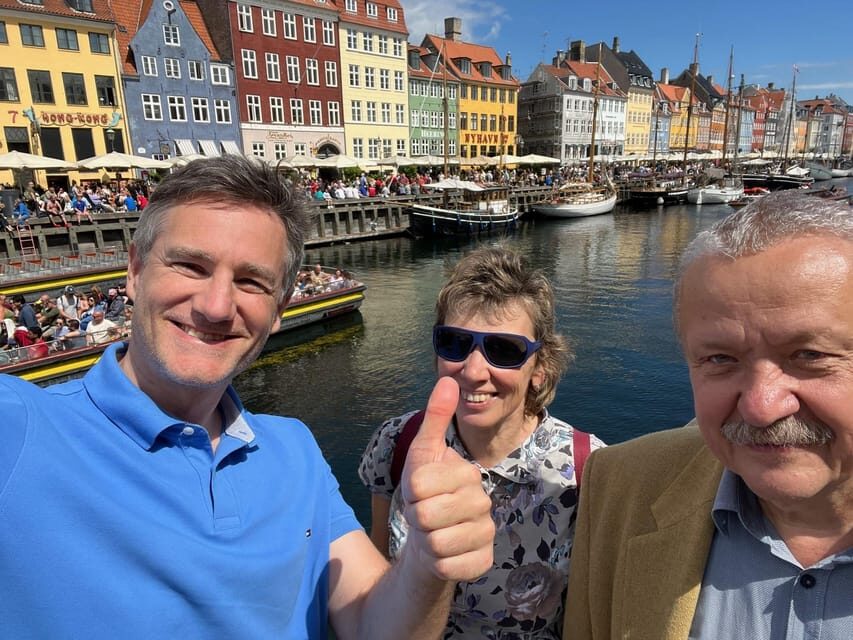
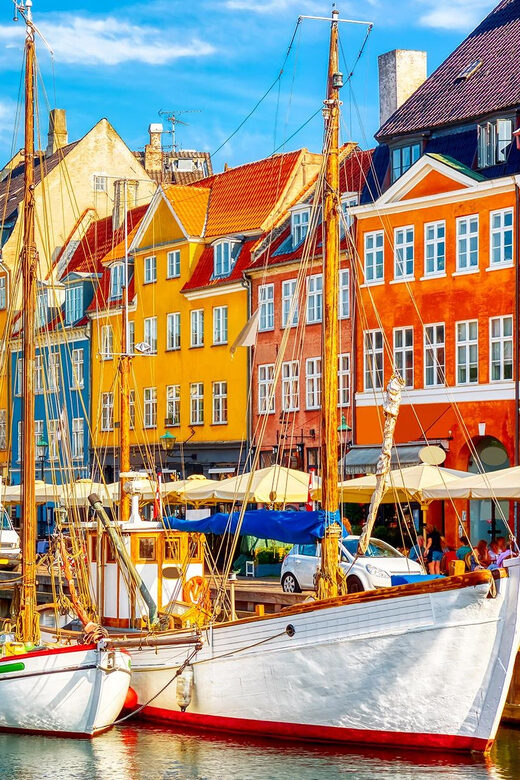
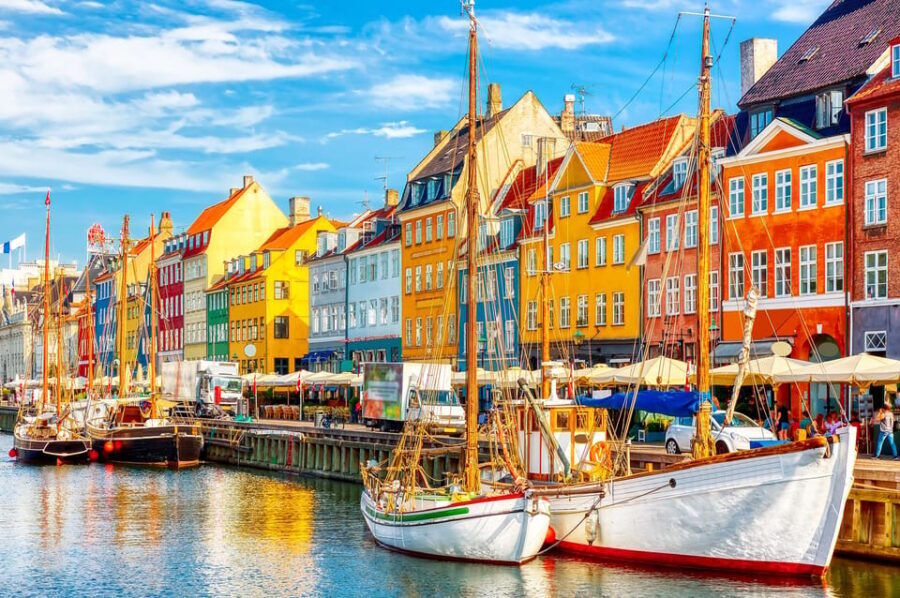
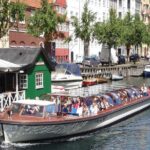
Nyhavn is one of the most recognizable areas in Copenhagen, and the walk includes time walking there—around 10 minutes. This is where you see the city’s waterfront energy in a way that’s easy to understand. Even if you don’t stop for a long meal, you’ll get the vibe: boats, color, and a place that feels built for lingering.
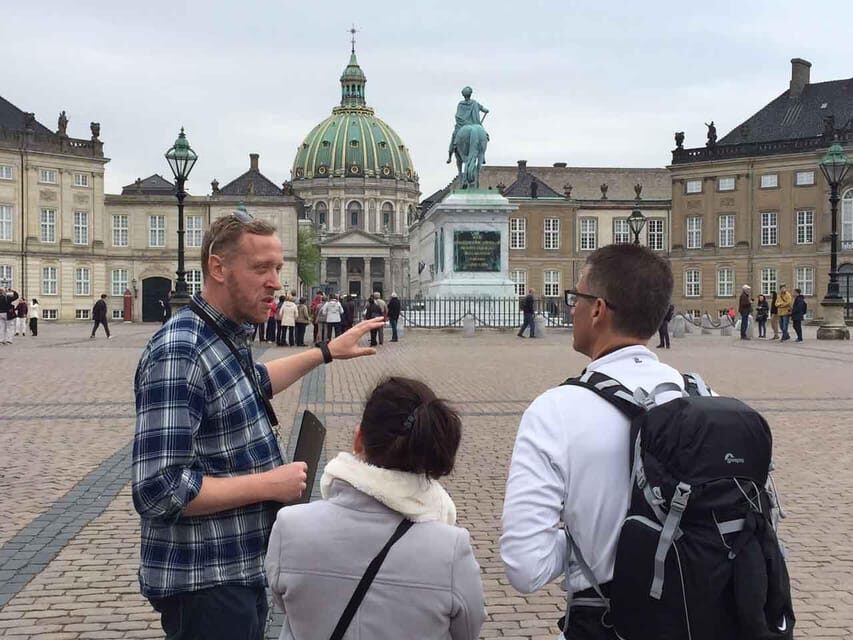
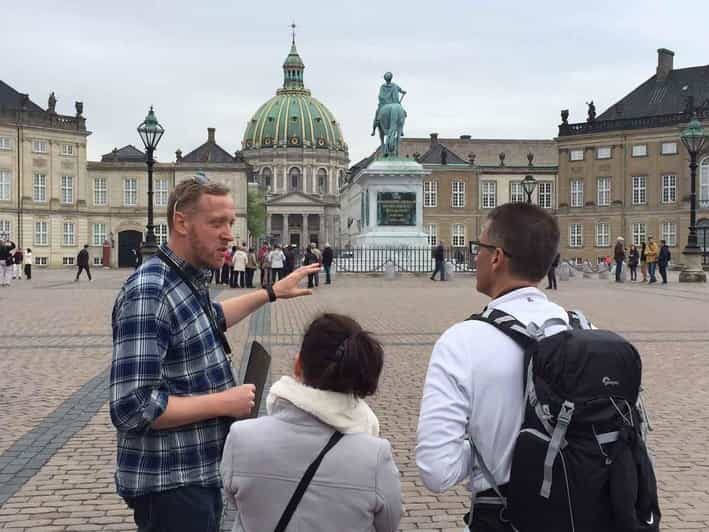
From Nyhavn you continue to Amalienborg Palace, with a longer walk segment (about 15 minutes) and the tour finishing there. This is a smart ending point. You end at a royal anchor that gives your “I’ve seen Copenhagen” feeling the right kind of payoff—something memorable and photogenic without forcing you into a ticketed experience.
After the tour, the guide provides a map and suggests routes to follow if you want to keep exploring. That practical follow-up is a big deal for first-timers. Once you know the main route, you can branch out—maybe return to Nyhavn for a drink, or head back toward an area that grabbed your attention.
Who this walk suits best (and who should skip it)
This is best for first-timers who want quick orientation, clear context, and a guided storyline through the central city without committing to a full day. It’s also great if you like asking questions and getting answers on the spot, since the format supports interaction rather than one-way lecturing.
It may not be ideal if:
- You have low level of fitness, since it’s a walking tour with steady movement
- You need wheelchair accessibility, because it isn’t suitable for wheelchair users
- You want to spend extended time inside attractions (the tour doesn’t enter sights)
If you’re in the middle—okay walking, curious about how the city works—this is a very strong fit.
Potential drawback: don’t expect the longest time at every landmark
One fair caution: the walk is designed with short sightseeing stops, not lengthy landmark time. A few people noted that the route felt more limited on certain landmarks than they expected. The key lesson for you is to treat this as a “framework tour.”
You’ll get the city’s backbone: the main sights, the main themes, and the main orientation. Then you choose your deeper dives afterward.
If you’re hoping to match your tour time to a must-see interior, plan your schedule so the walk helps you decide what to prioritize next. That way, you won’t feel like you missed out—you’ll feel like you made better choices.
Should you book this Copenhagen guided walk?
Yes—if you want a first-timer plan that’s structured, talkative (in a good way), and easy to follow. The combo of headsets, a small group, and an English guide who can explain both Copenhagen’s history and modern city life gives you real value for your time.
Book it if your goal is:
- get bearings fast
- understand why Copenhagen bikes and how its medieval influence shaped the city’s role
- walk a practical central route ending in a satisfying spot near Amalienborg and Nyhavn
Skip it if you need wheelchair access or you want lots of inside time at attractions. In that case, you’ll be happier choosing a different format.
If you’re unsure, this is still a good starting move—because the map and suggested follow-up routes make the tour useful long after the 2 hours are over.