REVIEW · COPENHAGEN
Copenhagen: 2-hour Old Town Private Walking Tour
Book on GetYourGuide →Operated by OURWAY Tours · Bookable on GetYourGuide
Two hours, and Copenhagen’s stories start walking. I like how this private Old Town route hits the major landmarks at a pace that still feels personal, not rushed. I also love the mix of Danish symbols and everyday street life, from Rådhuspladsen to Strøget’s shopping energy.
The main thing to consider is that you’ll spend time on cobblestones, so comfortable shoes matter more than you’d think for a “short” walk.
In This Review
- Key highlights
- A tight 2-hour plan that still feels like Copenhagen
- Where the walk starts in the city center
- Rådhuspladsen and City Hall: symbols you can actually notice
- Nytorv and Gammeltorv squares: where the old city breathes
- Church of Our Lady (Vor Frue Kirke): royal love, right in the center
- A short stop near the University of Copenhagen Botanical Garden
- Rundetaarn (The Round Tower): astronomy in a pedestrian-friendly form
- Gråbrødretorv and the view toward Slotsholmen and Christiansborg
- Strøget and Amagertorv: shopping street, local pace
- The handmade candy tasting: a sweet break that fits the mood
- Guide style matters: what to ask for on a private tour
- Pricing and value: $683 for your private 2-hour Old Town experience
- Who this tour is best for (and who should skip it)
- Should you book this Copenhagen Old Town private walking tour?
- FAQ
- How long is the Copenhagen Old Town private walking tour?
- Where does the tour start?
- Is this a private tour?
- What languages is the guide available in?
- What notable stops will I see?
- Is there walking on cobblestones?
Key highlights
- City Hall symbols: Learn what Copenhagen’s leadership wanted the building to communicate.
- Vor Frue Kirke (Church of Our Lady): A marriage tied to Danish royalty happens right here.
- Handmade candy tasting: A sweet break that turns a history walk into a real sensory stop.
- Rundetaarn (Round Tower): Astronomy in a very walkable, city-center setting.
- Strøget + side alleys: Main pedestrian street, plus the quieter routes that feed the charm.
A tight 2-hour plan that still feels like Copenhagen
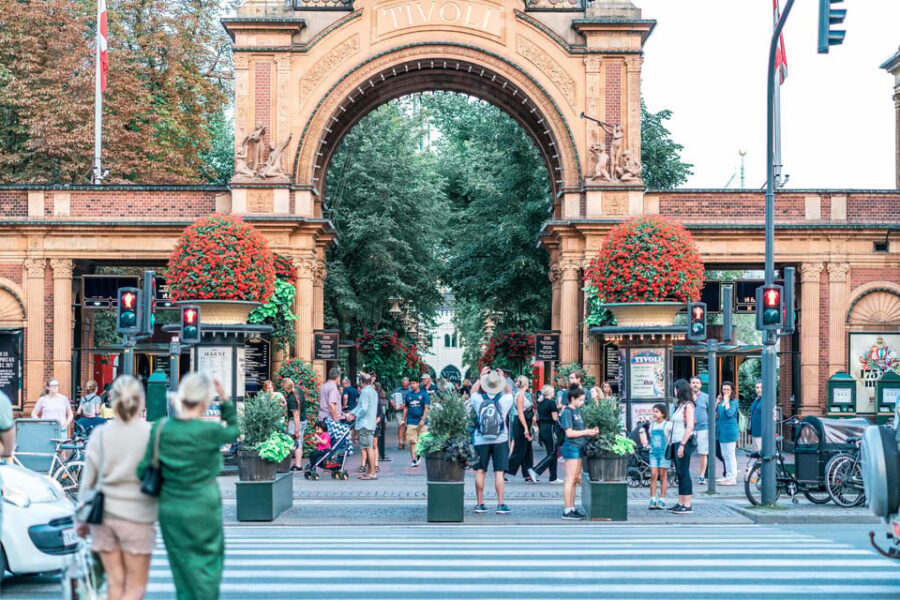
Copenhagen can be surprisingly easy to “see” and surprisingly hard to understand. This Old Town private walk is built for time-strapped days: two hours, guided start-to-finish, and a set of stops that map the city’s identity from power to faith to science to street life.
I like that it stays focused. You’re not bouncing between distant neighborhoods. Instead, you walk the center where the stories repeat in different forms—on façades, in squares, and in the way people move through the pedestrian lanes.
Because it’s private, you can also steer the conversation. If you want more context about Denmark and Copenhagen, you can ask; if you prefer facts you can use while you travel on your own, the guide can lean that way too. Just note one caution: the tour can lean more “what you’re looking at right now” than deep background about the country’s broader timeline.
You can also read our reviews of more walking tours in Copenhagen


Where the walk starts in the city center
You’ll meet outside the Copenhagen Visitor Service at Vesterbrogade 4B, in the City Centre. The guide is on-site about 10 minutes early, holding a sign with the local partner’s name, so you can spot them quickly.
The first practical advantage: this is a central starting area. You don’t have to solve transport puzzles before you even begin your sightseeing. You also get into walking mode fast, which matters on a cobblestone-heavy route.
What to bring is simple: comfortable shoes and weather-appropriate clothing. The walk is only two hours, but Denmark weather can change fast, and cobblestones plus wet streets can turn “easy” into “tiring” if you’re underprepared.
Rådhuspladsen and City Hall: symbols you can actually notice
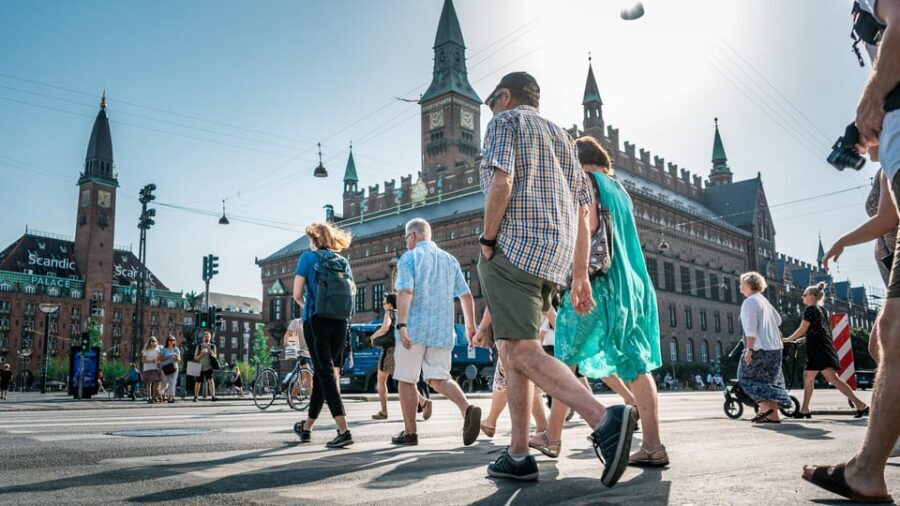
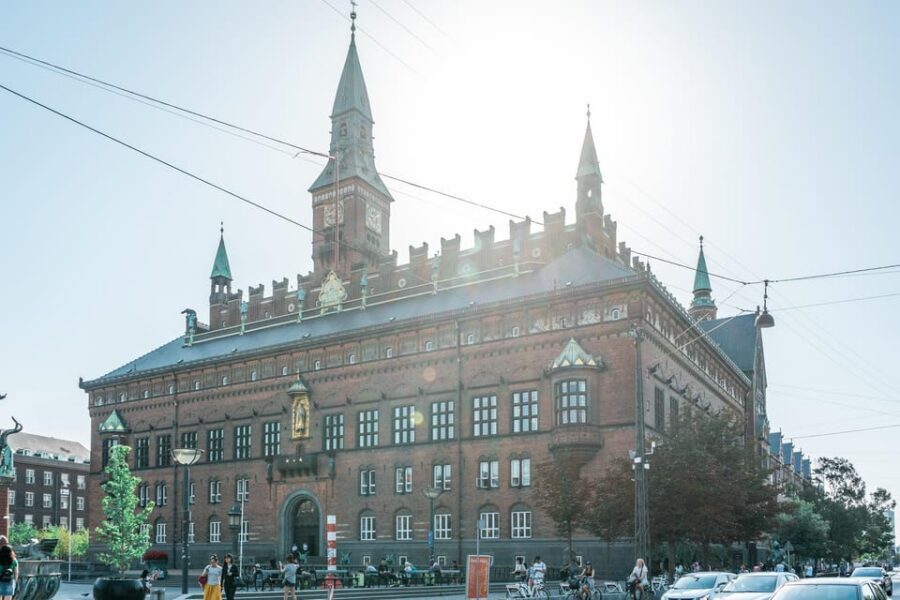
Your walk begins at Rådhuspladsen, the square where Copenhagen City Hall anchors the view. This is one of those landmark stops where it’s easy to think, It’s just an impressive building—until someone explains what to look for.
City Hall is adorned with symbols important to Copenhagen, and that changes the whole experience. Instead of admiring architecture from a distance, you learn how the city communicates its values through design—what matters to the city’s identity and how it wanted to be seen.
This is also where the private format helps. If you’re curious, you can ask what each symbol points to. If you’re more of a “show me the interesting details and keep moving” person, the guide can keep it tight and visual. Either way, you leave with a clearer sense of Copenhagen’s civic personality, not just its skyline.
Nytorv and Gammeltorv squares: where the old city breathes
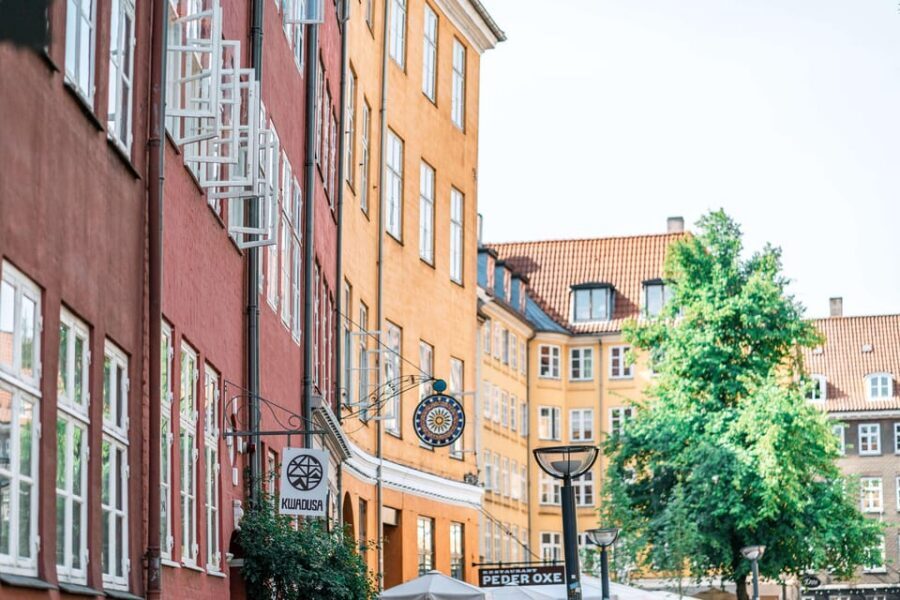
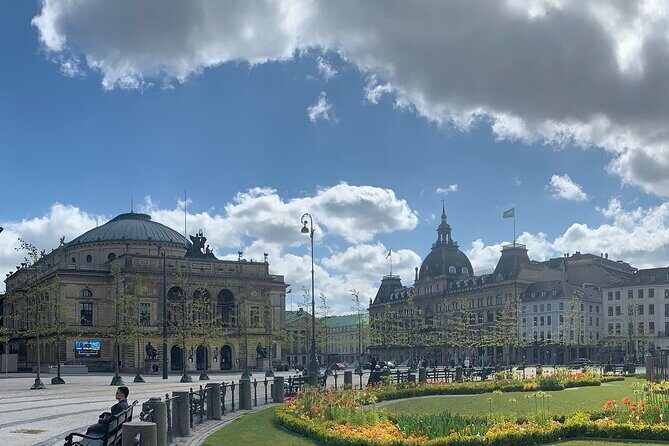
From the City Hall area you move through Nytorv and Gammeltorv. These squares are compact but powerful. They’re the kind of places where you can feel the city’s rhythm: space for gatherings, buildings that show age in their details, and a layout that still makes sense today.
What you gain here is perspective. Copenhagen’s Old Town isn’t one single “attraction.” It’s layers. Squares like these act like connective tissue, linking landmark sights without needing long transfers.
If you’re hoping for a big, dramatic photo from every corner, this section may feel more subtle. But for me, it’s one of the best parts because it sets your bearings. You start seeing how the streets fold into each other and why the center is the way it is.
Church of Our Lady (Vor Frue Kirke): royal love, right in the center
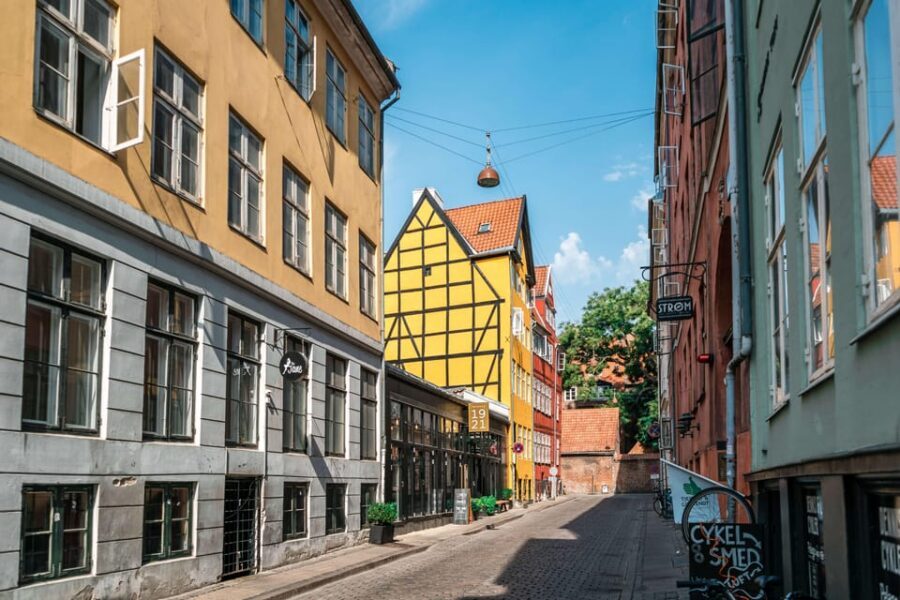
Next comes Church of Our Lady, also called Vor Frue Kirke. This is the church where the Crown Prince and Princess married. That detail matters because it turns a religious building into a story of national symbolism and public memory.
When I’m walking through a church in a city like Copenhagen, I don’t just want to look upward at stone and stained glass. I want to know why this place is special beyond being old. The marriage connection gives you a reason to pay attention to the church’s role in Danish public life.
One good way to enjoy this stop is to slow down for a minute and watch the surroundings. Even from the sidewalk and nearby public areas, you can see how central this church is. It’s not tucked away. It’s part of the city’s daily geography.
You can also read our reviews of more private tours in Copenhagen


A short stop near the University of Copenhagen Botanical Garden
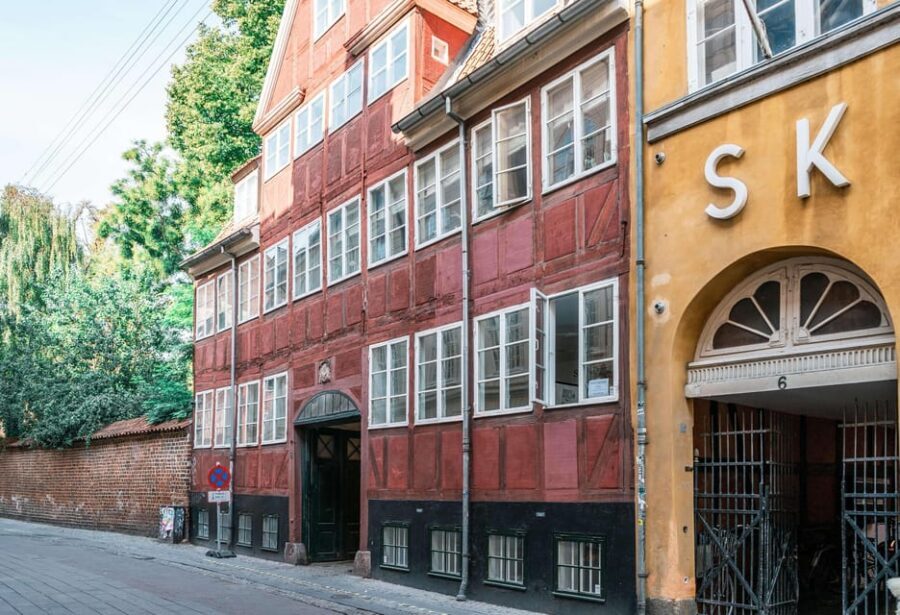
After the church, you’ll pass by the University of Copenhagen Botanical Garden. Even if you don’t go inside (and you may not have time to), the area helps shift the mood from stone and ceremony to a calmer, more grounded Copenhagen feel.
This stop is valuable because it breaks the rhythm. Walking from one landmark to another can flatten the experience if every minute is “look at this.” A botanical setting adds softness—an in-between moment where your eyes can rest and you can reset for the next big sight.
If you’re the type who loves architecture and landmarks, you might wish for a bit more time here. But as part of a tight two-hour route, it works well as a mood change without derailing the schedule.
Rundetaarn (The Round Tower): astronomy in a pedestrian-friendly form
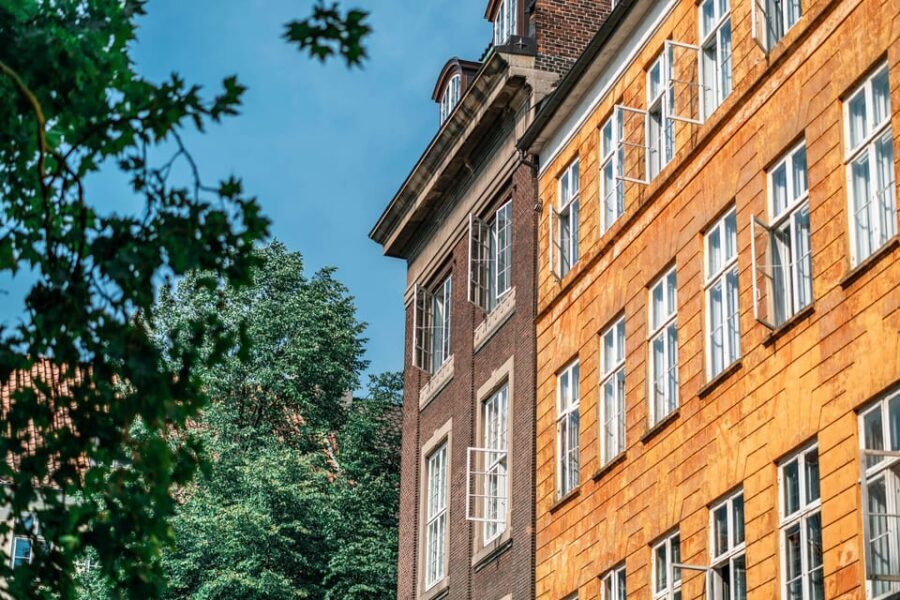
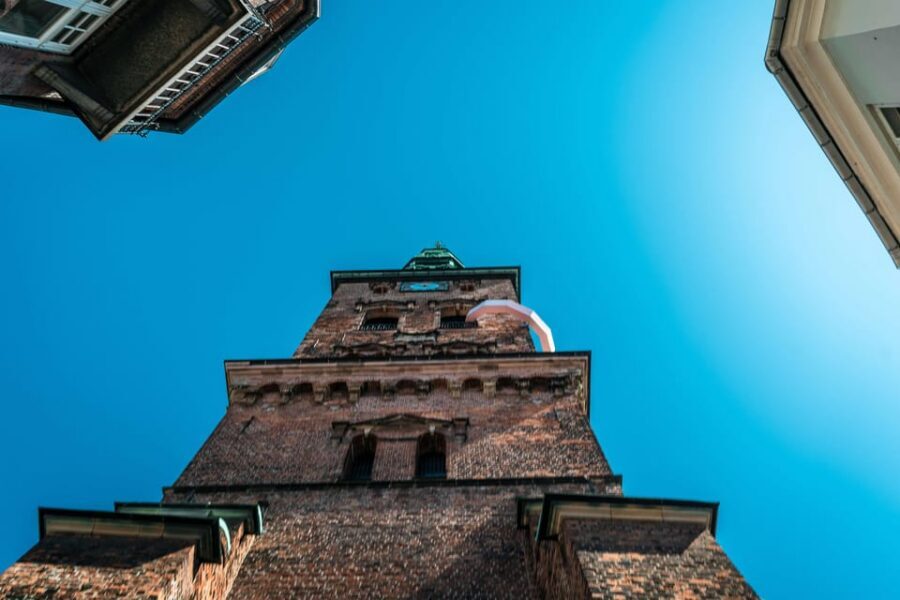
Then you reach Rundetaarn, or the Round Tower. This tower isn’t famous only for its shape; it also features an observatory on top. The idea is striking: a city landmark that connects you directly to astronomy, right where you’re already walking.
This stop is perfect for travelers who like “how things worked” details. The tower gives you a concrete way to think about historical science—how people observed the sky before modern technology, and how that curiosity became part of Copenhagen’s public identity.
Practical note: this is still a walking tour. You’ll likely spend most time taking in views and the general setting. If you want indoor observatory time, make sure you ask your guide what you can expect during your stop, since the tour’s timing may shape how much you experience.
Even without going deep into technical explanations, the Round Tower makes the Old Town feel less like a museum and more like a living city that still has a sense of why it’s here.
Gråbrødretorv and the view toward Slotsholmen and Christiansborg
You’ll spend time at Gråbrødretorv next. This square is a good checkpoint because it lines you up for a view toward Slotsholmen and the nearby Christiansborg Palace area. The palace is described as a hot spot for royalty and politicians, and it’s easy to see why: it’s a focal point for Danish power in the middle of everyday streets.
This is where the tour adds meaning to what you’re seeing. Old Town sightseeing can sometimes feel like a list of pretty buildings. Here, the guide helps you understand the “why” behind the geography—why certain areas became centers for governance and representation.
One drawback to keep in mind: if you’re only chasing the most famous landmark angles, this section might feel a little more conversational than photo-perfect. But it’s also where the tour can help you connect Copenhagen’s landmarks into a story you can remember later.
Strøget and Amagertorv: shopping street, local pace
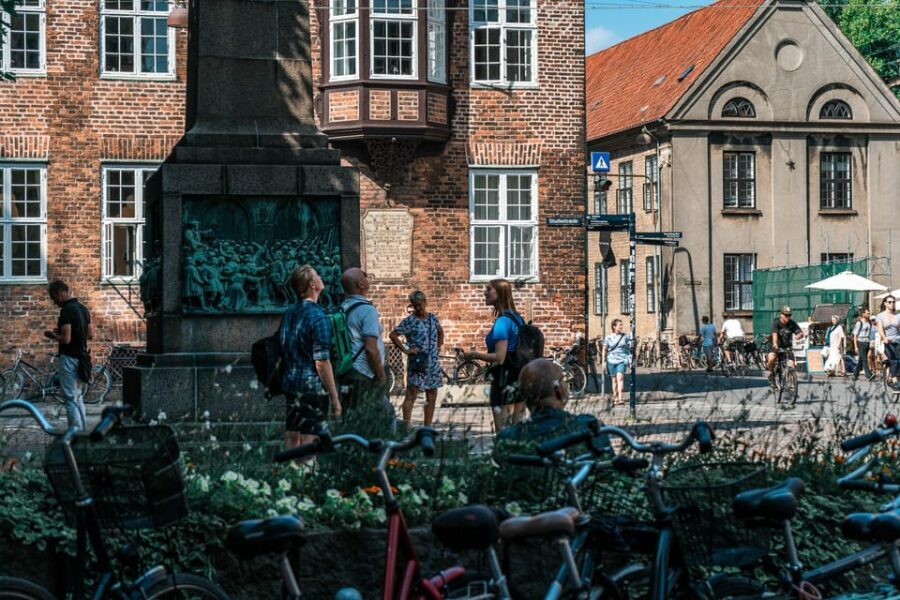
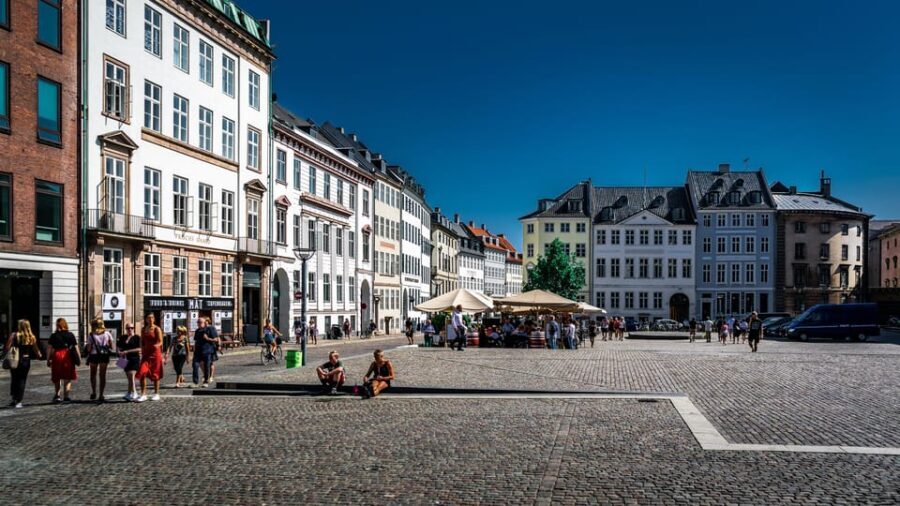
After the palace-area moment, you walk along Strøget, Copenhagen’s main pedestrian shopping street. This is the part of the tour that feels most like “being in Copenhagen” rather than “standing in history.”
Strøget is lively and central. The guide will weave you in and out of secret alleys, which is key for keeping things from turning into one long straight line of storefronts. You get the energy of the main street while still getting those smaller street details that make the Old Town feel human-scale.
Then you move toward Amagertorv, another square that gives you a final sense of place before the walk wraps up. Squares help you orient yourself, and in Copenhagen, that orientation makes everything else easier: museums, canals, and neighborhoods outside the center.
If you’re visiting with limited time, Strøget can also be a confidence boost. Once you know where the street flow is, you’ll find it easier to navigate on your own after the tour.
The handmade candy tasting: a sweet break that fits the mood
One of the highlights is a tasting of handmade candy. I like this stop because it’s not random. It matches what Old Town walking should be: more than photos, more than architecture, a small moment that engages your senses and lets you slow down.
Also, with a two-hour tour, any stop that gives your feet a brief reset helps. A quick tasting turns the walk from a continuous effort into a rhythm: landmark, story, street, sweet break, next landmark.
This is the kind of detail that makes the tour feel memorable, even if you forget some of the finer points about symbols or dates. If you have a sweet tooth, you’ll probably appreciate this more than you expected.
Guide style matters: what to ask for on a private tour
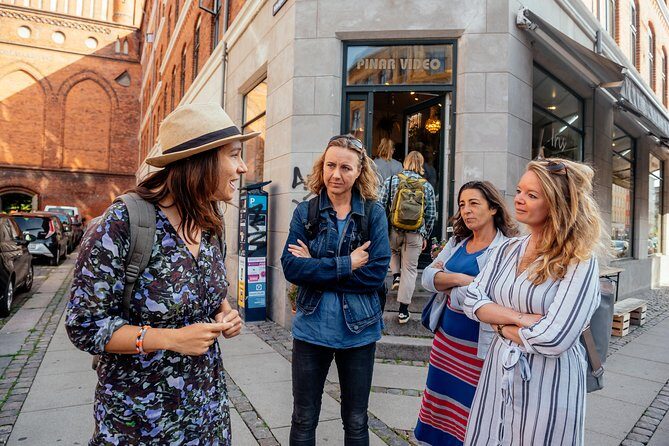
The quality of a private walking tour often comes down to the guide. This one is rated highly, and the emphasis in the guide’s approach seems to be friendliness and humor. That matters because you can relax into the walk instead of feeling like you’re being processed through a schedule.
One bit of honest balance: some people come hoping for more Denmark and Copenhagen context beyond the landmarks. If that’s your goal, bring a couple of question prompts. For example: what changed most over time in Copenhagen’s center, or which everyday city traditions connect to what you’re seeing now?
A good strategy is to ask for two layers:
- one quick “what is it” explanation per stop
- one “why does it matter” connection to the city
That keeps the tour engaging without sacrificing the “walking and looking” focus.
Pricing and value: $683 for your private 2-hour Old Town experience
At $683 per group up to 1, you’re paying a premium for a private guide and a custom-feeling pace. That price can feel steep if you compare it to group tours. But the value isn’t just numbers; it’s control.
Here’s when it makes sense:
- You’re traveling solo and want a guide who can respond to your interests in real time.
- You only have a short window and want the center covered efficiently.
- You care about the details that make landmarks more than postcard backdrops.
If you’re the type who loves history but can also read signs and guidebooks, you might find a self-guided route covers basics for less money. Still, this tour’s strongest advantage is the “right details, in the right order” effect—City Hall symbols, a church tied to royalty, Rundetaarn’s astronomy link, and then the street life of Strøget.
Think of it as buying time and context. For some travelers, that’s worth it.
Who this tour is best for (and who should skip it)
This tour is best for people who want a concentrated walk through Copenhagen’s Old Town core without spending energy mapping routes. If you enjoy architecture, squares, and landmark stories you can remember later, you’ll likely be very happy with the pacing.
It’s also a strong fit if you want a guide who can keep things light and fun while still covering meaningful sights. The handmade candy adds a bonus if you like breaks that feel local rather than purely logistical.
I’d think twice if you expect a long, country-wide historical lecture. This walk is designed around the city center, and the time is finite. You’ll get plenty of “what you’re looking at” context, but you may want to pair it with another activity if you want broader political or cultural history.
Should you book this Copenhagen Old Town private walking tour?
Yes, if you want a guided way to get your bearings fast and still enjoy Copenhagen at walking speed. The mix of City Hall, Vor Frue Kirke, Rundetaarn, Strøget, and that handmade candy tasting is a smart “greatest hits” style route with enough interpretation to feel more meaningful than a simple stroll.
I’d book it when:
- you’re short on time
- you like private, conversational guiding
- you care about symbols and stories behind landmark buildings
Skip it if:
- you prefer only self-paced exploring
- you want a long, deep dive into Denmark’s entire history (this is more focused and center-based)
FAQ
How long is the Copenhagen Old Town private walking tour?
It lasts 2 hours.
Where does the tour start?
The meeting point is outside the Copenhagen Visitor Service at Vesterbrogade 4B in the City Centre.
Is this a private tour?
Yes. It’s listed as a private group.
What languages is the guide available in?
The tour offers live guidance in English, Italian, French, Spanish, Danish, and German.
What notable stops will I see?
You’ll visit places including Copenhagen City Hall (Rådhuspladsen), Church of Our Lady (Vor Frue Kirke), Rundetaarn (The Round Tower), and the pedestrian shopping area Strøget. The walk also includes stops around squares and ends at Stork Fountain.
Is there walking on cobblestones?
Yes. The majority of the tour takes place in areas with cobblestones, so comfortable shoes are important.