REVIEW · COPENHAGEN
Brew and Brunch Mastering the Perfect Espresso with Breakfast
Book on Viator →Operated by Nomad · Bookable on Viator
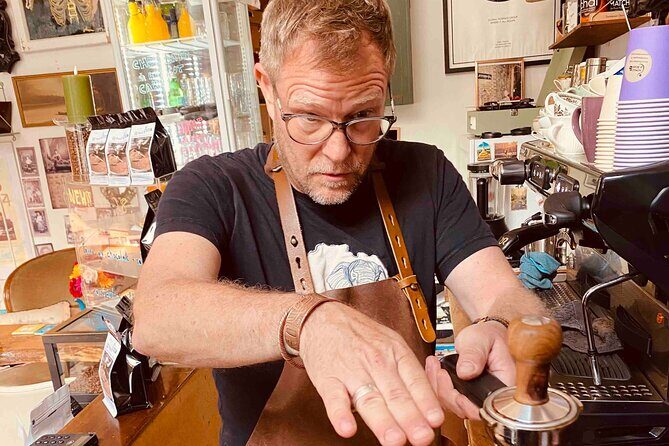
Espresso class in a real neighborhood café. In Copenhagen, this morning session turns you from coffee chatter into shot-making with an SCA-certified host, plus a small breakfast that keeps things friendly and local. It’s held in the owner’s own café in a lived-in area, so you may even share the room with regulars.
I really like the hands-on structure: the class builds step-by-step and ends with you making your own espresso. You’ll also enjoy a practical breakfast pairing—fresh orange juice, a boiled egg, a croissant, and a coffee of your choice—so you’re learning while you’re actually fueled.
One thing to consider: because the class runs during opening hours (the 11:30 a.m. slot), the café can feel like a working café, not a quiet classroom. If you’re hoping for a silent, studio-style experience, this may feel a bit more social and active.
In This Review
- Key Things to Know Before You Go
- Why This Espresso-and-Brunch Class Feels More Like Local Life
- Meet Mark at Holmbladsgade 14: The Café Setup and Group Size
- The 11:30 Workshop Rhythm: From Beans to Your Shot
- Mini-Breakfast Details: What You’ll Eat Before You Pull Shots
- Espresso Step-by-Step: The Process That Turns Copies Into Results
- Commercial vs Home Espresso: Adapting the Steps Without Losing the Point
- Making Your Own Espresso and Getting Real-Time Feedback
- The Value Question: Why $38.99 Can Actually Feel Fair
- Who This Workshop Suits Best (and Who Might Prefer Something Else)
- Practical Tips for a Smooth Copenhagen Morning
- Should You Book This Espresso-and-Brunch Class?
- FAQ
- How long is the espresso and breakfast class?
- Where does the class start and end?
- What’s included in the breakfast?
- Do you make espresso yourself or just watch?
- How large is the group?
- Who hosts the class?
- What languages are the guides available in?
- What time is the class?
- Is a mobile ticket provided?
- What is the cancellation policy?
Key Things to Know Before You Go
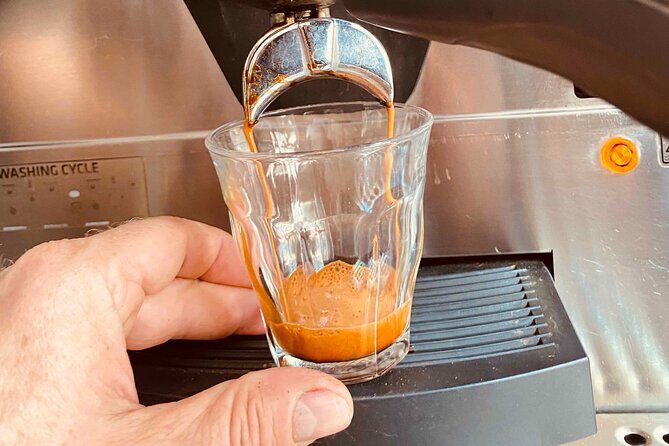
- Pull your own espresso at the end, not just watch
- Max 10 people means you can ask questions and get real answers
- Hosted by Mark, the café owner and SCA-certified roaster/barista
- Breakfast is included: boiled egg (soft or hard), croissant, orange juice, and your coffee choice
- Local café energy since the session happens during open hours
- You’ll learn the steps that work on both commercial and home espresso machines
Why This Espresso-and-Brunch Class Feels More Like Local Life
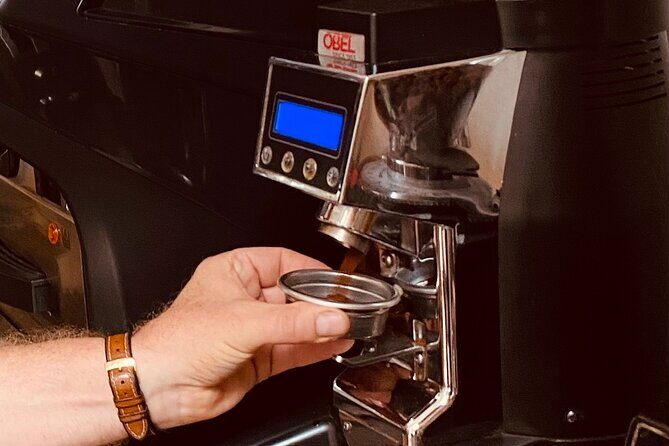
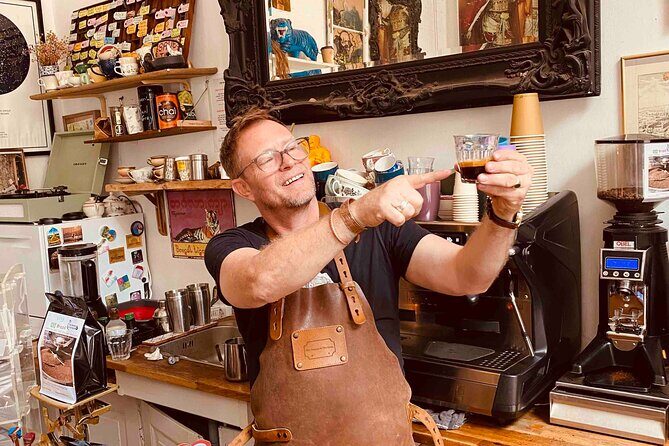
This isn’t an abstract theory class where you leave with a few tips and a vague sense of inspiration. It’s a working neighborhood café experience, anchored by the owner, Mark, who’s both a roaster and a barista certified by the Specialty Coffee Association.
You’ll get the step-by-step mindset behind a great espresso. That’s the part I think most people miss when they only copy recipes. Espresso is about process control—dose, tamp, timing, and flow—and this class is built to help you understand why each step matters.
The bonus is that the whole thing starts with breakfast that actually matches the coffee theme. You’re not rushing from a tourist meal into a lecture. You’re eating, chatting, and learning in the same space where people pop in for their morning caffeine.
You can also read our reviews of more tours and experiences in Copenhagen.


Meet Mark at Holmbladsgade 14: The Café Setup and Group Size
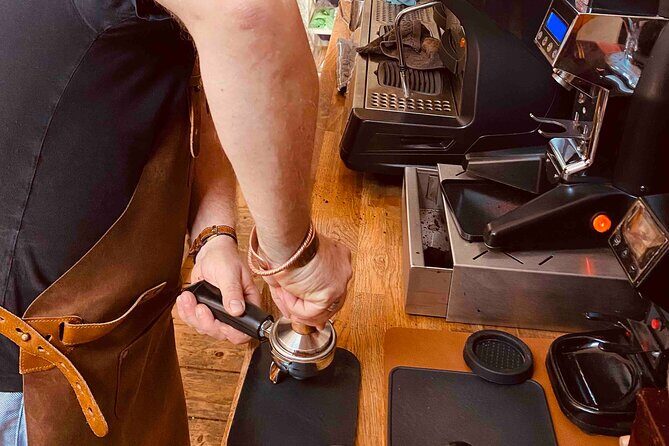
The class meets at Holmbladsgade 14, 2300 København and returns there after it’s done. It’s close to public transportation, which matters in Copenhagen because getting around by foot and bike can be great—but only if you start on time.
The group is kept small, with a maximum of 10 travelers. In practice, that’s a big deal for coffee instruction. You’ll have room to ask questions without having your instructor speak to the entire room like a lecture hall.
Mark hosts from his very local café neighborhood. That means you may interact with regulars while you’re learning, especially at the 11:30 a.m. session while the café is open. If you’re comfortable asking questions out loud and joining the normal morning rhythm, you’ll probably enjoy this more than a staged “tour experience.”
The 11:30 Workshop Rhythm: From Beans to Your Shot
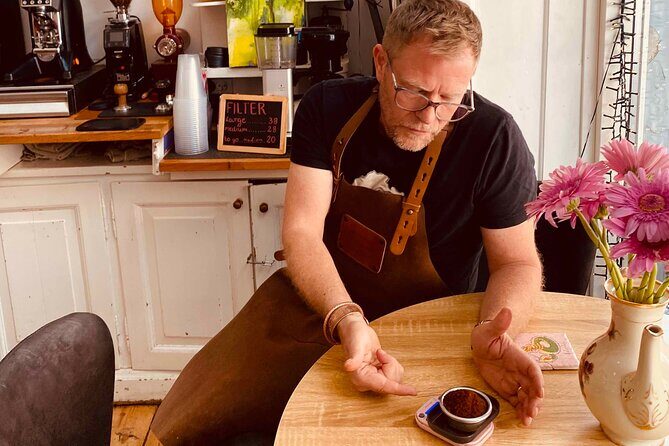
This class runs for about 1 hour 30 minutes, so it’s tight but not rushed. The pace is built around doing the work, not just collecting information.
A helpful way to think of the session is three phases:
- Foundation steps: you learn what makes espresso great and the logic behind each step
- Breakfast and questions: you eat and ask anything you want while Mark answers
- Culmination: you pull your own espresso and see what the steps feel like in real time
The café setting adds an extra layer. Since it’s during opening hours, you’re learning in the same environment where coffee gets ordered and served. That keeps the focus practical, and it can also mean you’ll watch the espresso workflow in action between your own attempts.
Mini-Breakfast Details: What You’ll Eat Before You Pull Shots
Breakfast is included, and it’s not just a token pastry. You’ll get:
- a boiled egg (soft or hard)
- a croissant
- fresh orange juice
- a coffee of your choice
That combination works better than you might expect. Orange juice adds brightness and acidity to cut through the richness of egg and espresso. The croissant brings buttery sweetness and texture, which helps you notice how milk (or crema) flavor shifts depending on your espresso extraction.
Also, breakfast matters for the learning goal. If you’re hungry, your attention slips during the fiddly parts of espresso. Here you get fed right away, which makes the later “okay, now you pull it” moment feel fun instead of stressful.
If you have dietary needs beyond what’s listed, you’ll want to plan accordingly since the data only specifies the included items. Still, the overall setup is casual, and Mark is welcoming to questions.
Espresso Step-by-Step: The Process That Turns Copies Into Results
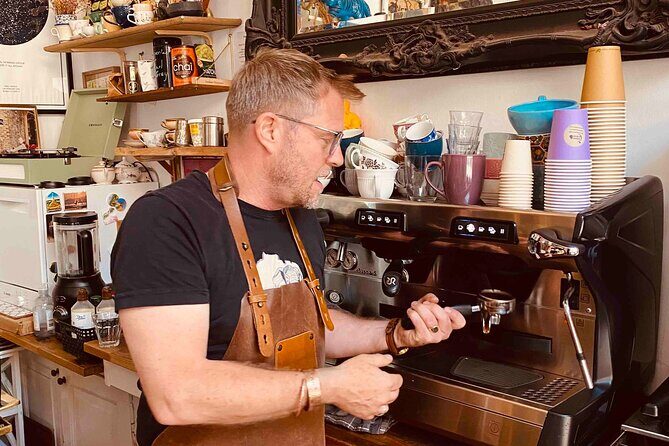
The core promise of this class is that you’ll leave with a clear picture of how important it is to follow clearly outlined steps to make a GREAT espresso.
So what does that mean in real terms? You’ll learn the sequence behind the shot—from preparation decisions to the extraction moment—so you can reproduce results instead of guessing.
Here’s what I’d expect you to walk away with, based on how the class is structured:
- A checklist mindset: each step affects the next, so you don’t skip steps and hope
- A practical understanding of timing: espresso isn’t only “what you use,” it’s also “how long it takes to happen”
- A sense of cause and effect: if something tastes off, you know where in the process to look first
This is especially valuable in Copenhagen, where you can find good espresso in many places. The class doesn’t just teach you where to buy great coffee. It teaches you how to make it, which is more useful if you travel with curiosity or own any home espresso gear.
Mark’s background as an experienced roaster and SCA-certified barista also helps. A roaster’s perspective tends to connect extraction to bean characteristics and roast development, which makes the advice feel grounded rather than generic.


Commercial vs Home Espresso: Adapting the Steps Without Losing the Point
One of the best parts of this kind of workshop is that it connects espresso technique across machines. The class specifically focuses on following steps whether you’re using a commercial machine or a home espresso machine.
You don’t need to own the fanciest setup to learn the underlying logic. Home machines vary a lot, but the fundamentals still apply: input quality, consistency, and method discipline.
What you’re trying to learn here is the relationship between steps and outcomes. Once you grasp that, you can adapt the details to your machine. That’s how you avoid frustration like “my espresso tastes different at home.” You’ll know how to systematically troubleshoot instead of randomly adjusting everything at once.
Making Your Own Espresso and Getting Real-Time Feedback
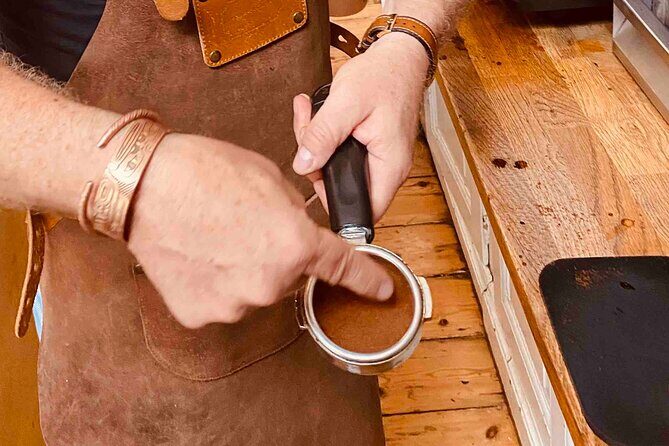
The workshop culminates with each participant making their own espresso. That final phase is where the whole class clicks.
Even if you’ve made espresso before, doing it in front of an instructor who’s focused on the steps can fix small habits quickly. And if you’re a total beginner, this is still a good setup because the class is casual and question-friendly.
A real café moment adds to the pressure in a good way. Since this happens during opening hours, you might even end up making your espresso for a customer. That’s not something you should count on, but it’s exactly the kind of practical, local realism that makes the experience feel less like a performance.
The point is feedback. You’re learning in a place where espresso standards matter, so you’ll likely leave with clearer instincts about what to aim for.
The Value Question: Why $38.99 Can Actually Feel Fair
At $38.99 per person, this is positioned as a focused workshop with included breakfast and hands-on training. In Copenhagen, that price can make you pause—especially if you’re used to “just one drink” coffee tastings.
Here’s why it still looks like good value:
- You’re not only learning; you’re making espresso yourself
- You get breakfast included, which reduces the cost of a normal morning meal
- The instructor is the owner, and he’s SCA-certified as both a barista and roaster
- The group size stays small (max 10), so your time isn’t diluted
It’s also booked ahead on average (around 27 days). That suggests demand, but it also means seats can go fast when people want coffee-focused mornings.
If you’re a coffee lover, or if you want to improve espresso results at home, this is the kind of spend that pays off beyond one souvenir photo.
Who This Workshop Suits Best (and Who Might Prefer Something Else)
This class is a strong fit if you want:
- a hands-on espresso lesson rather than a passive tasting
- a local café experience in a real neighborhood
- a morning routine that includes breakfast without a separate detour
- lots of chances to ask questions in English (and other languages are offered too)
It may feel less ideal if you prefer a quiet, tightly controlled classroom setting. The café is operating, regulars are around, and the vibe is casual. It’s part of the charm, but not everyone wants that.
If you’re traveling with family or friends, keep in mind the structure is built for small group coffee instruction. The experience can be fun for non-experts who are patient, but it’s best when everyone is ready to participate.
Practical Tips for a Smooth Copenhagen Morning
Here are the small things that help you get the most out of a short 1.5-hour workshop:
- Arrive a few minutes early so you’re settled before the shot-making part starts
- Come ready with questions. Mark is welcoming, and the class is designed for Q&A
- Don’t overthink what to order during breakfast. Your coffee comes with the meal, and it’s part of the learning set
- If you care about espresso at home, think about your machine and your usual workflow now, not later
Also, Copenhagen mornings can be changeable. The activity depends on good weather, so if conditions are poor, you may be offered another date or a full refund. Keep an eye on that if you’re scheduling around other plans.
Should You Book This Espresso-and-Brunch Class?
If you’re the type of traveler who wants a skill you can use after the trip, I’d book it. This workshop gives you the step-by-step approach behind great espresso and then makes sure you practice it yourself—plus you get breakfast in the bargain.
It’s also a good choice if you value real local atmosphere over tourist staging. Learning at Holmbladsgade 14 with Mark and the café’s regulars turns it into a morning you’ll remember for the right reasons: food, coffee, and actual technique.
If you want a calm, silent workshop with zero café noise, you might feel slightly out of place. But if you’re open to a lively neighborhood pace, this is a smart, friendly way to spend your Copenhagen morning.
FAQ
How long is the espresso and breakfast class?
It lasts about 1 hour 30 minutes.
Where does the class start and end?
It starts at Holmbladsgade 14, 2300 København, Denmark, and ends back at the same meeting point.
What’s included in the breakfast?
You’ll get a boiled egg (soft or hard), a croissant, fresh orange juice, and a coffee of your choice.
Do you make espresso yourself or just watch?
You culminate the class by making your own espresso.
How large is the group?
The class has a maximum of 10 travelers.
Who hosts the class?
The class is hosted by the owner of the small café, Mark, who is an experienced roaster and barista certified by the Specialty Coffee Association (SCA).
What languages are the guides available in?
The guide is available in English, Portuguese, German, and French.
What time is the class?
The listing mentions the 11:30 a.m. class, which runs during the café’s opening hours.
Is a mobile ticket provided?
Yes, the activity uses a mobile ticket.
What is the cancellation policy?
Cancellation is free up to 24 hours in advance for a full refund. If you cancel less than 24 hours before the start time, the amount paid isn’t refunded.