REVIEW · COPENHAGEN
Best of Copenhagen Biking Tour-3 Hours, Small Group max 10 people
Book on Viator →Operated by Amitylux · Bookable on Viator
Copenhagen on two wheels is a smart way to save time. This 3-hour small-group ride connects the big icons and lesser-seen spots, using Copenhagen’s famous bike lanes so you’re not stuck figuring out buses or trams. You get an English-speaking local guide, bike rental included, and a tight route that helps you cover more ground than a walking tour.
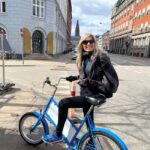
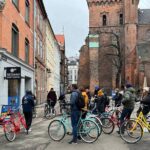
What I like most is the small group size (max 10), which makes it easier to ask questions and stay together in traffic. The second standout is how the stops balance royal, royal-adjacent, and everyday Copenhagen—Rosenborg, Kastellet, Rundetårn, Nyhavn, Amalienborg, Christiansborg, Tivoli, and City Hall in one loop.
One consideration: each listed stop is short (about 10 minutes each), so you’ll get great orientation and photo time, but not long museum-style visits. If you want a slow, deep stop at one place, plan a return visit the same week.
In This Review
- Key highlights you’ll actually feel in the ride
- Copenhagen’s bike lanes turn a short tour into real city time
- What the small group and English-speaking guide gives you
- The route logic: from Rosenborg’s grounds to Tivoli’s lights
- Stop 1: Rosenborg Castle area and the bike-lane welcome
- Stop 2: Kastellet and Kapellet i Horsholm’s star-shaped fortress feel
- Stop 3: Rundetårn (The Round Tower) and the ramp-to-view moment
- Stop 4: The Little Mermaid and why the 10 minutes are enough
- Stop 5: Amalienborg Palace—royal Copenhagen in one centered hit
- Stop 6: Gefion Fountain in Churchill Park—myth made walkable
- Stop 7: Nyhavn—colorful canal life and easy waterfront drifting
- Stop 8: Christiansborg Palace—where democracy and power show up
- Stop 9: Tivoli Gardens—lifestyle fun right in the center
- Stop 10: Copenhagen City Hall—Scandinavian civic pride up close
- Stop 11: Copenhagen Opera House—modern design on the waterfront
- Price and value: what $63.01 buys you in real time
- Helmet rule in Denmark: what to expect and how to handle it
- Should you book this Copenhagen bike tour?
- FAQ
- How long is the Best of Copenhagen Biking Tour?
- What is the maximum group size?
- Is the tour conducted in English?
- What is included in the price?
- Do you need to pay admission at the stops?
- Do I need a helmet in Denmark?
- Where does the tour start and end?
- Is the tour suitable for most people?
- Can I cancel for a full refund?
Key highlights you’ll actually feel in the ride
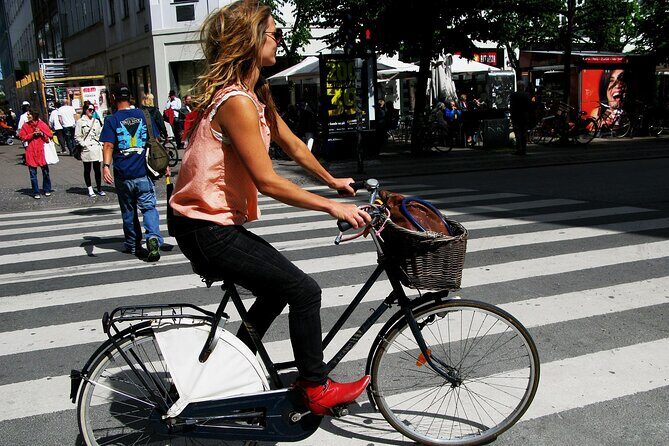
- Bike-lane routing that helps you move like a local, with guidance on Copenhagen biking rules
- Max 10 people for a more personal pace and safer-feeling group control
- Frequent landmark stops (about 10 minutes each) that build a mental map fast
- A guide’s flexibility: routes can be tailored to what you want to see, as praised in guide reviews like Alex, Diane, Josiah, and Diana
- Icon-to-hidden-corner variety, from the Little Mermaid to fortifications like Kastellet
Copenhagen’s bike lanes turn a short tour into real city time
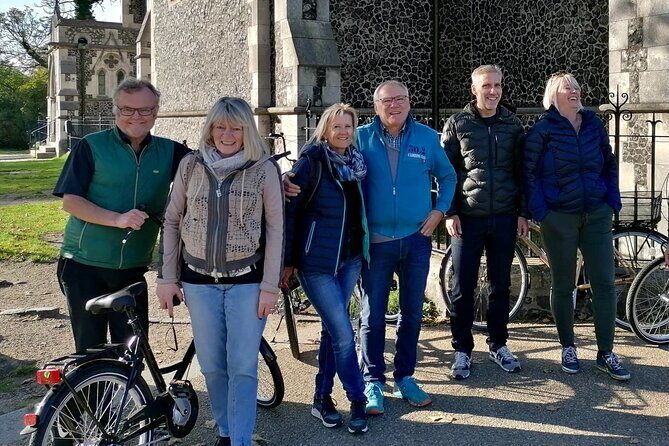
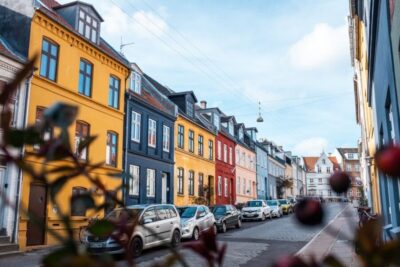
If your days in Copenhagen feel packed, a bike tour is one of the least stressful ways to see it all. You’re not negotiating crossings on foot for every transfer, and you’re not stuck waiting for public transport. Instead, the tour is built around the way Copenhagen works for cyclists: dedicated lanes, predictable routes, and a city layout that supports moving step-by-step through neighborhoods.
This matters because 3 hours is not long. The route is designed to keep you moving while still making stops at the places most visitors want, plus spots that add texture. You’ll leave with a stronger sense of where things are—especially around the central waterfront, the royal areas, and the institutional heart of Denmark.
The other big win is the guide element. Reviews praised guides such as Alex and Diane for making cycling feel safe and for being easy to communicate with. That’s not a small thing. Copenhagen can feel bike-first even to first-timers, so having rules explained at the start helps you relax and focus on the sights.
You can also read our reviews of more cycling tours in Copenhagen
What the small group and English-speaking guide gives you
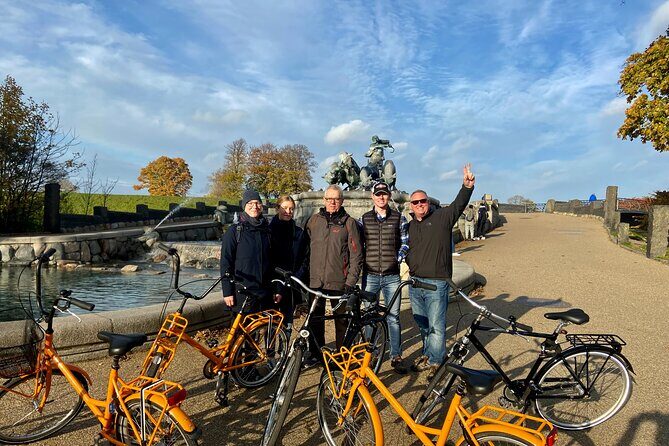
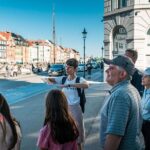
Max 10 people means you’re not trapped in a big crowd. You’re more likely to keep your bearings, hear what the guide is saying, and get quick answers when something sparks your curiosity. In reviews, the tour was sometimes so small that it turned into a personal guided experience, and that’s exactly how you’ll get the most value out of a short route.
You also get an English speaking local guide. That helps with the details that make landmarks more than postcard backgrounds. A castle stop becomes more than a photo: you learn what it is, why it’s significant, and how it fits into Copenhagen’s story. A royal palace stop becomes a pointer to where power lives today, not just who lived there long ago.
Practical note: the tour includes bike rental, so you don’t need to start your trip hunting for gear. You’ll begin with an introduction to bikes and Copenhagen biking rules, which is the difference between feeling confident and feeling stuck worrying about the next turn.
The route logic: from Rosenborg’s grounds to Tivoli’s lights
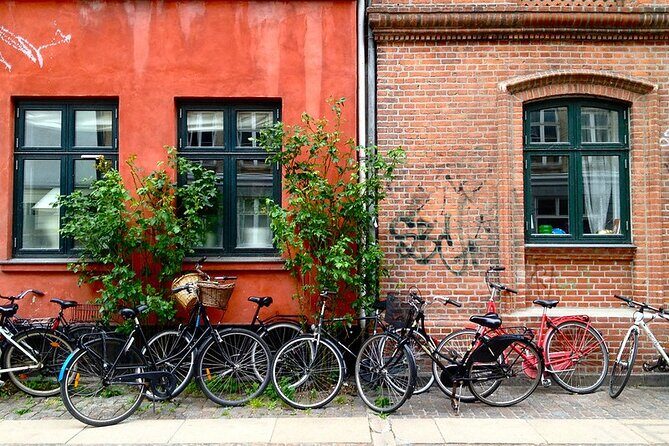
This tour is a loop that mixes central monuments with waterfront charm. You’ll start near the city center at Nørre Voldgade 11 (meeting point) and return there at the end. Along the way, you hit major sights on a schedule that keeps things moving without rushing you through everything at breakneck speed.
What this route does well is pacing. You get a mix of architecture, history, and city life in short segments. That’s great for first-timers because you’re building a city map in your head: where the royal sites sit, where the harbor views open up, and where the civic buildings anchor the island areas.
Because each stop is about 10 minutes, think of this as a fast orientation tool with photo and explanation time. If you’re the type who hates feeling “stopped,” you may find the pace just right. If you’re the type who wants to linger, you’ll likely love the guide’s recommendations for where to come back next.
Stop 1: Rosenborg Castle area and the bike-lane welcome
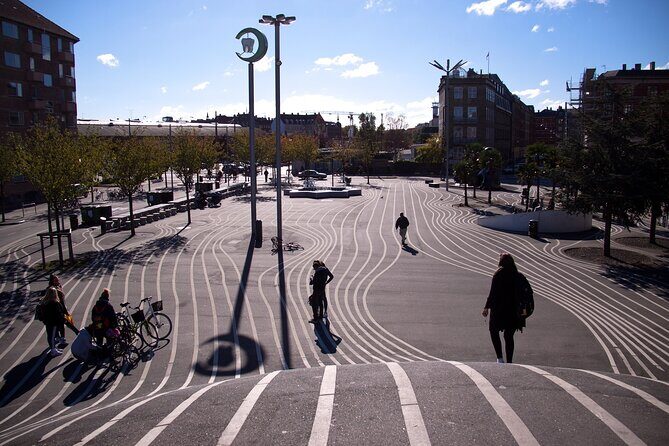
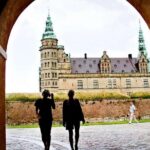
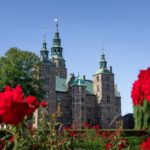
You start at Rosenborg Castle, one of the most recognizable historic landmarks in central Copenhagen. Even though the admission is listed as free for this stop, the real payoff here is the surroundings: the castle setting gives you a sense of how Copenhagen balances grandeur with public life.
The ride to the first stop is part of the value. You’re shown the bike lanes early, so the tour can settle into a comfortable rhythm instead of starting with confusion. Copenhagen’s lanes can feel orderly, but you still benefit from a quick on-ramp to how your guide expects you to move as a group.
What to watch for in this early stage: the way your route follows bike-friendly corridors. You’re not just seeing a castle; you’re learning the city’s movement logic. If you’re visiting for only a day or two, those first minutes matter because they shape how you’ll navigate the rest of your trip.
Stop 2: Kastellet and Kapellet i Horsholm’s star-shaped fortress feel
Next comes the fortification stop: Kastelle. Kapellet i Horsholm. Fortresses are one of those categories that look impressive even in quick stops, and this one has a special character thanks to its 17th-century star-shaped design. That geometry changes how you experience the space—it feels planned, controlled, and slightly dramatic.
This is a good break from the more decorative sites. You get red-brick fortress buildings, well-kept grounds, and a sense of military purpose that contrasts with the harbor vibe you’ll see later. The listing notes a windmill on the grounds, which adds a working, lived-in detail beyond the purely historical framing.
The drawback is simple: the stop is short. If you love architectural details or military history, you’ll likely want more time here after the tour ends.
A few more Copenhagen tours and experiences worth a look




Stop 3: Rundetårn (The Round Tower) and the ramp-to-view moment
The Round Tower (Rundetårn) is where the tour’s structure starts paying off visually. The big thing isn’t only the landmark; it’s the experience of going up. You’ll hear about its cylindrical shape and the gently spiraling ramp that leads you toward the viewing platform.
This stop is built for momentum. As you ascend, the tour gives context—Rundetårn was built as an astronomical observatory, so your walk upward turns into a history lesson with a payoff at the top. Even a brief time here can sharpen how you see Copenhagen from above.
What to consider: the ramp means you’ll be moving rather than stopping to look around. If you have mobility limits, this part may feel more demanding than the typical outdoor stop, so check with the operator for fit. (The tour does say most people can participate, but it doesn’t spell out specifics.)
Stop 4: The Little Mermaid and why the 10 minutes are enough
Copenhagen’s Little Mermaid statue is famous for a reason: it’s a specific scene that’s tied to Denmark’s literary identity and the harbor setting. Seeing it from the waterfront promenade also lets you understand the city’s relationship to water—this isn’t background. It’s part of the character.
Because the stop is about 10 minutes, you’ll likely get what you need for a first visit: quick time for photos and a short explanation of the fairy-tale inspiration by Hans Christian Andersen. You’ll also soak in the broader harbor views while you’re there.
One consideration: this is a well-known stop. Even with a quick visit, expect it to feel like a magnet for attention. If you like quiet and long wandering, make a plan to return on a calmer time later.
Stop 5: Amalienborg Palace—royal Copenhagen in one centered hit
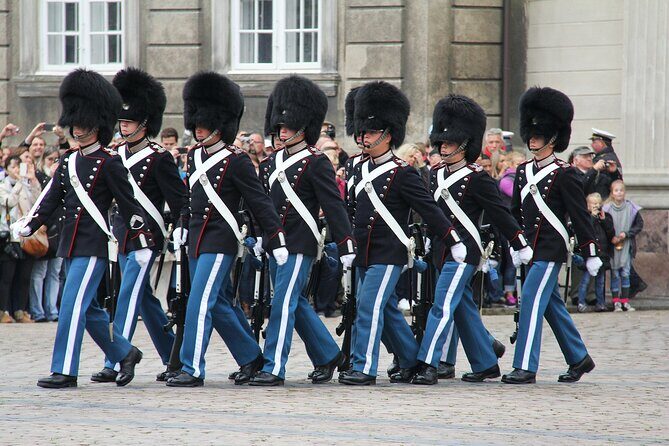
Then you shift to the royal heart: Amalienborg Palace. The design is what sticks with you here—four identical rococo palaces around an octagonal courtyard. Even in a short stop, this kind of symmetry helps your brain lock onto the place.
This is also an easy stop to connect to modern life, because the listing frames Amalienborg as the official residence of Denmark’s royal family. That gives you a practical way to interpret what you’re seeing. You’re not looking at a relic behind fences. You’re looking at a living institution.
The ride between stops matters. By this point, you’ve likely noticed how the tour stitches together neighborhoods and doesn’t isolate you into one “zone.” That makes the royal stop more meaningful because you’ve seen the city’s other sides already.
Stop 6: Gefion Fountain in Churchill Park—myth made walkable
Next up is Gefion Springvandet, in Churchill Park. This stop is a good palate cleanser between royal and civic architecture. The tour notes the bronze and granite fountain with Norse mythology: Gefion guiding a plow pulled by four oxen, tied to the creation of Zealand (Denmark’s largest island).
Even though it’s a fountain stop, the story is what makes it work. Mythology can feel abstract, but placing it into a real public space makes it tangible. You see how Copenhagen uses public art to keep its cultural references present in everyday settings.
Because the stop is brief, don’t expect a long park stroll. But you’ll get a memorable image and a quick cultural anchor that will make later sights click.
Stop 7: Nyhavn—colorful canal life and easy waterfront drifting
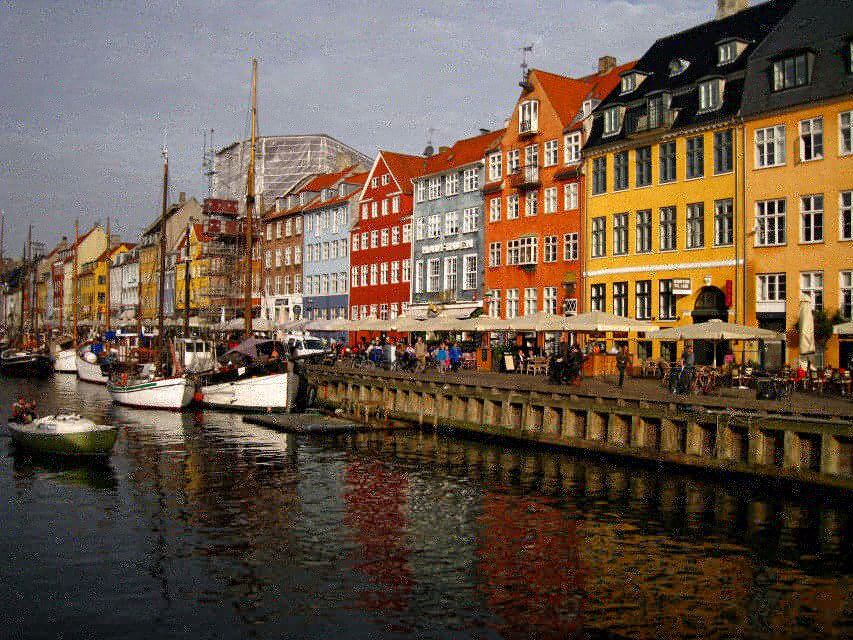
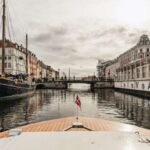
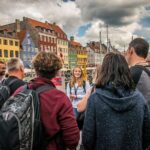
At Nyhavn, you get classic Copenhagen harbor charm: colorful townhouses, cafes, and historic ships along the waterfront promenade. The tour’s time here is short, but Nyhavn doesn’t require long explanation to understand its appeal. It’s built for people watching and slow wandering.
A smart way to use your 10 minutes: look up and across the water as well as straight ahead. The buildings and angles give you the postcard look, while the waterline gives you the lived-in feel. Nyhavn is also a natural point to think about your next choices—like whether you want a canal cruise afterward or just enjoy the area on your own.
If you’re sensitive to crowds, be aware this is one of the most popular waterfront districts. Still, it’s worth the quick stop because it helps you place Copenhagen’s “old harbor life” in context.
Stop 8: Christiansborg Palace—where democracy and power show up
Moving on to Christiansborg Slot, you hit a different kind of big picture: government and national institutions. The palace sits on Slotsholmen Island and serves as the seat of the Danish Parliament, the Prime Minister’s Office, and the Supreme Court.
That’s not just trivia. When you see where government happens, you start to understand how Danish cities organize space and public presence. This stop also gives you a shift in tone: instead of castles and waterfront romance, you get a structure that signals civic roles and national decision-making.
Again, this is a short visit. But it’s a useful one because it completes the triangle of what you’ll remember most from Copenhagen: royal life, cultural life, and civic life. If you only have a day and want the city to make sense, this stop helps.
Stop 9: Tivoli Gardens—lifestyle fun right in the center
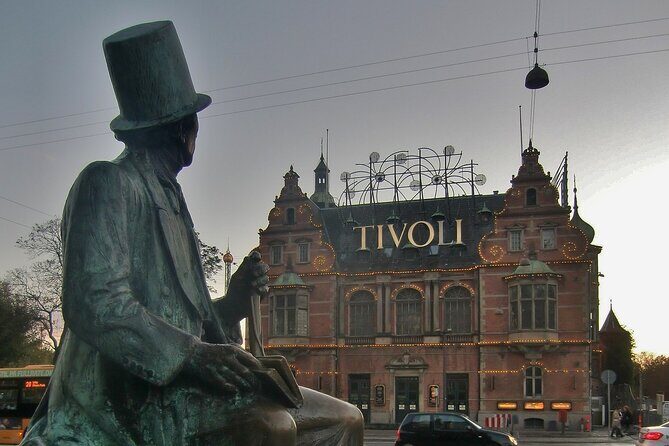
Then comes Tivoli Gardens, Copenhagen’s historic amusement park founded in 1843. Even if you don’t ride anything, it’s a strong sensory experience. The tour frames it as a mix of gardens, whimsical architecture, and entertainment, with live performances and food around the park.
This is a great stop for travelers who want a break from heavy sightseeing. Tivoli feels like a neighborhood “escape” inside the city instead of a separate destination far away.
Because the stop is about 10 minutes and the tour doesn’t promise ride time, use it to decide what you want later. If Tivoli looks like your kind of place, plan a longer visit on another day. If it doesn’t, at least you get the understanding of why it’s such a staple.
Stop 10: Copenhagen City Hall—Scandinavian civic pride up close
Next is Copenhagen City Hall at Raadhuspladsen. Completed in 1905, it features a clock tower and ornamental details. You’ll also learn that it’s not only historic architecture—it’s a hub for civic activity and cultural events.
This stop is a good one because it helps you see Copenhagen as a working democracy, not just a museum city. The guide can point out what makes it feel distinctly Scandinavian: clean shapes, strong civic emphasis, and public-facing design.
Even if you never plan to go inside, the exterior is still worth it. You’re getting another piece of the city’s identity, right after Christiansborg.
Stop 11: Copenhagen Opera House—modern design on the waterfront
Finally, you end with the Copenhagen Opera House, designed by architect Henning Larsen. The building is described as a modern masterpiece with a sleek minimalist look that fits the waterfront setting.
Opera houses can feel intimidating if you’ve never been to one. But as a bike stop, it works as architecture education. You get a quick sense of Copenhagen’s modern creative side and how it sits beside older harbor districts.
This is also an easy visual finish to the tour because the waterfront setting and open sight lines make it feel like a clean wrap-up. You’ll return to the meeting point when the loop finishes, with your bearings improved for the rest of your Copenhagen day.
Price and value: what $63.01 buys you in real time
At $63.01 per person for about 3 hours, the value comes from the combination—not just one item. You’re paying for:
- a bike rental (so you’re not budgeting for equipment separately),
- an English-speaking local guide,
- and a route that strings together major sights efficiently.
If you were to do all these stops yourself, you’d likely spend time on transit and navigation, especially between royal areas, the harbor, and the civic center. This tour replaces that friction with a planned loop and bike-lane routing.
Is it perfect value for everyone? It depends on your style. If you want lots of time inside buildings, you may feel the stop lengths are too short. If you want an efficient overview, plus the context that helps you choose what to revisit later, it’s priced fairly.
Also note the timing: the tour is booked on average about 37 days in advance. That doesn’t mean you can’t find a spot late, but it does suggest demand stays steady—so booking earlier is smart if you have fixed travel dates.
Helmet rule in Denmark: what to expect and how to handle it
Denmark is one of the places where helmets are not compulsory. That’s stated clearly here. If you want one for comfort or peace of mind, you can hire a helmet on the day for 3 EUR.
I’d treat this as a personal choice based on your riding comfort and experience. If you’ve never biked in traffic anywhere, consider hiring the helmet even if it’s not required. The guide introduction and bike-lane riding make the tour feel manageable, but comfort is still worth planning.
Should you book this Copenhagen bike tour?
Book it if you want a fast, well-paced orientation to Copenhagen with a guide and a safe-feeling biking setup. It’s especially useful if you have limited time, want to avoid transit hassle, and like the idea of mixing top sights with a few stops that add character beyond the obvious.
Skip it or plan carefully if you prefer long museum hours or you’re the kind of visitor who needs 45–90 minutes per landmark. This route is built for 10-minute stopovers, meaning you’ll learn a lot quickly, then you’ll likely want to come back for deeper visits.
If you do book, bring comfortable clothes, keep an eye on the weather, and use those short stops to decide what deserves your second visit. That’s how you turn a compact tour into a trip-wide payoff.
FAQ
How long is the Best of Copenhagen Biking Tour?
The tour lasts about 3 hours.
What is the maximum group size?
The group is limited to a maximum of 10 travelers.
Is the tour conducted in English?
Yes, the tour is offered in English.
What is included in the price?
Bike rental is included, along with an English-speaking local guide. The tour uses a mobile ticket.
Do you need to pay admission at the stops?
The itinerary lists each stop as admission ticket free for the time included.
Do I need a helmet in Denmark?
Helmets are not compulsory in Denmark. You can hire one on the day for 3 EUR.
Where does the tour start and end?
It starts at Nørre Voldgade 11, 1171 København, Denmark, and ends back at the meeting point.
Is the tour suitable for most people?
The tour notes that most people can participate.
Can I cancel for a full refund?
Yes. Free cancellation is available up to 24 hours in advance for a full refund.