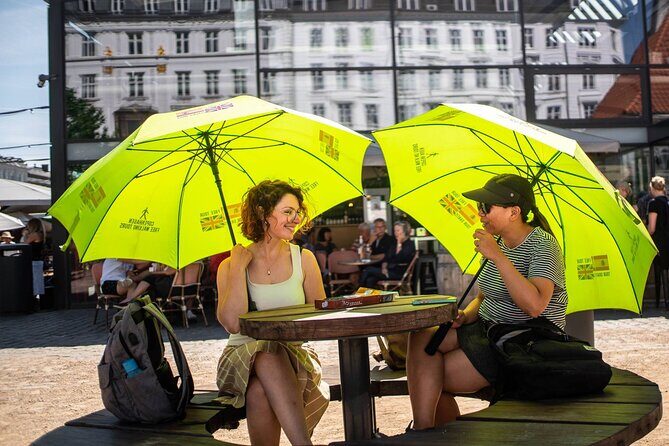
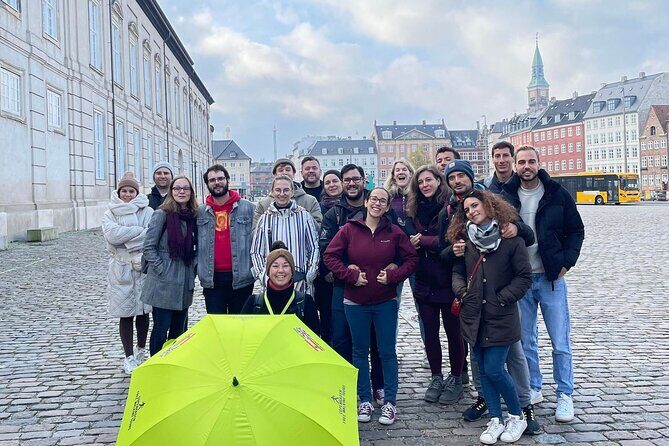
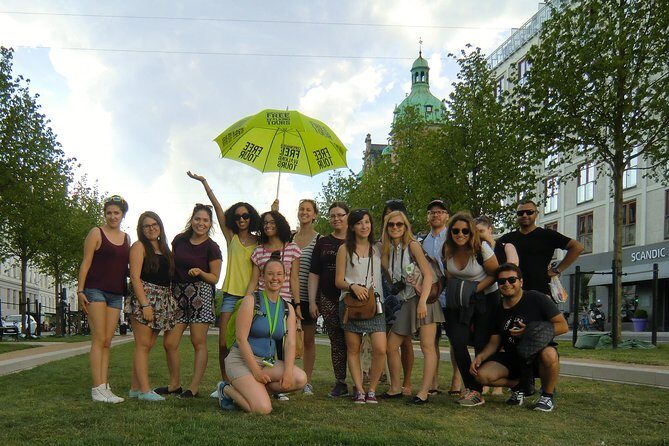
Two countries, one seriously well-paced day. You’ll get Øresund ferry views plus major sights in Lund and Malmö, all with guided commentary that ties it together. Two things I like most are the calm, scenic time on the water and the way the tour shows you the city bones behind the famous landmarks (including Hamlet’s Elsinore connection). One drawback to plan for: it’s a fast schedule, so if you want long lunches or deep museum time, you’ll feel the time limits.
The tour starts in central Copenhagen and keeps moving, crossing the Øresund while Danish and Swedish coastlines roll by outside the window. I also like that guides like Mario and Alen (and others in the same role) are often praised for clear, energetic storytelling, plus you still get free time to wander on your own.
Key highlights at a glance

- Hamlet’s Castle look from the ramparts area near Kronborg, before you head into Helsingør
- St. Olai’s Cathedral and St. Maria’s Church in Helsingør (time built in for walking and exploring)
- Øresund ferry ride for those classic sea-and-coastline views
- Lund Cathedral plus the chance to wander older side streets near the cathedral area
- Malmö must-sees: Turning Torso photo stop, Malmö Castle, and Stortorget
Two countries in one day: what you’re really signing up for
This is a Copenhagen-to-Sweden day trip built for people who want maximum variety without the hassle of transfers and planning. In about 9 hours, you’ll hit Danish roots (Hamlet’s Elsinore/Helsingør), cross into Sweden by ferry, then explore two Swedish cities: Lund and Malmö.
You don’t just “see stops.” The structure is meant to give you a story arc: Shakespeare in Denmark, then Scandinavia across the water, then medieval churches and university-town Lund, followed by modern Malmö skyline shapes.
If that’s your style, you’ll probably love it. If you hate rushing or you’re the type who wants to linger for hours in one place, you’ll need to go in with realistic expectations.
Starting point at Banegårdspladsen: easy to find, easy to join
The meeting point is outside the Hotel Astoria area, on the corner of Banegårdspladsen and Vesterbrogade. From there, you’ll board a comfortable vehicle and get moving.
Why this matters: it keeps you from losing time before you even start seeing Denmark and Sweden. It also sets the tone for the day—organized, guided, and then punctuated by moments where you can step off and roam.
You’ll want to show up ready: passport in hand and comfortable walking shoes. There’s even a 10-minute walk involved when it comes to Kronborg, so footwear is not a minor detail.
Kronborg and Hamlet’s Elsinore: the ramparts view that sets the mood
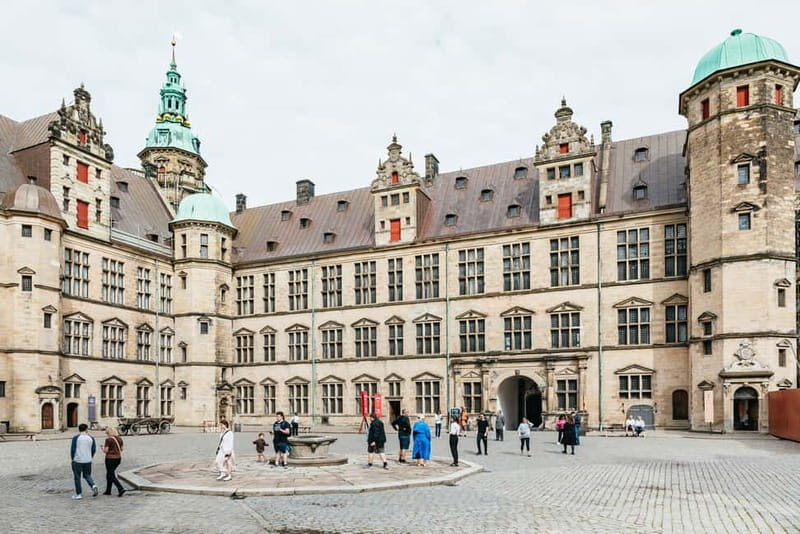
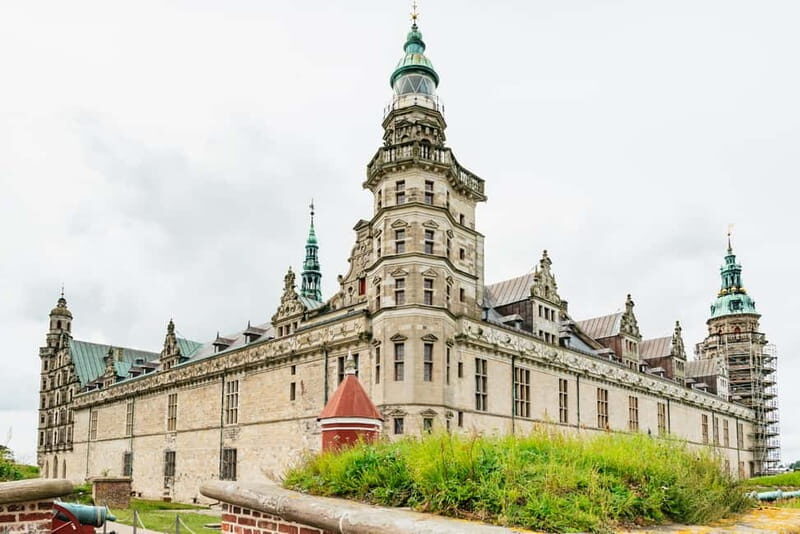
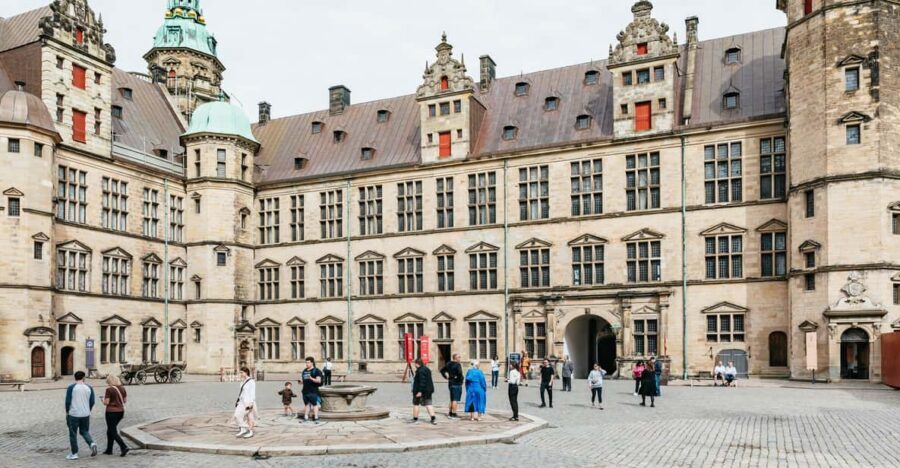
Your first big cultural hit is Kronborg Castle. The tour focuses on seeing it from the ramparts area outside, tied directly to the Hamlet connection (Elsinor/Helsingør).
This isn’t a “stand around and read plaques” stop. You’ll have time for a brisk walk around the castle area. And since entrance to Kronborg isn’t included, you’re basically choosing between two styles: enjoy the exterior ramparts/castle views as part of the tour, or add any extra visit only if you’re the type who absolutely wants to go inside.
Right after, the route continues down Strandvejen—a scenic coastal road that helps you feel Denmark’s shoreline character before you reach Helsingør proper.
What makes this stop work
Kronborg is famous for Shakespeare, but the real value here is context. You get the Denmark storyline first, then you’re carried to the next part of the day (Helsingør’s town streets and then Sweden).
The main trade-off
You’re not aiming for a full castle-visit day. If you want a slower, museum-like experience, you’ll likely wish you had more time—or you’ll pair this tour with another day in Helsingør.
Helsingør free time: churches, streets, and small-town rhythm
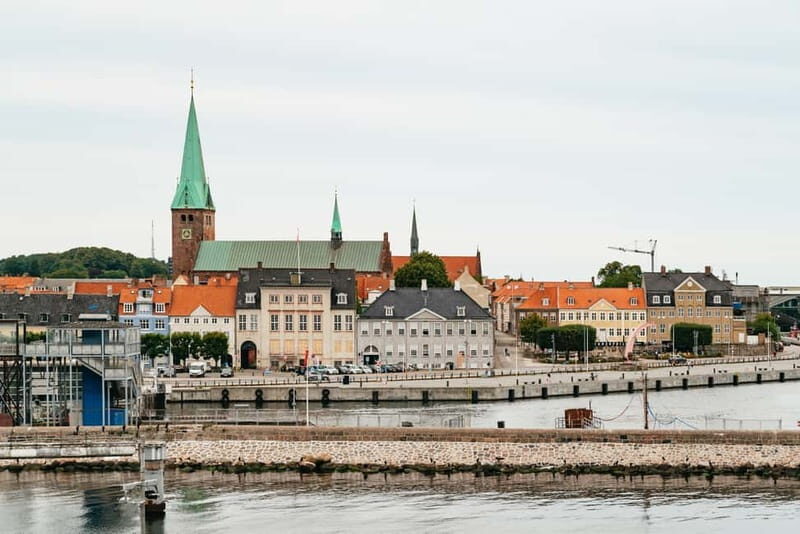
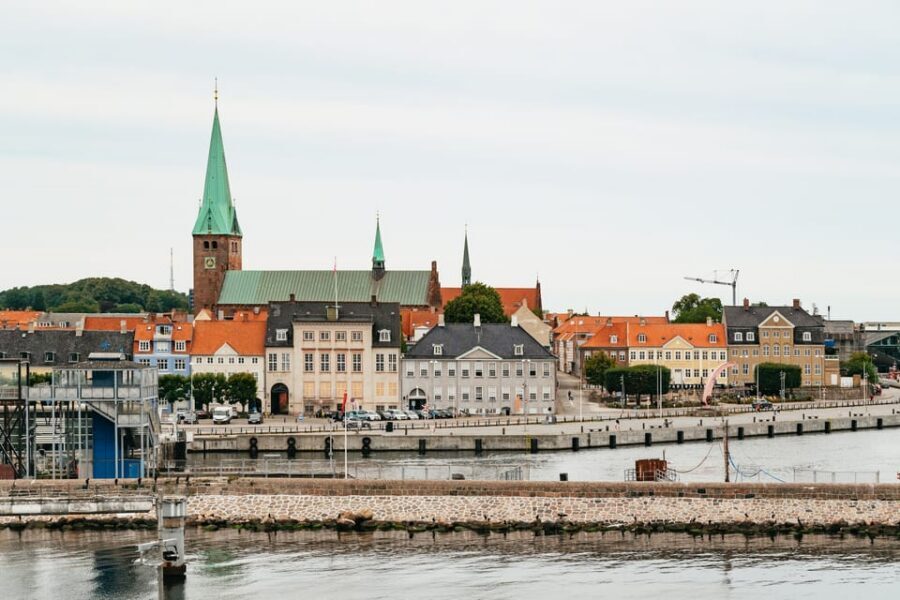
Helsingør (often also called Elsinor) is where the day breathes. You’ll get a stretch of free time—about 1.5 hours—to walk, shop, and explore on your own.
This is also where the tour’s church stops come in, including St. Olai’s Cathedral and St. Maria’s Church. Even if you’re not a diehard church person, this kind of stop helps you understand how these towns live today, not just how they’re remembered in books.
A nice touch is that the schedule gives you room to wander rather than keeping you glued to the guide’s shoulder the whole time.
Practical tip for Helsingør
Bring energy for steps. You’ll be moving between sights, and you’ll also want some time to enjoy the waterfront feeling the town is known for.
If you like a quick browse over a perfect souvenir hunt, Helsingør can be a good early shopping stop before the Sweden part kicks in.
Crossing the Øresund: ferry time that feels like the actual vacation part
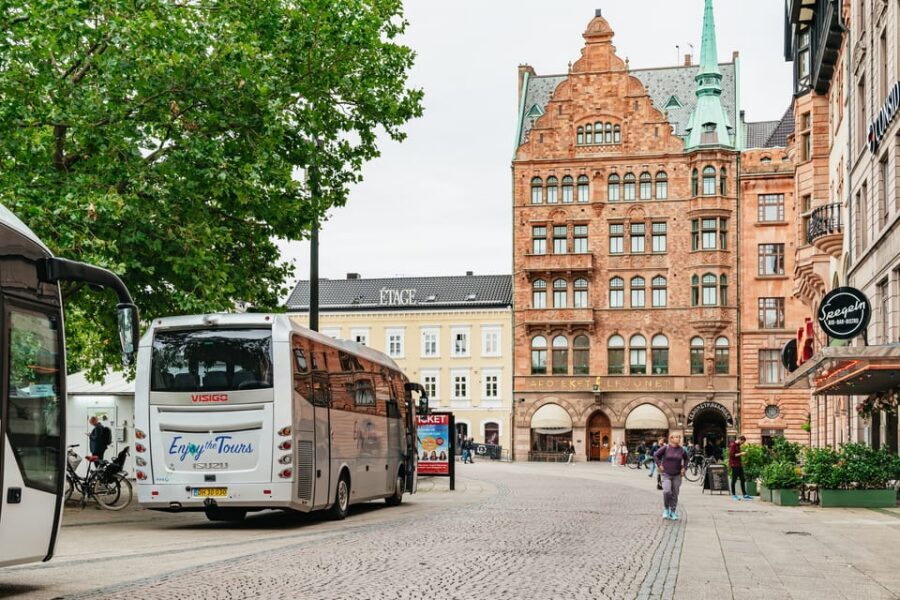
After Helsingør, you board a boat for the Øresund crossing. This is one of those segments that makes the whole tour feel more like a journey and less like a checklist.
The value isn’t only transportation. It’s the views—coastlines, water, and the sense of moving between two connected countries. This is also when the pace often resets. You can relax, take photos, and let the day’s geography sink in.
What you’ll see and feel
You’re going from a Danish side into Sweden’s coastal landscape, and you’ll also be traveling with a lot of the story already set up by the morning’s Denmark stops. By the time you arrive, Lund and Malmö feel less random.
Lund Cathedral and older streets: why a university town feels different
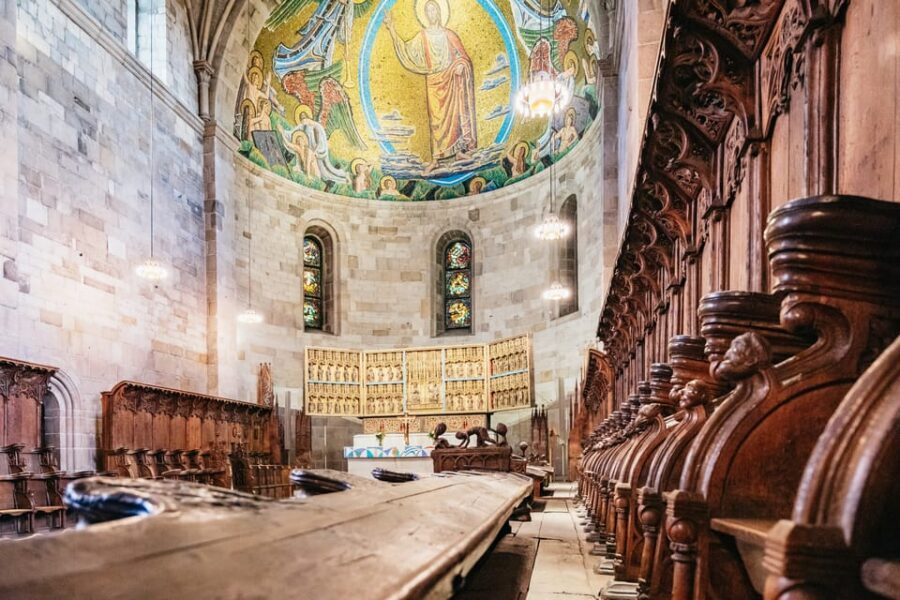
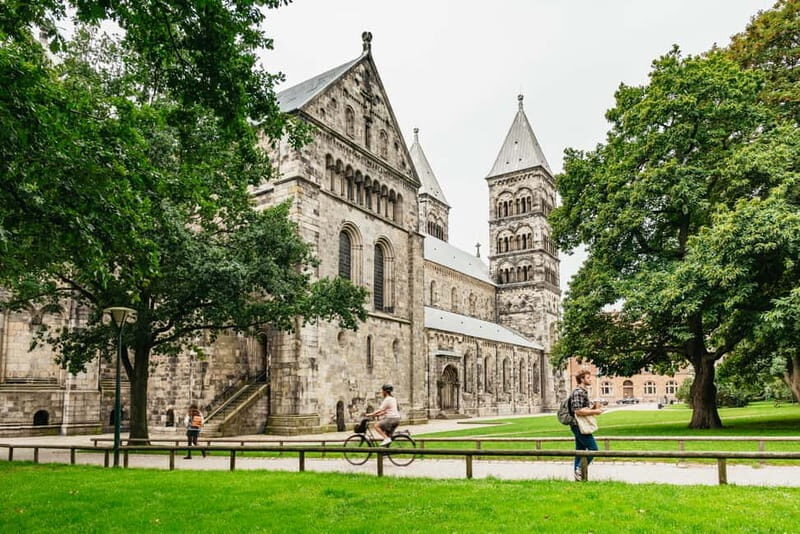
In Sweden, you’ll head to Lund. The centerpiece is Lund Cathedral, plus time to wander around the cathedral area.
Lund Cathedral is the kind of sight where scale and details land better when you’re not rushing. Here, you also get the added bonus of a chance to stroll tiny streets with houses that date back to the 1700s, behind and around the cathedral zone.
That detail matters. It’s not just about the big landmark. It’s about experiencing Lund’s “in-between” spaces—those lanes and street corners that give you a feel for how the town grew around major religious and academic institutions.
Don’t expect unlimited time for lunch here
You’ll have time to explore, but you won’t have a full free-afternoon setup. If you want a proper sit-down meal and extra museum time, you’ll need to accept that the tour timeline is designed for quick highlights, not slow indulgence.
This is why choosing comfortable shoes is extra important in Lund. The best parts are often the small streets you find while walking.
Quick strategy
Plan one clear “must” near Lund Cathedral, then treat the rest as bonus discoveries. If you try to cover everything, you’ll end up walking more than you need to.
Malmö contrasts: Turning Torso, Malmö Castle, and Stortorget
Next up is Malmö, and it’s a fun counterpoint to Lund. Lund feels anchored by old stone and student life. Malmö adds city energy and modern shapes.
You’ll get a photo stop at Turning Torso (about 10 minutes). This is a brief moment, but it’s timed well: it lets you collect the signature skyline image without breaking the schedule.
Then there’s more classic Malmö to balance it out:
- Malmö Castle area visit
- Stortorget, Malmö (a classic town square vibe)
What I think Malmö does best in a day
Malmö gives you “old meets new” in a way that’s easy to notice even with limited time. You can look at a modern architectural icon, then turn around and be in a more traditional street-and-square setting.
This makes it ideal if you’re someone who gets bored when one city is too uniform.
Øresund Bridge: the final sight that ties the day together
On the return route to Copenhagen, you’ll pass the Øresund Bridge. Even if it’s not a long stop, it acts like a visual bookmark.
Why it’s satisfying: the day started with Denmark’s famed shoreline and castle setting, then you crossed by ferry, then you finished with the bridge connection that dominates the region’s modern travel story.
You’re basically seeing the past and present routes in one arc.
Price and value: is $141 worth it for your travel style?
At about $141 per person (check current availability for exact starting times), the value depends on what you compare it to.
Here’s the practical math in plain language:
- You’re paying for guided commentary
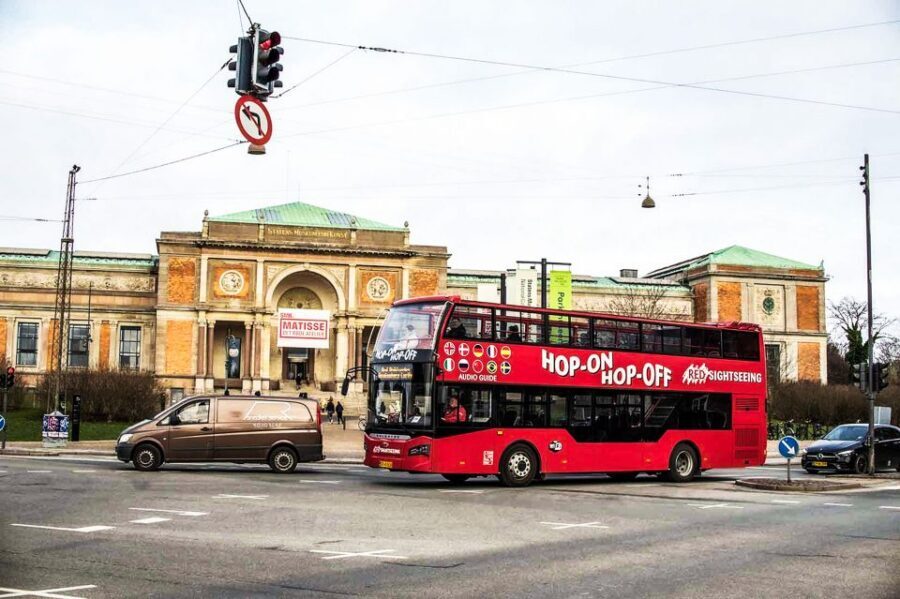
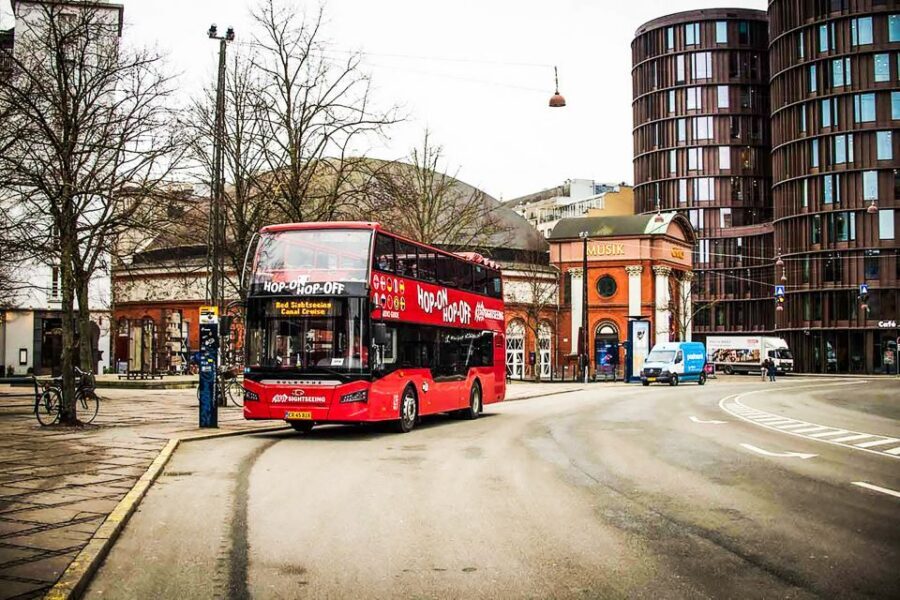
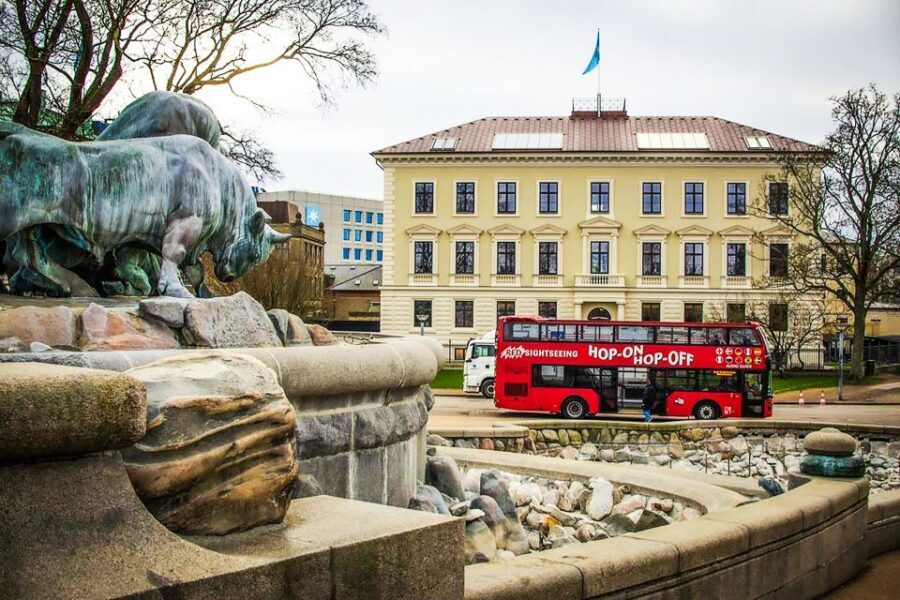
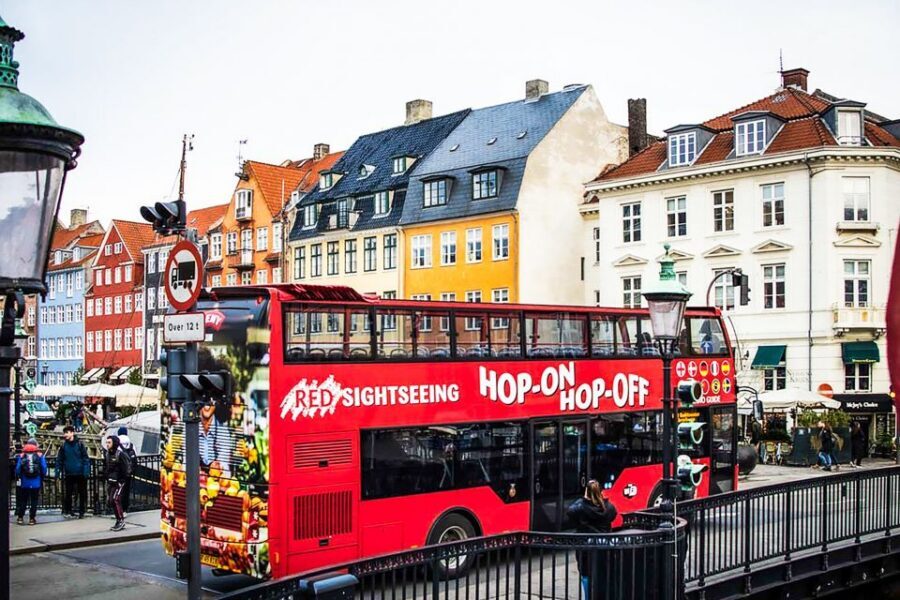
- bus transport from Copenhagen
- a ferry crossing across Øresund
- and bridge crossing (included as part of the route)
If you tried to DIY this with separate ferries, local transport, and your own routing, you’d likely spend more time solving logistics than actually enjoying the places. The tour is built to trade a bit of flexibility for smooth flow and less decision-making.
Where you may feel the cost: you’re not getting paid-for museum entrances. Kronborg entrance isn’t included, and lunch isn’t included, so you’ll still need to budget for food.
But if your goal is a high-hit day with guided context, this pricing is in the “reasonable” zone for the amount of ground it covers.
Group day trip reality check: what to pack and how to avoid stress
This is a do-it-right kind of tour. A few details can make the difference between smooth and annoying.
Bring:
- Passport (required for entrance to Sweden)
- Comfortable shoes
- Camera, because you’ll have photo moments at places like Turning Torso and for ferry/bridge views
Remember the passport warning: if you forget it, your return journey to Copenhagen could be at your own expense. That’s not a minor note. Treat it like your “seatbelt” for the day.
Alcohol in the vehicle isn’t allowed, so if you like a drink on the ride, plan to enjoy it elsewhere or skip it for this specific day trip.
Comfort matters: while the vehicle is described as comfortable, you’ll be walking enough at multiple stops that it’s worth taking your shoes seriously.
Who should book this tour (and who might not)
This day trip is a strong match if:
- you want Denmark + Sweden in one day without transit headaches
- you like major “signature sights” plus free time to wander
- you appreciate storytelling that connects a castle, a town, and regional geography
- you’re fine with shorter stops and photo-time moments (rather than deep lingering)
It may not be the best match if:
- you want long stays in Lund or Malmö
- you need wheelchair access (the bus is not accessible for wheelchair users)
- you prefer included meals and paid museum time, since lunch isn’t included and Kronborg entrance isn’t included
Book it or skip it: my decision guide
Book this tour if you want a compact, guided day that gives you coastal Denmark, ferry views, and two different Swedish city moods—university-town Lund and architecture-forward Malmö.
Skip (or consider a different plan) if you’re the type who gets grumpy when a city visit feels scheduled. This tour is built for seeing a lot, not for slow mornings and long dinners.
My final take: for most people visiting Copenhagen with limited time, this is a smart way to earn a Denmark-to-Sweden day story you can actually remember—especially if you like the idea of ferrying across Øresund and finishing with bridge views.
FAQ
How long is the tour from Copenhagen?
The duration is 9 hours.
Where do I meet the guide or group?
You meet at the corner of Banegårdspladsen and Vesterbrogade, outside the Hotel Astoria area.
Is a passport required?
Yes. You must bring your passport to enter Sweden, and you’re also required to have it with you for the return journey.
What’s included in the tour price?
Included are the bus trip, commentary, ferry across the Øresund, and bridge crossing.
Is lunch included?
No. Lunch isn’t included.
Is Kronborg Castle entrance included?
No. Entrance to Kronborg Castle isn’t included.
What ferry and bridge parts are included?
You’ll take a ferry trip across the Øresund, and you’ll also cross the Øresund Bridge during the return journey.
What languages are available for commentary or audio?
The driver provides English, and an audio guide is included in English, Spanish, and Italian.
Is the bus wheelchair accessible?
No. The bus is not accessible for wheelchair users.
Can I bring alcohol on the bus?
No. Alcoholic drinks in the vehicle are not allowed.