REVIEW · COPENHAGEN
3-Hour Private Copenhagen Walking Tour
Book on GetYourGuide →Operated by Copenhagen Walking Tour · Bookable on GetYourGuide
Copenhagen gets clearer with every block. This private 3-hour walking tour strings together the city’s big icons with calm, human-scale pacing, starting at Rådhuspladsen and ending at Amalienborg. You’re not just looking at landmarks here; you’re getting the stories that explain how Copenhagen thinks, votes, shops, and celebrates.
I especially like the way the guide role feels built for real people with real questions. Guides such as Lorena, Andrés, Alia, and Nicolás are noted for mixing solid facts with anecdotes, then adding practical suggestions for what to do after the walk. That blend helps you leave with context you can actually use.
One consideration: this is still a walking tour. Expect about 3–4 km over 3 hours, and it is not suitable for wheelchair users, and it’s also flagged for people with mobility impairments or heart problems.
In This Review
- Key highlights that make this walk work
- Meeting at HC Andersen Statue: the fastest way to start seeing Copenhagen
- Rådhuspladsen (City Hall Square): civic Copenhagen in one stop
- Strøget plus Gammeltorv/Nytorv: the street that teaches you how Copenhagen walks
- Højbro Plads to Christiansborg Palace: where politics meets architecture
- The Little Mermaid: a quick stop with real context
- Nyhavn: harborfront colors and the walking-friendly reset
- Amalienborg and Marmorkirken: royal architecture to finish strong
- Price and value: why $189 can make sense for the right group
- How you’ll benefit from a good guide in real terms
- Walking pace, timing, and what the route feels like
- Who should book this tour (and who should skip it)
- Should you book it? My straight answer
- FAQ
- How long is the Copenhagen walking tour?
- Where do I meet the guide, and where does the tour end?
- Is this tour private?
- What major sights are included in the route?
- Are food and drinks included?
- Is the tour suitable for wheelchair users or people with mobility impairments?
Key highlights that make this walk work

- HC Andersen Statue meeting point near City Hall and Tivoli so you get oriented fast
- A tight route of about 3–4 km that covers the most important areas without a marathon
- Civic Copenhagen at Rådhuspladsen and Christiansborg Palace in one smooth storyline
- Strøget and the Gammeltorv/Nytorv squares for street-level atmosphere and photo stops
- Nyhavn’s harborfront shift from historic trading port to café-and-walk scene
- Amalienborg and Marmorkirken views to end with royal architecture and a strong final picture
Meeting at HC Andersen Statue: the fastest way to start seeing Copenhagen

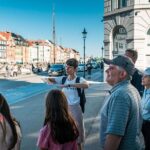
The tour starts by the HC Andersen Statue by City Hall, specifically facing the Tivoli sign. That’s a smart setup because it puts you right in the middle of the city’s central action, without needing to figure out transit or complicated meeting points.
You’ll typically spend the early part of the walk getting oriented around the core sights near City Hall. It’s a good moment to ask the guide what to prioritize if you have limited time later in Copenhagen.
Because it’s private, you can set the tone right away. If you want more architecture, more stories, or more “where should I go next,” this format is built for that.
Practical note: bring comfortable walking shoes and plan for the weather. Even in good conditions, you’ll be on your feet for long stretches, and the route is designed around walking distances.
You can also read our reviews of more walking tours in Copenhagen


Rådhuspladsen (City Hall Square): civic Copenhagen in one stop
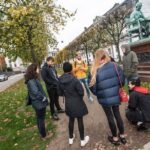
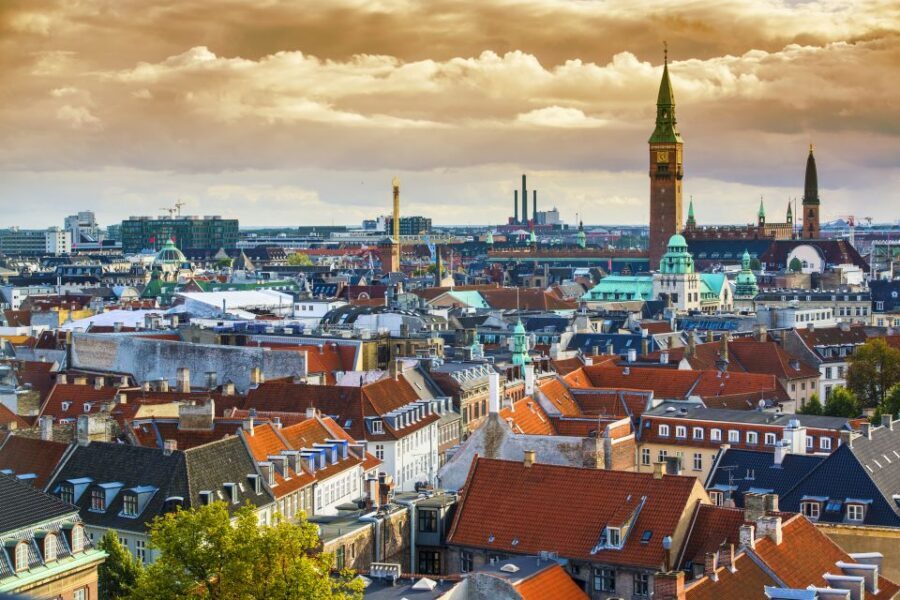
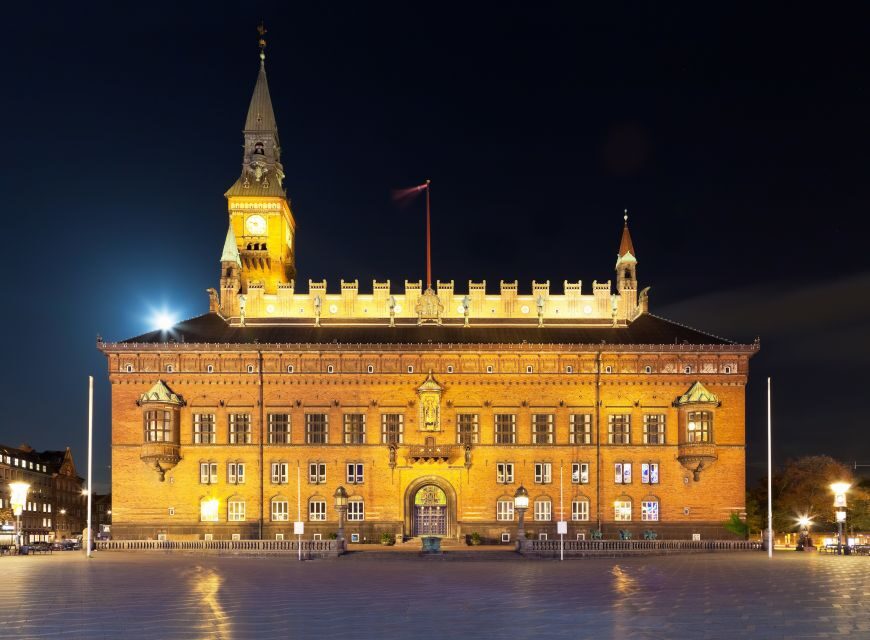
City Hall Square, or Rådhuspladsen, is where you get the feeling of a working capital, not a museum town. Your guide points out the City Hall building and its clock-tower area, then connects it to modern city life and the rhythms around it.
This stop matters because it sets up the rest of the tour. After you understand Copenhagen’s civic center, later landmarks like Christiansborg land with more meaning—this city isn’t just pretty, it’s organized and run with clear institutions.
Expect photo opportunities, quick context, and time to look around at the square’s layout. If you’re the type who likes to understand a place’s “why,” this is where you start stacking those answers.
Strøget plus Gammeltorv/Nytorv: the street that teaches you how Copenhagen walks
Then you move into Strøget, one of Europe’s best-known pedestrian streets. This is where the tour becomes practical. You’ll see shops, street performers, and cafés along a long walking corridor—perfect for figuring out how people actually move through the city center.
The guide also helps you read the street, not just stroll it. You’ll understand what makes Strøget feel like a spine: it links key areas, but it also functions like a public space where everyday life happens.
From there, the walk includes Gammeltorv/Nytorv, two squares that add texture beyond shopping. Squares like these are great for pausing, taking photos, and getting a feel for the city’s scale and architecture without needing to rush from one major site to another.
If you’re worried about shopping overload, don’t be. This isn’t a mall crawl. The point is to experience the city’s public space, and your guide will shape the stops around what you care about most.
Højbro Plads to Christiansborg Palace: where politics meets architecture
Next up is Højbro Plads and Christiansborg Palace, one of Copenhagen’s most important power centers. Christiansborg is described as the heart of Danish democracy, tied to the Parliament and also the Supreme Court and royal reception rooms.
What makes this part valuable is the translation from building to meaning. It’s easy to see impressive architecture and move on. Here, the guide connects the place to how Denmark governs and how the royal world sits alongside formal institutions.
Christiansborg also works as a turning point in the day. You go from street life into national-level significance, and then the route naturally transitions toward the harbor.
If your brain loves timelines, this stop gives you an easy story arc: how civic Copenhagen connects to national decision-making, and how that connects to the city’s public spaces.
The Little Mermaid: a quick stop with real context

No visit to Copenhagen is complete without the Little Mermaid statue, and your guide uses it as a story anchor. Instead of treating it like a pure photo op, you’ll learn the connection to Hans Christian Andersen’s fairytale.
This helps because Copenhagen is full of Andersen references, and the guide’s approach tends to connect dots. One standout detail from past tours: some guides share that Andersen wrote fairy tales from a preserved small room inside the Magasin department store. It’s the kind of stop that turns a famous name into something you can picture.
Even if you’re not an Andersen superfan, the point is the same: you see how culture and storytelling shape the city’s identity. The statue becomes a doorway, not just a landmark.
Plan for a short photo moment and a bit of explanation, then keep walking. The best way to see Copenhagen in a limited time window is to keep momentum.
You can also read our reviews of more private tours in Copenhagen



Nyhavn: harborfront colors and the walking-friendly reset
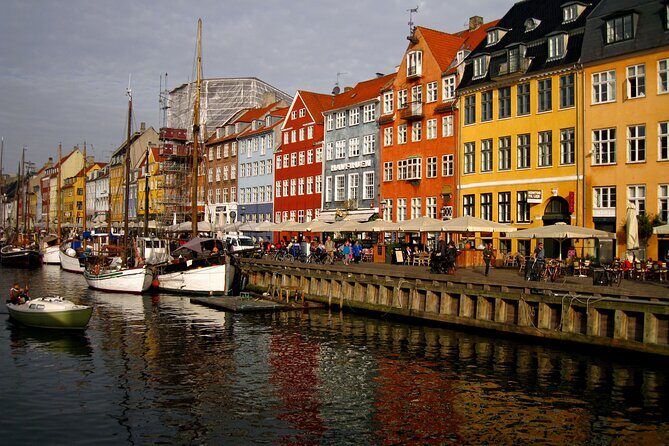
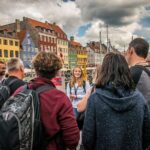
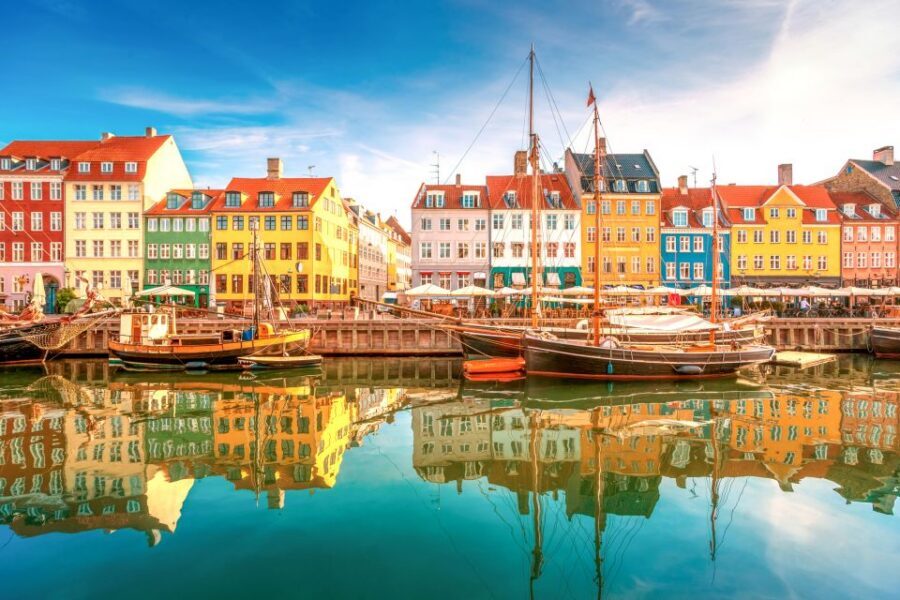
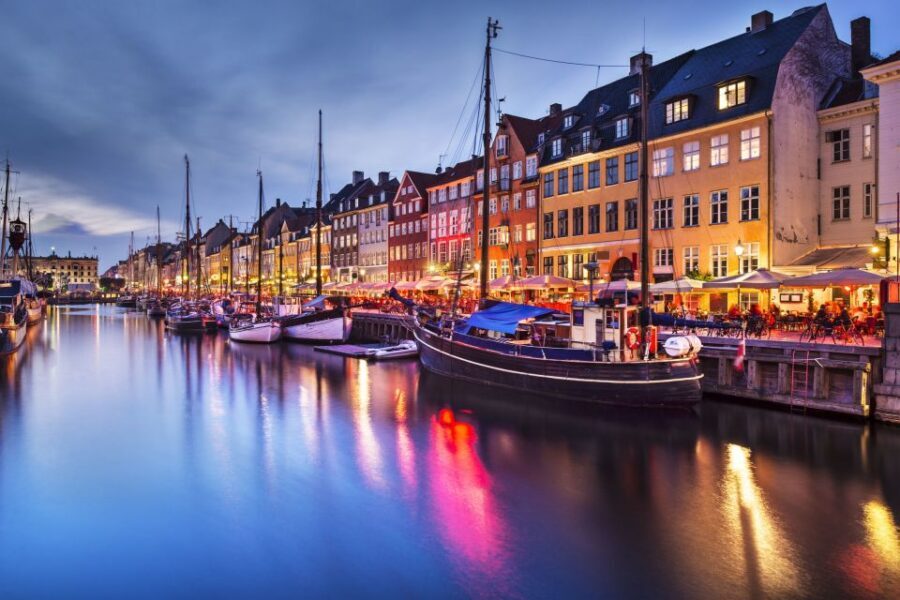
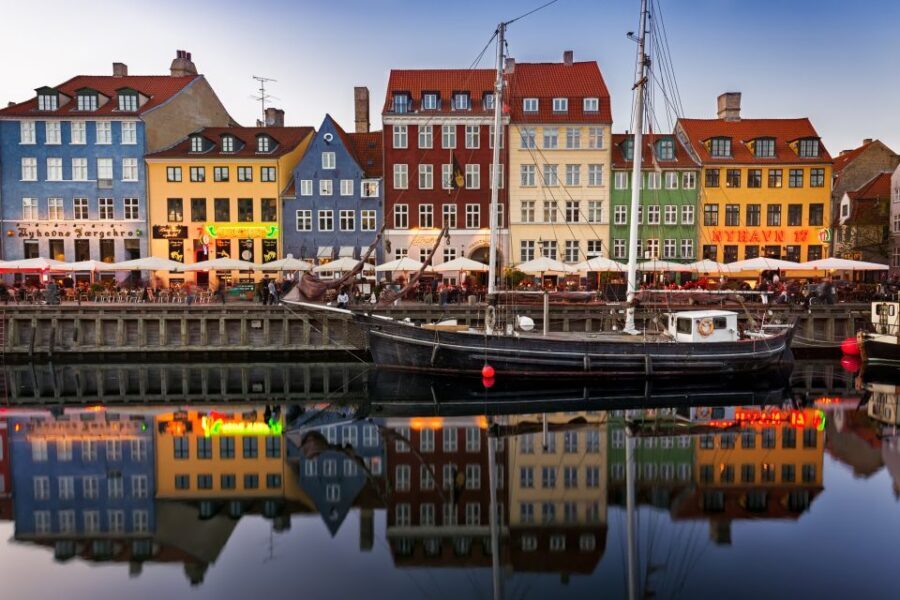
From the Christiansborg area, you’ll reach Nyhavn via about a 15-minute walk. Nyhavn is the kind of place where the city’s history is visible on the buildings themselves—colorful townhouses, classic water views, and the sense of a working port that changed shape over time.
Your guide covers how Nyhavn shifted from a bustling trade port to the café-and-restaurant district it is today. That context is worth it, because the scene can look like pure atmosphere until you understand what it used to be.
This stop is ideal for a short breather. You’ll have time to look, take photos, and soak up the canal-side energy without losing the thread of the tour.
Food and drinks are not included, but if you want a quick Danish pastry or coffee break, this is exactly the kind of moment that fits. Just keep an eye on the clock so you don’t fall behind the walking pace.
Amalienborg and Marmorkirken: royal architecture to finish strong
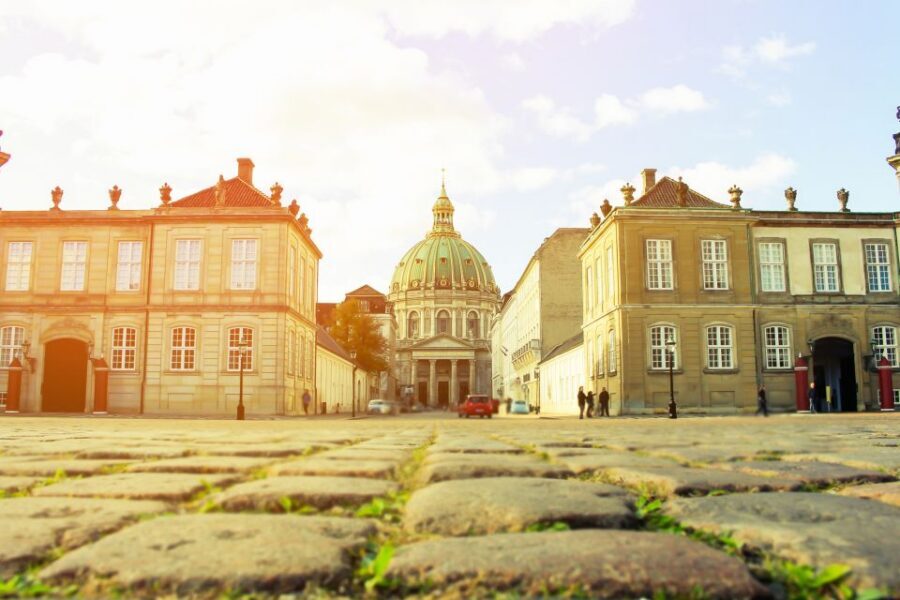
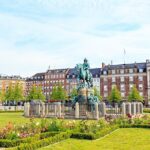
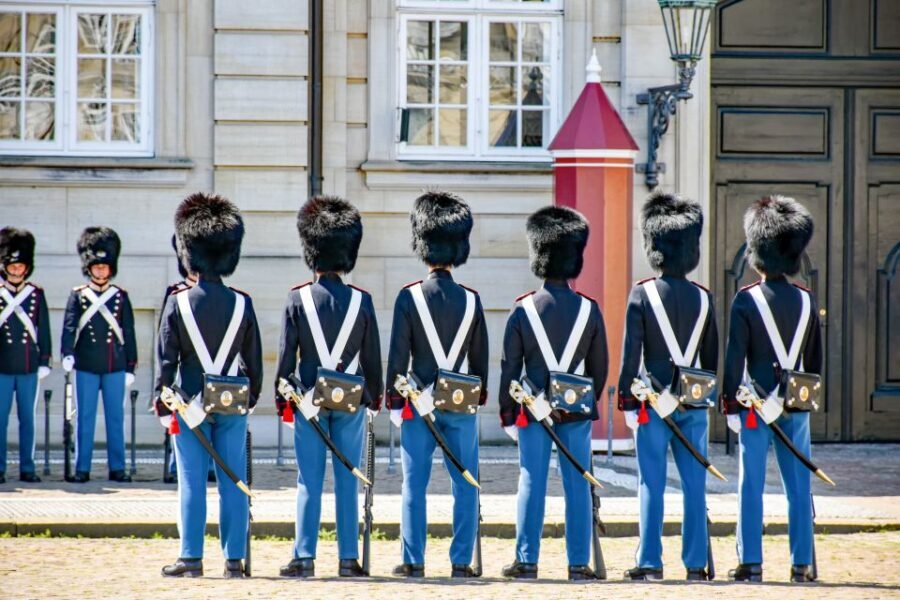
The day ends at Amalienborg Palace, the royal family’s official residence. Your guide helps you look at the square itself, then connect the architecture to the way Denmark presents royalty in public space.
Amalienborg is a strong finish because it shifts the theme of your tour. Earlier you were dealing with civic institutions and everyday street life. Here you’re seeing the formal face of Denmark, framed by a huge sense of space and symmetry.
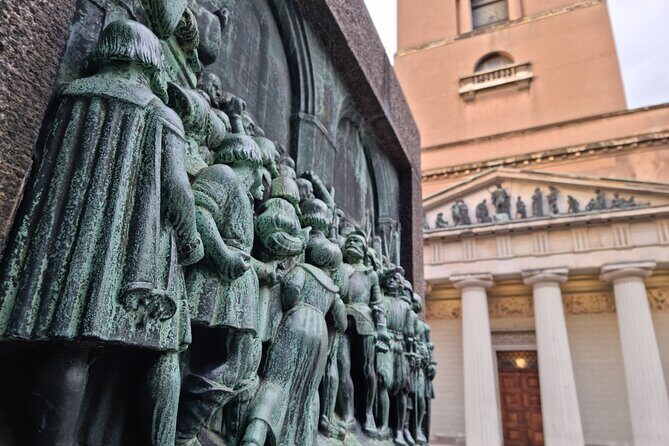
Along the way, you also get time tied to Marmorkirken (Frederik’s Church), including views of the church’s standout presence. Even if you’re not going inside (nothing on this tour requires that), the guide’s explanation helps you understand why the church shows up so often in Copenhagen photos and viewpoints.
This ending also makes the route feel complete. You start at City Hall, move through central streets and national institutions, cross into the harbor, and then land on royal Copenhagen. It’s a clean loop that makes the city’s map feel logical.
Price and value: why $189 can make sense for the right group
At $189 per person for a 3-hour private walk, this isn’t the cheapest way to see Copenhagen. But value isn’t only about low cost; it’s about what you gain from the format.
You’re paying for a guide who can keep the pace comfortable, cover multiple landmark zones in a short time, and tailor stops around what you want to see. The private setup is especially valuable if you’re traveling as a couple, small group, or family member who needs flexibility.
Another value point: the tour includes the guide but not food or drinks. That’s not a negative; it means you can choose what you want to eat nearby, rather than being tied to a fixed plan you might not love.
This price tends to feel most fair when you want first-time orientation. If you have limited time in Copenhagen, a structured walk like this can prevent you from missing key areas and then spending extra hours figuring things out on your own.
How you’ll benefit from a good guide in real terms
The reviews around guides like Lorena, Andrés, Alia, and Nicolás point to a pattern that matters to you: history plus anecdotes, with guidance that adjusts to the group.
That balance is useful because Copenhagen can be overwhelming for the first day. A good guide helps you:
- understand what you’re looking at (not just the name)
- choose which streets and squares you’ll actually enjoy
- get practical recommendations for later
It also helps when your interests are specific. One guide style described is adapting based on what you want to do and see. That means if you care more about royal architecture than harbor life—or the other way around—you should be able to nudge the emphasis.
Walking pace, timing, and what the route feels like
The tour is designed for a 3-hour window with a leisurely pace and photo stops. Coverage is roughly 3–4 km over that time, which is manageable for many visitors if you come prepared with good shoes and stay hydrated.
The itinerary is paced in chunks—about half an hour per main zone. That’s long enough for context and photos, but short enough to keep you moving rather than standing around too long.
The route also makes sense geographically. Strøget and the squares keep you in the center. Christiansborg and the harbor connection move you toward Nyhavn. Then Amalienborg and the Marble Church viewpoints wrap up with a royal-feeling finale.
Who should book this tour (and who should skip it)
This fits best if you want a guided first pass through Copenhagen’s most recognizable areas without planning the route yourself. If you like stories that connect architecture to institutions and everyday life, you’ll get more out of this than a simple hop-on-photo tour.
It may not fit if you need wheelchair access or if mobility limitations make walking hard. The activity is also flagged as not suitable for people with heart problems, which matters because the tour involves sustained walking.
If you fall into those categories, ask about alternatives before booking. A more seated-focused option could be a better match.
Should you book it? My straight answer
Book this if you:
- want a private English guide for a compact 3-hour highlights route
- care about understanding what you’re seeing, especially civic and royal Copenhagen
- like walking cities and want a clear, logical day plan
Skip it or reconsider if:
- you want a mostly seated experience
- walking distances are a problem for you
- you’re already comfortable navigating central Copenhagen and only want quick photos
If your schedule is flexible, it helps that you can cancel in advance and that you can reserve without immediate payment. That takes some pressure off planning.
Bottom line: for many first-timers, this is a smart way to get a guided overview of Copenhagen’s big story—civic center, central street life, national institutions, the harbor, and royal finishing views—without turning your day into an exhausting checklist.
FAQ
How long is the Copenhagen walking tour?
The duration is 3 hours.
Where do I meet the guide, and where does the tour end?
Meet the guide at the HC Andersen Statue by City Hall, facing the Tivoli sign. The tour finishes at Amalienborg Palace or a nearby landmark.
Is this tour private?
Yes, it’s a private group tour with an English live guide.
What major sights are included in the route?
Key stops include City Hall Square (Rådhuspladsen), Strøget, Gammeltorv/Nytorv, Højbro Plads and Christiansborg Palace, Nyhavn, and Amalienborg Palace, with time around Marmorkirken (Frederik’s Church).
Are food and drinks included?
No. Food and drinks are not included.
Is the tour suitable for wheelchair users or people with mobility impairments?
No. It is marked not suitable for people with mobility impairments or wheelchair users, and it is also flagged for people with heart problems.