REVIEW · COPENHAGEN
Copenhagen: Christiania & Christianshavn Guided Walking Tour
Book on GetYourGuide →Operated by Lost with a Local · Bookable on GetYourGuide
A two-hour walk that feels like a neighborhood hangout. The Christianshavn and Christiania pairing gives you Copenhagen’s old canals plus a very different way of living—explained by locals who know the stories behind the walls. I especially love how small-group it stays, and how the guide’s local perspective turns landmarks into real context. One drawback: you should be comfortable with a community you’re visiting, not a staged attraction.
You’ll get a feel for Christianshavn’s architecture and waterways, then shift gears to Freetown Christiania’s street art and anti-capitalist attitude. I also like that your guide builds in time to wander on your own, so you can soak up the vibe at your pace instead of being rushed. If you’re expecting only classic postcard Copenhagen sights, this tour’s focus on everyday neighborhood life may feel different.
In This Review
- Key things that make this tour worth your time
- Christianshavn canals first: where the city shows its age
- The center switch: Freetown Christiania and its real-world vibe
- Church of Our Saviour: brief, but it anchors the old side
- Copenhagen Opera House and the modern contrast
- Pacing and the small group: why you don’t feel rushed
- Price and value: what $49 buys you (and what it doesn’t)
- What you’ll actually do at each stop, step by step
- Practical tips so your walk goes smoothly
- Who should book this (and who might skip it)
- Should you book the Christianshavn and Christiania guided walk?
- FAQ
- How long is the Copenhagen: Christiania & Christianshavn guided walking tour?
- Where does the tour start and end?
- Is the tour wheelchair accessible?
- Is the tour offered in English?
- What is included in the price?
- Does the tour include food or drinks?
Key things that make this tour worth your time
- Lifelong-local storytelling: guides like Lysander and Christian bring firsthand context, not just a script.
- Christianshavn canals and architecture: you see how the old district feels and functions.
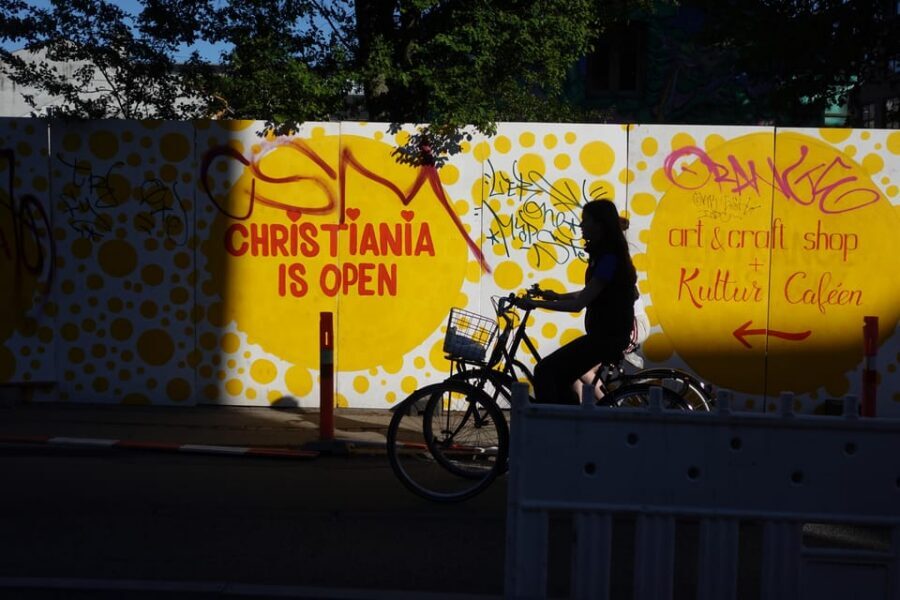
- Freetown Christiania’s street art: colorful, but explained with real background on community life.
- A small group (max 10): easier to hear, ask questions, and keep a good pace.
- Practical food and “avoid traps” tips: useful stops to eat Danish and international food afterward.
- Rain or shine walking: you get out there in real weather, with a guide who keeps it moving.
Christianshavn canals first: where the city shows its age
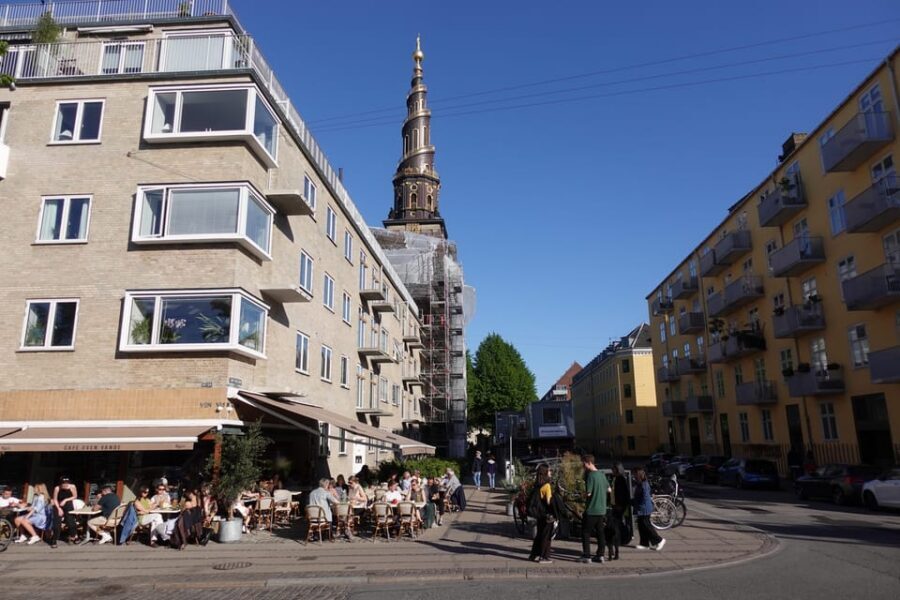
You start with a simple idea that works: begin in Christianshavn and let the buildings and canals do the talking. The walk starts outside the blue house on Dronningensgade 4 (with an option meeting at the Lost With a Local location), and that sets the tone. This isn’t a bus tour drop-and-snap kind of start. It’s a get-your-bearings-fast walk with someone who’s been around the block their whole life.
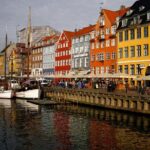
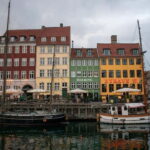
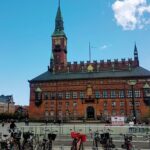
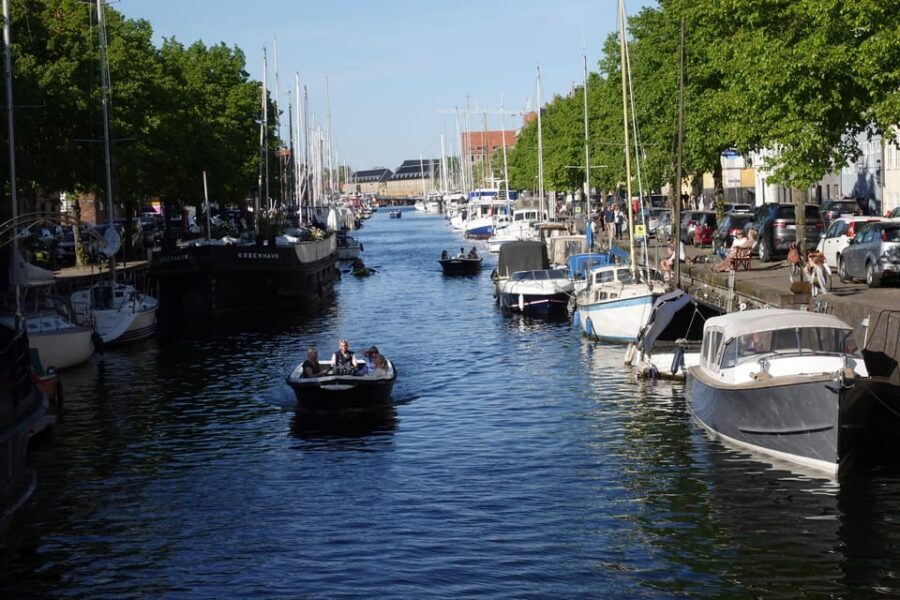
Christianshavn is the kind of place where architecture isn’t just pretty—it’s informative. As you move through the district, you’ll notice how the waterways shape what’s here and how people experience the neighborhood. Your guide points out the heritage and design details that casual visitors often miss because they’re focusing on the big, obvious sights elsewhere in Copenhagen.
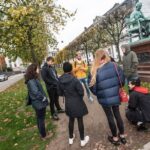
What I like most is the way the tour connects history to “what it’s like now.” You’ll hear how social change has played out in this part of the city, and you’ll get that grounded feeling that comes from a person who grew up here. Guides such as Lysander and Simon are specifically praised for being personable and for having English that’s easy to follow—so even when the story gets more nuanced, you don’t lose the thread.
You can also read our reviews of more walking tours in Copenhagen
The center switch: Freetown Christiania and its real-world vibe
Then comes the pivot: Freetown Christiania. This is where the walking tour stops being “standard Copenhagen” and becomes something more personal. You’ll head into the free-spirited, anti-capitalist neighborhood, and you’ll see how that mindset shows up in the street art and in the community atmosphere.
The best part is not just seeing the colors. It’s hearing the story behind why Christiania exists and what makes it different. The guide’s role matters here. Without that background, you might see art and interpret it as a spectacle. With it, you understand that it’s tied to community values and everyday life.
You also get a chunk of time to explore on your own—about 30 minutes. I find this is the sweet spot for places like Christiania. Long enough to wander and choose your own angles, but short enough that you’re not stuck waiting for everyone to catch up.
A practical note: Christiania is a neighborhood with real people and an alternative way of thinking. Go in with a respectful mindset. Keep your expectations flexible. If you treat it like a theme park, you’ll miss the point.
Church of Our Saviour: brief, but it anchors the old side
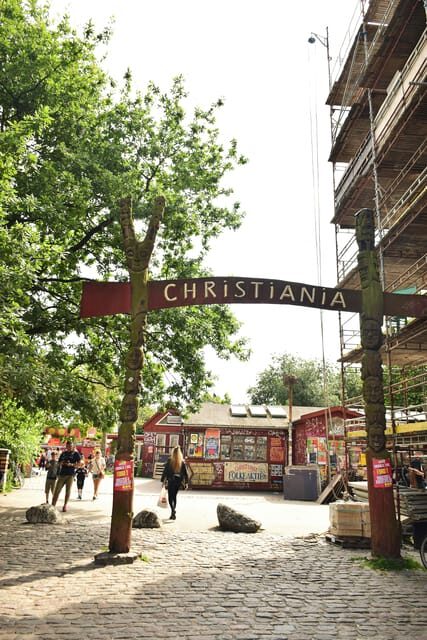
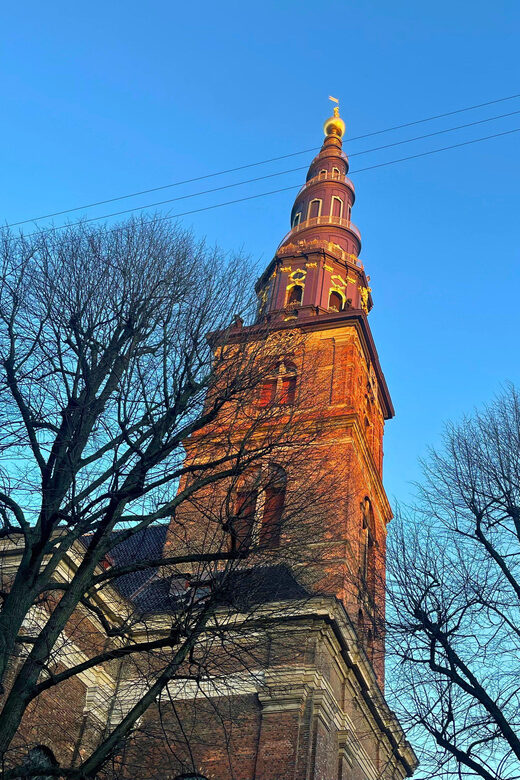
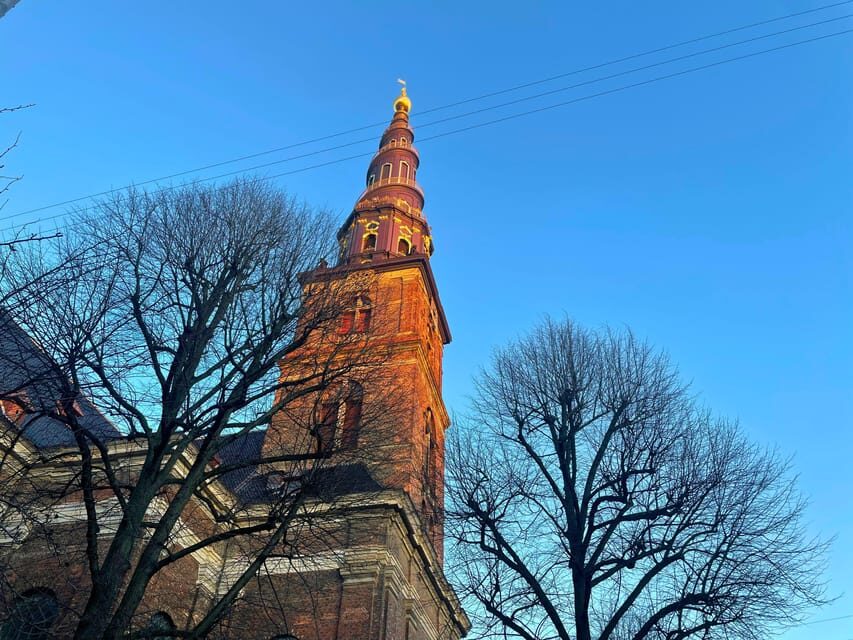
Before or after your Christiania time (the tour flows through both sides of the area), you’ll also spend time at the Church of Our Saviour for about 15 minutes. This stop acts like a “pause and orient” moment—one of those quick sight breaks that gives you a recognizable landmark while you’re moving between the neighborhood stories.
Because the time here is short, don’t expect a full museum-style visit. The value is the context the guide provides while you’re standing there. You’ll get the sense of how the city’s older institutions sit beside newer layers of street life and modern Copenhagen energy.
If you’re the kind of person who loves details—style, architecture, and why certain buildings matter—this stop plays well with the rest of the tour. If your goal is only photos and nothing else, you might wish you had more time here. But as part of a two-hour walk, the short stop keeps everything balanced.
Copenhagen Opera House and the modern contrast
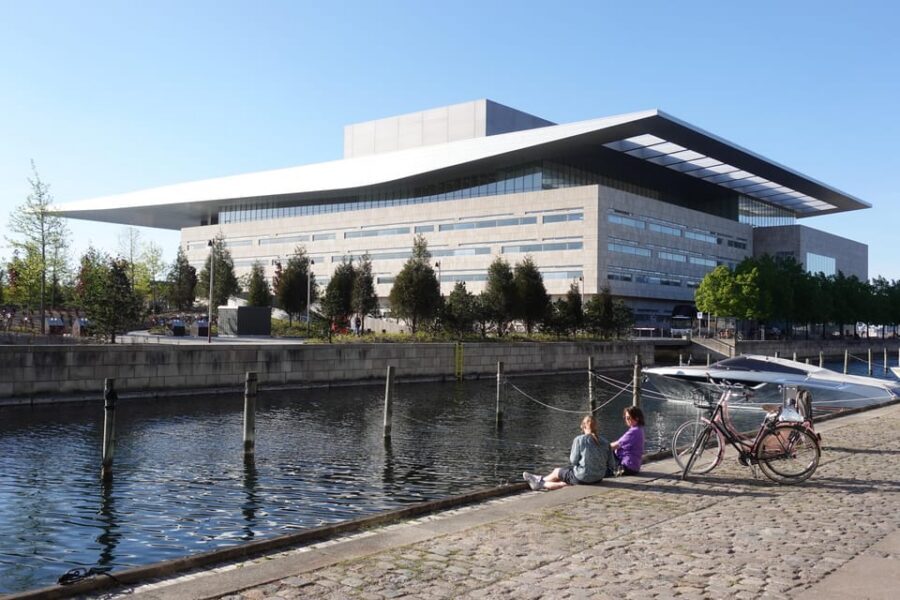
After Christiania, the tour shifts again—toward the modern side of Christianshavn—so you can feel the contrast rather than just read about it. You’ll do a quick visit stop at the Copenhagen Opera House for about 15 minutes.
This is not a deep-dive into the opera building itself. It’s more like a visual punctuation mark. You’ve just spent time in an alternative community known for its independence and visual creativity. Then you look at one of Copenhagen’s modern cultural landmarks, and the whole city starts to make more sense as a mix of identities rather than one single style.
I like this contrast because it keeps you from pigeonholing Copenhagen as only tidy, uniform, and picturesque. The city has sharp edges and different values living side-by-side. The guide helps you connect those dots.
Pacing and the small group: why you don’t feel rushed
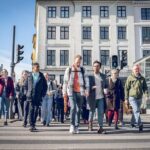
This is a 2-hour walking tour with a small group limited to 10 participants. That matters more than you’d think. In bigger groups, you spend time waiting and repeating. Here, you get closer to the guide’s stories, and questions come up naturally.
The pace is designed to keep you moving without turning the walk into a sprint. One review highlight that matches what you’ll feel on the ground: people consistently mention the pace being right, with a group size that makes it easy to actually hear the guide.
Also, it’s rain or shine. Copenhagen weather can be moody, so you’ll want to dress for real conditions and not just for optimism. The tour keeps going in wet weather, which means you’ll experience the neighborhoods as they are, not as they look in clear-day photos.
Wheelchair accessible is also clearly stated, which is good to know if you need routes that work better for mobility than stairs-and-ladders sightseeing.
You can also read our reviews of more guided tours in Copenhagen


Price and value: what $49 buys you (and what it doesn’t)
At $49 per person for a 2-hour guided walk, you’re paying mainly for three things: a local guide, a structured route through two very different districts, and the ability to learn the “why” while you’re outside.
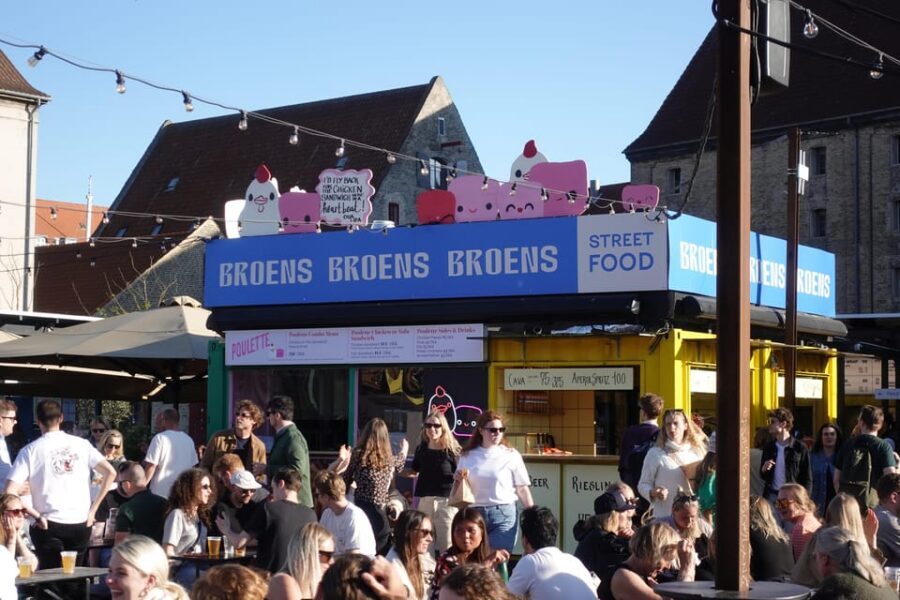
Food and drinks aren’t included. That’s actually fine, because the tour is focused on walking and story. You’re also specifically given recommendations for places to eat—Danish and international options—and tips to help you avoid tourist traps. For a short visit to Copenhagen, those post-tour directions can be worth as much as the tour itself.
The strongest value signal here is the guide quality. People call out excellent English and a friendly, engaging style. Several guides are named in the feedback (Lysander, Christian, Simon, Noah), and they’re praised for mixing information with real-life insight. You’re not just collecting facts. You’re learning how locals see the area, including changes in the social system and how the neighborhood has evolved.
If you want a checklist of famous Copenhagen sights only, this probably isn’t the best use of your time. But if you want context, neighborhood feel, and practical next steps for your trip, $49 is a reasonable entry fee for that kind of guided understanding.
What you’ll actually do at each stop, step by step
Here’s the flow in plain terms, and what each part is best for:
Start in Christianshavn near the blue house
You begin on Dronningensgade 4 (outside the blue house) with your guide. The early walk helps you understand the district’s layout, waterways, and architecture before you reach the more surprising contrast of Christiania.
Church of Our Saviour
You’ll spend around 15 minutes here. Think of it as a quick landmark stop that the guide uses to anchor the old side of the story.
Freetown Christiania plus free time
You’ll head into Freetown Christiania, spend time with the guide explaining its alternative lifestyle and street-art presence, then get about 30 minutes to explore independently. This is the part where you can slow down, pick your favorite corners, and experience the place at your own speed.
Copenhagen Opera House
After Christiania, you head toward the modern contrast and spend about 15 minutes at the Opera House area. The guide helps you connect the shift in culture and style to the broader feel of Christianshavn.
Finish near Strandgade
The tour ends at Strandgade 95, and the activity finishes back at the meeting point area. It’s built for a clean handoff: you’ll be ready to continue on your own afterward.
Practical tips so your walk goes smoothly
A couple things make a big difference on a 2-hour neighborhood walk like this.
Wear shoes you trust
You’ll be on your feet for the whole experience. Copenhagen streets can be uneven, and Christianshavn’s pathways and canal-adjacent areas are not always flat in a tourist-friendly way.
Bring a layer
It’s rain or shine. Even if it’s bright when you start, conditions can shift quickly. A packable rain layer is the easiest upgrade you can make to your comfort.
Ask for food advice early
Your guide gives tips on Danish and international cuisine and recommends places to keep exploring afterward. If you have dietary preferences or want something specific, ask. You’ll get better recommendations when your guide still has you gathered in the group and can tailor suggestions.
Be ready for stories, not just scenery
This tour’s strength is explanation—especially around Christiania and why it exists. If you show curiosity, your guide will give you more of that human, firsthand texture.
Who should book this (and who might skip it)
This tour is a great fit if:
- You want local insight more than museum time.
- You like street art with context, not just photos.
- You enjoy contrast: old canals and churches, then Christiania’s alternative community.
- You’d rather have a guide steer you away from tourist traps and toward good meals.
You might skip it if:
- You only want major Copenhagen sights with long visits.
- You’re uncomfortable with alternative communities and prefer very controlled, traditional attractions.
- You hate walking in rain, since the tour is explicitly rain or shine.
Should you book the Christianshavn and Christiania guided walk?
I’d book it if your Copenhagen plan includes at least one “neighborhood” block of time. This tour gives you exactly that: a structured walk through Christianshavn and Freetown Christiania, plus time to explore on your own. The local-guide factor is the headline, and the small group size keeps the experience personal.
The biggest reason to choose it is simple: it helps you understand what you’re seeing. You’ll come away with more than photos of street art and canals—you’ll understand why the area matters, how it’s changing, and where to eat afterward like you’ve got a friend in the neighborhood.
FAQ
How long is the Copenhagen: Christiania & Christianshavn guided walking tour?
The tour lasts about 2 hours.
Where does the tour start and end?
You meet outside the blue house at Dronningensgade 4 (with 2 starting location options listed). The tour ends back at the meeting point area at Strandgade 95, 1401 København.
Is the tour wheelchair accessible?
Yes, the tour is listed as wheelchair accessible.
Is the tour offered in English?
Yes, the live tour guide speaks English.
What is included in the price?
The price includes a local guide and the walking tour.
Does the tour include food or drinks?
No. Food and drinks are not included, though you’ll receive recommendations for places to eat.